

Is the Digital Age Diluting Our Connection With Art?
Call for Ideas to Reimagine Public Engagement with Art Through Innovative Portable Theatre Boxes


Art has always been an integral part of human civilization, manifesting itself in various forms—be it visual, performing, or written. However, the digital age has imposed a visual barrier, diluting the raw, emotional interaction we once had with art forms. The solution might lie in a unique blend of architecture and artistic display, aimed at re-establishing the lost connection between art and the audience.
What Has Changed in Our Relationship with Art?
Art, in its various forms—visual, performing, and written—has always been the cornerstone of society, encapsulating its values, beliefs, and culture. But as we venture further into the 21st century, there appears to be a widening chasm between people and the more interactive, communal forms of art, such as theater and live performances. This is a disturbing trend because these forms of art are not mere entertainment; they are the collective expression of humanity's emotional and intellectual landscape. So, what exactly is contributing to this growing disinterest in participatory art forms?
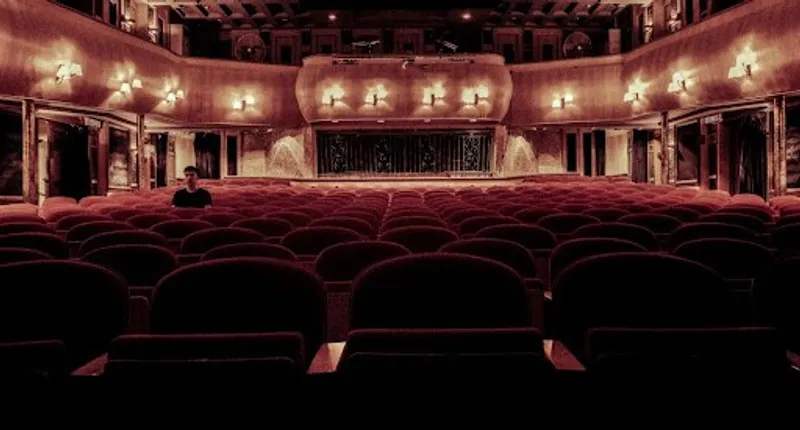
Why Is Art Becoming Less Accessible?
While technology has broadened the reach of art, it has also created barriers. Ticket prices, location, and time—all contribute to this widening gap. Could the essence of art be slipping away from our lives?
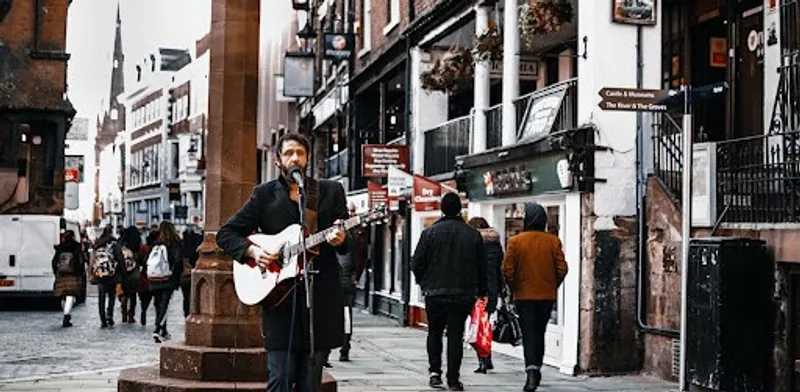
Shift to Digital Media
Digital platforms have democratized access to art, but they've also isolated us. With art at our fingertips, we've lost the ritual of going out and experiencing it within a community. Streaming services and online galleries have granted us convenience but at the cost of genuine, human interaction and the communal experience of art.
Economic Factors
High ticket prices for live shows and exhibitions have made it difficult for a broader audience to engage with art in its traditional venues like theaters and galleries. The economic barrier has led to the perception that art, particularly interactive and live forms, is an "elite" activity, out of reach for many.
Changing Social Dynamics
The way we socialize has also seen a significant shift. Earlier, a night at the theater or an afternoon at an art gallery was a social occasion, an opportunity to connect with others. In the age of social media, these real-world interactions are increasingly being replaced by virtual ones, reducing opportunities for communal art experiences.
The Overwhelm of Choices
The sheer volume of available content—across multiple platforms and media—has also diluted our focus. The paralyzing effect of too many choices has led to a sort of "cultural attention deficit." As a result, even when we do engage with art, the experience tends to be fleeting and superficial.
Can Portable Theatre Boxes Be the Architectural Innovation to Rekindle Our Connection with Art?
As we grapple with the many challenges distancing us from interactive art forms, innovative architectural solutions are stepping into the spotlight to bridge this gap. One such promising invention is the Portable Theatre Box—an architectural design challenge that aims to bring art back to public spaces, making it both affordable and accessible. Could this competition be the opportunity we've been waiting for to reinvigorate public interest in art?
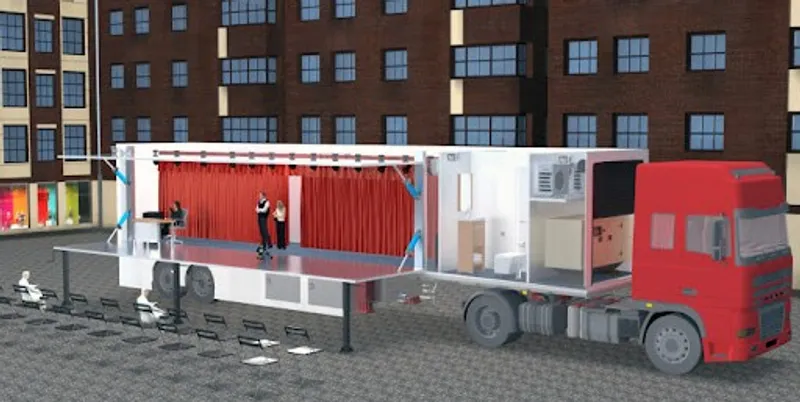
What Are the Objectives Behind Designing the Portable Theatre Box?
As we envision an architectural innovation that can revolutionize how we engage with art, it's crucial to define the core objectives. These parameters not only guide the design process but also ensure the Portable Theatre Box serves its ultimate purpose—making art accessible and interactive for all.
- Mobile: The focus is on creating a design that prioritizes portability, allowing for easy movement and setup in various locations.
- Flexible & Expandable: Adaptability is key. The design should be flexible enough to conform to different public spaces and scalable to suit various performance needs.
- Technological Integration: Modern visualization equipment and sound systems will be integral to the design, offering a tech-savvy yet intimate art experience.
- Adaptive: The Portable Theatre Box aims to be a versatile space, capable of accommodating a wide array of artists, from musicians to painters. (Fig: 4)
The Opera Truck Concept
The idea behind Operatruck is to offer a comprehensive setup for artists—lights, speakers, props, backdrops, and modern visualization equipment. The Opera truck must be compact and adaptable, capable of fitting in with vehicular constraints and different urban settings.
Scale of the Project
The project should adhere to certain dimensions for portability:
- In Mobile State: Maximum covered area of 20 sq. mt.
- In Static State: Total covered area for expandability should not exceed 25 sq. mt.
The concept of Portable Theatre Box brings together architecture and art in a harmonious symbiosis, designed to alleviate the growing disconnect between art forms and the public. It’s not merely a stage for performance; it is a stage for interaction, for the confluence of society, culture, and personal expression.
This could be the future of public art displays, and it calls for a design that is not just functional but also aspirational. So the challenge for designers is to create a space that could revolutionize the way we interact with art—essentially rethinking public spaces for the betterment of human interaction and culture.
References (5)
Art and Architecture
Publisher: Oxford University Press.
Vol. Year - 2020
Public Art and Performances in Public Spaces
Publisher: Springer
Vol. Year - 2019
Performing Arts in the 21st Century
Publisher: Routledge
Vol. Year - 2018


Popular Articles
Popular articles from the community


Play: Fragments of Their World
Familiar architecture becomes modular playground design, creating safe spaces where displaced children can learn, connect, imagine and play.

Little Red Riding Hood: Architectural Design as a Journey Through Fear, Light, and Storytelling
Little Red Riding Hood reimagines the fairy tale through architectural design shaped by fear, light, scale, memory, uncertainty, and choice.

Conexión: Biophilic Design Reimagines High-Rise Living in Hong Kong
Conexión reimagines high-rise living in Hong Kong through biophilic design, green facades, shared spaces, daylight, water and nature within.

Co-life: Sustainable Architecture for Age-Friendly Community Living
Co-life reimagines sustainable architecture for seniors through courtyards, rammed earth, shared gardens, and spaces designed for belonging.

Similar Reads
You might also enjoy these articles
116 Rokeby Building, Collingwood
Sustainable Collingwood office building featuring double-skin façade, natural ventilation, rooftop amenities, and carbon-neutral design focused on wellbeing and longevity.
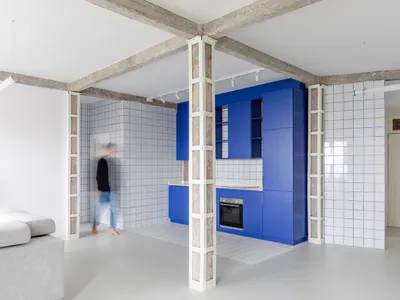
Contemporary Apartment Renovation in Spain: RV House by BIAN Opens Up to the Sea
A minimalist 1930s apartment in Santander is transformed into a flexible, sea-facing home through contemporary Spanish renovation.
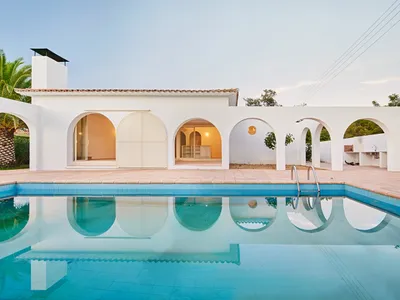
3 Marías House: A Contemporary Mediterranean Courtyard Retreat by Bajet Giramé + Burckhardt
Mediterranean courtyard home blending traditional architecture with modern design, terracotta flooring, flexible interiors, sustainable climate strategies, and garden integration.
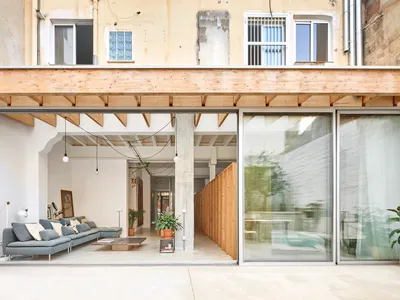
NZ10 Apartment by auba studio: Adaptive Reuse in Palma de Mallorca
Adaptive reuse apartment transforms bakery into light-filled home with patios, privacy layers, and wood interiors enhancing urban living experience.


Comments (0)
Please login or sign up to add comments
No comments yet. Be the first to comment!