
La Luciérnaga House: A Sustainable Forest Retreat by uno más uno + Moro Taller de Arquitectura
La Luciérnaga House blends rammed earth, wood, and stone into a sustainable forest retreat rooted in vernacular Mexican architecture.


A Sanctuary in Nature
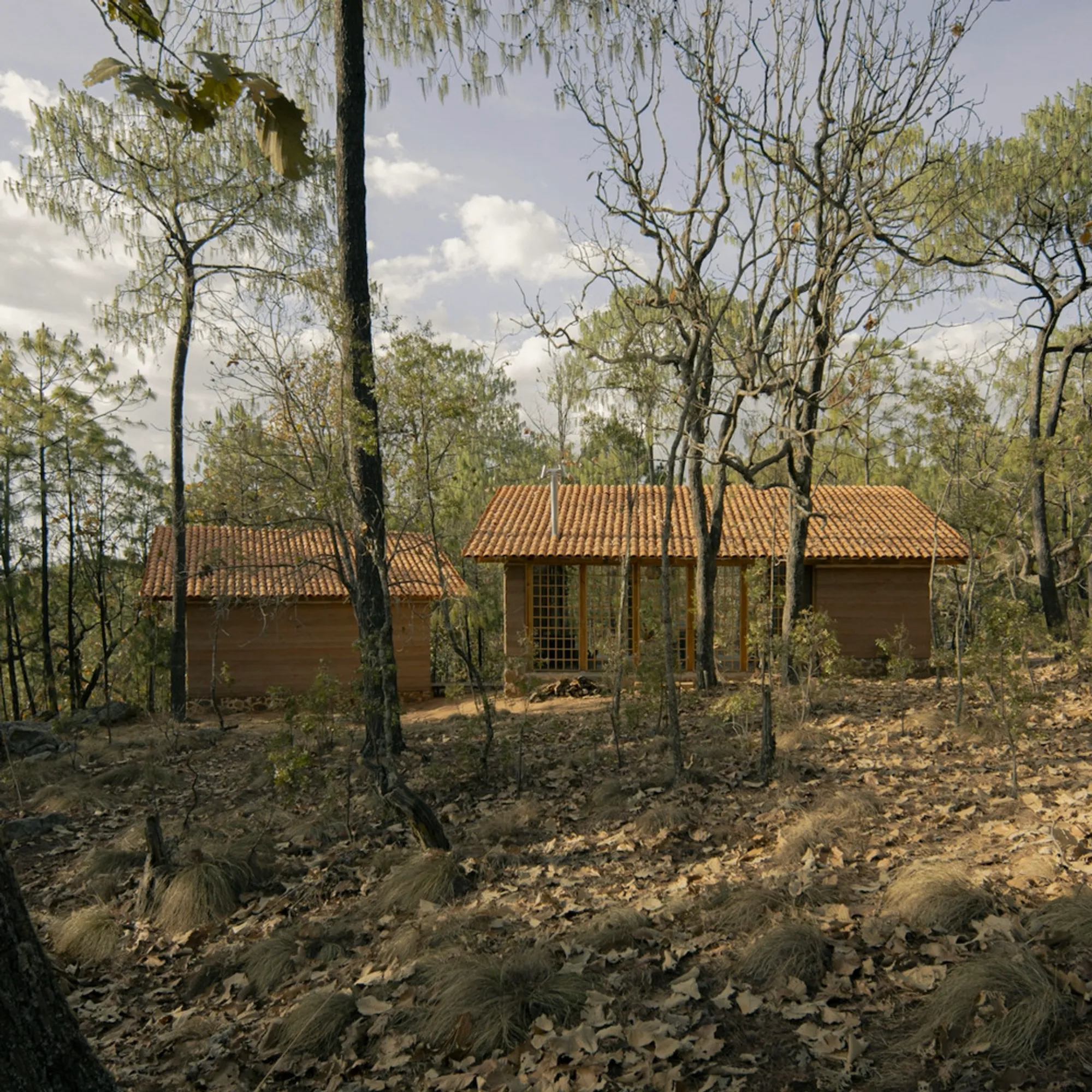
Nestled deep within the oak forests of Chiquilistlán, Jalisco, La Luciérnaga House emerges as a poetic response to the need for stillness, slowness, and reconnection with nature. Designed by Mexican architecture studios uno más uno and Moro Taller de Arquitectura, the project was envisioned as a retreat for a young couple and their dog, seeking escape from the noise and stress of urban life.
Accessible only via a dirt road that winds 25 minutes from the nearest town, the house is situated on a rugged topography within a forest basin. This remote, immersive setting deeply informed the design process, guiding the architects to craft a dwelling that honors its environment and minimizes ecological disruption.
Minimal Impact, Maximum Connection
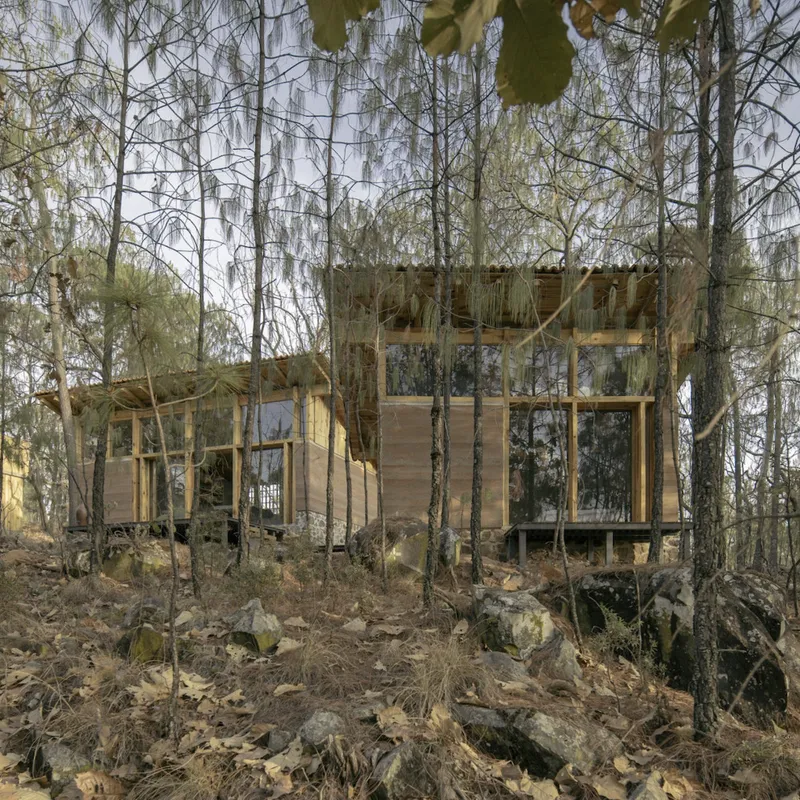
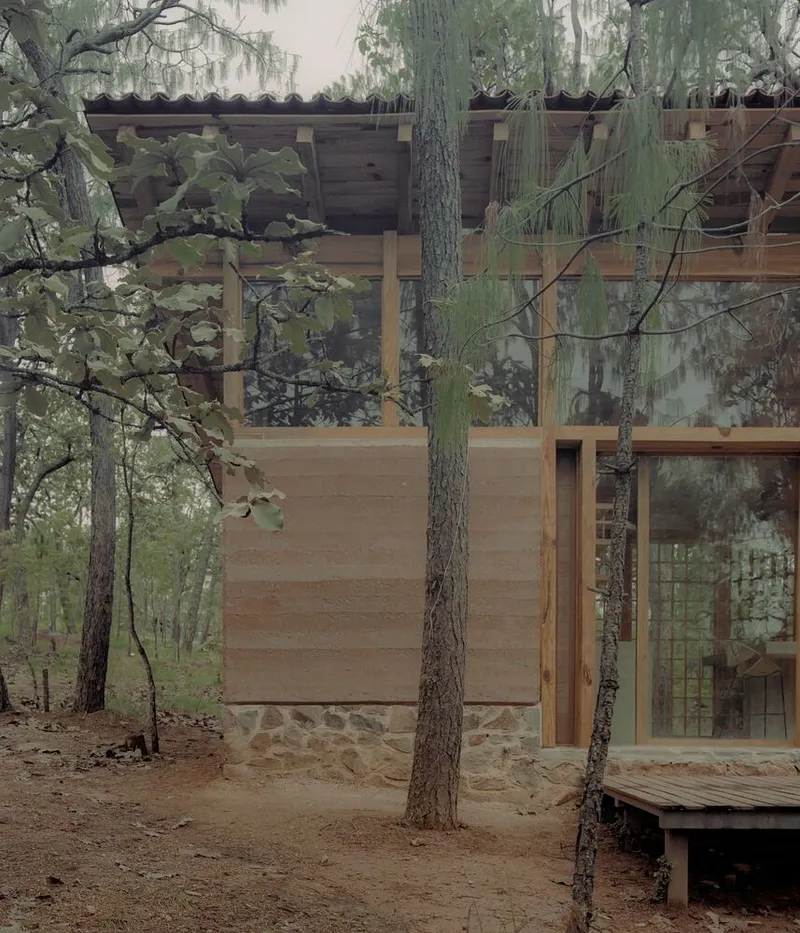
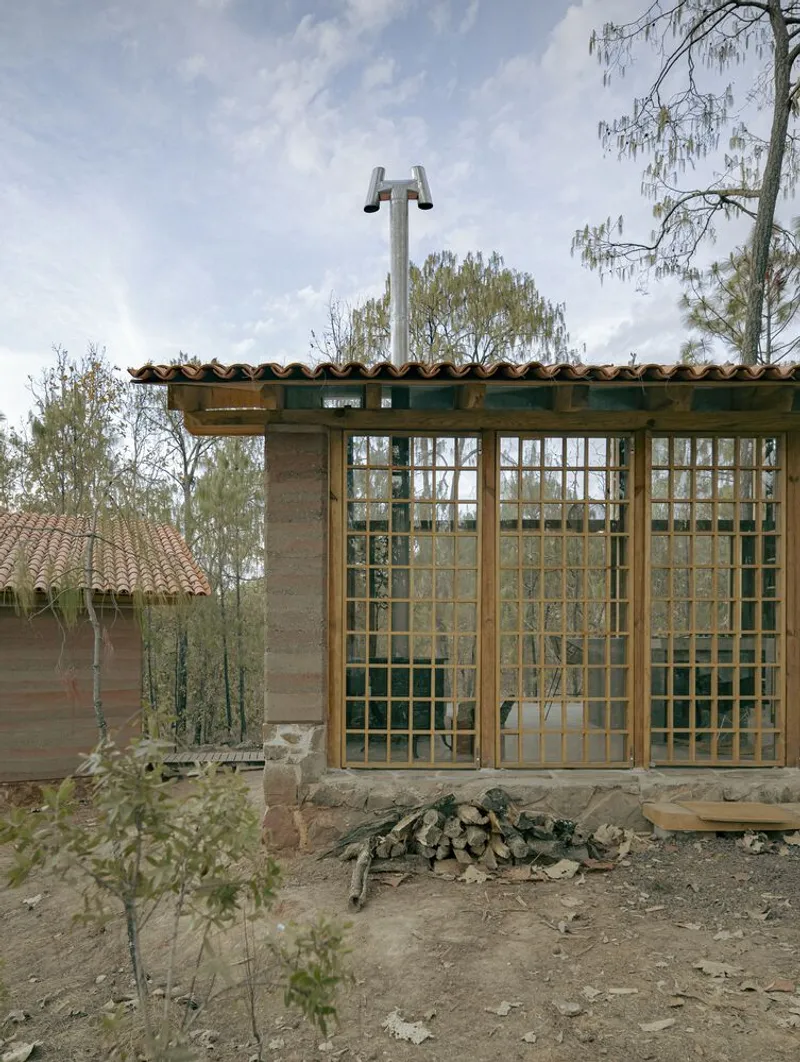
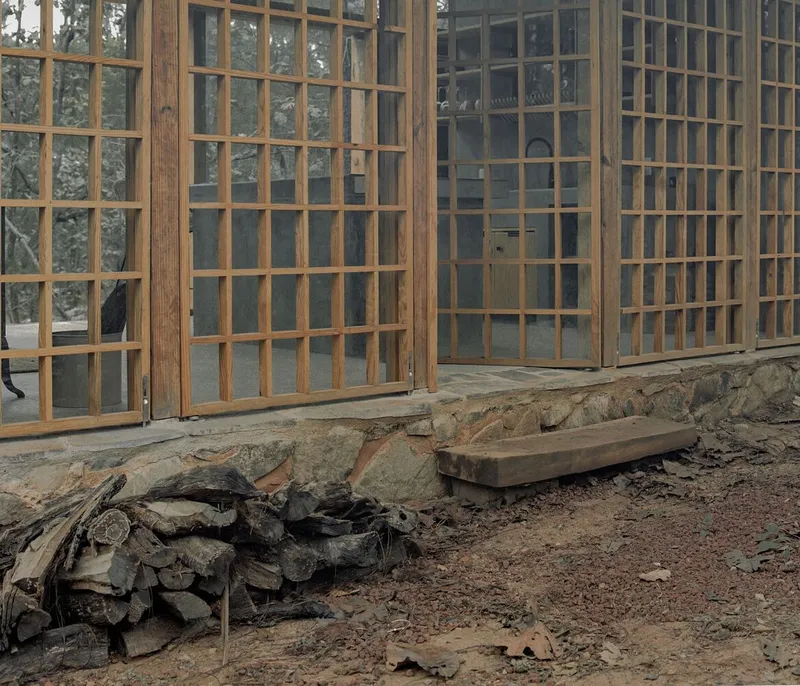
Rather than imposing on the landscape, the house integrates itself delicately within the forest. No trees were cut during construction. Local and natural materials—including rammed earth, stone, and wood—form the primary palette, paired modestly with industrial elements like steel, cement, and glass to support structural integrity and longevity.
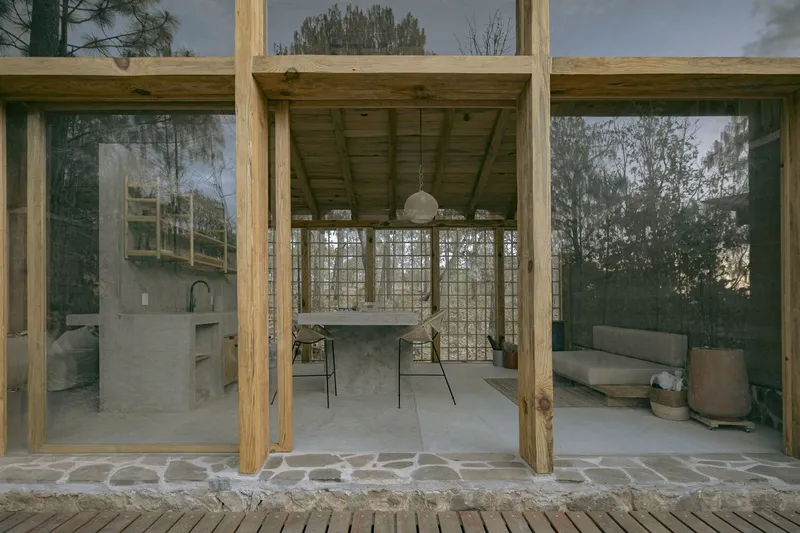
The building is composed of three separate volumes, connected by a raised wooden terrace on a steel-pile structure. This approach not only allows the volumes to gently follow the contours of the land but also reinforces the home's concept of fragmented unity, where each space maintains a tactile, grounded relationship with the site.
Rammed Earth Architecture and Vernacular Knowledge
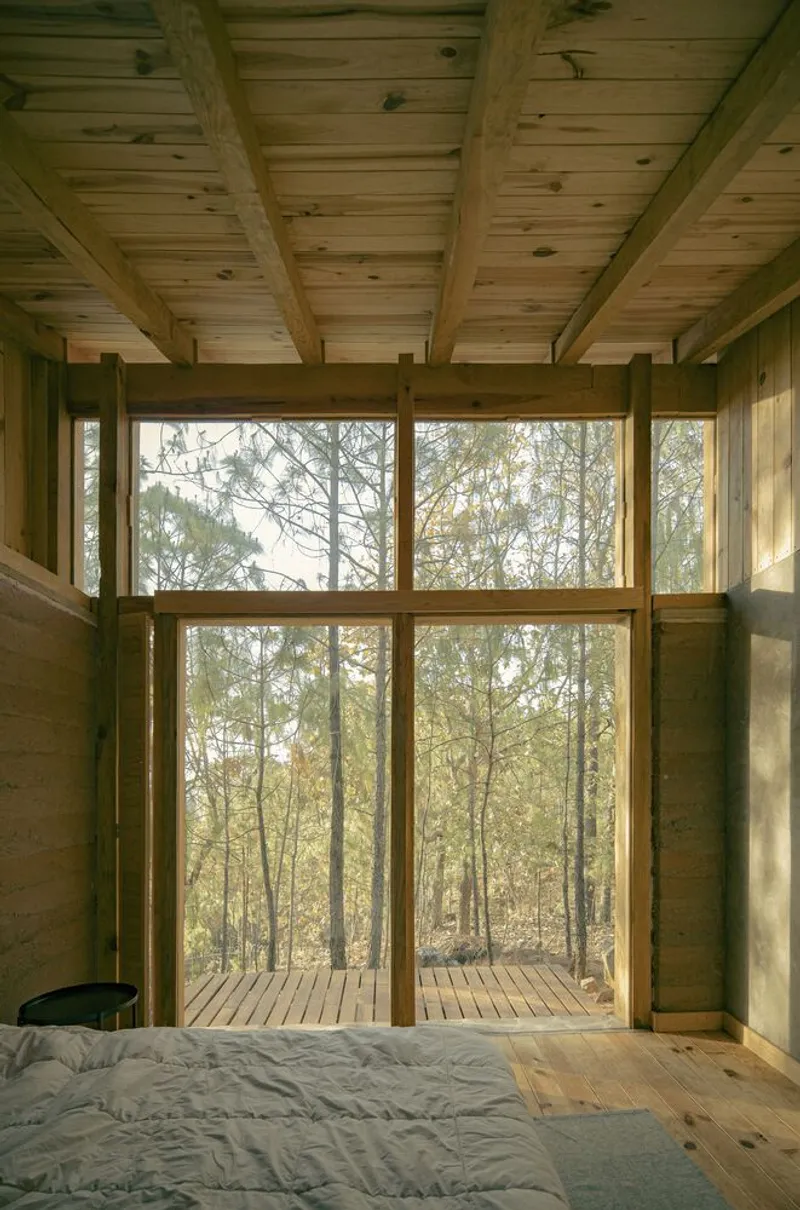
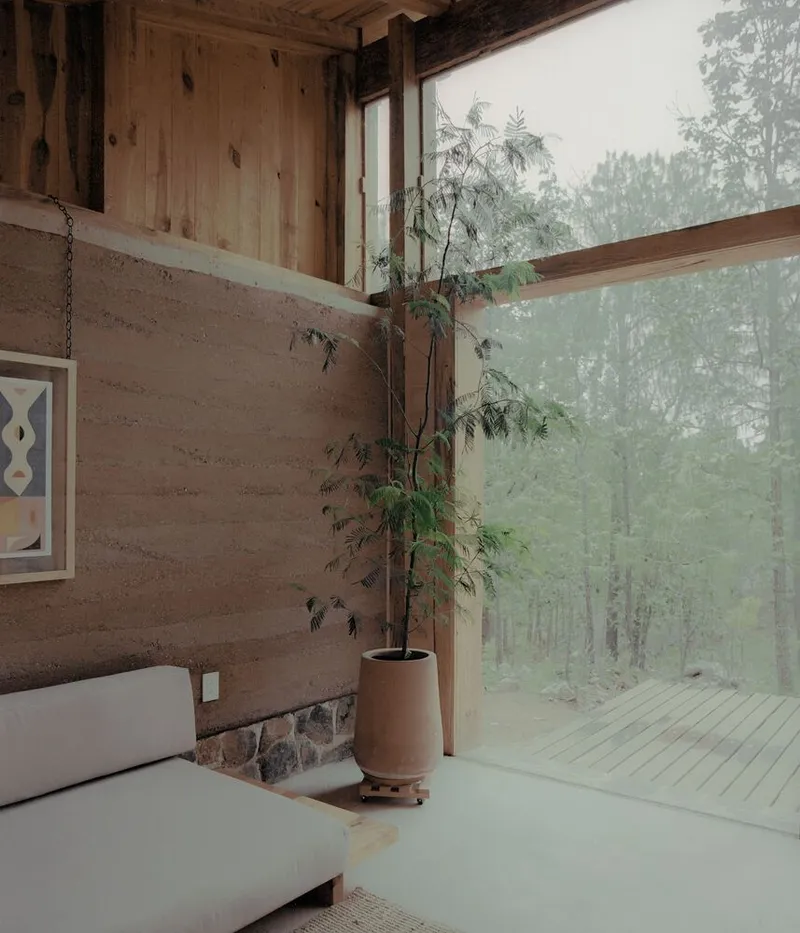
The structural system is based on monolithic rammed earth load-bearing walls, 40 cm thick, rising above a stone foundation and topped with a wooden roof structure of beams, staves, and tiles. These thick walls naturally regulate temperature, reducing the need for mechanical cooling or heating and making the house passive in energy use.
What makes the project particularly significant is the knowledge-sharing approach: the ancient technique of working with earth was taught to local community members who actively participated in the construction process—embedding the project with a spirit of shared authorship and regional continuity.
Off-Grid and Environmentally Responsible
La Luciérnaga House is built to be self-sufficient and ecologically responsible. It includes:
- A gray and black water separation and filtration system
- Rainwater harvesting
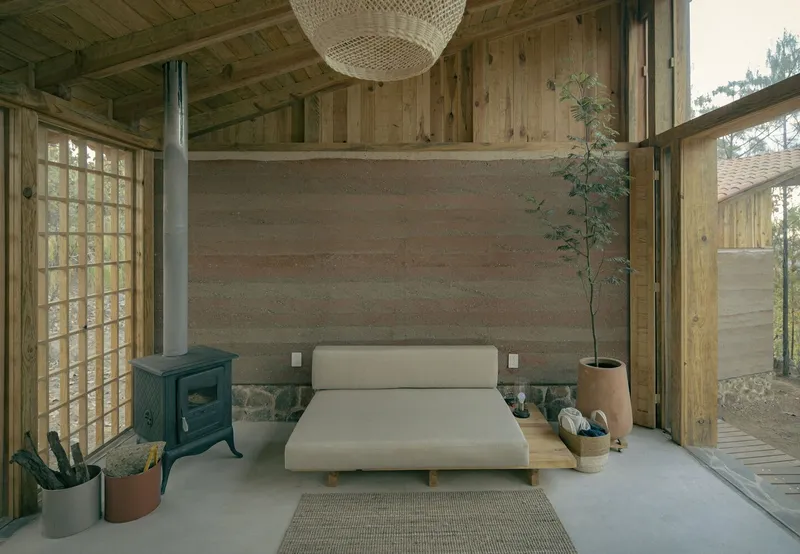
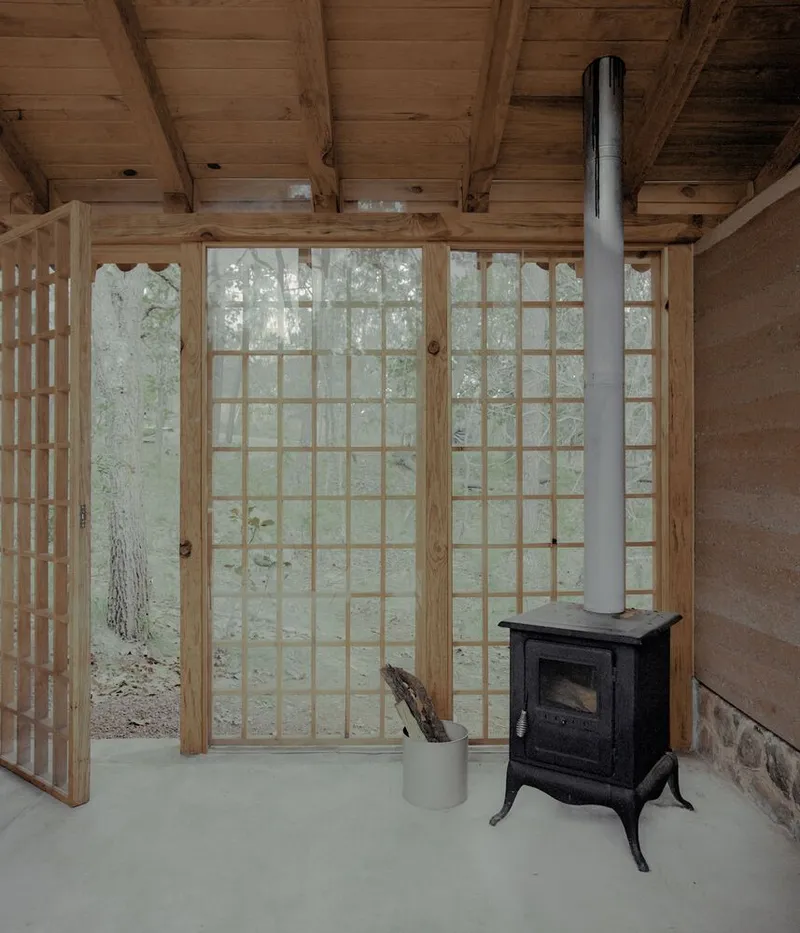
- Wood stove heating
- Solar panels for energy
- Gas as auxiliary support
This system design enables the house to exist lightly in its setting—mirroring the behavior of a firefly, or luciérnaga, after which it is named—quiet, glowing, and in harmony with its ecosystem.
A Refuge Rooted in Simplicity
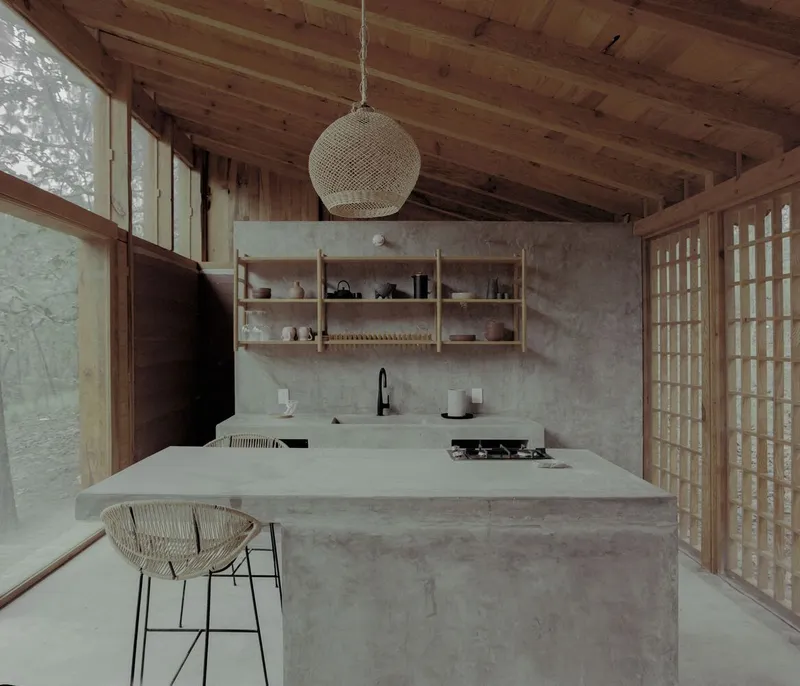
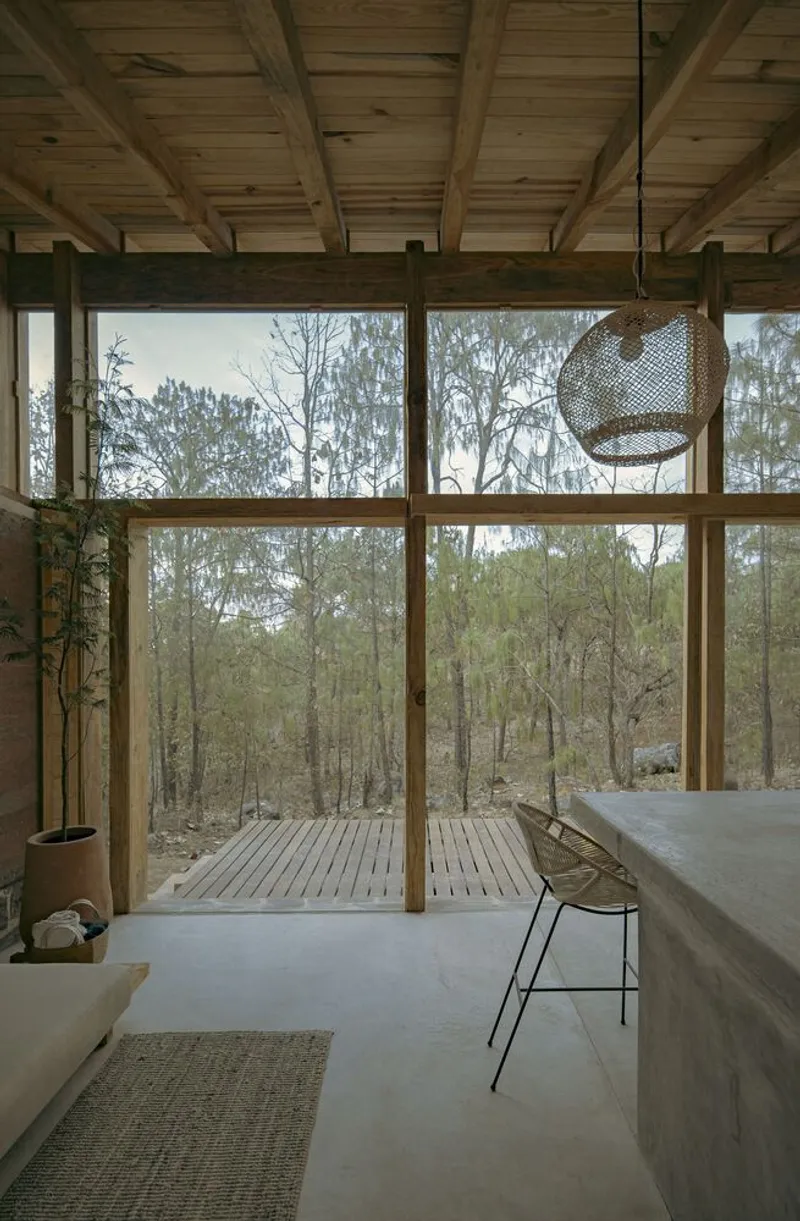
Inside, the atmosphere is one of raw warmth and quiet introspection. The material honesty of rammed earth walls, visible beams, and simple finishes express a tactile and emotional connection to place. This is a home built by hand, with intention, shaped to offer shelter, silence, and reconnection—not only to its residents but to visiting city-dwellers seeking pause.
In every sense, La Luciérnaga House demonstrates how architecture can become an act of environmental respect, community engagement, and material truth—an inspiring model for sustainable rural living.




Popular Articles
Popular articles from the community


Riyadh For All: Intergenerational Urban Design for Active Aging in Rabat
Riyadh For All reimagines urban design in Rabat with intergenerational co-living, adaptive courtyards, and Moroccan cultural exchange today.

The Musturak Paradise: Senior Living Architecture for a Connected Future in Temara, Morocco
The Musturak Paradise reimagines senior living architecture in Temara via private homes, social spaces, culture, community, and shared care.

Play: Fragments of Their World
Familiar architecture becomes modular playground design, creating safe spaces where displaced children can learn, connect, imagine and play.

Co-life: Sustainable Architecture for Age-Friendly Community Living
Co-life reimagines sustainable architecture for seniors through courtyards, rammed earth, shared gardens, and spaces designed for belonging.

Similar Reads
You might also enjoy these articles


Hodi-Mandai Geram
Project Function: Preservation and revitalization of the Intangible heritage and socio-spatial identity of the Hodi by Housing, Cultural Memory Center, Sacred Grove, landscape, local tourism economy


Olio Towers: A Mid-Rise for Performers That Fuses Housing, Rehearsal, and Stage
Located blocks from Houston's Theater District, this modular tower stacks living units around a central performance atrium.

Oasis: Modular Green Housing Carved into Dhaka's Urban Fabric
A shortlisted Plugin Housing entry reclaims unauthorized settlements in Dhaka with stepped concrete volumes, green roofs, and ventilation-driven design.

Black Hole: A Floating Megastructure for the Post-Physical Era
Emiliano Mazzarotto envisions a spherical, self-scaling arena where e-sports, digital hotels, and holographic stadiums replace traditional public space.


Explore Housing Competitions
Discover active competitions in this discipline



Challenge to reimagine the Iron Throne


Photograph architecture without architects


Illustrate the lost glory of Angkor Wat - Render Challenge


Design challenge to reuse E-waste
Comments (0)
Please login or sign up to add comments
No comments yet. Be the first to comment!