

Le Foirail Multi-Service Center: Innovative Community Architecture in Laguiole, France
Le Foirail Multi-Service Center in Laguiole features adaptable, sustainable design, integrating a music school, nursery, media library, and offices innovatively.


A Radical Architectural Statement in the French Countryside
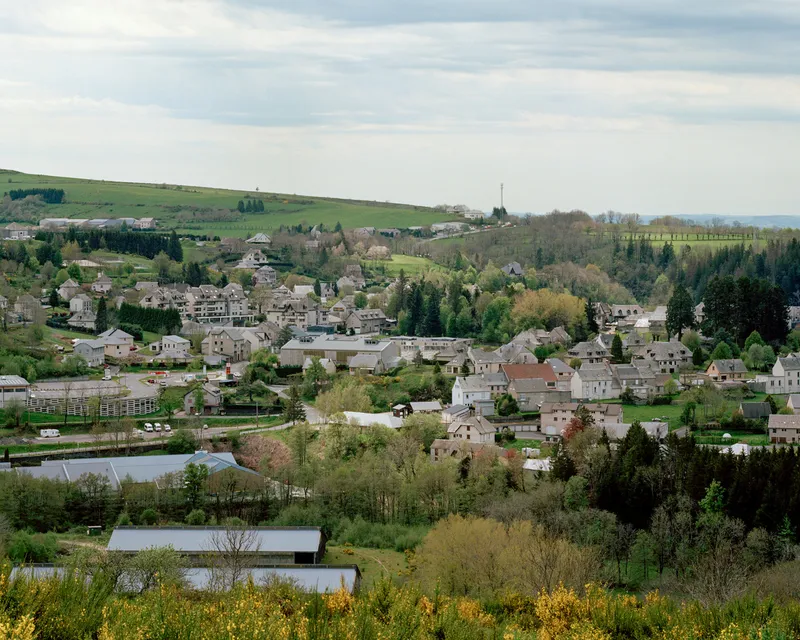
Nestled in the Foirail square, historically used for livestock fairs, the Le Foirail Multi-Service Center stands as a bold architectural intervention in rural France. Designed collaboratively by Betillon & Freyermuth Architects and crypto architectes, the center redefines the concept of a community building, moving away from regionalist pastiche toward a radical, contemporary approach. Winning the competition, the project reflects a careful balance of aesthetic innovation, functionality, and sustainability.
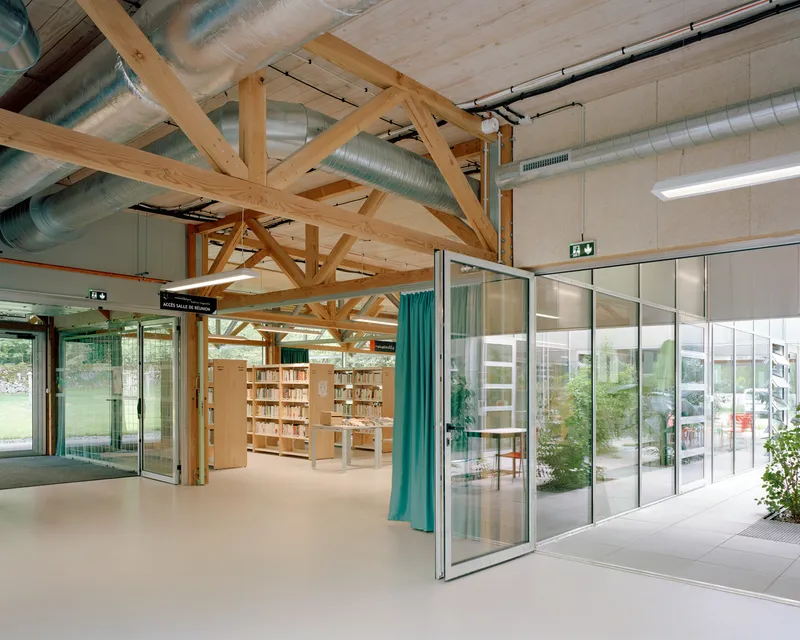
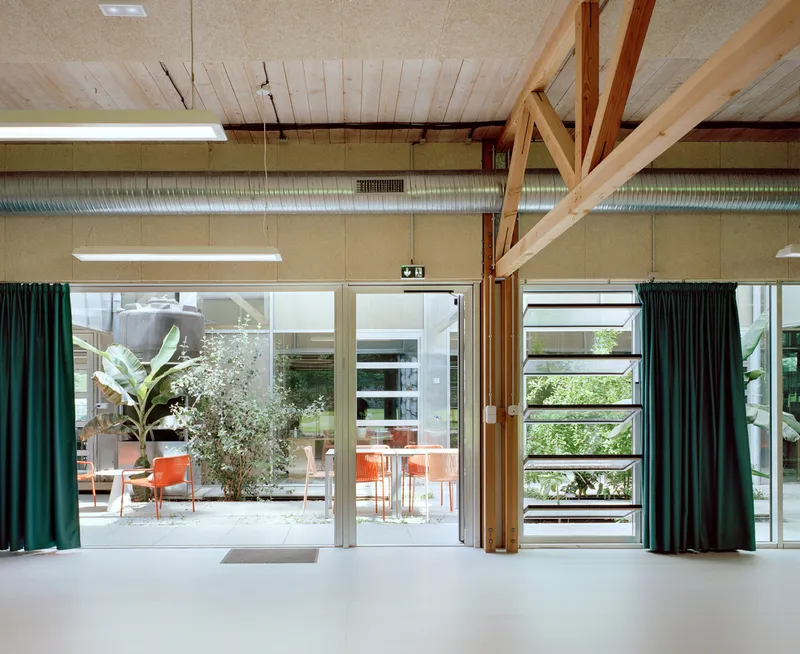
Multi-Functional Spaces for Community Engagement
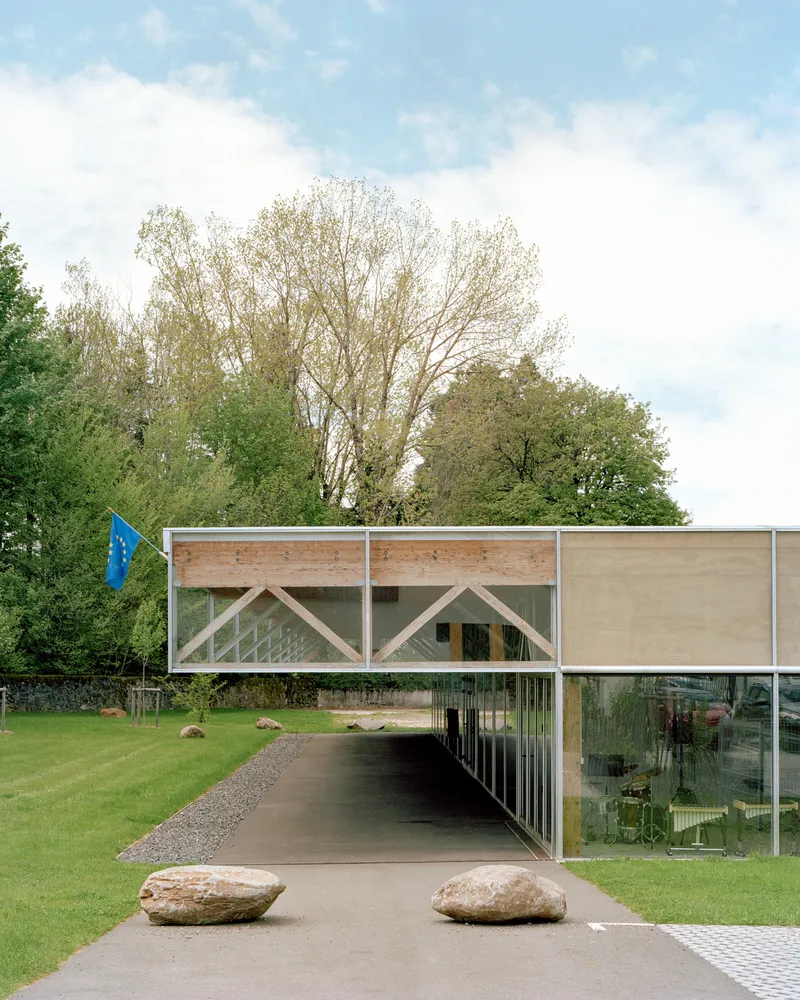
The 1,850 m² building serves as a dynamic multi-service hub, accommodating a variety of communal functions. Within its walls, a music school, a media library, a nursery, and administrative offices coexist seamlessly. This integration of diverse programs demonstrates the architects’ commitment to fostering social cohesion and cultural enrichment in Laguiole.
The local community, represented by the Communes Aubrac Carladez Viadène, actively participated in shaping and supporting the ambitious program. By ensuring the building responds to both current and future needs, the project emphasizes adaptability as a cornerstone of sustainable design.
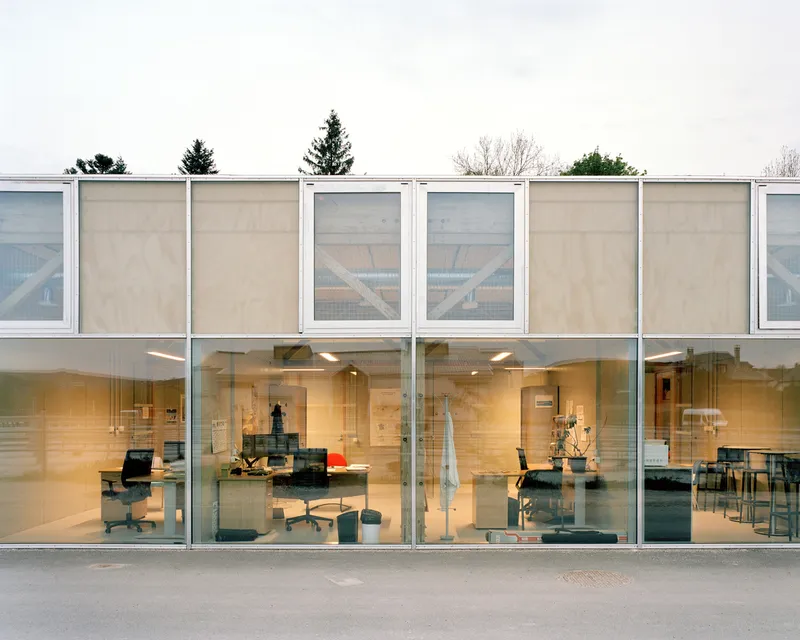


Adaptive Design and Sustainability
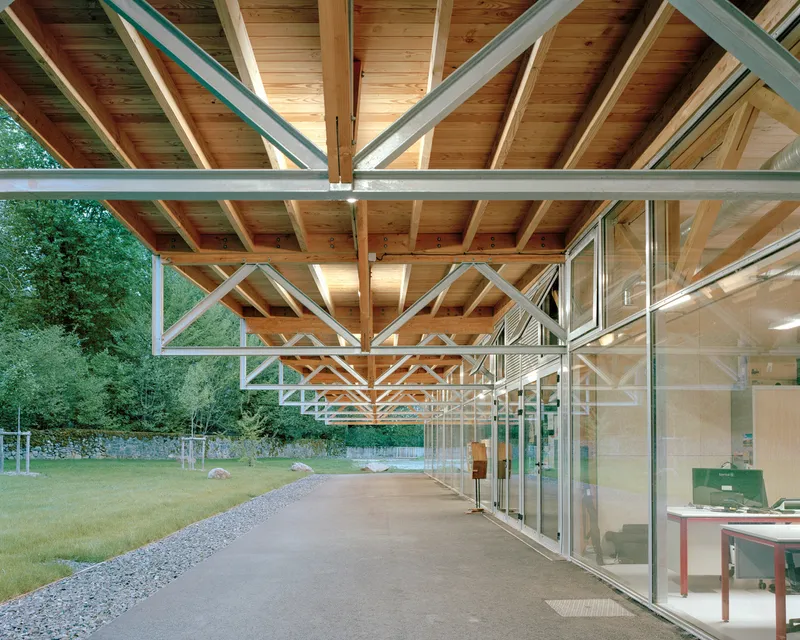
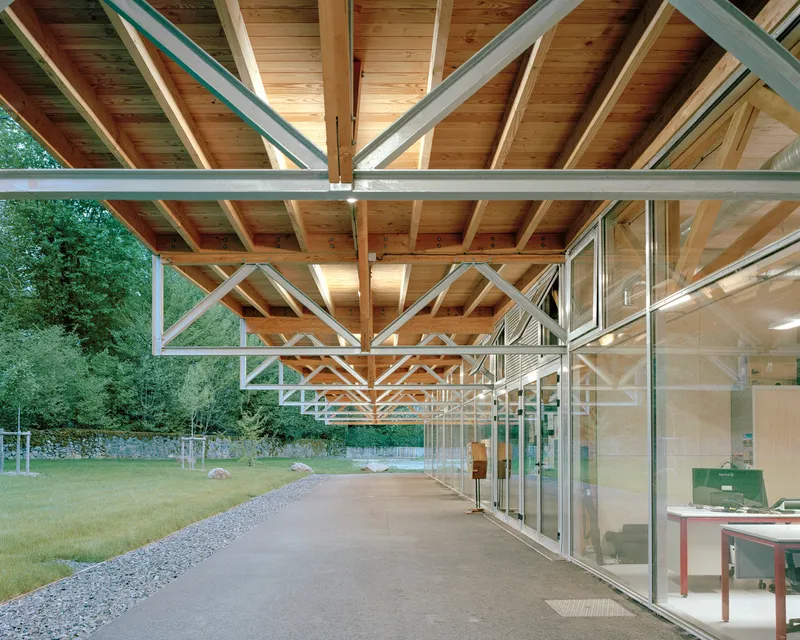
At the core of the Le Foirail Multi-Service Center is the idea of a “machine building”—a structure designed for continuous adaptability. The architects implemented a 5m x 5m wooden post-and-beam framework, which allows infinite reconfigurations. Glazed modules, folding bays, automated louvers, and two motorized opening roofs ensure the patios remain usable throughout the year, even in Laguiole’s mountain climate.
The building’s mechanisms extend beyond flexibility. Automated systems enable natural regulation of temperature, opening at night to harness ambient coolness and optimizing energy efficiency. All pipes and networks are intentionally left visible, allowing for easy maintenance, upgrades, or future modifications, reflecting the architects’ forward-thinking approach.

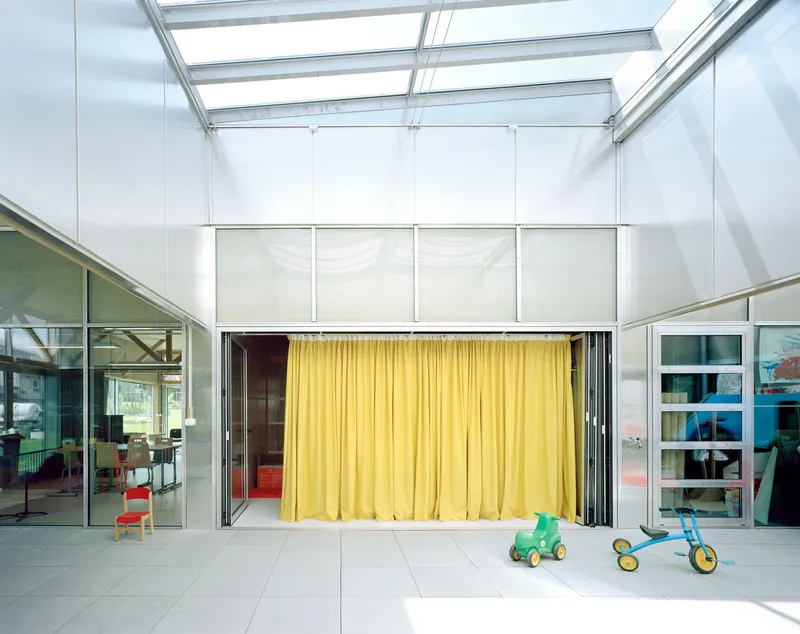
Innovative Process and Architectural Philosophy
The design process for Le Foirail was gradual, iterative, and collaborative, emphasizing negotiation and interaction among users, designers, and stakeholders. The building emerged organically, akin to “automatic writing,” rather than through a rigid, pre-determined blueprint. This approach allowed the architects to reconcile technical constraints, aesthetic ambition, and social functionality into a cohesive and adaptable structure.

The result is a community center that embodies radical architecture, sustainability, and social engagement, while maintaining a playful yet precise structural logic. The Le Foirail Multi-Service Center is not just a building—it is a living system, capable of evolving with the community it serves.
All photographs are works of Maxime Delvaux


Popular Articles
Popular articles from the community


Co-life: Sustainable Architecture for Age-Friendly Community Living
Co-life reimagines sustainable architecture for seniors through courtyards, rammed earth, shared gardens, and spaces designed for belonging.

Hill & Cross Opera: Sculptural Opera House Architecture Shaped by Tallinn’s Landscape and Identity
Hill & Cross Opera reimagines opera house architecture in Tallinn through its sculptural hill, civic plaza, glass wave and a luminous cross.

The Musturak Paradise: Senior Living Architecture for a Connected Future in Temara, Morocco
The Musturak Paradise reimagines senior living architecture in Temara via private homes, social spaces, culture, community, and shared care.

Lunar Spiral: Space Architecture Shaped by the Mathematics of the Universe
Lunar Spiral reimagines space architecture through Fibonacci geometry, lunar regolith, levitating habitats, and self-sustaining Moon living.


Similar Reads
You might also enjoy these articles


Hodi-Mandai Geram
Project Function: Preservation and revitalization of the Intangible heritage and socio-spatial identity of the Hodi by Housing, Cultural Memory Center, Sacred Grove, landscape, local tourism economy


Olio Towers: A Mid-Rise for Performers That Fuses Housing, Rehearsal, and Stage
Located blocks from Houston's Theater District, this modular tower stacks living units around a central performance atrium.

Oasis: Modular Green Housing Carved into Dhaka's Urban Fabric
A shortlisted Plugin Housing entry reclaims unauthorized settlements in Dhaka with stepped concrete volumes, green roofs, and ventilation-driven design.

Black Hole: A Floating Megastructure for the Post-Physical Era
Emiliano Mazzarotto envisions a spherical, self-scaling arena where e-sports, digital hotels, and holographic stadiums replace traditional public space.
Explore Public Building Competitions
Discover active competitions in this discipline


Challenge to design locus for the upliftment of human rights


Challenge to reimagine the Iron Throne


Photograph architecture without architects


Illustrate the lost glory of Angkor Wat - Render Challenge
Comments (0)
Please login or sign up to add comments
No comments yet. Be the first to comment!