
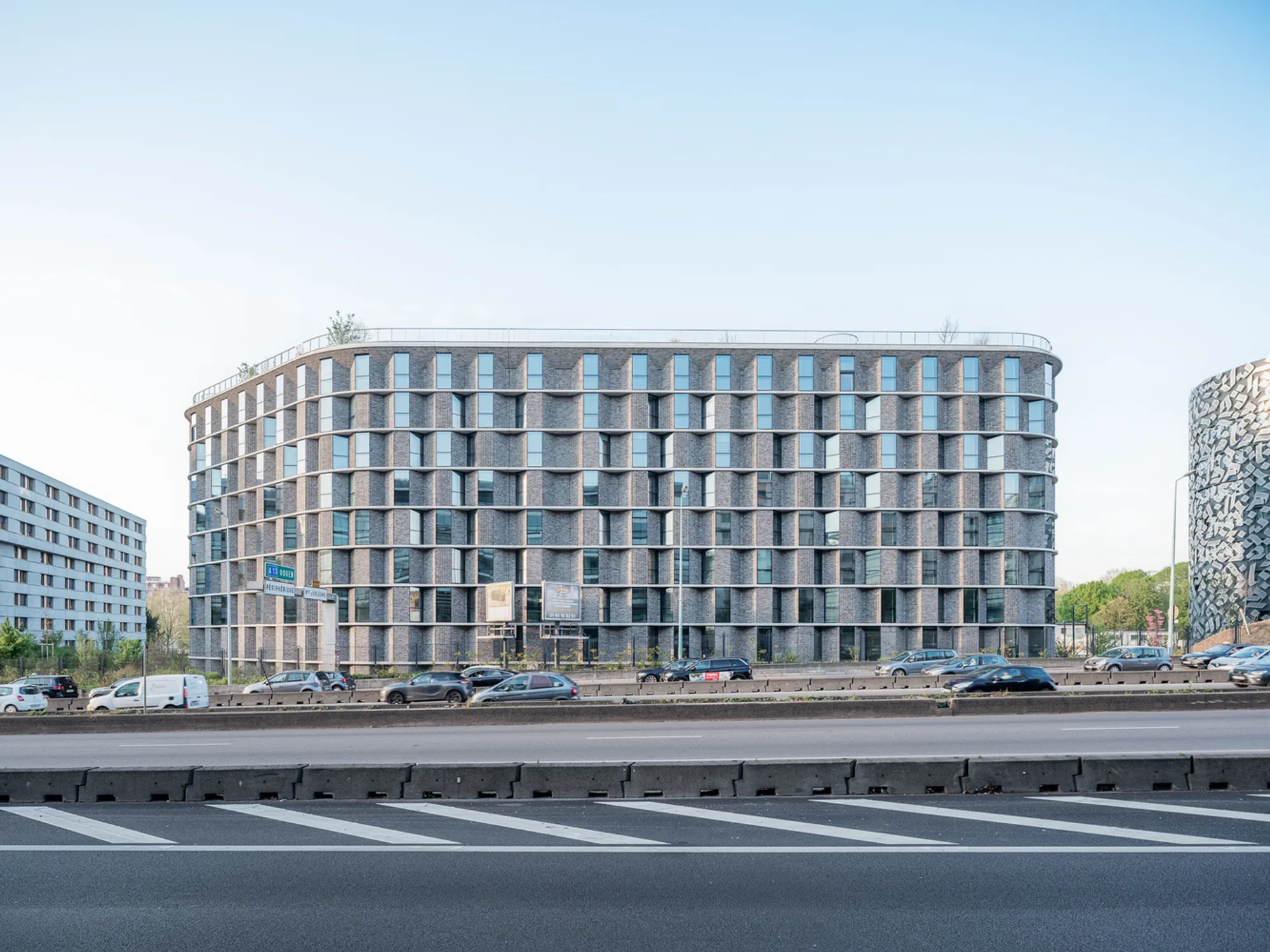
Maison de la Chine Dorms byAtelier FCJZ + Coldefy
Maison de la Chine Dorms blends Chinese heritage and modern design, creating sustainable student housing in Paris with communal courtyards and gardens.


Located within the historic Cité Internationale Universitaire de Paris (CIUP), the Maison de la Chine Dorms by Atelier FCJZ and Coldefy is a striking architectural landmark that blends cultural heritage, sustainable design, and contemporary student living. Completed in 2023, the 8,287 m² residence finally fulfills a long-awaited dream of creating a dedicated Chinese House in Paris, more than ninety years after it was first envisioned.
A Legacy Realized
The CIUP, founded in 1925, is home to over 40 pavilions representing different nations, each with distinctive architecture—from Le Corbusier’s Pavillon Suisse to Lucio Costa’s Maison du Brésil. In 1930, Chinese student Yu Ping-Lih first proposed a Maison Chinoise as his thesis project, but financial challenges halted its construction. Nearly a century later, a Sino-French design competition revived the vision, and the winning proposal by Atelier FCJZ and Coldefy gave birth to the Fondation de Chine, known poetically as He Yuan (“Garden of Harmony”).
Concept: A Modern Tu Lou
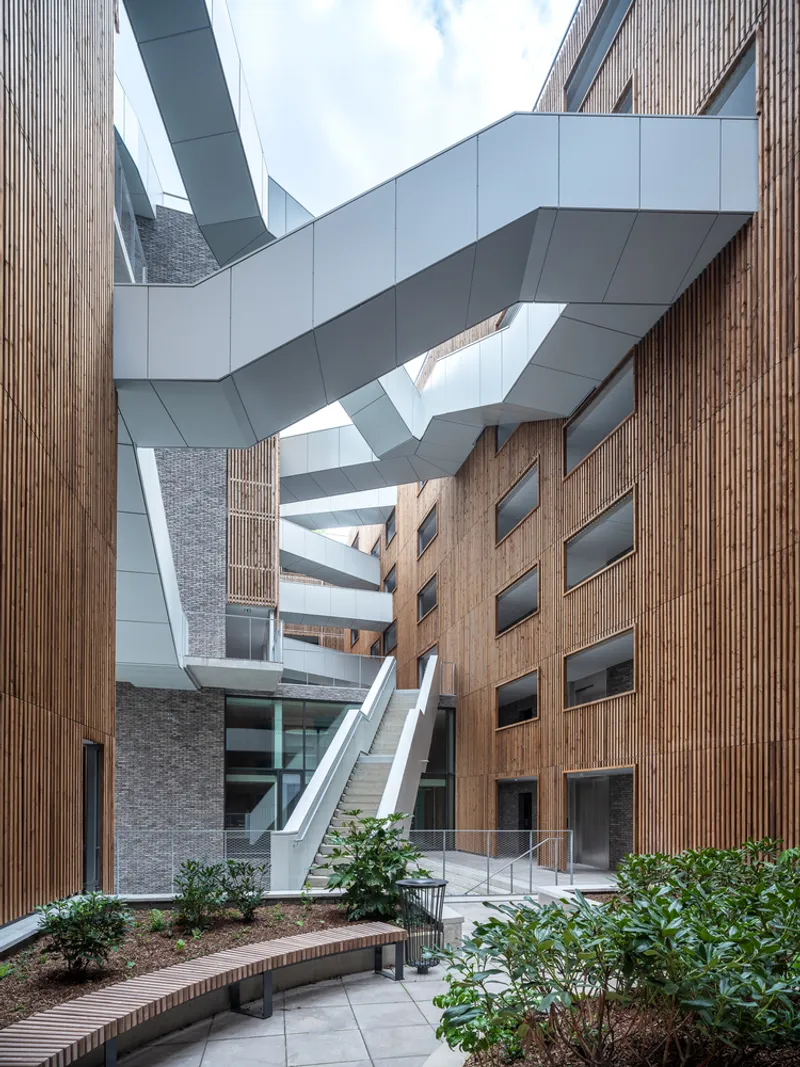
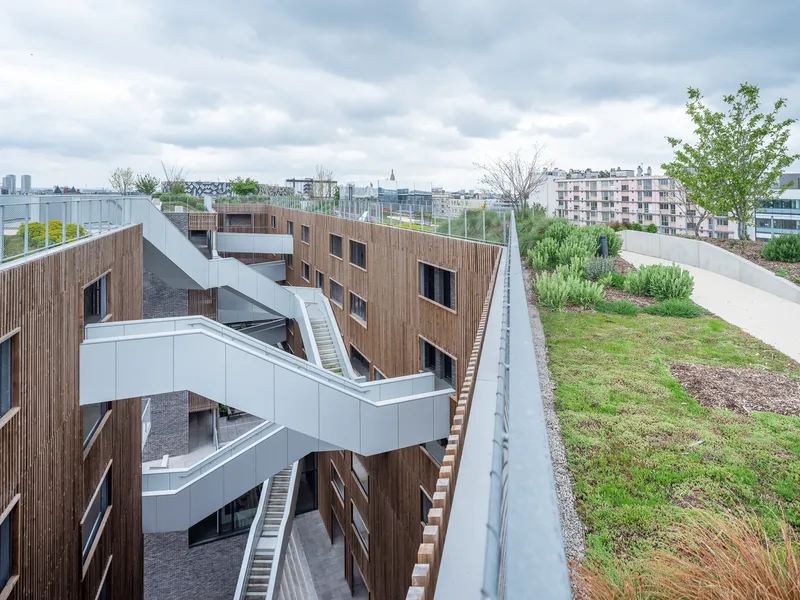
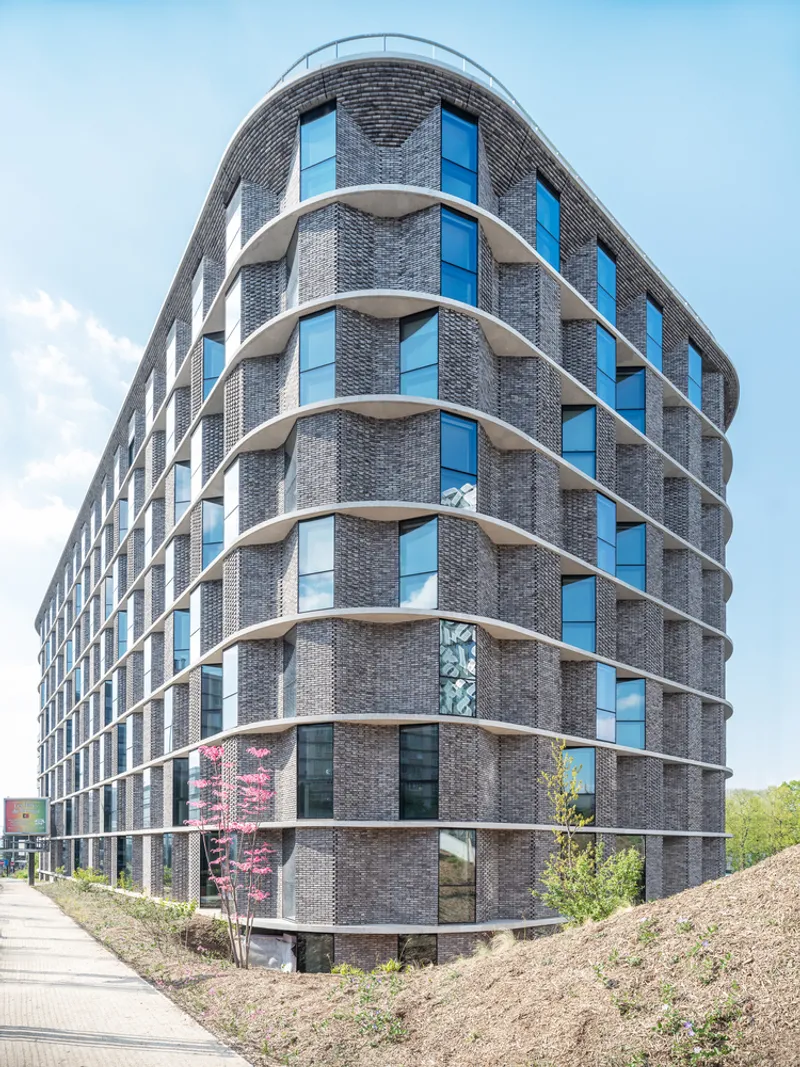
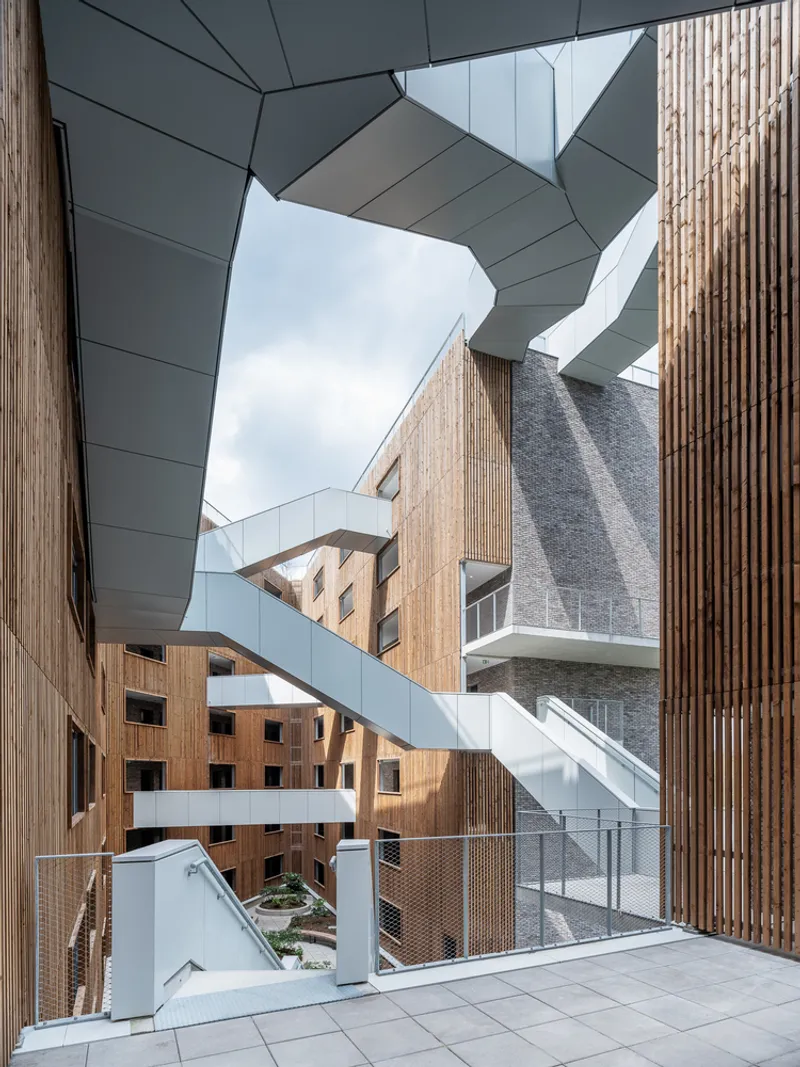
Inspired by the Tu Lou—traditional communal earthen dwellings in Southern China—the architects created a design that integrates 300 single dormitories with a 500-seat cultural hall in a continuous ring-shaped formation. This open loop structure surrounds a central courtyard, where terraces, staircases, and green platforms create a vertical landscape that fosters community interaction and cultural exchange.
The building is designed not only as housing but as a conceptual village, echoing both traditional Chinese living patterns and modern student lifestyles.
Living with Landscape
Positioned at the southern edge of CIUP, the Maison de la Chine carefully negotiates its setting between a sports field and the bustling Boulevard Périphérique. The project maximizes green space, with gardens integrated across the rooftop, terraces, and courtyards. This ensures students experience a healthy, nature-connected environment—an idea inspired by Le Corbusier’s emphasis on well-being in design.
Materiality and Cultural DNA
Rather than relying on ornamental references, the architects embedded Chinese identity through construction techniques and materials.
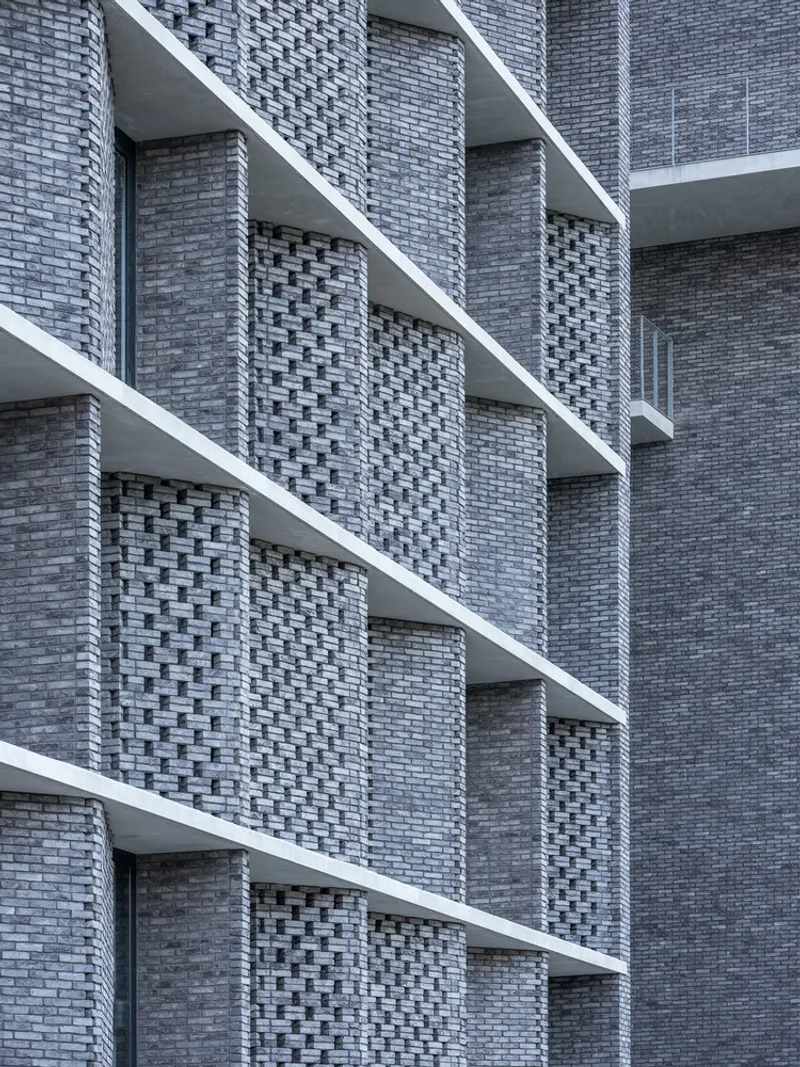
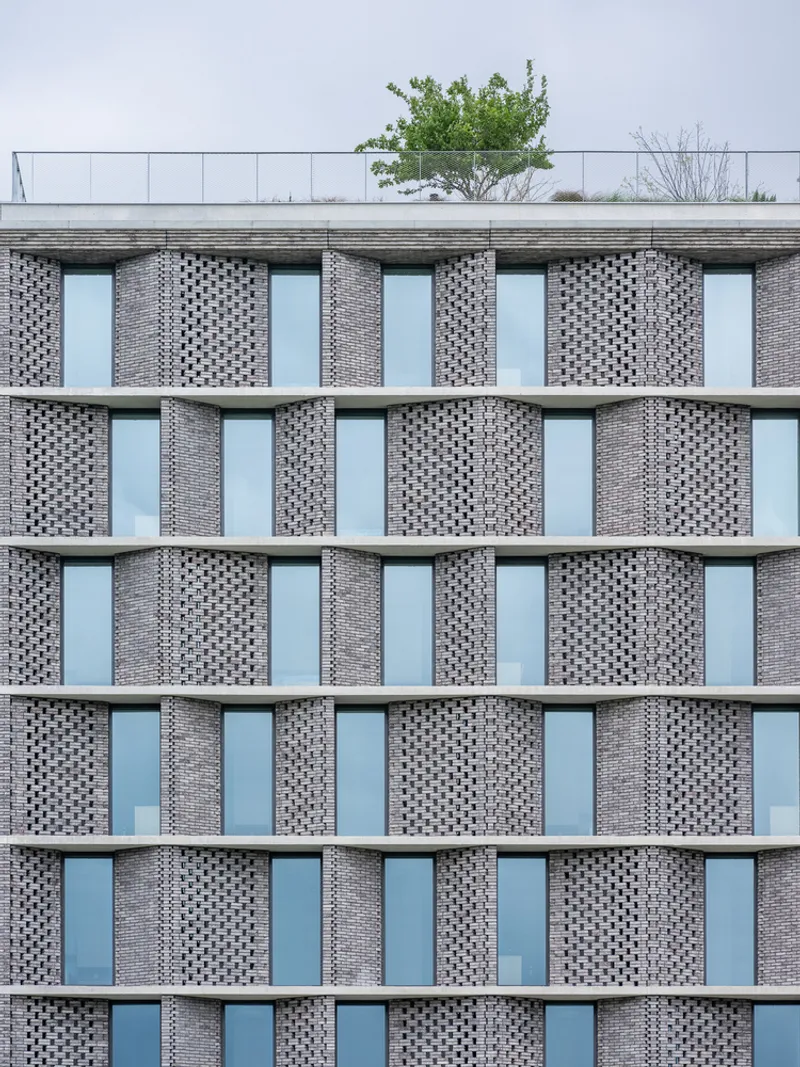
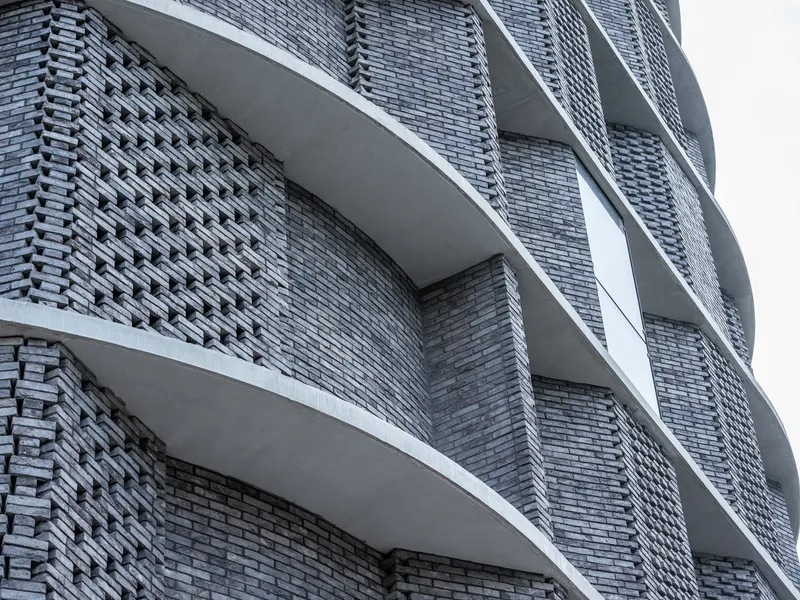
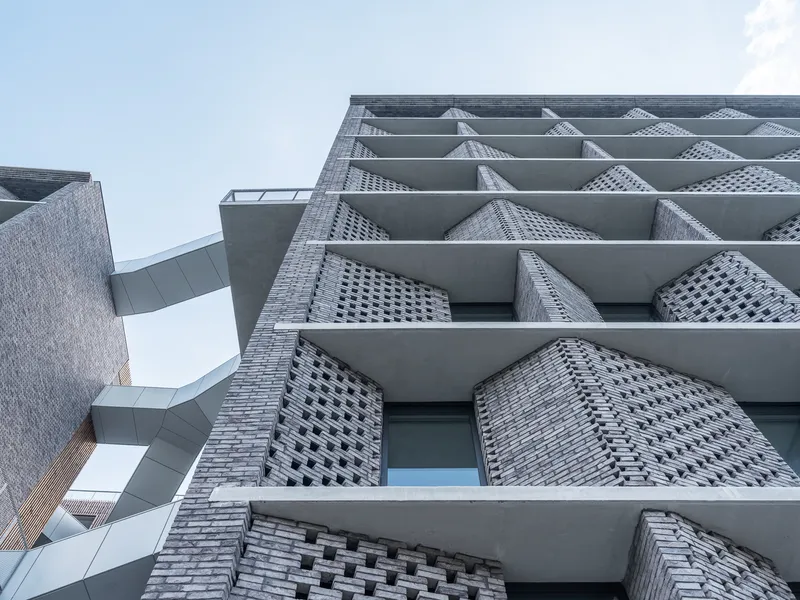
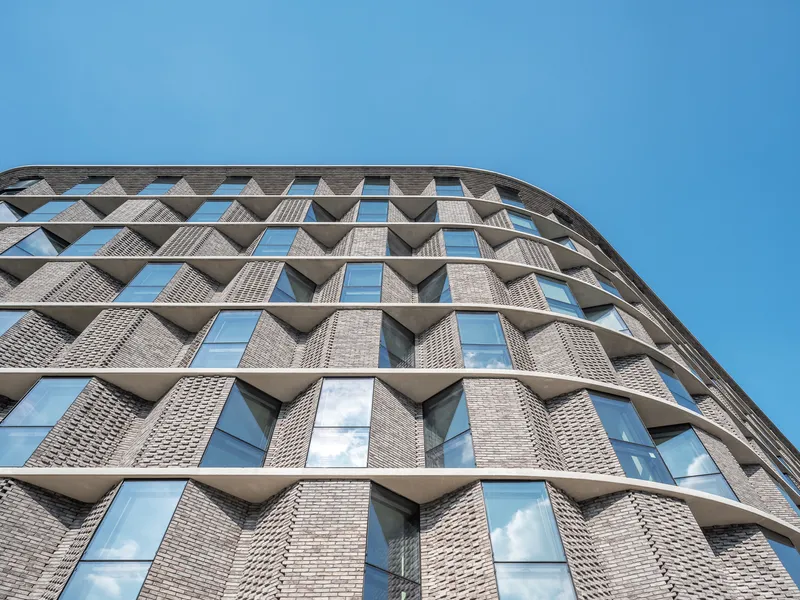
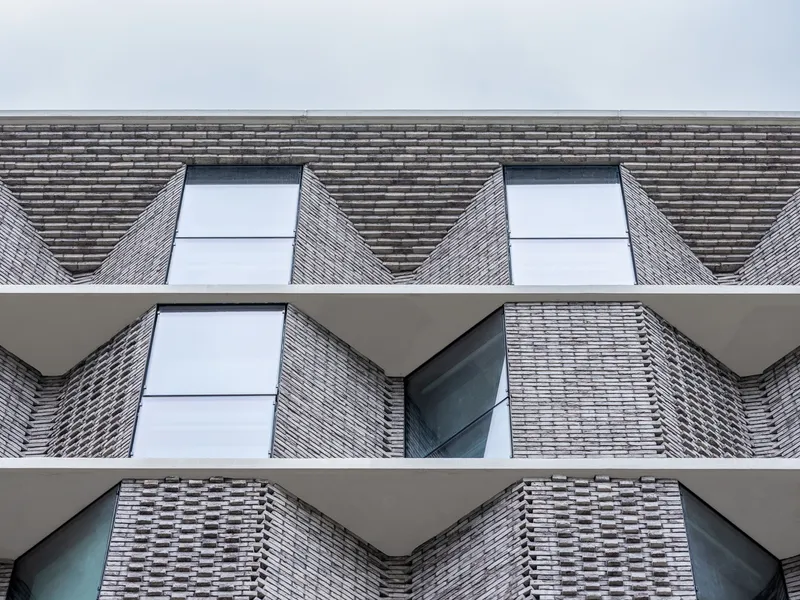
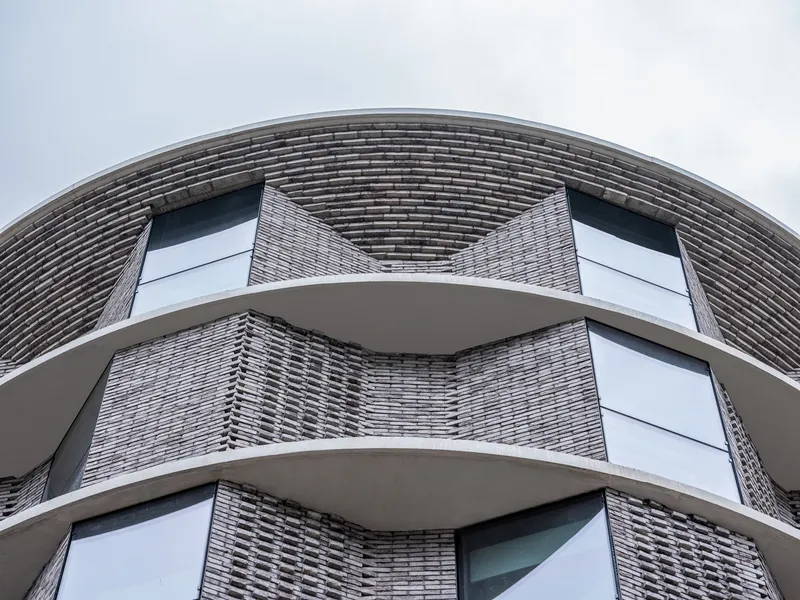
- The outer façade is clad in grey clay bricks, handcrafted in Europe, referencing traditional Chinese masonry.
- Innovative brick-laying patterns—such as Die Se (brick cantilevering)—create textured walls, projecting eaves, and rhythmic reliefs.
- The inner courtyard façade is lined with warm timber grilles, symbolizing balance between earth and wood, two key elements in Chinese architectural tradition.
This material composition also addresses acoustics, mitigating noise from the adjacent highway while preserving a calm, harmonious atmosphere for residents.
A Garden of Harmony
The final design embodies the name He Yuan, not just as a residence, but as a cultural landmark, a bridge between China and France, and a celebration of collective living rooted in history yet adapted for the future.




Popular Articles
Popular articles from the community


Conexión: Biophilic Design Reimagines High-Rise Living in Hong Kong
Conexión reimagines high-rise living in Hong Kong through biophilic design, green facades, shared spaces, daylight, water and nature within.

Co-Life: Senior Housing Design That Reconnects Older Adults With the City
Co-Life reimagines senior housing design through healing gardens, shared streets, workshops, and a sustainable community across generations.

Play: Fragments of Their World
Familiar architecture becomes modular playground design, creating safe spaces where displaced children can learn, connect, imagine and play.

Co-life: Sustainable Architecture for Age-Friendly Community Living
Co-life reimagines sustainable architecture for seniors through courtyards, rammed earth, shared gardens, and spaces designed for belonging.


Similar Reads
You might also enjoy these articles


Hodi-Mandai Geram
Project Function: Preservation and revitalization of the Intangible heritage and socio-spatial identity of the Hodi by Housing, Cultural Memory Center, Sacred Grove, landscape, local tourism economy


Olio Towers: A Mid-Rise for Performers That Fuses Housing, Rehearsal, and Stage
Located blocks from Houston's Theater District, this modular tower stacks living units around a central performance atrium.

Oasis: Modular Green Housing Carved into Dhaka's Urban Fabric
A shortlisted Plugin Housing entry reclaims unauthorized settlements in Dhaka with stepped concrete volumes, green roofs, and ventilation-driven design.

Black Hole: A Floating Megastructure for the Post-Physical Era
Emiliano Mazzarotto envisions a spherical, self-scaling arena where e-sports, digital hotels, and holographic stadiums replace traditional public space.

Explore Cultural Architecture Competitions
Discover active competitions in this discipline



Challenge to reimagine the Iron Throne


Photograph architecture without architects


Illustrate the lost glory of Angkor Wat - Render Challenge


Bring back Drive In's
Comments (0)
Please login or sign up to add comments
No comments yet. Be the first to comment!