

Modern Okinawan House Design: Blending Tradition and Innovation
This article explores modern Okinawan house design, blending traditional architecture with contemporary innovation for climate resilience and cultural harmony.


Modern Okinawan House Design
Modern Okinawan house design masterfully blends traditional elements with contemporary architectural principles. A prime example is the House in Nanjo by Spicy Architects, located in southern Okinawa, Japan. This project showcases how modern homes can harmonize with their cultural and environmental contexts while addressing the demands of modern living.

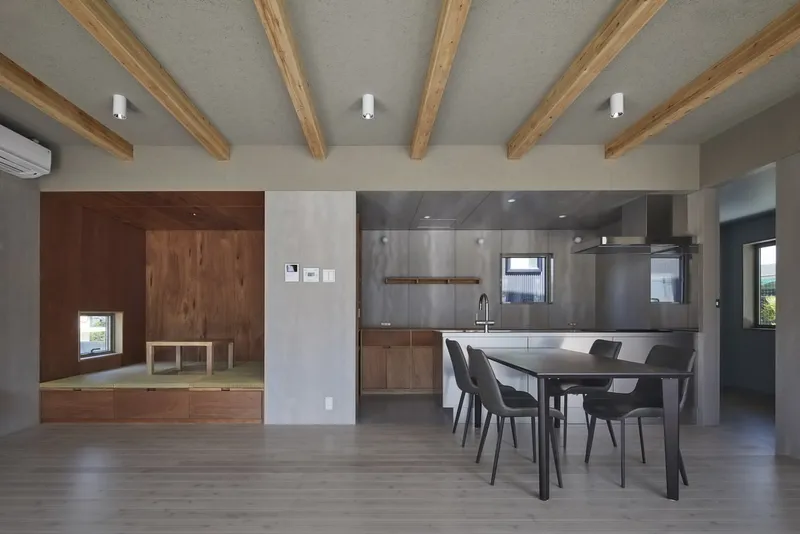
The Unique Site and Context
Location on a Subtropical Hill
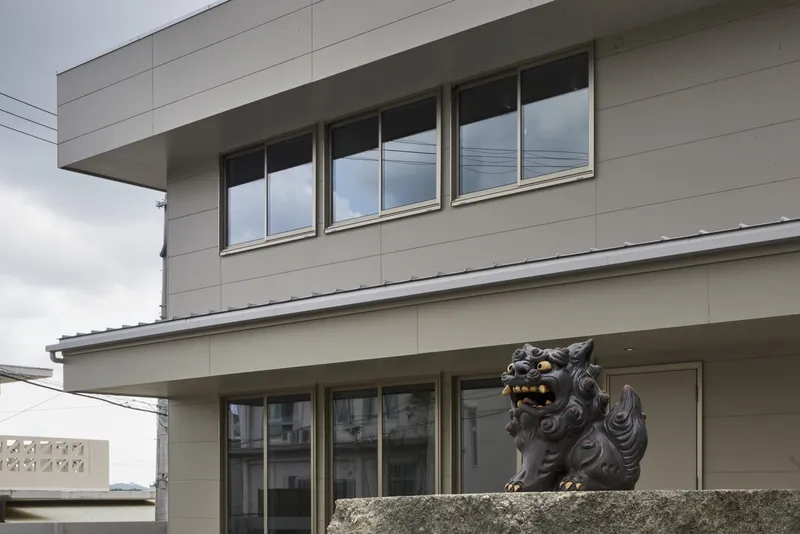
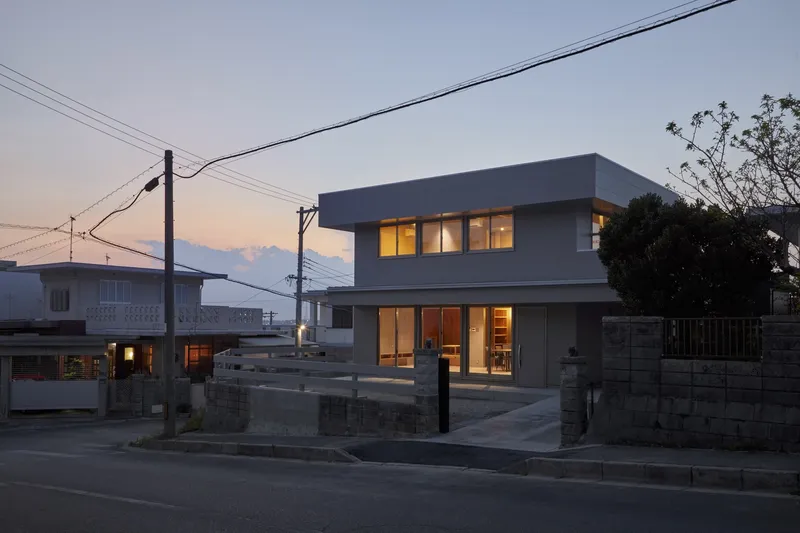
Situated on a hill in a residential area developed in the 1980s, the House in Nanjo reflects the island’s architectural heritage. The surrounding neighborhood features classic Okinawan homes with flat roofs and large eaves, designed to endure subtropical storms and intense sunlight.
Respect for Local Heritage
Instead of concrete, which dominates traditional Okinawan construction, this house adopts a wooden structure. The decision reflects both cost-effectiveness and a commitment to creating a lighter, more contemporary feel while preserving the protective features of traditional architecture.
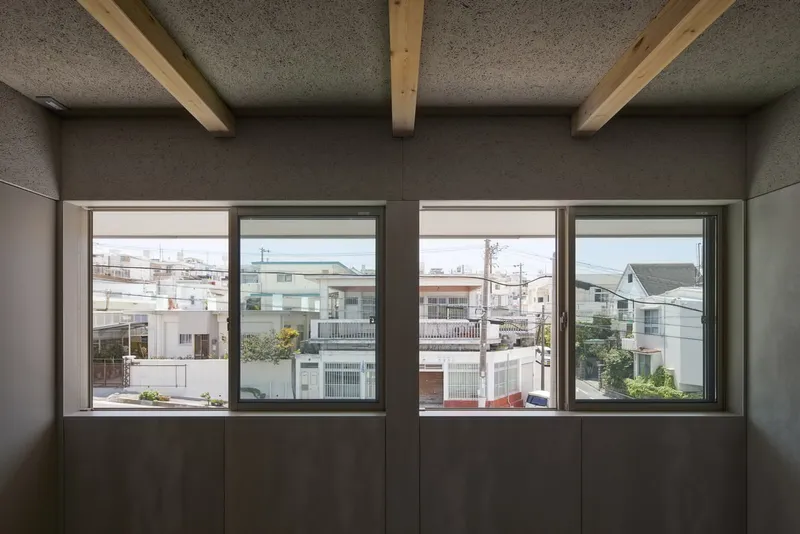
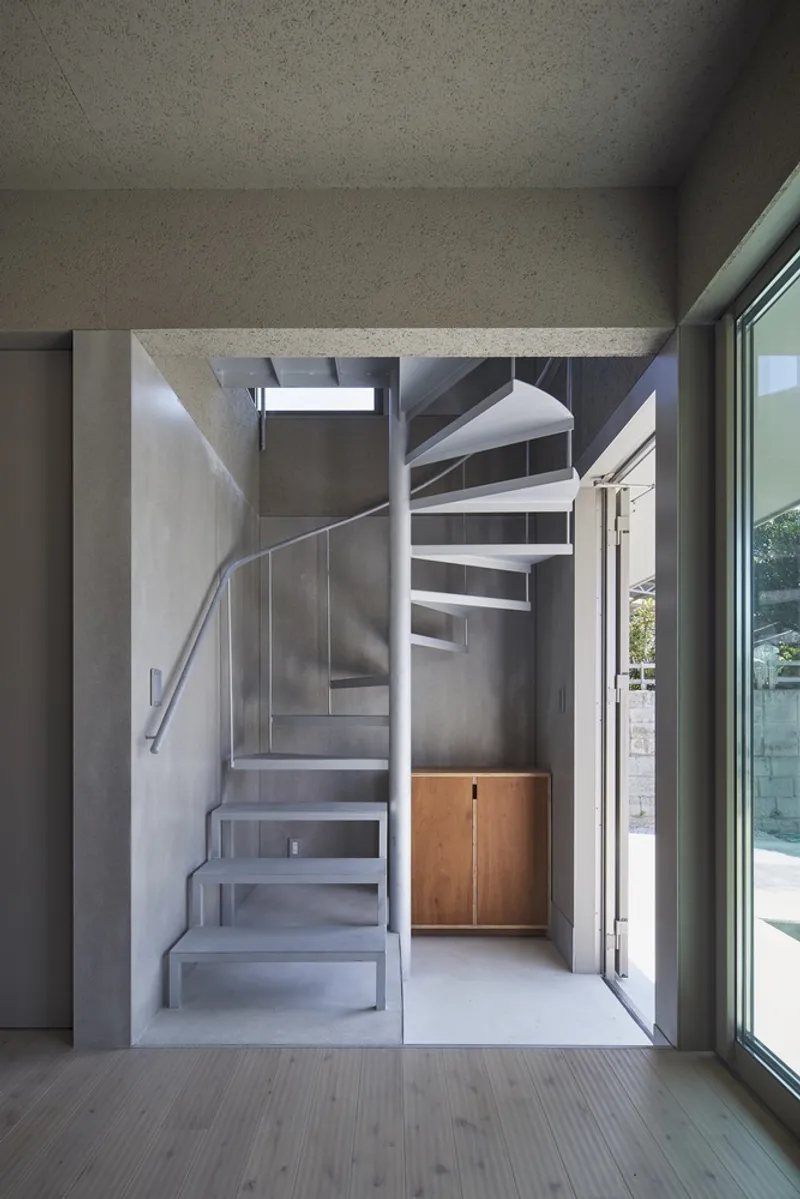
Key Features of Modern Okinawan House Design
1. Functional Outdoor Spaces
The layout of the House in Nanjo includes a south-facing garden and an east-facing garage. These design choices maximize natural light and ventilation, essential for the subtropical climate, while providing shaded outdoor living areas.
2. Deep Roof Overhangs and Sheds
Inspired by traditional Okinawan homes, the extended roof overhangs create deep shadows that shield interiors from harsh sunlight. These features are both practical and aesthetically pleasing, enhancing the home’s compatibility with its surroundings.
3. Material Choices and Finishes
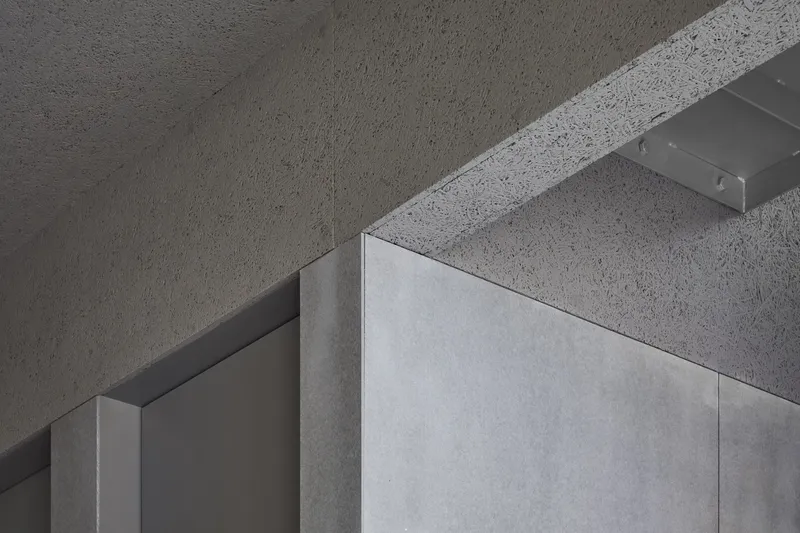
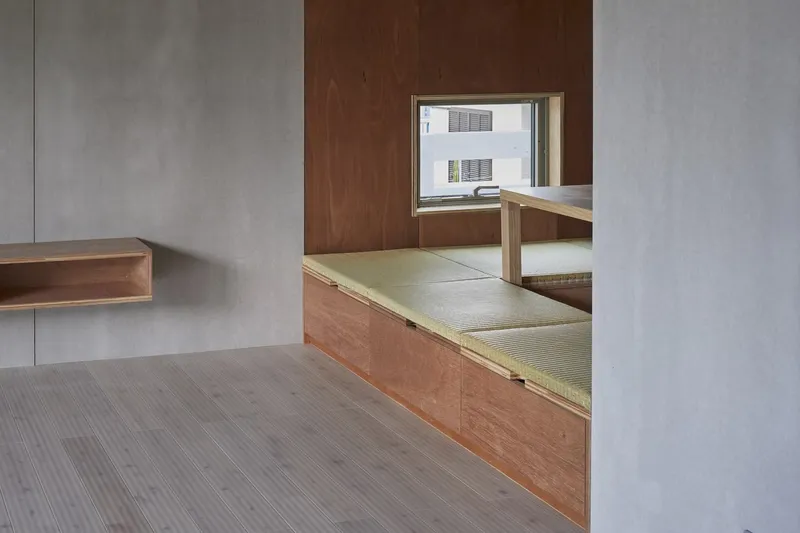
The interior of the house utilizes a gray-toned color palette that serves as a neutral backdrop. Natural wood beams and custom-designed furniture add warmth and visual interest. This combination of modern minimalism and traditional craftsmanship creates a calming yet inviting atmosphere.
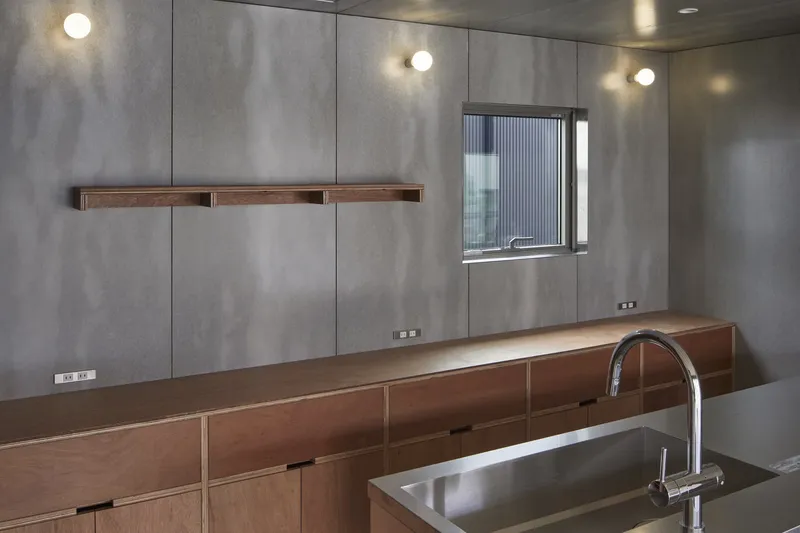
Interior Design: A Balance of Simplicity and Comfort
A Neutral Canvas with Natural Accents
The interior design emphasizes simplicity, with unpainted wooden beams as focal points against a muted gray background. This minimalist approach enhances the home's spaciousness and creates a serene living environment.
Open-Plan Living
The house features an open-plan layout that allows light and air to flow freely, reducing the need for artificial lighting or cooling. This design not only supports sustainability but also creates a sense of intimacy and connection within the home.
How the Design Fits into Modern Okinawan Architecture
Harmony with the Neighborhood
The architects carefully designed the house to blend seamlessly with its environment. By incorporating traditional Okinawan elements such as flat roofs and overhangs into a modern framework, the home aligns with the cultural and architectural identity of the region.
Adapting to Climate Challenges
Modern Okinawan house designs, including the House in Nanjo, prioritize climate resilience. The use of locally inspired structures and materials ensures durability against storms and energy efficiency in managing heat.

Why Modern Okinawan House Design Matters
Modern Okinawan house design is more than a style; it’s a testament to how architecture can respect tradition while embracing innovation. Projects like the House in Nanjo illustrate the value of creating homes that are:
- Environmentally responsive
- Culturally sensitive
- Functionally modern
This approach serves as a model for architects worldwide, proving that contemporary designs can honor their roots while meeting current demands.

The Future of Modern Okinawan House Design
The House in Nanjo by Spicy Architects is a shining example of how modern Okinawan house design can redefine residential architecture. By incorporating traditional elements with modern materials and techniques, this style continues to evolve, ensuring its relevance for generations to come.
For those inspired by this blend of tradition and modernity, Okinawan architecture offers a rich source of ideas and possibilities.
All Photographs are work of Tomoyuki Kusunose


Popular Articles
Popular articles from the community


Bokey Grant Wedges a Brick Lookout Tower into a Flame Zone Escarpment in the Southern Highlands
A double brick family home in New South Wales's Southern Highlands, reached by an 18 metre bridge and built to read as both watchtower and bunker.

Diogo Aguiar Studio Strings Eight Identical Timber Modules Across a Hillside Above Porto
In the Serras do Porto, a prefabricated timber house of identical sloping modules reads as a small mountain range and lets its program grow.

Studio Andre Lenza Shrinks a Family Home into a Single-Storey Goiânia House Behind Timber Screens
A couple's move to a smaller home in eastern Goiânia becomes a single-storey concrete house wrapped in timber screens, around a plunge pool and garden.

3XN, B+H and ZHUBO Design Shape the Shenzhen Natural History Museum as a Walkable Geological Landscape
Beside Yanzi Lake in Shenzhen's Pingshan District, a 105,300 m² museum folds its galleries under a public roof that behaves like a river-carved hillside.

Similar Reads
You might also enjoy these articles

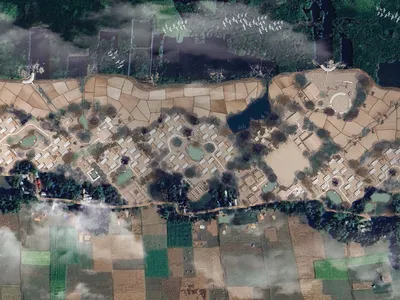
Hodi-Mandai Geram
Project Function: Preservation and revitalization of the Intangible heritage and socio-spatial identity of the Hodi by Housing, Cultural Memory Center, Sacred Grove, landscape, local tourism economy

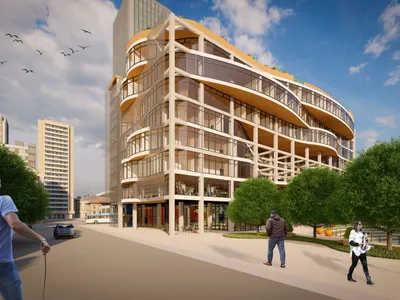
Olio Towers: A Mid-Rise for Performers That Fuses Housing, Rehearsal, and Stage
Located blocks from Houston's Theater District, this modular tower stacks living units around a central performance atrium.
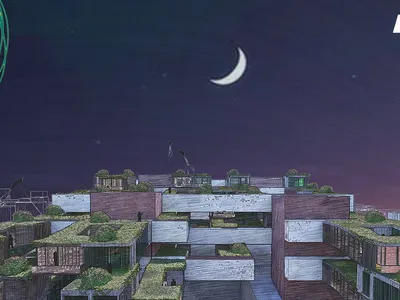
Oasis: Modular Green Housing Carved into Dhaka's Urban Fabric
A shortlisted Plugin Housing entry reclaims unauthorized settlements in Dhaka with stepped concrete volumes, green roofs, and ventilation-driven design.

Black Hole: A Floating Megastructure for the Post-Physical Era
Emiliano Mazzarotto envisions a spherical, self-scaling arena where e-sports, digital hotels, and holographic stadiums replace traditional public space.

Explore Housing Competitions
Discover active competitions in this discipline

The International Standard for Design Portfolios

The Global Benchmark for Architecture Dissertation Awards

The Global Benchmark for Graduation Excellence

Challenge to reimagine the Iron Throne
Comments (0)
Please login or sign up to add comments
No comments yet. Be the first to comment!