

Modular Wooden Architecture Design: A Case Study of Les Planches Installation
Exploring Les Planches Installation, a minimalist wooden architectural marvel fostering community, sustainability, and innovative design.


The Les Planches Installation, designed by architects Marina Poli and Philippe Paumelle, embodies a minimalist and functional approach to contemporary architecture. Located in Bourg-Saint-Maurice, France, this project explores the profound potential of simplicity by employing a single wooden element as its fundamental building block. The installation not only pays homage to the natural beauty of timber but also challenges the traditional concepts of spatial design and construction.

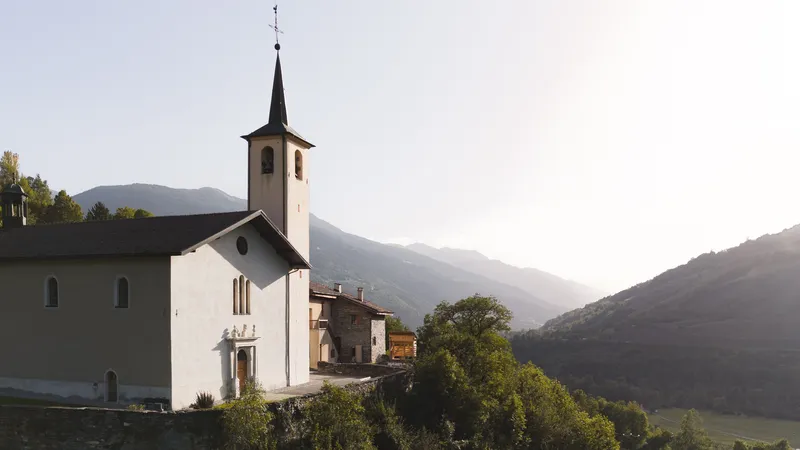
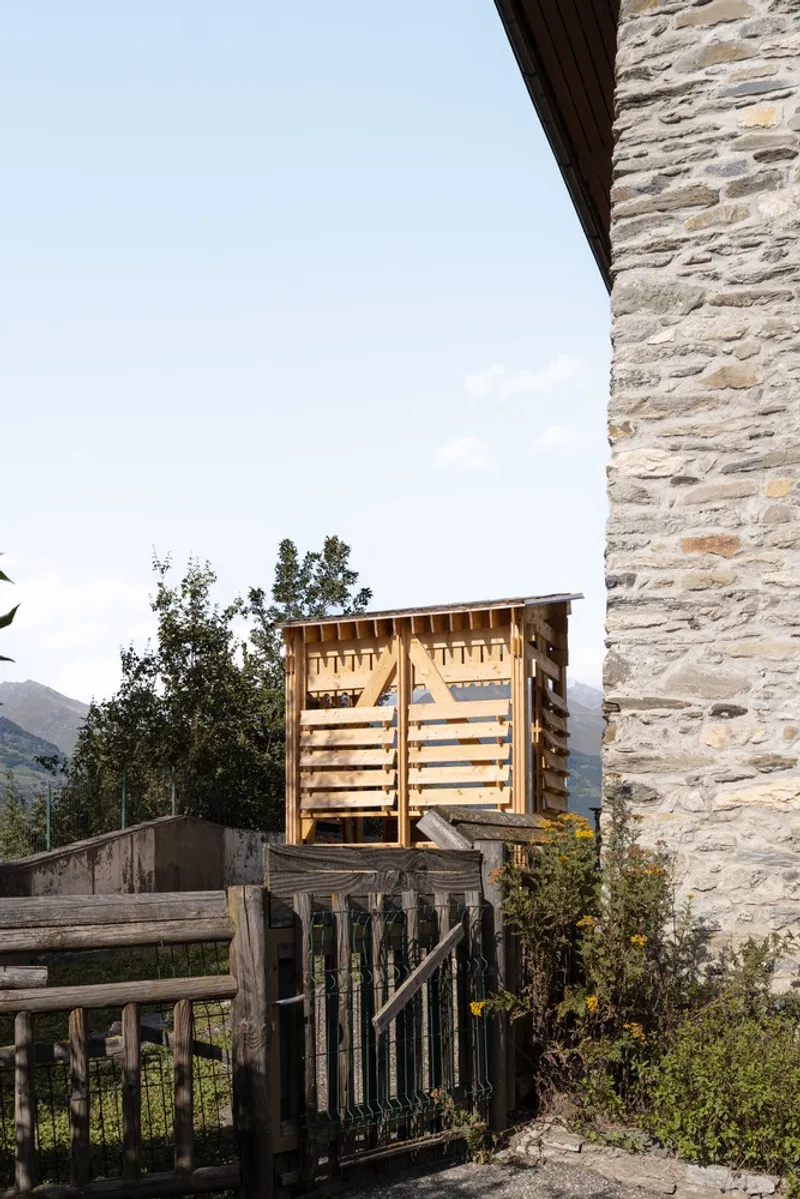

Introduction to Les Planches Installation
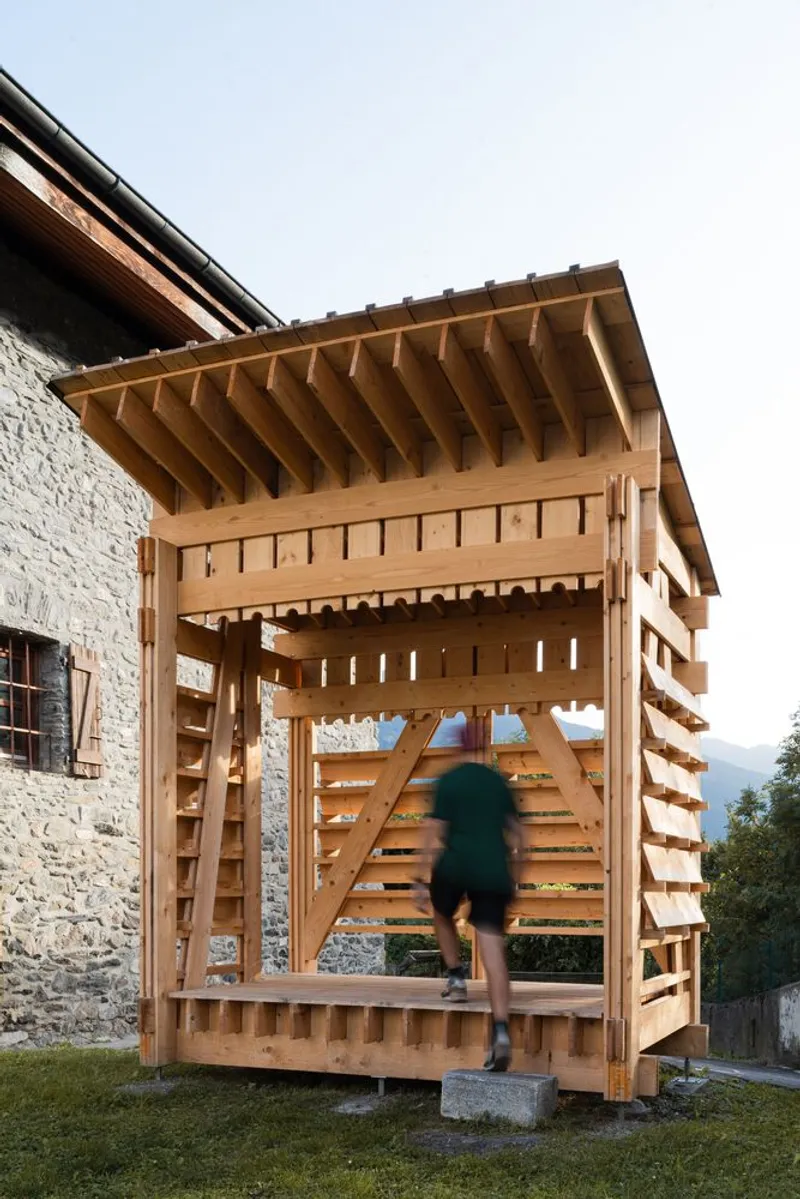
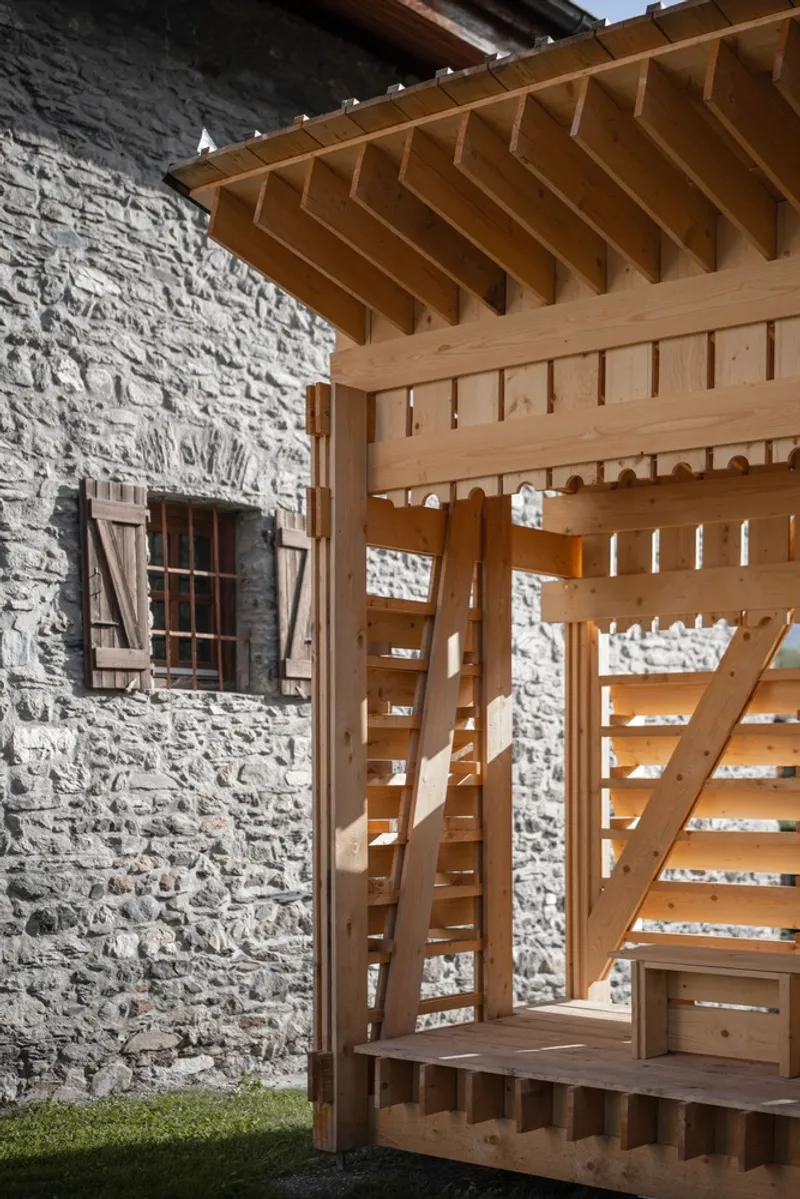
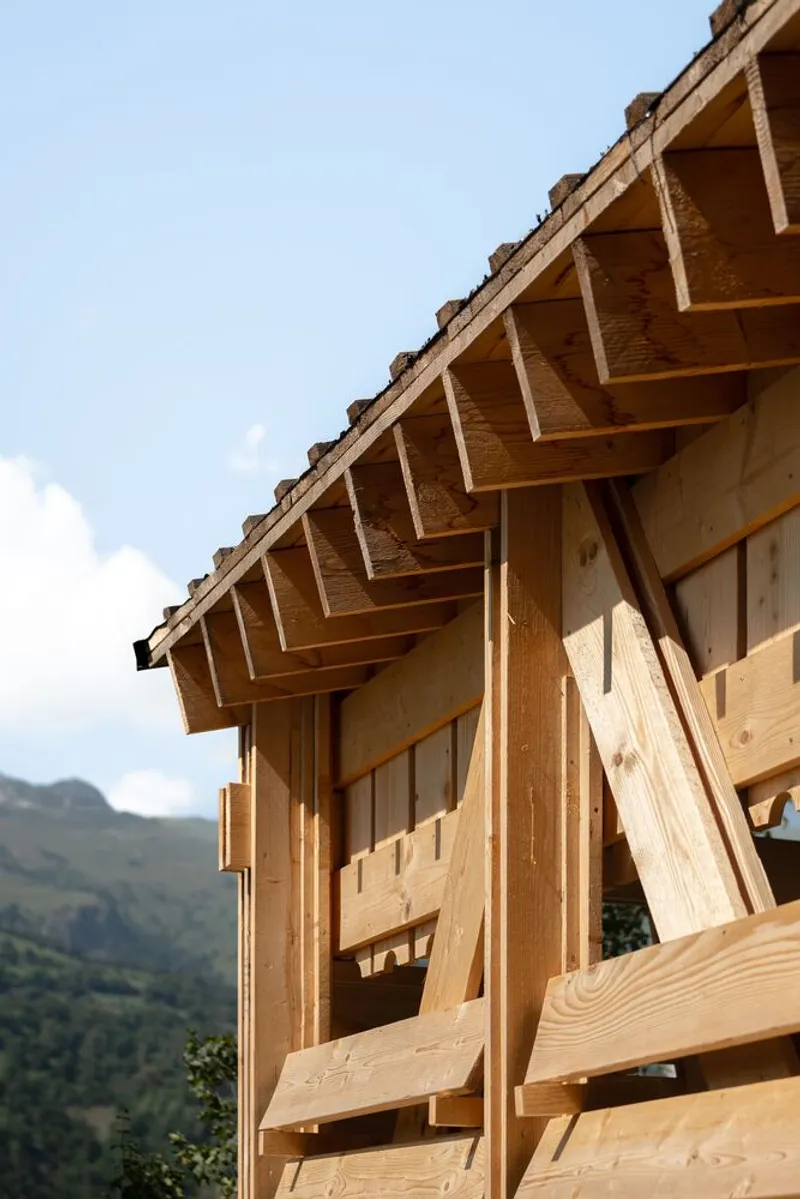
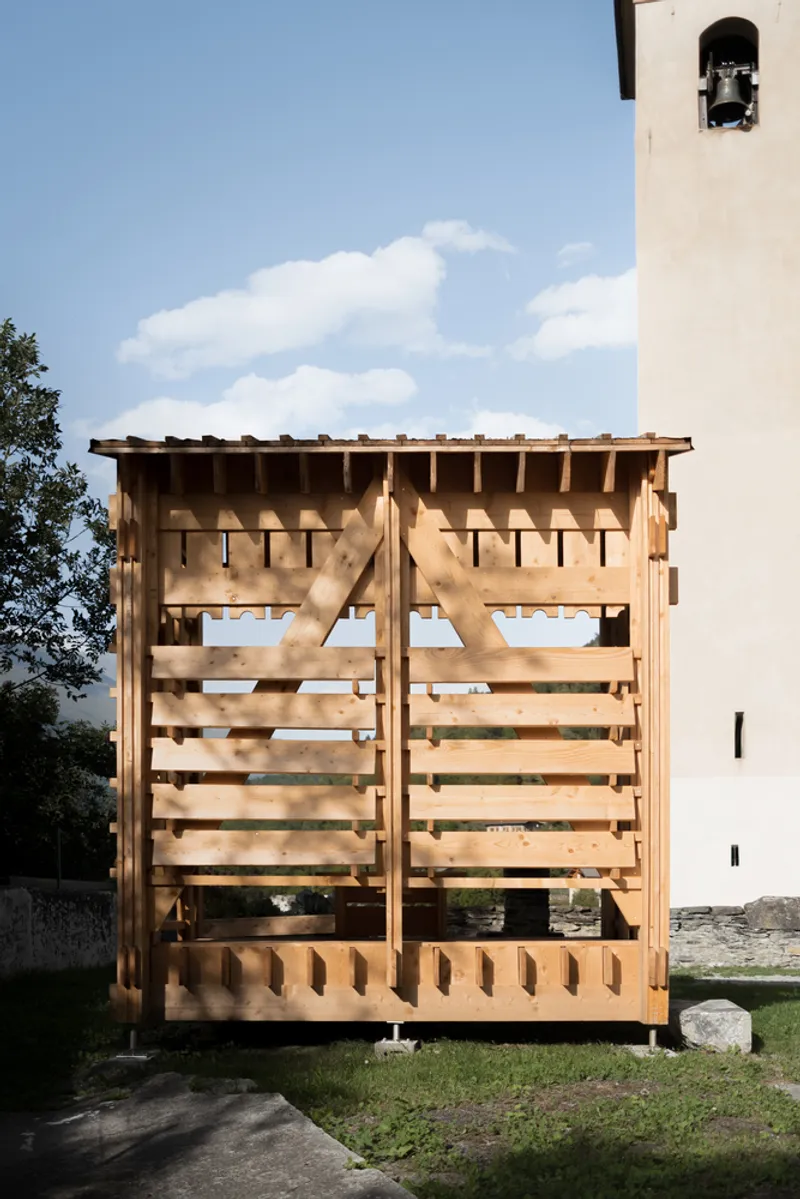
At its core, Les Planches is an architectural experiment that hinges on the use of a single plank of wood, meticulously cut to uniform dimensions. The planks, each measuring up to 300 cm in length, serve multiple purposes, functioning as posts, beams, friezes, or even seats. This innovative approach promotes construction efficiency and an economical design philosophy, making it a beacon of sustainable architecture.
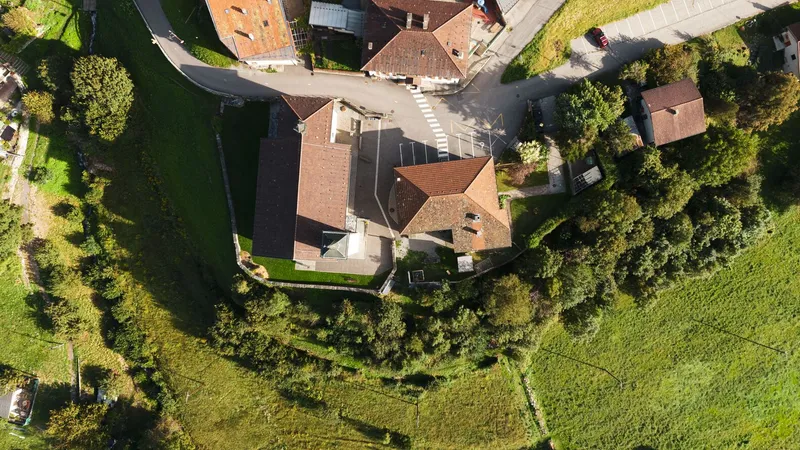

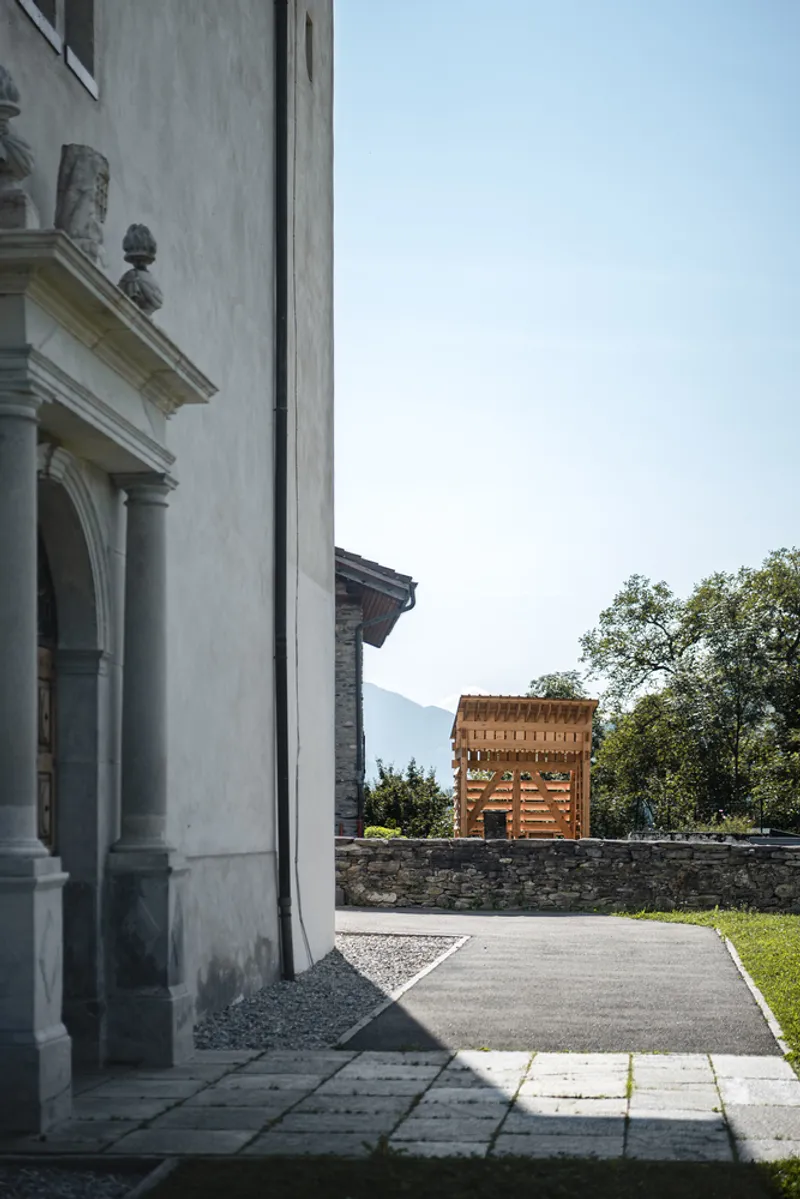
The installation embodies an intersection of functionality and aesthetic appeal, where horizontality meets verticality, creating a harmonious and rhythmic interplay. It offers a tactile and visual experience for visitors, bridging the gap between architecture and its users.

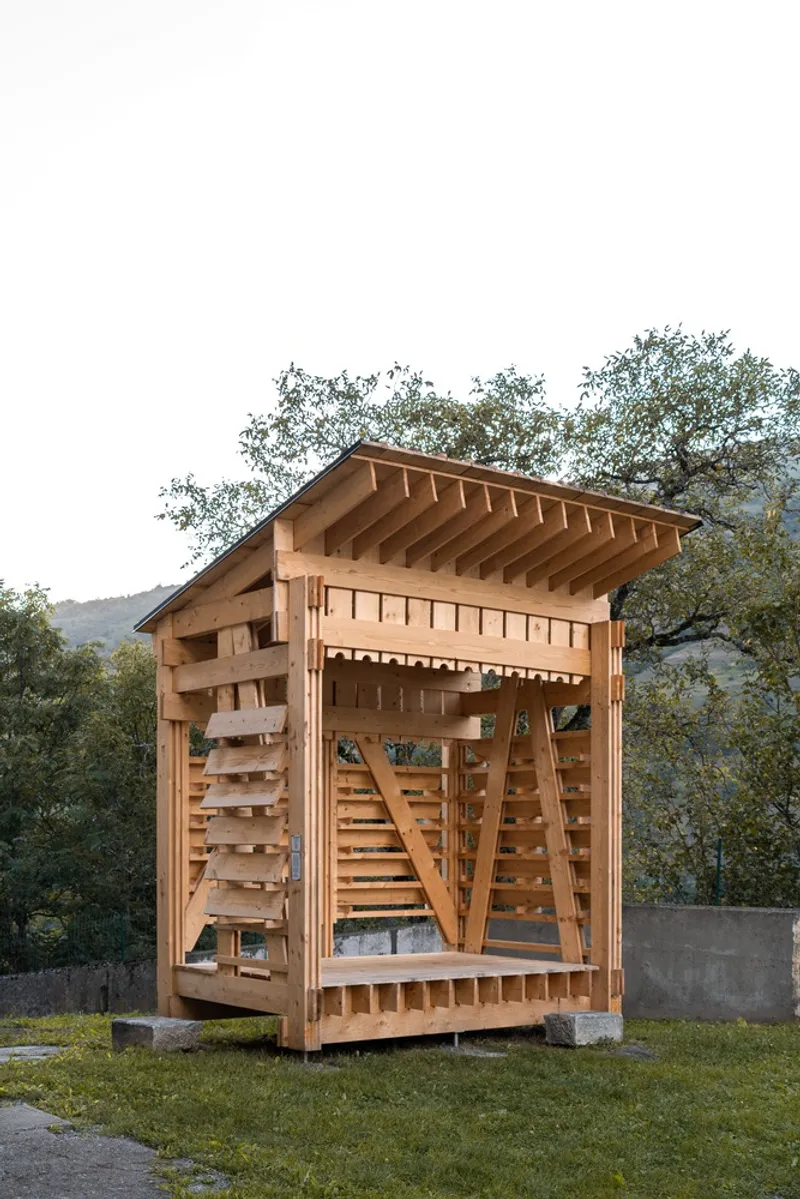

The Philosophy of Single-Element Construction
Inspired by the simplicity of modular toys like Kapla, the architects approached this project with a design philosophy rooted in constraint. The use of a single type of material serves as both a challenge and an opportunity, fostering creativity within defined limits. This process emphasizes the synergy between mind, hands, and material, producing a structure that is both didactic and inviting.
The concept of modular wooden architecture encourages engagement from users, inviting them to explore the design not only with their eyes but also with their hands. This tactile interaction fosters a deeper connection between individuals and the built environment, enriching their experience of space and form.
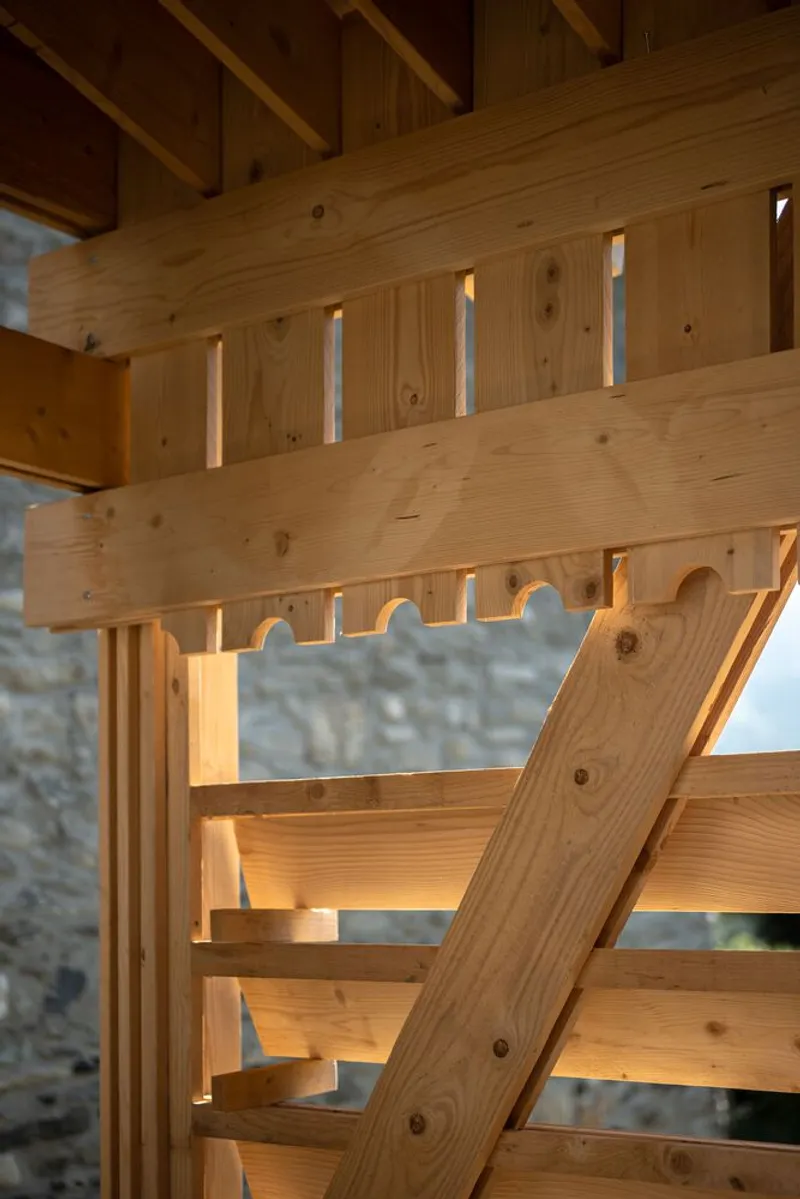
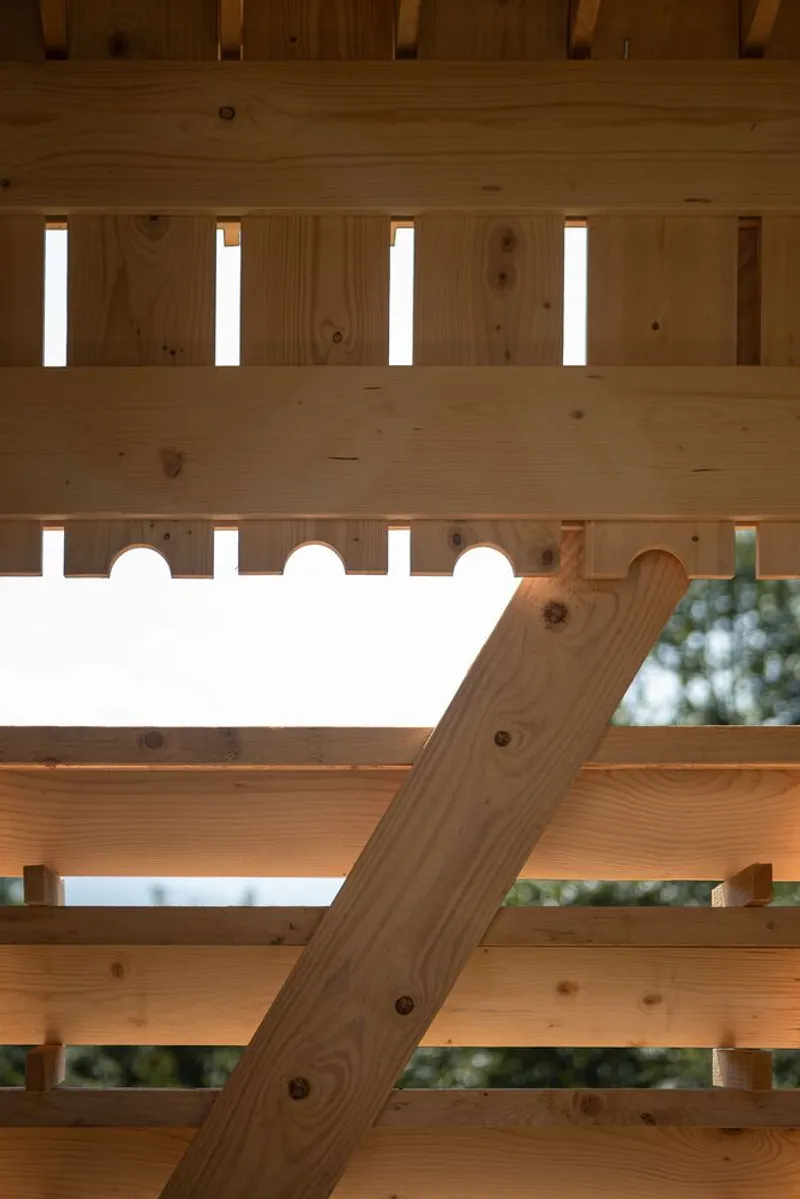

A Functional and Cultural Space
Les Planches is more than just an architectural installation; it is a cultural stage where the rhythm of collective life unfolds. Its design evokes the spirit of community, providing a versatile space for gathering, conversation, and celebration. Whether used for casual coffee chats, lively dances, or soulful musical performances, the installation serves as a hub for human connection and creativity.


The careful arrangement of the planks reflects a vernacular spirit, drawing inspiration from traditional construction methods while maintaining a contemporary aesthetic. The installation’s modularity and adaptability make it a timeless addition to its environment, seamlessly blending functionality with poetic expression.
Sustainability and Economic Efficiency in Design
One of the standout features of Les Planches is its commitment to sustainability. By relying on a single wooden element, the project minimizes material waste and reduces environmental impact. The uniformity of the planks streamlines the construction process, saving time and resources while maintaining structural integrity.


This economical approach underscores the potential of modular design in addressing modern challenges, offering solutions that are both practical and environmentally conscious. Les Planches sets a precedent for future architectural projects, demonstrating how thoughtful design can harmonize with ecological responsibility.

A Dialogue Between Design and Users
Les Planches Installation by Marina Poli and Philippe Paumelle is a remarkable example of how architecture can transcend its functional purpose to become an active participant in human life. By simplifying the design process and focusing on a single modular element, the project fosters a dialogue between space, material, and its users.


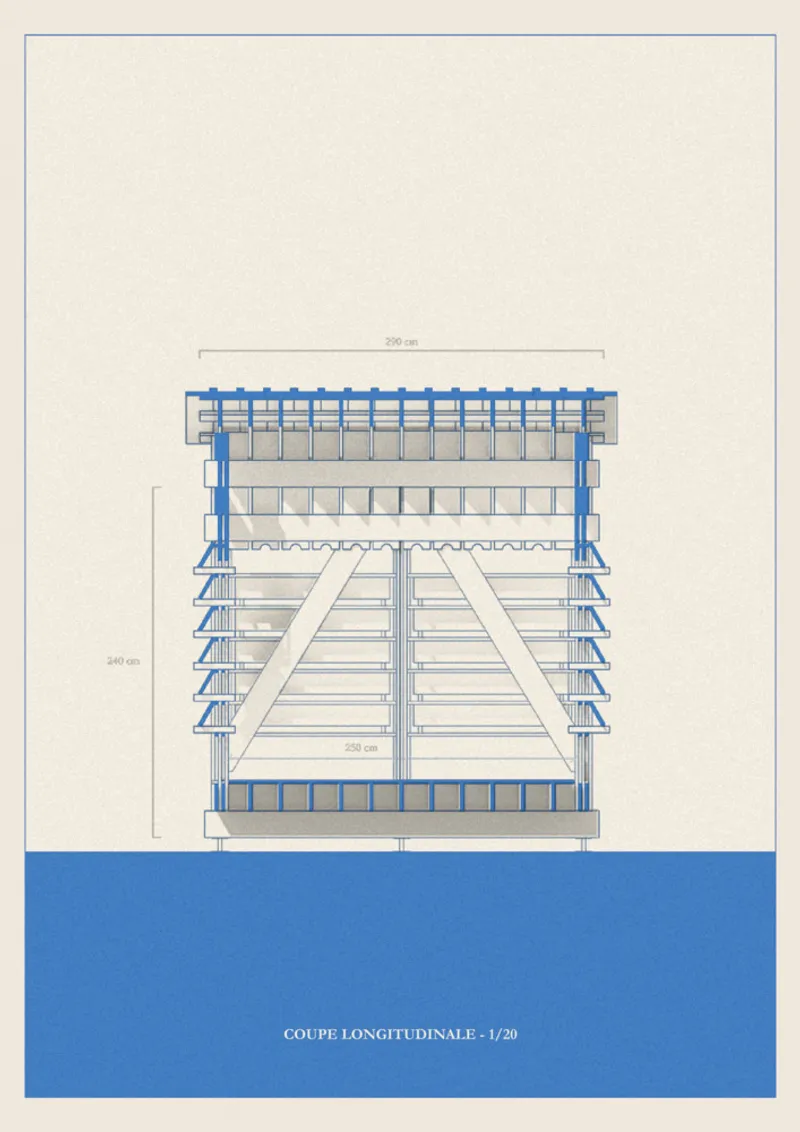
This innovative installation not only redefines the possibilities of wooden architecture but also inspires a new generation of architects to think creatively within constraints. Les Planches stands as a testament to the enduring power of simplicity, proving that minimalism, when executed with precision, can yield profound results.

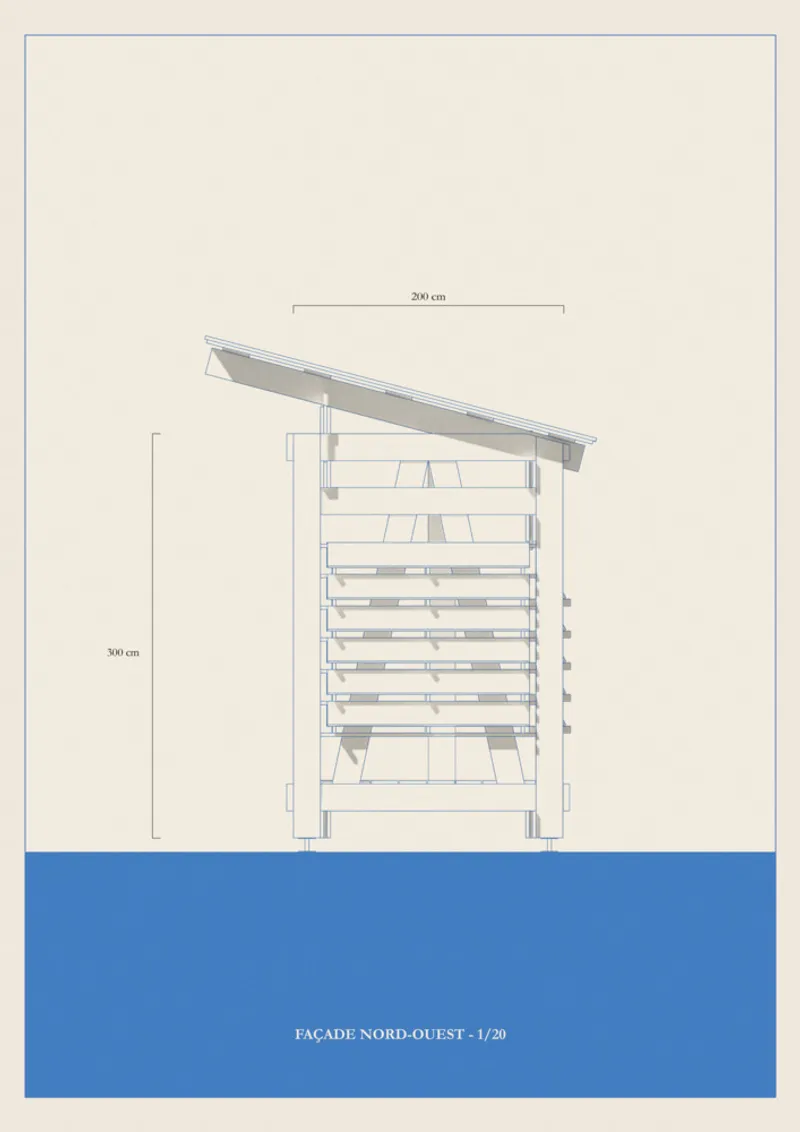
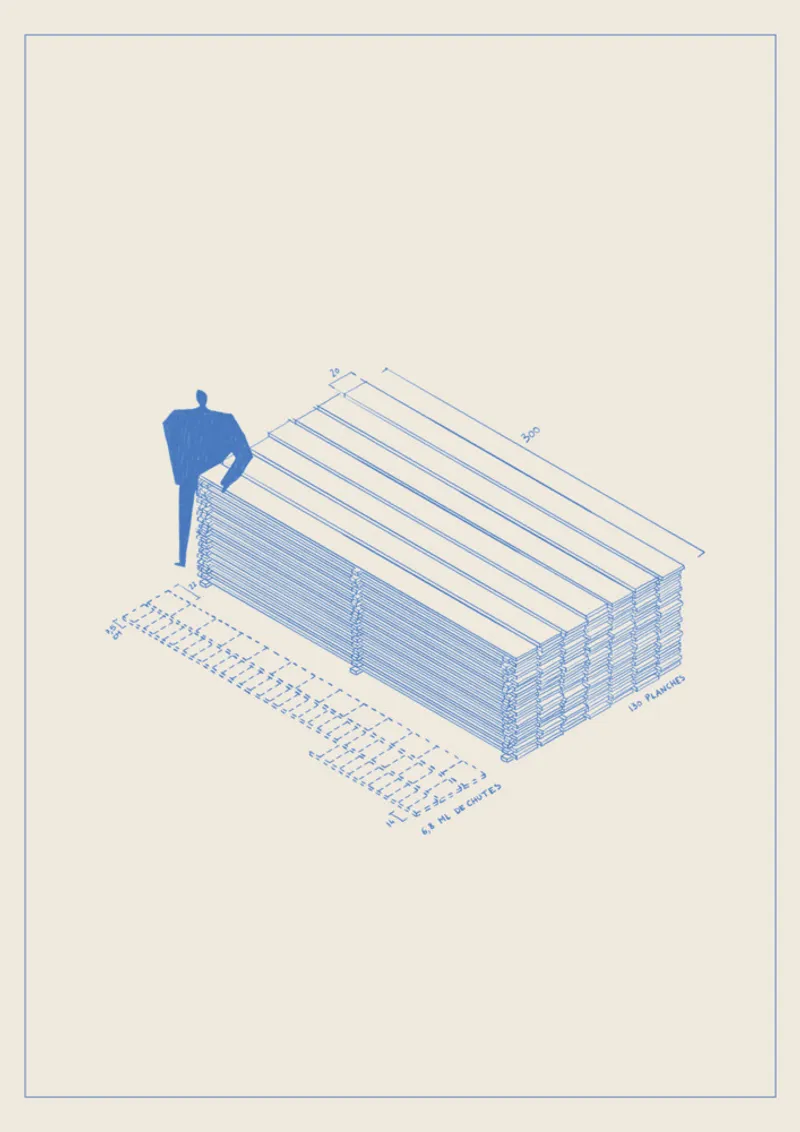
All Photographs are work of Clément Molinier


Popular Articles
Popular articles from the community

Cloaked Colonization: A Mobile Underwater Habitat That Moves Like a Fish
Micah Abaya's shortlisted EHC Pacific entry reimagines ocean settlement as a dispersed network of self-sustaining architectural organisms.

Tsunami Convergenics: Turning Catastrophic Ocean Forces into Underwater Housing Infrastructure
A speculative underwater settlement off the coast of Onagawa, Japan, treats tsunamis and typhoons as energy sources rather than threats.

Opera on the Sea: Driftwood Logic Shapes a Timber Opera House on Estonia's Coast
Trevor Orgill's opera house translates the entangled drift of floating timber into a civic building where wood, water, and music converge.

Singing Woman: Contemporary Architecture Inspired by Estonia’s Voice and the Sea
Singing Woman turns Estonia’s song culture into flowing opera house architecture, blending public life, landscape, sea, and national memory.

Similar Reads
You might also enjoy these articles


Hodi-Mandai Geram
Project Function: Preservation and revitalization of the Intangible heritage and socio-spatial identity of the Hodi by Housing, Cultural Memory Center, Sacred Grove, landscape, local tourism economy


Olio Towers: A Mid-Rise for Performers That Fuses Housing, Rehearsal, and Stage
Located blocks from Houston's Theater District, this modular tower stacks living units around a central performance atrium.

Oasis: Modular Green Housing Carved into Dhaka's Urban Fabric
A shortlisted Plugin Housing entry reclaims unauthorized settlements in Dhaka with stepped concrete volumes, green roofs, and ventilation-driven design.

Black Hole: A Floating Megastructure for the Post-Physical Era
Emiliano Mazzarotto envisions a spherical, self-scaling arena where e-sports, digital hotels, and holographic stadiums replace traditional public space.

Explore Wooden Panel Competitions
Discover active competitions in this discipline

Challenge to reimagine the Iron Throne

Photograph architecture without architects

Illustrate the lost glory of Angkor Wat - Render Challenge

Design challenge to reuse E-waste
Comments (0)
Please login or sign up to add comments
No comments yet. Be the first to comment!