

Multipurpose Hospital Building in the Parc Sanitari Pere Virgili by PMMT
A modular, flexible hospital in Barcelona by PMMT, built rapidly to support healthcare during COVID-19, prioritizing safety and humanized design.


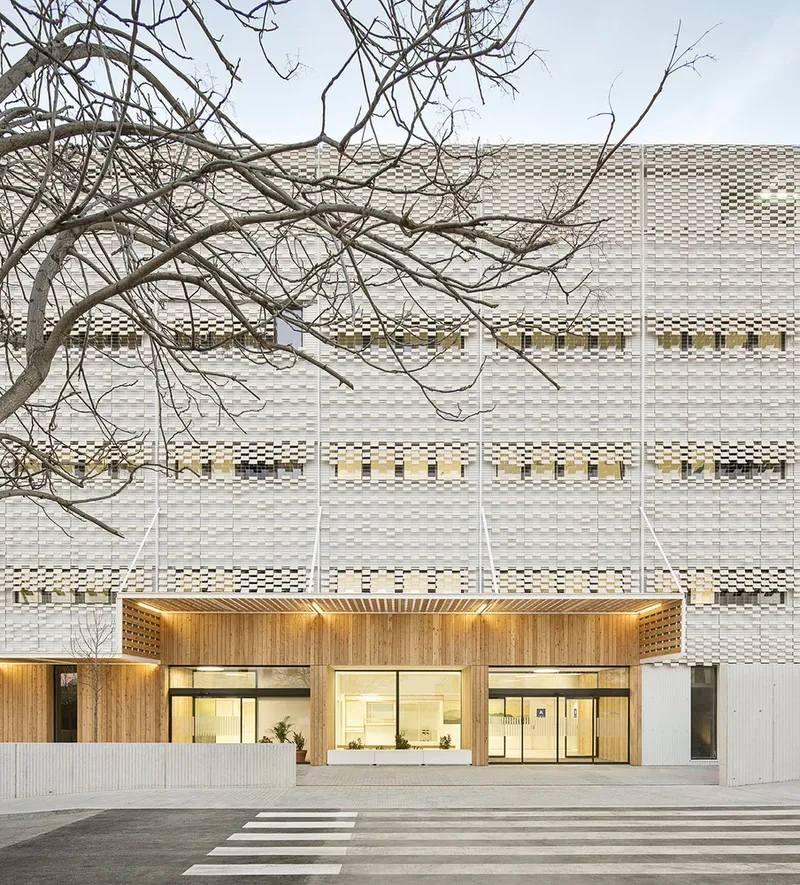
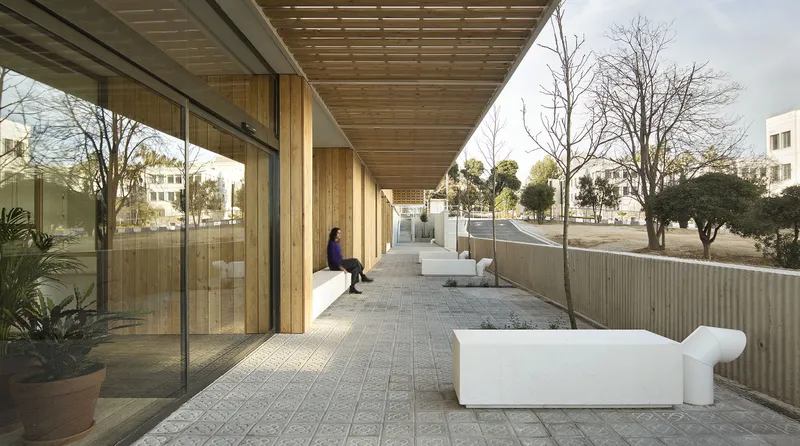
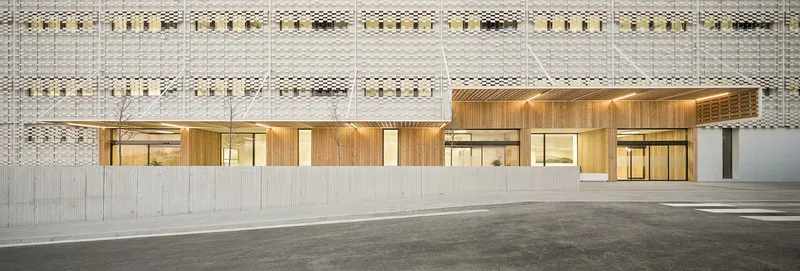
The Multipurpose Hospital Building in the Parc Sanitari Pere Virgili, designed by PMMT Arquitectura, represents a forward-thinking response to the urgent healthcare needs brought about by the COVID-19 pandemic. Located in Barcelona, Spain, this 43,777 ft² medical facility was conceived in 2020 as part of a collaborative research initiative with the Health System of Catalonia. The goal was to rapidly create a healthcare infrastructure capable of supporting hospitals during times of crisis, while remaining adaptable for long-term medical use.
A Typological Model for Future Healthcare
The project was developed as a replicable typological model that can be implemented next to any general hospital, strengthening the regional healthcare network. The design emphasizes not only efficiency and safety for medical professionals but also the creation of humanized spaces that promote patient well-being and support visitors and healthcare workers alike.
Capacity and Organization
The building includes:
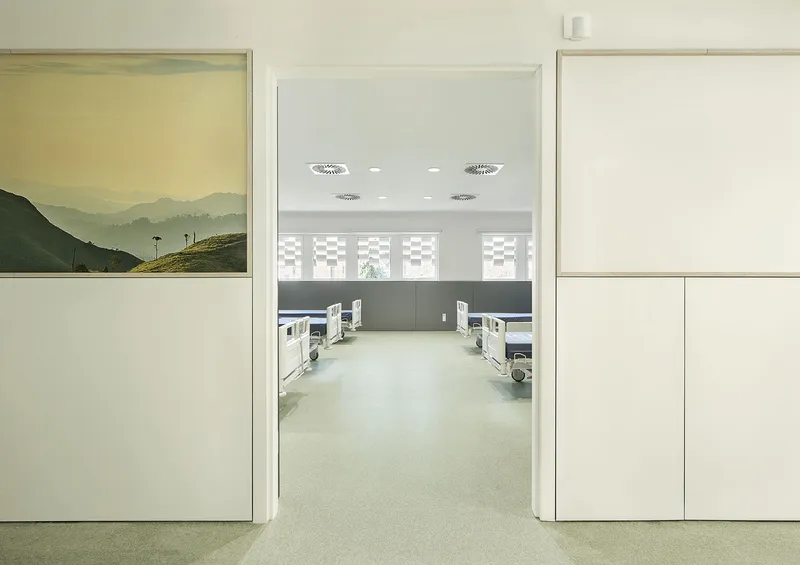
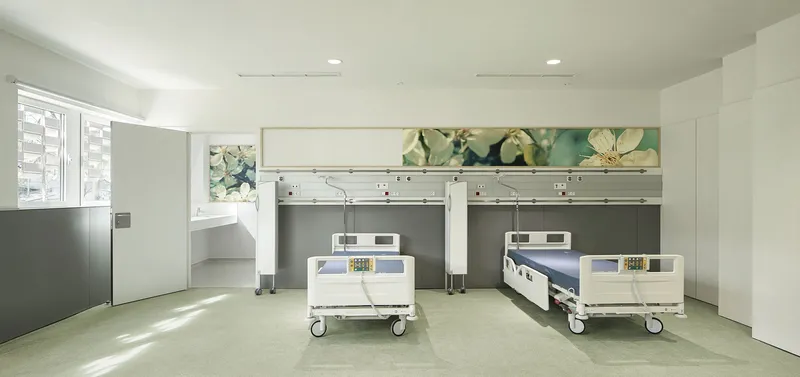
- 56 hospital beds across two floors.
- 32 conventional ICU beds distributed over three floors.
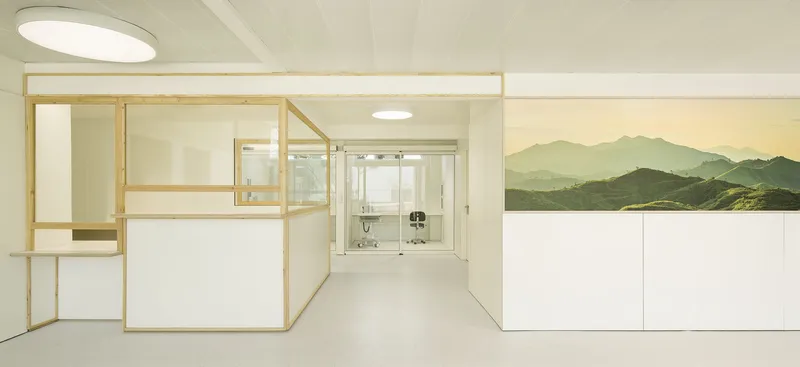
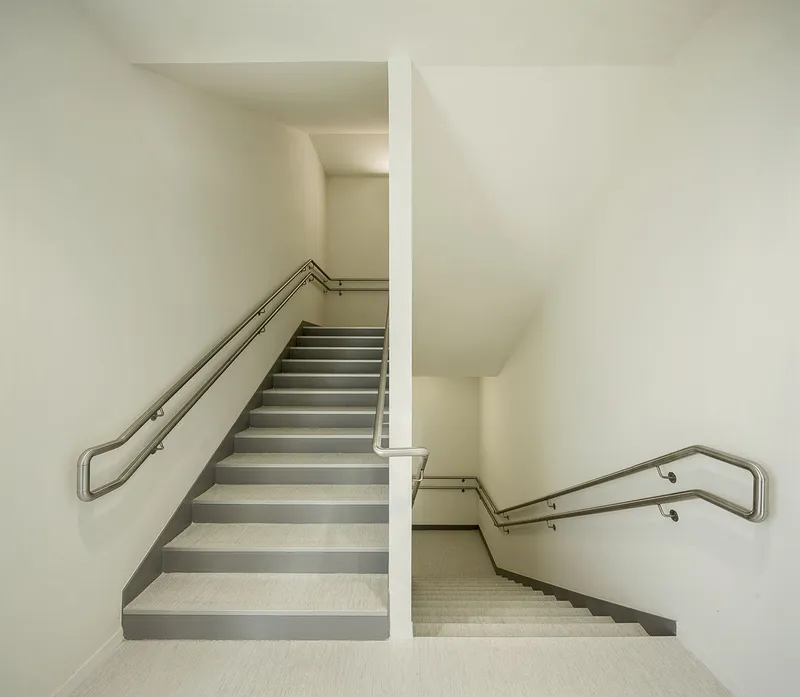
- Optimized circulation systems to ensure clean and dirty pathways never cross, enhancing patient safety and infection control.
This facility is one of five hospitals of the same typology constructed across Catalonia in late 2020, each adhering to principles of speed, flexibility, and patient-centered care.
Key Design Features
Compact
Occupying a minimal footprint of 975 m², the building efficiently accommodates 88 hospital beds, making it highly space-conscious while maximizing capacity.
Fast Construction
Built in just 20 weeks, the hospital utilized the Lean Construction methodology and a modular, industrialized system consisting of 62 prefabricated modules (5x15m each). This rapid execution was critical to meet the urgent healthcare demand of the pandemic.
Flexible
The structure is designed for long-term adaptability. Through modularity and the innovative “parametric window” system, internal distributions can change without altering the façade, ensuring flexibility for future healthcare needs.
Integrated into the Environment
The hospital seamlessly connects to the larger Parc Sanitari Pere Virgili complex through underground infrastructures, optimizing operational efficiency while maintaining aesthetic integration with its surroundings.
Human-Centered Design
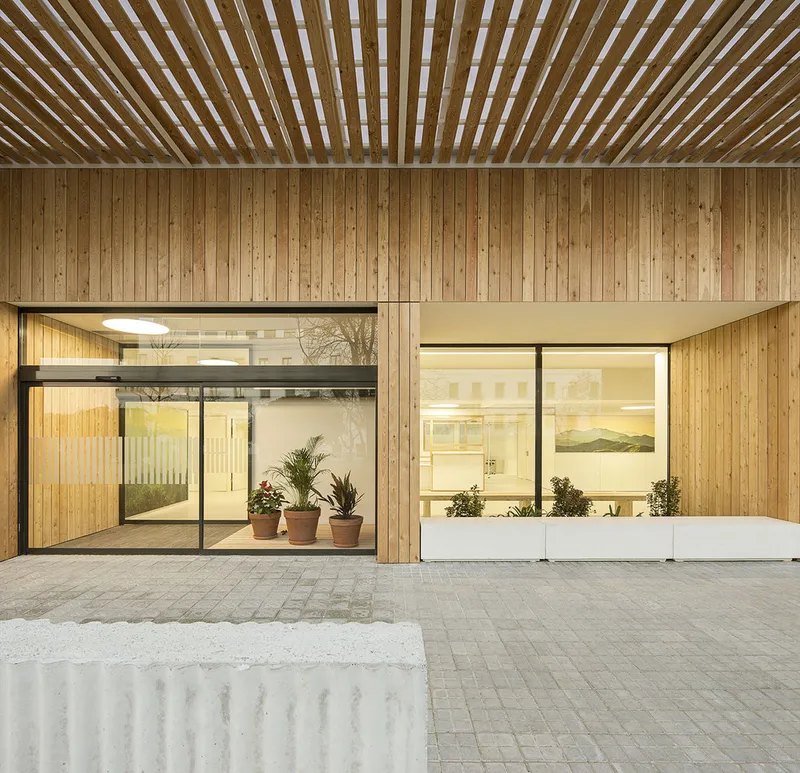
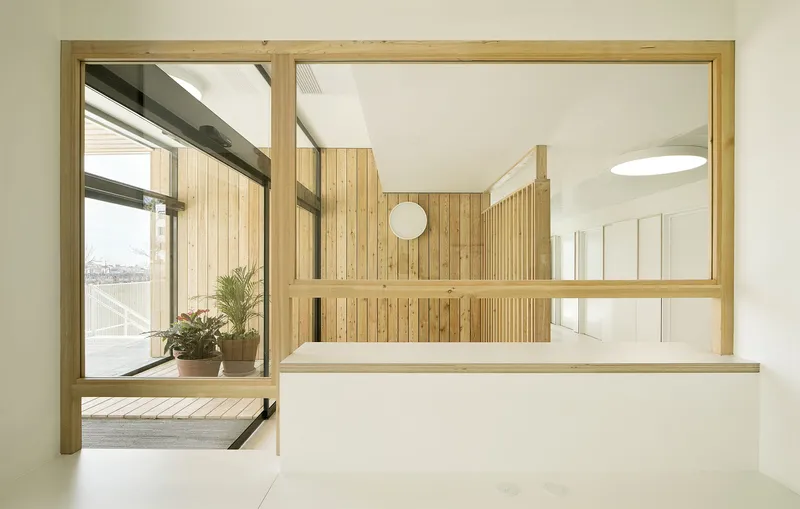
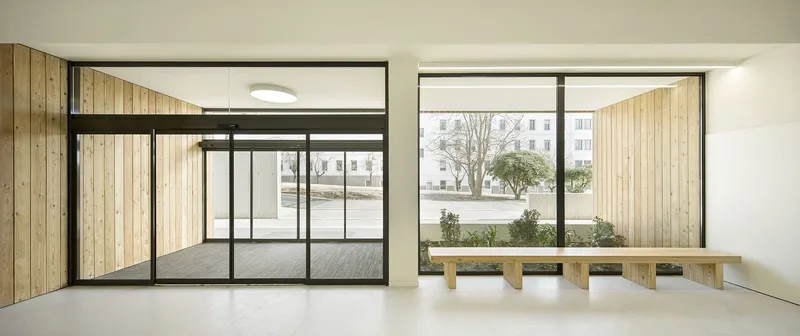
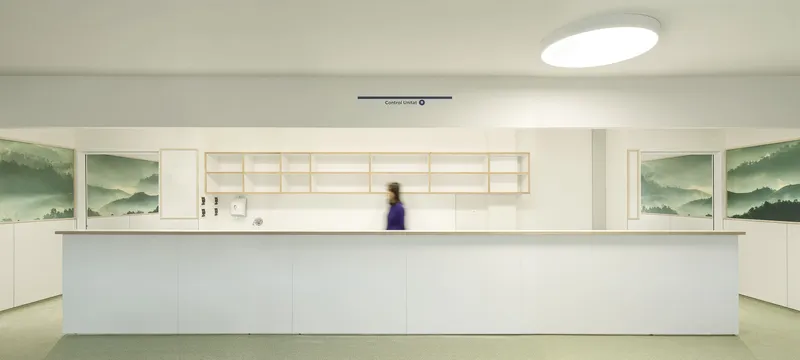
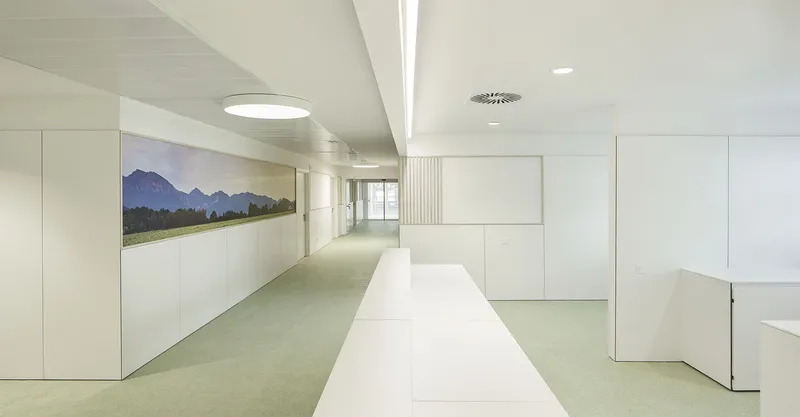
At its core, the hospital prioritizes people over infrastructure. Patients, healthcare workers, and maintenance personnel are central to its design approach. Light-filled interiors, thoughtful spatial layouts, and material choices contribute to an architecture that humanizes healthcare, turning a medical facility into a space of dignity, comfort, and care.
The Multipurpose Hospital Building in the Parc Sanitari Pere Virgili is more than a response to a health emergency—it is a new model of resilient, modular, and human-centered hospital architecture. By combining speed of construction, flexibility, safety, and patient well-being, PMMT has set a benchmark for the future of healthcare infrastructure in Catalonia and beyond.
All Photographs are works of Gael del Rio, Luca Bani


Popular Articles
Popular articles from the community


Tsunami Convergenics: Turning Catastrophic Ocean Forces into Underwater Housing Infrastructure
A speculative underwater settlement off the coast of Onagawa, Japan, treats tsunamis and typhoons as energy sources rather than threats.

Singing Woman: An Opera House That Performs Before the Curtain Rises
Ovidiu Cristian Pavel's conceptual opera house translates Estonia's choral identity into a sculpted waterfront landmark facing the Baltic Sea.
Extended Shell: Retrofitting Kolkata's Balconies as Living Urban Thresholds
A modular retrofit system recovers the social and environmental intelligence of Kolkata's historic verandas for contemporary Park Street residents.

Temporary Home for Dogs: A Reversed Zoo Rethinks Animal Shelter Architecture
In Bucharest, a sinuous corridor and freed landscape flip the logic of containment, designing a shelter that works to make itself unnecessary.

Similar Reads
You might also enjoy these articles


Hodi-Mandai Geram
Project Function: Preservation and revitalization of the Intangible heritage and socio-spatial identity of the Hodi by Housing, Cultural Memory Center, Sacred Grove, landscape, local tourism economy


Olio Towers: A Mid-Rise for Performers That Fuses Housing, Rehearsal, and Stage
Located blocks from Houston's Theater District, this modular tower stacks living units around a central performance atrium.

Oasis: Modular Green Housing Carved into Dhaka's Urban Fabric
A shortlisted Plugin Housing entry reclaims unauthorized settlements in Dhaka with stepped concrete volumes, green roofs, and ventilation-driven design.

Black Hole: A Floating Megastructure for the Post-Physical Era
Emiliano Mazzarotto envisions a spherical, self-scaling arena where e-sports, digital hotels, and holographic stadiums replace traditional public space.
Explore Healthcare Building Competitions
Discover active competitions in this discipline

Challenge to reimagine the Iron Throne

Photograph architecture without architects

Illustrate the lost glory of Angkor Wat - Render Challenge

Design challenge to reuse E-waste
Comments (0)
Please login or sign up to add comments
No comments yet. Be the first to comment!