
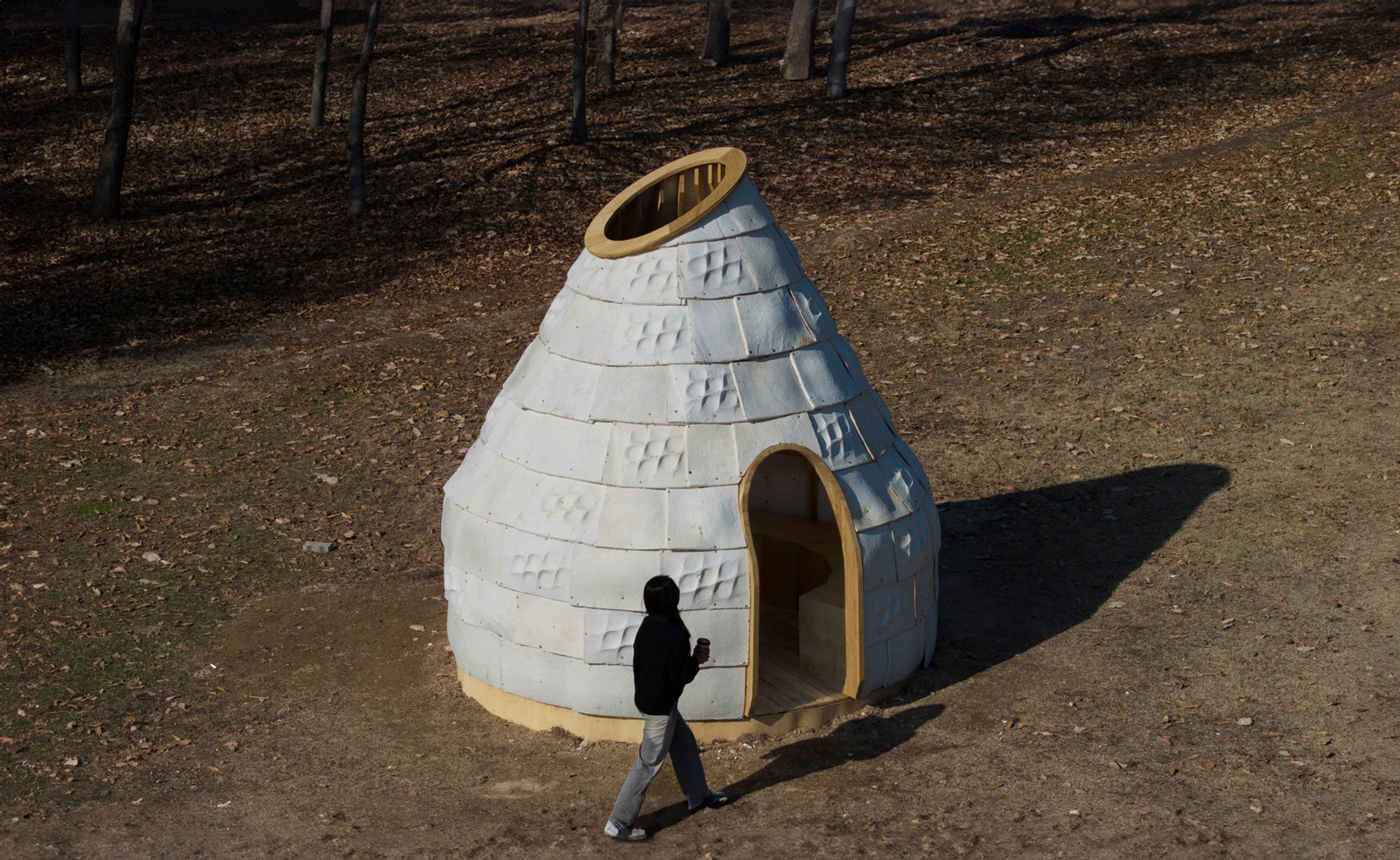
Mycelial Hut: Pioneering Sustainable Architecture with Fungal Materials
Mycelial Hut by Yong Ju Lee Architecture uses mycelium panels and digital fabrication to create sustainable, bio-integrated, eco-friendly architecture.

In an era where architecture faces unprecedented environmental challenges, the Mycelial Hut by Yong Ju Lee Architecture offers a bold reimagining of how buildings can harmonize with nature. Located at the Seoul National University of Science and Technology, this innovative pavilion exemplifies the possibilities of bio-integrated design, combining cutting-edge digital fabrication with the regenerative potential of mycelium — the root-like fungal network that naturally filters and binds organic matter.
Rethinking Architecture’s Environmental Impact
Globally, the construction and architecture industry is one of the largest contributors to carbon emissions. For decades, modern architecture has prioritized efficiency and cost-effectiveness, favoring materials like steel and concrete. While these materials enabled rapid urban development, they also disconnected building practices from ecological considerations, leaving a heavy environmental footprint.
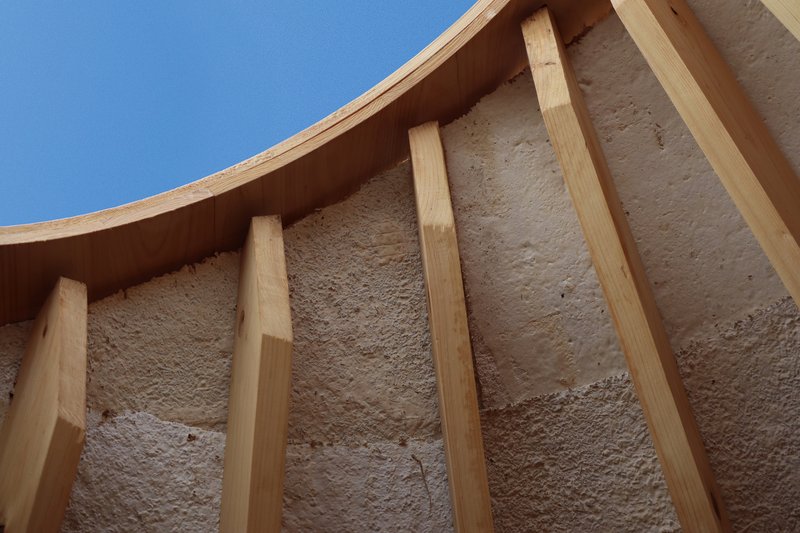
Against this backdrop of ecological urgency, Mycelial Hut embraces a radically different approach. Inspired by the potential of organism-based materials, the project challenges conventional construction norms by exploring fully biodegradable, recyclable, and regenerative alternatives.
Mycelium as a Building Material
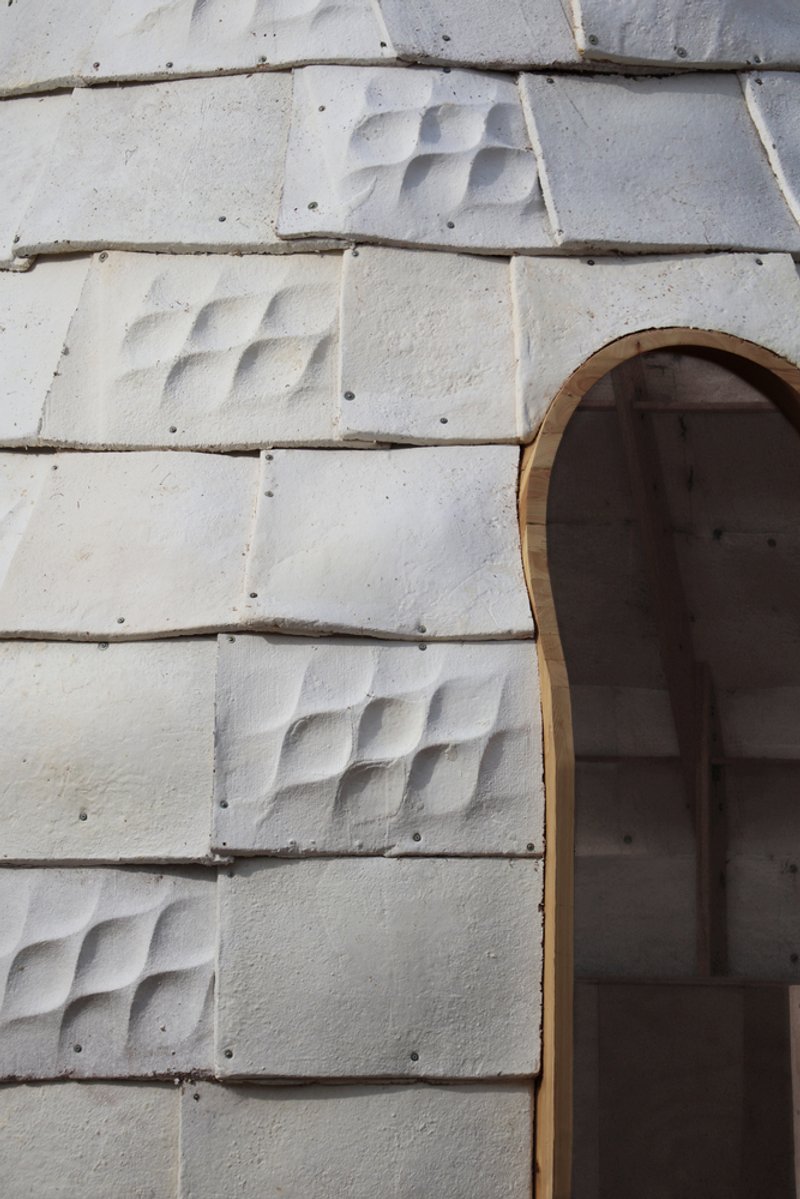
At the heart of the project is mycelium, the intricate fungal network found in soil and forest ecosystems. Beyond its natural role in decomposition and nutrient cycling, mycelium has remarkable structural and insulating properties, making it an ideal candidate for sustainable architecture. By experimenting with different substrates, growth techniques, and custom molds, Yong Ju Lee Architecture has demonstrated that mycelium can be scaled for practical architectural applications.
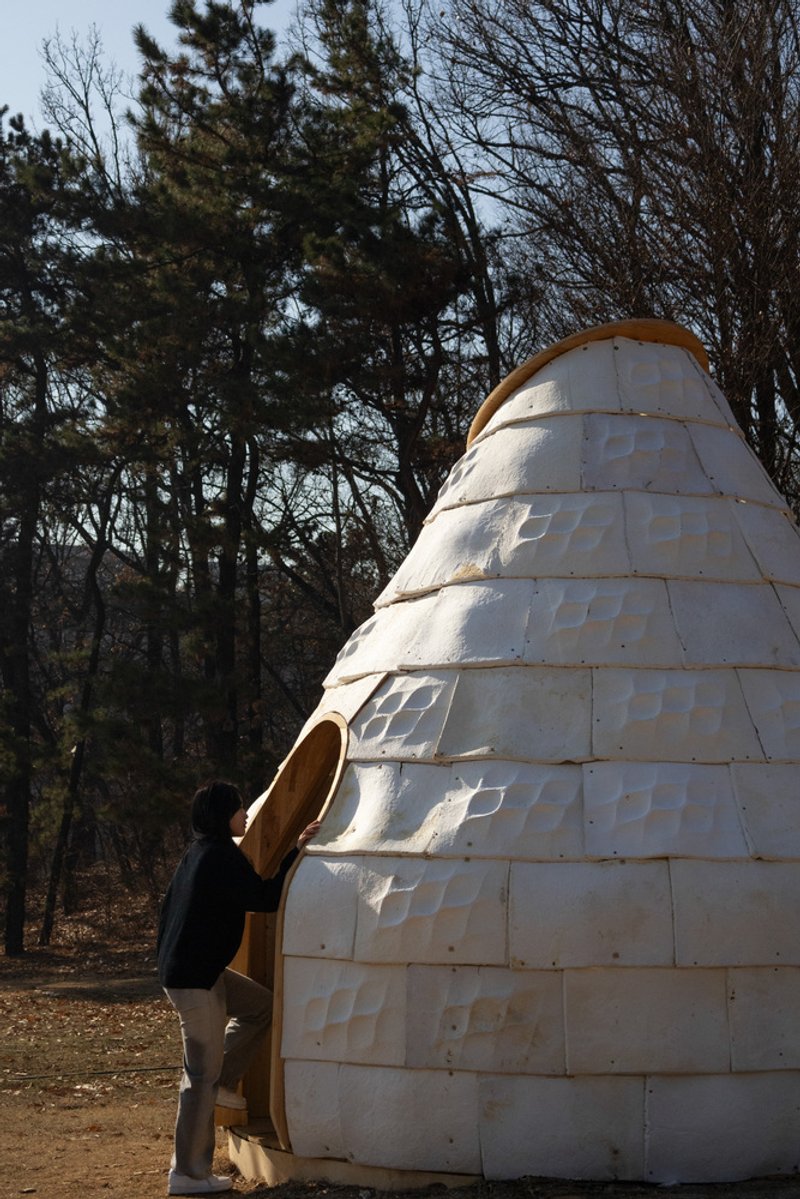
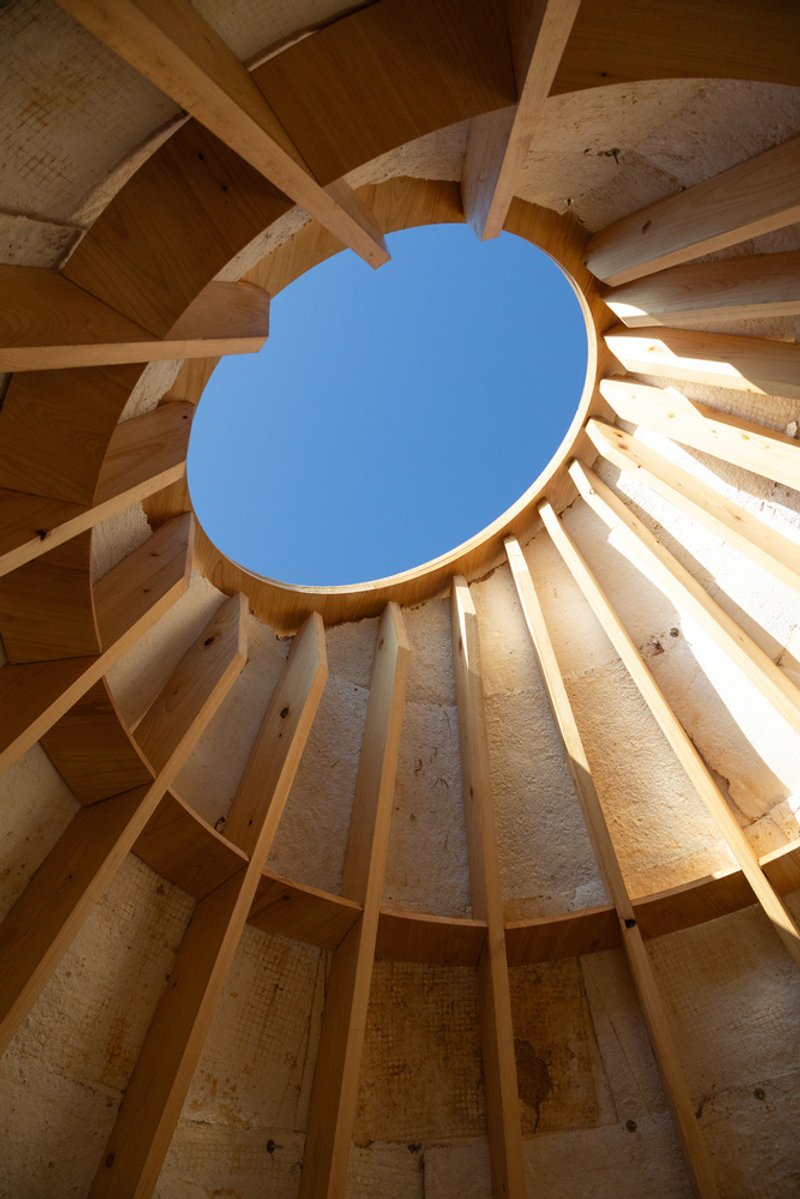
The pavilion uses a wooden frame as its structural backbone, while carefully cultivated mycelium panels form the external envelope. Each panel was grown using 3D-printed molds, allowing precise control over shape, density, and growth patterns. This fusion of digital fabrication and biological processes exemplifies how computation and natural systems can coexist in contemporary design.
A New Workflow for Bio-Hybrid Architecture
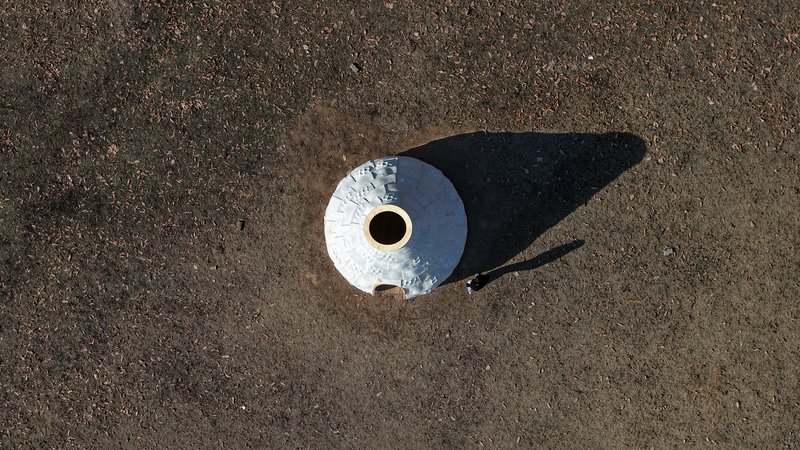
Developing Mycelial Hut required rethinking the workflow of architectural production. Industrial robotic arms were integrated with the natural growth process, creating a hybrid construction method where digital precision guides organic development. This approach not only addresses challenges in using fungal materials at scale but also demonstrates the feasibility of bio-composites in real-world architecture.
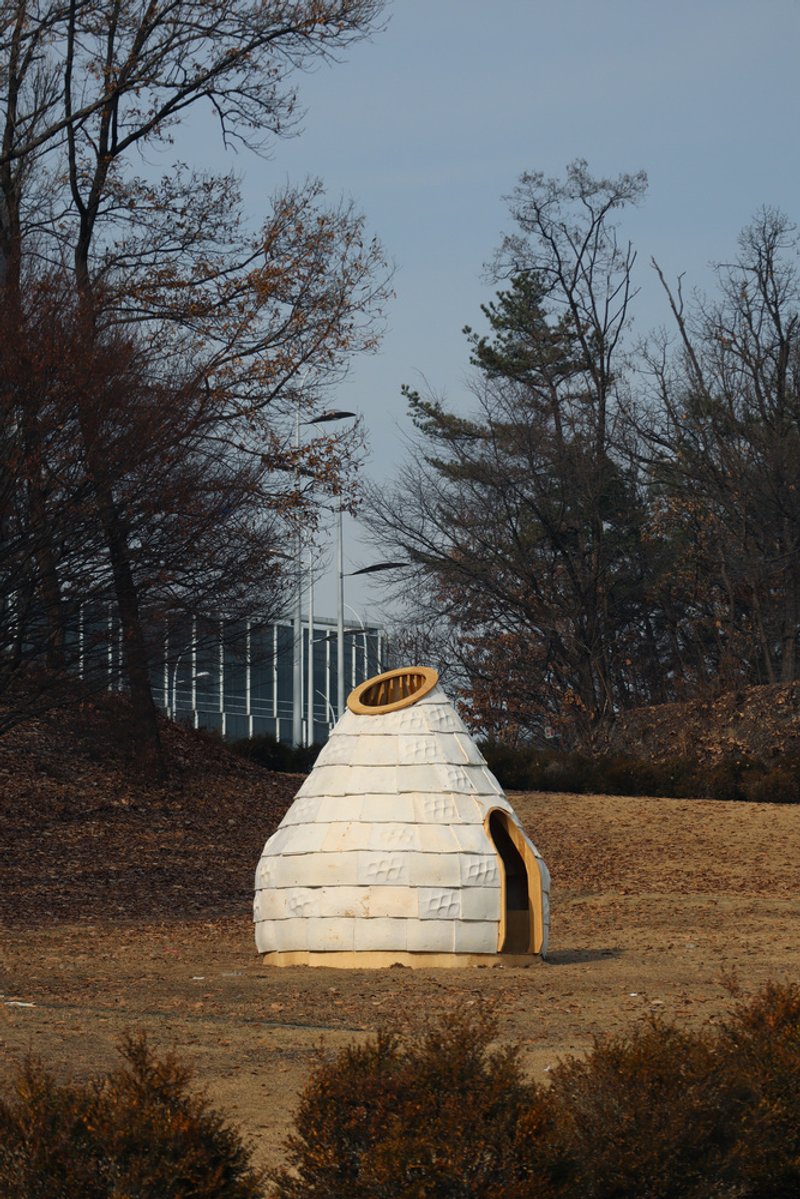
By turning growth into a design parameter, the pavilion embodies the concept of buildings as living entities — structures that evolve, adapt, and eventually return to the environment without leaving a lasting ecological burden.
Cultivating a Sustainable Future
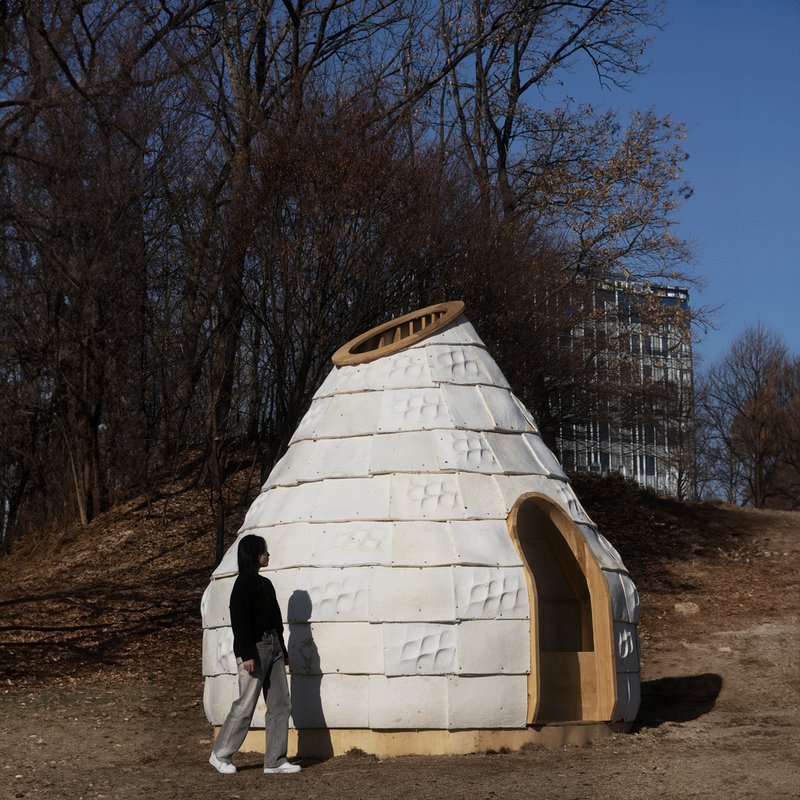
Mycelial Hut is more than an architectural experiment; it is a tangible vision of sustainable design for everyday life. The installation invites viewers to imagine a world where buildings are not simply constructed, but cultivated — where the built environment becomes a collaborator in ecological stewardship rather than a source of harm.
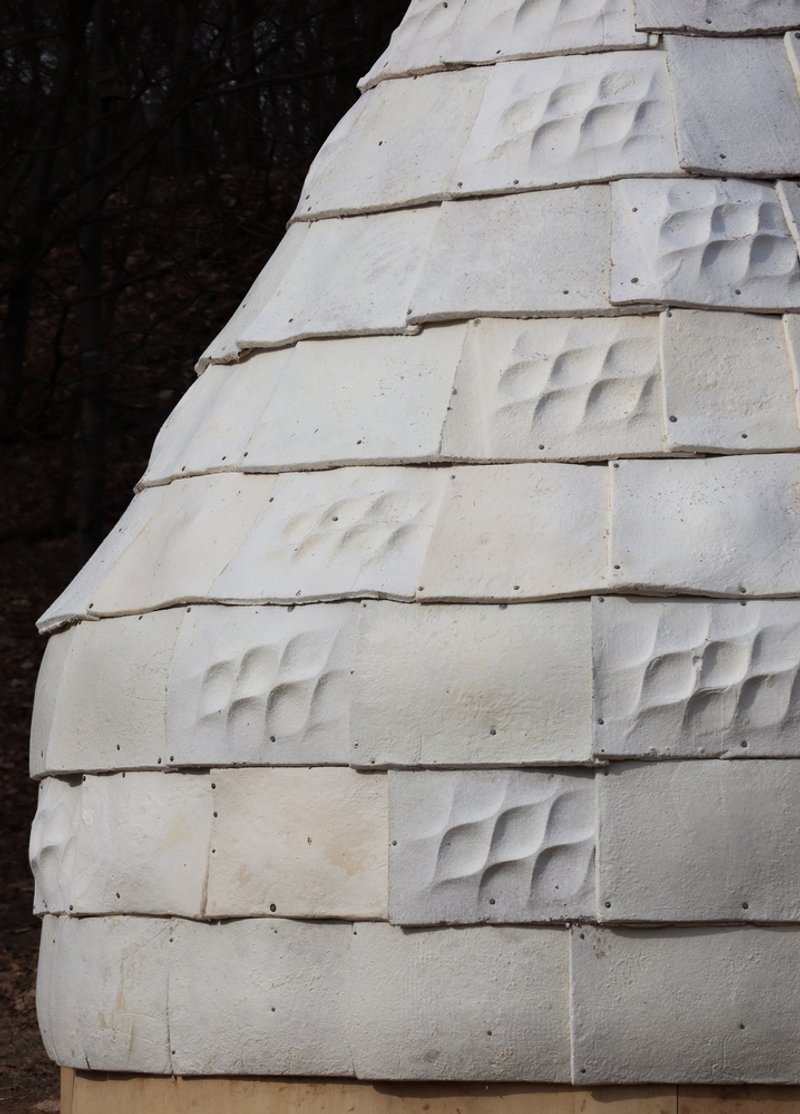
All photographs are works of Yong Ju Lee Architecture




Popular Articles
Popular articles from the community

Split House: A Compact Urban Home Blending Privacy, Light, and Flexible Living in Japan
Compact Japanese home featuring DOMA space, flexible café potential, passive lighting, privacy zoning, and sustainable urban living design.


The Ken Roberts Memorial Delineation Competition (Krob)
As the most senior architectural drawing competition currently in operation anywhere in the world, it draws hundreds of entries each year, awarding the very best submissions in a series of medium-based categories.
Atelier Macri Concept Store Interior Design by CASE-REAL
Atelier Macri store features a "ko" counter, walnut wood details, cork displays, blending retail, gallery, and seamless customer experiences.



Similar Reads
You might also enjoy these articles
The Ken Roberts Memorial Delineation Competition (Krob)
As the most senior architectural drawing competition currently in operation anywhere in the world, it draws hundreds of entries each year, awarding the very best submissions in a series of medium-based categories.


Waterfront Redevelopment and Urban Revitalization in Mumbai: Forging a New Dawn for Darukhana
A transformative waterfront redevelopment project reimagining Darukhana’s shipbreaking heritage into an inclusive urban future.

OUT-OF-MAP: A Call for Postcards on Feminist Narratives of Public Space
Rhizoma Design and Research Lab invites artists, designers, architects, researchers, and students to reflect on how feminist perspectives can reshape public space. Selected works will be exhibited in Barcelona, October 2026. Submissions open until 15 April 2026.


Documentation Work on Buddhist Wooden Temple
Architectural syncretism and cultural hybridity: A comparative study of the Buddhist temples in Chattogram Hill tracks

Explore Architecture Competitions
Discover active competitions in this discipline




The International Standard for Design Portfolios


The Global Benchmark for Architecture Dissertation Awards


The Global Benchmark for Graduation Excellence


Challenge to design an urban locus of culture and heritage
Comments (0)
Please login or sign up to add comments
No comments yet. Be the first to comment!