
Onhyeri Jung Youngja House by Narrative Architects: A Contemporary Interpretation of Traditional Korean Architecture
The Onhyeri Jung Youngja House blends traditional hanok architecture with modern design, fostering harmony between nature, cultural heritage, and contemporary living. #SustainableDesign

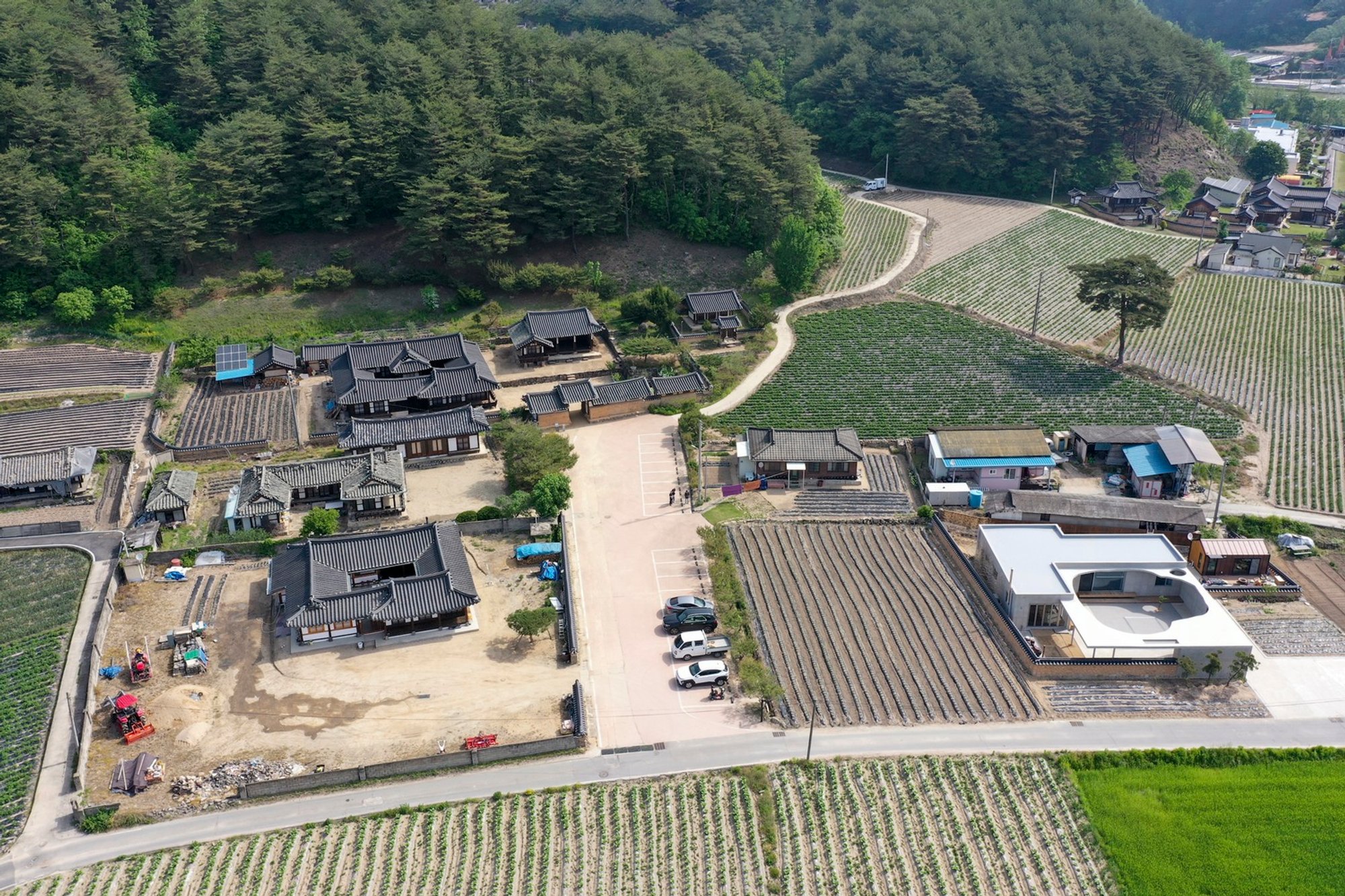
Located in Andong, South Korea, the Onhyeri Jung Youngja House by Narrative Architects is a striking example of how contemporary architecture can engage with historical and cultural contexts. Designed by lead architects Sihong Kim and Namin Hwang, this 172-square-meter residence reinterprets traditional Korean hanok architecture while integrating modern spatial concepts that foster a deep connection between nature, heritage, and everyday life.
A Dialogue Between Past and Present
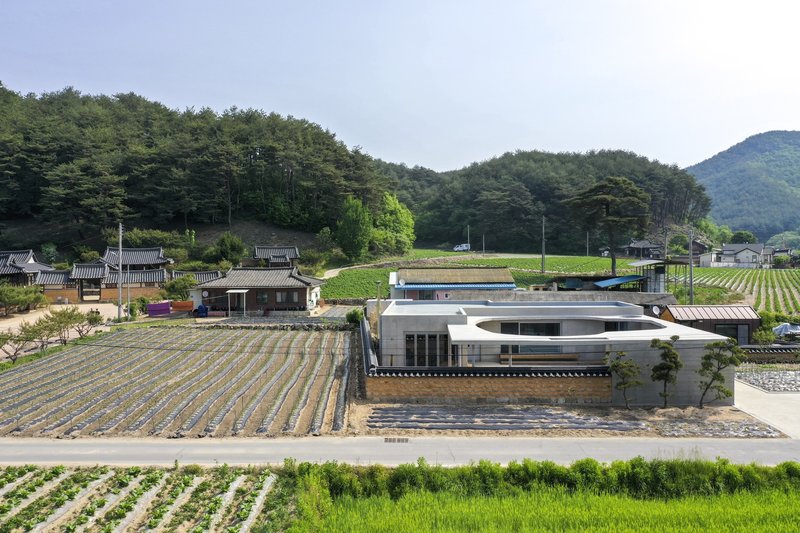
The design of the Onhyeri Jung Youngja House originates from an in-depth study of its surroundings, particularly the Andong Jinsung Lee Clan Onhye Clan’s Ancestral House, a nationally recognized folk cultural heritage site dating back to 1454. This historical reference serves as a foundation for the project, influencing both spatial organization and material choices.
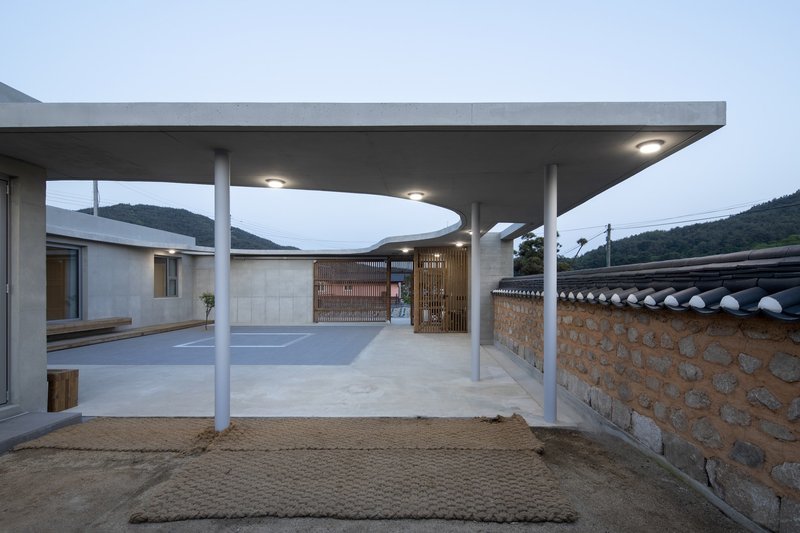
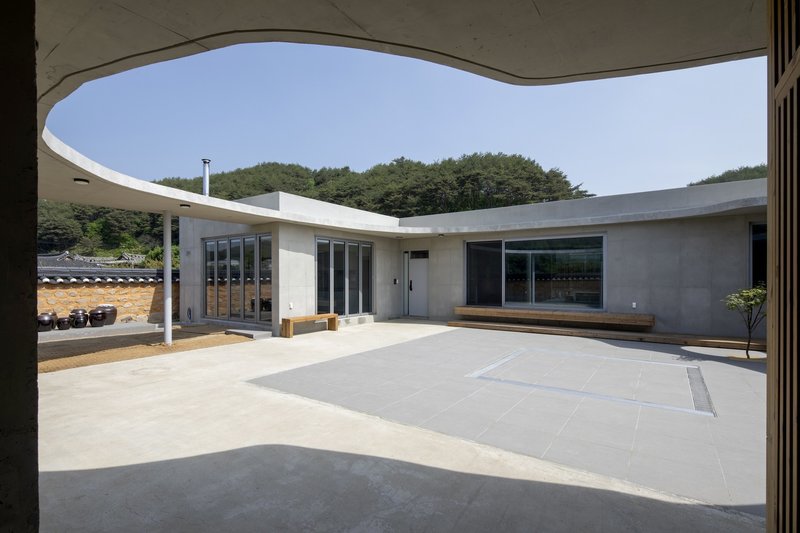
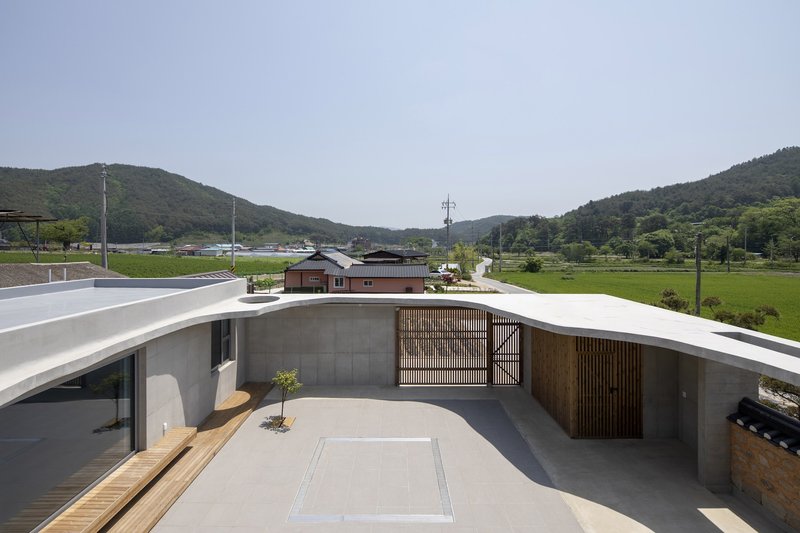
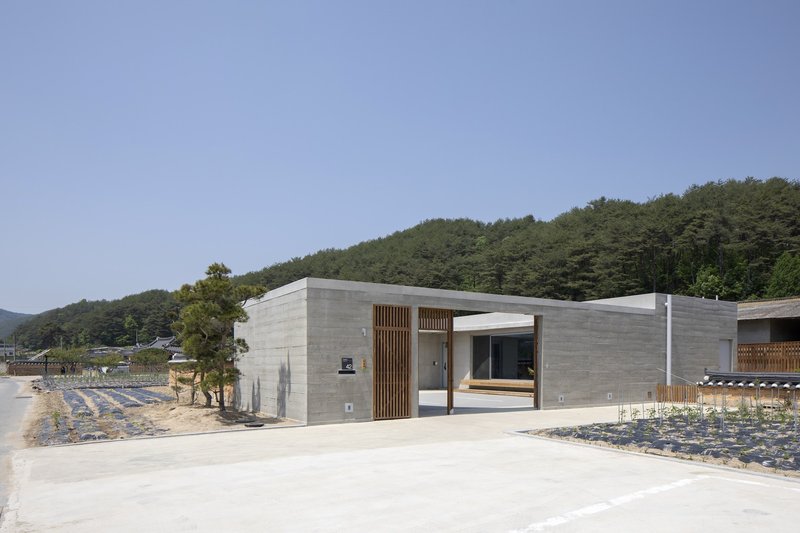
The traditional Korean hanok is known for its integration with nature and use of organic materials such as timber, stone, and clay. Narrative Architects have taken this principle further by establishing a seamless interaction between the home and its environment. A 2-meter-high stone wall surrounds the residence, echoing the boundaries of the ancestral house and defining the village’s spatial composition. This wall not only provides privacy but also facilitates a dynamic relationship between openness and enclosure.
Spatial Composition and Architectural Strategy
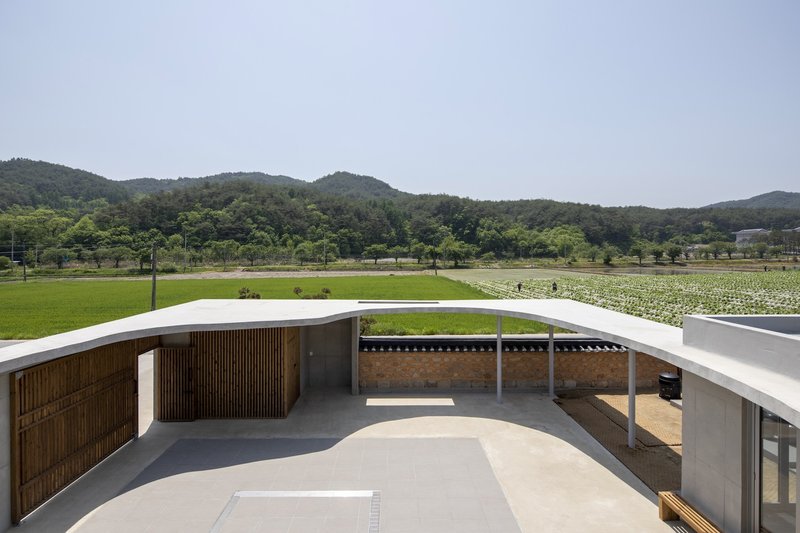
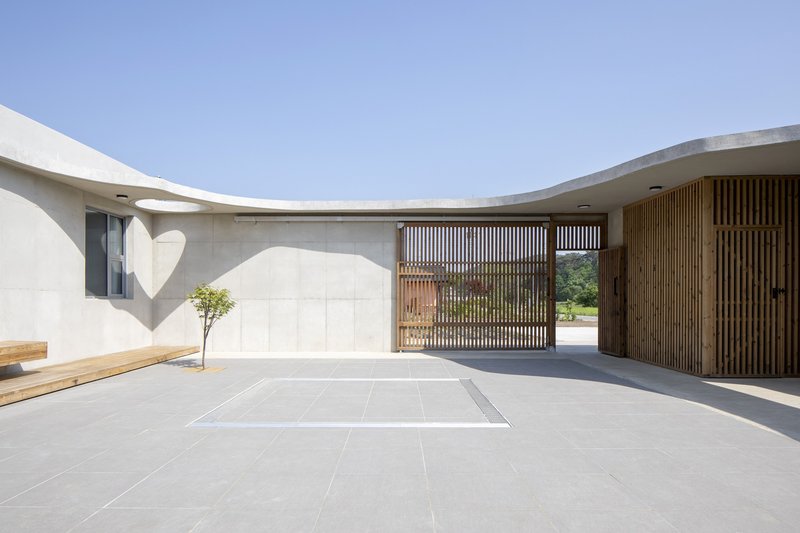
The house’s layout is inspired by the Sarangchae, the detached study quarters in traditional hanok residences. It follows a square-shaped plan with a central courtyard, reminiscent of traditional Korean architectural structures that emphasize communal living spaces. By integrating an open maru (wooden-floored terrace) and deep eaves, the design promotes natural ventilation and shading, ensuring thermal comfort throughout the seasons.
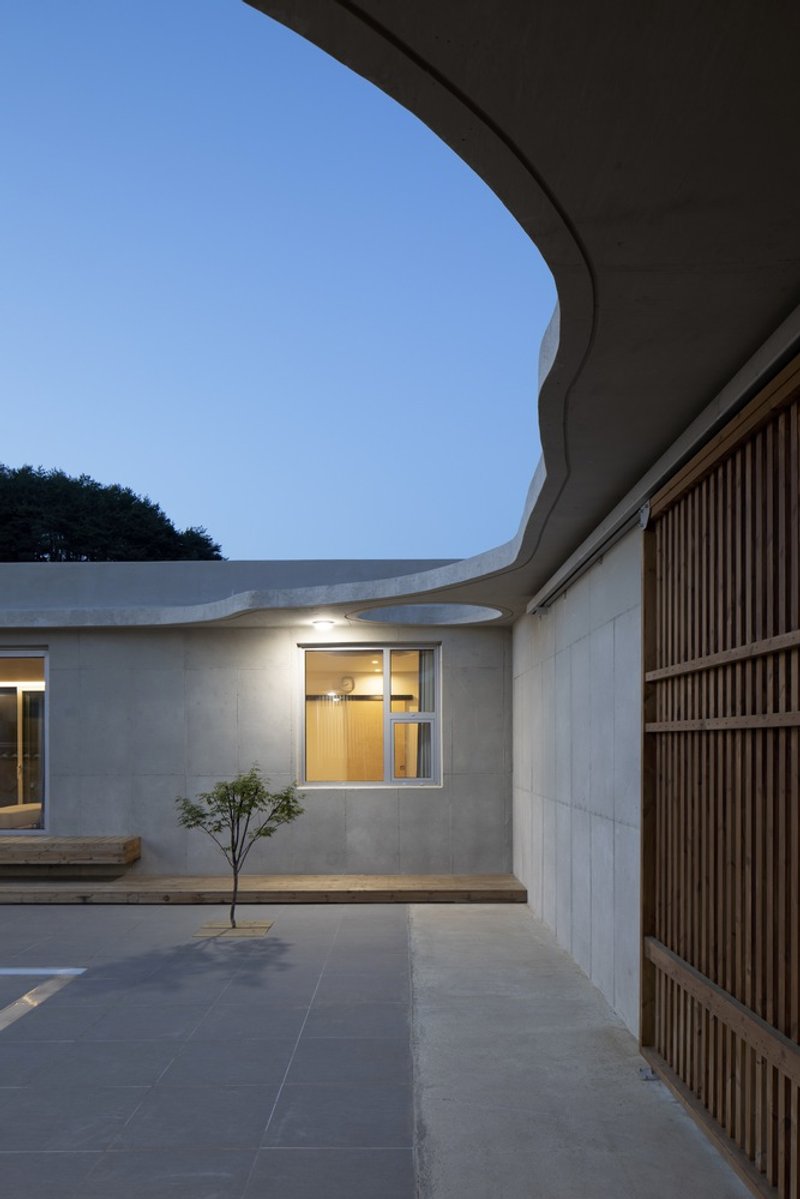
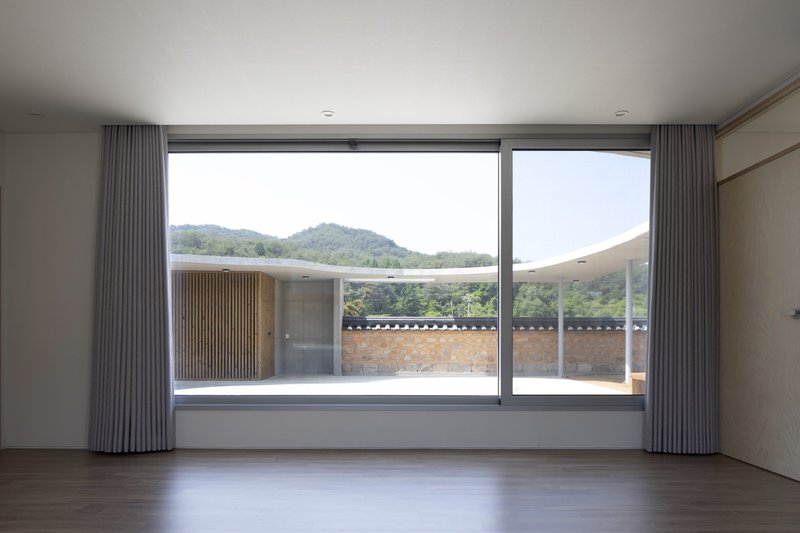
One of the key design gestures is the floating roof, supported by intentionally misaligned columns. This design choice reinforces a sense of fluidity, guiding movement through the house while framing shifting perspectives of the landscape. The interplay of light and shadow across the stone walls and wooden surfaces further enhances the perception of time and space within the dwelling.
Mediating the Natural and Built Environment
A defining characteristic of the Onhyeri Jung Youngja House is its sensitive response to topography and climate. The house is positioned to embrace the Dosan Hot Spring and the river flowing in front of the village, both of which hold cultural and ecological significance. The surrounding natural elements shape the microclimate of the site, influencing wind patterns and daylight penetration.
The design team carefully considered the materiality of the project, choosing local stone and timber to ensure harmony with the existing village landscape. The tiled roof, a hallmark of traditional Korean architecture, interacts with the sky in a unique way, allowing natural light to filter through and creating a dynamic play of illumination within the courtyard. This technique not only enhances the sensory experience but also reinforces the idea of permanence and impermanence, a key philosophical concept in Korean aesthetics.
Cultural Continuity and Modern Adaptation
By preserving the vernacular language of traditional Korean dwellings while integrating contemporary design strategies, the Onhyeri Jung Youngja House serves as a model for sustainable architectural heritage adaptation. The house does not merely replicate traditional forms but rather reinterprets them to accommodate modern lifestyles. The integration of minimalist interiors, open-plan configurations, and flexible living spaces demonstrates how historical typologies can be revitalized for contemporary use.
This project embodies a holistic architectural approach, where built form, cultural memory, and environmental sustainability coexist in a harmonious dialogue. The house is not just a physical structure but a space that sustains personal and collective experiences, evolving with the rhythms of daily life and the changing seasons.
Conclusion: A Timeless Architectural Expression
The Onhyeri Jung Youngja House by Narrative Architects exemplifies the power of architecture to bridge tradition and modernity. Through meticulous attention to context, materiality, and spatial composition, the project redefines the relationship between built form and its environment. It stands as a testament to the enduring relevance of traditional Korean architecture, reimagined for the present and future generations.
Project Details:
- Architects: Narrative Architects
- Lead Architects: Sihong Kim, Namin Hwang
- Location: Andong, South Korea
- Area: 172 m²
- Year: 2023
- Photography: Jae Kyeong Kim



Popular Articles
Popular articles from the community

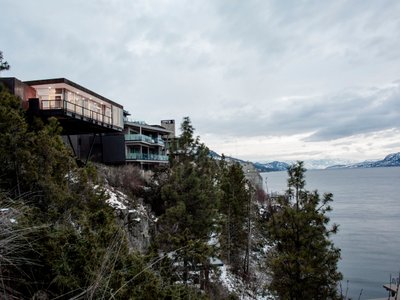
Alton Cliff House: A Harmonious Retreat by f2a Architecture in Lake Country, Canada
Alton Cliff House blends corten steel, prefabrication, and sustainable design, creating a luxurious, energy-efficient retreat perched on Canadian cliffs.

Free Architecture Competitions You Can Enter Right Now
No entry fees, real prizes. Here are the best free architecture competitions open for submissions in 2026.


The Ken Roberts Memorial Delineation Competition (Krob)
As the most senior architectural drawing competition currently in operation anywhere in the world, it draws hundreds of entries each year, awarding the very best submissions in a series of medium-based categories.
Atelier Macri Concept Store Interior Design by CASE-REAL
Atelier Macri store features a "ko" counter, walnut wood details, cork displays, blending retail, gallery, and seamless customer experiences.

Similar Reads
You might also enjoy these articles
The Ken Roberts Memorial Delineation Competition (Krob)
As the most senior architectural drawing competition currently in operation anywhere in the world, it draws hundreds of entries each year, awarding the very best submissions in a series of medium-based categories.
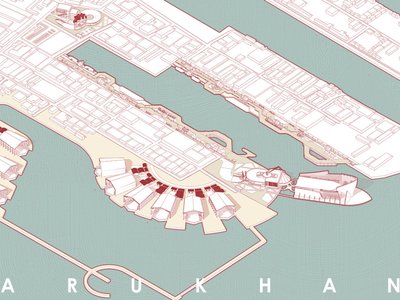
Waterfront Redevelopment and Urban Revitalization in Mumbai: Forging a New Dawn for Darukhana
A transformative waterfront redevelopment project reimagining Darukhana’s shipbreaking heritage into an inclusive urban future.

OUT-OF-MAP: A Call for Postcards on Feminist Narratives of Public Space
Rhizoma Design and Research Lab invites artists, designers, architects, researchers, and students to reflect on how feminist perspectives can reshape public space. Selected works will be exhibited in Barcelona, October 2026. Submissions open until 15 April 2026.

Documentation Work on Buddhist Wooden Temple
Architectural syncretism and cultural hybridity: A comparative study of the Buddhist temples in Chattogram Hill tracks


Explore Architecture Competitions
Discover active competitions in this discipline




The International Standard for Design Portfolios


The Global Benchmark for Architecture Dissertation Awards


The Global Benchmark for Graduation Excellence


Challenge to reimagine the Iron Throne
Comments (0)
Please login or sign up to add comments
No comments yet. Be the first to comment!