
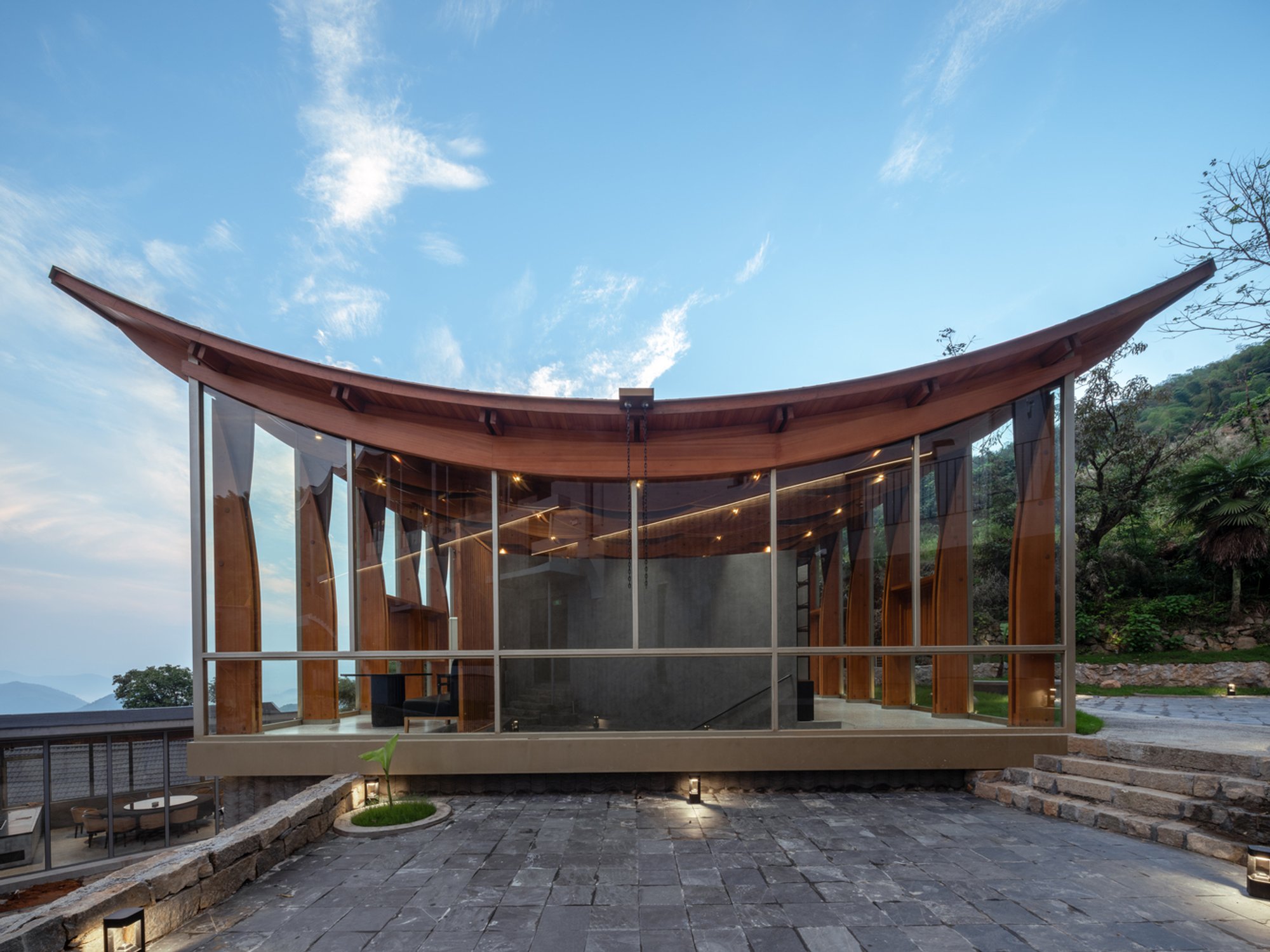
Pavilion ∞ by Atelier Lai: A Harmonious Fusion of Tradition and Innovation
Pavilion ∞ by Atelier Lai blends traditional Chinese craftsmanship with modern innovation, creating a poetic, nature-inspired architectural masterpiece in Zhejiang Province.

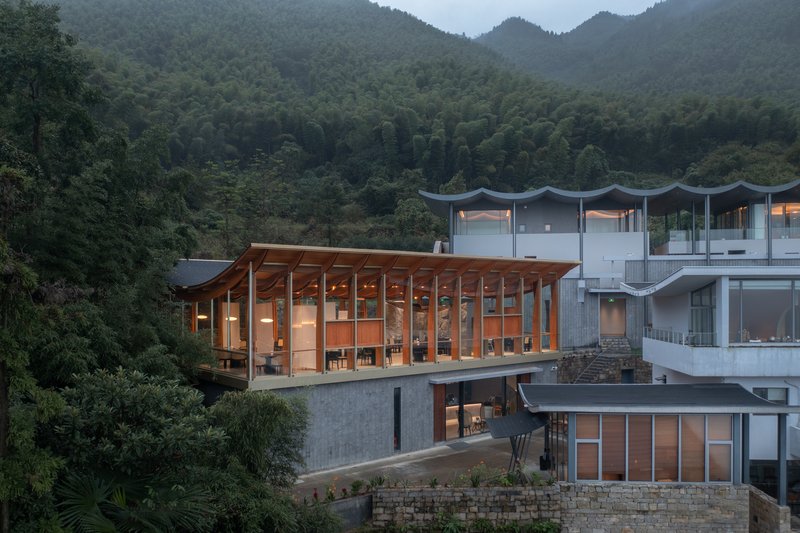
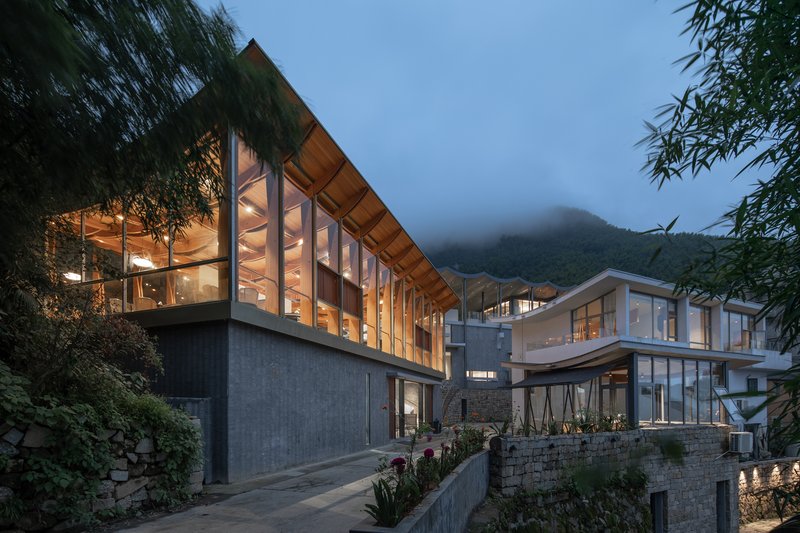
Located in a serene village in the hilly landscapes of western Zhejiang Province, Pavilion ∞ by Atelier Lai stands as an architectural landmark that seamlessly integrates traditional Chinese craftsmanship with modern design sensibilities. Positioned at the entrance of the village, this remarkable structure serves as both a restaurant and reception space, offering visitors breathtaking panoramic views of the surrounding bamboo forest and natural scenery.
A Thoughtful Reimagining of Wood Construction
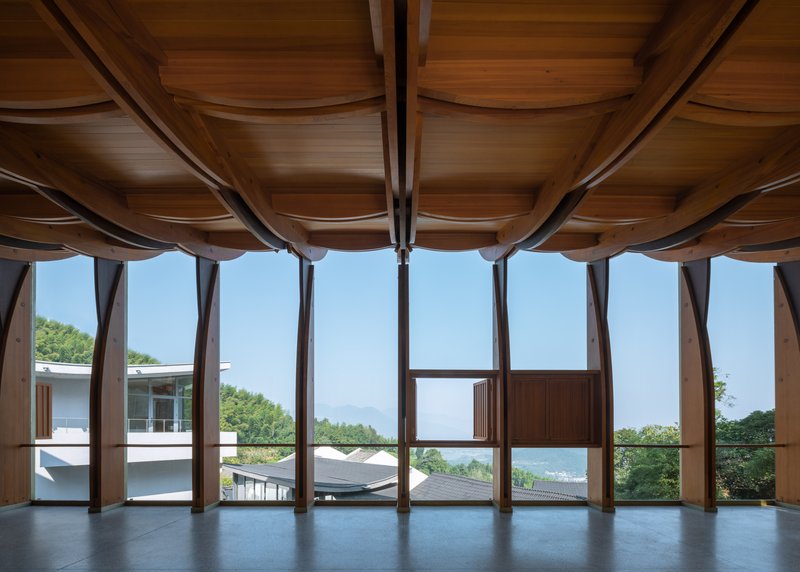
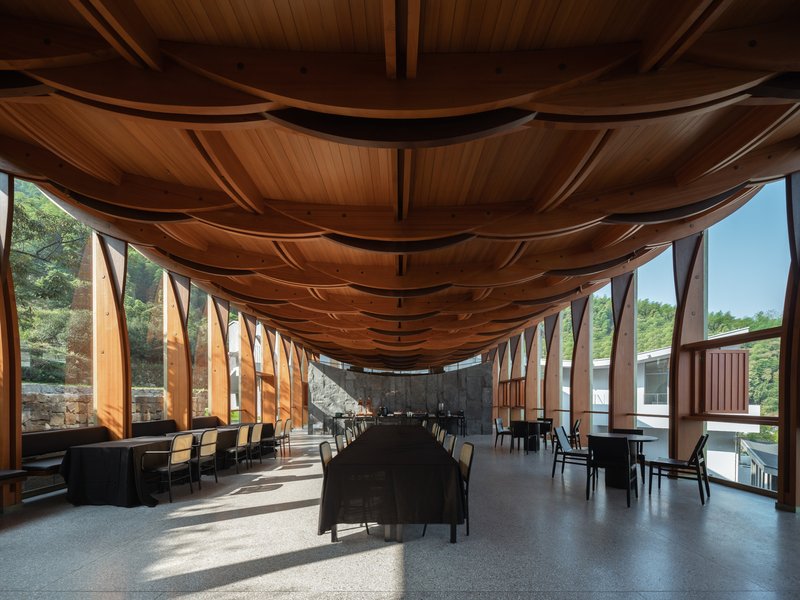
Wood has been a fundamental element in Chinese architecture for centuries. The design of Pavilion ∞ revives the essence of traditional wood craftsmanship, transitioning from "small material, big carpentry" to "big material, small carpentry." This method showcases the elegance of natural timber while respecting the cultural and historical roots of Chinese construction techniques.
Unlike modern glulam technology, which prioritizes efficiency over aesthetics, this project embraces a more refined approach, breaking large wooden elements into smaller, layered components. This decision rejects the efficiency-driven industrial aesthetic often seen in contemporary wooden structures and instead embraces the artistry and cultural significance of handcrafted timber architecture.
Structural Innovation: From Woven Timber Arches to Tension Ropes
The structural inspiration for Pavilion ∞ is drawn from the renowned Woven Timber Arch Bridges found in traditional Chinese architecture. These historic bridges, prominently depicted in the famous Song Dynasty painting Riverside Scene at Qingming Festival, use an intricate assembly of short wooden rods to create strong, flexible trusses.
However, Pavilion ∞ takes this concept a step further by inverting the structure—transforming the classic wooden arch into a woven timber rope. This innovative reversal redistributes the structural forces, shifting axial pressure into axial tension, thus reducing the need for a large rigid foundation. The result is an architectural masterpiece that maintains both strength and aesthetic fluidity while subtly referencing the wisdom of ancient construction techniques.
A Poetic Expression of Nature: Overlapping Moons and Water Waves
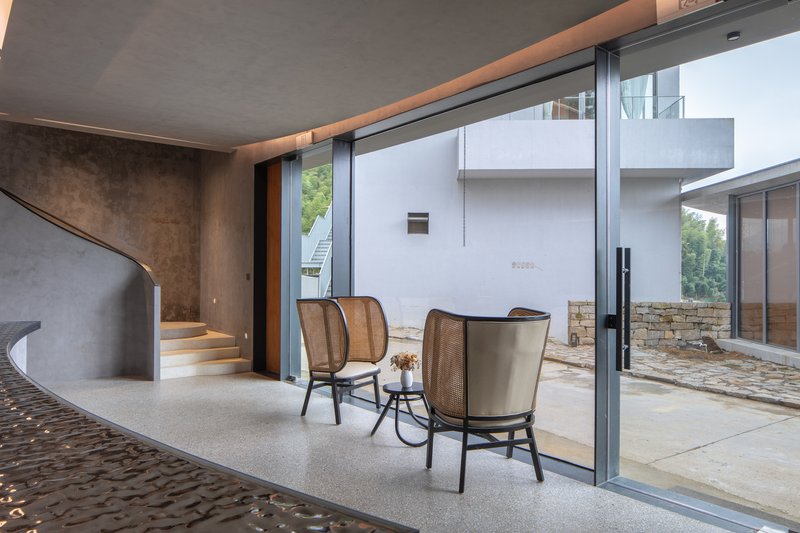
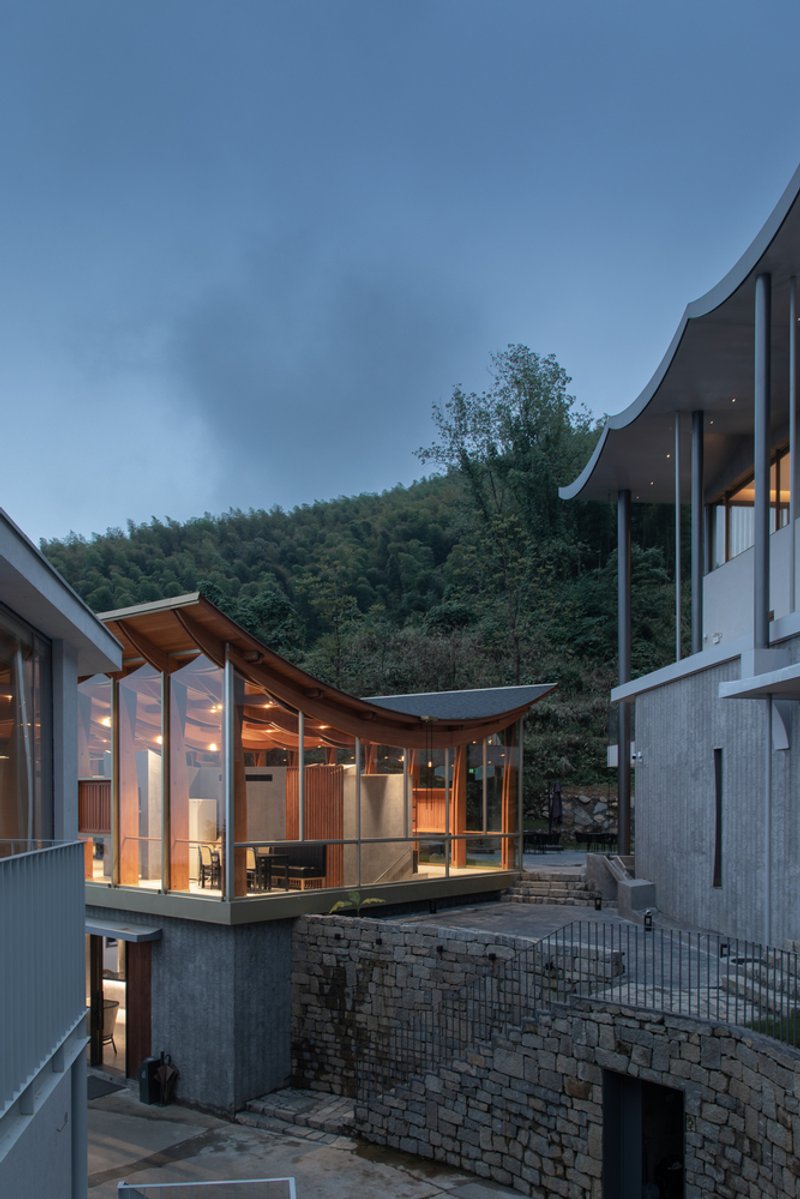
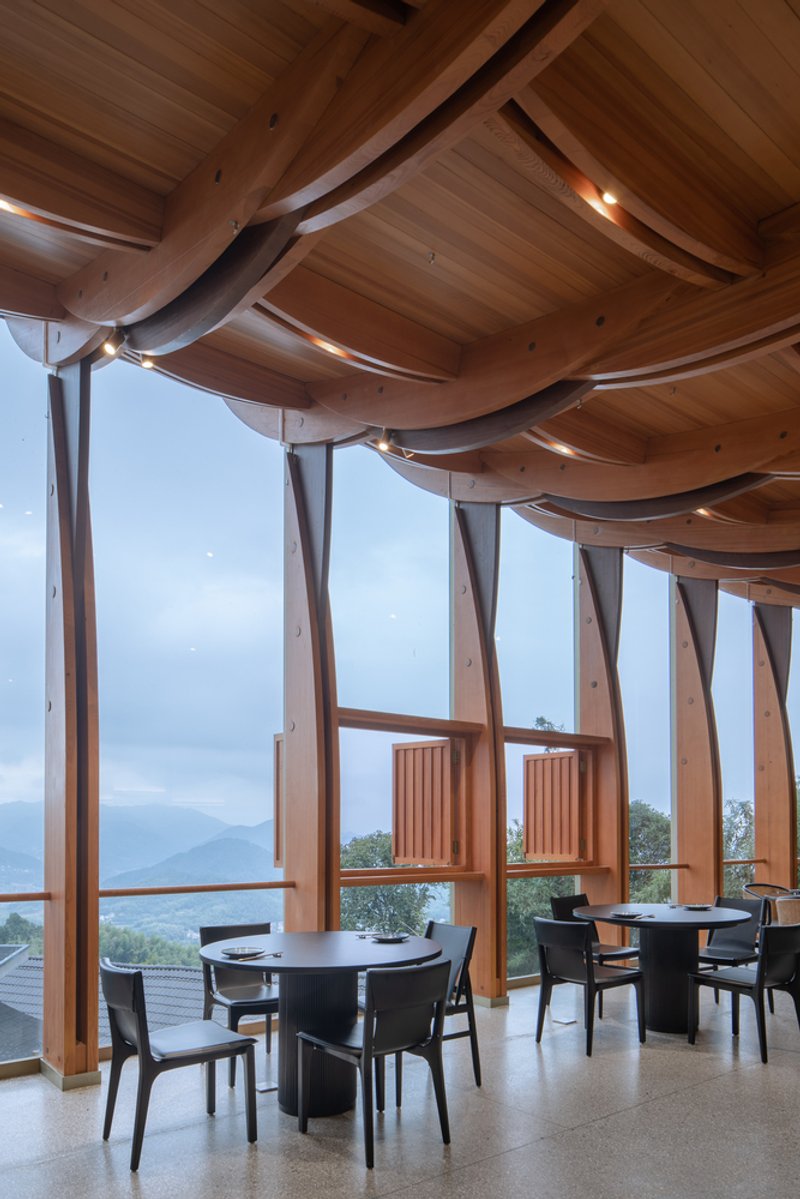
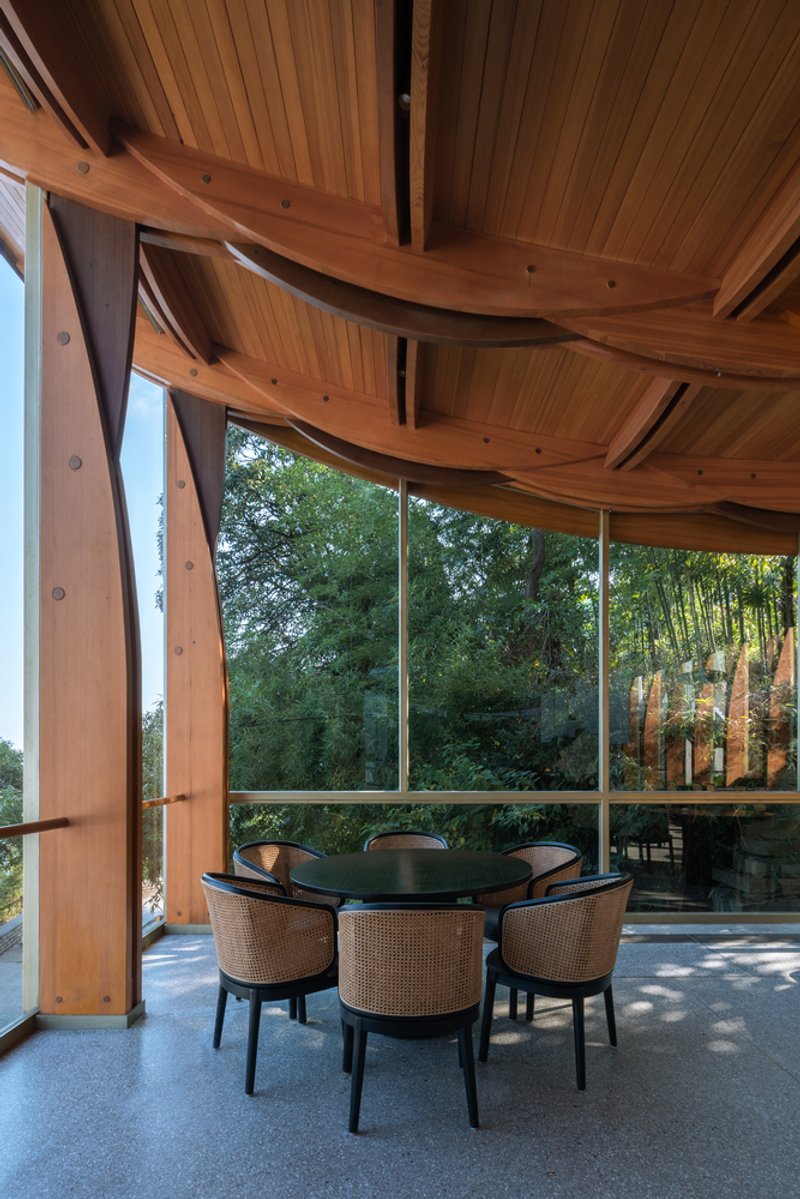
One of the defining characteristics of Pavilion ∞ is its poetic design language. Rather than following a rigid linear form, the structure's timber elements curve and overlap, mimicking the gentle waves of water—a motif frequently seen in classical Chinese paintings. The intersecting wooden beams resemble cascading moons, evoking the visual rhythm of rippling water under a tranquil autumn breeze.
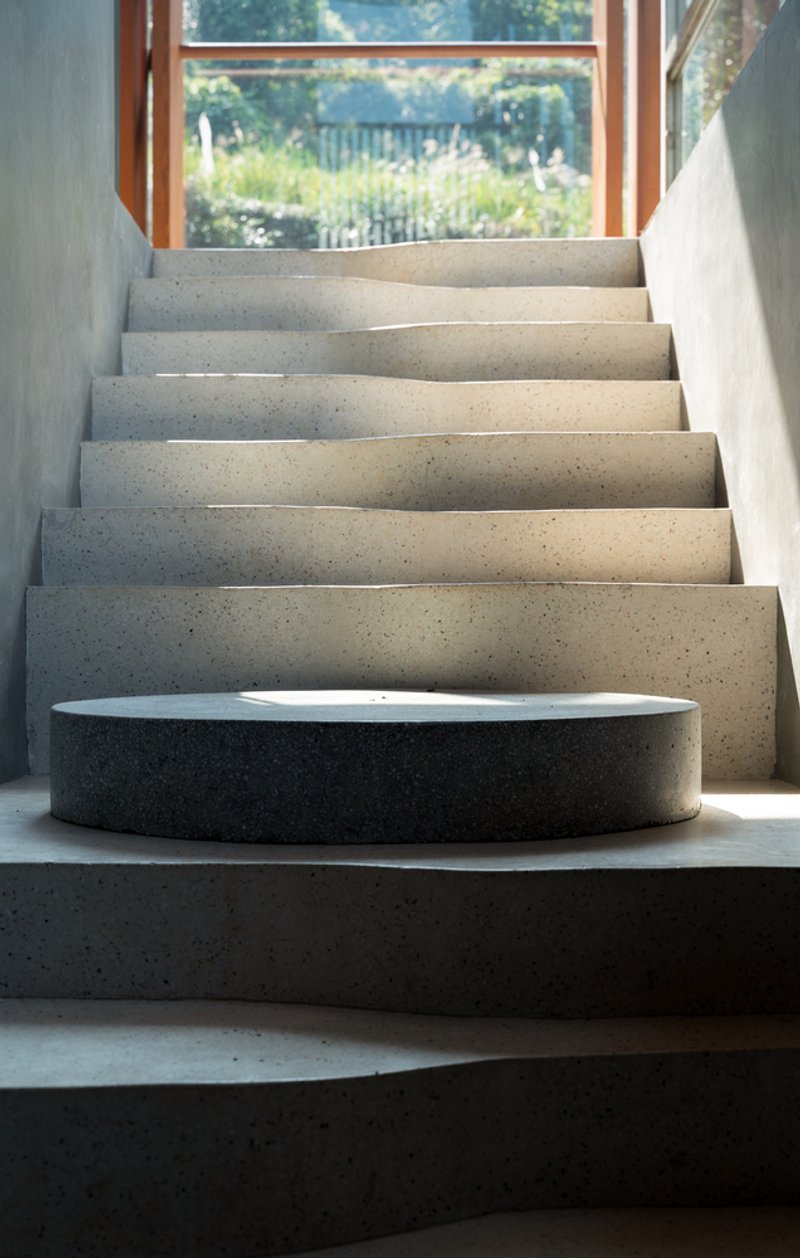
This organic interplay of forms extends beyond the primary structure, influencing the design of the walls and staircases. By incorporating fluid, undulating surfaces throughout the pavilion, the space embodies an ethereal quality, reinforcing its connection to the surrounding natural environment.
Blurring Boundaries Between Architecture and Landscape
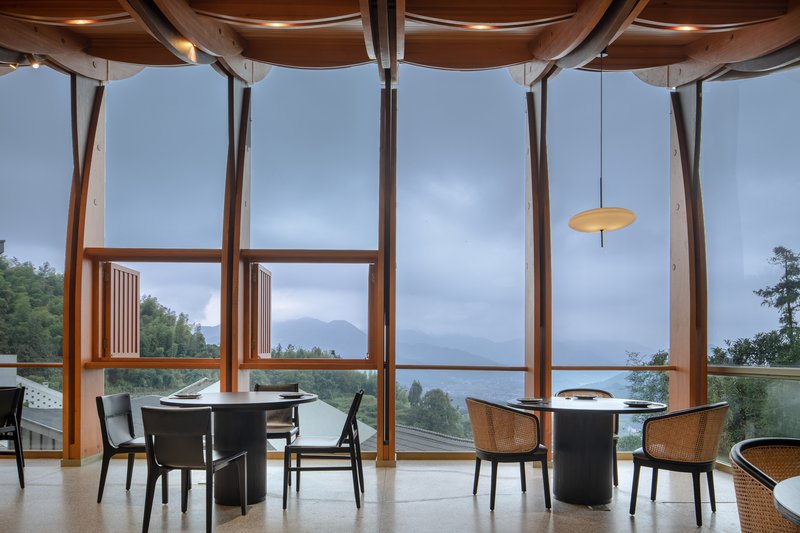
More than just a building, Pavilion ∞ embodies the concept of "borrowed scenery," a traditional Chinese architectural philosophy that integrates structures seamlessly with their surroundings. The design prioritizes transparency and openness, allowing uninterrupted views of the distant mountains while immersing visitors in an atmosphere of serenity and reflection.
By withdrawing the wooden framework into the background, the architecture becomes a delicate vessel for experiencing nature, rather than dominating the visual landscape. This thoughtful approach transforms the pavilion into a sanctuary of contemplation, where visitors can appreciate the interplay of light, texture, and space in perfect harmony.
A Timeless Tribute to Craftsmanship and Nature
Pavilion ∞ by Atelier Lai is more than just a restaurant or a reception space—it is a living testament to the enduring beauty of traditional Chinese wood construction. By embracing historic techniques while innovating with modern structural solutions, the pavilion represents a thoughtful dialogue between past and present.
This project stands as a powerful reminder that architecture should not only serve a functional purpose but also inspire and connect us to the landscapes we inhabit. Pavilion ∞ achieves this with elegance, making it a defining example of how contemporary design can respectfully honor cultural heritage.




Popular Articles
Popular articles from the community


Gads Hill Early Learning Center by JGMA: Adaptive Reuse Shaping Community-Focused Educational Architecture
Adaptive reuse transforms fragmented structure into vibrant early learning center with playful façade, natural light, and community-focused sustainable design.
Atelier Macri Concept Store Interior Design by CASE-REAL
Atelier Macri store features a "ko" counter, walnut wood details, cork displays, blending retail, gallery, and seamless customer experiences.

Free Architecture Competitions You Can Enter Right Now
No entry fees, real prizes. Here are the best free architecture competitions open for submissions in 2026.

Similar Reads
You might also enjoy these articles


The Ken Roberts Memorial Delineation Competition (Krob)
As the most senior architectural drawing competition currently in operation anywhere in the world, it draws hundreds of entries each year, awarding the very best submissions in a series of medium-based categories.

Waterfront Redevelopment and Urban Revitalization in Mumbai: Forging a New Dawn for Darukhana
A transformative waterfront redevelopment project reimagining Darukhana’s shipbreaking heritage into an inclusive urban future.

OUT-OF-MAP: A Call for Postcards on Feminist Narratives of Public Space
Rhizoma Design and Research Lab invites artists, designers, architects, researchers, and students to reflect on how feminist perspectives can reshape public space. Selected works will be exhibited in Barcelona, October 2026. Submissions open until 15 April 2026.


Documentation Work on Buddhist Wooden Temple
Architectural syncretism and cultural hybridity: A comparative study of the Buddhist temples in Chattogram Hill tracks


Explore Architecture Competitions
Discover active competitions in this discipline




The International Standard for Design Portfolios


The Global Benchmark for Architecture Dissertation Awards


The Global Benchmark for Graduation Excellence


Challenge to reimagine the Iron Throne
Comments (0)
Please login or sign up to add comments
No comments yet. Be the first to comment!