
Pedestrian Bridge Design: Kepax Bridge by Moxon Architects
Kepax Bridge by Moxon Architects is a modern, sustainable pedestrian bridge that enhances connectivity and supports active travel in Worcester.


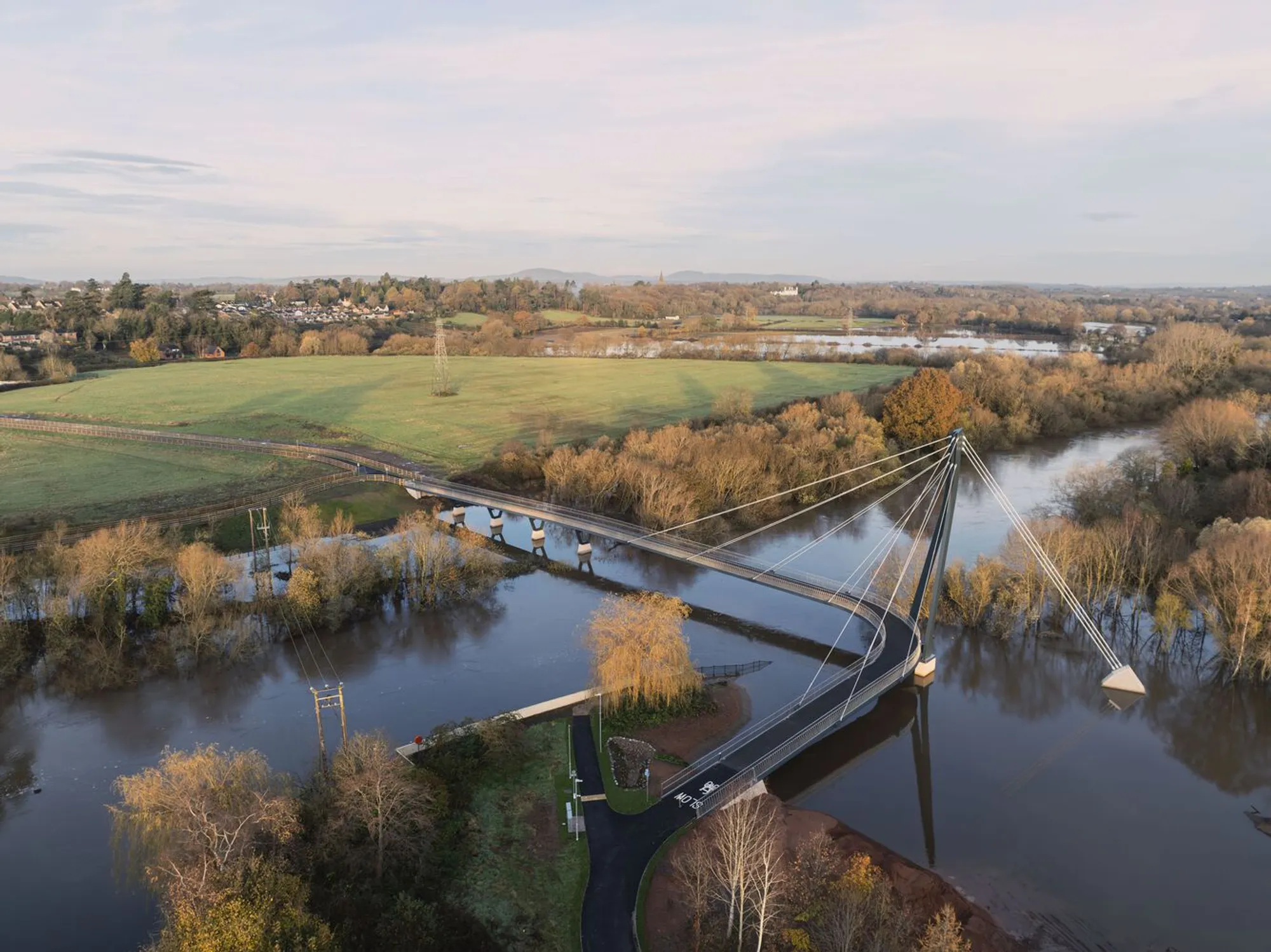
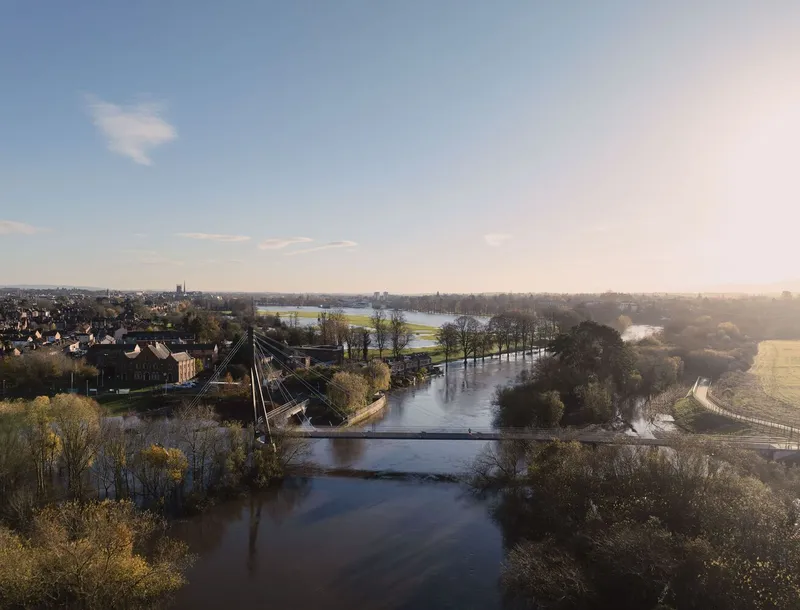
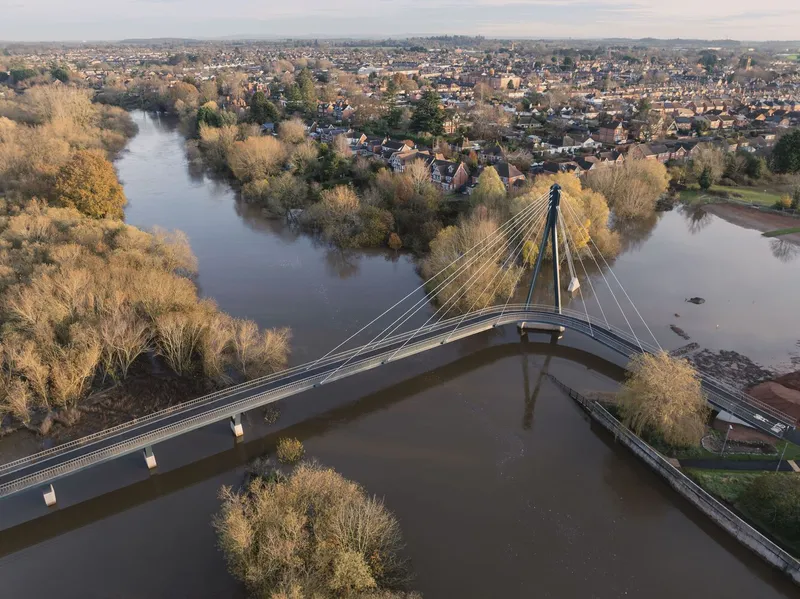
The Kepax Bridge, designed by Moxon Architects and Jacobs, represents a significant addition to Worcester’s civic infrastructure. This new pedestrian and cycling bridge spans the River Severn, linking the northwest suburbs of the city to the downtown area and local amenities such as the Gheluvelt Park. Officially opened to the public in December 2024, it is the city's third bridge dedicated solely to active travel, embodying the council’s commitment to improving connectivity and supporting sustainable transport.
Design and Conceptualization of the Kepax Bridge
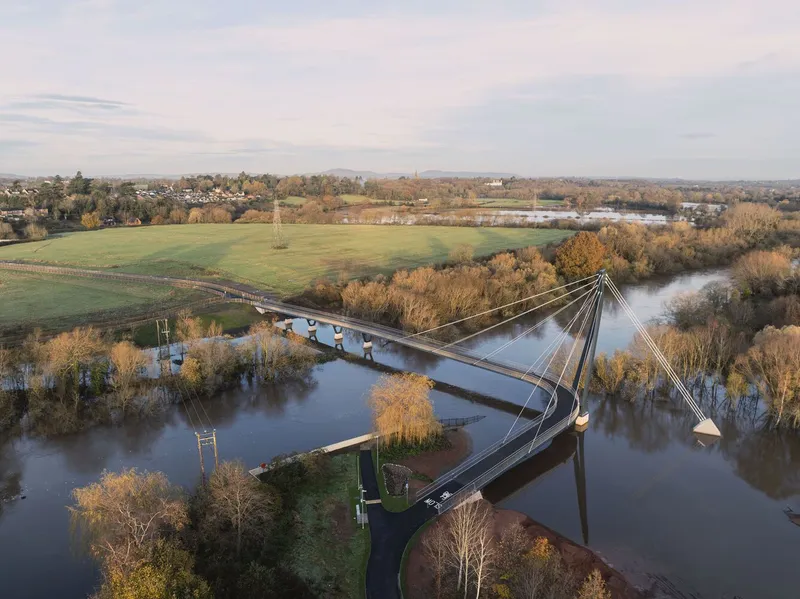
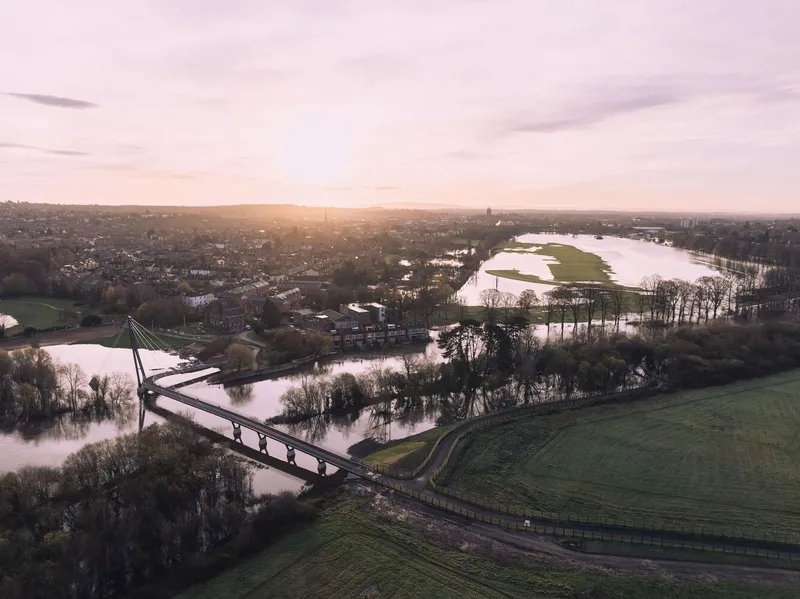
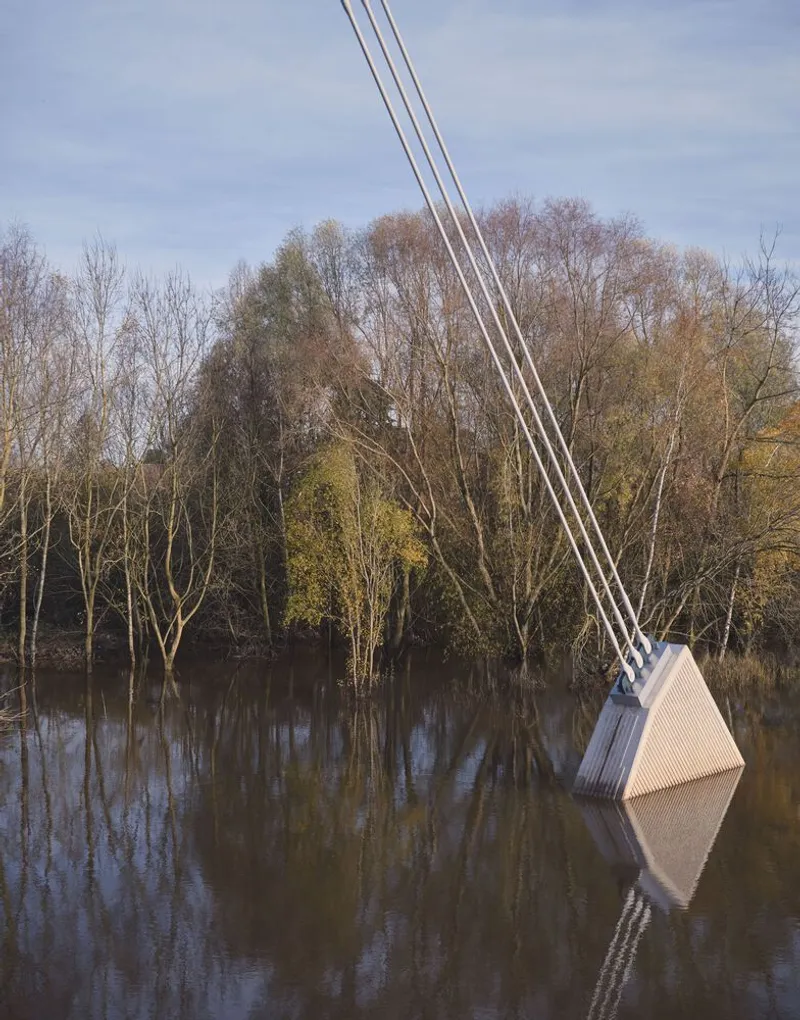
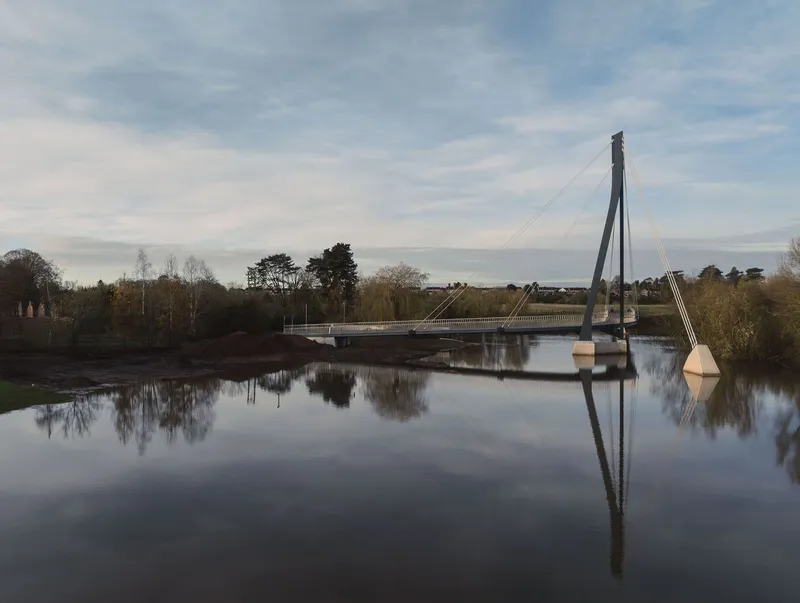
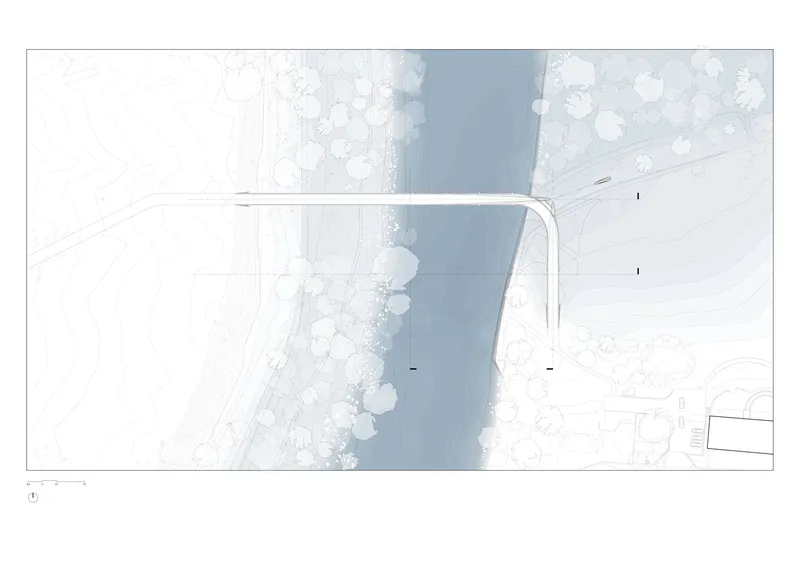
Kepax Bridge’s design is not just functional but also serves as a landmark, reflecting the city’s ambition for modern, climate-resilient infrastructure. The bridge takes its name from the Kepax Ferry, a 19th-century ferry crossing that once operated near the site. The form of the bridge, with its distinctive ‘hockey stick’ alignment, was carefully planned to minimize disruption to the surrounding landscape and offer unimpeded access during flood conditions in the River Severn. This design balances the need for a practical crossing with sensitivity to the environment, following extensive consultation with local stakeholders and residents.
Structure and Materials
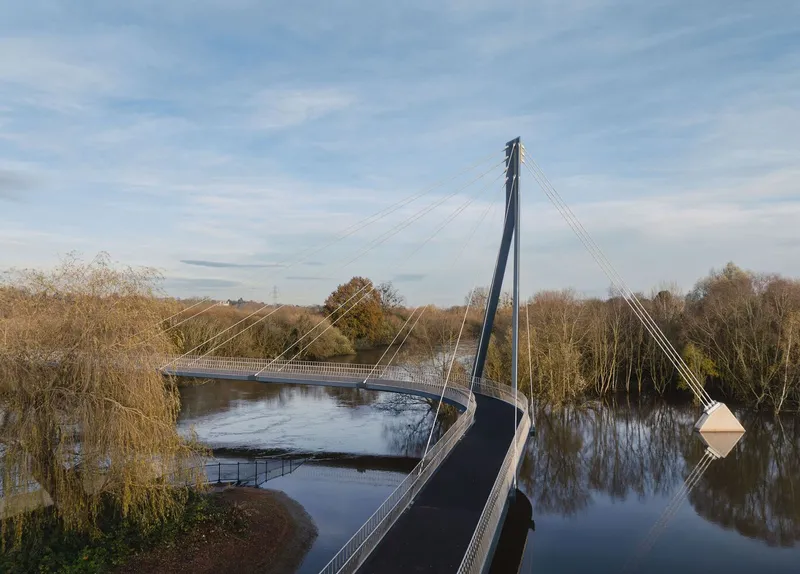
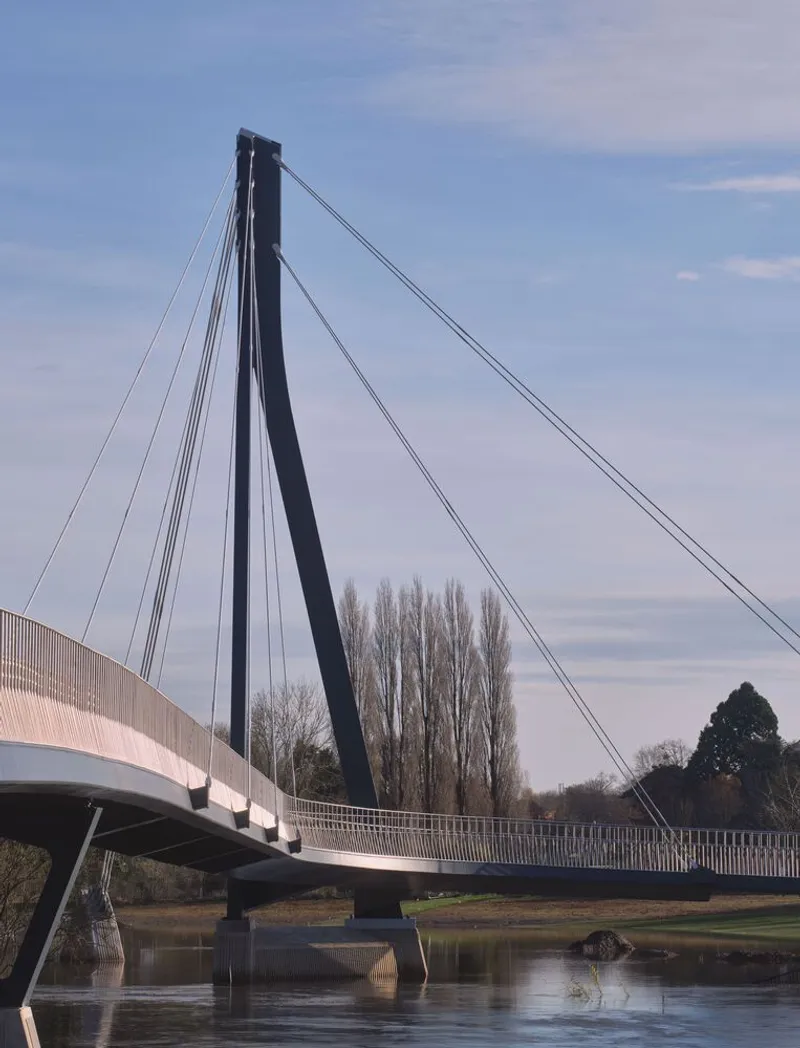
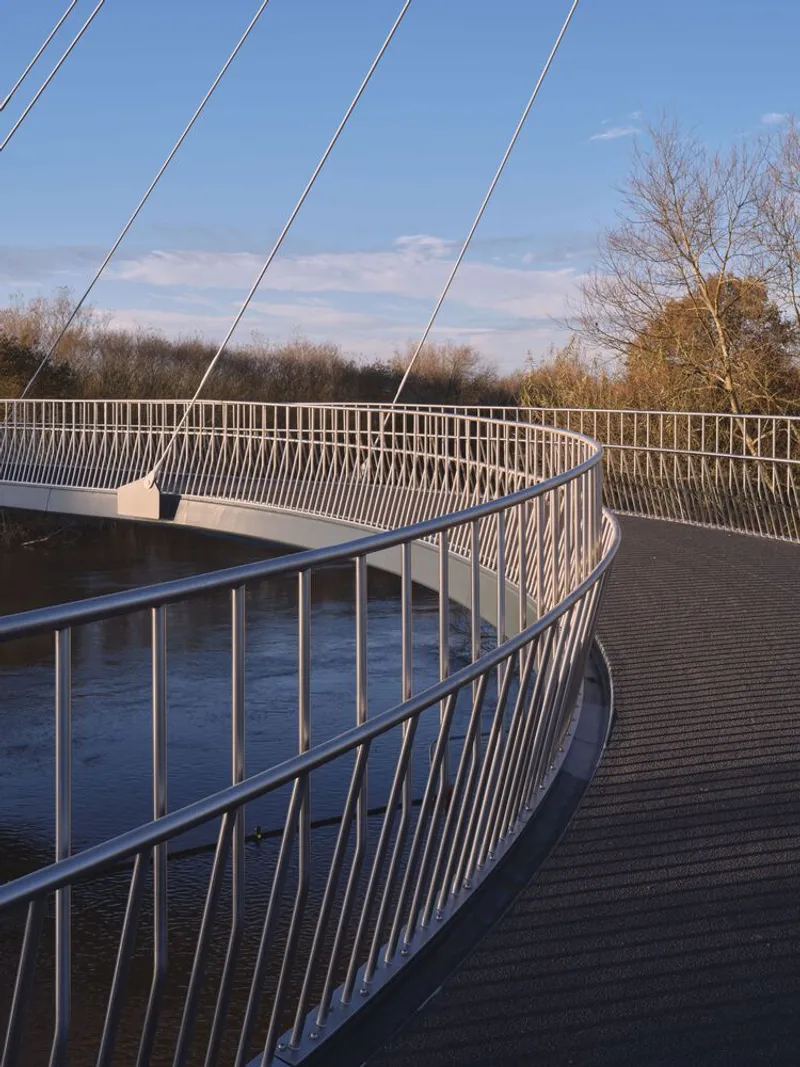
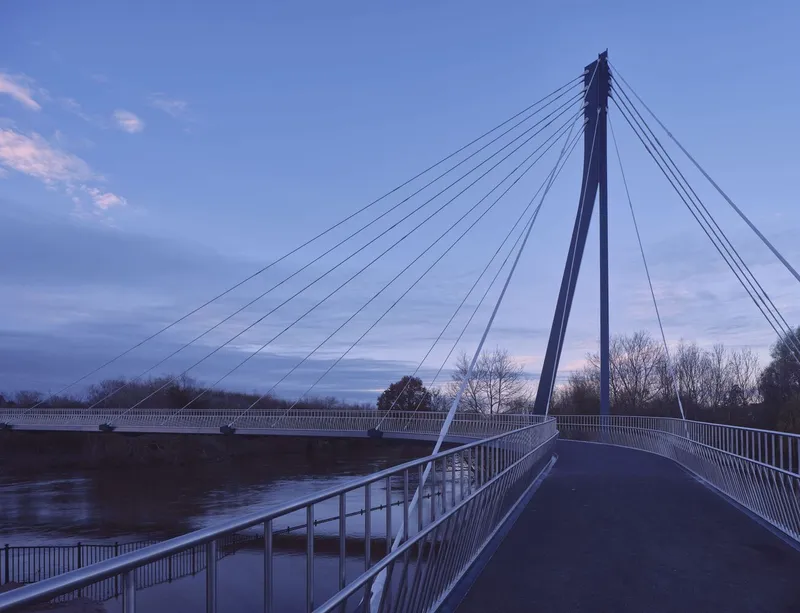
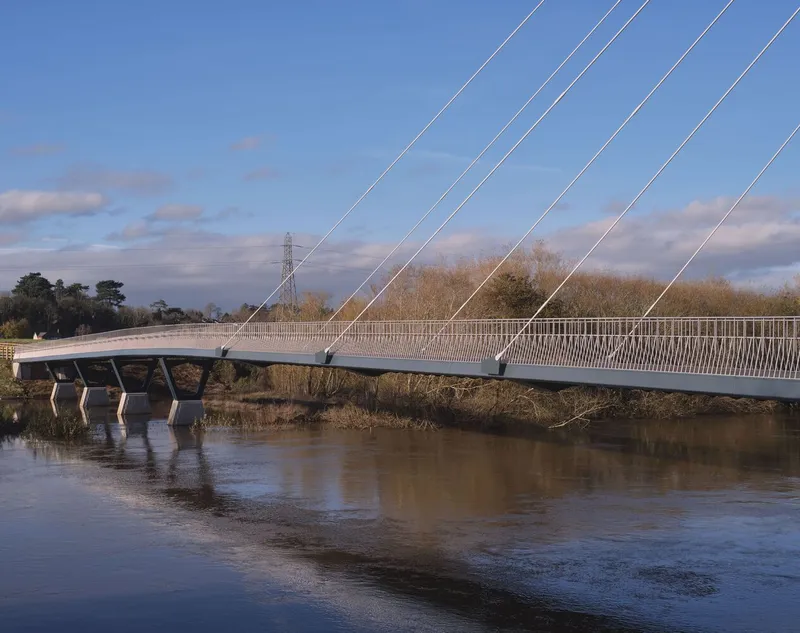
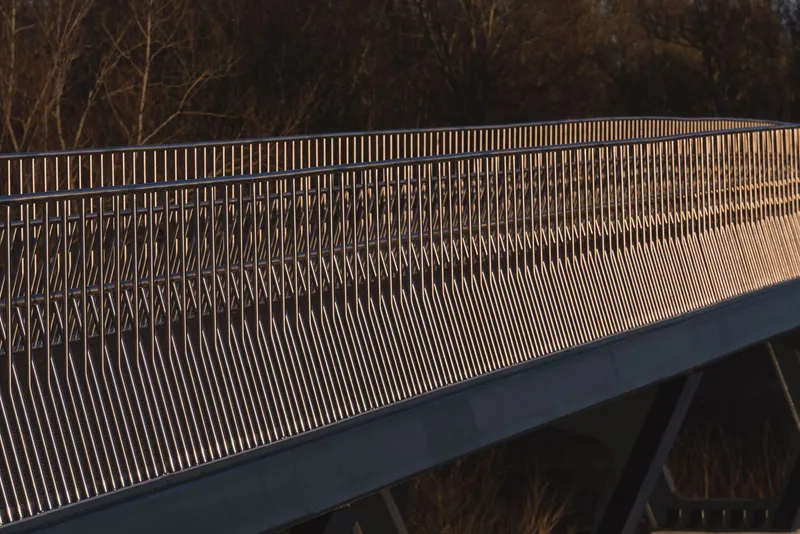
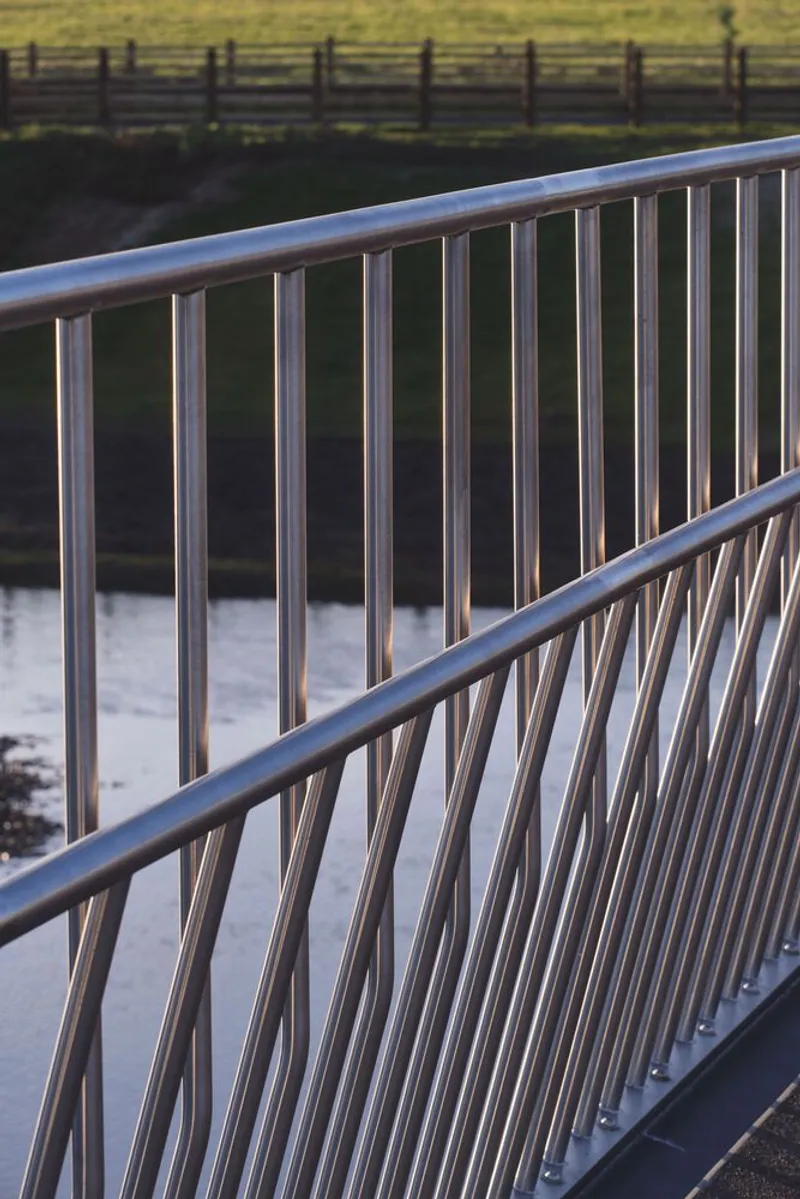
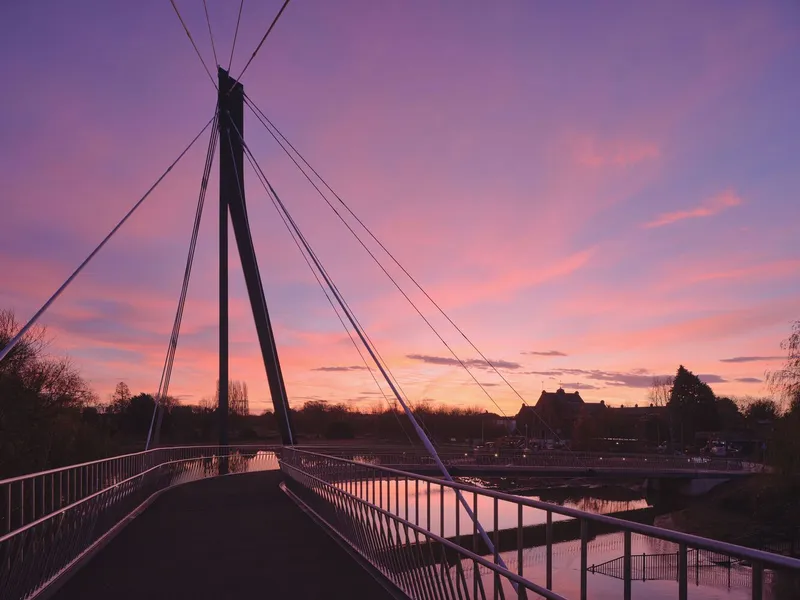
Kepax Bridge is a cable-stayed structure, 145 meters long and 4 meters wide, comfortably accommodating both pedestrians and cyclists. The steel bridge features a finely crafted parapet made of alternating stainless-steel rods, providing both safety and aesthetic appeal. The elegant A-shaped pylon rises 29 meters, standing as a prominent feature while minimizing its environmental impact. The bridge’s slender deck is supported every 12 meters by either cables or piers, reducing the disruption to the willow carr woodland to the west and the parkland to the east.
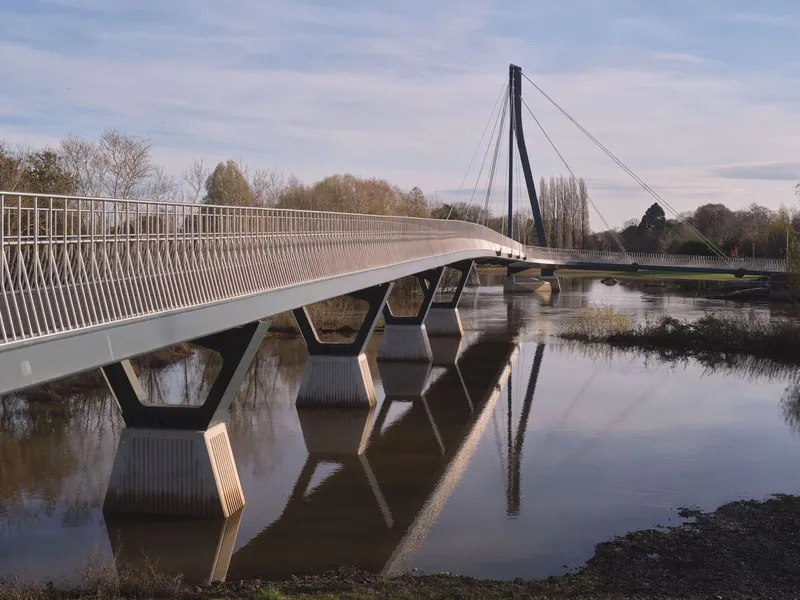
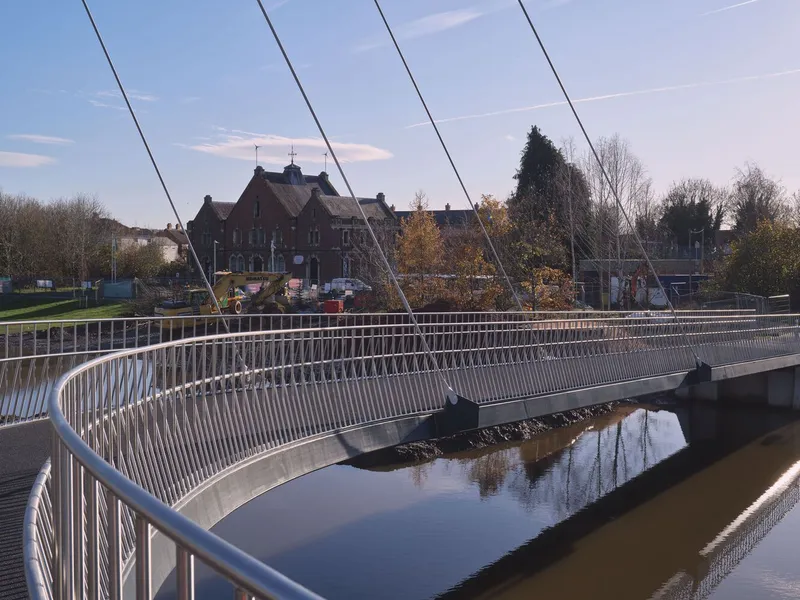

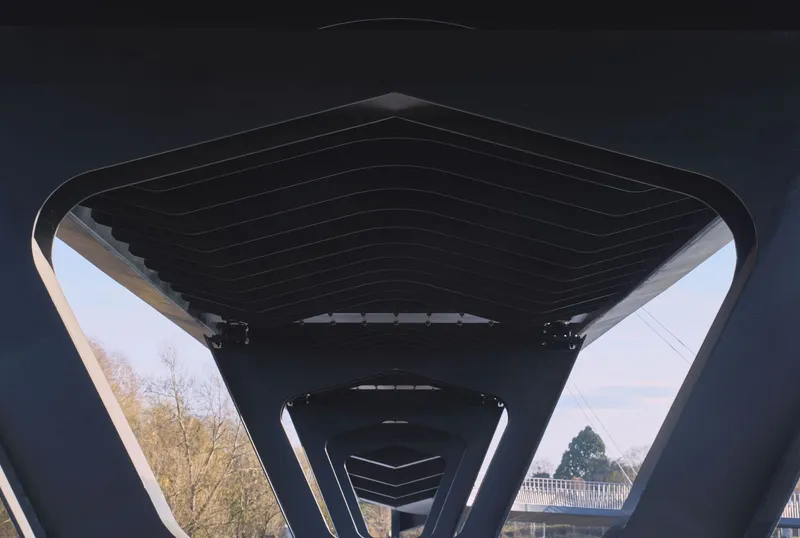
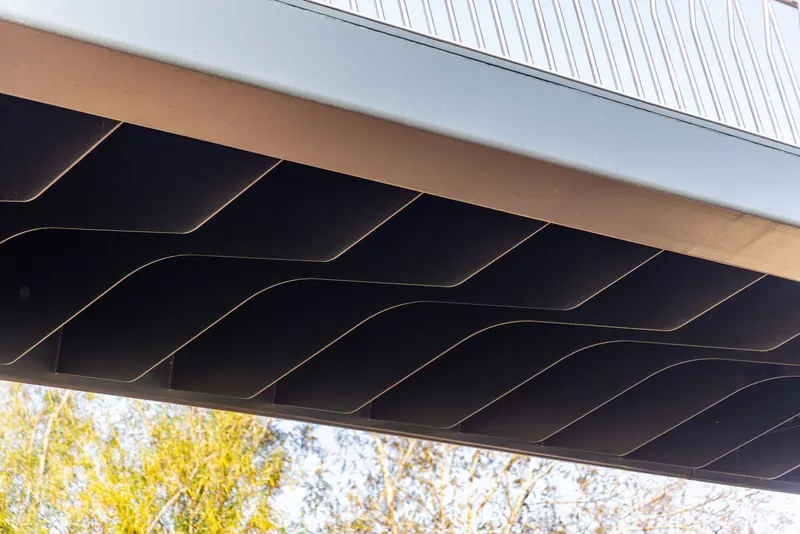
The dark blue-green color of the bridge integrates it with the surrounding natural landscape, complementing the parkland and enhancing the visual appeal of the structure. The ribbed soffit adds to the sweeping geometry of the bridge, further enhancing its sculptural form when viewed from below.
Sustainability and Ecological Considerations
Sustainability was a core consideration in the design of Kepax Bridge. The bridge not only provides an efficient crossing for pedestrians and cyclists but also serves as a climate-resilient structure, helping to reduce traffic congestion and promoting health and well-being in the community. The careful placement of the bridge ensures minimal ecological disruption, with the surrounding land planned to become a natural meadow. The structure’s design also reflects a balance between functionality and environmental sensitivity, creating a seamless integration between urban infrastructure and the natural world.

Community Impact and Future Prospects
Kepax Bridge is designed to enhance connectivity and support active travel in Worcester, offering a safe and efficient route for residents, commuters, and leisure users alike. The bridge’s strategic location also offers uninterrupted access during periods of flooding, which is a recurring challenge in the region. As a new landmark, Kepax Bridge is expected to become an iconic feature of Worcester’s urban landscape, with the potential to stimulate local economic growth and improve quality of life by promoting sustainable modes of transport.

Ezra Groskin, Director of Moxon Architects, expressed that the bridge combines functionality with delight, creating a structure that local people can take pride in. Kate Kenny, Senior Vice President at Jacobs, highlighted the bridge’s role in promoting health and well-being while reducing traffic. The bridge, which was officially opened by Paralympic gold medalist Rebecca Redfern, is already receiving positive feedback from the community.
A Modern Icon for Worcester
Kepax Bridge by Moxon Architects is a prime example of pedestrian bridge design that marries functionality with aesthetic elegance. Its careful integration into the surrounding landscape and focus on sustainability make it a model for future infrastructure projects. As an essential link between communities and a symbol of Worcester’s commitment to sustainable urban development, Kepax Bridge will stand as a lasting testament to innovative, people-centered design.
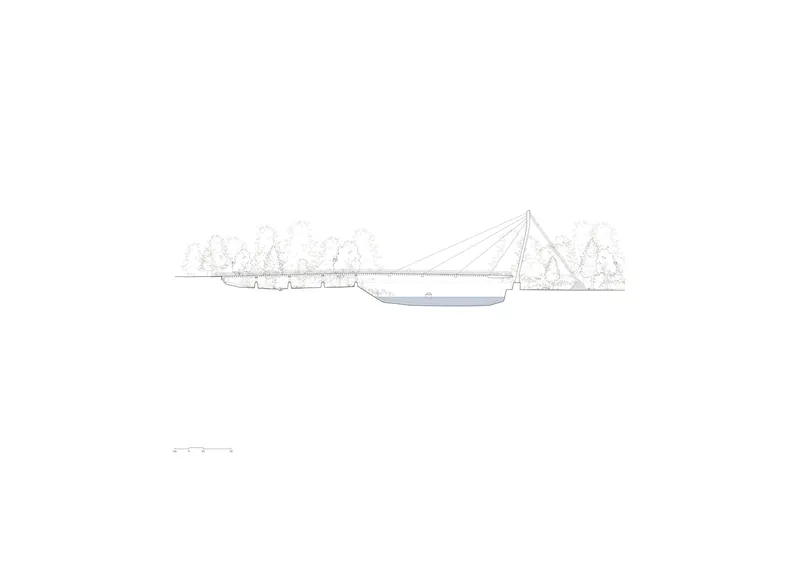

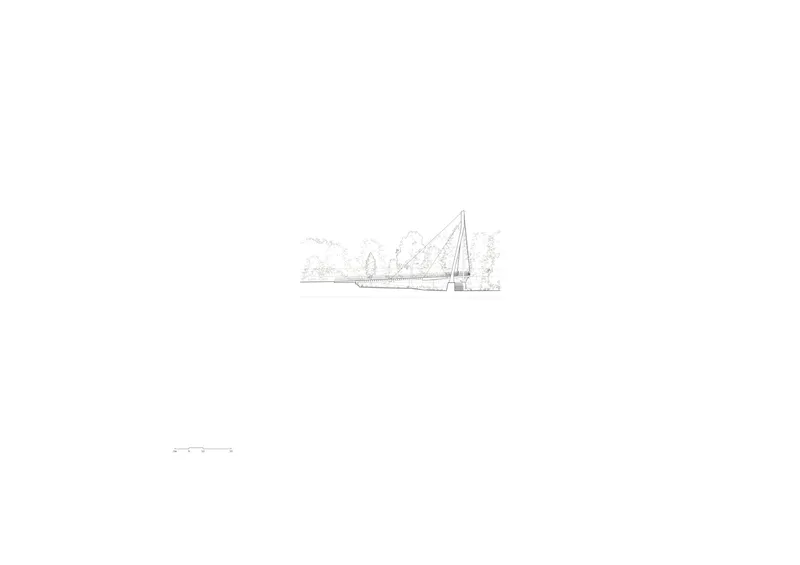
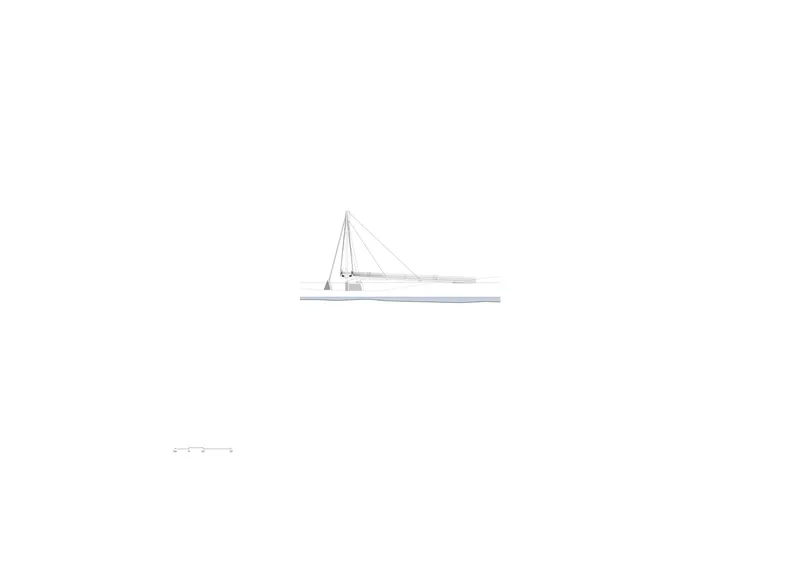
All Photographs are work of Simon Kennedy




Popular Articles
Popular articles from the community


The Musturak Paradise: Senior Living Architecture for a Connected Future in Temara, Morocco
The Musturak Paradise reimagines senior living architecture in Temara via private homes, social spaces, culture, community, and shared care.
EW PARK: Sustainable Architecture Reimagines the Future of Urban Parking
EW PARK reimagines city parking as a modular wooden tower combining automation, solar energy, electric mobility, and adaptable urban design.

Co-life: Sustainable Architecture for Age-Friendly Community Living
Co-life reimagines sustainable architecture for seniors through courtyards, rammed earth, shared gardens, and spaces designed for belonging.

The Ocean Hive: Sustainable Architecture for a Self-Sufficient Civilization at Sea
The Ocean Hive imagines sustainable architecture at sea, where modular habitats, algae, wave power and ocean waste sustain a growing colony.


Similar Reads
You might also enjoy these articles


Hodi-Mandai Geram
Project Function: Preservation and revitalization of the Intangible heritage and socio-spatial identity of the Hodi by Housing, Cultural Memory Center, Sacred Grove, landscape, local tourism economy


Olio Towers: A Mid-Rise for Performers That Fuses Housing, Rehearsal, and Stage
Located blocks from Houston's Theater District, this modular tower stacks living units around a central performance atrium.

Oasis: Modular Green Housing Carved into Dhaka's Urban Fabric
A shortlisted Plugin Housing entry reclaims unauthorized settlements in Dhaka with stepped concrete volumes, green roofs, and ventilation-driven design.

Black Hole: A Floating Megastructure for the Post-Physical Era
Emiliano Mazzarotto envisions a spherical, self-scaling arena where e-sports, digital hotels, and holographic stadiums replace traditional public space.

Explore Pedestrian Bridge Competitions
Discover active competitions in this discipline



Challenge to reimagine the Iron Throne


Photograph architecture without architects


Illustrate the lost glory of Angkor Wat - Render Challenge


Design challenge to reuse E-waste
Comments (0)
Please login or sign up to add comments
No comments yet. Be the first to comment!