
Phan Rang House by H.a – Climate-Responsive Architecture in Vietnam’s Desert Landscape
Phan Rang House by H.a blends modern Vietnamese design with climate-responsive strategies, using stone, courtyards, and greenery for comfort.

Embracing the Harsh Beauty of Vietnam’s Desert Climate
Located in Phan Rang–Tháp Chàm, often described as the “Desert of Vietnam”, Phan Rang House by H.a stands as an architectural dialogue between resilience and comfort. Designed by lead architect Vuong Trung Huu, this 104-square-meter residence, completed in 2023, reinterprets local traditions and climatic wisdom through a refined modernist lens.
The arid region of Phan Rang experiences up to nine months of intense sunlight and drought, creating a landscape of shimmering rock fields and enduring vegetation. The architects embraced this distinctive environment—not as a challenge to overcome, but as an inspiration to design a home that thrives under such extremes.
Curated by Miwa Negoro
Phan Rang House by H.a Architects is a remarkable example of climate-responsive residential architecture, thoughtfully designed for a three-generation family in the harsh desert environment of Phan Rang, often called the “Desert of Vietnam.” Characterized by up to nine months of intense sunlight, prolonged drought, and rocky terrain, this region presents both a stunning natural landscape and significant design challenges. Despite the arid conditions, the rocky terrain is teeming with resilient life, inspiring an architecture that harmonizes with its surroundings while providing comfort and functionality.
Design Concept: Shelter Amidst Sun and Wind
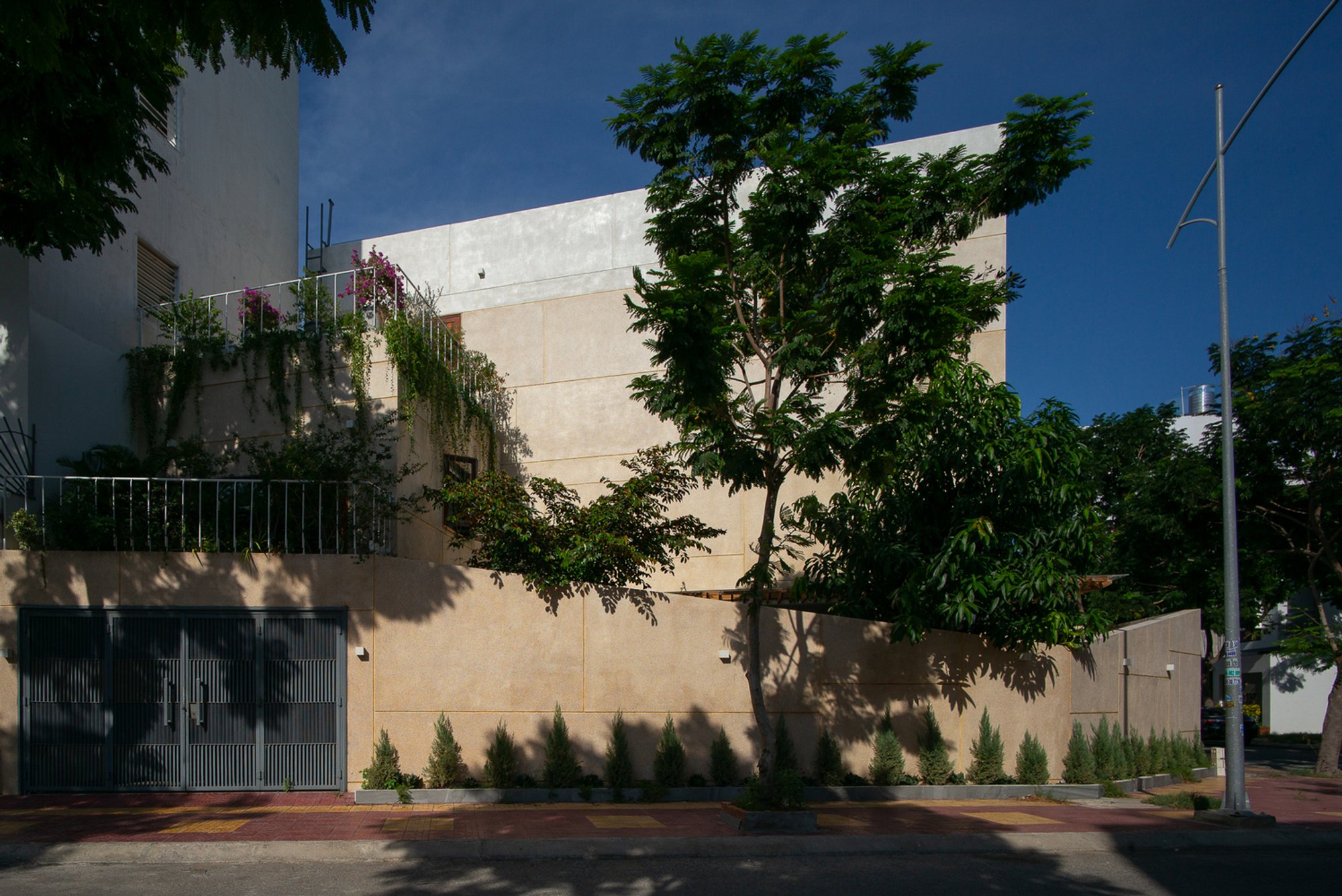
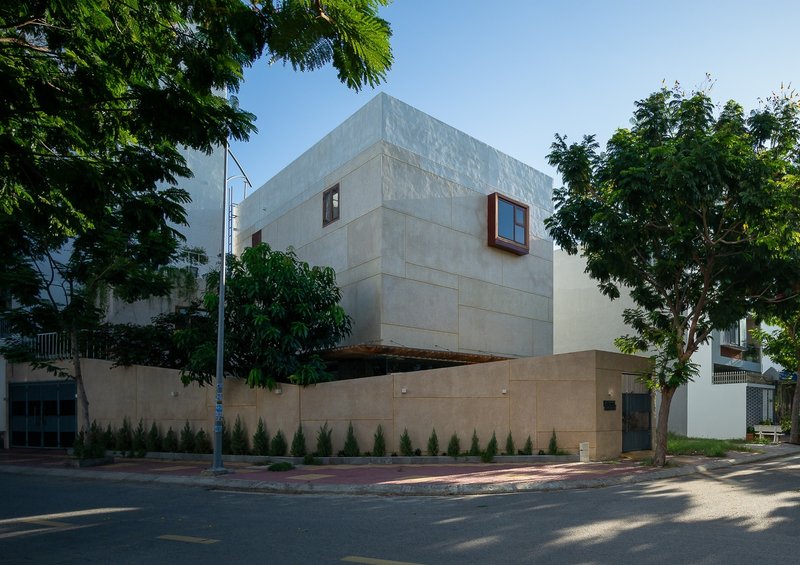
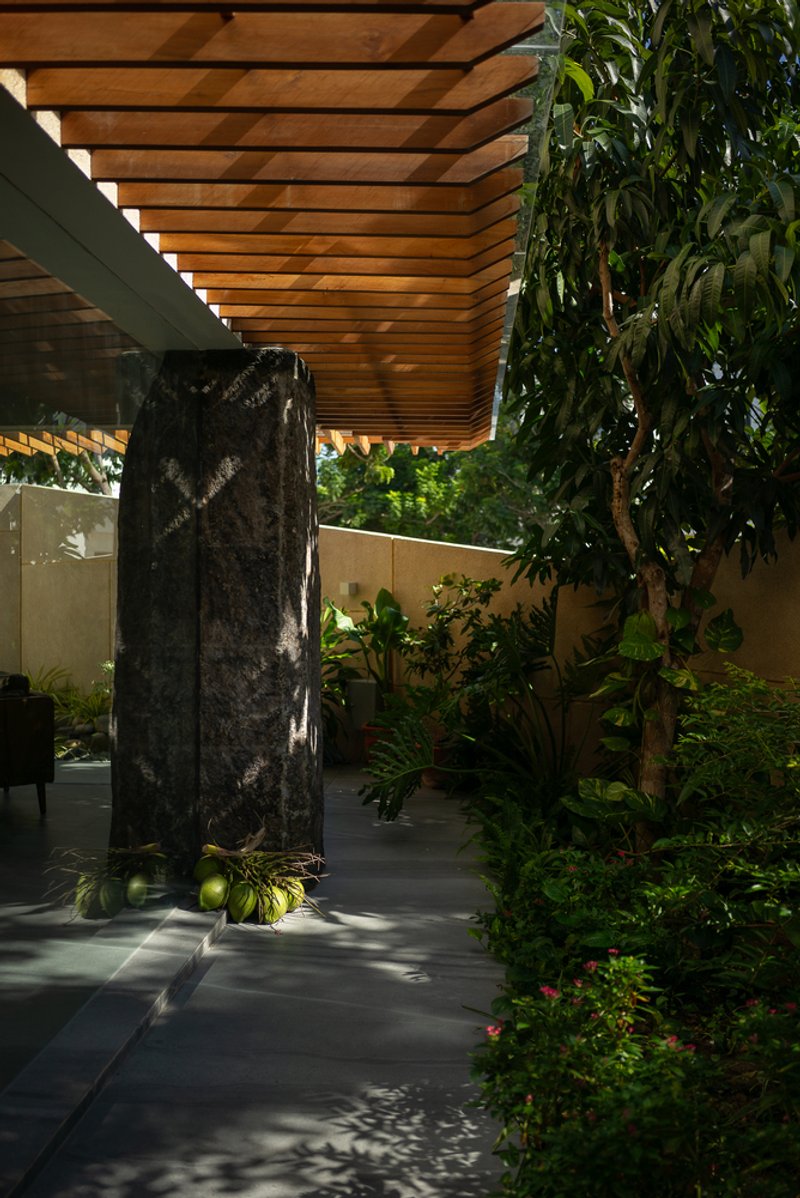
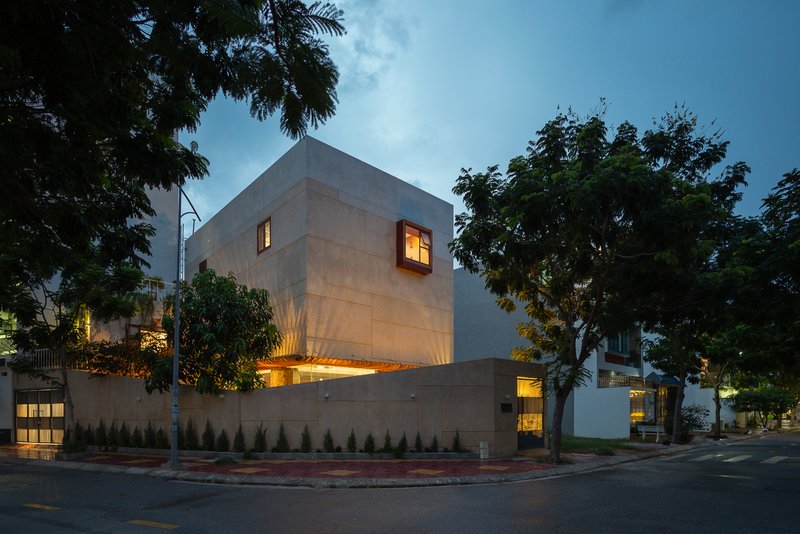
Situated at a prominent three-way intersection, the house benefits from panoramic views but is directly exposed to the harsh east and west sunlight, along with seasonal monsoon winds carrying heat and humidity from the sea. To adapt to these extreme conditions, the architects envisioned the home as a stone slab lifted above the ground, creating a sheltered buffer space beneath. This “floating” mass functions like a massive canopy, protecting occupants from intense sunlight while fostering natural ventilation.
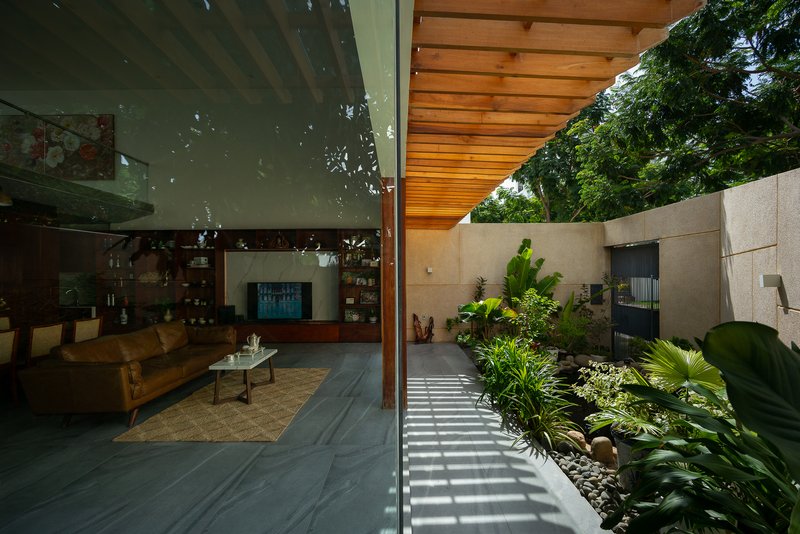
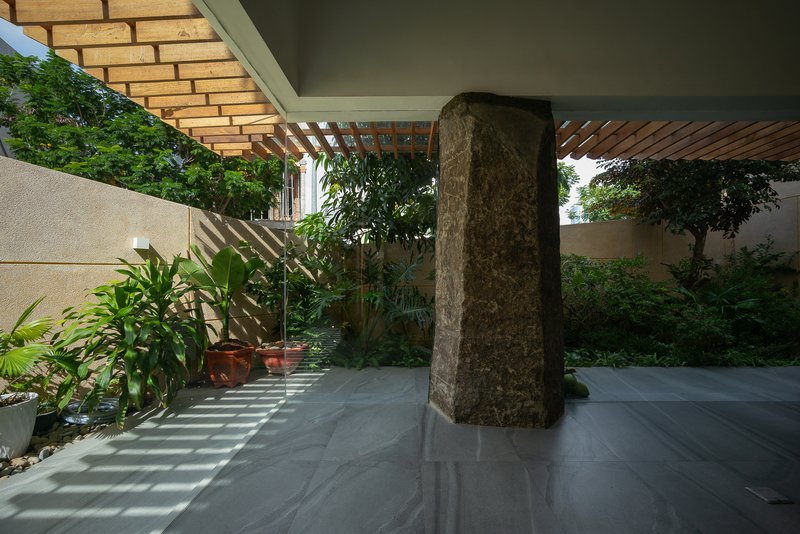
Private spaces are compact and strategic, interspersed with voids and courtyards that act as thermal buffers, facilitate airflow, and enhance comfort. The house's layout prioritizes family connectivity while maintaining privacy, creating a seamless balance between collective and personal spaces.
Reflection of Local Context
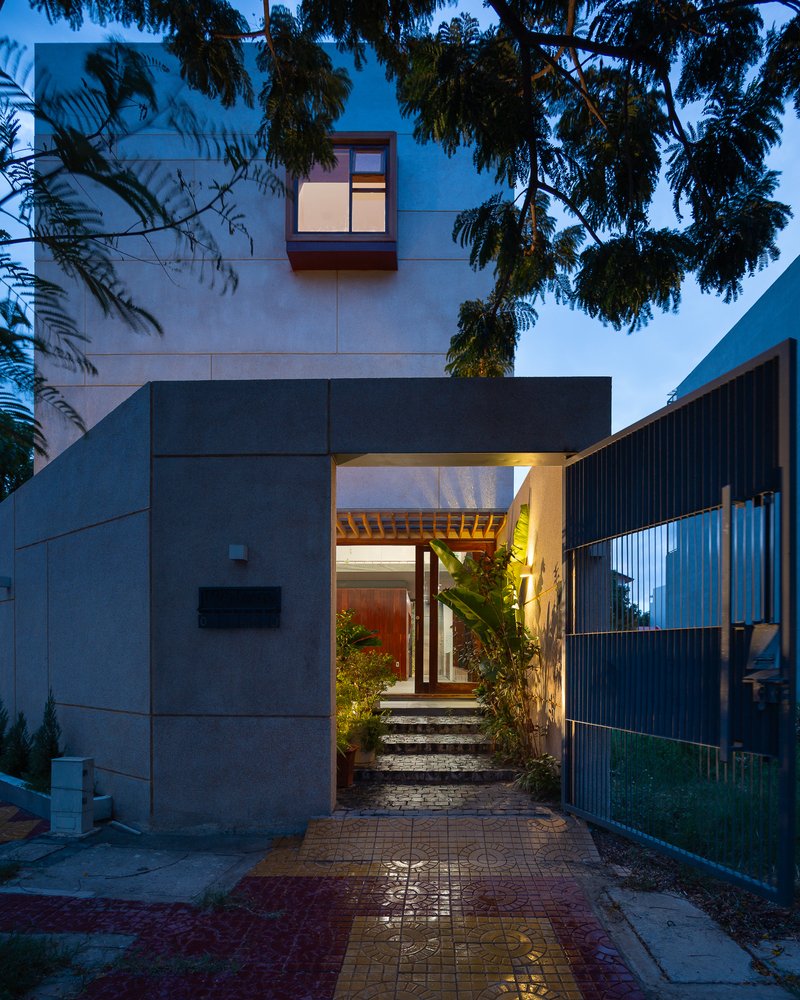
Phan Rang House draws inspiration from modern Vietnamese architecture of the 20th century. The pebble-washed facade not only adds texture but also enhances thermal insulation and waterproofing, protecting the structure from the region’s harsh climate.
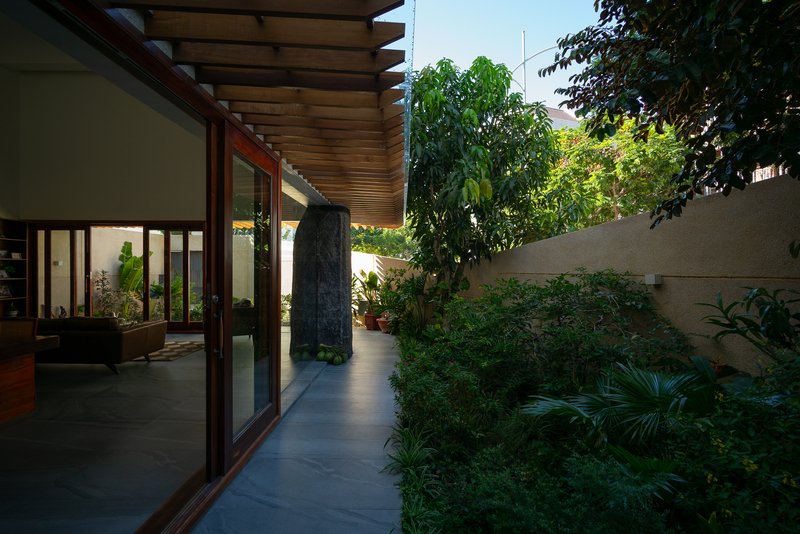
The design emphasizes a strong connection between interior and exterior life. A lowered boundary wall with a slanted cut creates openness and approachability while providing security. The ground floor is conceived as a fluid, open environment, seamlessly merging indoor and outdoor spaces.
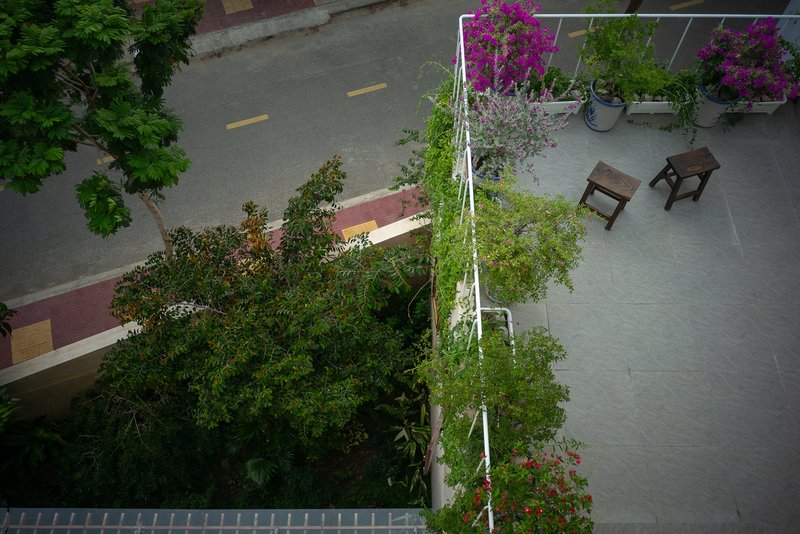
Climate-Responsive Strategies
The house incorporates a variety of passive design strategies to mitigate Phan Rang’s extreme climate:
- Solar Protection: Thick exterior walls (300 mm) and minimal openings on sun-exposed façades reduce heat gain.
- Thermal Buffers: Landscaped courtyards and auxiliary blocks insulate bedrooms, regulating indoor temperatures.
- Greenery & Water Elements: Trees and a reflective pond filter and cool prevailing winds, improving the microclimate.
- Vertical Voids: These voids enhance natural airflow, mediate thermal performance, and encourage visual connectivity between family members.
- Liberated Ground Floor: Blurring indoor-outdoor boundaries fosters natural cooling and fluid circulation.
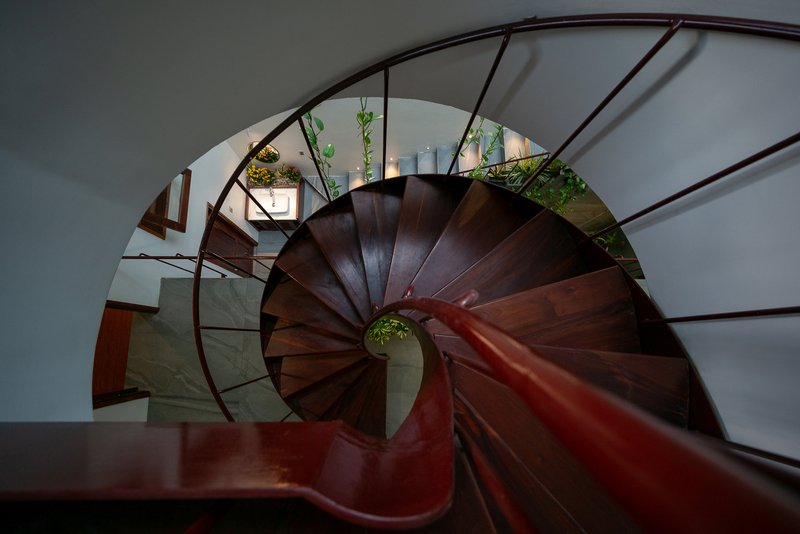
Balconies, gardens, and strategically placed windows are not just aesthetic elements—they actively shape the house’s microclimate, promoting thermal comfort, natural ventilation, and a stronger connection to nature.
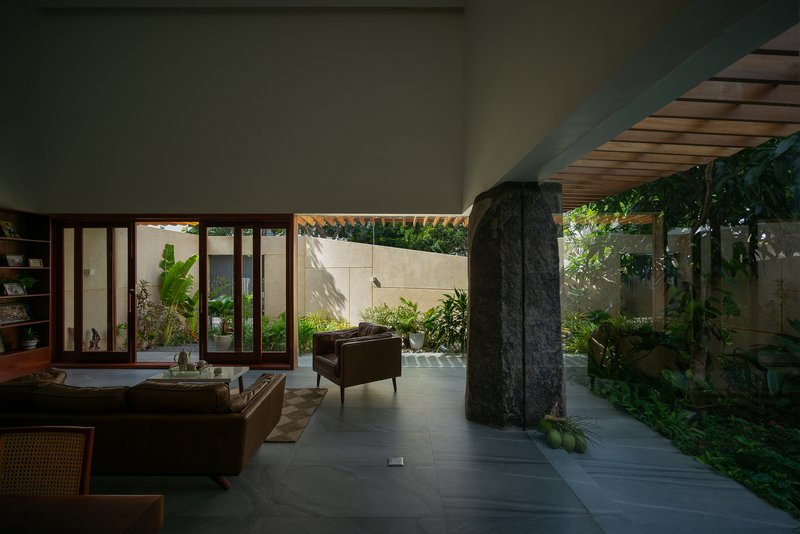
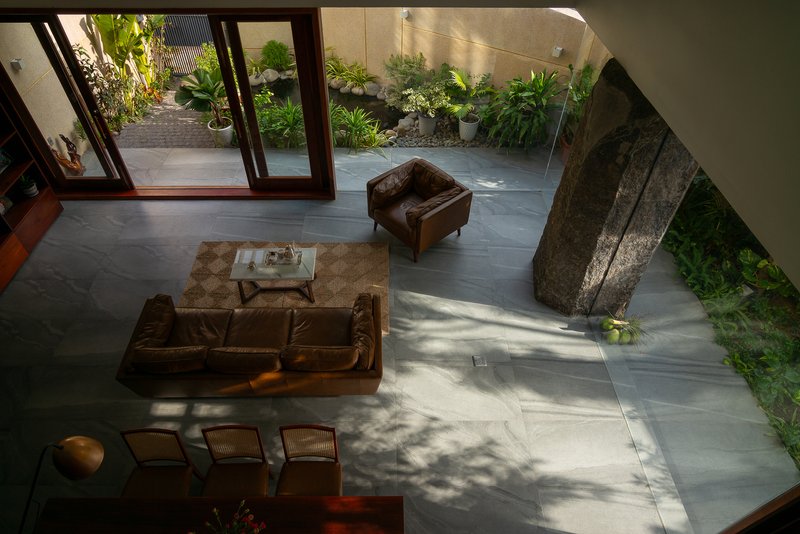
Sustainable Residential Design in Arid Vietnam
Phan Rang House exemplifies sustainable architecture in extreme climates, combining modern design, local context, and climate-adaptive strategies. Its careful consideration of solar orientation, natural ventilation, and passive cooling demonstrates how architecture can enhance human comfort while respecting environmental conditions.
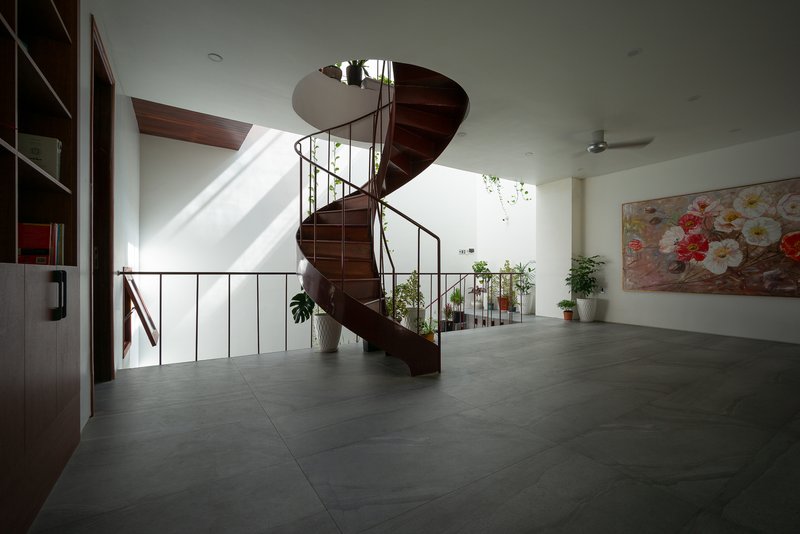
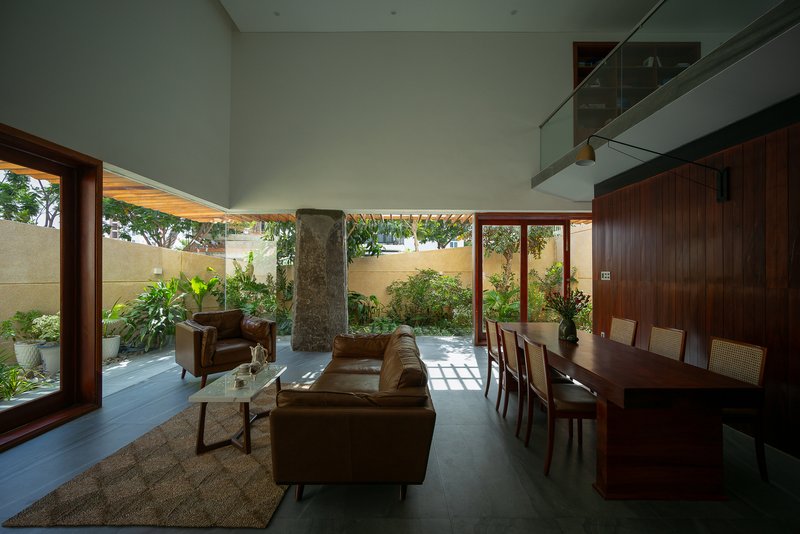
All photographs are works of Quangdam




Popular Articles
Popular articles from the community



Free Architecture Competitions You Can Enter Right Now
No entry fees, real prizes. Here are the best free architecture competitions open for submissions in 2026.

Split House: A Compact Urban Home Blending Privacy, Light, and Flexible Living in Japan
Compact Japanese home featuring DOMA space, flexible café potential, passive lighting, privacy zoning, and sustainable urban living design.
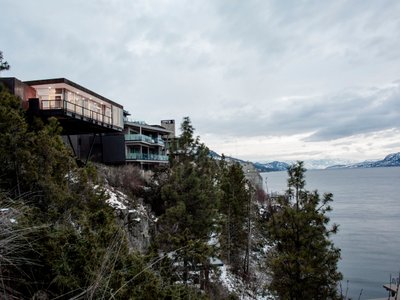
Alton Cliff House: A Harmonious Retreat by f2a Architecture in Lake Country, Canada
Alton Cliff House blends corten steel, prefabrication, and sustainable design, creating a luxurious, energy-efficient retreat perched on Canadian cliffs.


Similar Reads
You might also enjoy these articles


The Ken Roberts Memorial Delineation Competition (Krob)
As the most senior architectural drawing competition currently in operation anywhere in the world, it draws hundreds of entries each year, awarding the very best submissions in a series of medium-based categories.

Waterfront Redevelopment and Urban Revitalization in Mumbai: Forging a New Dawn for Darukhana
A transformative waterfront redevelopment project reimagining Darukhana’s shipbreaking heritage into an inclusive urban future.

OUT-OF-MAP: A Call for Postcards on Feminist Narratives of Public Space
Rhizoma Design and Research Lab invites artists, designers, architects, researchers, and students to reflect on how feminist perspectives can reshape public space. Selected works will be exhibited in Barcelona, October 2026. Submissions open until 15 April 2026.


Documentation Work on Buddhist Wooden Temple
Architectural syncretism and cultural hybridity: A comparative study of the Buddhist temples in Chattogram Hill tracks


Explore Architecture Competitions
Discover active competitions in this discipline




The International Standard for Design Portfolios


The Global Benchmark for Architecture Dissertation Awards


The Global Benchmark for Graduation Excellence


Challenge to reimagine the Iron Throne
Comments (0)
Please login or sign up to add comments
No comments yet. Be the first to comment!