
Revitalization of Sainte-Catherine Street West and Phillips Square: A Landmark Urban Transformation in Montreal
Pedestrian-focused redesign transforms Montreal’s historic street into vibrant, green public space, enhancing mobility, heritage, sustainability, and urban experience.


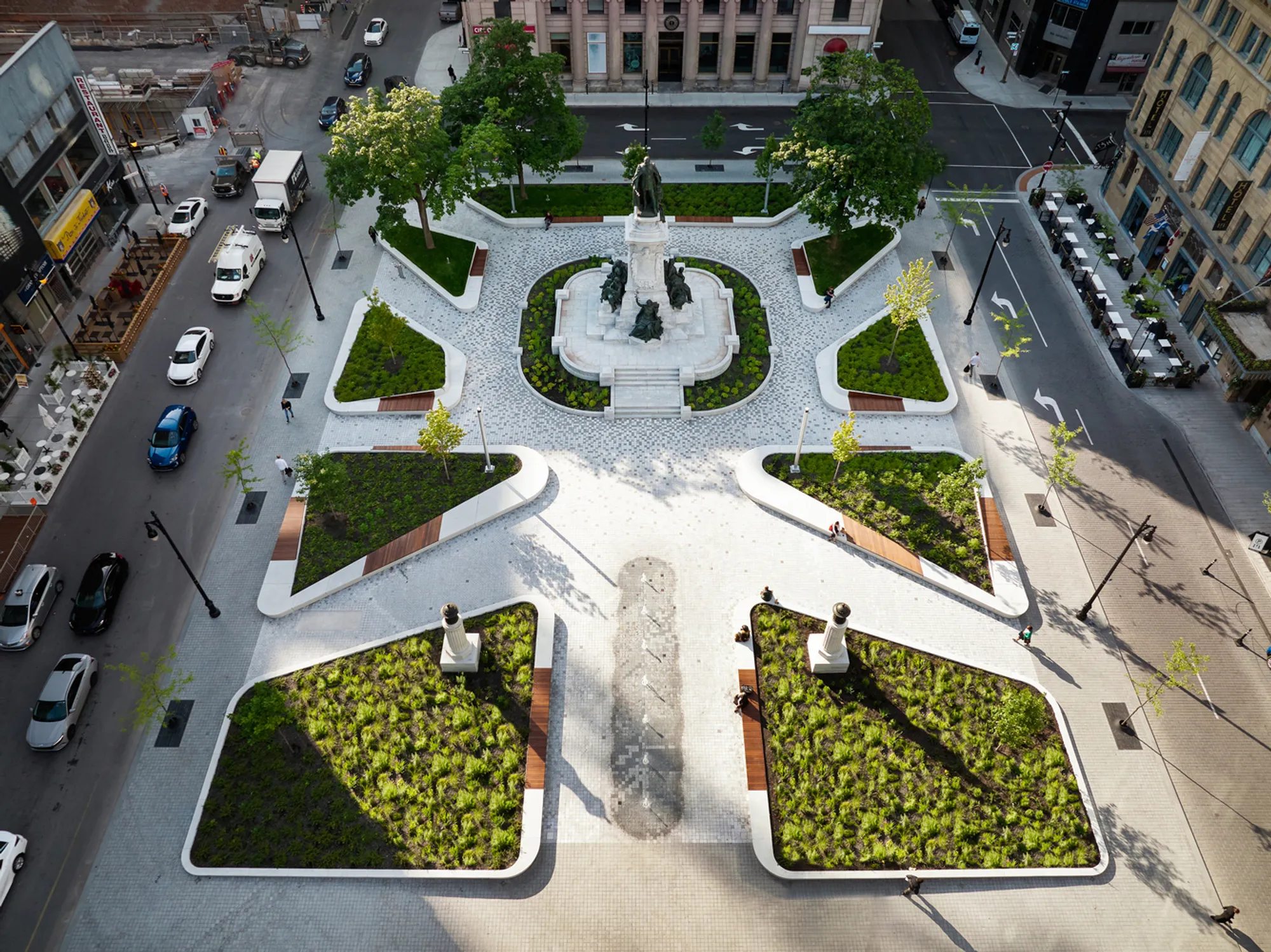
The revitalization of Sainte-Catherine Street West and Phillips Square in Montreal by Provencher_Roy represents a landmark urban design intervention that redefines public space, pedestrian experience, and cultural identity. Spanning approximately 13,000 square meters, this large-scale redevelopment project reimagines one of the city’s most historic commercial corridors, blending heritage preservation with contemporary urban planning strategies.
Strengthening Urban Identity and Cultural Continuity
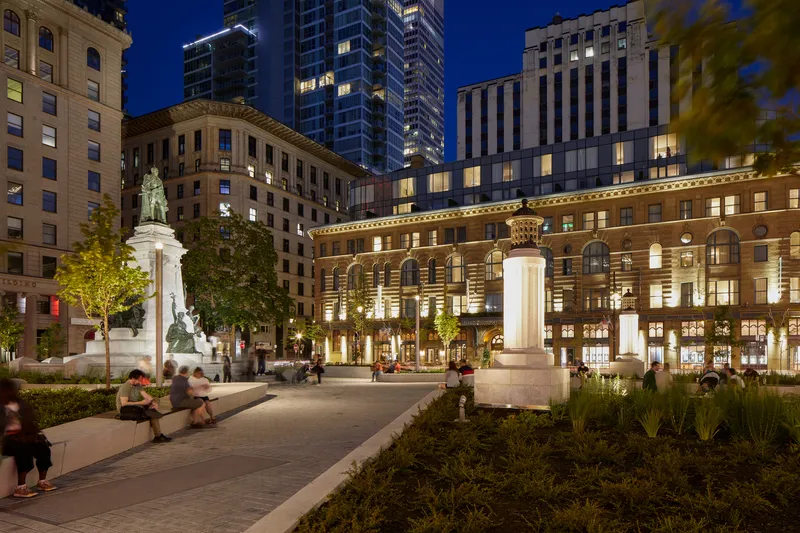
Sainte-Catherine Street West has long served as a vibrant commercial artery shaped by diverse architectural styles and historic landmarks. The project enhances this legacy by reinforcing the street’s identity while integrating modern infrastructure. Through thoughtful urban design, the redevelopment connects historic department stores, public squares, and monuments into a cohesive and legible urban environment.
The design approach emphasizes continuity, ensuring that the street functions as a unifying spine linking Phillips Square and Place du Frère-André. By celebrating architectural heritage and improving spatial clarity, the intervention fosters a renewed sense of place and strengthens Montreal’s urban character.
Pedestrian-Centric Design and Mobility Enhancement
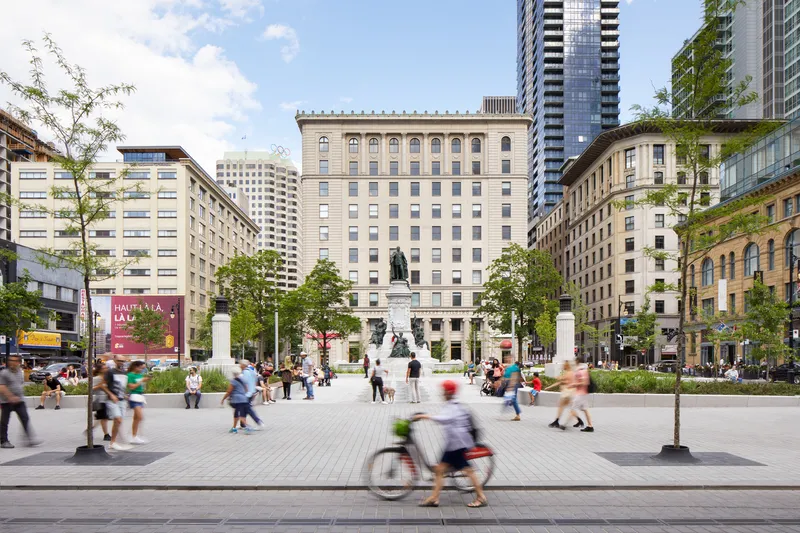
A key feature of the project is the transformation of the street into a pedestrian-first environment. By eliminating on-street parking and significantly widening sidewalks, the design rebalances spatial priorities in favor of people over vehicles. This shift creates a shared street concept, where pedestrians, cyclists, and limited vehicular traffic coexist harmoniously.
The introduction of a linear plaza connects previously fragmented public spaces, creating a seamless urban experience. Carefully integrated bronze markers embedded in the pavement highlight historically significant buildings, reinforcing cultural memory while guiding movement through the space.
Innovative Paving and Spatial Legibility
The project incorporates a modular paving system that uses varying shades of grey to define functional zones. This subtle yet effective design strategy enhances safety and navigation by distinguishing between pedestrian-only areas and shared circulation zones.
The cohesive material palette ensures visual continuity while supporting diverse urban activities, from daily commuting to public gatherings and seasonal events. This layered spatial organization contributes to a dynamic and adaptable public realm.
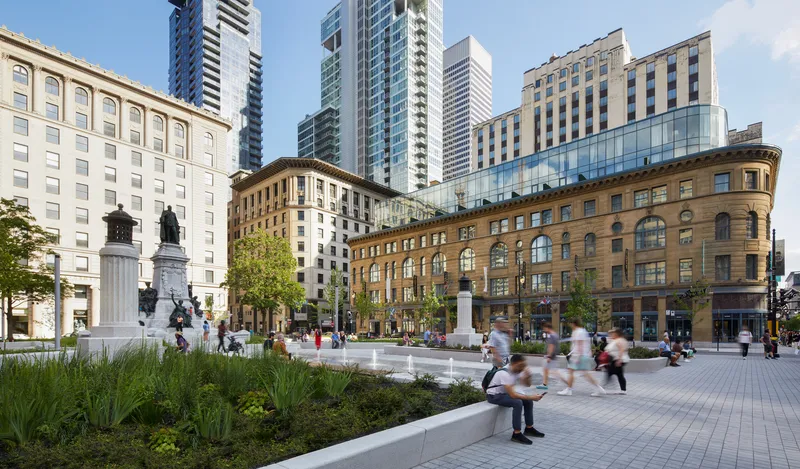
Reimagining Phillips Square as a Green Urban Oasis
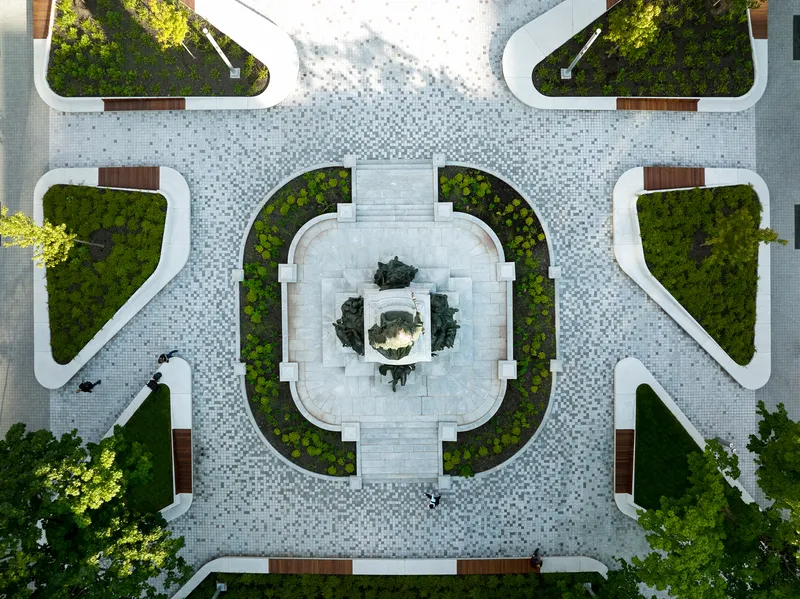
Phillips Square is re-envisioned as a central gathering space inspired by the historic 1841 Phillips Plan. Drawing from the concept of the English garden square, the redesign introduces expanded green areas, improved sightlines, and enhanced accessibility.
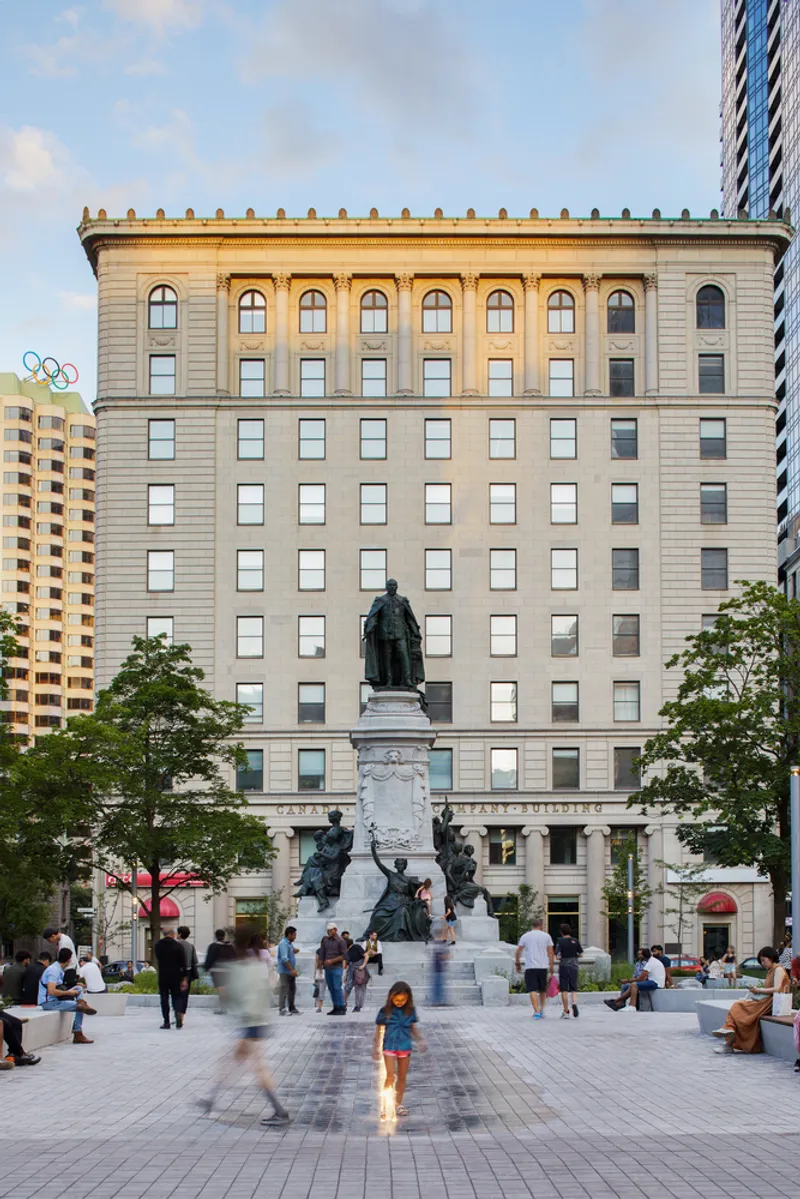
The monument to Edward VII is thoughtfully highlighted through contemporary lighting, while integrated urban furniture and a programmable water feature activate the space. These interventions transform the square into a vibrant civic destination that supports both everyday use and special events.
Sustainable Landscape Design and Urban Greening
Sustainability is a core component of the project, with a strong emphasis on urban greening and biodiversity. Vegetation has increased by 46%, and the number of trees has been expanded fourteenfold. The landscape strategy incorporates resilient tree species selected for their adaptability to urban conditions, pollution resistance, and longevity.
Continuous planting beds along the street allow trees to reach full maturity, contributing to improved microclimates and environmental performance. At Phillips Square, preserved existing trees are complemented by new plantings that frame the space and enhance its visual identity.
Inspired by Victorian garden aesthetics, the landscape design combines structured planting with naturalistic compositions. Soft color palettes of violet, blue, pink, and white create a welcoming and tranquil atmosphere, transforming the square into a lush urban retreat.

Enhancing Economic Vitality and Public Life
Beyond its physical transformation, the project revitalizes the economic and social life of the district. By improving walkability, accessibility, and public space quality, the redevelopment attracts visitors, supports local businesses, and encourages cultural activities.
The festive ambiance created through flexible public spaces and enhanced infrastructure reinforces Sainte-Catherine Street West as a premier destination within Montreal’s downtown core.
A Model for Contemporary Urban Regeneration
The revitalization of Sainte-Catherine Street West and Phillips Square stands as a model for sustainable urban design and heritage-sensitive redevelopment. By prioritizing pedestrians, integrating green infrastructure, and celebrating historical identity, Provencher_Roy has successfully transformed a historic corridor into a vibrant, resilient, and future-oriented public realm.
All photographs are works of
Adrien Williams




Popular Articles
Popular articles from the community


Conexión: Biophilic Design Reimagines High-Rise Living in Hong Kong
Conexión reimagines high-rise living in Hong Kong through biophilic design, green facades, shared spaces, daylight, water and nature within.

Hill & Cross Opera: Sculptural Opera House Architecture Shaped by Tallinn’s Landscape and Identity
Hill & Cross Opera reimagines opera house architecture in Tallinn through its sculptural hill, civic plaza, glass wave and a luminous cross.

The Earth Pod: 3D Printed Homes for Resilient Refugee Communities
The Earth Pod reimagines refugee housing through 3D printed homes made from clay, combining resilience, self-sufficiency, and rapid shelter.
EW PARK: Sustainable Architecture Reimagines the Future of Urban Parking
EW PARK reimagines city parking as a modular wooden tower combining automation, solar energy, electric mobility, and adaptable urban design.


Similar Reads
You might also enjoy these articles

FAMM Arquitectura Organizes Ten Villas Around Courtyards and Jungle in Nosara, Costa Rica
El Molino pairs two elongated volumes with deep overhangs and timber louvers to build a compact coastal community five minutes from the beach.
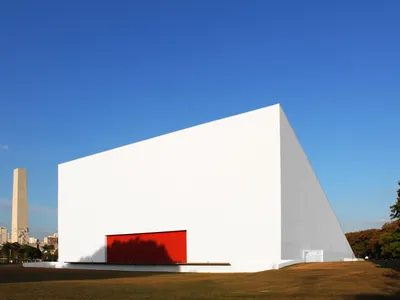
Oscar Niemeyer's Ibirapuera Park Pavilions Define São Paulo's Cultural Identity in Concrete and Curve
A constellation of modernist volumes set within São Paulo's most important urban park, conceived for the city's 400th anniversary in 1954.
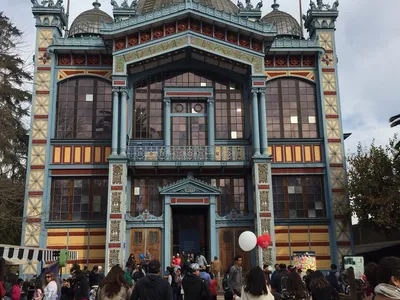
How Henri Picq's 1889 Paris Pavilion Traveled 11,000 Kilometers to Become Santiago's Artequín Museum
A prefabricated iron and glass pavilion built for the Paris Universal Exposition found a second life as a children's art museum in Chile.
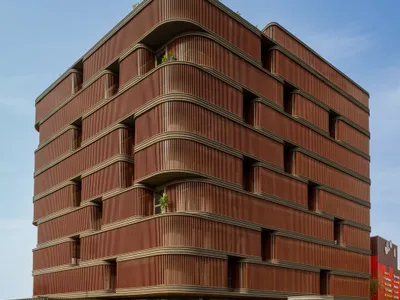
Sanjay Puri Architects Wraps a Jaipur Office Tower in Capsule-Shaped Green Buffers
A nine-level climate-responsive workplace near Jaipur Airport uses stacked planter terraces and aluminium screens to fight 40°C heat.


Explore Architecture Competitions
Discover active competitions in this discipline



Challenge to reimagine the Iron Throne


Photograph architecture without architects


Illustrate the lost glory of Angkor Wat - Render Challenge


Design challenge to reuse E-waste
Comments (0)
Please login or sign up to add comments
No comments yet. Be the first to comment!