
Ross Island: The Forgotten Architecture of Andaman
Preserving History, Embracing Nature - A Journey Through Time, Architecture, and Resilience Against Nature’s Forces

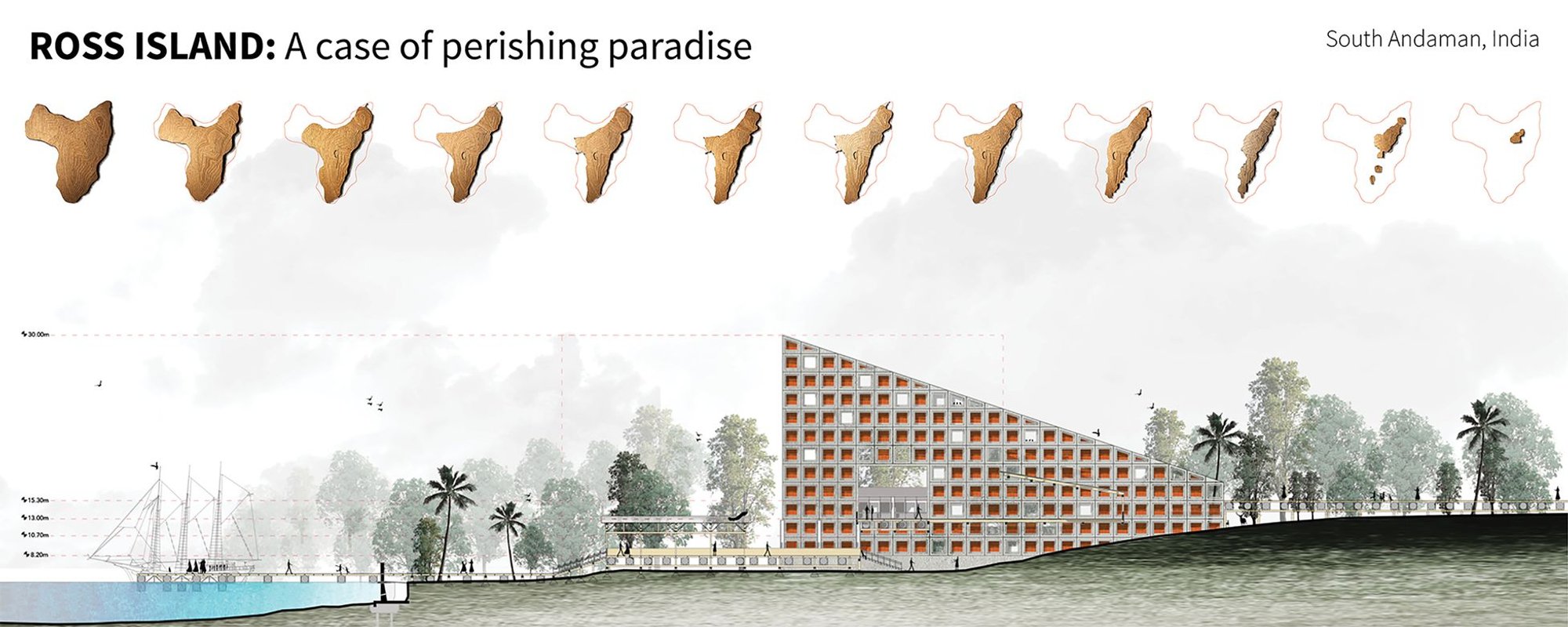
Ross Island, situated in the South Andaman district, stands as a testament to the architectural evolution and historical significance of the Andaman archipelago. Once the administrative capital for the British in the Andamans, the island today lies in ruins, a shadow of its former glory. This article explores the rich architectural heritage and the shifting dynamics of Ross Island, emphasizing its role as a case study in architectural preservation and climate adaptation.
The Architectural Legacy of Ross Island
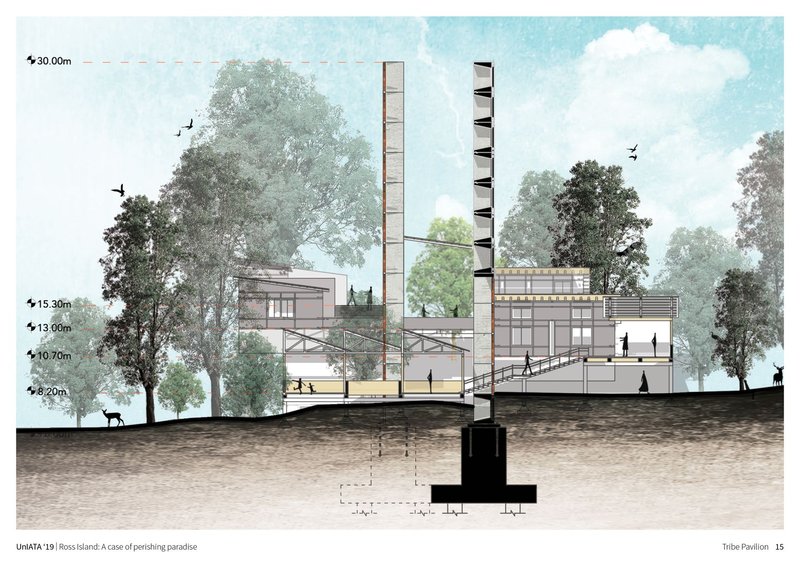
Ross Island's history is a confluence of eras—tribal, British colonial, Japanese occupation, and Indian Navy stewardship. Each phase left indelible marks on its landscape, from the Anglican churches and officers' quarters of the British era to the bunkers constructed during Japanese occupation. Today, these remnants narrate a poignant story of architectural brilliance eroded by time and nature.
Climate Change and the Sinking Paradise
The island faces an existential threat due to rising sea levels and soil erosion, exacerbated by climate change. Ross Island's precarious position in a seismic zone has further accelerated its sinking. This scenario underscores the urgent need for architectural preservation efforts that harmonize with ecological realities.
A Case Study in Architectural Preservation
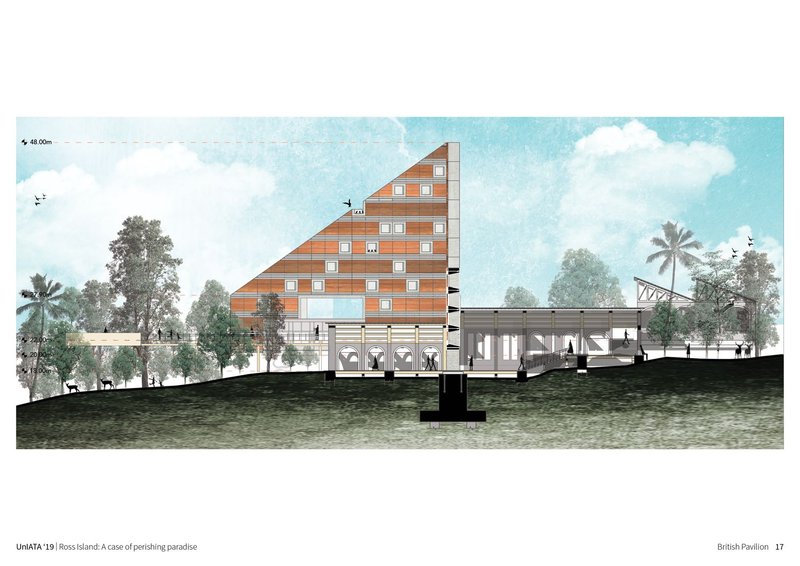
Ross Island serves as a unique case study for architects and conservationists. The island’s ruins, such as the Presbyterian Church, bakery, and officers' club, offer insights into colonial-era construction techniques and their interaction with the tropical environment. Conservation strategies must balance preserving these structures with accommodating rising sea levels and other climate impacts.
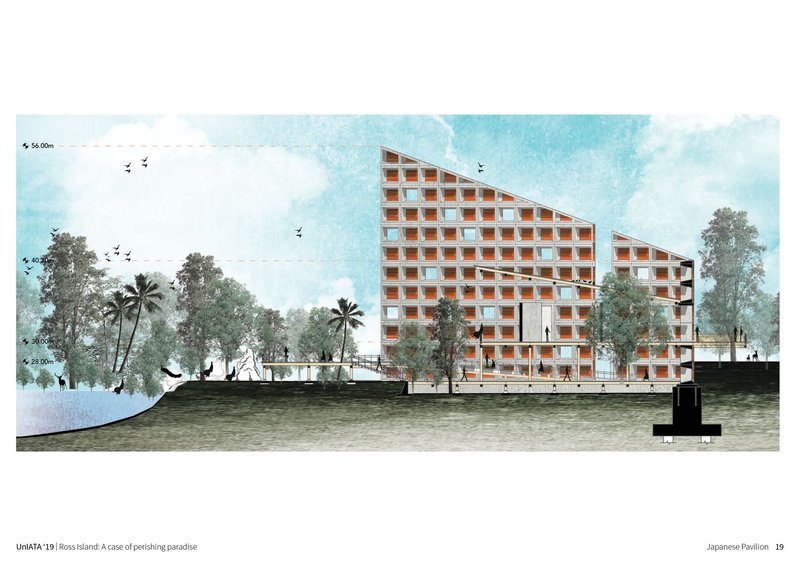
A Vision for Sustainable Tourism
The Indian Navy, which currently oversees the island, has initiated efforts to maintain its ruins and promote it as a tourist destination. A sustainable approach to tourism can help fund preservation projects while educating visitors about the island’s architectural and historical importance.
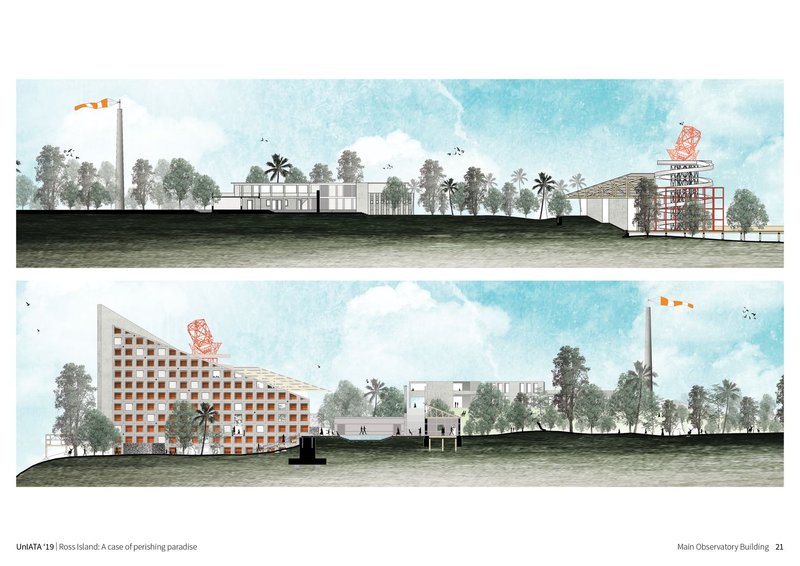
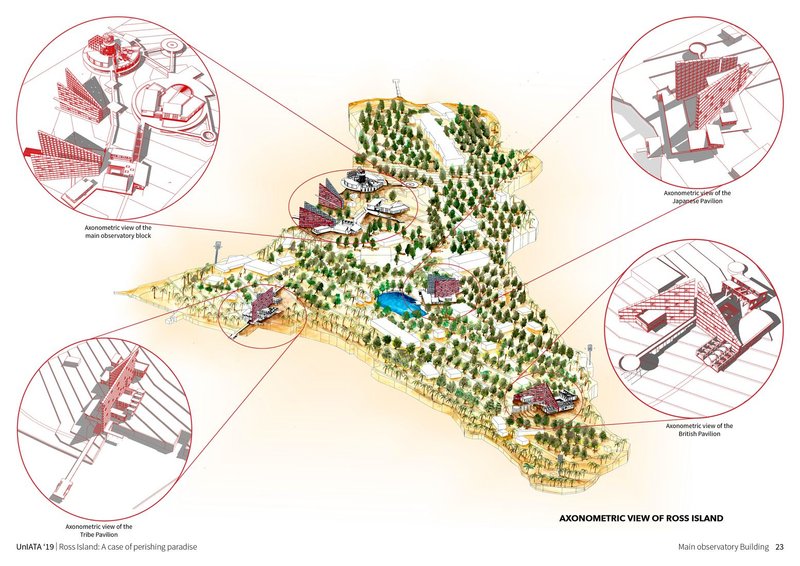
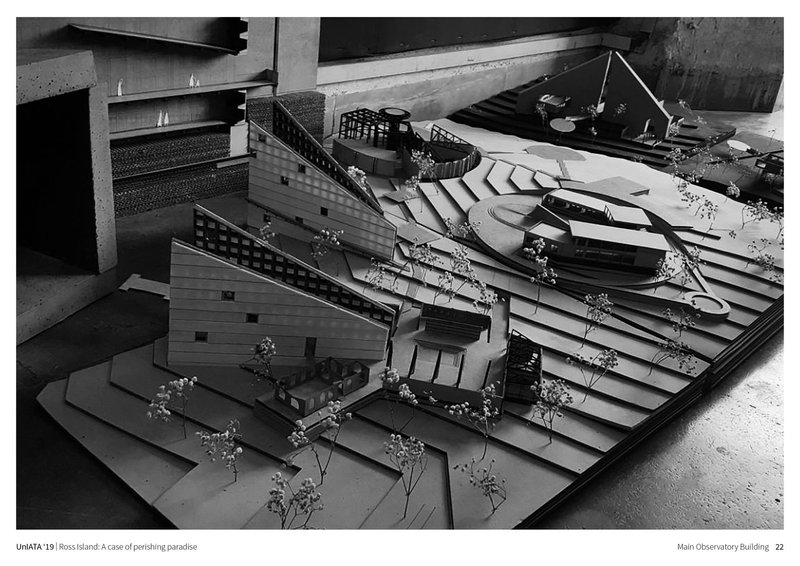
Ross Island is more than just a relic of the past; it is a beacon of resilience and a reminder of the symbiotic relationship between architecture and nature. As the island continues to sink, efforts to document, preserve, and adapt its architectural heritage are crucial. By celebrating its history and planning for its future, Ross Island can inspire a global dialogue on sustainable architectural practices in vulnerable ecosystems.
Project by Adhish Parkar - Runner-up entry of UnIATA '19



Popular Articles
Popular articles from the community

BAUEN Builds Two Rammed Earth Volumes in Paraguay Inspired by the Ovenbird's Nest
In San Bernardino, a house of compacted earth channels the instinct of a constructive bird to shelter life from the Paraguayan summer.
VEIVE Architects Builds a Mountain Hostel That Disappears into a Hangzhou Hillside
On the Huihang Ancient Trail in Xiangjian Village, a shelter of wood, steel, and rammed earth roots itself in the rural landscape.
Indiesalon Carves a Plywood Cave into a Seoul Bistro's Second Floor
Munhwa Bistro's second Seongsu branch wraps diners in a laminated timber vault laced with colored light and mirror illusions.
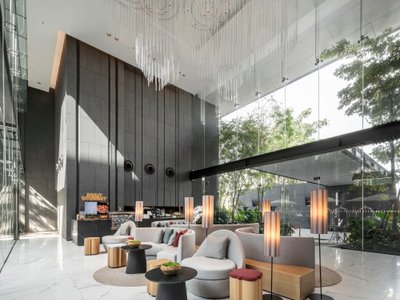
IDIN Architects Wraps a Hua Hin Hotel Around a Private Courtyard to Escape the City
Dusit D2 Hua Hin turns an urban infill site in Thailand's family vacation heartland into a self-contained resort through courtyard planning.


Similar Reads
You might also enjoy these articles

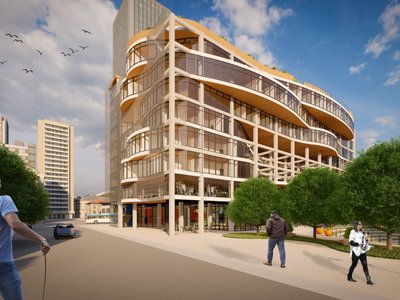
Olio Towers: A Mid-Rise for Performers That Fuses Housing, Rehearsal, and Stage
Located blocks from Houston's Theater District, this modular tower stacks living units around a central performance atrium.
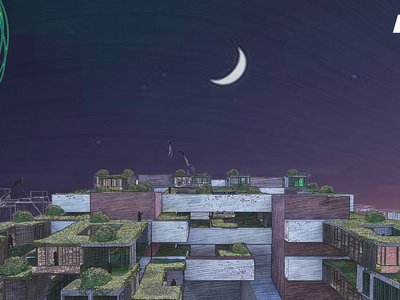
Oasis: Modular Green Housing Carved into Dhaka's Urban Fabric
A shortlisted Plugin Housing entry reclaims unauthorized settlements in Dhaka with stepped concrete volumes, green roofs, and ventilation-driven design.

Black Hole: A Floating Megastructure for the Post-Physical Era
Emiliano Mazzarotto envisions a spherical, self-scaling arena where e-sports, digital hotels, and holographic stadiums replace traditional public space.
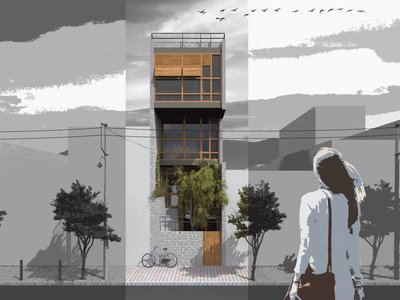
Compact & Sustainable Living in Piraeus: A Four-Level Family Home Built Around Light and Air
A narrow townhouse in one of Greece's densest port cities uses a central atrium and passive strategies to house three generations under one roof.






Comments (0)
Please login or sign up to add comments
No comments yet. Be the first to comment!