

Seizuba Design Office by Sobokuya Inc.: Harmonizing Traditional Japanese Architecture with Modern Workspace Design
Seizuba Design Office blends traditional Japanese architecture with modern design, featuring tatami workspaces, natural materials, Mt. Fuji views, and handcrafted interiors.


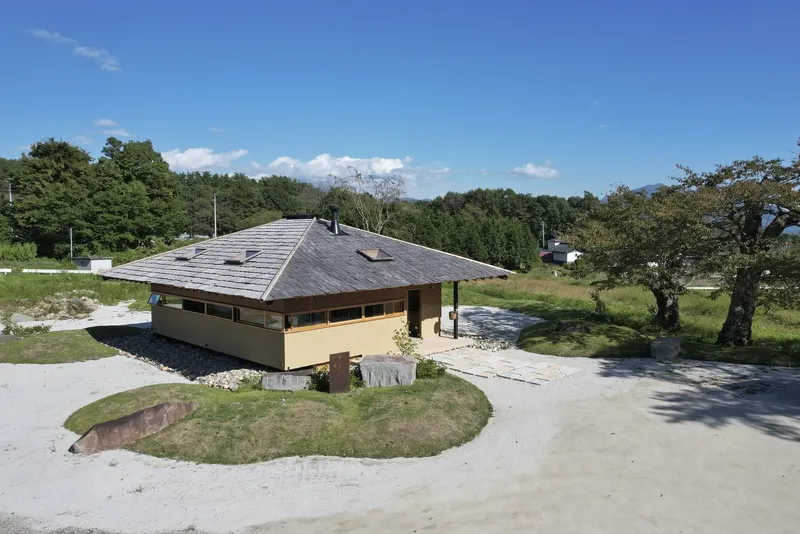
Nestled at the foot of the stunning Yatsugatake Mountain range, the Seizuba Design Office by Sobokuya Inc. exemplifies the perfect marriage of traditional Japanese architecture and contemporary design. Drawing inspiration from the serene landscapes of Mt. Fuji and the fleeting beauty of cherry blossoms, this workspace fosters creativity, calm, and connection with nature.

Architectural Vision: Traditional Meets Modern
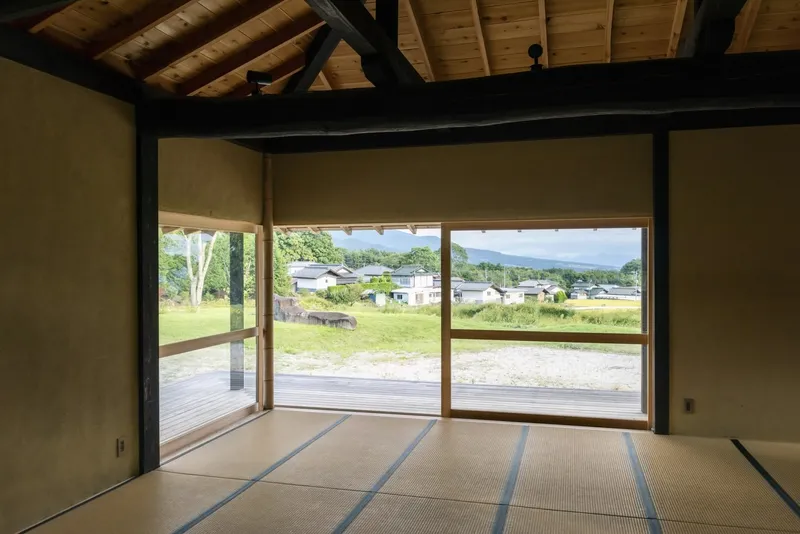
Designed as a functional and meditative space, the Seizuba Office allows occupants to work comfortably on tatami mats while absorbing natural light and scenic views. The layout strategically positions desks, shelves, and storage, ensuring a clutter-free and harmonious workspace. Large windows and skylights flood the interiors with daylight, reducing reliance on artificial lighting and creating a bright, contemporary, and serene atmosphere.
Central to Sobokuya’s philosophy are materials and construction techniques that honor Japanese heritage. The building incorporates:
- Mud wall finishes, which naturally age into rich, earthy tones.
- Handcrafted furniture and fittings, highlighting meticulous attention to detail.
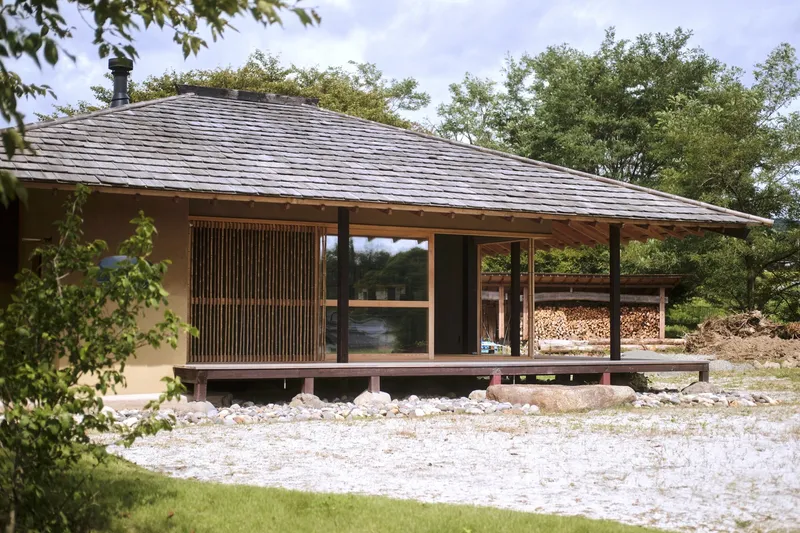
- Stone-field construction, with pillars resting on natural stones, echoing traditional Japanese methods.
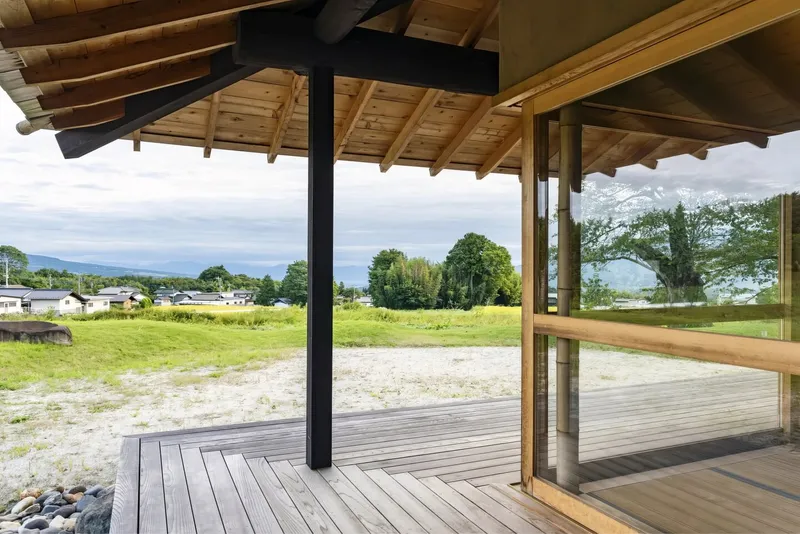
- Deep eaves and wooden shingle roofing, characteristic of historical Japanese homes.
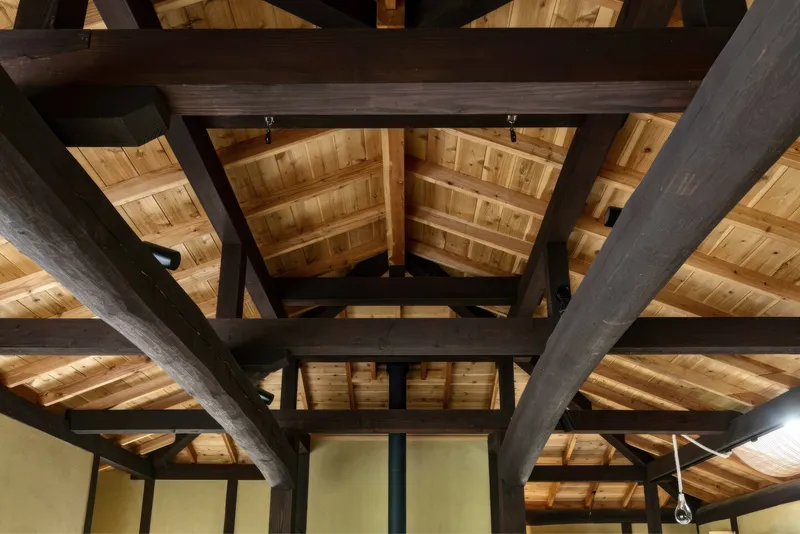
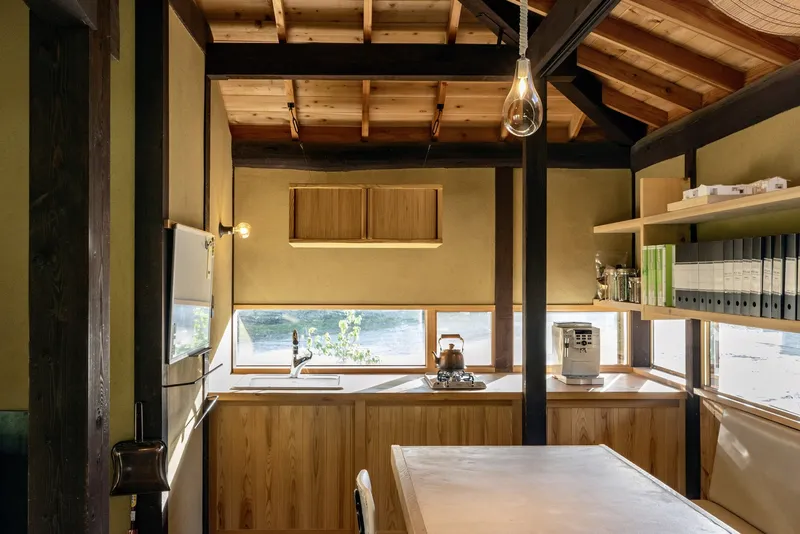
Inside, exposed rafters showcase masterful carpentry skills, while the blackened beams, treated with persimmon tannin and bengara pigment, contrast beautifully with the mud walls.

Interior Design: Functional, Natural, and Elegant
The interior of Seizuba Design Office balances modern functionality with traditional elegance. Features include:
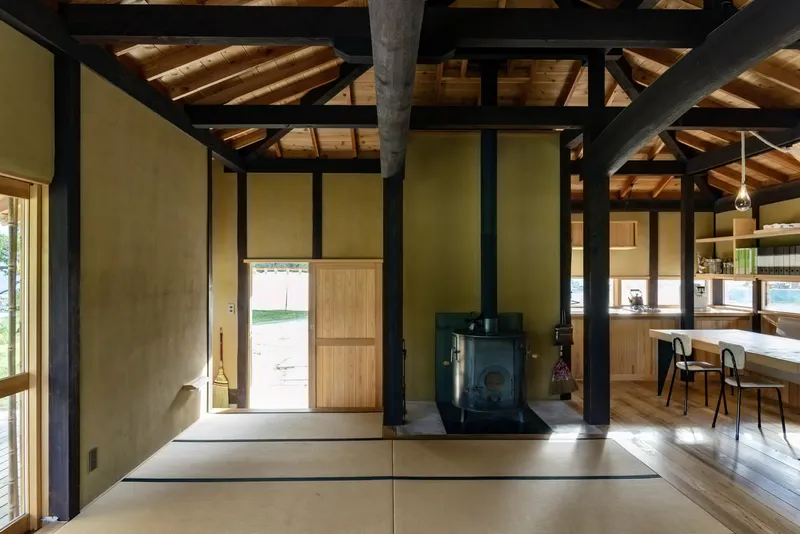
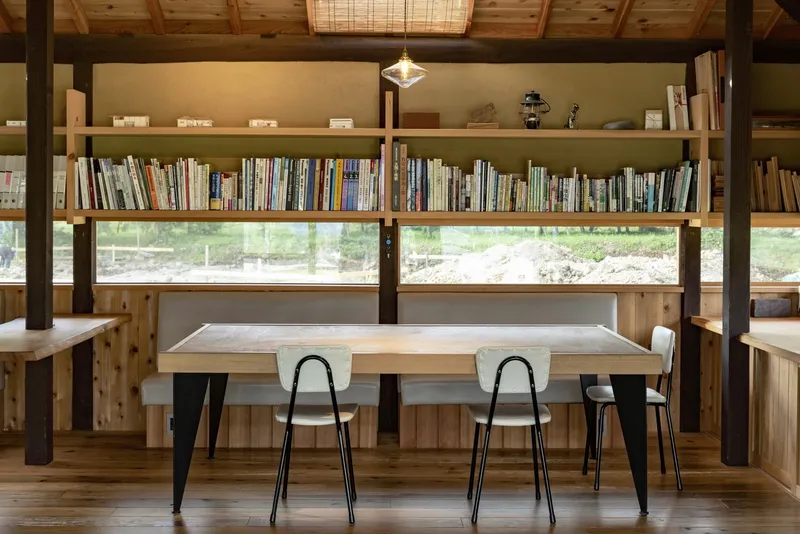
- A versatile workspace combining tatami mats and wooden flooring.
- Thoughtfully designed reception area and meeting spaces.
- Practical storage solutions, including hidden compartments under benches, hanging cupboards, and built-in bookcases.
- Handmade fittings that integrate subtly with mud walls and bamboo accents.
The south-facing side embraces bamboo columns and fully openable windows, allowing fresh air and natural light to permeate. Meanwhile, the north side features slit windows that maintain privacy while filtering light. A traditional noren cloth at the entrance offers a warm, culturally rich welcome.
Connection to Nature: Inspiration at Every Turn
Seizuba Office maximizes the surrounding natural beauty with:
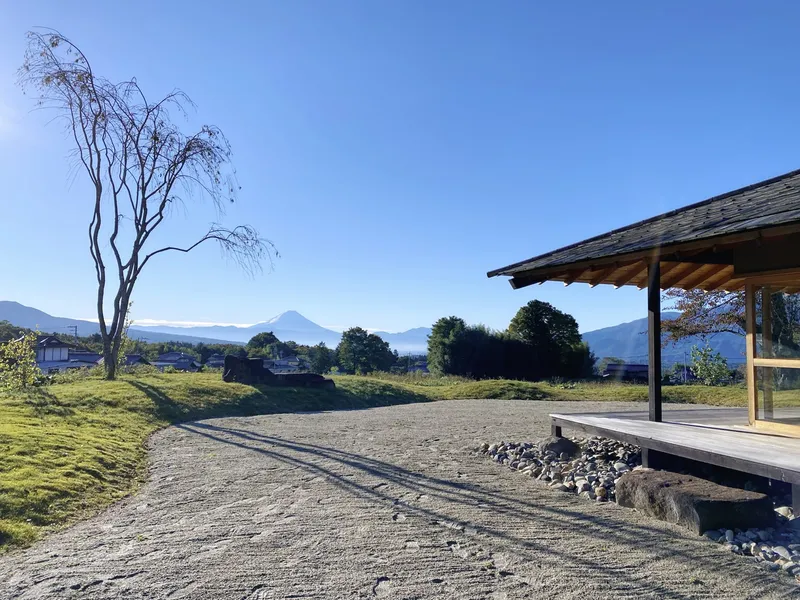
- A veranda overlooking the mountains, providing a serene retreat for reflection.
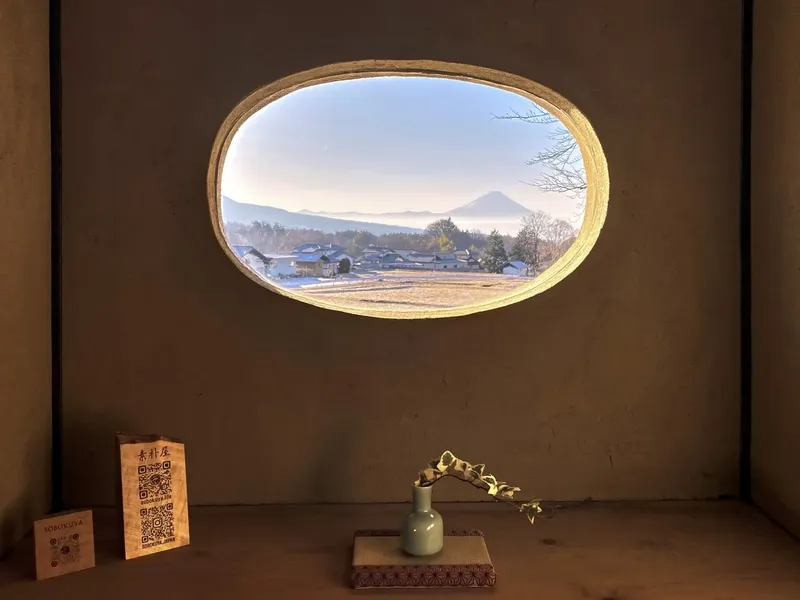
- Large windows framing Mt. Fuji, including a unique round window at the entrance that resembles a living painting.
- Ample sunlight and unobstructed views, promoting well-being and creativity throughout the day.
These elements make the office more than a workplace, it becomes a space for inspiration and mindfulness, blending architecture seamlessly with the environment.
Sustainable Heating and Craftsmanship
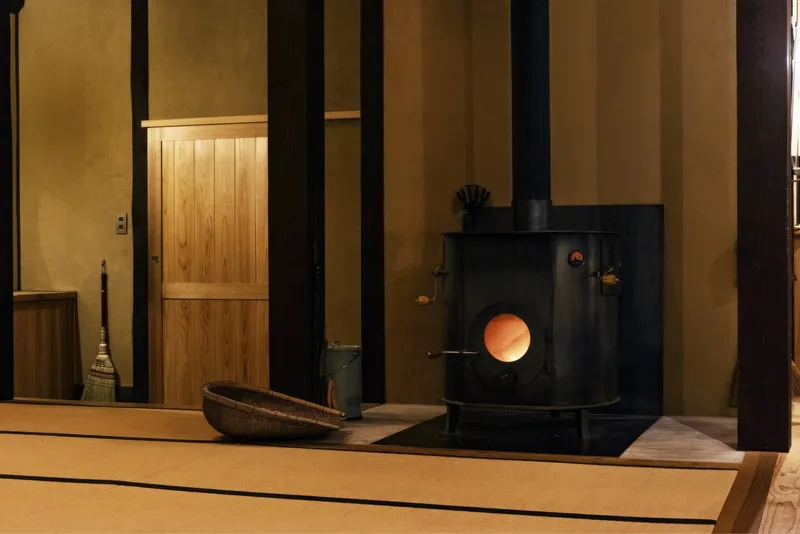
The office is heated by a custom-made wood-burning stove, handcrafted by Czech artisans in Shinshu. Though sizable, it efficiently warms the space, harmonizing iron and steel with Sobokuya’s wooden interiors, adding both aesthetic and functional value.
A Testament to Japanese Design Philosophy
The Seizuba Design Office demonstrates how traditional Japanese architectural principles: including mud walls, timber structures, and natural materials, can coexist with modern workspace needs. This thoughtful integration fosters serenity, productivity, and creative energy, making it an ideal environment for design professionals and visitors alike.
Key Highlights:
- Integration of traditional carpentry with contemporary design
- Maximized natural lighting and scenic views
- Functional storage solutions and custom furniture
- Harmonious blend of tatami mats, wood, bamboo, and mud walls
- Scenic inspiration from Mt. Fuji and surrounding nature


Popular Articles
Popular articles from the community


Cloaked Colonization: A Mobile Underwater Habitat That Moves Like a Fish
Micah Abaya's shortlisted EHC Pacific entry reimagines ocean settlement as a dispersed network of self-sustaining architectural organisms.

Faces of the Soviet Avant-Garde: Turning Moscow's Street Names into an Open-Air Museum
A network of sculptural installations across a Moscow residential district transforms forgotten architect names into spatial encounters with cultural memor

Extended Shell: Retrofitting Kolkata's Balconies as Living Urban Thresholds
A modular retrofit system recovers the social and environmental intelligence of Kolkata's historic verandas for contemporary Park Street residents.

The Amber Palace Opera: A Geological Fiction Surfaces on Tallinn's Baltic Waterfront
Pierre Brillard reimagines a Baltic legend as a public landscape, opera house, and waterfront promenade rooted in Tallinn's coastal identity.

Similar Reads
You might also enjoy these articles


Hodi-Mandai Geram
Project Function: Preservation and revitalization of the Intangible heritage and socio-spatial identity of the Hodi by Housing, Cultural Memory Center, Sacred Grove, landscape, local tourism economy


Olio Towers: A Mid-Rise for Performers That Fuses Housing, Rehearsal, and Stage
Located blocks from Houston's Theater District, this modular tower stacks living units around a central performance atrium.

Oasis: Modular Green Housing Carved into Dhaka's Urban Fabric
A shortlisted Plugin Housing entry reclaims unauthorized settlements in Dhaka with stepped concrete volumes, green roofs, and ventilation-driven design.

Black Hole: A Floating Megastructure for the Post-Physical Era
Emiliano Mazzarotto envisions a spherical, self-scaling arena where e-sports, digital hotels, and holographic stadiums replace traditional public space.

Explore Aotu Architecture Office Competitions
Discover active competitions in this discipline

Challenge to reimagine the Iron Throne

Photograph architecture without architects

Illustrate the lost glory of Angkor Wat - Render Challenge

Design challenge to reuse E-waste
Comments (0)
Please login or sign up to add comments
No comments yet. Be the first to comment!