
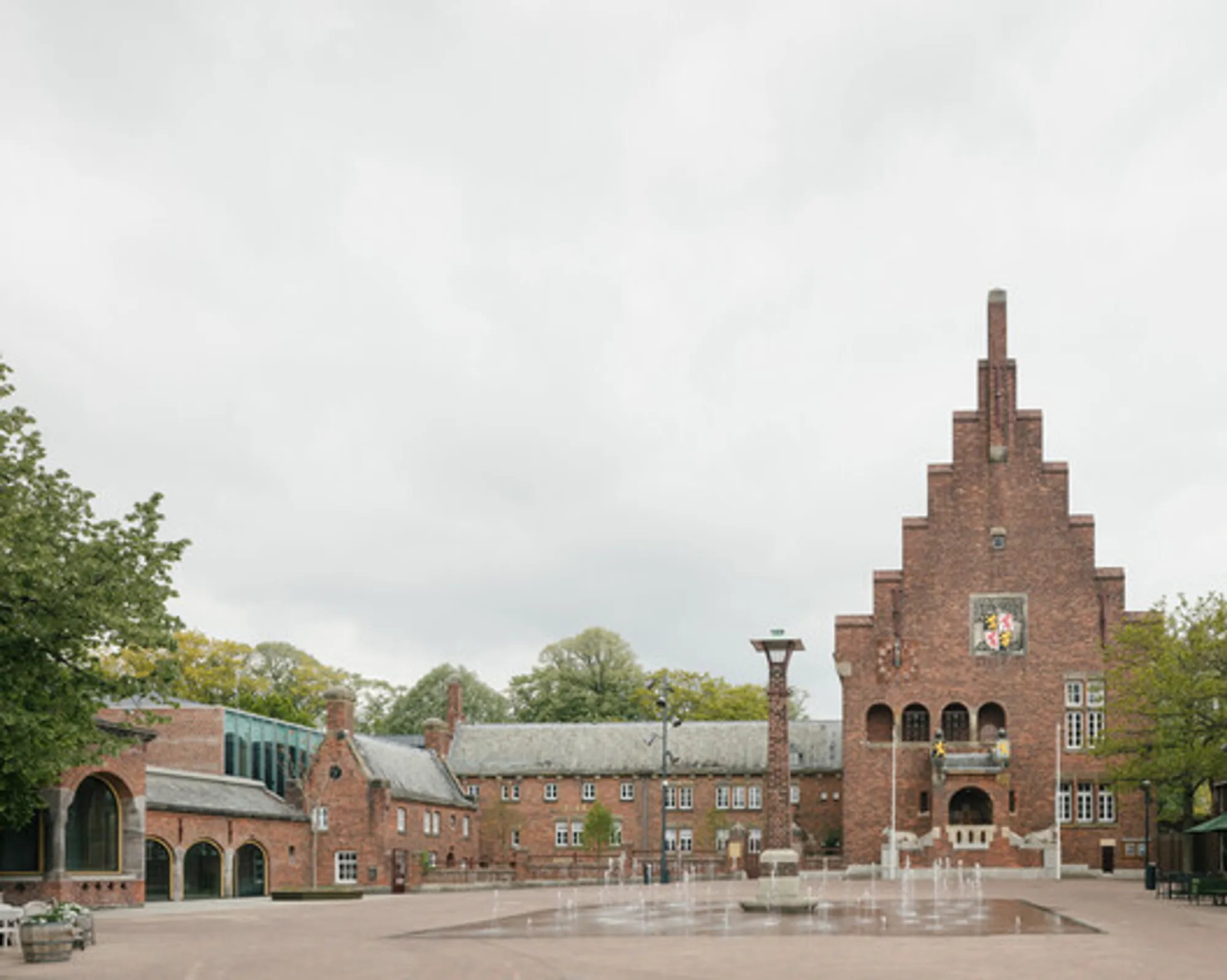
Shoe Museum Waalwijk Architecture
Explore the transformative design of Waalwijk's Shoe Museum, seamlessly blending heritage, innovation, and community revitalization.


The Shoe Museum in Waalwijk, Netherlands, emerges as an architectural gem, seamlessly blending heritage with innovation. Designed by Civic Architects, this transformative project not only preserves the city's rich history but also propels it into a vibrant future.
Unveiling the Architectural Essence
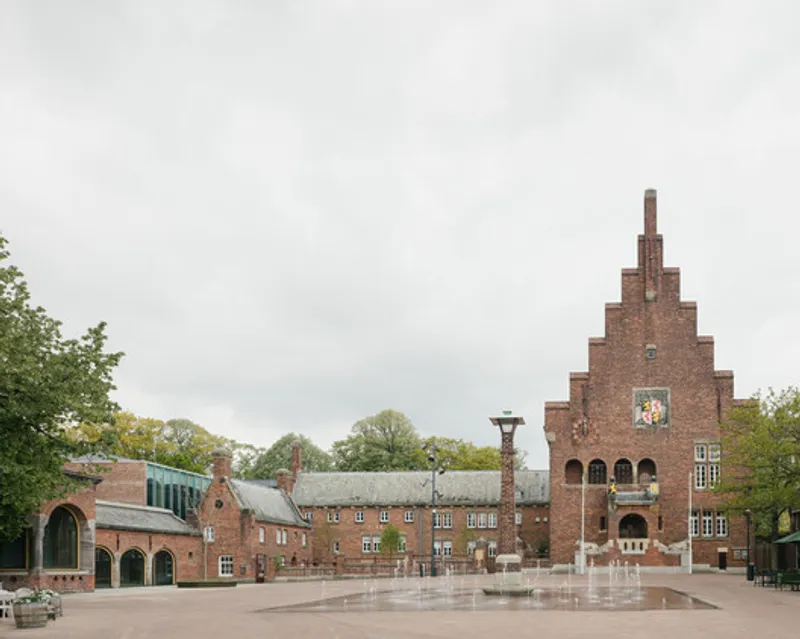
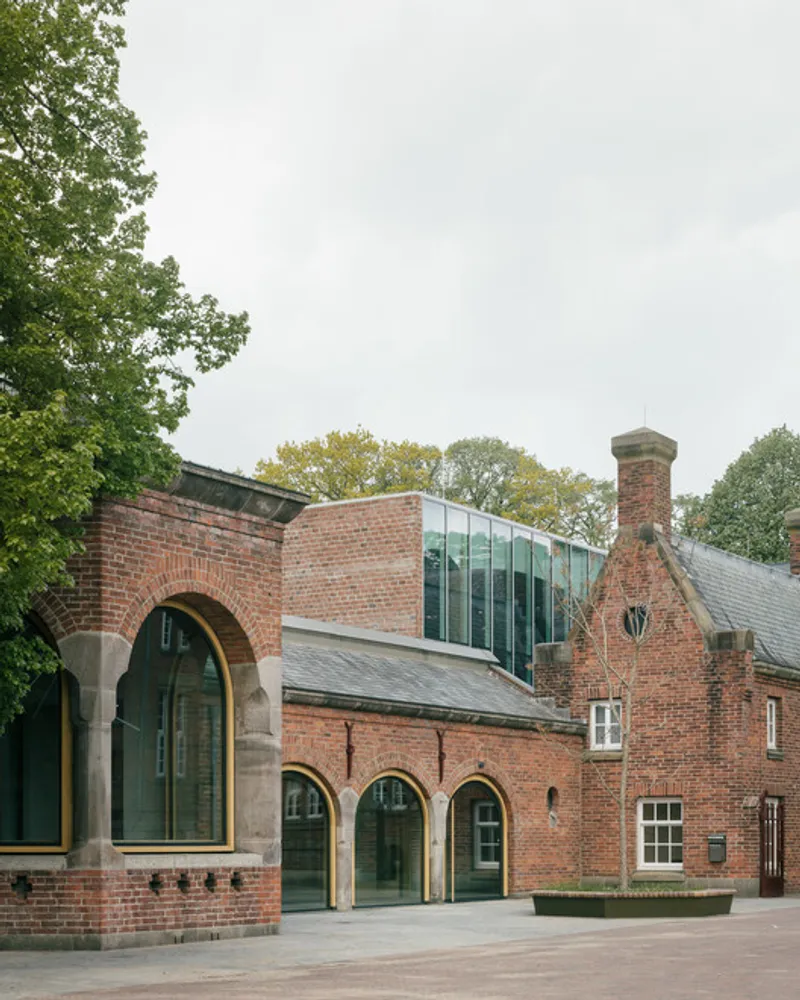
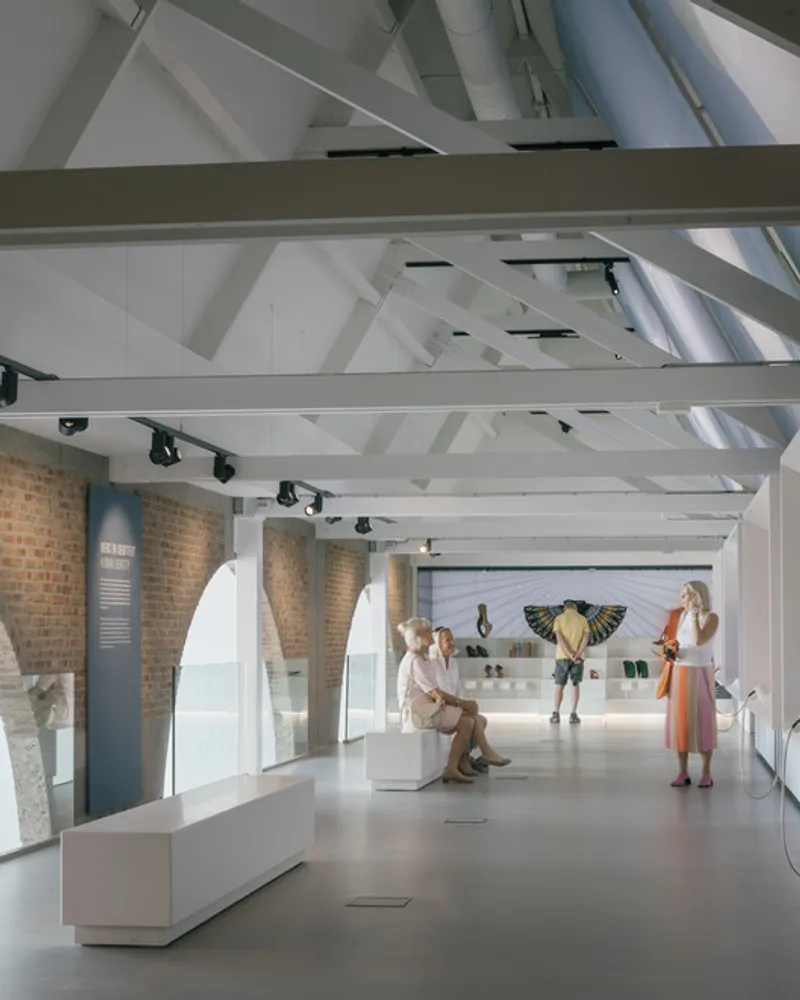
Nestled in a 1930s listed building complex by architect Alexander Kropholler, the Schoenenkwartier Shoe Museum stands as a beacon of knowledge for shoe design, production, and fashion. Renovated and expanded, it now houses an extensive collection of 12,000 objects, permanent exhibitions, research facilities, workshops, an auditorium, and a museum café. This architectural masterpiece redefines the city's identity by building on the values of its industrial past.
A Journey Through Time and Craftsmanship
Waalwijk, once a small European city propelled by leather processing and shoe manufacturing, faced challenges as these industries faded away. The Shoe Museum, however, becomes a bridge to the city's historic craftsmanship. With a research library, innovation labs, and designated spaces for education and artists, the museum breathes life into the region's cultural legacy. The collection serves as an endless source of inspiration, attracting experts and innovators from around the globe.
City Center Revitalization
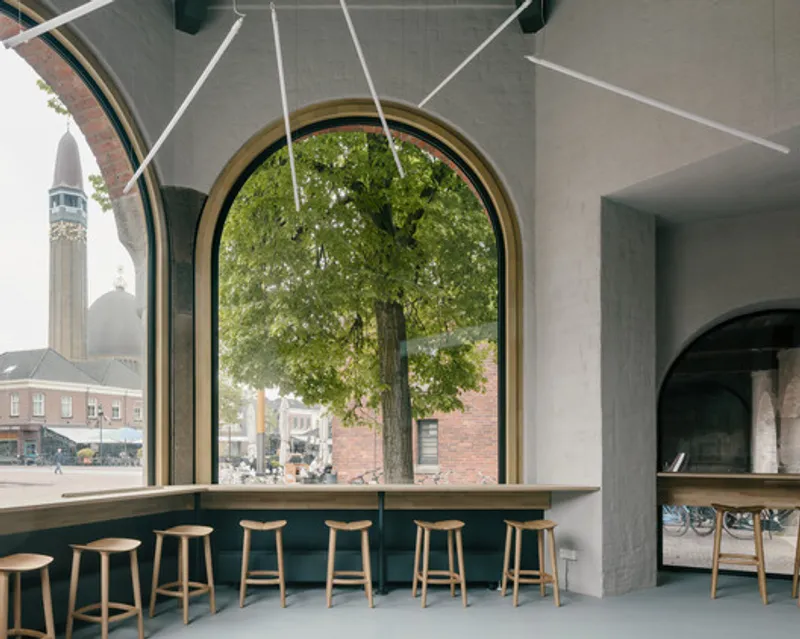
Strategically located in the heart of Waalwijk's historic center, the Shoe Museum contributes to the public revitalization of the city. Visible from Raadhuisplein, it invites the community to partake in its offerings, creating a welcoming atmosphere for all. The historic arcades and open entrance area evoke a sense of hospitality, reminiscent of a covered city square.
Architectural Ingenuity for All
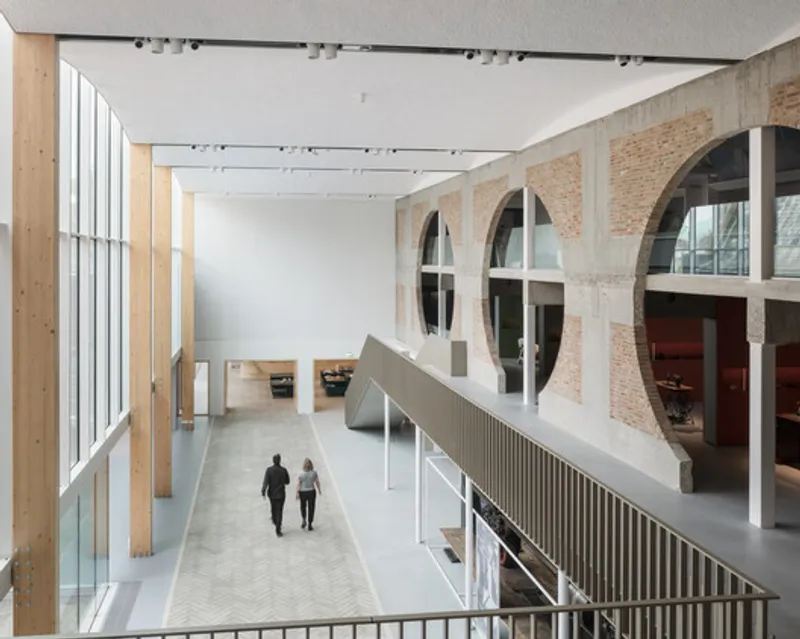
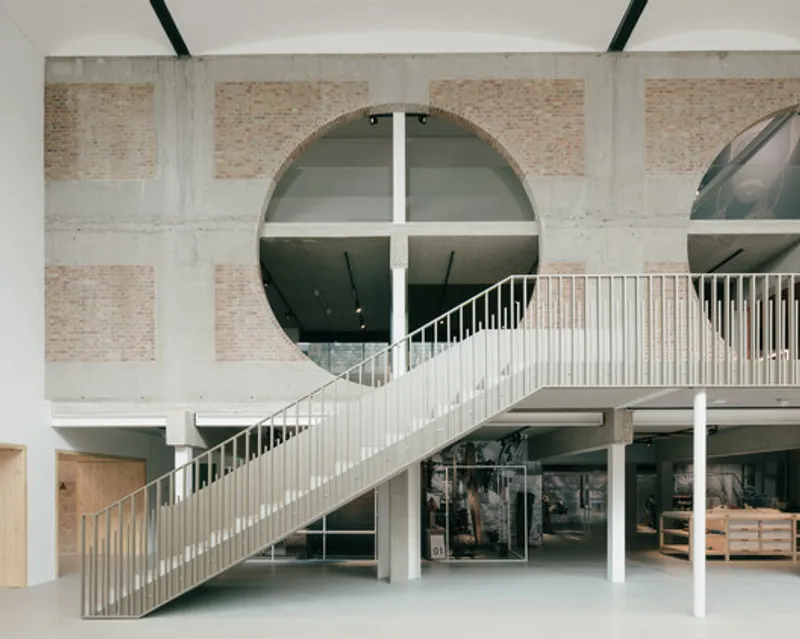
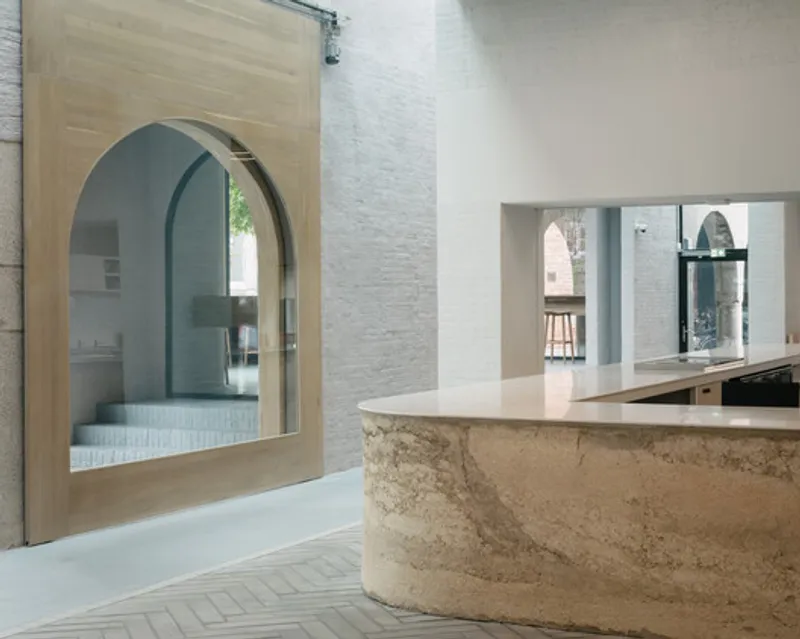
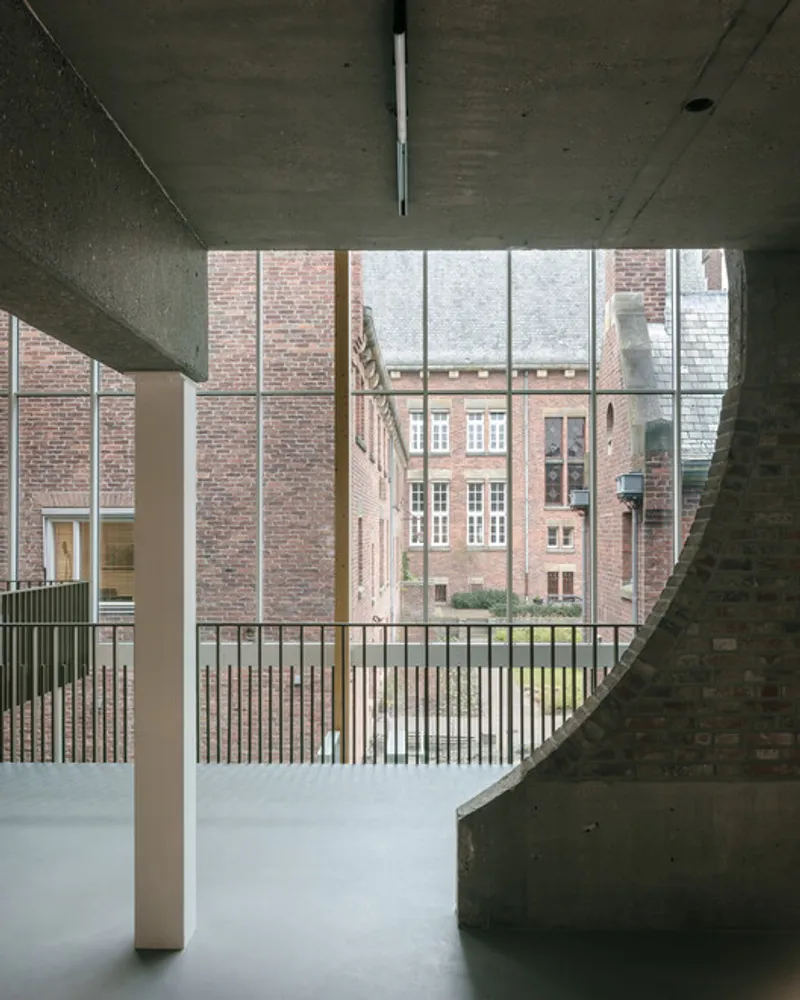
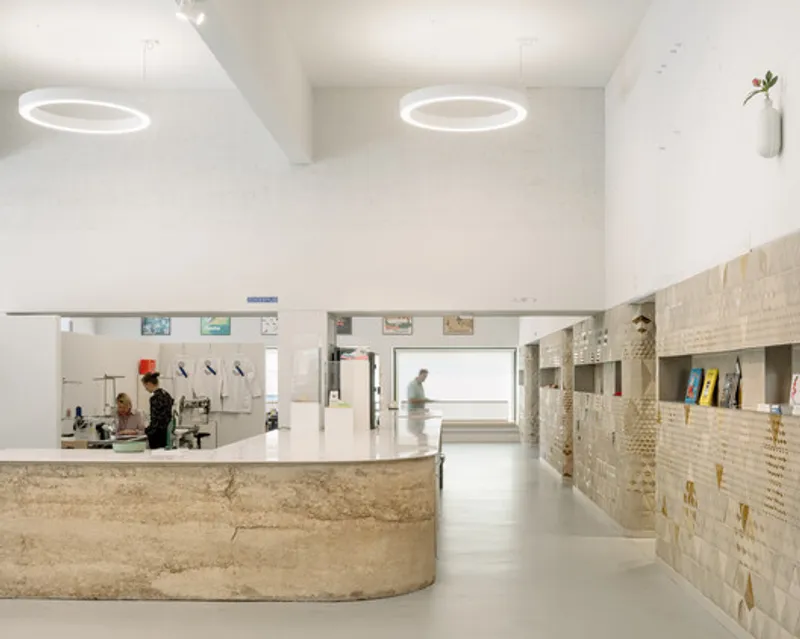
Unlike traditional museums, the Shoe Museum's design prioritizes accessibility. The open ground floor seamlessly integrates various functions, allowing visitors to determine their own pace. Cleverly placed staircases and routes provide flexibility for exploring highlights or delving into detailed exhibitions. This architectural marvel fosters a lively atmosphere, promoting cross-pollination and inspiration.
Universal Appeal Through Materials
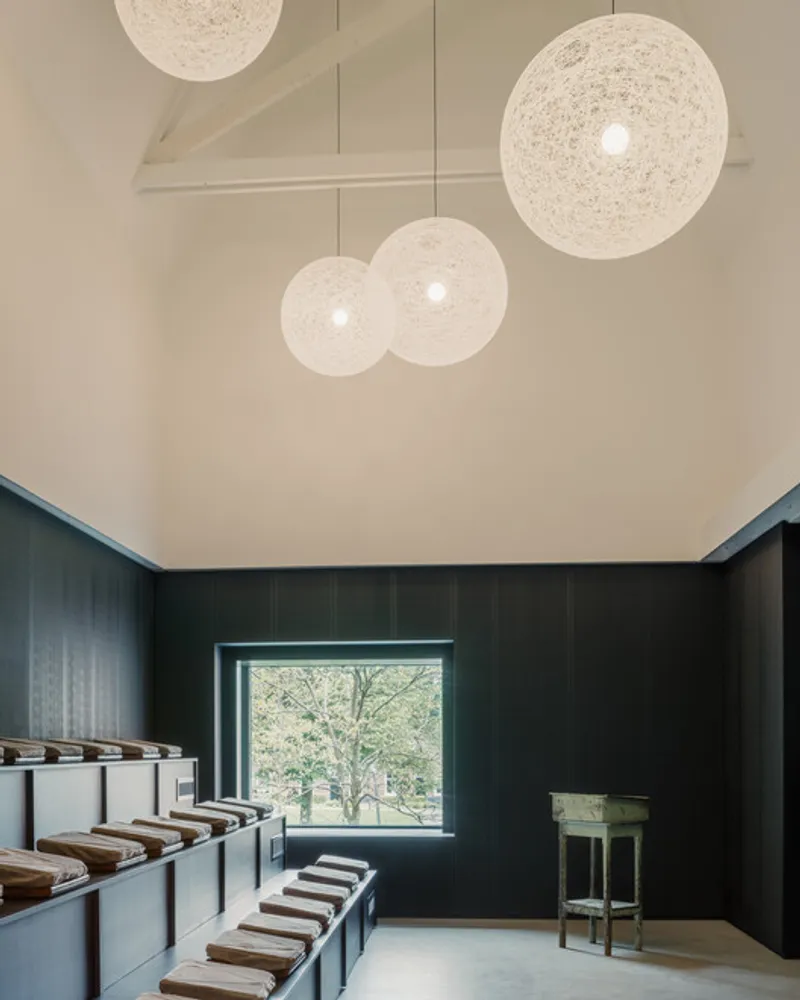
The choice of materials – brick, steel, concrete, and wood – forms a collective artwork that resonates with the historical building and the museum's atmosphere. Deliberately avoiding abstract spaces, the design aims for universal appeal, ensuring visitors of all backgrounds feel welcomed. Sustainability remains at the forefront, with materials selected for durability and eco-friendly sourcing.
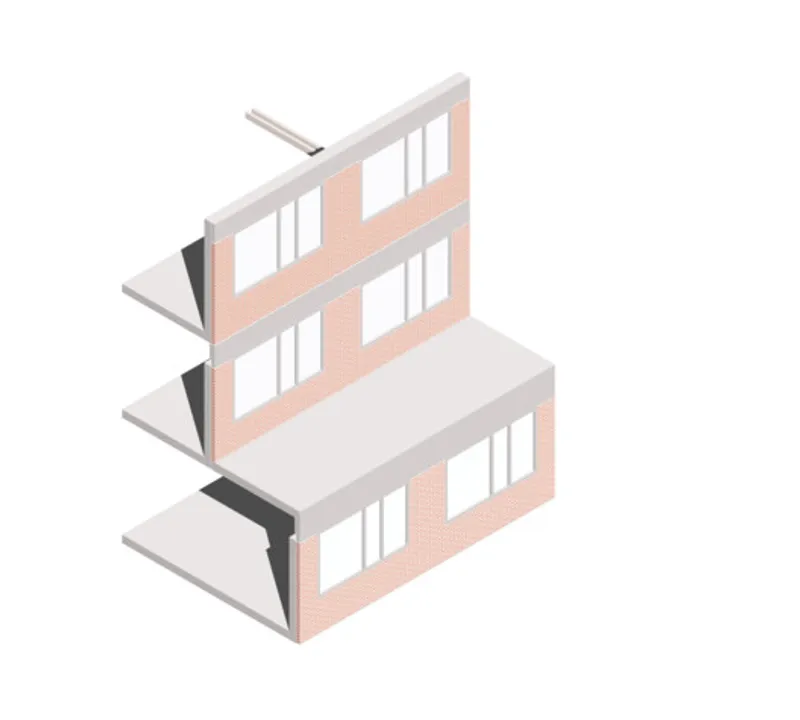
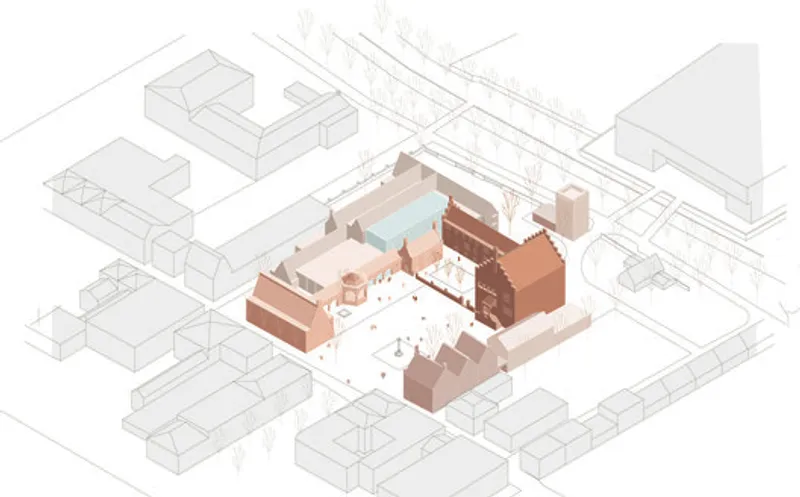
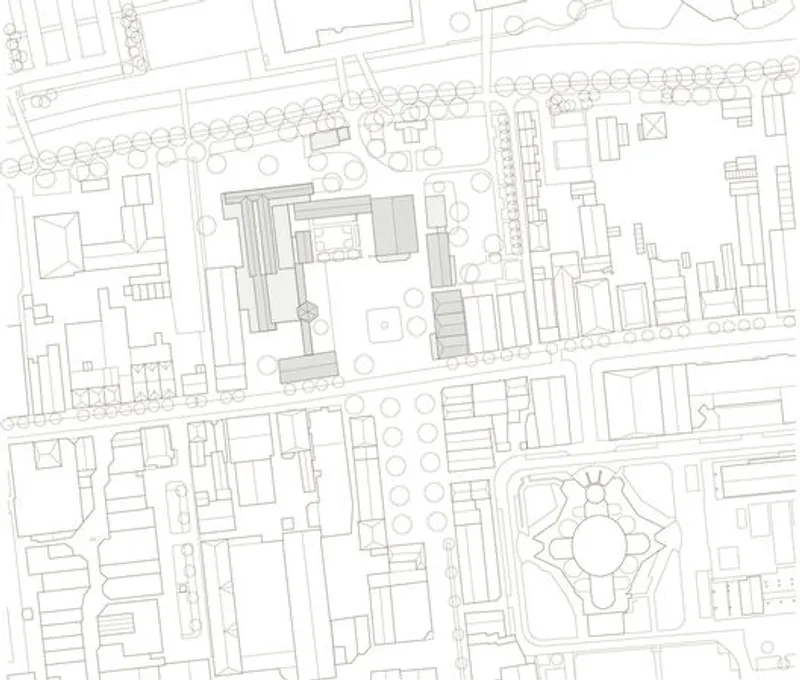
The Shoe Museum in Waalwijk stands as more than a cultural institution; it's a testament to architectural brilliance, community engagement, and a commitment to preserving the essence of a city. As we delve into its history, craftsmanship, and innovative design, the Shoe Museum invites us to step into a world where the past and future coexist harmoniously.
All photographs are work of Stijn Bollaert




Popular Articles
Popular articles from the community


Co-life: Sustainable Architecture for Age-Friendly Community Living
Co-life reimagines sustainable architecture for seniors through courtyards, rammed earth, shared gardens, and spaces designed for belonging.

Lunar Spiral: Space Architecture Shaped by the Mathematics of the Universe
Lunar Spiral reimagines space architecture through Fibonacci geometry, lunar regolith, levitating habitats, and self-sustaining Moon living.

Play: Fragments of Their World
Familiar architecture becomes modular playground design, creating safe spaces where displaced children can learn, connect, imagine and play.

The Ocean Hive: Sustainable Architecture for a Self-Sufficient Civilization at Sea
The Ocean Hive imagines sustainable architecture at sea, where modular habitats, algae, wave power and ocean waste sustain a growing colony.


Similar Reads
You might also enjoy these articles


FAMM Arquitectura Organizes Ten Villas Around Courtyards and Jungle in Nosara, Costa Rica
El Molino pairs two elongated volumes with deep overhangs and timber louvers to build a compact coastal community five minutes from the beach.

Oscar Niemeyer's Ibirapuera Park Pavilions Define São Paulo's Cultural Identity in Concrete and Curve
A constellation of modernist volumes set within São Paulo's most important urban park, conceived for the city's 400th anniversary in 1954.
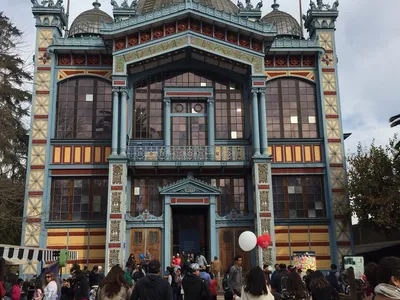
How Henri Picq's 1889 Paris Pavilion Traveled 11,000 Kilometers to Become Santiago's Artequín Museum
A prefabricated iron and glass pavilion built for the Paris Universal Exposition found a second life as a children's art museum in Chile.

Sanjay Puri Architects Wraps a Jaipur Office Tower in Capsule-Shaped Green Buffers
A nine-level climate-responsive workplace near Jaipur Airport uses stacked planter terraces and aluminium screens to fight 40°C heat.


Comments (0)
Please login or sign up to add comments
No comments yet. Be the first to comment!