

Skaistakalnis Park: A Model for Urban Park Redevelopment
Skaistakalnis Park’s redevelopment merges heritage preservation, ecological sustainability, and modern accessibility, transforming it into a leading example of urban park revitalization.


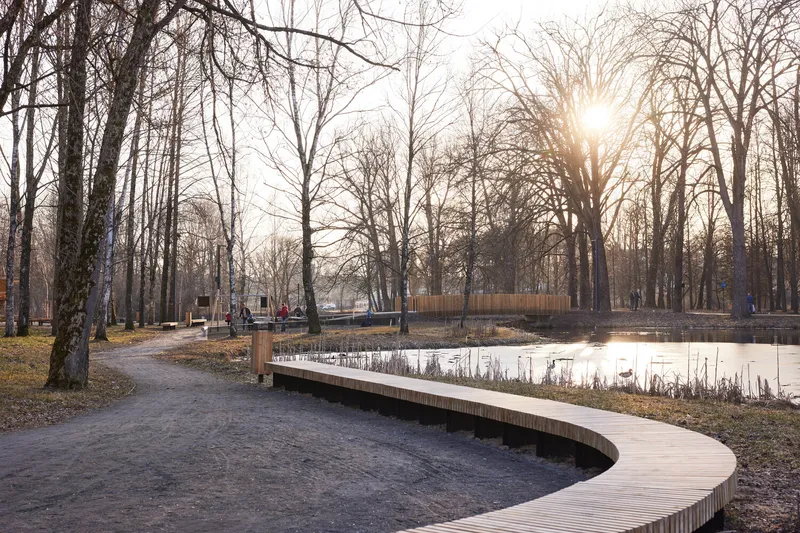
Skaistakalnis Park, the oldest park in Panevėžys, Lithuania, has undergone a remarkable transformation, redefining the principles of urban park redevelopment. Originally part of a historic 19th-century manor, the park was once a hub of cultural and social life but fell into neglect over the decades. With a vision to restore its natural beauty while integrating modern amenities, the architectural team at PUPA / Life Over Space revitalized the space, balancing heritage conservation with contemporary urban design.

Historical Significance and the Need for Renewal
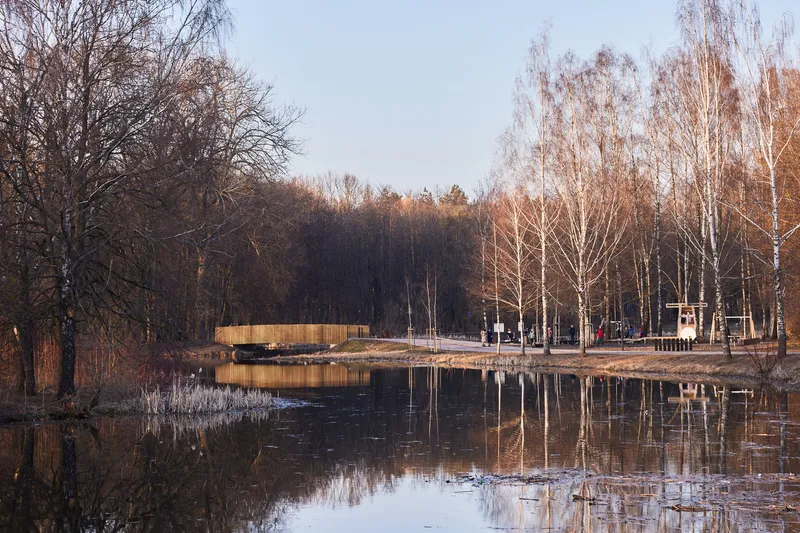
Nestled along the Nevežis River, Skaistakalnis Park has a rich history. It was initially part of a manor estate, later evolving into a cultural and recreational hub in the early 20th century. Over time, urban expansion and shifting priorities led to the decline of the park. By the 1970s, sports activities were relocated elsewhere to protect the park’s natural environment, but this resulted in its gradual abandonment.
Recognizing the park’s potential as a vital green space, the Panevėžys municipality launched an initiative in 2016 to rejuvenate public spaces, including Skaistakalnis Park. A design competition in 2017 led to PUPA / Life Over Space being chosen to spearhead the project. The goal was to preserve the park’s natural character while introducing new features that would encourage community engagement and outdoor recreation.
Design Approach: Blending Nature and Modernity
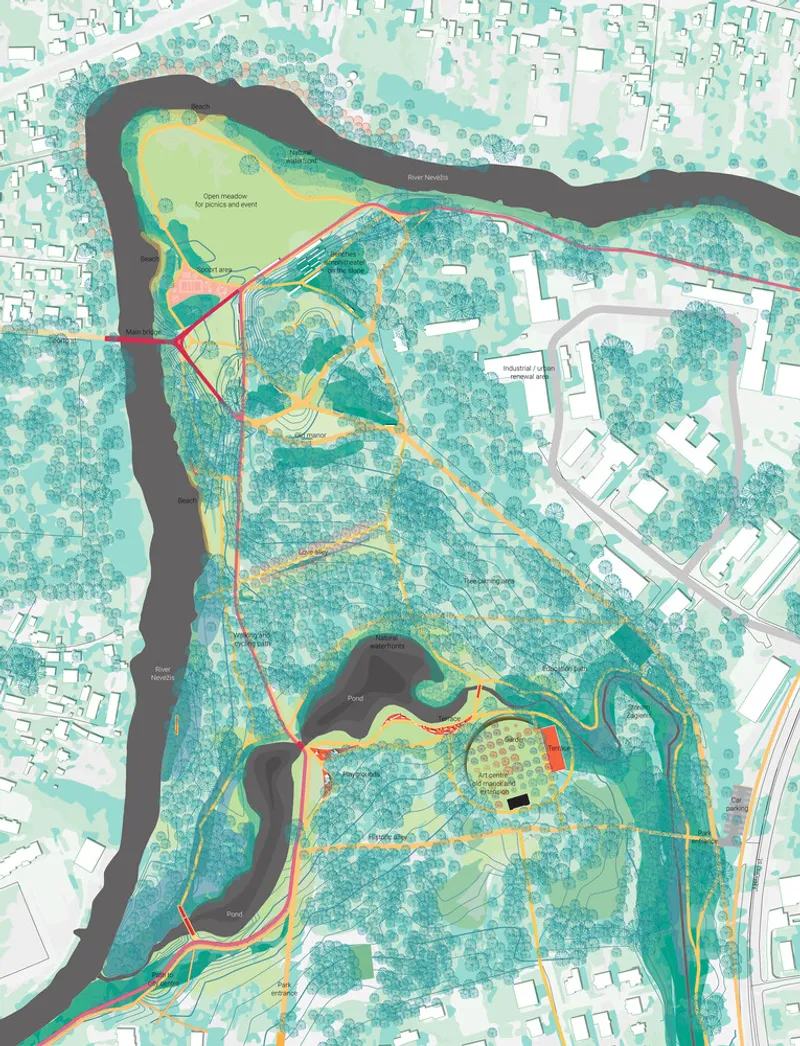
The urban park redevelopment plan centered on accessibility, sustainability, and cultural continuity. The design team implemented a zoning strategy to create diverse spaces, ensuring that the park catered to a wide range of visitors. The key zones include:
- Cultural and gathering areas near the historic manor, fostering artistic events and public interactions
- Sports and recreational zones with enhanced facilities for active lifestyles
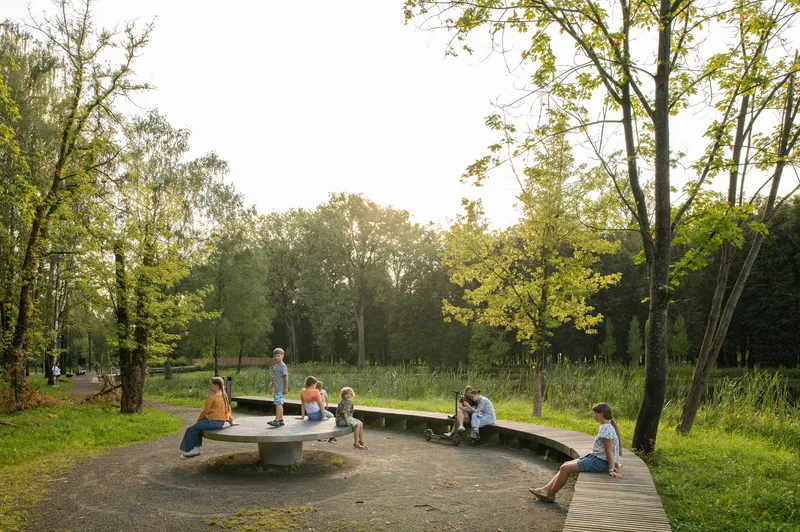
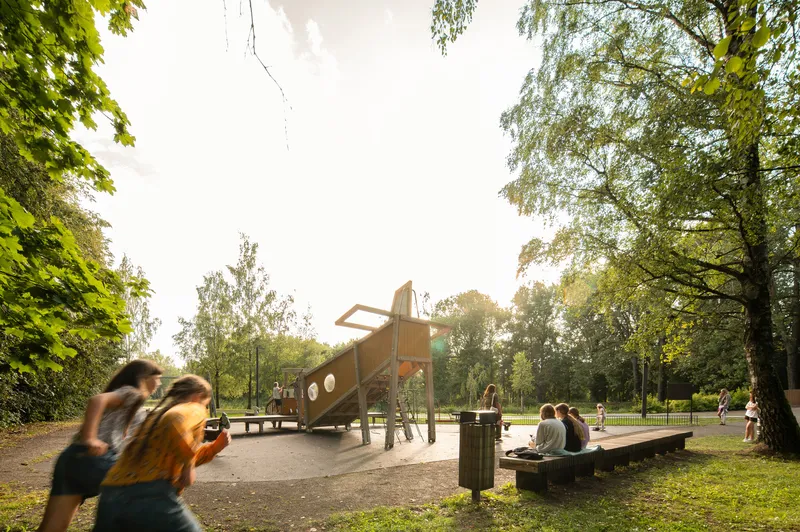
- Playgrounds and meeting spaces designed to encourage family-friendly engagement
- Biodiversity-focused landscapes, introducing sustainable planting and ecological restoration
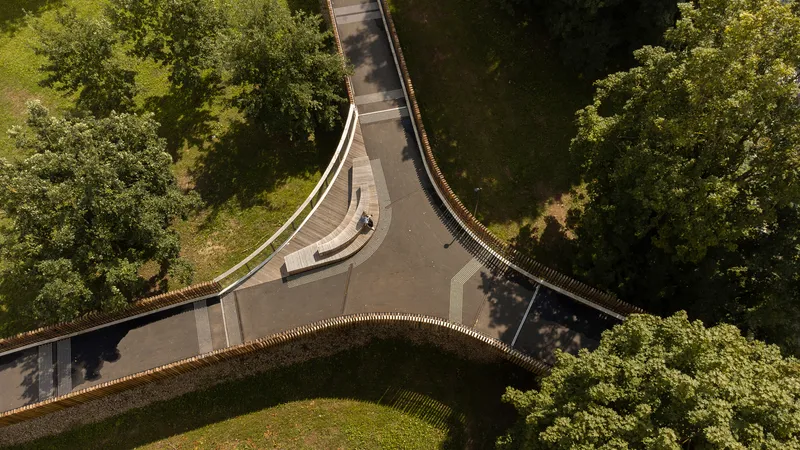
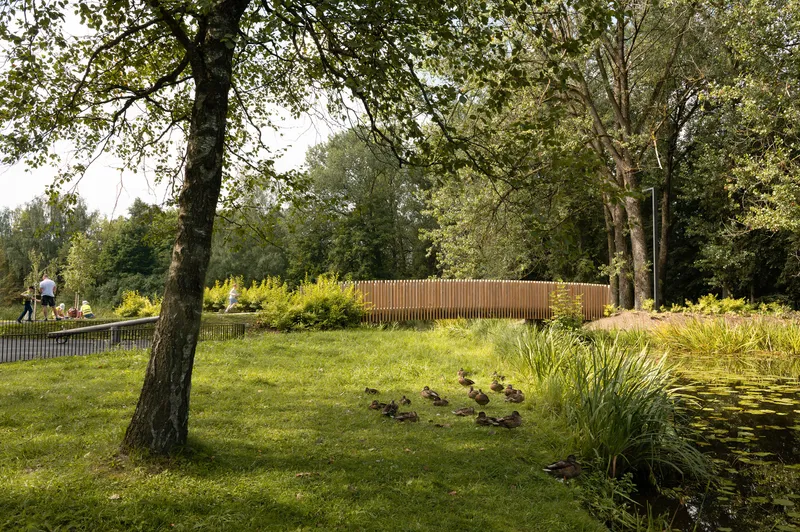
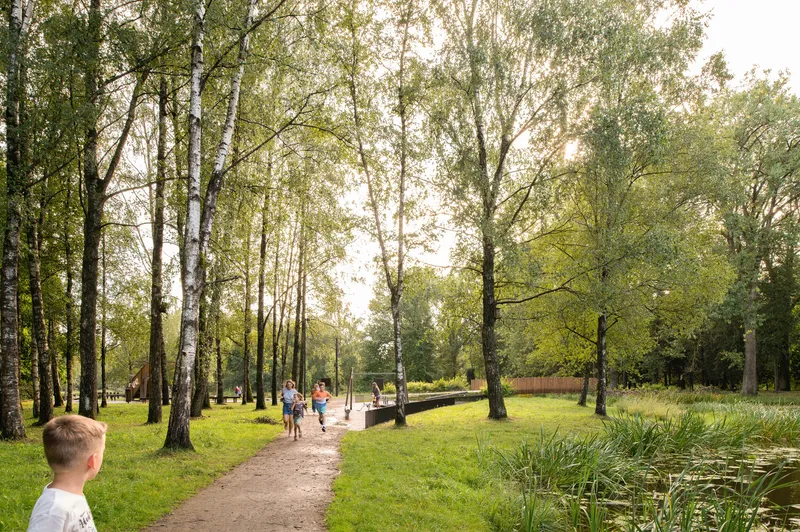
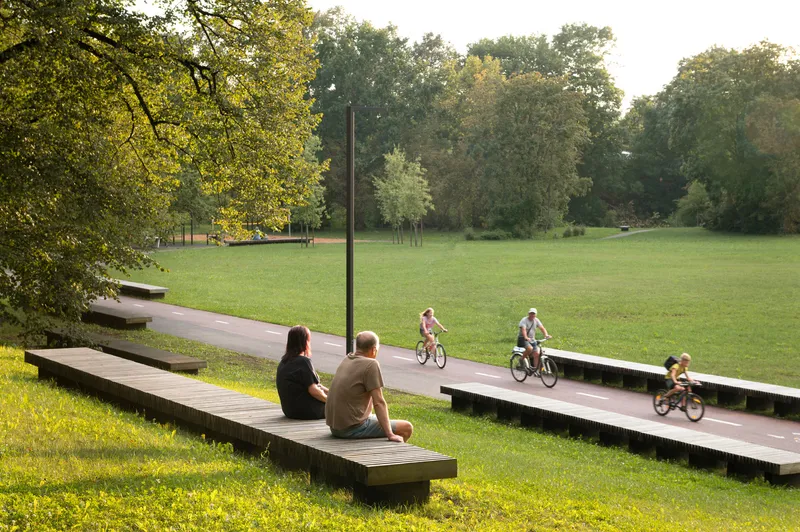
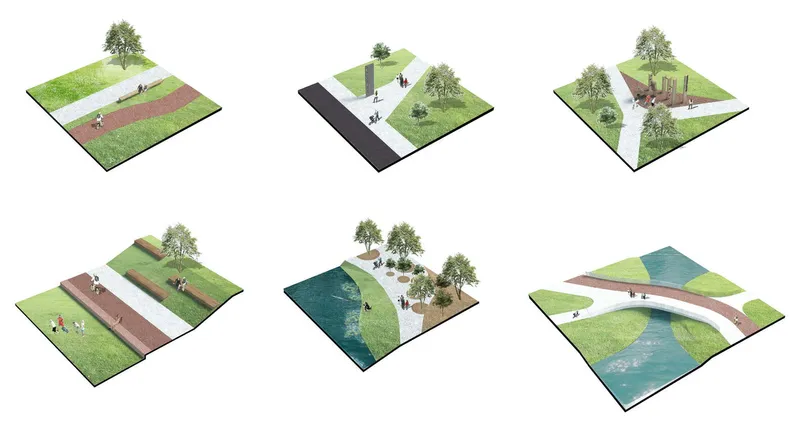
The preservation of the park’s natural topography was a priority. The design integrates wooded areas, small streams, and ponds, reinforcing the connection between urban spaces and nature. New pathways and bridges improve connectivity, allowing visitors to explore previously inaccessible areas of the park.
The Role of the Historic Homestead
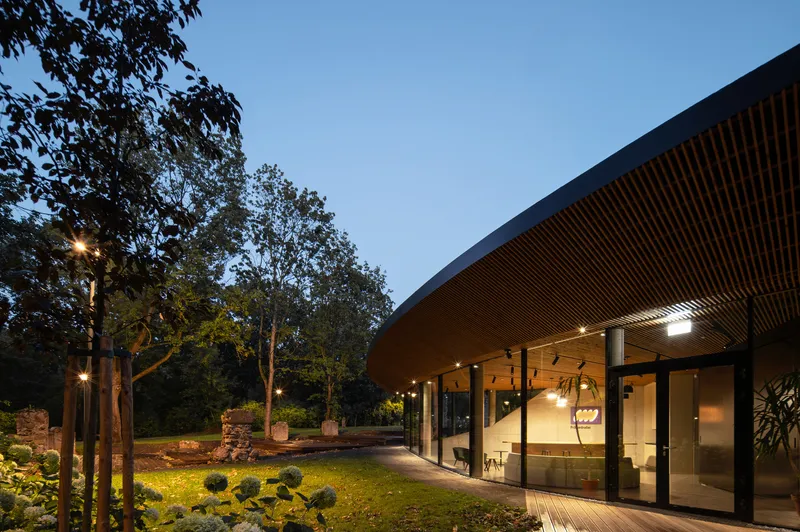
A defining element of the redevelopment was the renovation of the historic homestead, a red-brick heritage structure that now serves as a cultural hub. The homestead was expanded with a modern glass extension, designed to harmonize with the surrounding landscape. This space now houses artist residencies, workshops, and event venues, ensuring that the park remains a center for creativity and cultural expression.

The area surrounding the arts center was also revitalized with wooden terraces, which serve as platforms for concerts, exhibitions, fairs, and community gatherings. One terrace, built on the site of a former manor barn, cleverly incorporates the ruins and original masonry, blending history with modern functionality.
Accessibility and Infrastructure Enhancements
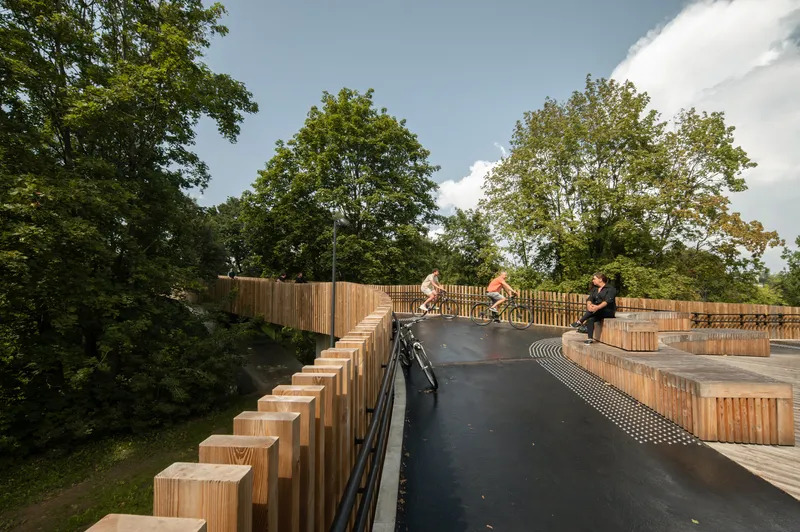
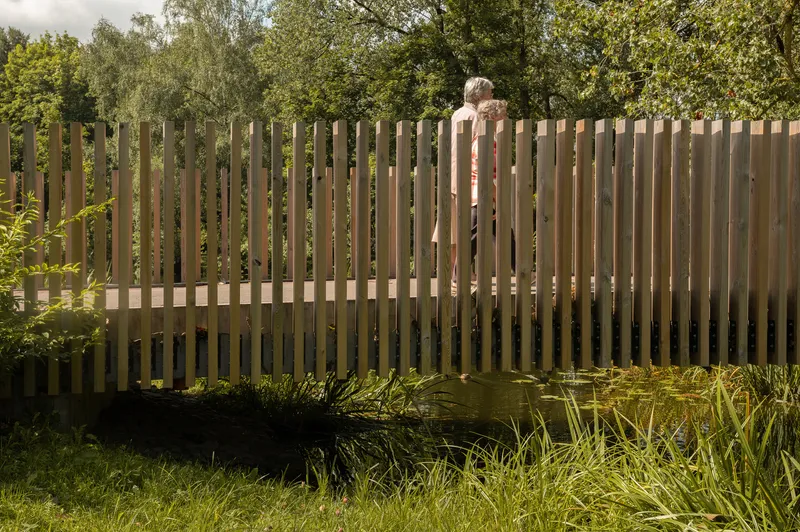
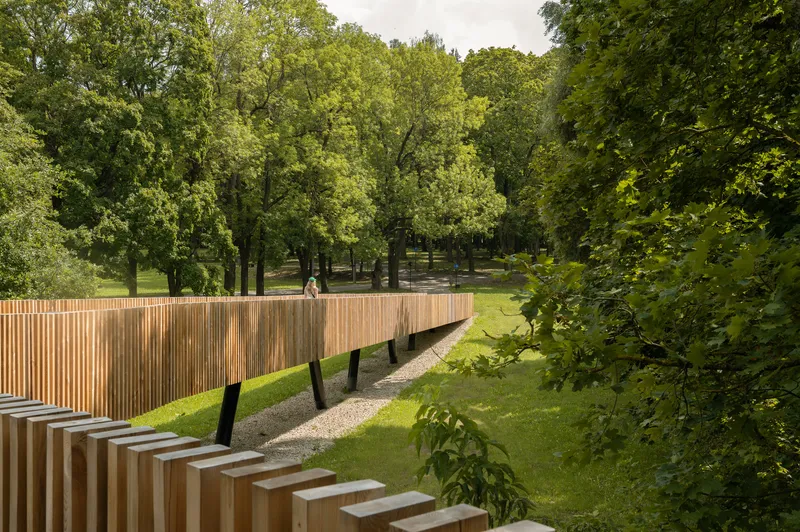
Bridges played a crucial role in redefining the park’s accessibility and visual identity. Previously, the main bridge over the Nevežis River was difficult to access for wheelchair users, strollers, and cyclists. The redevelopment introduced ramps and an observation deck, making the bridge fully inclusive while offering stunning views of the river and ongoing park activities. Smaller bridges were also introduced over the park’s streams, adding charm and enhancing pedestrian flow.
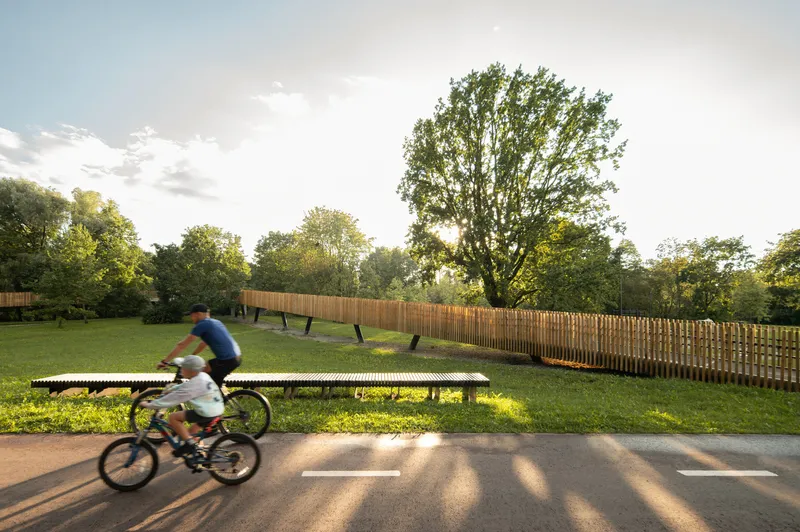
Pathways were redesigned to be wider, safer, and more visually integrated into the landscape. Strategic lighting, seating areas, and signage ensure a welcoming and user-friendly environment, encouraging visitors to engage with the space at any time of day.
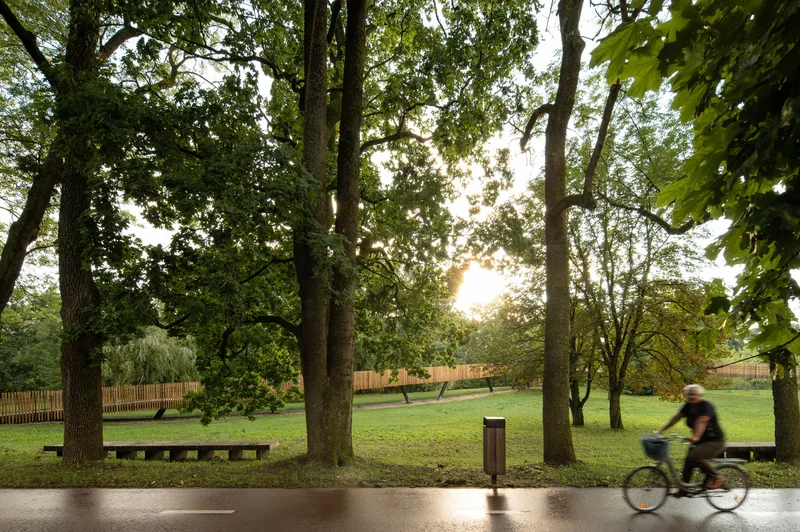
Environmental Sustainability and Biodiversity
A major objective of the urban park redevelopment was to increase biodiversity while maintaining Skaistakalnis Park’s natural identity. The project incorporated:
- Native tree and plant species to enhance local flora and support ecosystems
- Water management systems to improve the health of ponds and streams
- Sustainable materials, including recycled and locally sourced wood and stone
The reintroduction of orchards and gardens, maintained by local residents, fosters community stewardship over the park’s ecological future. These efforts ensure that the park serves not just as a recreational space, but as a model for urban ecological restoration.
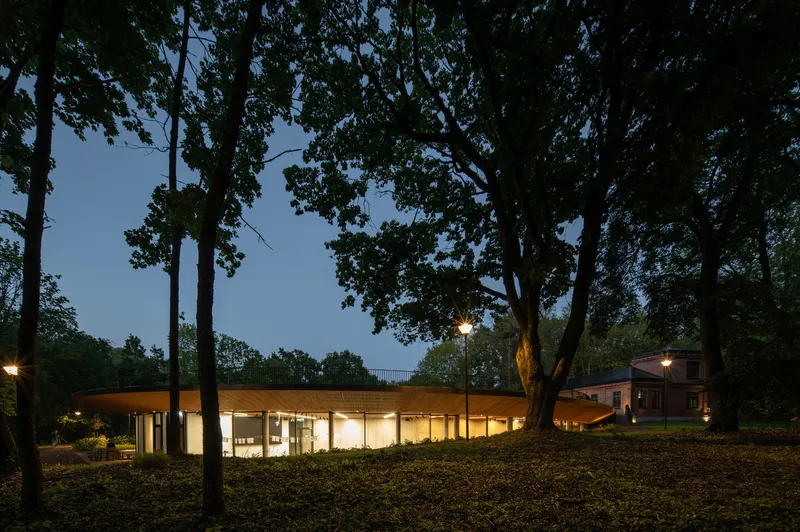
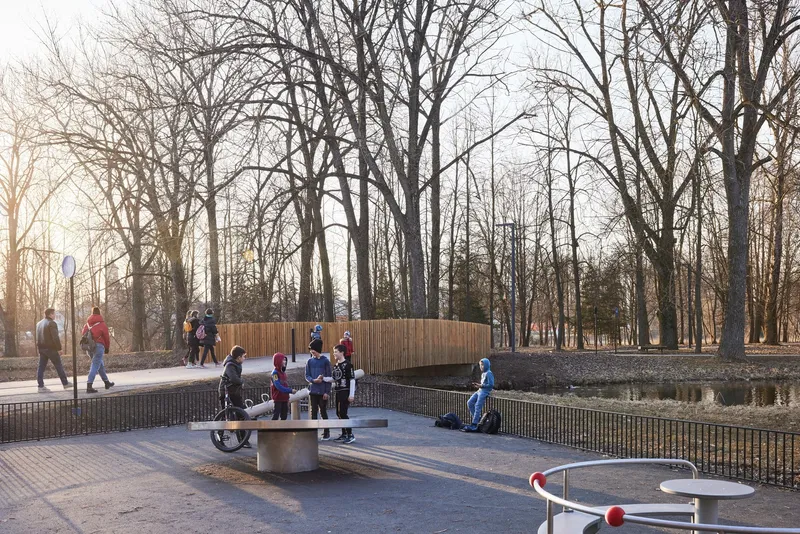
A Community-Centered Public Space
Skaistakalnis Park has evolved into a dynamic public space, where history, nature, and modern urban design coexist. The park now attracts artists, athletes, families, and nature lovers, making it a central destination in Panevėžys. The balance between cultural activities and environmental preservation has transformed the park into a living landscape, continuously adapting to the needs of the community.
In 2024, the arts center within the historic manor was recognized as the Best Recreational Architecture Project in Lithuania, highlighting its role as a benchmark for urban park redevelopment.
Skaistakalnis Park exemplifies how urban park redevelopment can successfully merge heritage preservation, ecological sustainability, and modern accessibility. By integrating nature with cultural vibrancy, the project has revitalized a once-forgotten landscape into a thriving urban oasis.
This transformation serves as an inspiring model for cities worldwide, proving that public spaces can be designed to enhance quality of life while protecting historical and ecological heritage. Skaistakalnis Park is no longer just a park; it is a community landmark, fostering connections between people, culture, and the natural environment.
All Photographs are works of Aistė Rakauskaitė, Norbert Tukaj



Popular Articles
Popular articles from the community


Conexión: Biophilic Design Reimagines High-Rise Living in Hong Kong
Conexión reimagines high-rise living in Hong Kong through biophilic design, green facades, shared spaces, daylight, water and nature within.
EW PARK: Sustainable Architecture Reimagines the Future of Urban Parking
EW PARK reimagines city parking as a modular wooden tower combining automation, solar energy, electric mobility, and adaptable urban design.

The Ocean Hive: Sustainable Architecture for a Self-Sufficient Civilization at Sea
The Ocean Hive imagines sustainable architecture at sea, where modular habitats, algae, wave power and ocean waste sustain a growing colony.

Co-Life: Senior Housing Design That Reconnects Older Adults With the City
Co-Life reimagines senior housing design through healing gardens, shared streets, workshops, and a sustainable community across generations.

Similar Reads
You might also enjoy these articles


Hodi-Mandai Geram
Project Function: Preservation and revitalization of the Intangible heritage and socio-spatial identity of the Hodi by Housing, Cultural Memory Center, Sacred Grove, landscape, local tourism economy


Olio Towers: A Mid-Rise for Performers That Fuses Housing, Rehearsal, and Stage
Located blocks from Houston's Theater District, this modular tower stacks living units around a central performance atrium.

Oasis: Modular Green Housing Carved into Dhaka's Urban Fabric
A shortlisted Plugin Housing entry reclaims unauthorized settlements in Dhaka with stepped concrete volumes, green roofs, and ventilation-driven design.

Black Hole: A Floating Megastructure for the Post-Physical Era
Emiliano Mazzarotto envisions a spherical, self-scaling arena where e-sports, digital hotels, and holographic stadiums replace traditional public space.

Explore City Park Competitions
Discover active competitions in this discipline



Challenge to reimagine the Iron Throne


Photograph architecture without architects


Illustrate the lost glory of Angkor Wat - Render Challenge


Design challenge to reuse E-waste
Comments (0)
Please login or sign up to add comments
No comments yet. Be the first to comment!