

Small Corner Lot House Design: A Vertical Wooden Home by KOMINORU Design
This article explores KOMINORU Design’s compact vertical home on a corner lot, blending fire-resistant wood structure and smart urban design.


Innovative Small Footprint Architecture in Urban Japan
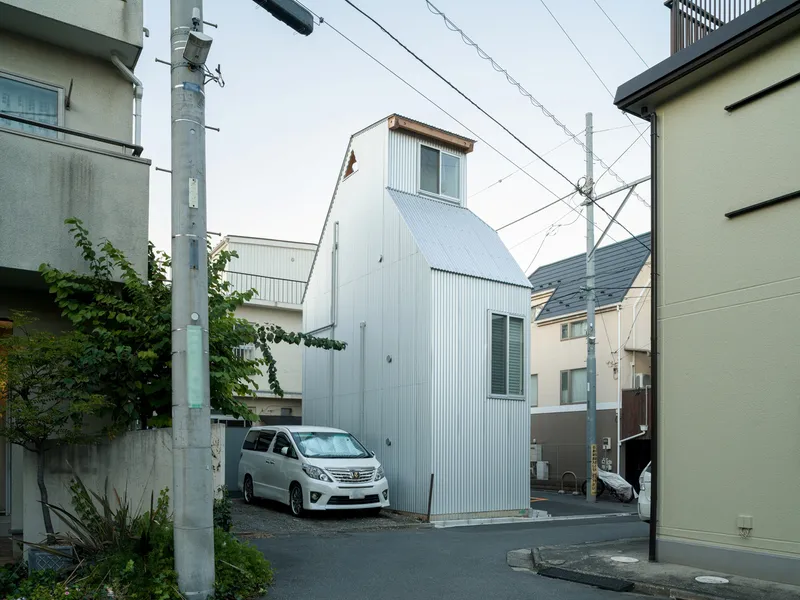
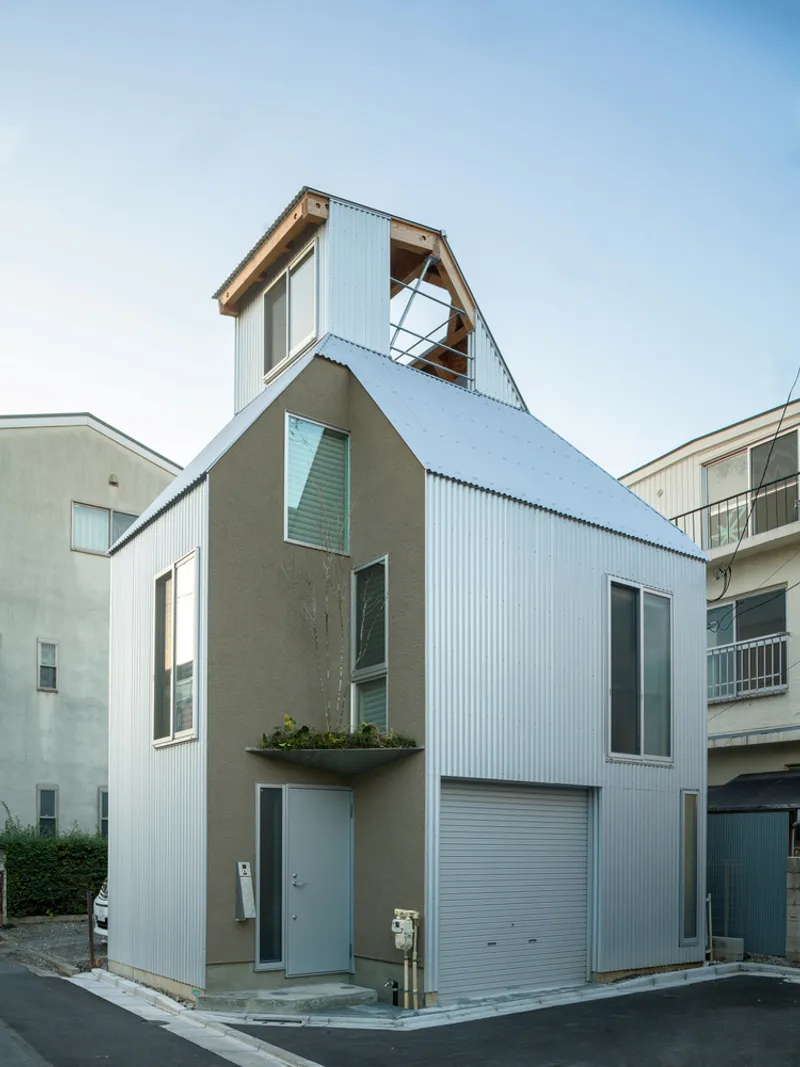
In dense urban environments, efficient use of limited land is not just a challenge but a design opportunity. KOMINORU Design showcases this philosophy in their latest project: a vertical wooden residence built on a corner lot in Japan, measuring just 9 tsubo (approximately 30 square meters). The house exemplifies the power of small corner lot house design, balancing spatial functionality, fire resistance, and elegant simplicity across three compact yet airy floors.
Maximizing Floor Area with Smart Zoning and Fire-Resistant Design
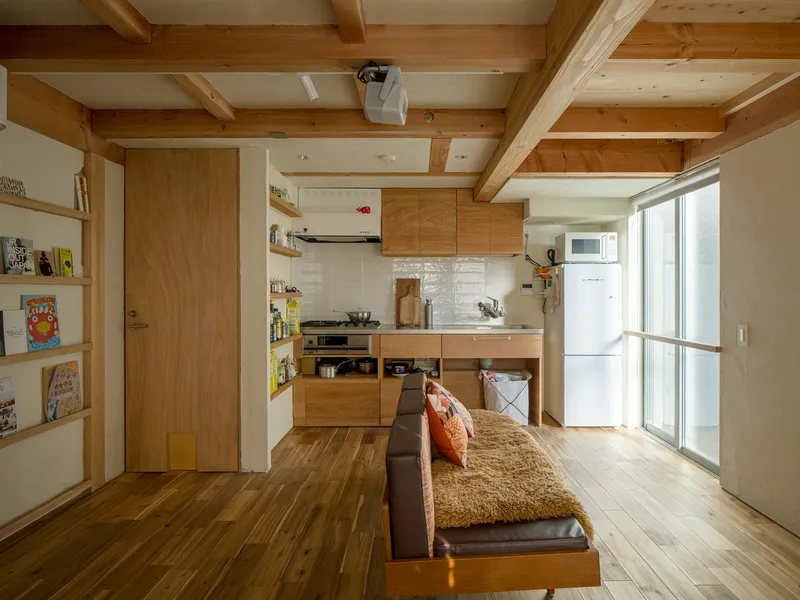
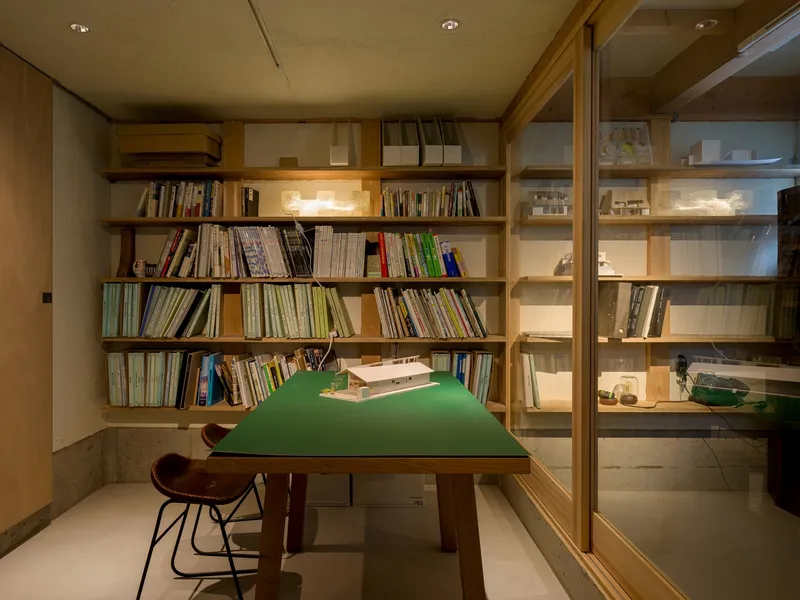
Located on a corner site, the house benefits from local zoning regulations that allow up to 80% building coverage if fire resistance criteria are met. Instead of using conventional semi-fire-resistant construction, the architects leveraged recent revisions to Japan's Building Standards Act, opting for semi-fire-proof construction. By using exposed wooden beams and columns wider than 120 centimeters, the design maintains visual warmth and structural expression while meeting fire safety codes.
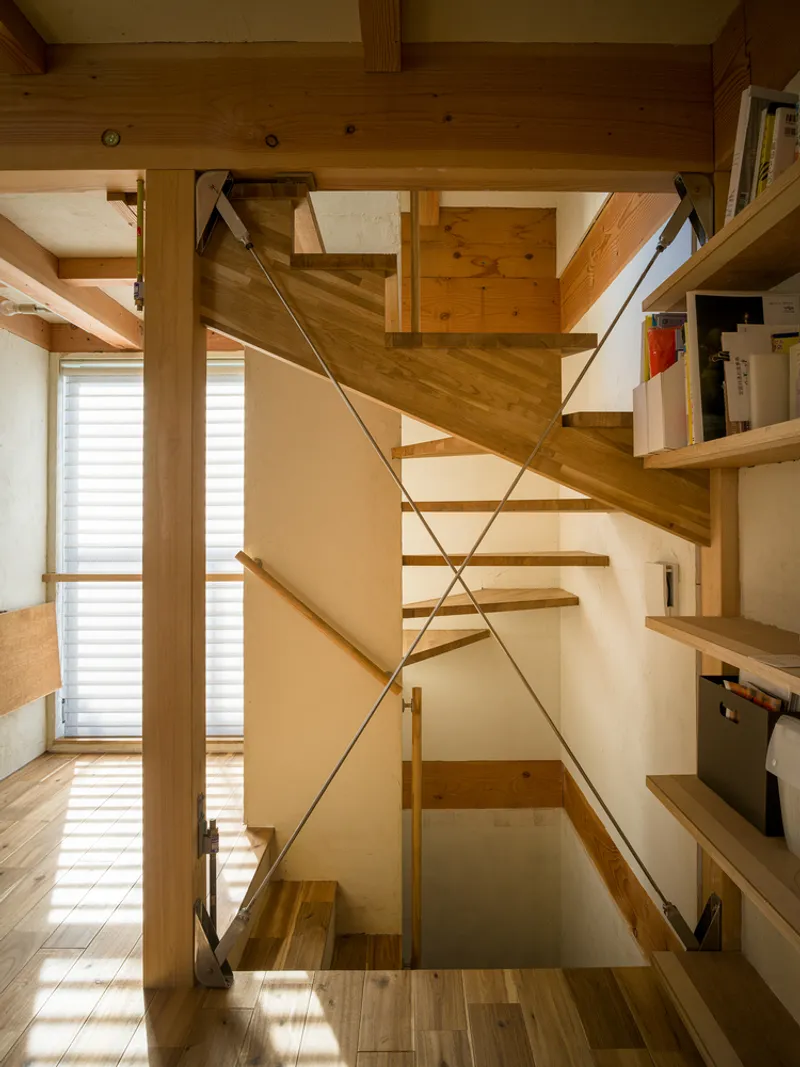
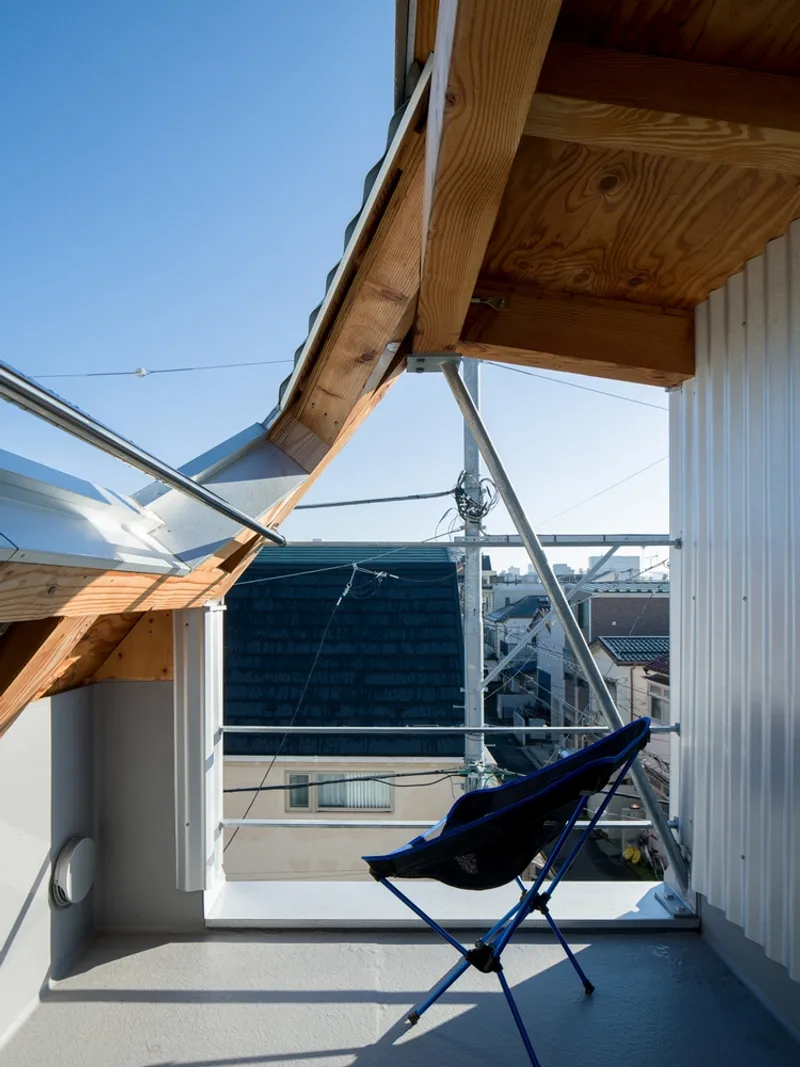
This strategic approach enabled higher ceilings and more flexible internal layouts—an essential solution for the steeply sloped lot. The ceiling sits atop the beams, adding precious vertical room without compromising integrity or lightness.


Sculpting Light, Air, and Views Through Sloped Geometry
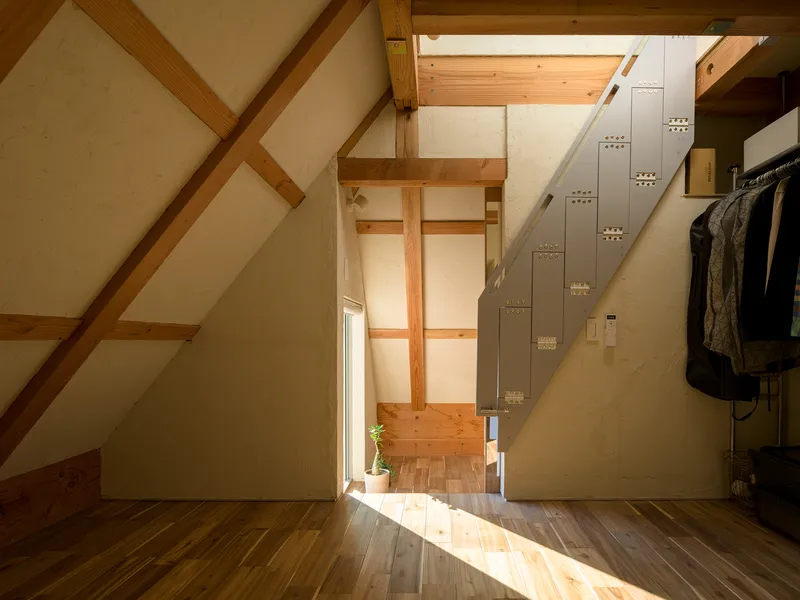
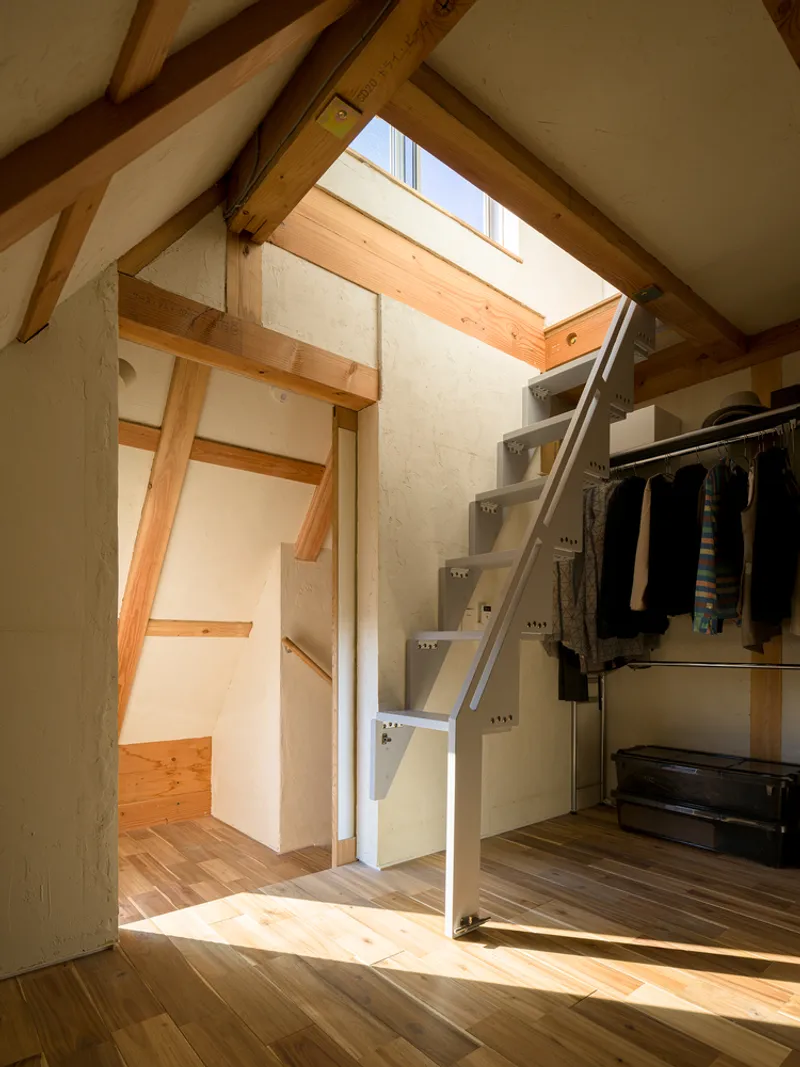
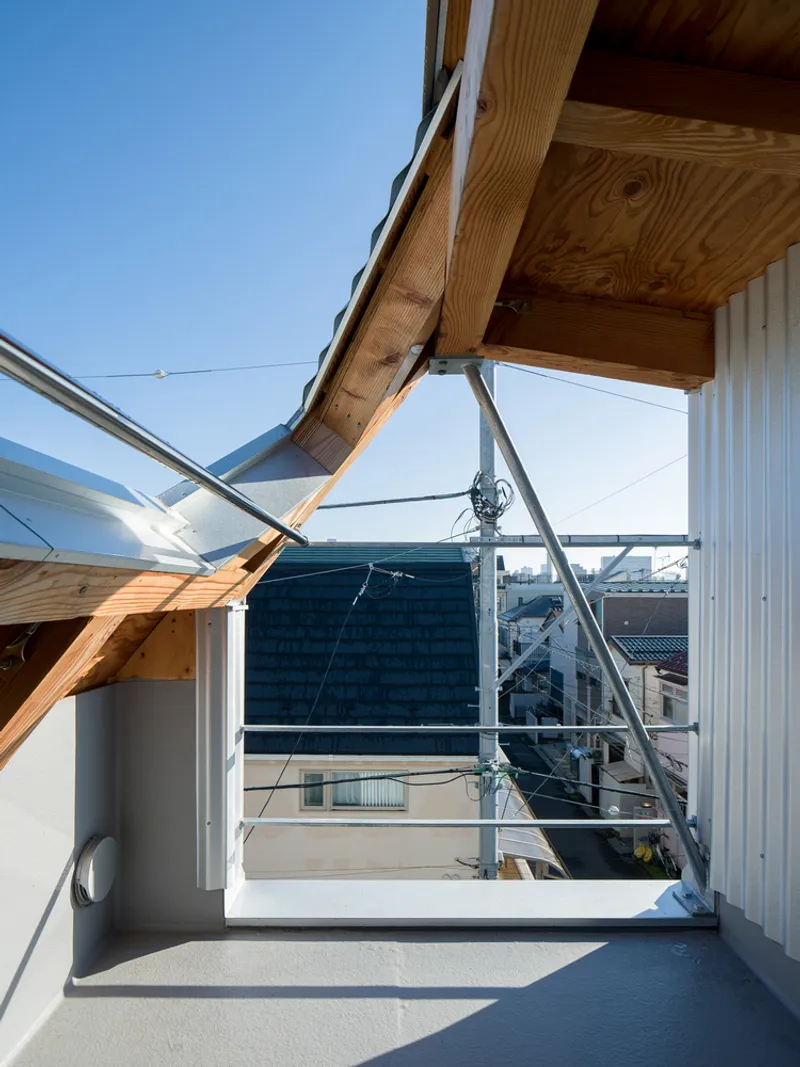
The shape of the house responds directly to site constraints and sky exposure angles. The road-facing south façade permitted a small rooftop terrace, capitalizing on the 1:1 slope of sky access. On the north side, governed by a 1:1.25 gradient, the team creatively incorporated a slanted wall that accommodates the third-floor bathroom and storage areas.
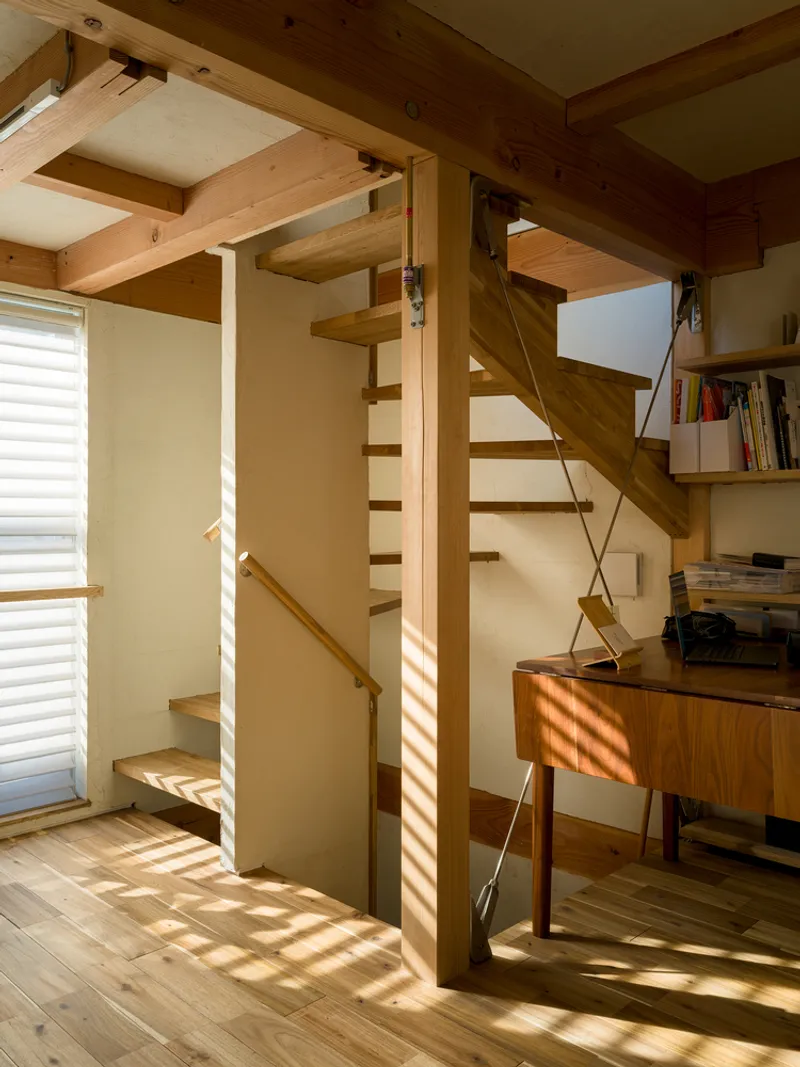
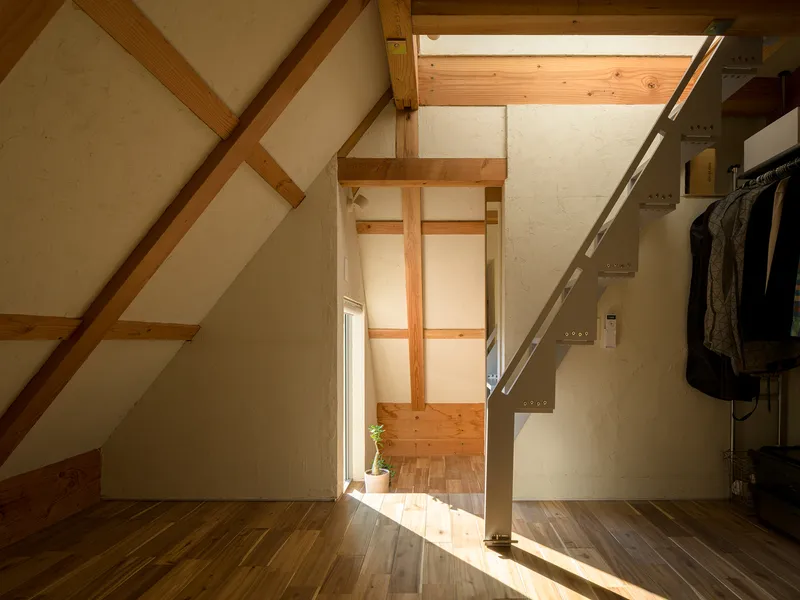
Rather than fighting the angular restrictions, the architects embraced them. The bathroom, infrequently used and storage-heavy, is nestled into the tightest zone. Even the bathtub was custom-fitted into the narrowing space, sliding in beneath the slanted ceiling. This ingenuity allowed every square meter to be purposefully programmed.
Sustainable Living in Vertical Layers
The verticality of the house is not just spatial—it’s also environmental. A rooftop ventilation window uses stack effect airflow, drawing breezes through the house like a natural wind tower. This passive ventilation system reduces the need for mechanical cooling and keeps the compact home fresh year-round.

Greenery was another design challenge addressed with creativity. Limited ground space made a garden impractical, so KOMINORU Design elevated it. A planted strip above the eaves and a second-floor garden bring nature into view from within, offering a calming presence amid the urban fabric.

A Model for Urban Living on Tight Plots
This project is a compelling example of how small corner lot house design can lead to architectural innovation. By responding with precision to zoning laws, environmental performance, and spatial constraints, KOMINORU Design has created a livable, beautiful, and inspiring residence. It proves that even on a 30 square meter footprint, it’s possible to build upward—without sacrificing daylight, functionality, or warmth.
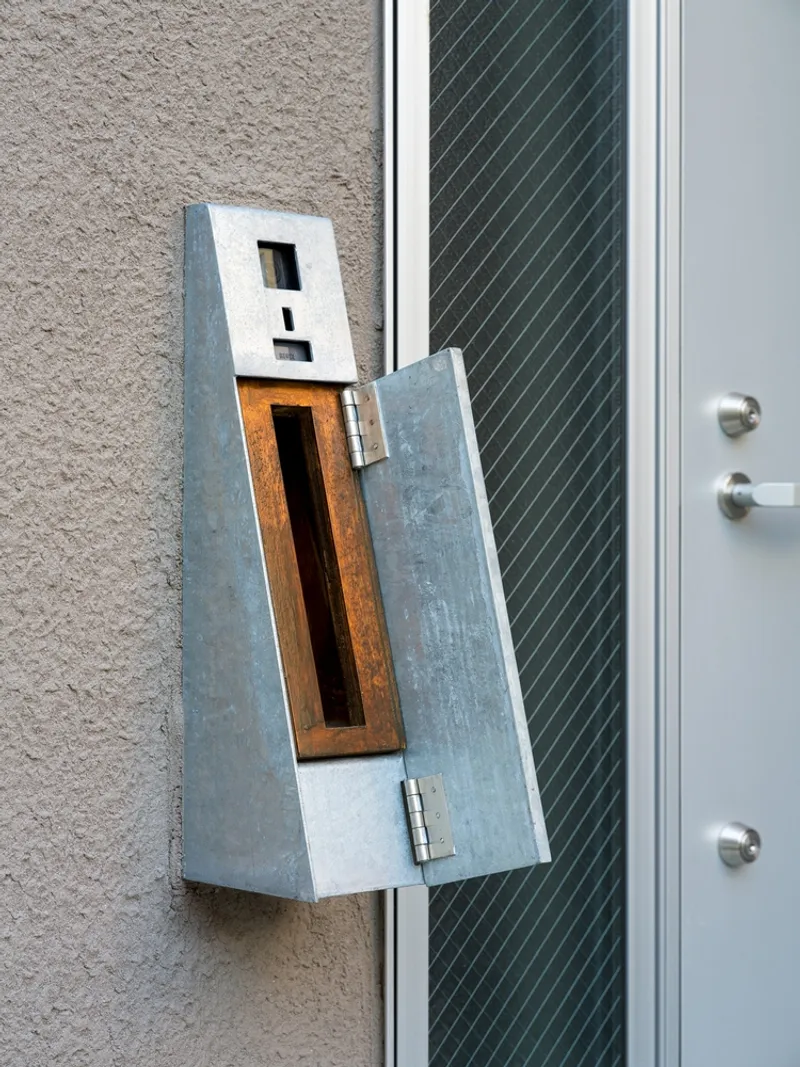
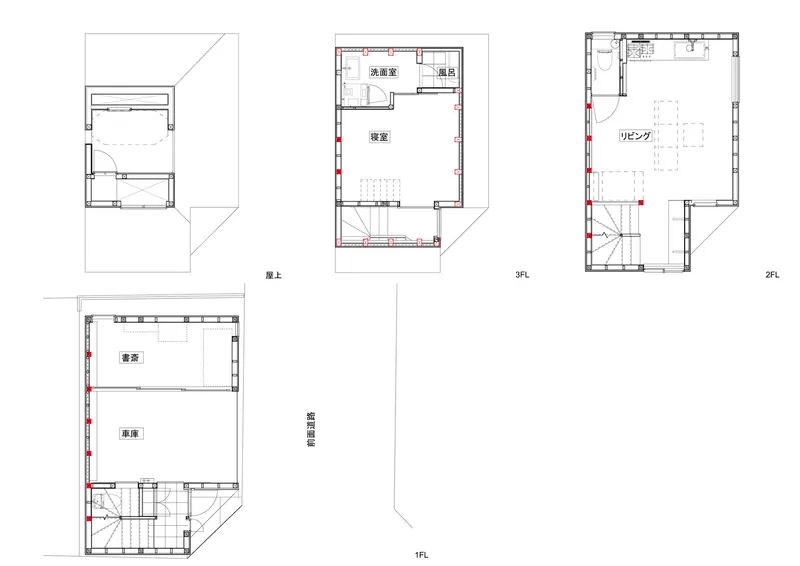

All photographs are works of Katsumasa Tanaka




Popular Articles
Popular articles from the community


The Ocean Hive: Sustainable Architecture for a Self-Sufficient Civilization at Sea
The Ocean Hive imagines sustainable architecture at sea, where modular habitats, algae, wave power and ocean waste sustain a growing colony.

Play: Fragments of Their World
Familiar architecture becomes modular playground design, creating safe spaces where displaced children can learn, connect, imagine and play.

Hill & Cross Opera: Sculptural Opera House Architecture Shaped by Tallinn’s Landscape and Identity
Hill & Cross Opera reimagines opera house architecture in Tallinn through its sculptural hill, civic plaza, glass wave and a luminous cross.

Co-life: Sustainable Architecture for Age-Friendly Community Living
Co-life reimagines sustainable architecture for seniors through courtyards, rammed earth, shared gardens, and spaces designed for belonging.


Similar Reads
You might also enjoy these articles

FAMM Arquitectura Organizes Ten Villas Around Courtyards and Jungle in Nosara, Costa Rica
El Molino pairs two elongated volumes with deep overhangs and timber louvers to build a compact coastal community five minutes from the beach.
Oscar Niemeyer's Ibirapuera Park Pavilions Define São Paulo's Cultural Identity in Concrete and Curve
A constellation of modernist volumes set within São Paulo's most important urban park, conceived for the city's 400th anniversary in 1954.

How Henri Picq's 1889 Paris Pavilion Traveled 11,000 Kilometers to Become Santiago's Artequín Museum
A prefabricated iron and glass pavilion built for the Paris Universal Exposition found a second life as a children's art museum in Chile.
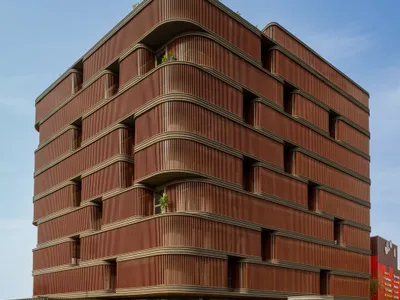
Sanjay Puri Architects Wraps a Jaipur Office Tower in Capsule-Shaped Green Buffers
A nine-level climate-responsive workplace near Jaipur Airport uses stacked planter terraces and aluminium screens to fight 40°C heat.


Explore Small Space Competitions
Discover active competitions in this discipline



Challenge to reimagine the Iron Throne


Photograph architecture without architects


Illustrate the lost glory of Angkor Wat - Render Challenge


Design challenge to reuse E-waste
Comments (0)
Please login or sign up to add comments
No comments yet. Be the first to comment!