

STARAY Store by Fununit Design&More: A Breathable Retail Space Bridging Technology and Nature
STARAY Store by Fununit Design&More merges 3D printing, air, and light into a breathable retail space blending technology and nature.


Reimagining Retail Design Through 3D Printing Innovation
The STARAY Store, designed by Fununit Design&More, redefines the relationship between technology, architecture, and everyday life. Located in Hangzhou’s OōEli district, this 120-square-meter retail space embodies the spirit of STARAY—a brand that transforms 3D printing into an integral part of daily experience. The design concept explores how technology can be seamlessly integrated into spatial form, creating an immersive environment that feels alive, breathable, and constantly evolving.


Penetrating Boundaries: Constructing “Air” as Architecture
Inspired by the theme of “freedom and breath,” the architects set out to create a rapidly constructed spatial system that could interact fluidly with Renzo Piano’s architectural framework at OōEli. Beneath the building’s eaves, a lightweight spatial curtain wall emerges—composed of detachable uprights that are both anchored and suspended.

This design blurs the distinction between interior and exterior, visually and physically connecting the retail space to its architectural surroundings. The result is a porous boundary that encourages movement, transparency, and interaction between visitors and the space itself.

A Dialogue with Light, Mist, and Shadow
The installation extends through the existing structure—half inside, half outside—acting as both architecture and furniture. Inside, it transforms into a series of seats for customers to try on footwear. Outside, it interacts dynamically with sunlight, mist, and greenery, creating a “breathing space” where passersby can pause and enjoy the atmosphere.
This dual function highlights how architectural design can become an organic extension of brand experience, merging nature, comfort, and community engagement in a single gesture.


Vision as Wind, Structure as Air
Fununit Design&More conceptualized the store as a spatial experiment of matter, air, and comfort. Using sustainable materials and 3D-printed lattice structures, the design mimics molecular forms, extending into space like a woven fabric of air. The architecture itself becomes a tangible diagram of invisible forces, revealing how technology can express softness, flexibility, and ecological balance.


Inside the Molecular Field
Within this “architectural molecular structure,” elements such as foam rods and climbing ropes merge to form a tactile environment. Visitors are invited to feel as though they are stepping inside a pair of breathing shoes—a metaphor for movement, adaptability, and the fusion of the human body with design technology.
The spatial field feels irregular yet harmonious, expressing an ecological coexistence between human interaction, material form, and structural rhythm. It’s not just a retail store—it’s an architectural ecosystem that visualizes how design innovation can breathe life into commercial environments.


Redefining the Future of Retail Architecture
The STARAY Store by Fununit Design&More represents a new generation of retail architecture—one where 3D printing, spatial experimentation, and sustainable design converge to create experiences rather than mere spaces. By transforming air, light, and material into design tools, the architects have crafted a poetic narrative of motion, technology, and sensory immersion that pushes the boundaries of how we perceive architecture in the digital age.


All photographs are works of AOGVISION


Popular Articles
Popular articles from the community

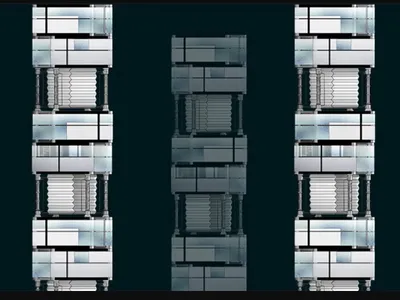
Tsunami Convergenics: Turning Catastrophic Ocean Forces into Underwater Housing Infrastructure
A speculative underwater settlement off the coast of Onagawa, Japan, treats tsunamis and typhoons as energy sources rather than threats.
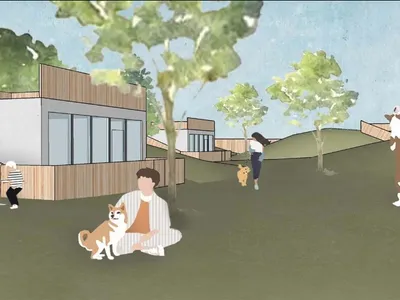
Temporary Home for Dogs: A Reversed Zoo Rethinks Animal Shelter Architecture
In Bucharest, a sinuous corridor and freed landscape flip the logic of containment, designing a shelter that works to make itself unnecessary.
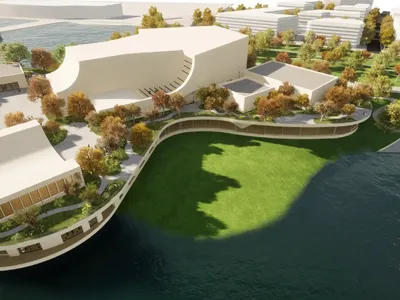
The Amber Palace Opera: A Geological Fiction Surfaces on Tallinn's Baltic Waterfront
Pierre Brillard reimagines a Baltic legend as a public landscape, opera house, and waterfront promenade rooted in Tallinn's coastal identity.
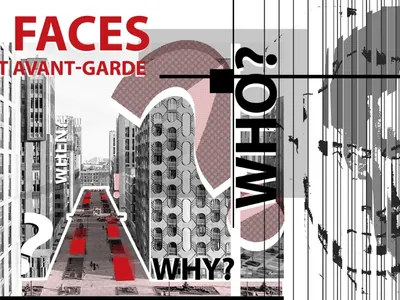
Faces of the Soviet Avant-Garde: Turning Moscow's Street Names into an Open-Air Museum
A network of sculptural installations across a Moscow residential district transforms forgotten architect names into spatial encounters with cultural memor

Similar Reads
You might also enjoy these articles


Hodi-Mandai Geram
Project Function: Preservation and revitalization of the Intangible heritage and socio-spatial identity of the Hodi by Housing, Cultural Memory Center, Sacred Grove, landscape, local tourism economy


Olio Towers: A Mid-Rise for Performers That Fuses Housing, Rehearsal, and Stage
Located blocks from Houston's Theater District, this modular tower stacks living units around a central performance atrium.

Oasis: Modular Green Housing Carved into Dhaka's Urban Fabric
A shortlisted Plugin Housing entry reclaims unauthorized settlements in Dhaka with stepped concrete volumes, green roofs, and ventilation-driven design.

Black Hole: A Floating Megastructure for the Post-Physical Era
Emiliano Mazzarotto envisions a spherical, self-scaling arena where e-sports, digital hotels, and holographic stadiums replace traditional public space.

Explore Sustainable Design Competitions
Discover active competitions in this discipline

Challenge to reimagine the Iron Throne

Photograph architecture without architects

Illustrate the lost glory of Angkor Wat - Render Challenge

Design challenge to reuse E-waste
Comments (0)
Please login or sign up to add comments
No comments yet. Be the first to comment!