

Stasys Museum by IMPLMNT Architects in Panevėžys, Lithuania
The article explores the innovative museum architecture design of the Stasys Museum in Panevėžys, Lithuania, by IMPLMNT Architects.


Introduction to Museum Architecture Design
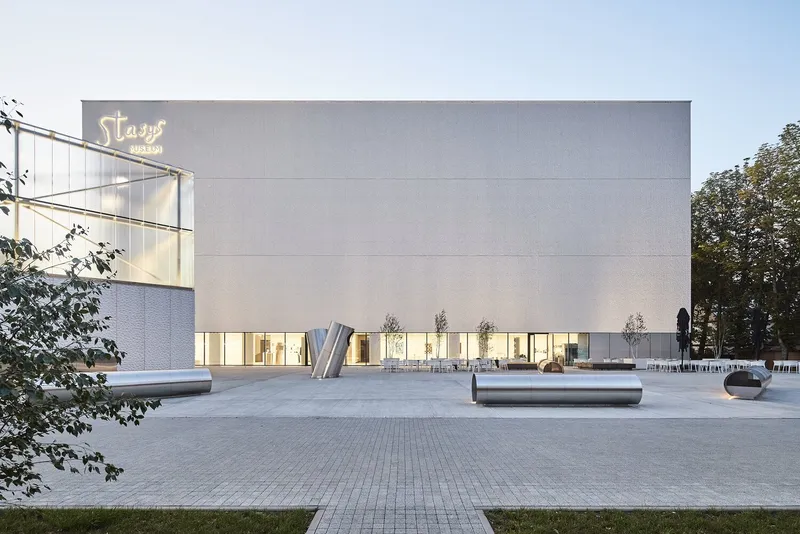
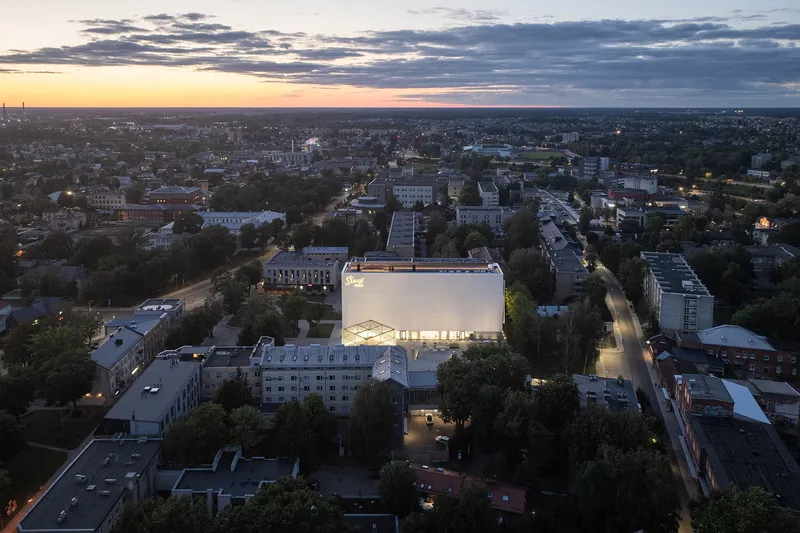
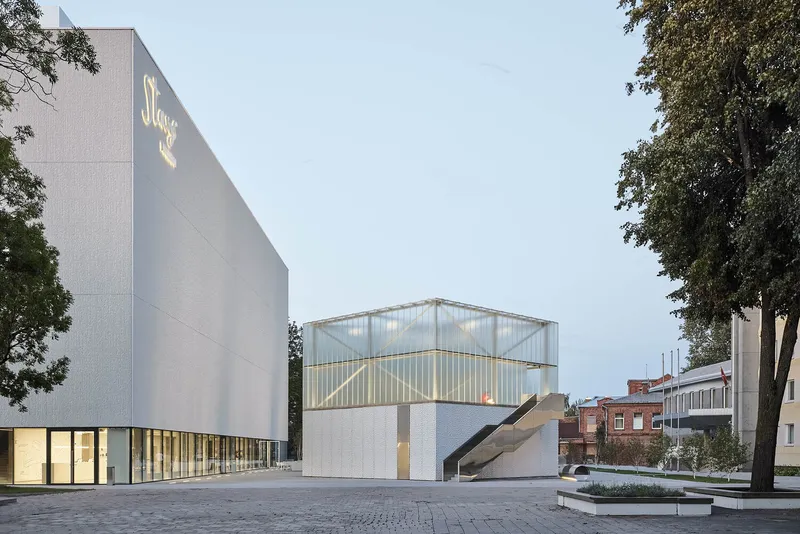
Museum architecture plays a critical role in shaping the public's experience of art, culture, and history. The Stasys Museum, designed by IMPLMNT Architects, is a stunning example of how architecture can influence not only the functional aspects of a building but also its emotional connection with the visitors. Located in Panevėžys, Lithuania, the museum spans 4,130 m² and stands as a landmark in cultural architecture.
Inspiration Behind Stasys Museum Design
The design of the Stasys Museum was influenced by the renowned Lithuanian artist Stasys Eidrigevičius, whose works are deeply embedded in the concepts of simplicity, logic, and fantasy. These elements guided the architects at IMPLMNT to craft a structure that embodies the artist's creative philosophy while addressing the cultural needs of the local community.

The Role of Simplicity, Logic, and Fantasy in Museum Design
Simplicity in Architectural Form
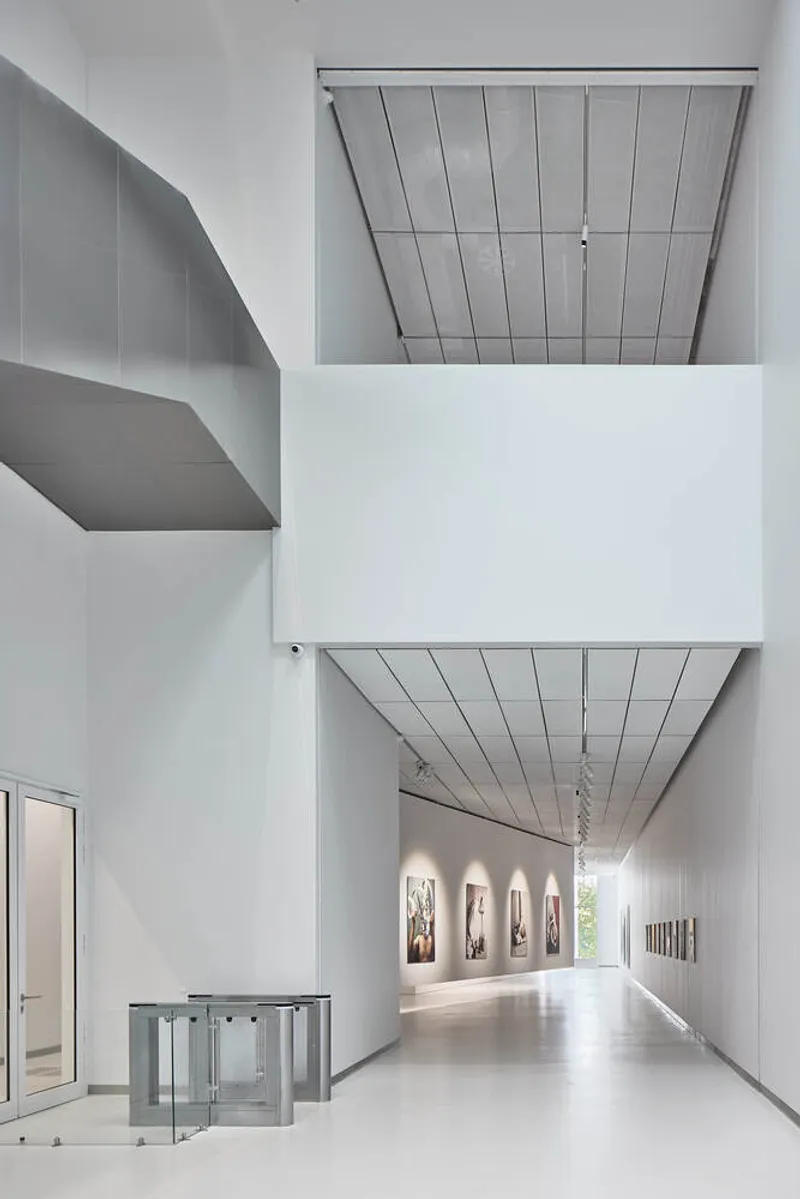
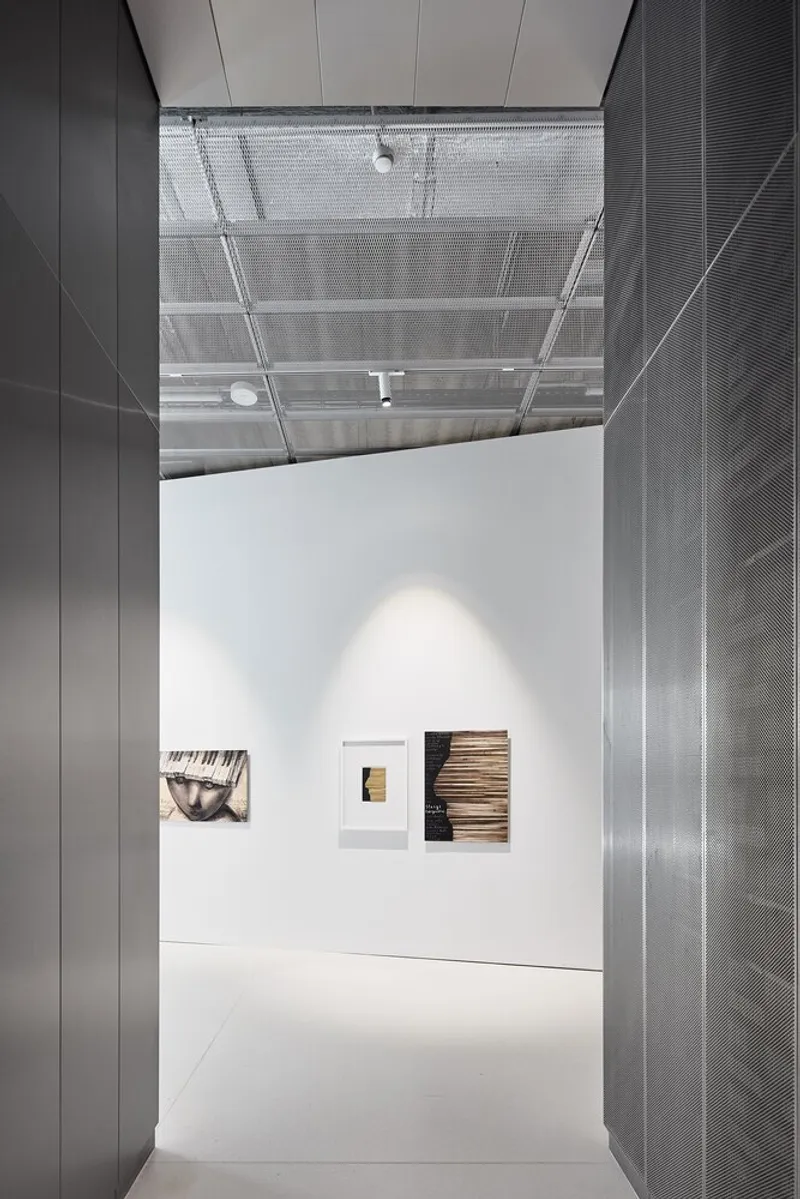
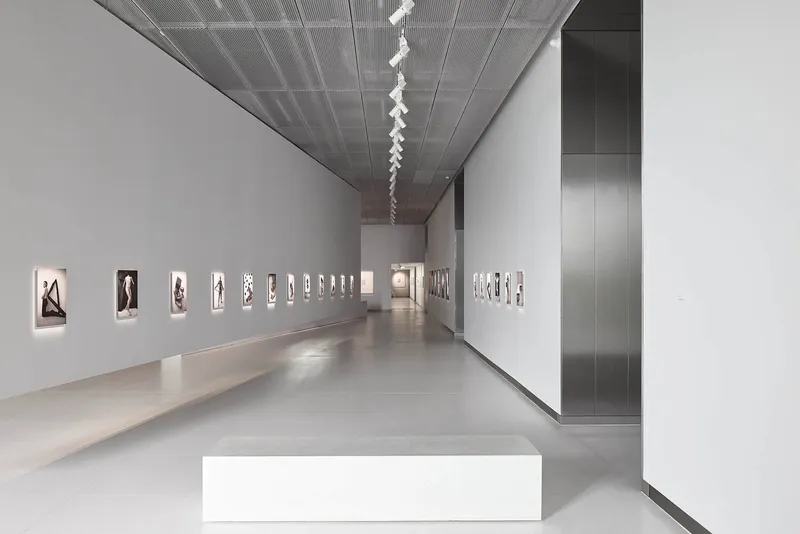
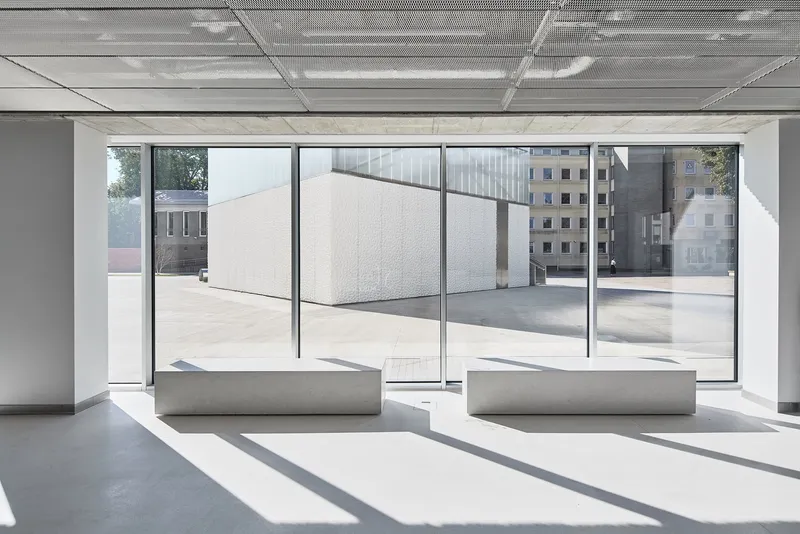
Simplicity in museum architecture allows for a clear, unencumbered space where visitors can focus entirely on the art. For Stasys Museum, simplicity is seen in its clean lines and minimalist design, creating an aesthetic appeal that doesn't overwhelm the senses but rather complements the artworks on display.

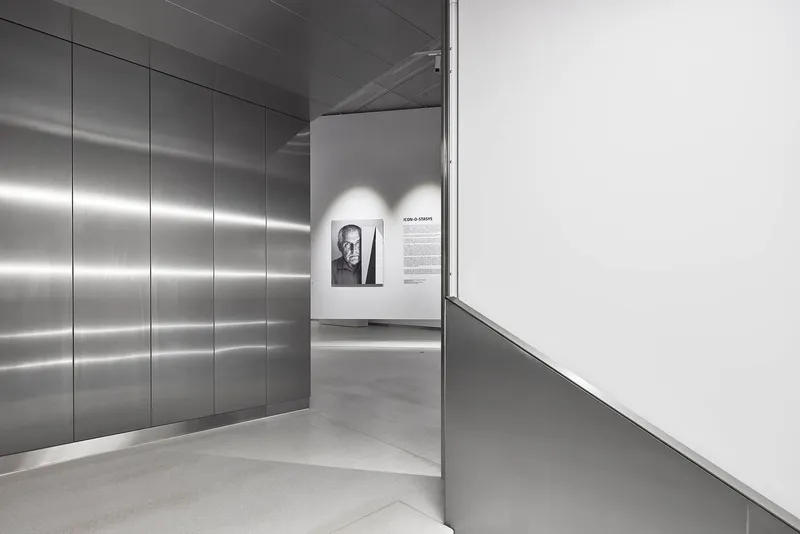
Logic and Functionality in Museum Layout
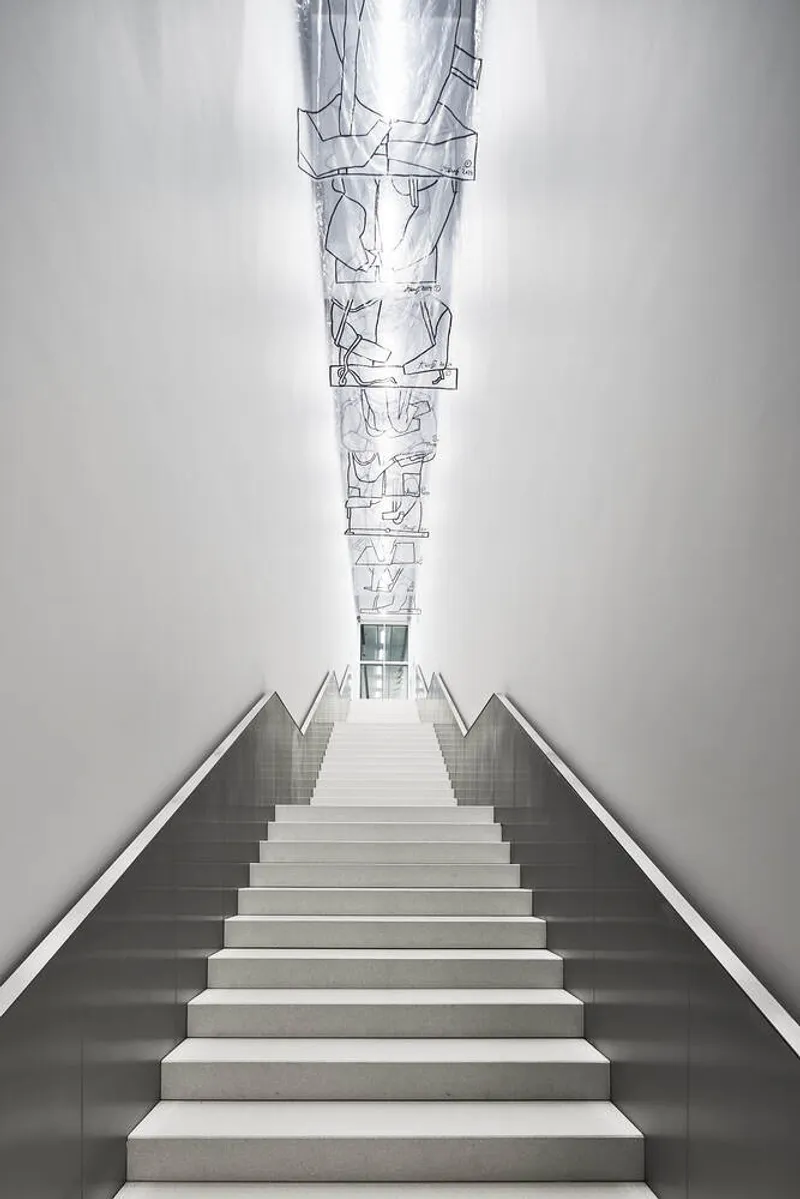
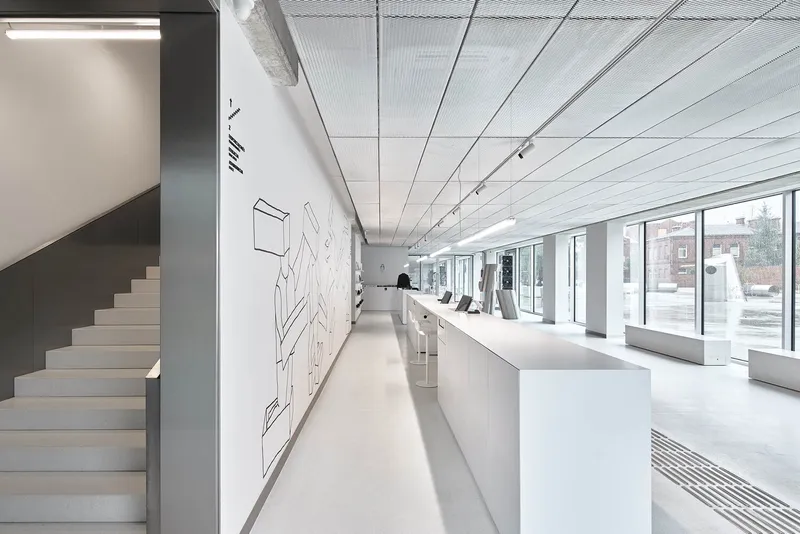
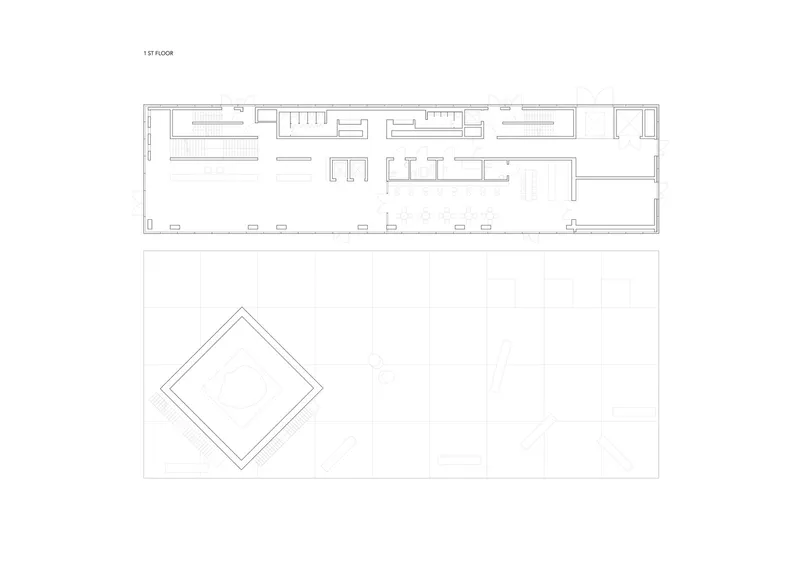
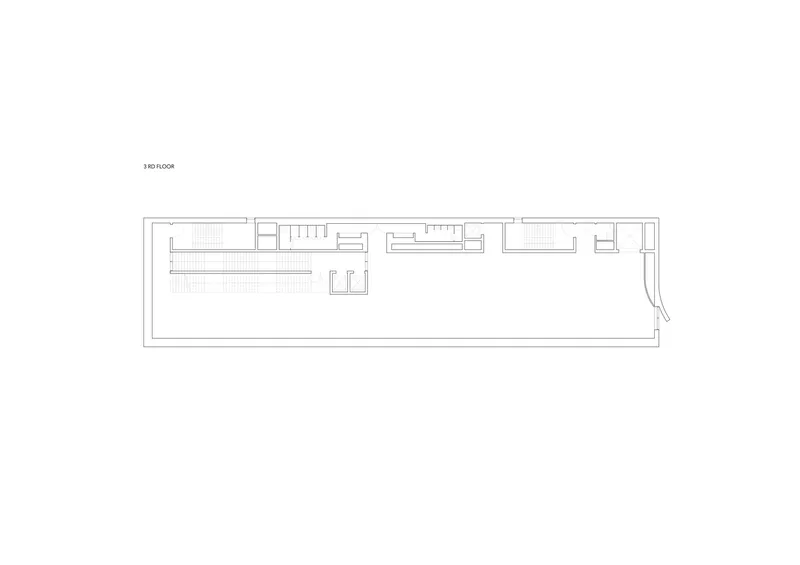
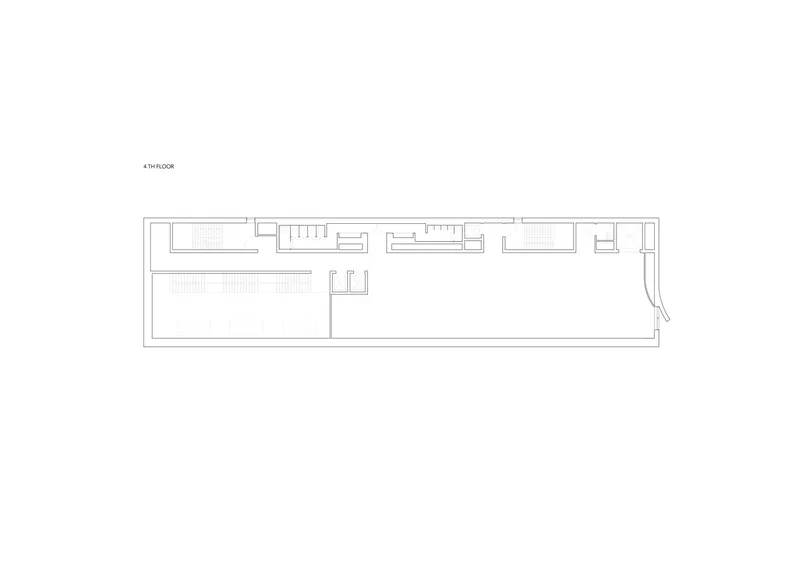
Logic in museum architecture design is essential for ensuring a smooth flow of movement through the building. IMPLMNT architects incorporated logic by arranging the exhibition halls across two floors, allowing for an efficient visitor journey. The use of interconnected spaces helps maintain a natural flow between areas such as education zones, galleries, and administrative offices.

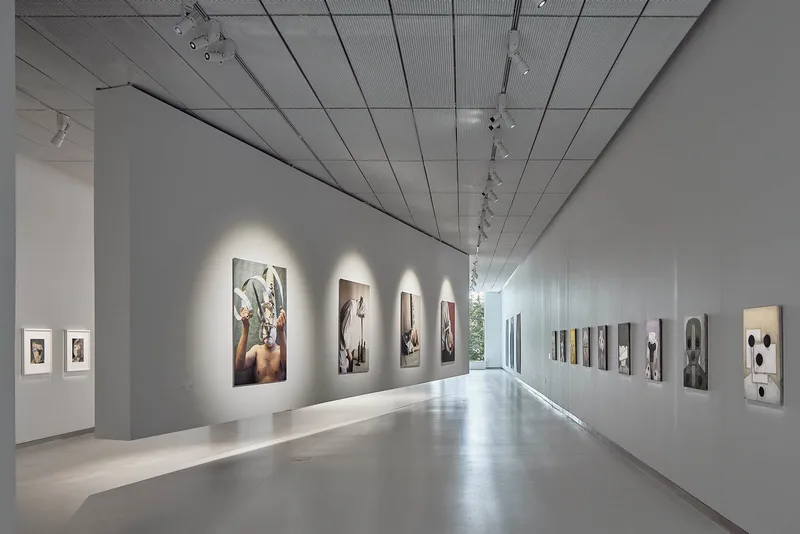


Fantasy: Adding Artistic Metaphors
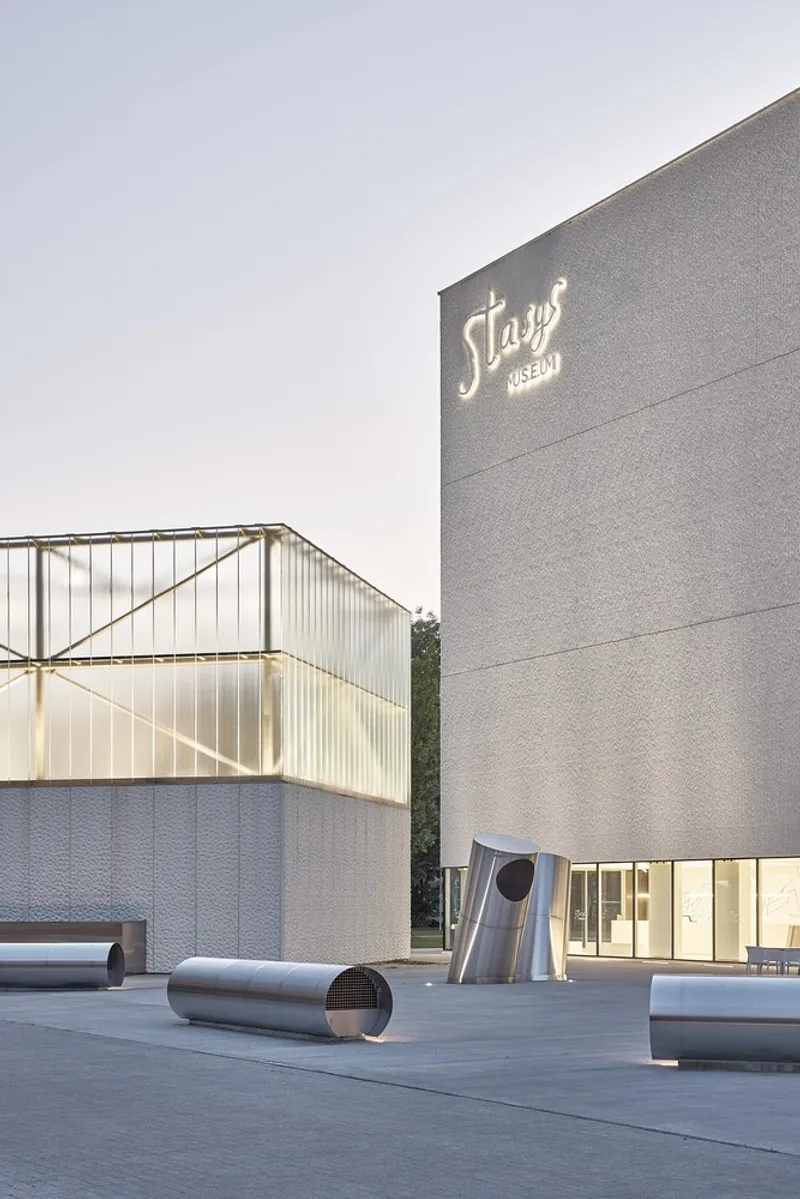
Fantasy in architecture often involves creating spaces that evoke imagination and surprise. The Stasys Museum integrates metaphors inspired by the artist's work, making the architectural space itself an extension of the art it houses. This playful use of shapes and forms invites visitors to explore and interpret the building’s meaning in a dynamic way.
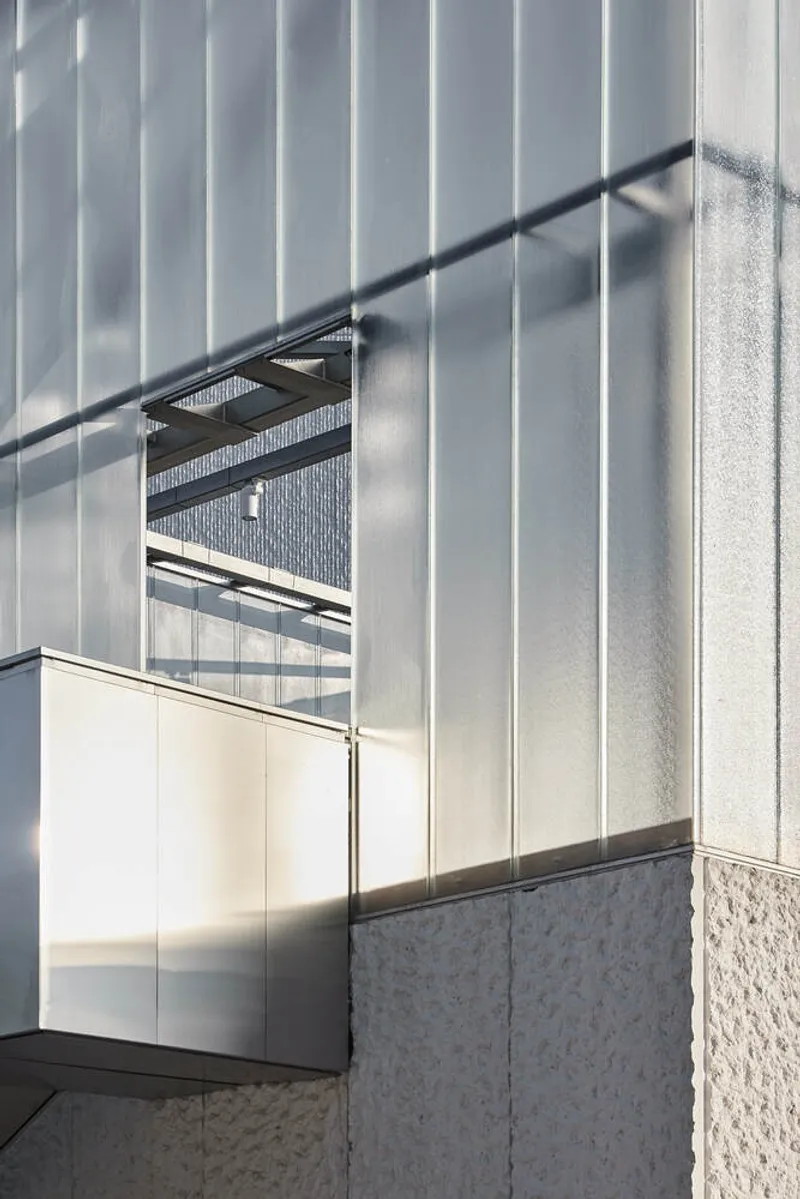

Architectural Features and Materials
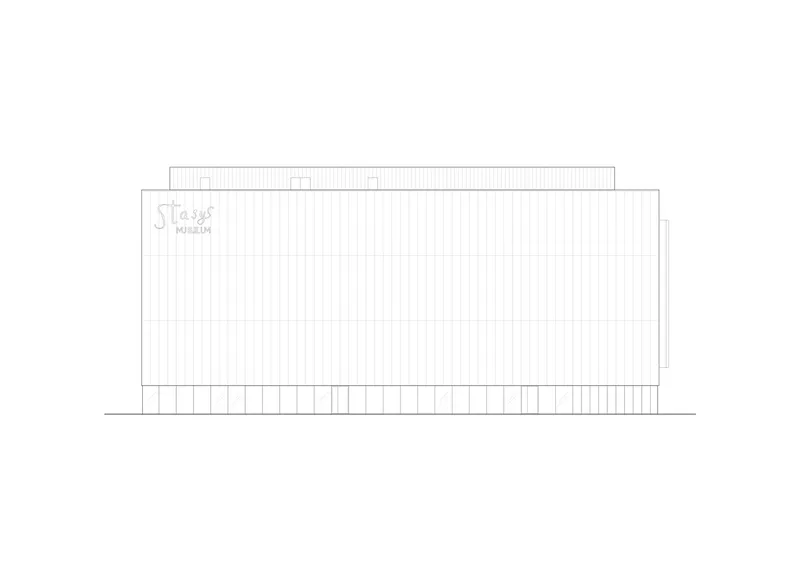
The building’s exterior combines two types of textured concrete — dotted and linear patterns — along with a glazed facade system. This choice of materials ensures both aesthetic beauty and functionality, providing an elegant yet resilient facade that withstands Lithuania's harsh weather conditions.

Public Spaces and Cultural Engagement
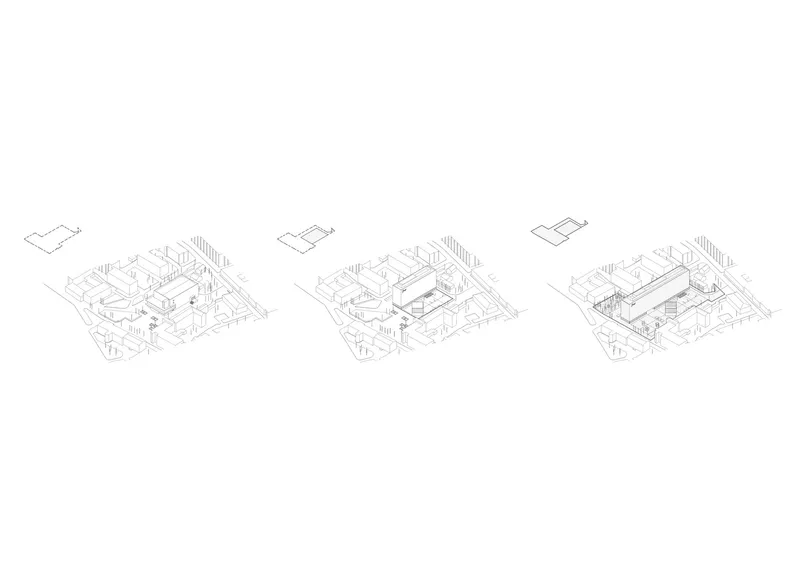
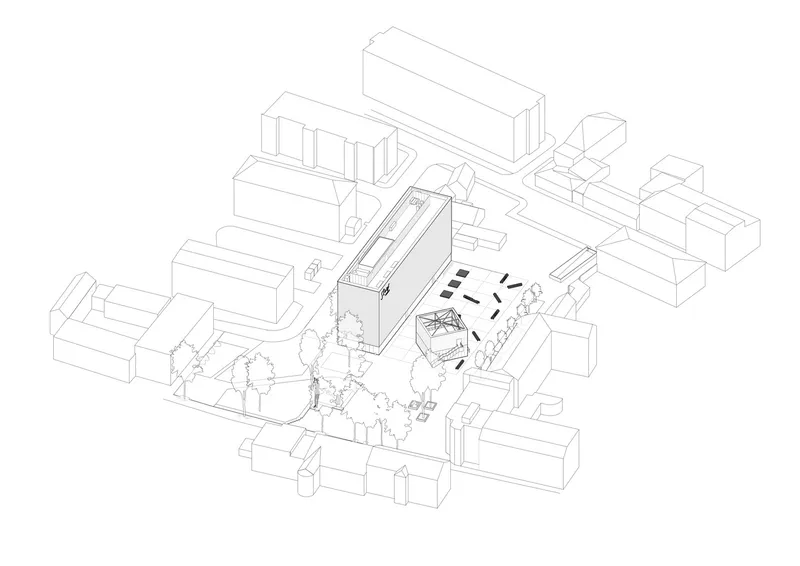
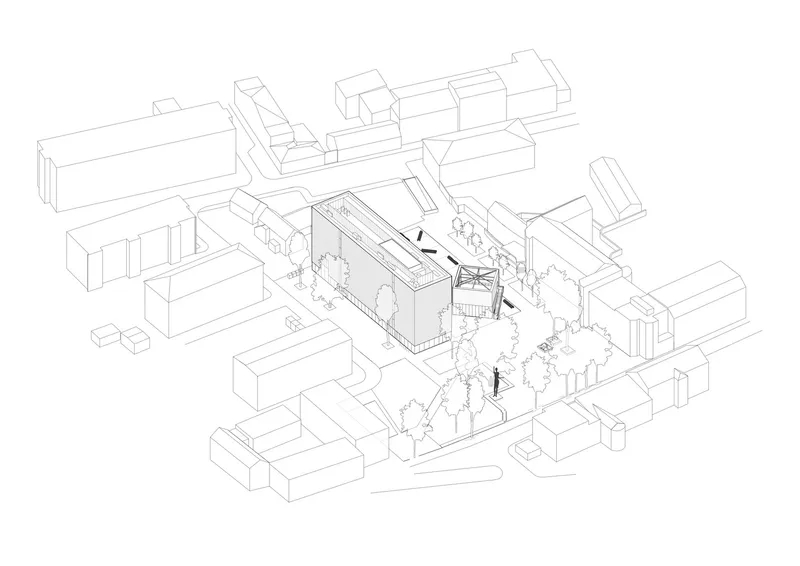
A central theme in the Stasys Museum design is its integration into the broader urban fabric. The museum's southern plaza serves as a hub for public activities, featuring spaces for outdoor cinema, concerts, and street performances. This design not only enhances the community’s cultural life but also invites visitors to engage with the museum in a way that goes beyond conventional museum experiences.

Connecting with the Community: A Bridge Between Cultures
The museum is positioned to bridge the gap between the historical and contemporary aspects of Panevėžys. Its location between key urban centers and Oxbow Lake makes it a prominent landmark that contributes significantly to local city development. The museum is not just an exhibition space but also a place for civic engagement and cultural dialogue.

The Future of Museum Architecture
Museum architecture design continues to evolve, focusing on creating spaces that inspire, educate, and engage the public. The Stasys Museum stands as a testament to how modern architectural design can honor an artist's legacy while fostering community interaction. As museums around the world embrace new roles in society, designs like this one will lead the way in shaping the future of cultural spaces.

All Photographs are work of Norbert Tukaj



Popular Articles
Popular articles from the community


The Musturak Paradise: Senior Living Architecture for a Connected Future in Temara, Morocco
The Musturak Paradise reimagines senior living architecture in Temara via private homes, social spaces, culture, community, and shared care.

The Ocean Hive: Sustainable Architecture for a Self-Sufficient Civilization at Sea
The Ocean Hive imagines sustainable architecture at sea, where modular habitats, algae, wave power and ocean waste sustain a growing colony.

Hill & Cross Opera: Sculptural Opera House Architecture Shaped by Tallinn’s Landscape and Identity
Hill & Cross Opera reimagines opera house architecture in Tallinn through its sculptural hill, civic plaza, glass wave and a luminous cross.

Co-Life: Senior Housing Design That Reconnects Older Adults With the City
Co-Life reimagines senior housing design through healing gardens, shared streets, workshops, and a sustainable community across generations.


Similar Reads
You might also enjoy these articles


Hodi-Mandai Geram
Project Function: Preservation and revitalization of the Intangible heritage and socio-spatial identity of the Hodi by Housing, Cultural Memory Center, Sacred Grove, landscape, local tourism economy


Olio Towers: A Mid-Rise for Performers That Fuses Housing, Rehearsal, and Stage
Located blocks from Houston's Theater District, this modular tower stacks living units around a central performance atrium.

Oasis: Modular Green Housing Carved into Dhaka's Urban Fabric
A shortlisted Plugin Housing entry reclaims unauthorized settlements in Dhaka with stepped concrete volumes, green roofs, and ventilation-driven design.

Black Hole: A Floating Megastructure for the Post-Physical Era
Emiliano Mazzarotto envisions a spherical, self-scaling arena where e-sports, digital hotels, and holographic stadiums replace traditional public space.

Explore Staarch Architects Competitions
Discover active competitions in this discipline



Challenge to reimagine the Iron Throne


Photograph architecture without architects


Illustrate the lost glory of Angkor Wat - Render Challenge


Design challenge to reuse E-waste
Comments (0)
Please login or sign up to add comments
No comments yet. Be the first to comment!