
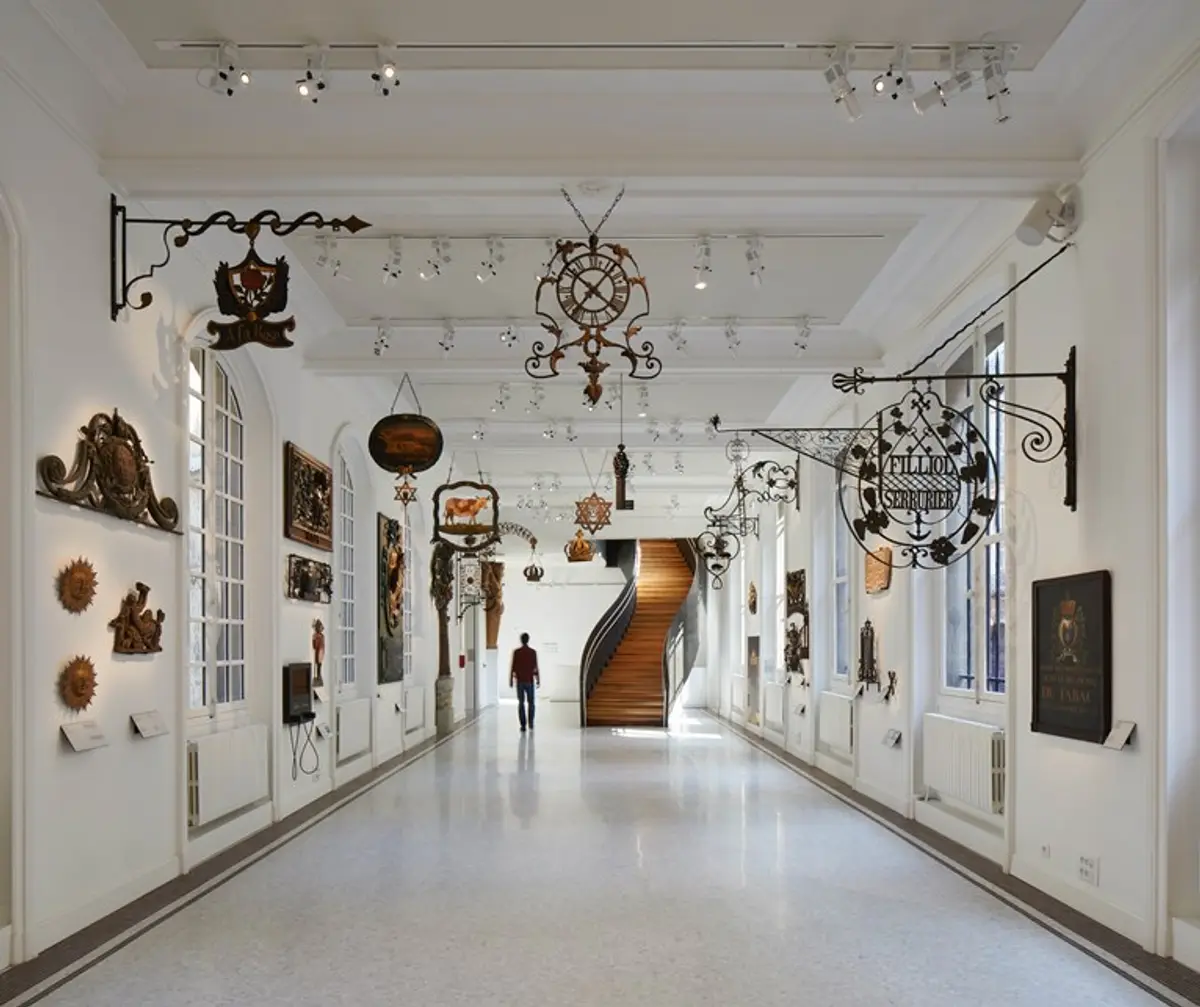
Stunning New Addition to Parisian Museum Will Leave You Breathless: Snøhetta's Modern Twist on Historic Musée Carnavalet!
Get ready to be transported through time with Snøhetta's stunning architectural design, blending the old and the new in the heart of Paris!

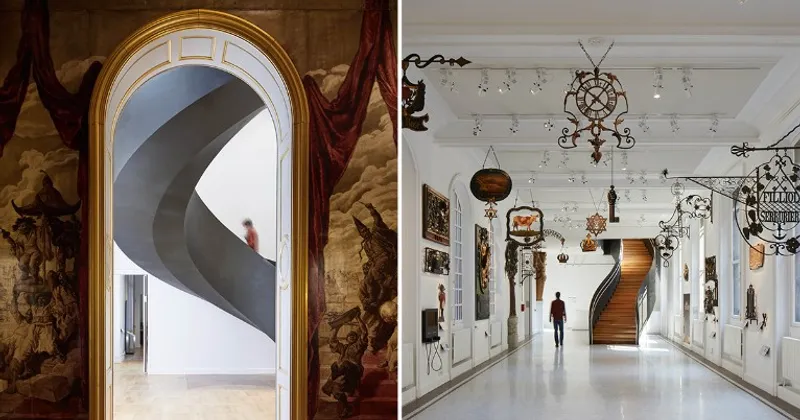
After an extensive four-year renovation period, the Musée Carnavalet in Paris, one of the most prominent museums in France, reopens to the public on Saturday 29 May 2021. In 2016, Snøhetta was commissioned along with lead architect Chatillon Architects to undertake its architectural renovation. Situated in the 3rd arrondissement in Paris, in the historic and vibrant district of the Marais, the 3,900 m2 Musée Carnavalet is the oldest of all Parisian museums, and before closing for renovation in 2016, the museum welcomed more than 400,000 visitors each year.
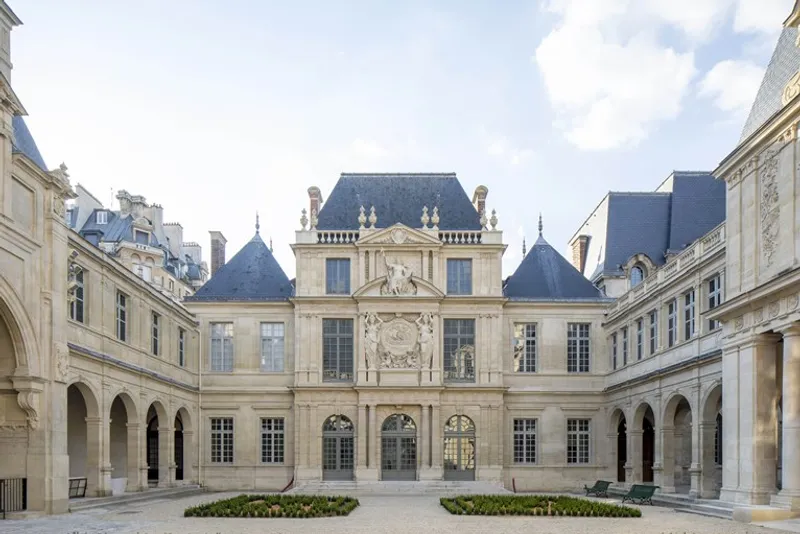
©734 - Photographer Antoine MercusotThe Musée Carnavalet is the result of the merging of two significant buildings, the Hôtel Carnavalet, completed in 1655 by the famous architect François Mansart, and the adjacent Hôtel Le Peletier de Saint-Fargeau, built-in 1688 based on drawings from architect Pierre Bullet. Since the mid-1800s, the musée Carnavalet has been listed as a so-called “Monument Historique” because of its importance to France’s architectural and cultural heritage.
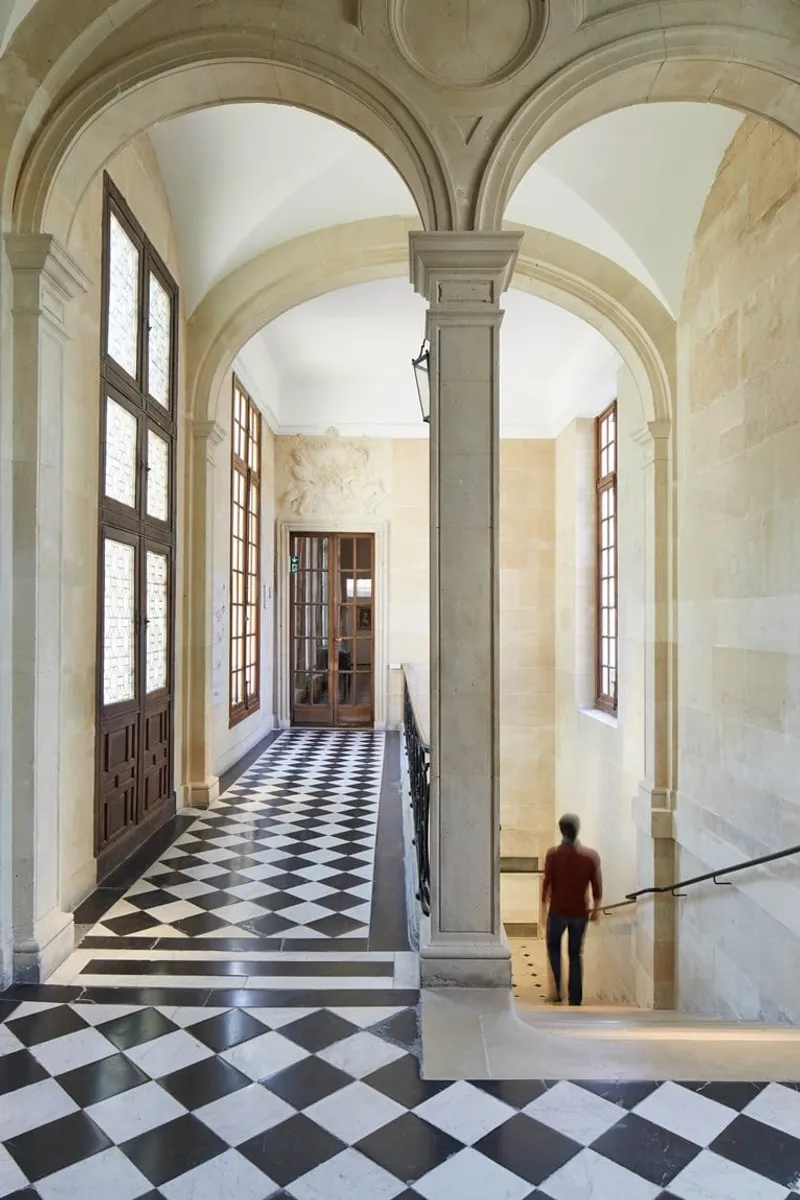
©Antoine MercusotBecause of its significant historic importance, the overall design of the museum is developed in close collaboration with the museum’s scientific and cultural teams, as well as a wide range of experts on the city of Paris. The renovation carefully respects the original features of the building while restoring it to comply with current standards and enhancing the overall museum experience for all visitors. The latter is attained through the establishment of a more intuitive journey through the museum, the courtyards, and gardens, but also by making the building more adapted to children and people with disabilities. 10% of all artefacts are displayed at children’s eye level. While Chatillon Architects have overseen the overall museum restoration and redevelopment, Snøhetta has added a touch of novelty to the space through the design of the new furniture pieces in the reception area and contemporary staircases. Snøhetta has also been in charge of the graphic design of the museum’s wayfinding, exhibition signs, panels and mediation equipment that will help facilitate the overall museum visit.
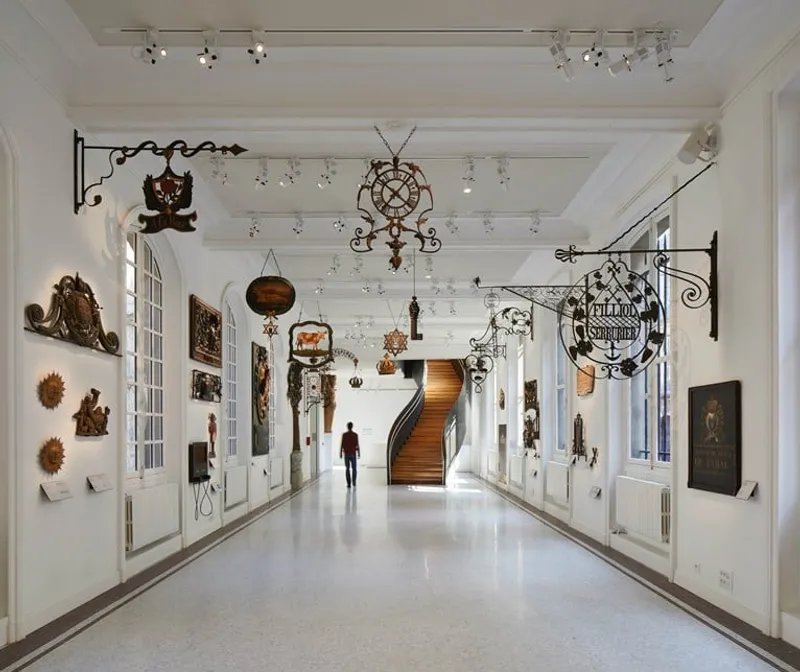
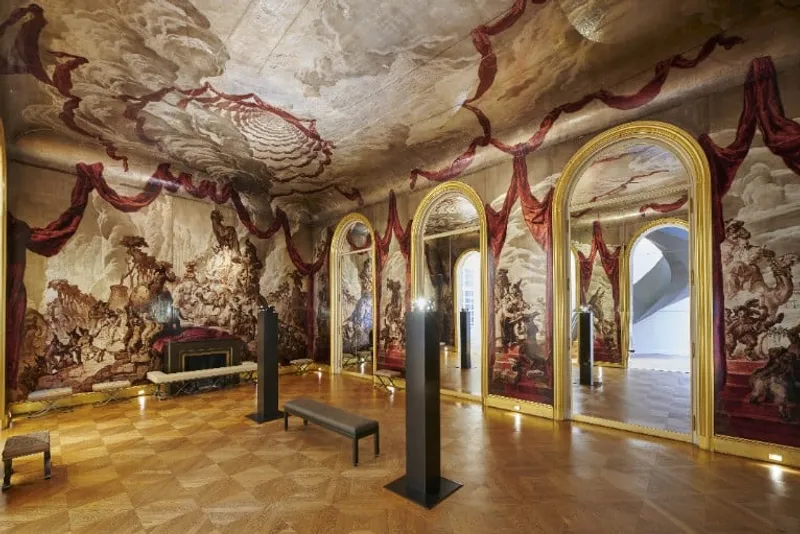
Cover Photos: ©Antoine Mercusot


Popular Articles
Popular articles from the community


Cube Design Draws an Ecological Corridor Between Two Shenzhen Hills with the Nankai Building
Beside Shenzhen's container docks, the Nankai Building pairs stacked balconies with a climbing green screen to connect two hillsides across its height.


Aquadapt: An Underwater Habitat That Rewrites Its Rooms by the Hour
Curved modules ring the seabed while one shell shifts from breakfast room to cinema, farm and football pitch as residents' needs change.

LT2A and OPEN Architectes Thread a Brick and Glass High School Through a Wooded Belgian Campus
In Braine-l'Alleud, a 3,000 m² wing for Collège Cardinal Mercier pairs pale brick with a glazed colonnade, deferring to a small chapel and a dense wood.

graciastudio Turns a Viewless Tijuana Lot Inward Around a Courtyard of Concrete, Timber and Trees
In Tijuana, Jorge Gracia's GA2 House stacks a timber-clad private floor over exposed concrete and replaces a missing view with a planted interior patio.

Similar Reads
You might also enjoy these articles

Rede Arquitetos Turns Circulation into Civic Space at the Educar II SESC School in Fortaleza
In Fortaleza, Brazil, Educar II SESC-CE trades a signature form for mesh screens, yellow thresholds and courtyard walkways built for equatorial heat.
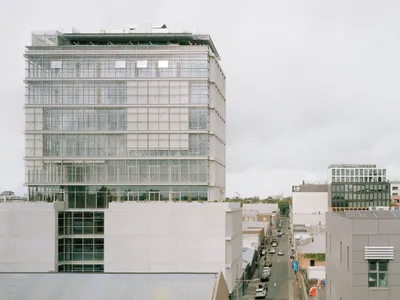
116 Rokeby Building, Collingwood
Sustainable Collingwood office building featuring double-skin façade, natural ventilation, rooftop amenities, and carbon-neutral design focused on wellbeing and longevity.
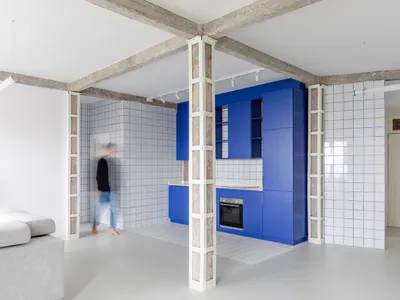
Contemporary Apartment Renovation in Spain: RV House by BIAN Opens Up to the Sea
A minimalist 1930s apartment in Santander is transformed into a flexible, sea-facing home through contemporary Spanish renovation.
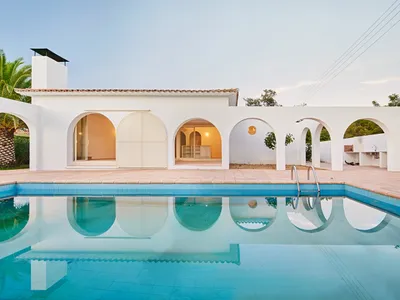
3 Marías House: A Contemporary Mediterranean Courtyard Retreat by Bajet Giramé + Burckhardt
Mediterranean courtyard home blending traditional architecture with modern design, terracotta flooring, flexible interiors, sustainable climate strategies, and garden integration.

Explore Cultural Architecture Competitions
Discover active competitions in this discipline


Challenge to reimagine the Iron Throne

Photograph architecture without architects

Illustrate the lost glory of Angkor Wat - Render Challenge

Bring back Drive In's
Comments (0)
Please login or sign up to add comments
No comments yet. Be the first to comment!