
Sustainable Architectural Design in Agriculture: El Trull CV Oil Mill by Alventosa Morell Arquitectes
Exploring El Trull CV Oil Mill's sustainable architecture by Alventosa Morell Arquitectes, blending innovative design with agriculture in Les Garrigues, Spain.


In recent years, the fusion of sustainable architectural practices with agricultural development has gained significant momentum. The El Trull CV Oil Mill, designed by Alventosa Morell Arquitectes in the picturesque region of Les Garrigues, Spain, stands as a testament to this movement. Through the lens of this project, we explore how architecture can harmonize with agriculture to create environmentally responsible and aesthetically pleasing structures.
The Vision of El Trull CV Oil Mill
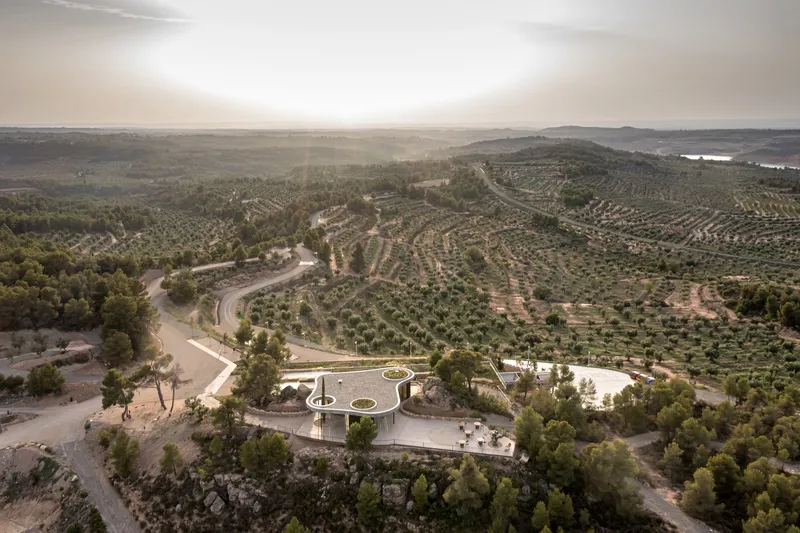
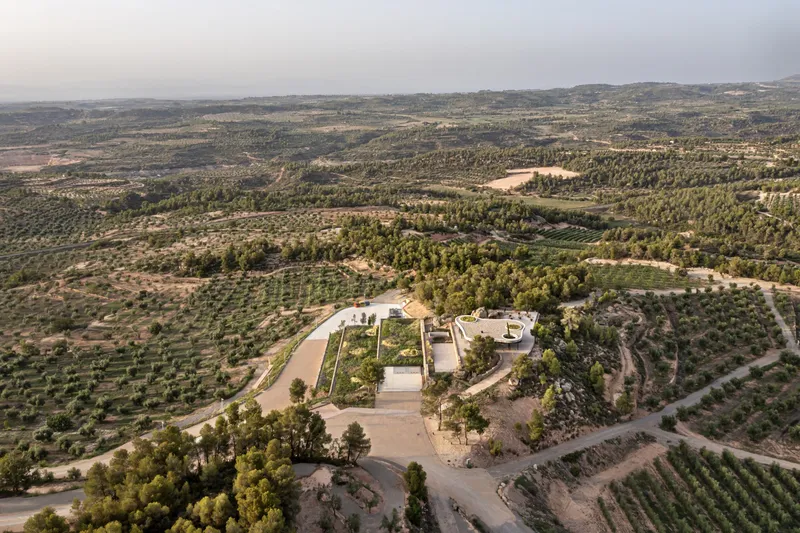
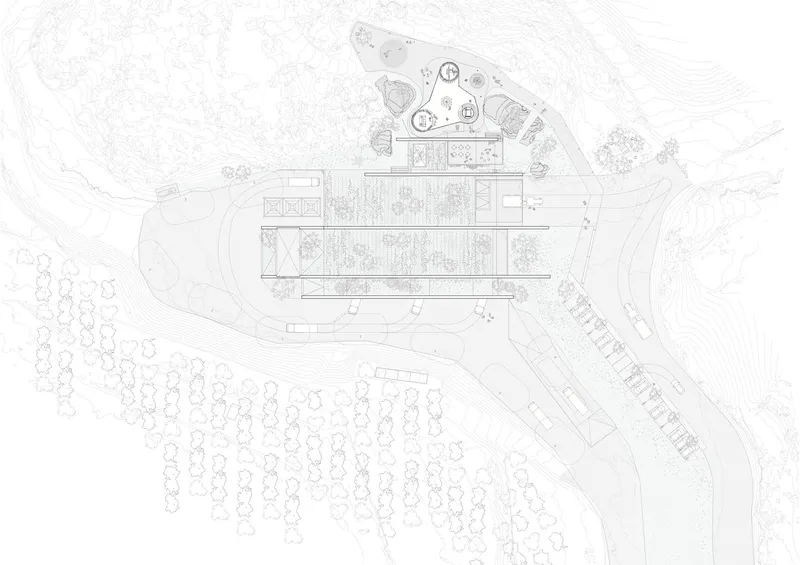
Nestled among over 70 hectares of lush olive groves in Catalonia, the El Trull CV Oil Mill was conceptualized not just as a production facility for organic oil but as a landmark of sustainable design. The architects, driven by a philosophy of minimal environmental impact, embarked on a journey to create a space that respects and enhances its natural surroundings.
Architectural Strategies for Sustainability
Blending with the Landscape
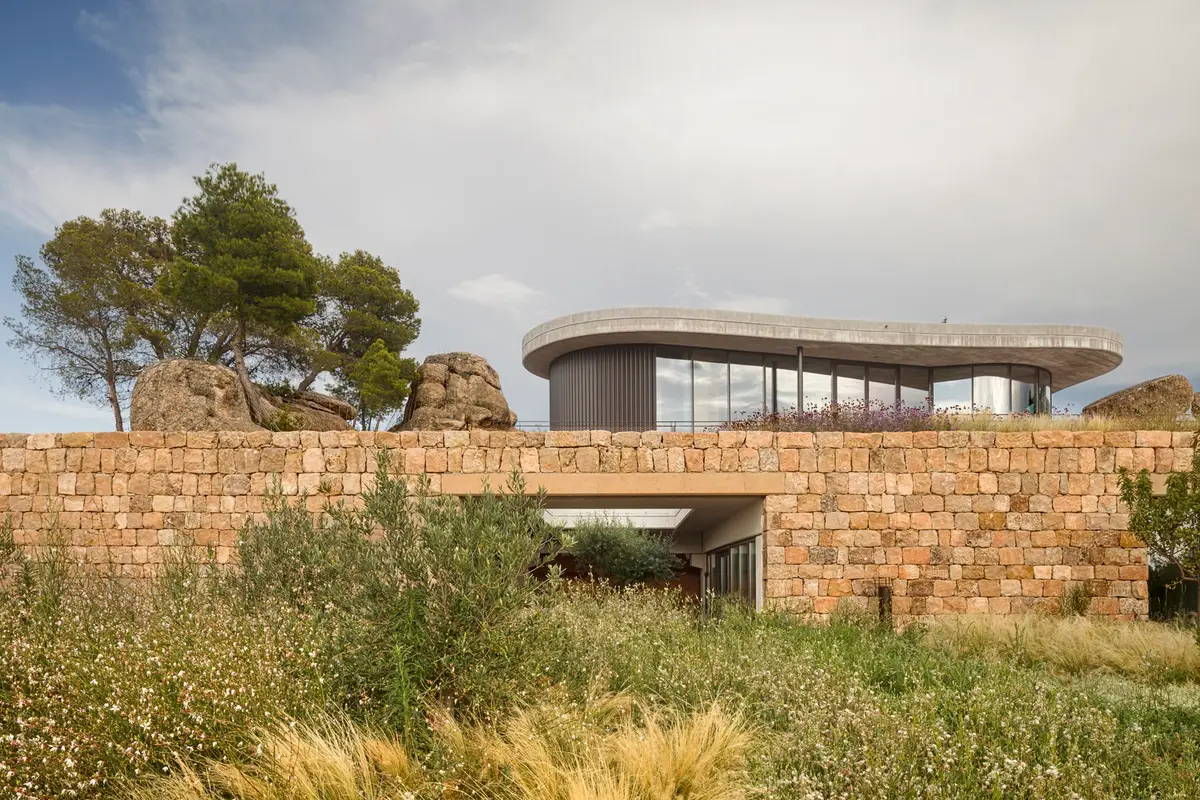
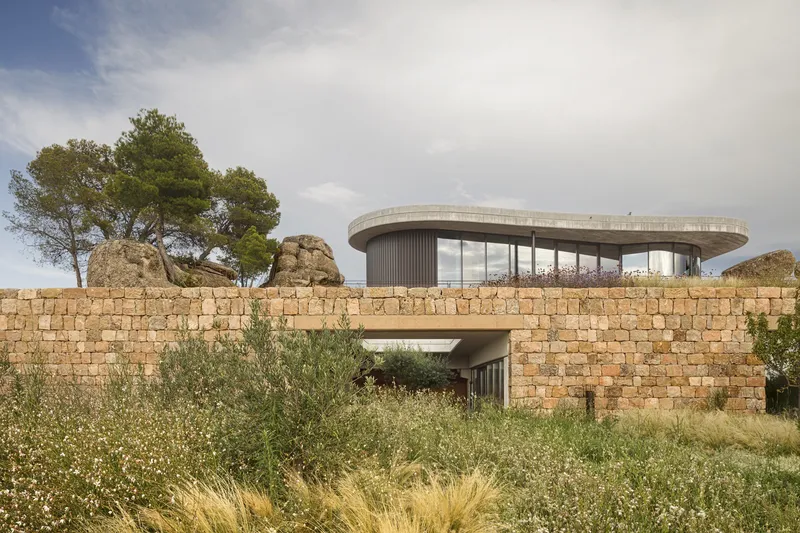
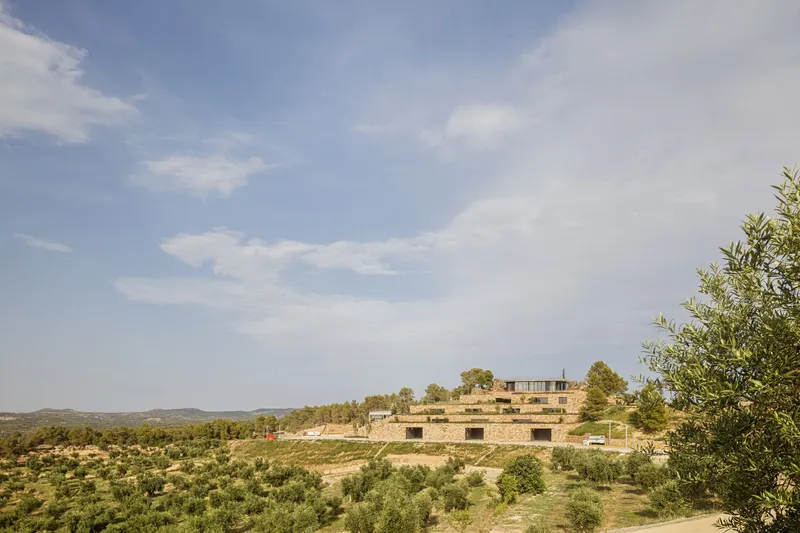
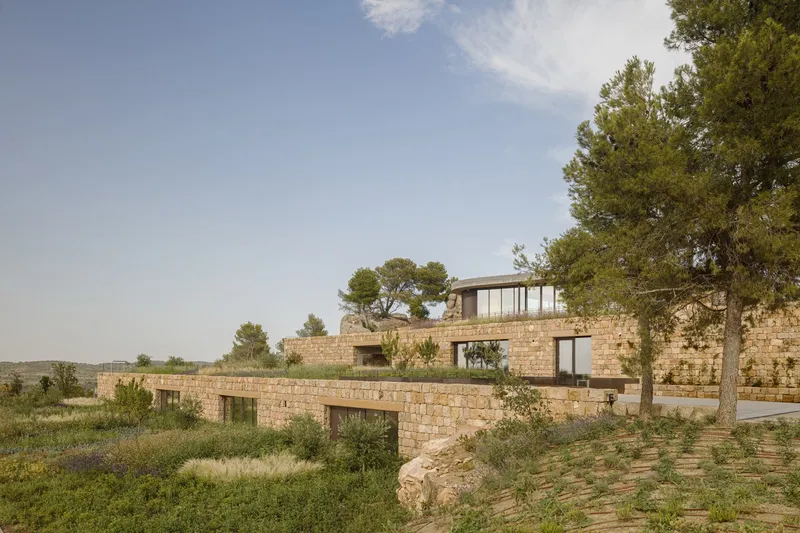
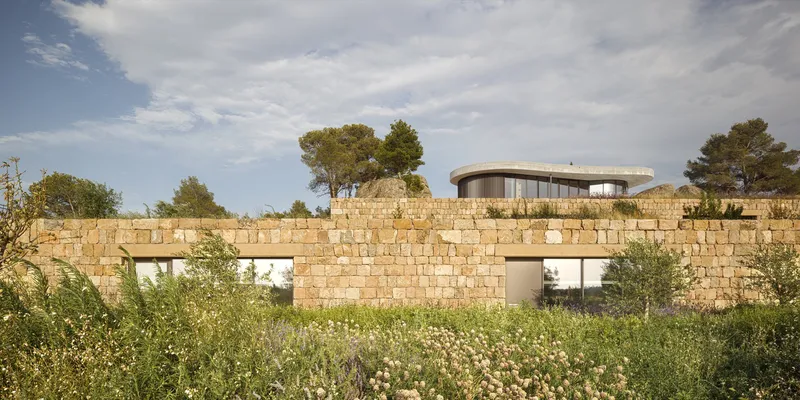
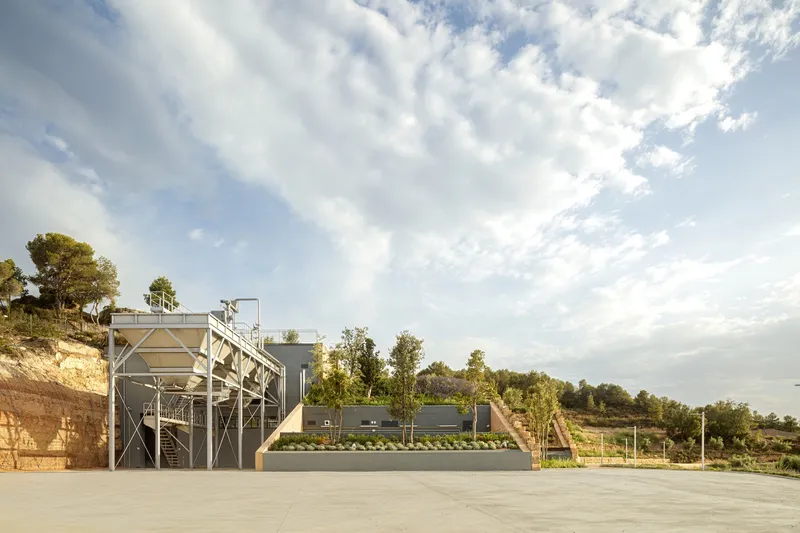
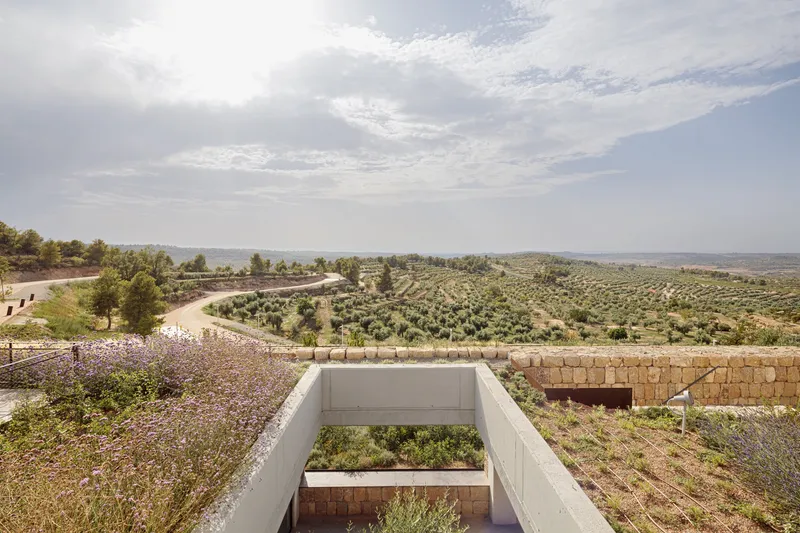
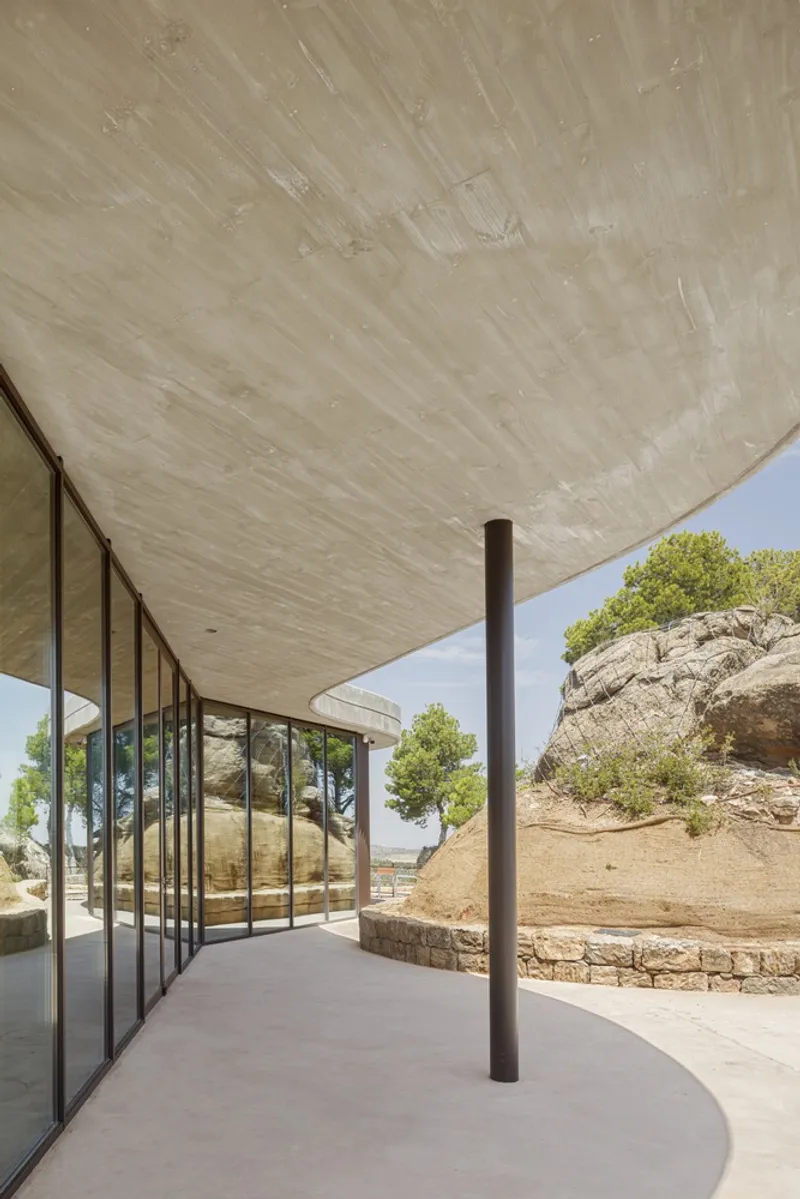
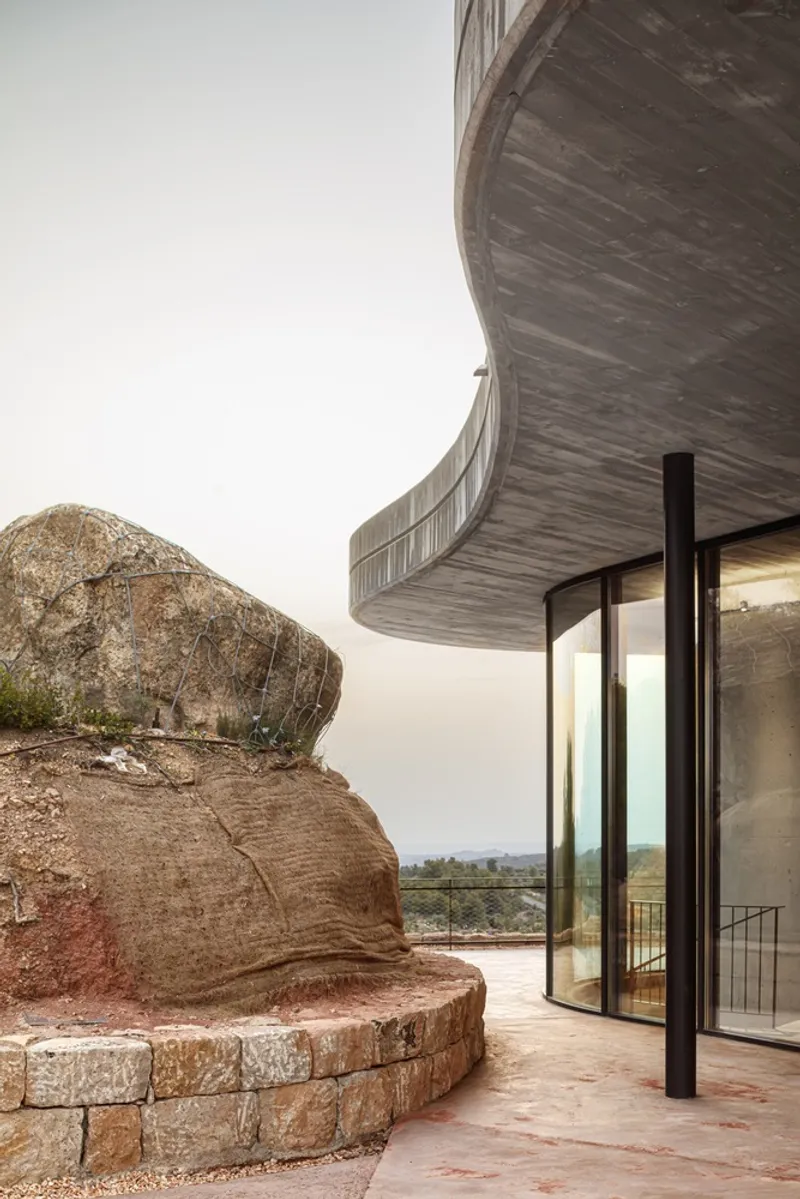
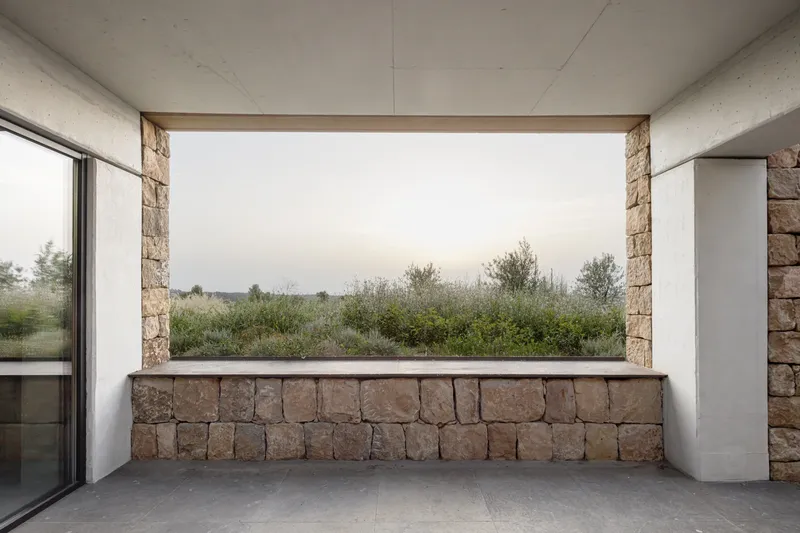
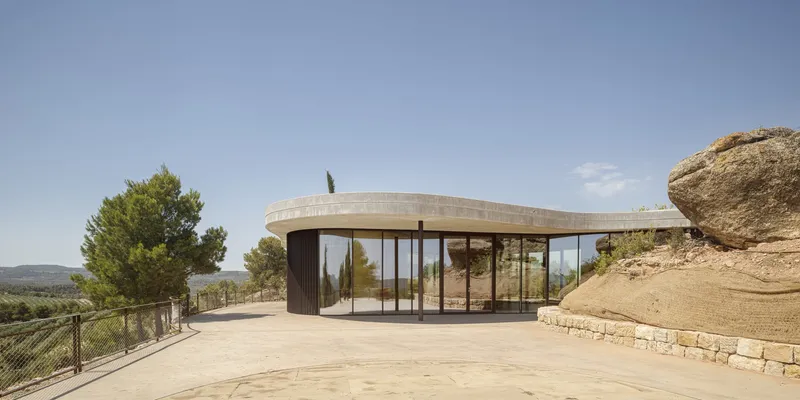
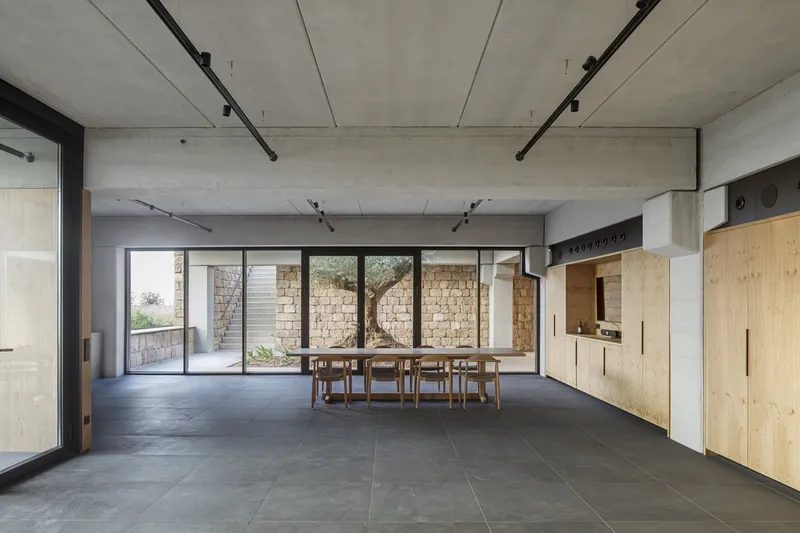
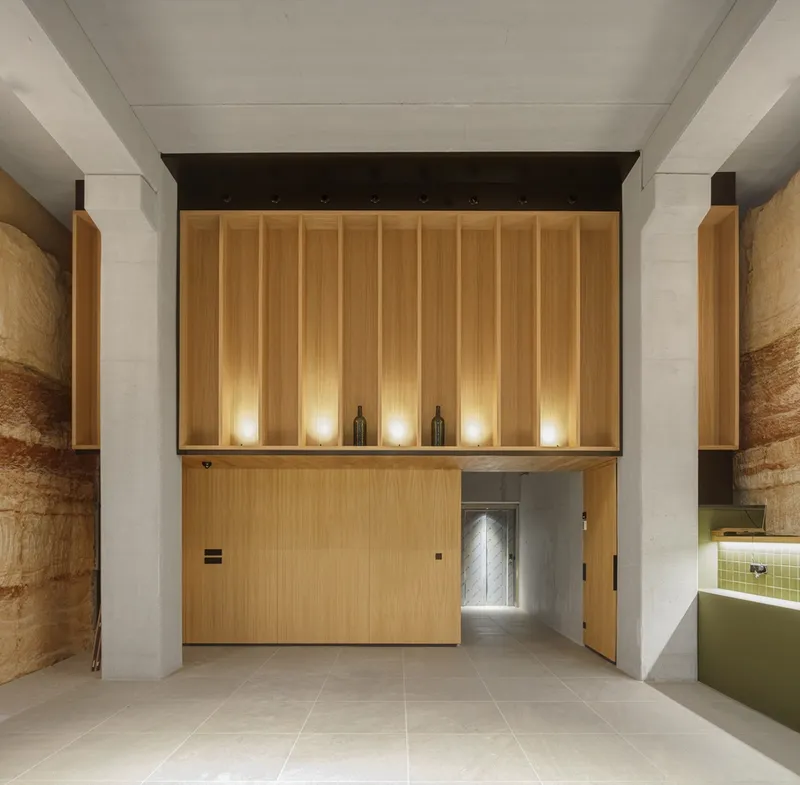
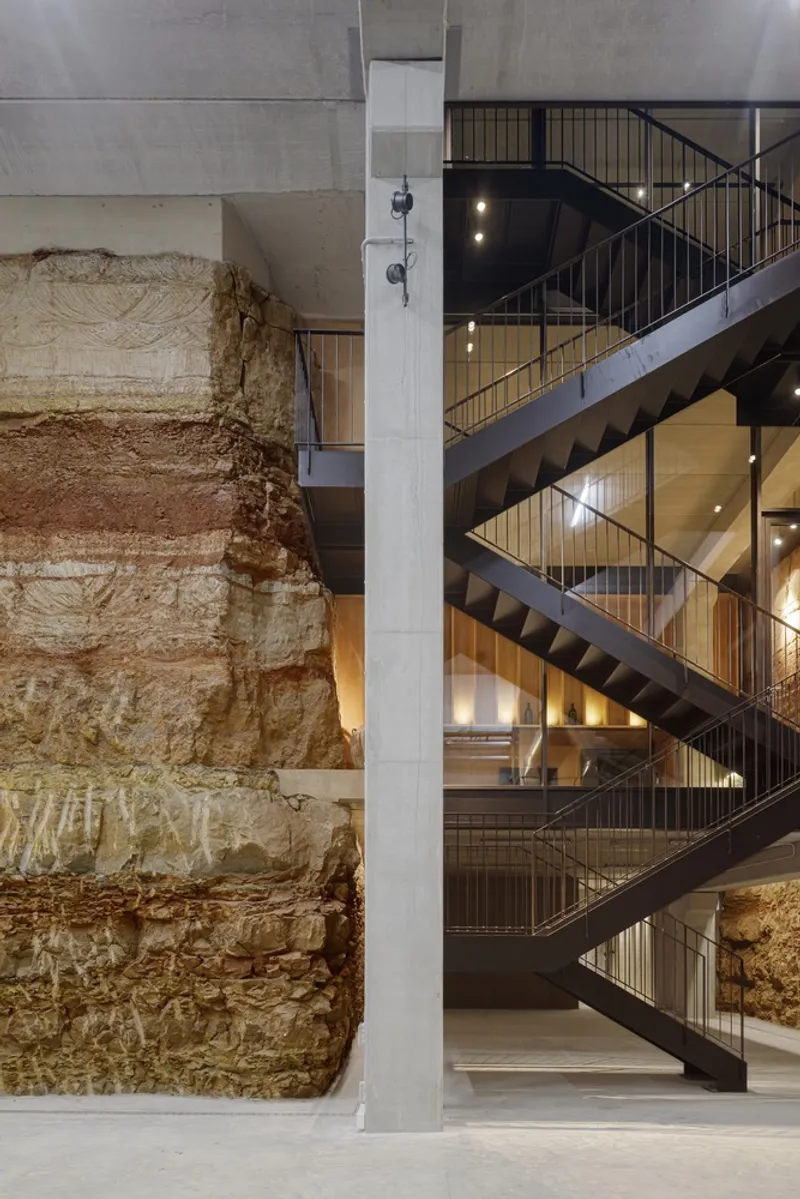
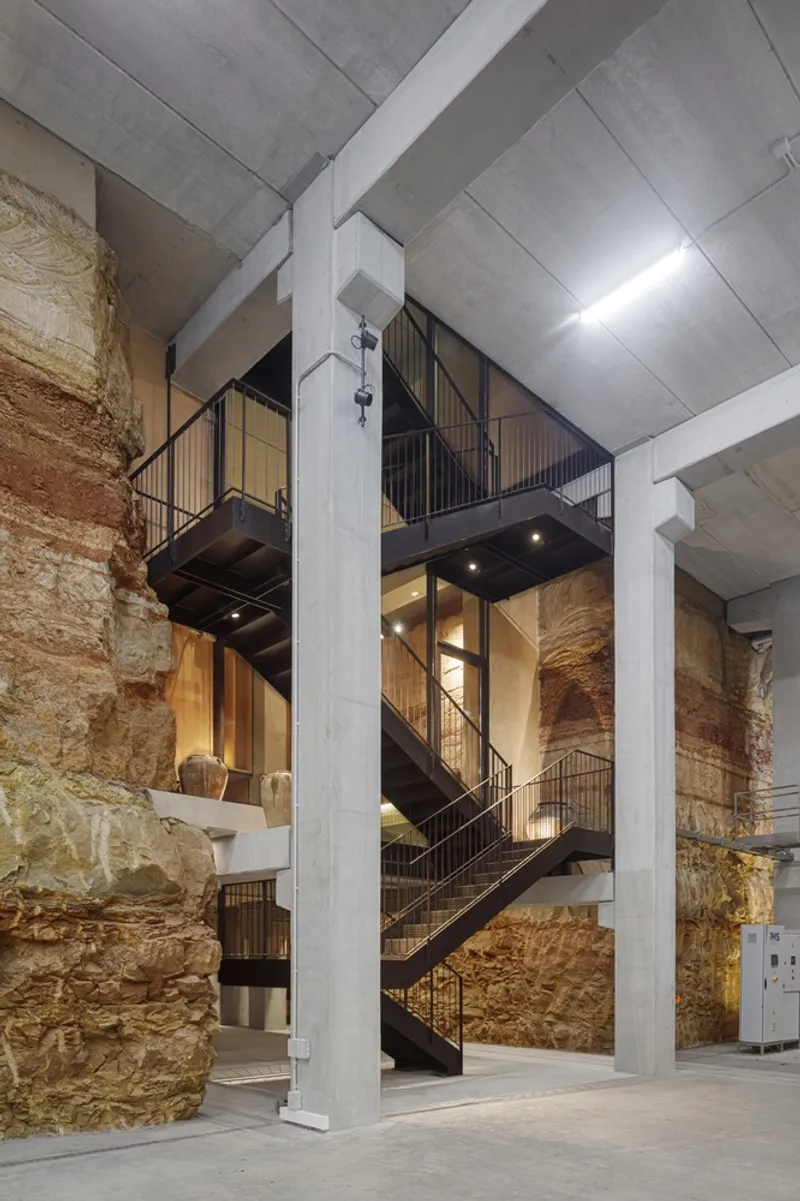
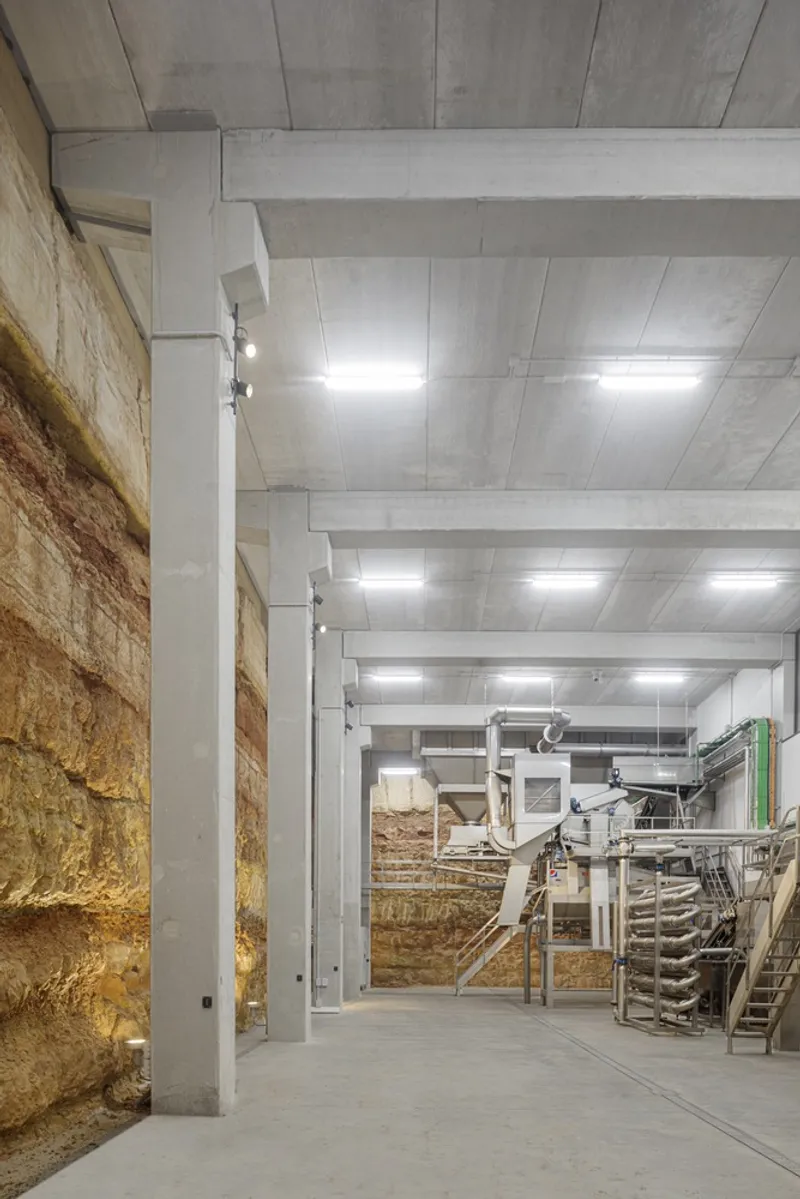
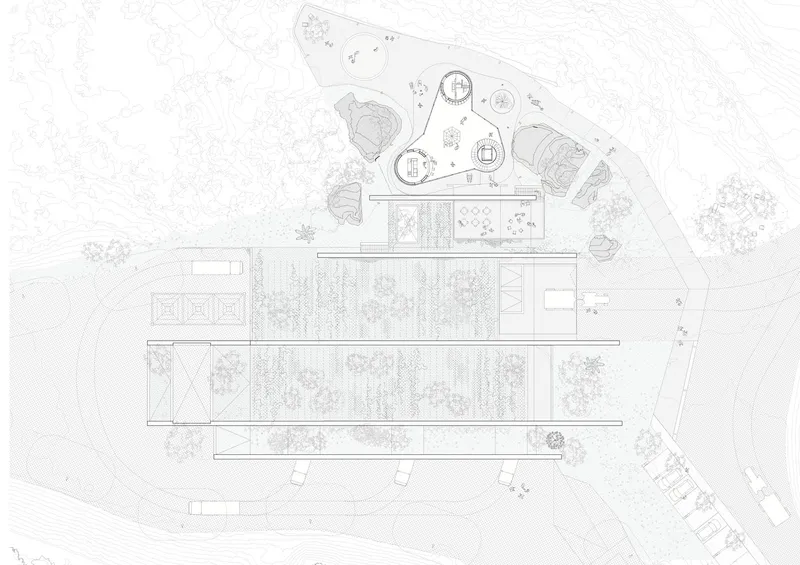
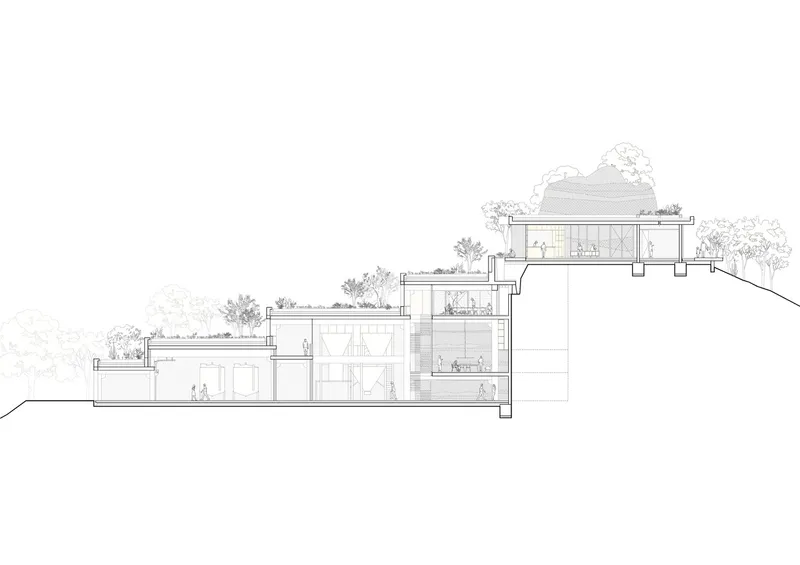
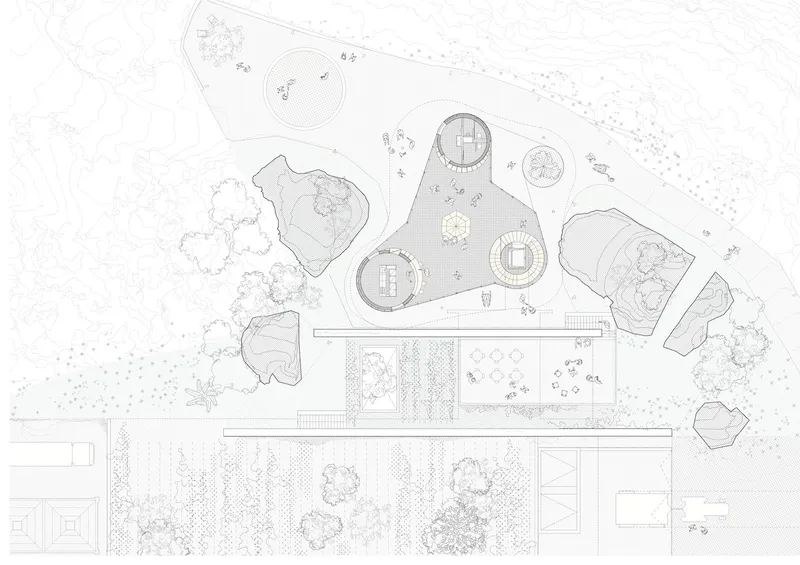
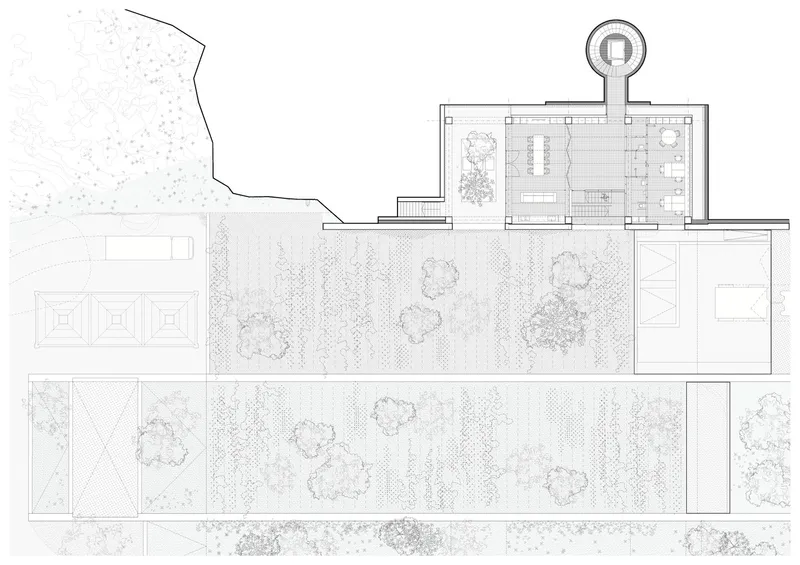
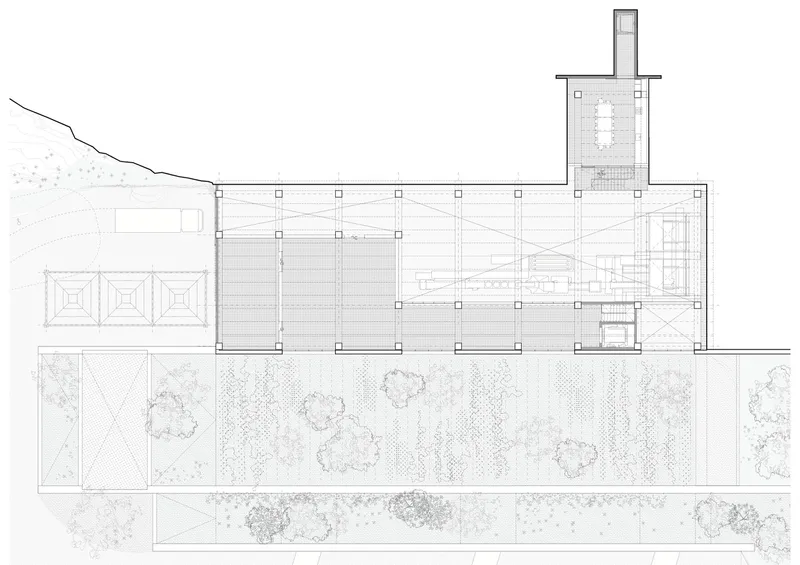
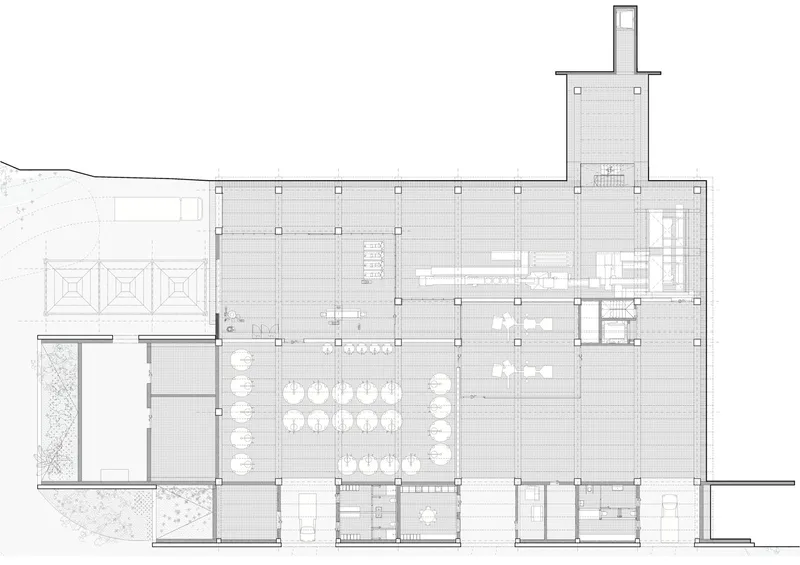
The project showcases a deep respect for the land's history and its existing topography. By choosing a location with limited agricultural value and integrating the building into the pre-existing terraces, the architects minimized disturbance to the landscape. This approach, where 90% of the facility is concealed within the earth, exemplifies a commitment to preserving the natural beauty of Les Garrigues.
Utilizing Local Materials
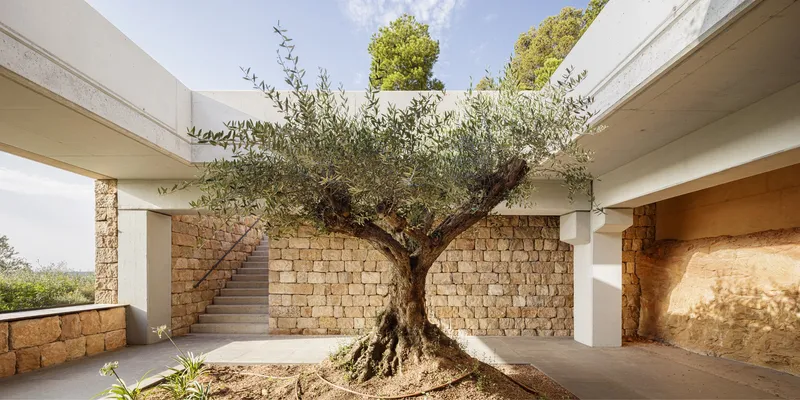
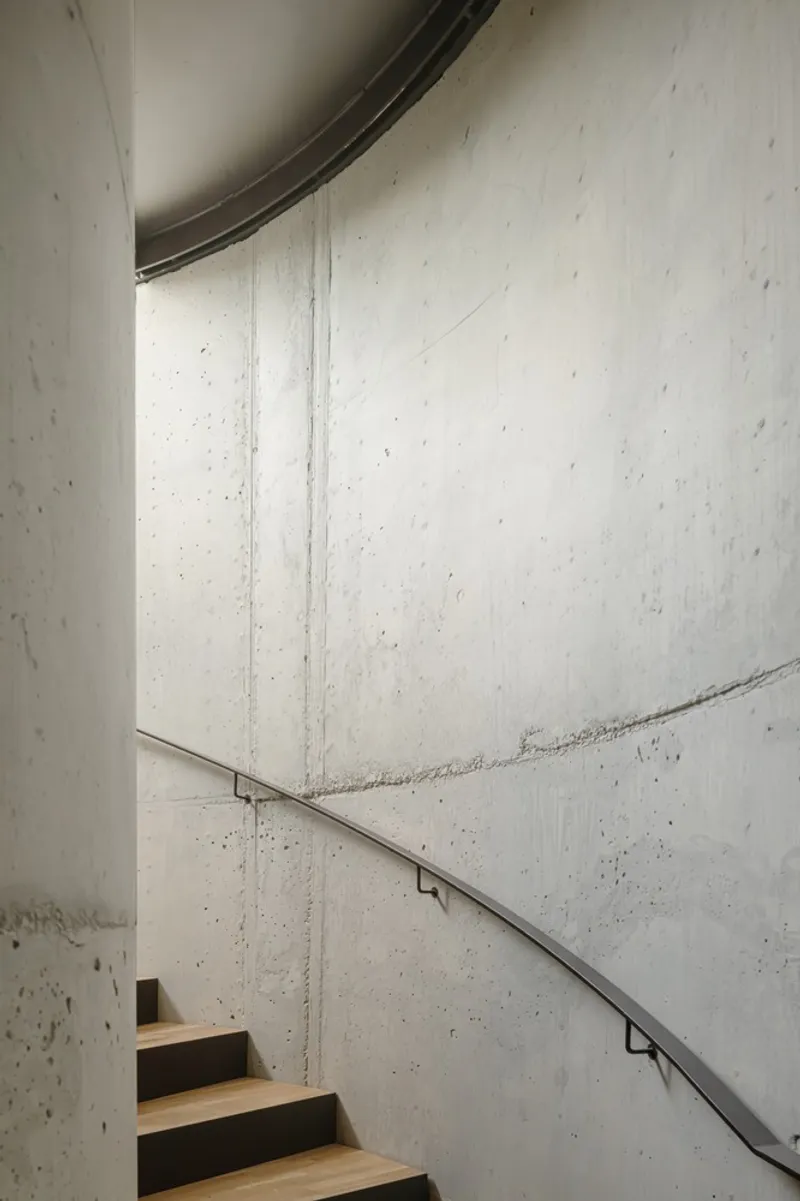
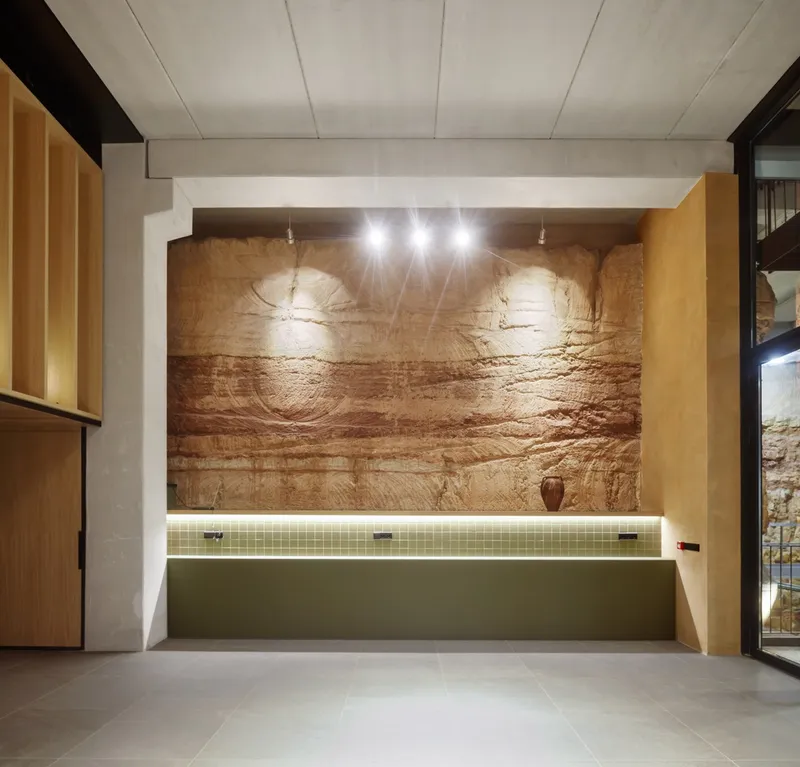
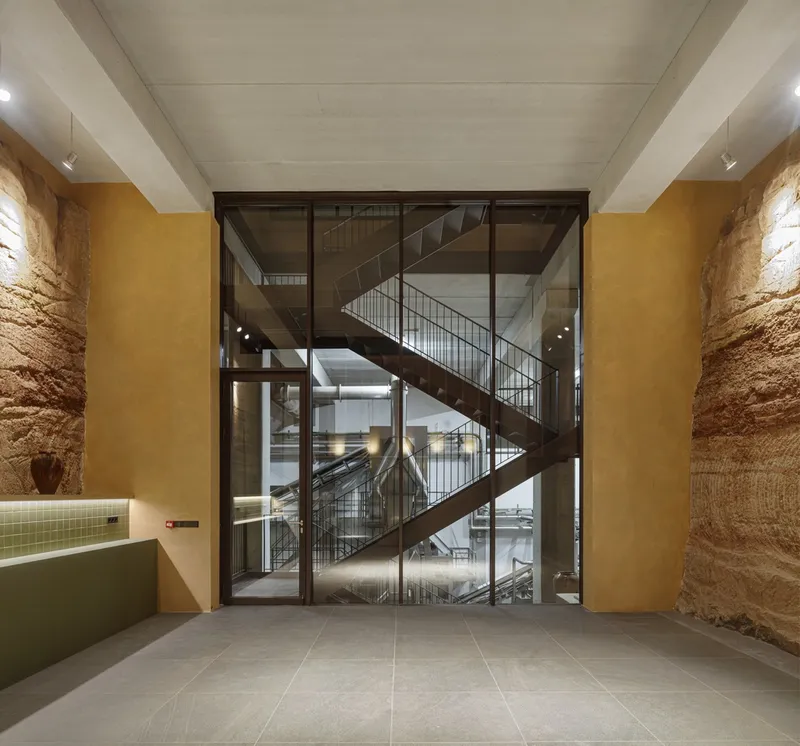
A cornerstone of the project's sustainability ethos is its use of local materials. The construction repurposed stone excavated from the site, reducing transportation emissions and ensuring that the building reflects its environment's physical and aesthetic characteristics. This choice not only supports local ecosystems but also enhances the oil mill's thermal performance, leveraging the natural insulation properties of the earth.
Creating a Sustainable Microclimate
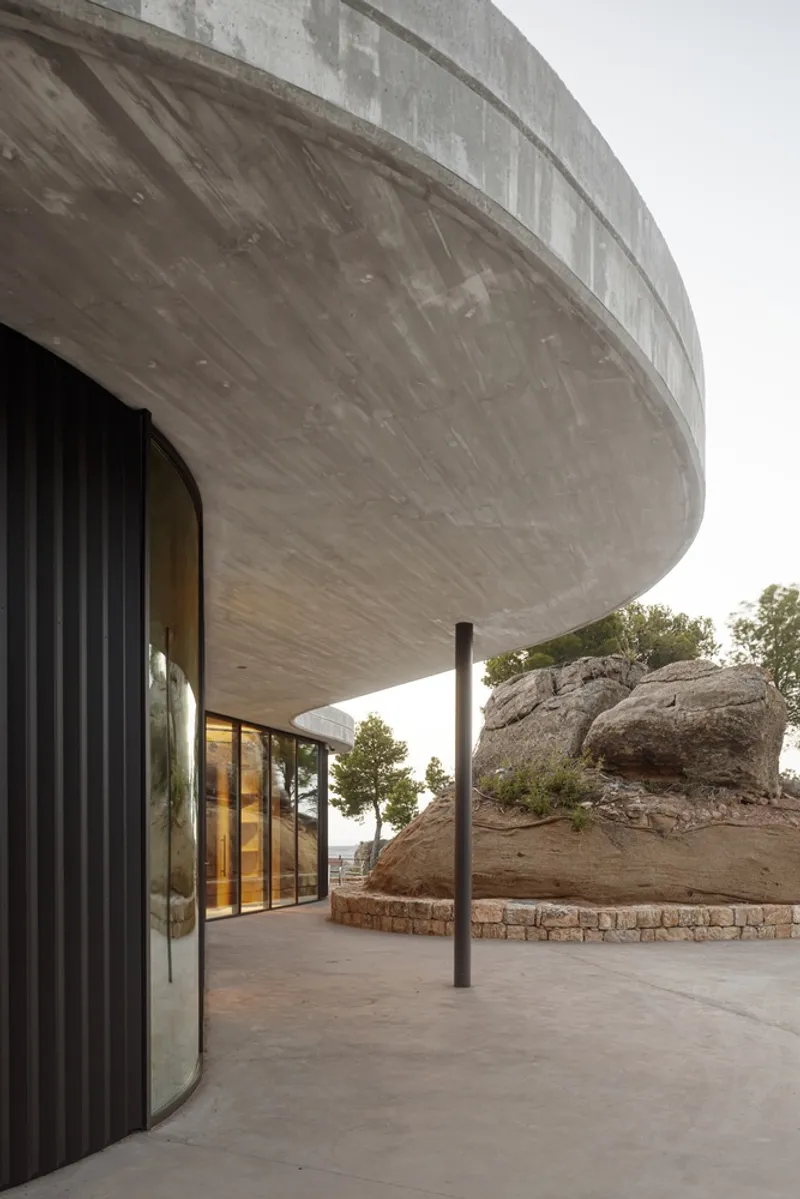
Innovatively, the design exploits the thermal inertia of the mountain, maintaining a constant interior temperature conducive to oil production and reducing reliance on artificial heating and cooling systems. This strategy demonstrates a holistic approach to sustainability, where architectural design directly contributes to the operational efficiency and environmental footprint of the facility.
The Reception Pavilion: A Symbol of Transparency
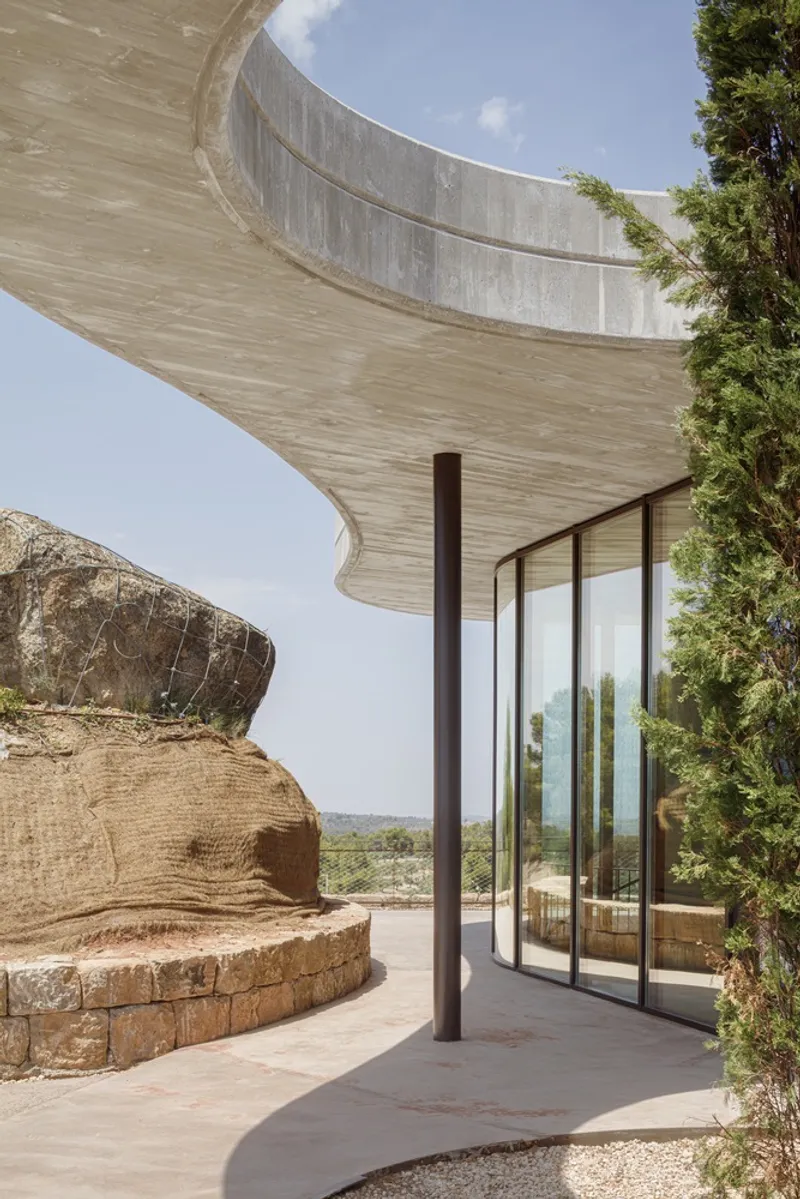
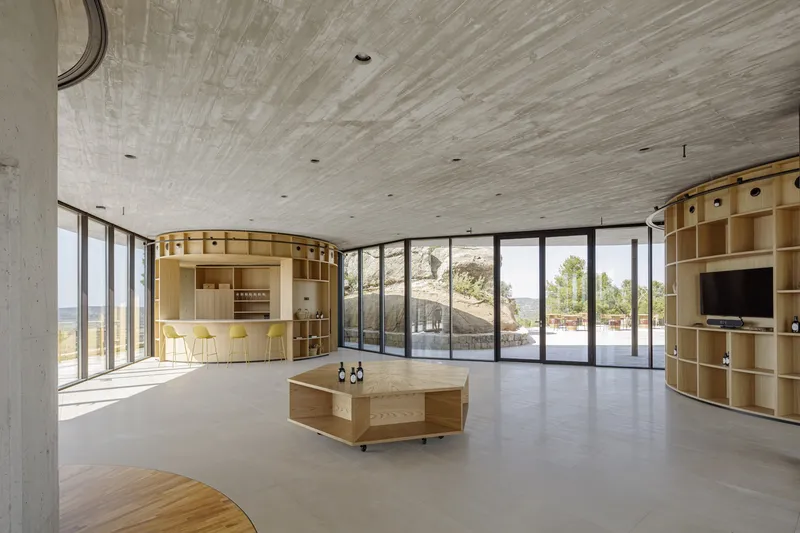
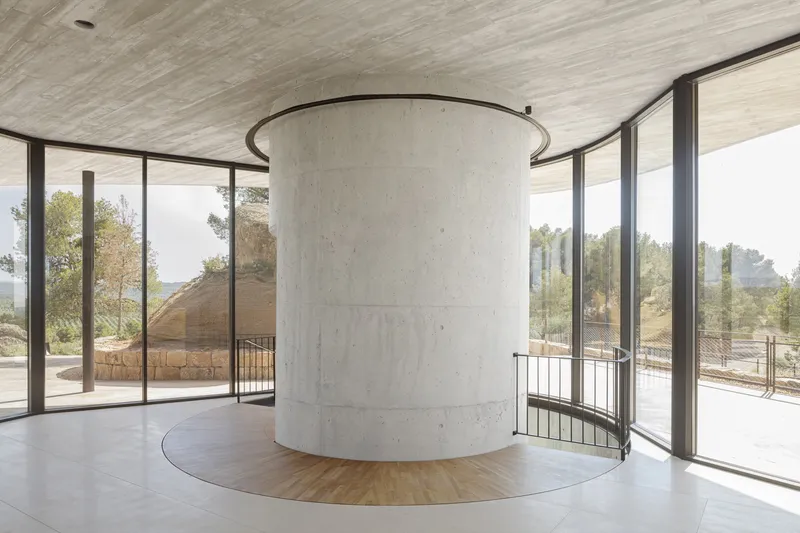
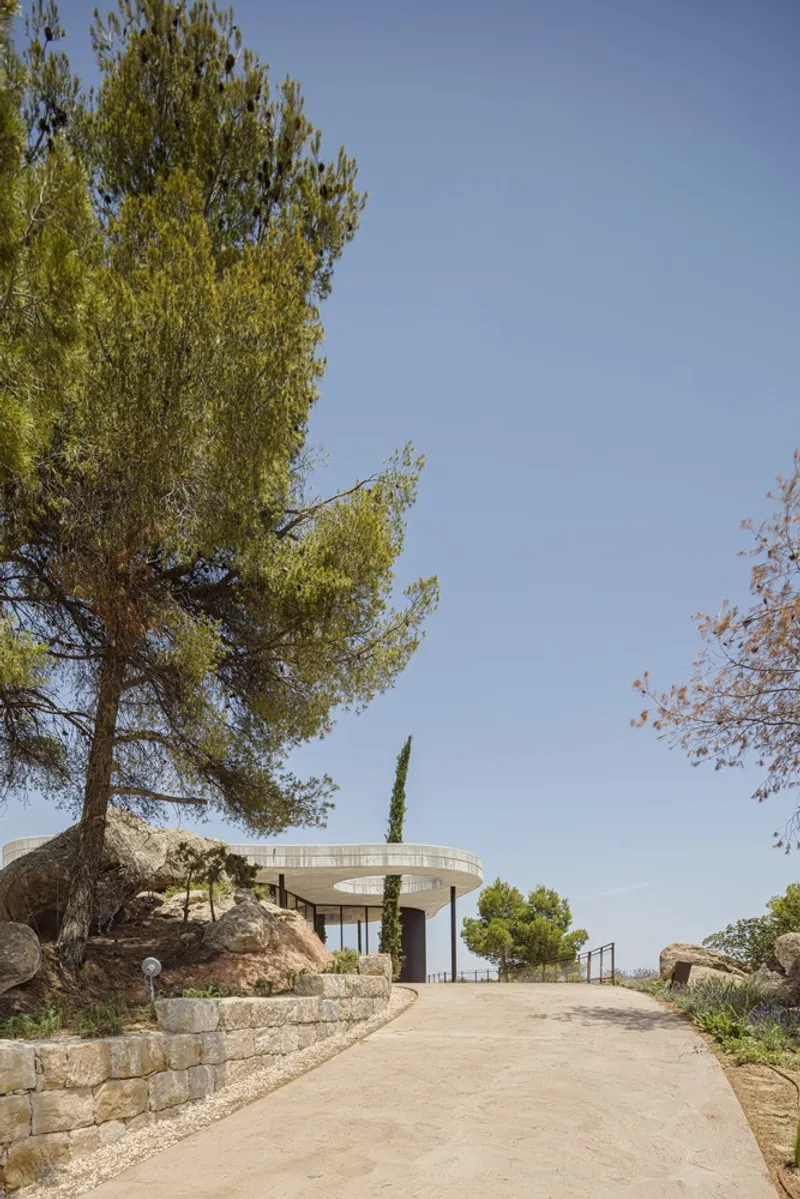
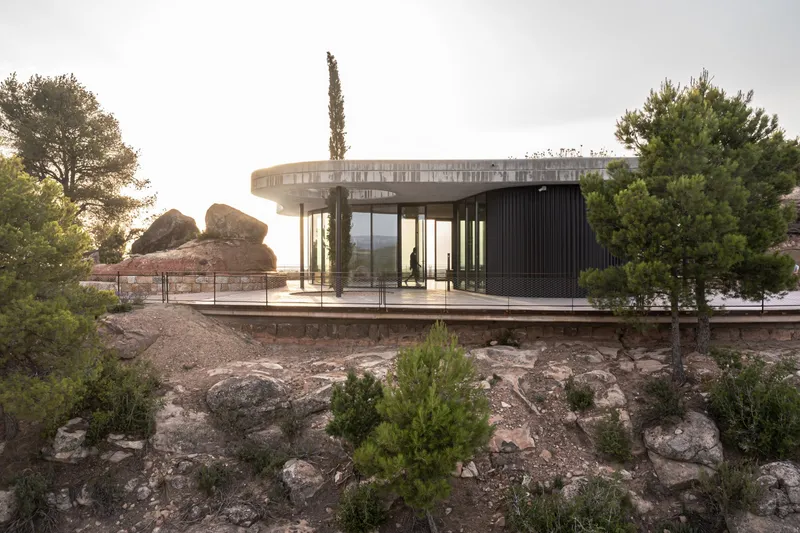
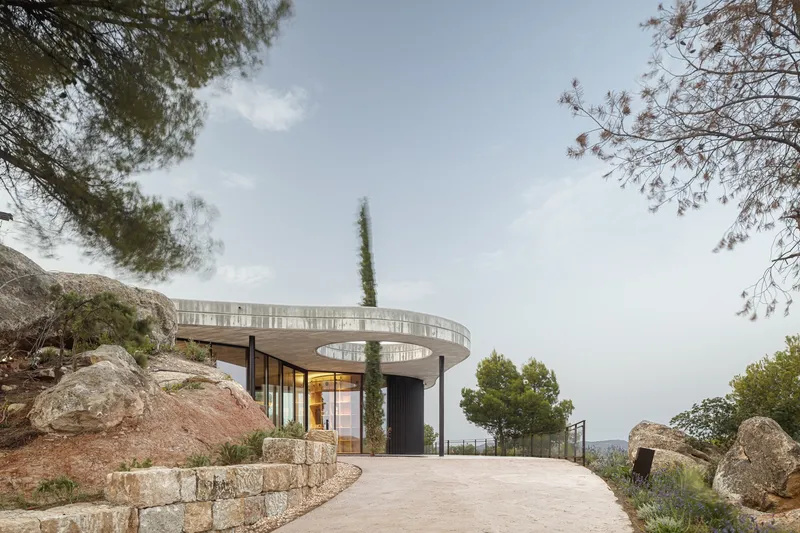
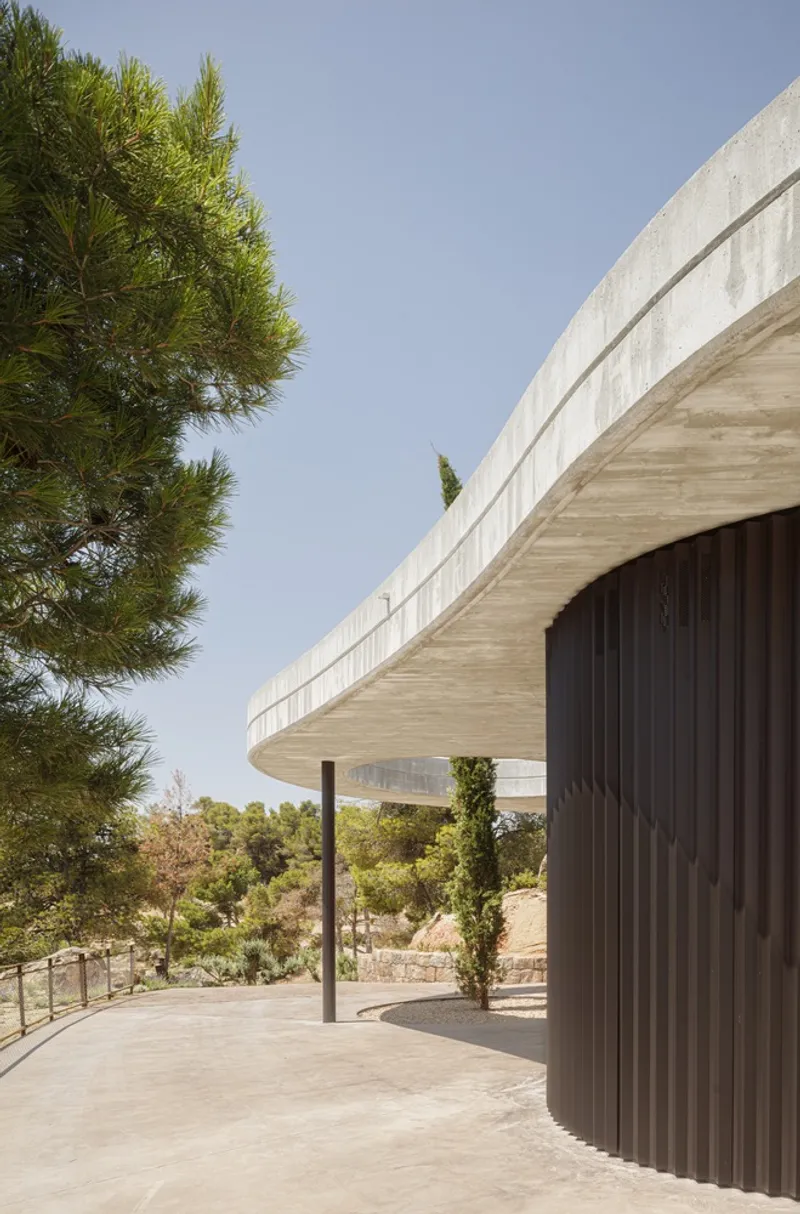
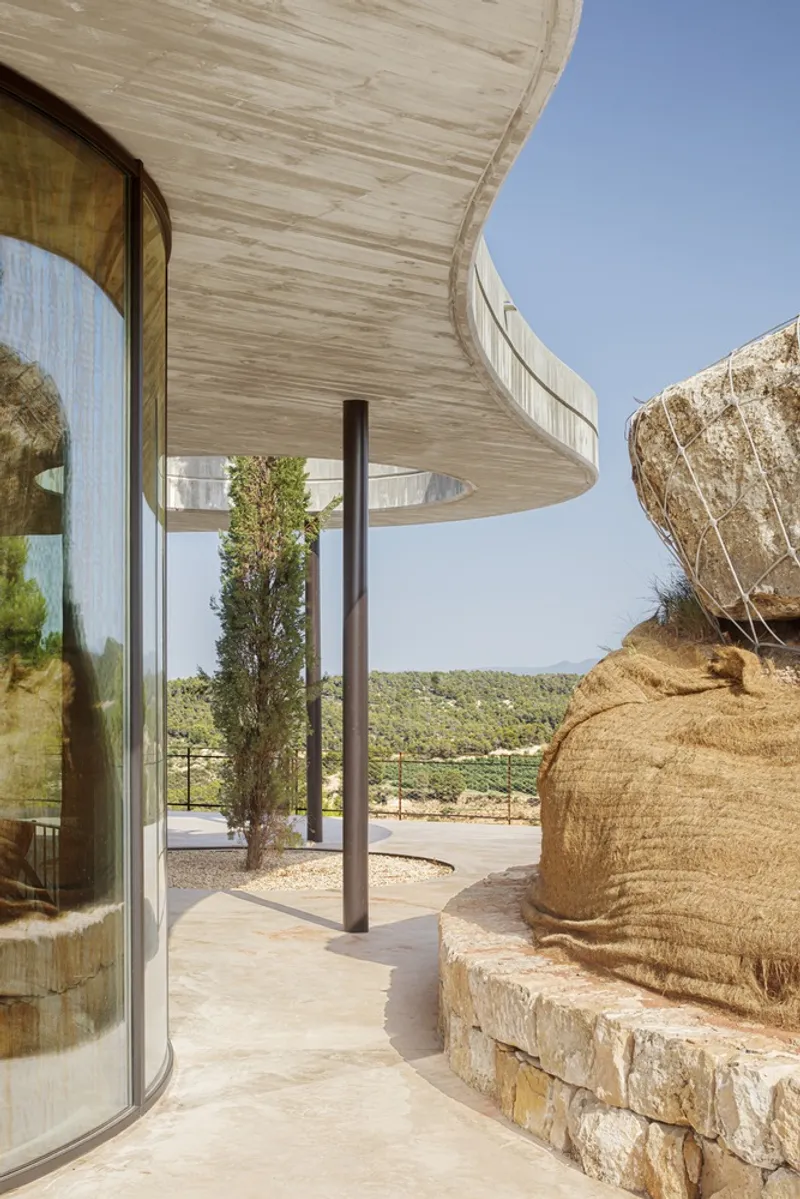
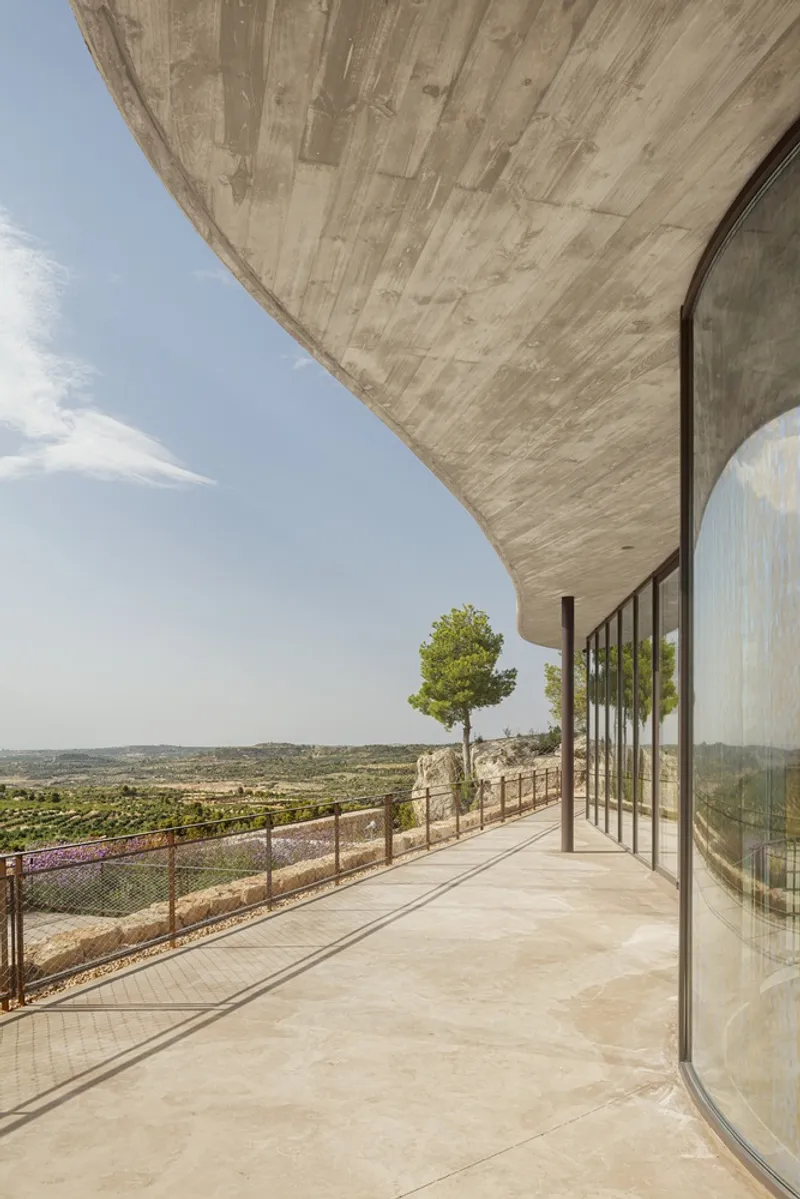
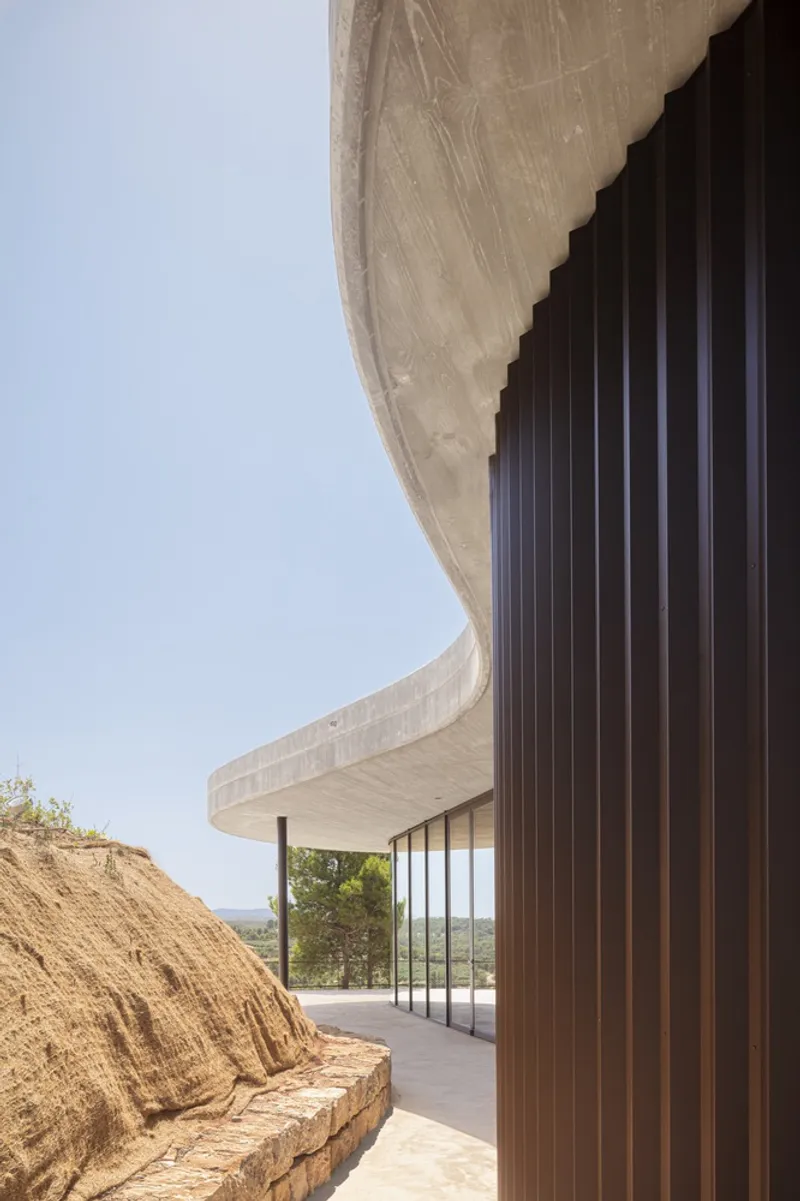
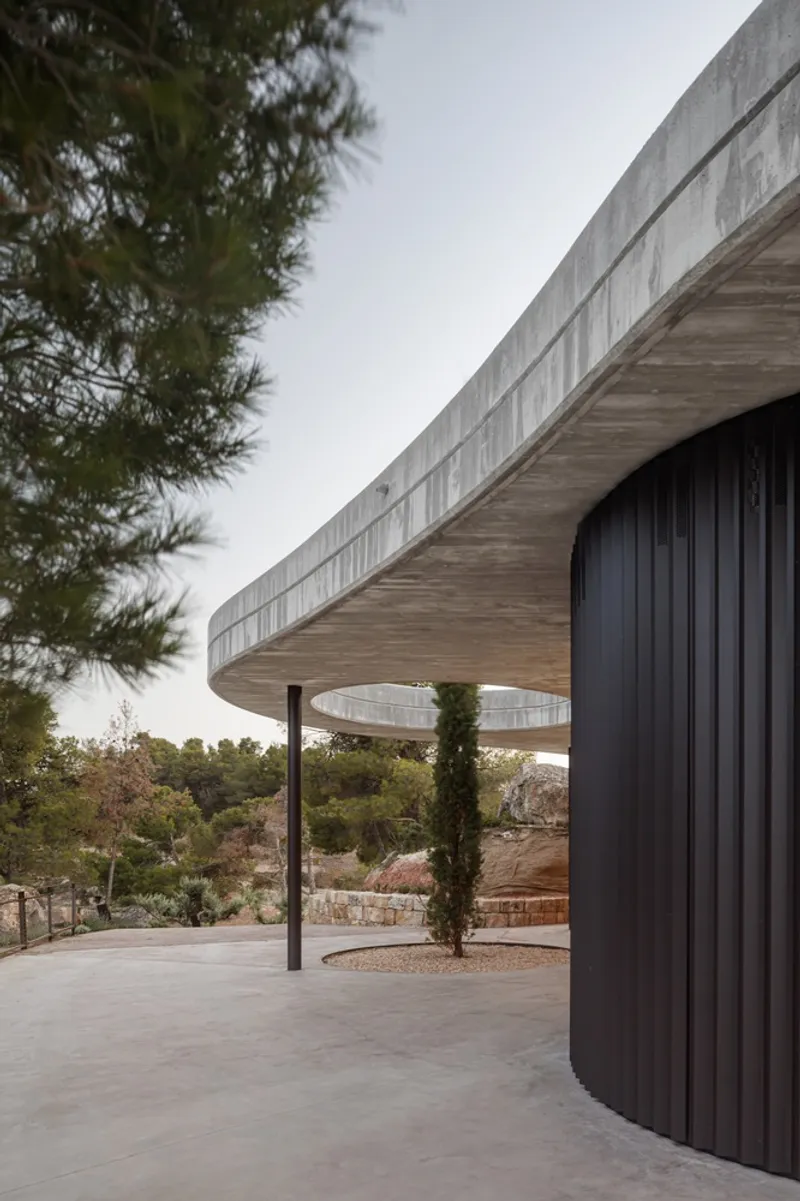
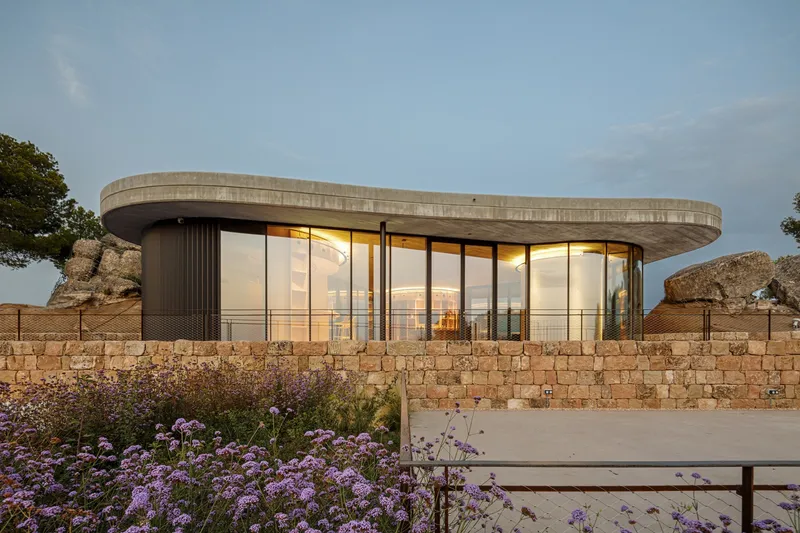
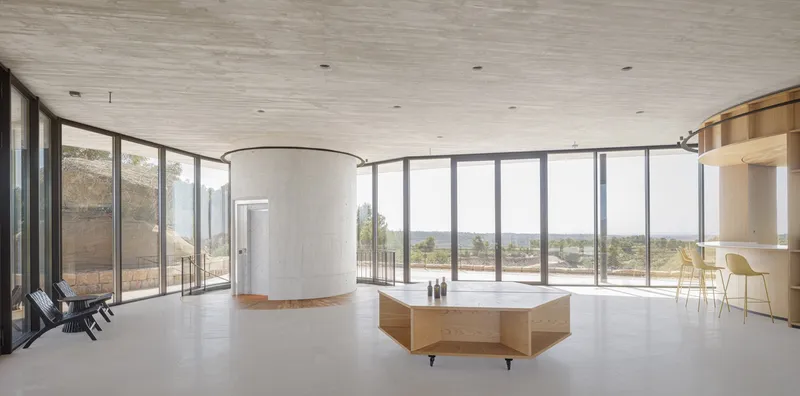
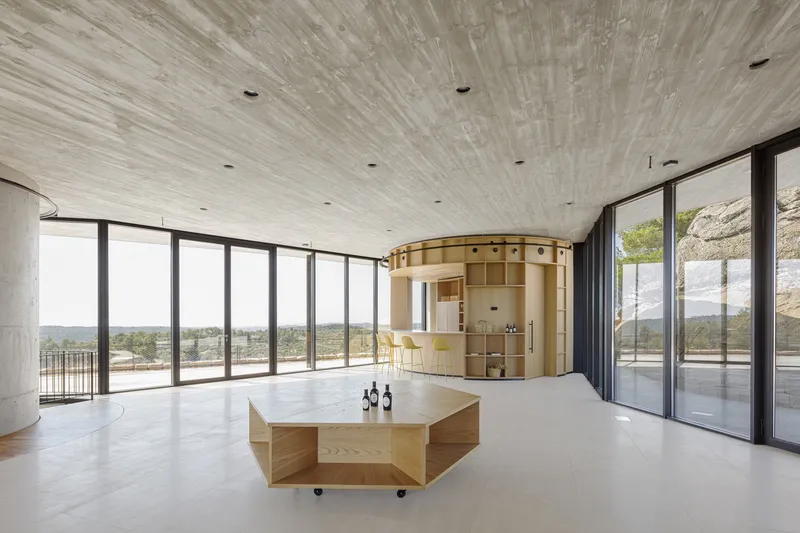
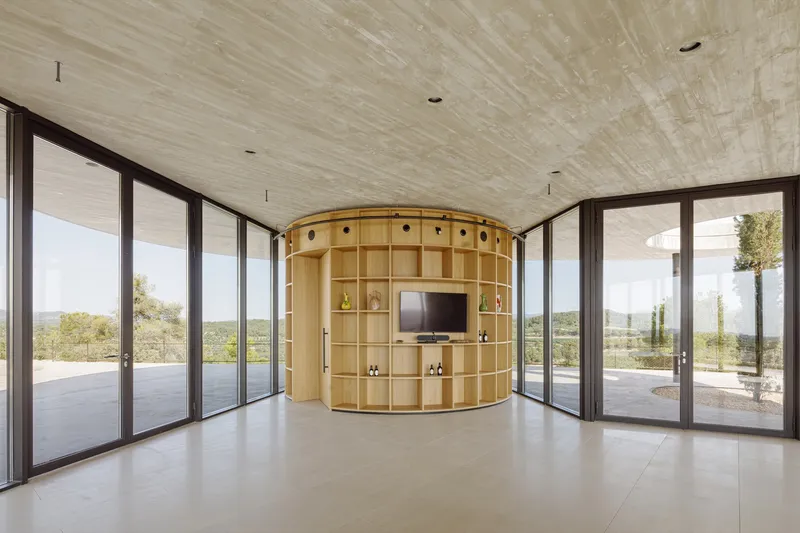
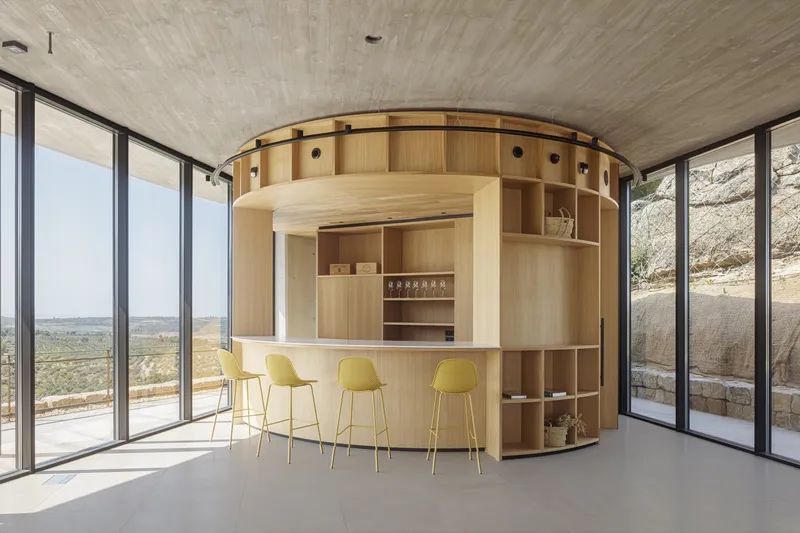
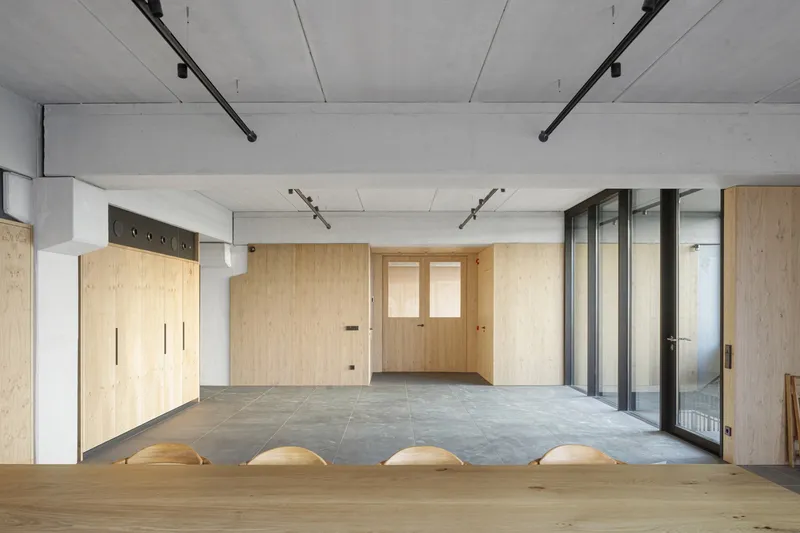
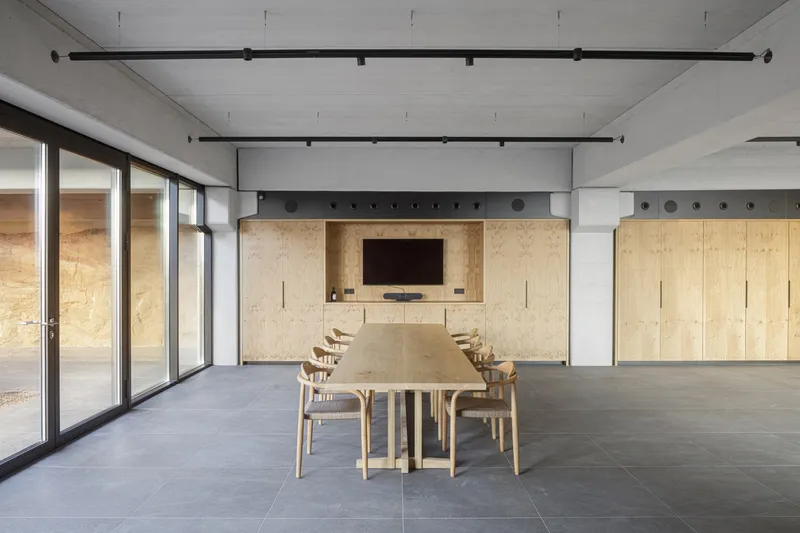
Amidst the earth-integrated main structure, the reception pavilion emerges as a beacon of modern design. This visible portion of the oil mill, designed with an organic shape and a transparent façade, offers panoramic views of the surrounding landscape. It embodies the project's philosophy of openness, inviting visitors to engage with the process of oil production and the beauty of the natural setting.
A Model for Future Developments
El Trull CV Oil Mill by Alventosa Morell Arquitectes redefines the intersection of architecture and agriculture. By prioritizing sustainability, the project not only contributes to the production of high-quality organic oil but also sets a benchmark for future agricultural developments. It proves that through thoughtful design and respect for nature, architecture can play a crucial role in promoting a sustainable future.
All the photographs are work of Adrià Goula


Popular Articles
Popular articles from the community


Co-life: Sustainable Architecture for Age-Friendly Community Living
Co-life reimagines sustainable architecture for seniors through courtyards, rammed earth, shared gardens, and spaces designed for belonging.

ALGAL REALM: A Bio-Integrated Lunar Habitat Design for Life Beyond Earth
ALGAL REALM reimagines lunar habitat design with algae-powered life support, 3D-printed regolith, and vertical living for a lunar future.

Little Red Riding Hood: Architectural Design as a Journey Through Fear, Light, and Storytelling
Little Red Riding Hood reimagines the fairy tale through architectural design shaped by fear, light, scale, memory, uncertainty, and choice.

The Musturak Paradise: Senior Living Architecture for a Connected Future in Temara, Morocco
The Musturak Paradise reimagines senior living architecture in Temara via private homes, social spaces, culture, community, and shared care.

Similar Reads
You might also enjoy these articles

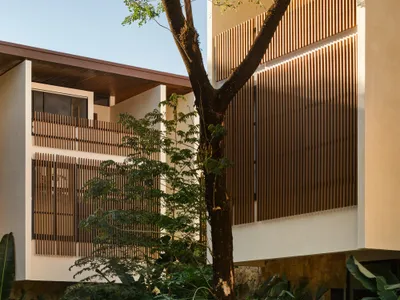
FAMM Arquitectura Organizes Ten Villas Around Courtyards and Jungle in Nosara, Costa Rica
El Molino pairs two elongated volumes with deep overhangs and timber louvers to build a compact coastal community five minutes from the beach.
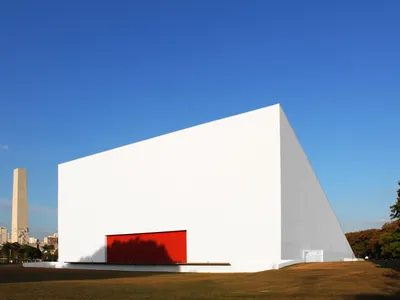
Oscar Niemeyer's Ibirapuera Park Pavilions Define São Paulo's Cultural Identity in Concrete and Curve
A constellation of modernist volumes set within São Paulo's most important urban park, conceived for the city's 400th anniversary in 1954.
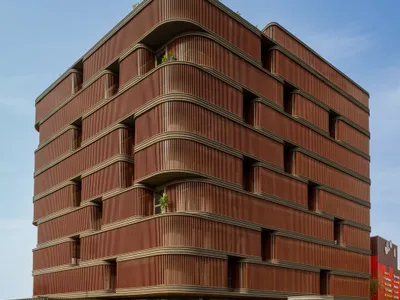
Sanjay Puri Architects Wraps a Jaipur Office Tower in Capsule-Shaped Green Buffers
A nine-level climate-responsive workplace near Jaipur Airport uses stacked planter terraces and aluminium screens to fight 40°C heat.
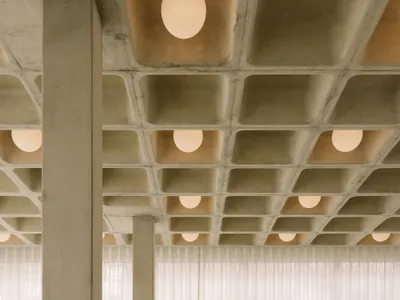
RHO Converts a Berlin Spree-Side Industrial Courtyard into Enkime's 1,000 m² Agency Headquarters
A social media agency's new home in Charlottenburg trades glossy branding for concrete waffle ceilings, glazed tile, and sheer curtains.

Explore Architecture Competitions
Discover active competitions in this discipline

Challenge to reimagine the Iron Throne

Photograph architecture without architects

Illustrate the lost glory of Angkor Wat - Render Challenge

Design challenge to reuse E-waste
Comments (0)
Please login or sign up to add comments
No comments yet. Be the first to comment!