

Sustainable Architecture in Peru: A Model for Eco-friendly Design
Exploring the French Institute of Andean Studies' blend of sustainable architecture and traditional Peruvian construction techniques.


In the heart of Barranco, Peru, the French Institute of Andean Studies stands as a testament to sustainable architecture, blending traditional construction methods with modern design. This project, realized by Roman Bauer Arquitectos and ESARQUITECTURA Atelier, serves as a shining example of how eco-friendly principles can be integrated into architectural projects to address contemporary environmental challenges while respecting historical context.

The Concept of Sustainable Architecture
Sustainable architecture is a design philosophy that seeks to minimize the negative environmental impact of buildings by enhancing efficiency and moderation in the use of materials, energy, and development space. It's a concept that not only preserves our planet but also enriches our quality of life.
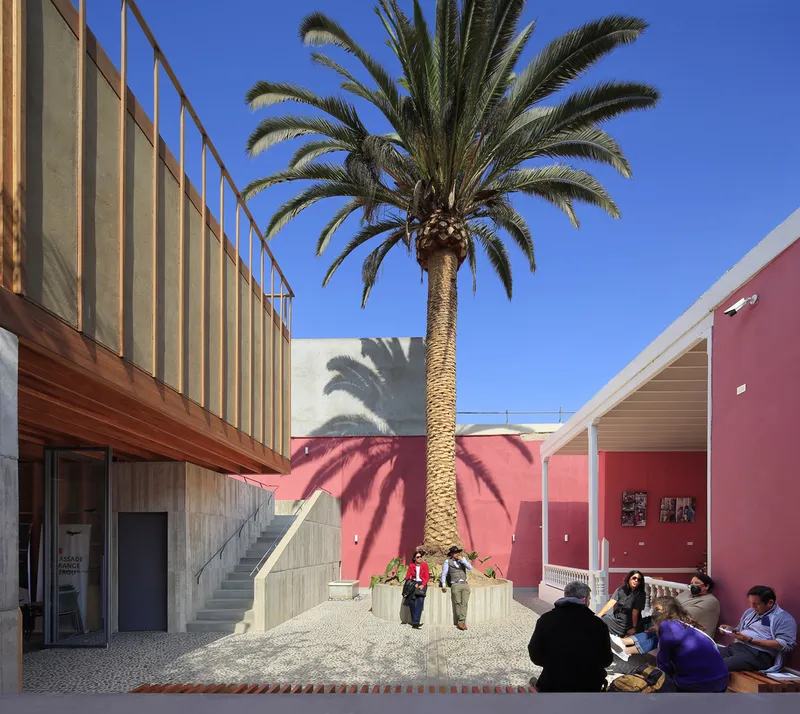
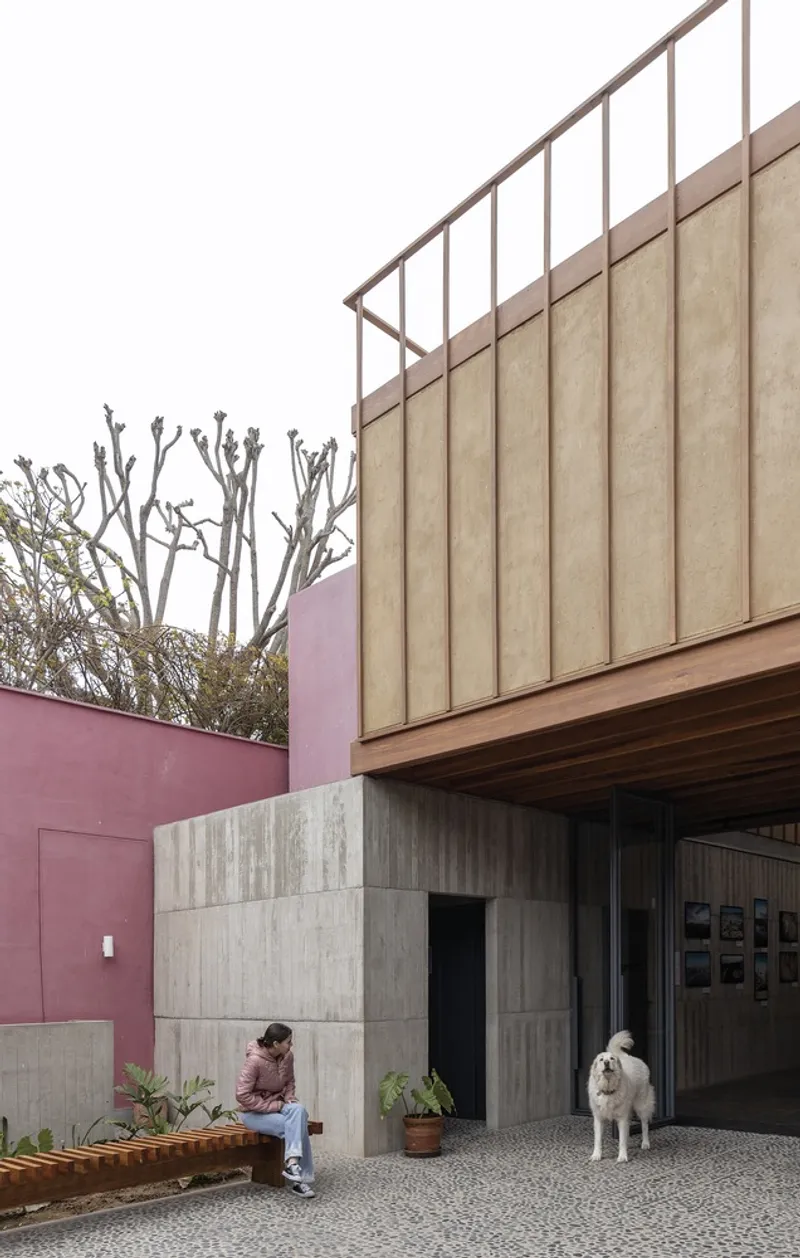
The Project: French Institute of Andean Studies
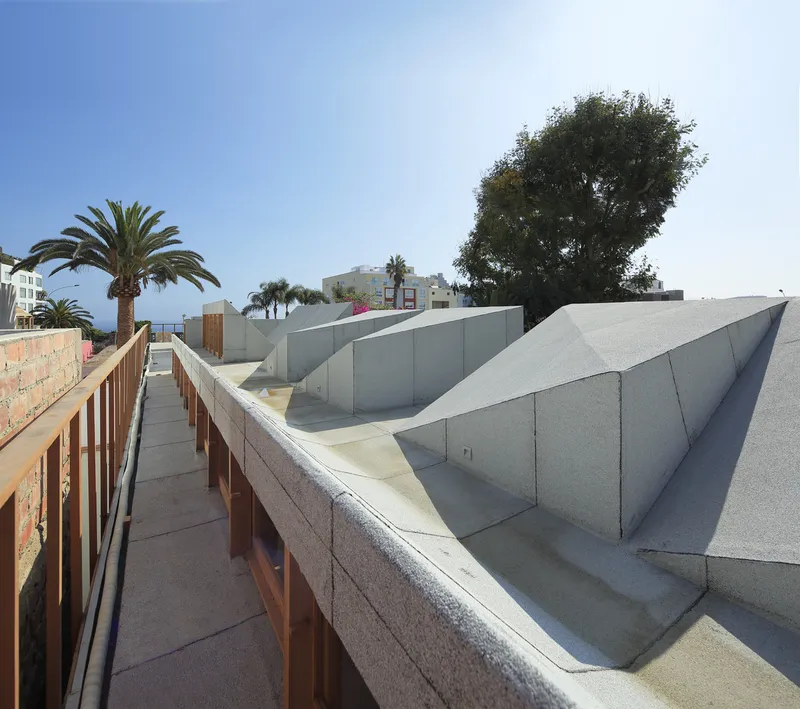
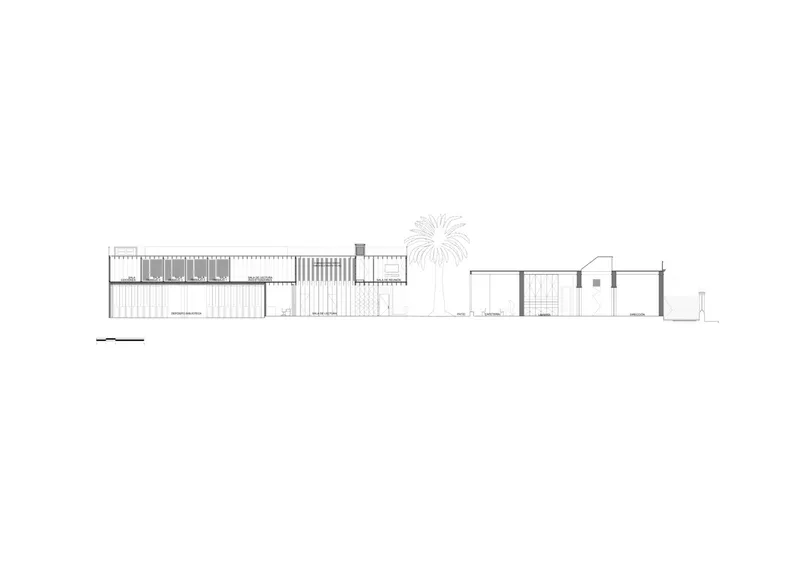
Located in Barranco, the cultural heart of Lima, the French Institute of Andean Studies (IFEA) is a pioneering project that marries traditional Peruvian building techniques with cutting-edge sustainable design. The project comprises two main structures: a renovated historic house that hosts administrative offices, a bookstore, and a cafeteria, and a new building designed to accommodate a library and research offices.

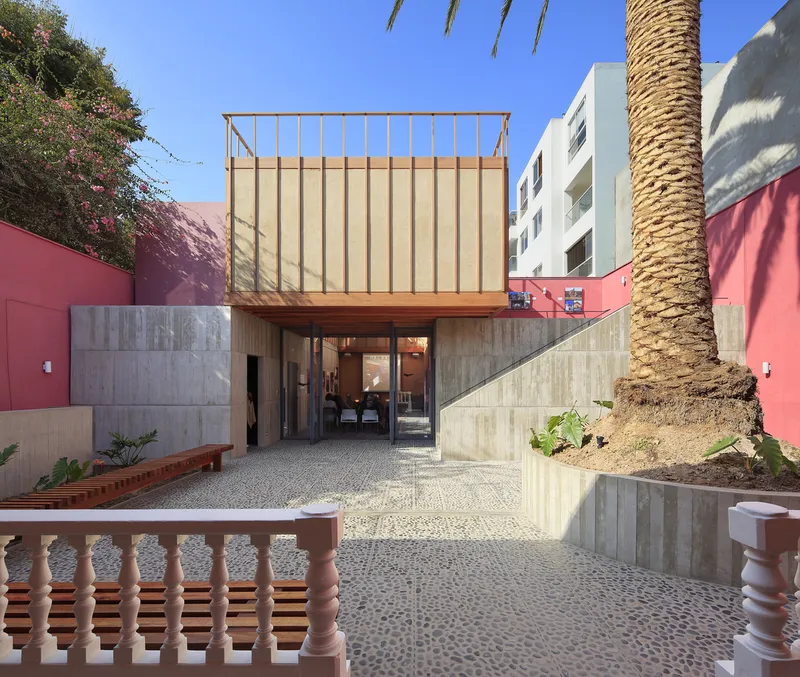
Design and Structure
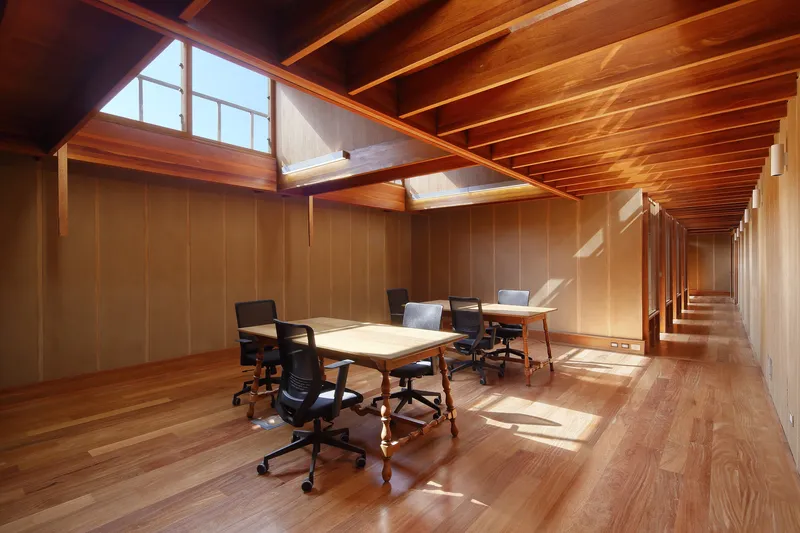
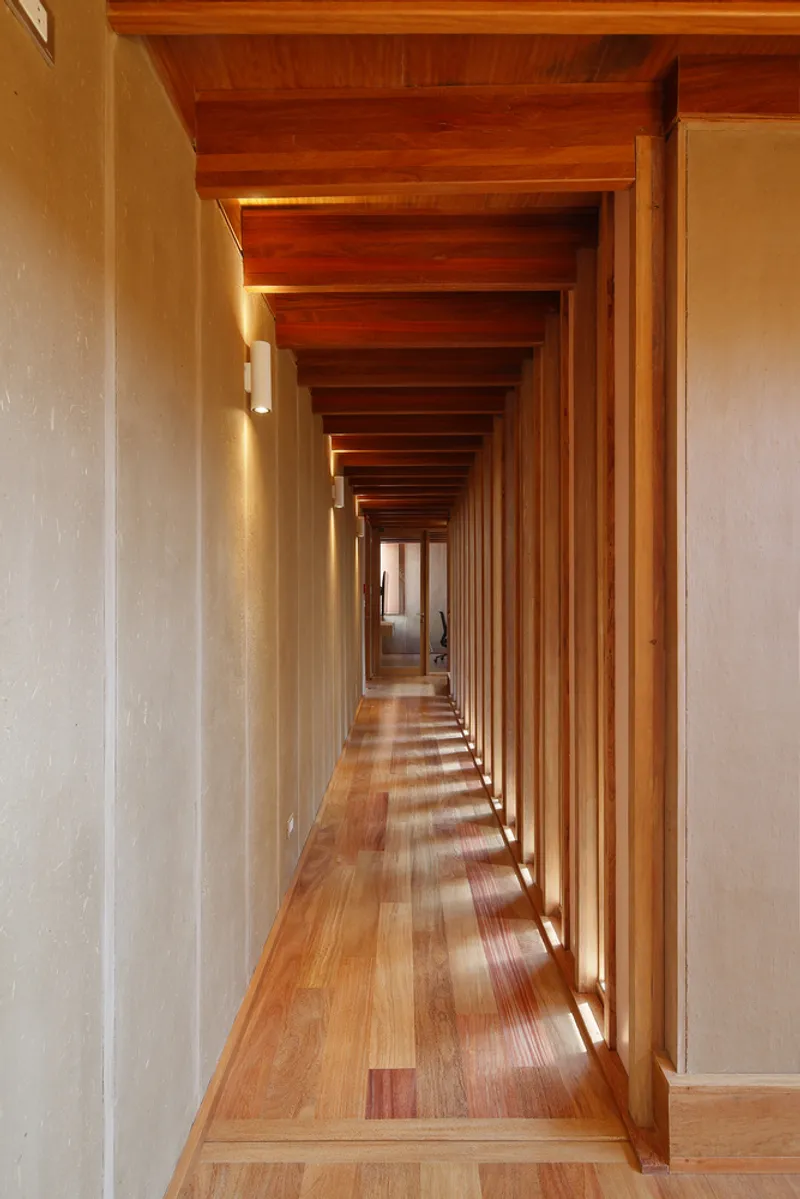
The IFEA project is notable for its use of natural light, passive climatization, and local materials, which together create a space that is both environmentally responsible and deeply rooted in the local context. The library, with its double-height reading room and zenithal lighting, demonstrates a flexible design using sliding panels, allowing the space to transform as needed.
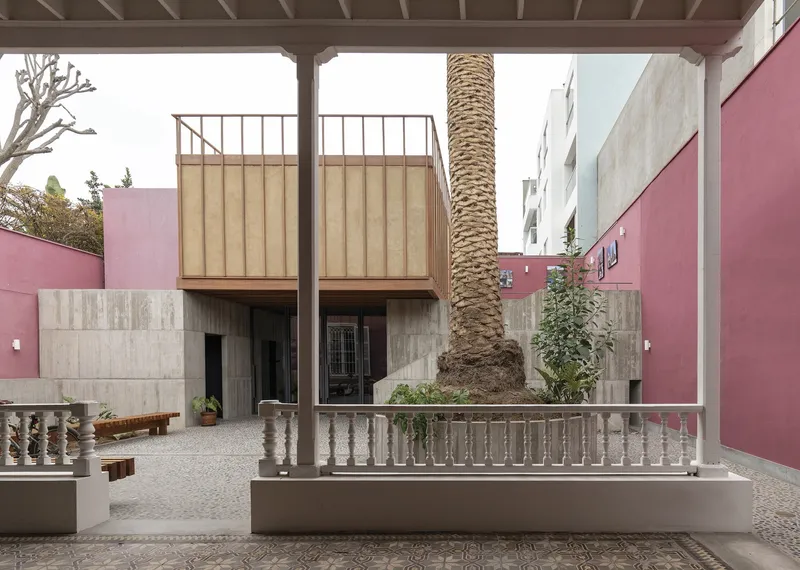

Traditional Techniques for Modern Challenges
One of the project's most remarkable aspects is its use of improved traditional construction techniques, such as the "quincha" method, which involves intertwined caña brava covered in mud. This technique not only utilizes local materials but also offers excellent thermal insulation and seismic resilience, critical in Peru's climate and geographical context.

Environmental Sustainability
The project's commitment to sustainability extends beyond its construction methods. The design incorporates passive climatization strategies, understanding the solar path and local winds to create comfortable indoor environments without relying heavily on mechanical systems. Materials such as caña, mud, stone, and wood were chosen for their low environmental impact and ability to blend with the historical surroundings.


Awards and Recognition
The French Institute of Andean Studies has received national and international acclaim, including the National Hexagon Steel Award at the XIX Biennial of Peruvian Architecture 2022. It was also a finalist at the Quito Biennial 2022 and for the Oscar Niemeyer Award 2022, underscoring its significance as a model for sustainable architectural design.
The French Institute of Andean Studies exemplifies how sustainable architecture can preserve cultural heritage while addressing modern environmental challenges. By integrating traditional techniques with innovative design, the project offers valuable lessons for architects, planners, and communities worldwide, proving that sustainability and cultural relevance can go hand in hand in the pursuit of a more sustainable future.
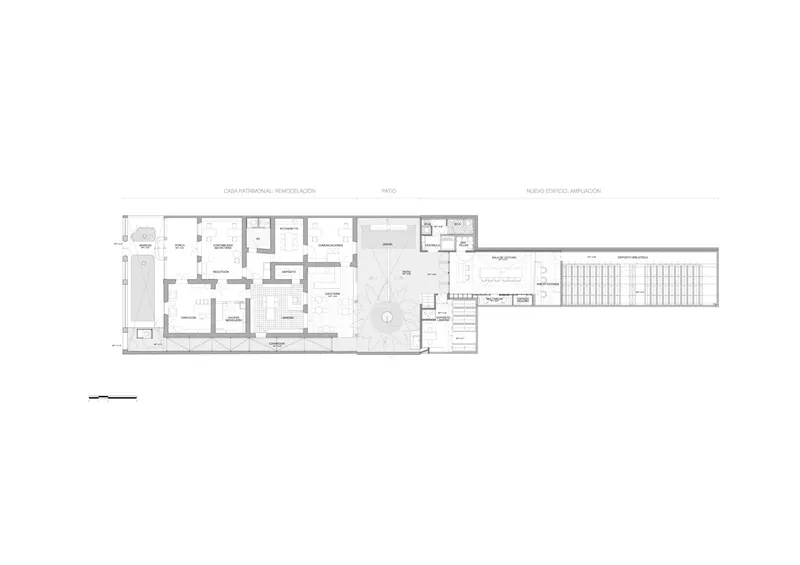
All photographs are work of JAG Studio,Juan Solano




Popular Articles
Popular articles from the community


Co-life: Sustainable Architecture for Age-Friendly Community Living
Co-life reimagines sustainable architecture for seniors through courtyards, rammed earth, shared gardens, and spaces designed for belonging.

The Ocean Hive: Sustainable Architecture for a Self-Sufficient Civilization at Sea
The Ocean Hive imagines sustainable architecture at sea, where modular habitats, algae, wave power and ocean waste sustain a growing colony.

Hill & Cross Opera: Sculptural Opera House Architecture Shaped by Tallinn’s Landscape and Identity
Hill & Cross Opera reimagines opera house architecture in Tallinn through its sculptural hill, civic plaza, glass wave and a luminous cross.

AL-JANNAH: Sustainable Architecture and Permaculture for Afghan Widows
AL-JANNAH uses sustainable architecture and permaculture to create resilient oasis of housing, learning, work and renewal for Afghan widows.


Similar Reads
You might also enjoy these articles

FAMM Arquitectura Organizes Ten Villas Around Courtyards and Jungle in Nosara, Costa Rica
El Molino pairs two elongated volumes with deep overhangs and timber louvers to build a compact coastal community five minutes from the beach.
Oscar Niemeyer's Ibirapuera Park Pavilions Define São Paulo's Cultural Identity in Concrete and Curve
A constellation of modernist volumes set within São Paulo's most important urban park, conceived for the city's 400th anniversary in 1954.
How Henri Picq's 1889 Paris Pavilion Traveled 11,000 Kilometers to Become Santiago's Artequín Museum
A prefabricated iron and glass pavilion built for the Paris Universal Exposition found a second life as a children's art museum in Chile.
Sanjay Puri Architects Wraps a Jaipur Office Tower in Capsule-Shaped Green Buffers
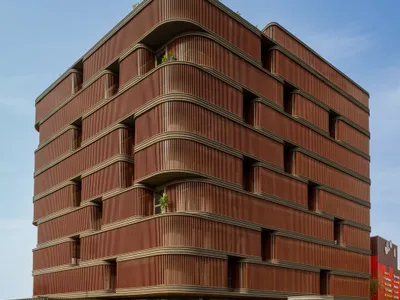
A nine-level climate-responsive workplace near Jaipur Airport uses stacked planter terraces and aluminium screens to fight 40°C heat.


Explore Architecture Competitions
Discover active competitions in this discipline



Challenge to design public laboratory


Challenge to reimagine the Iron Throne


Photograph architecture without architects


Illustrate the lost glory of Angkor Wat - Render Challenge
Comments (0)
Please login or sign up to add comments
No comments yet. Be the first to comment!