
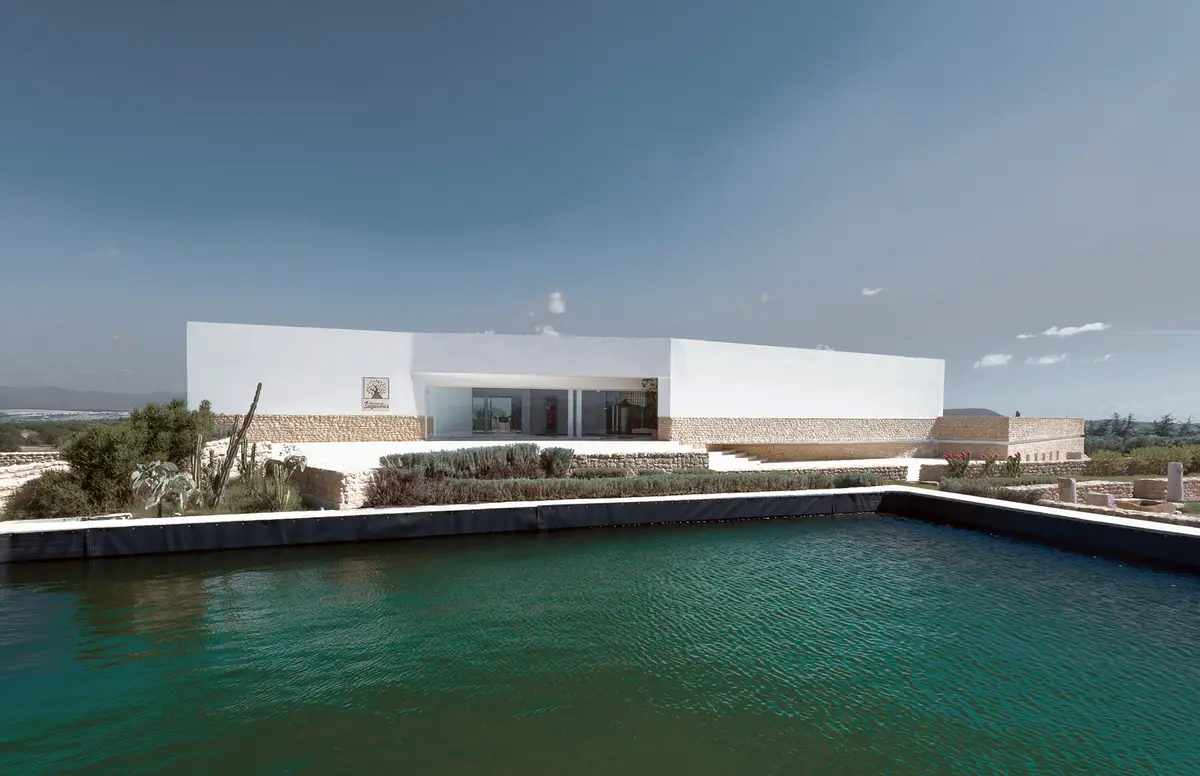
Sustainable Architecture in Tunisia: The Oil Mill of Segermès Project
This article explores the Oil Mill of Segermès in Tunisia, highlighting its role in sustainable architecture, economic revitalization, and environmental stewardship.


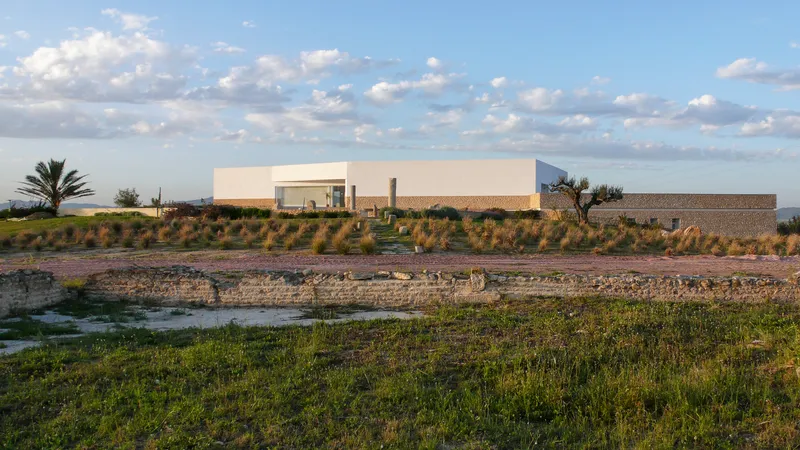
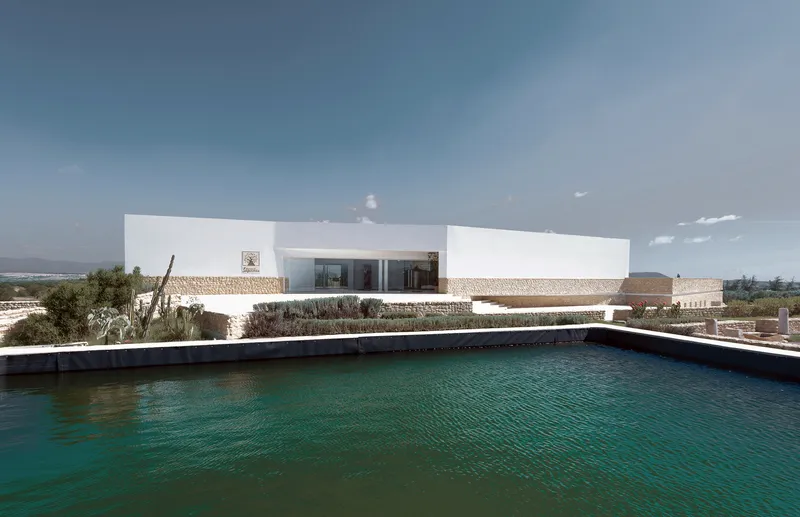
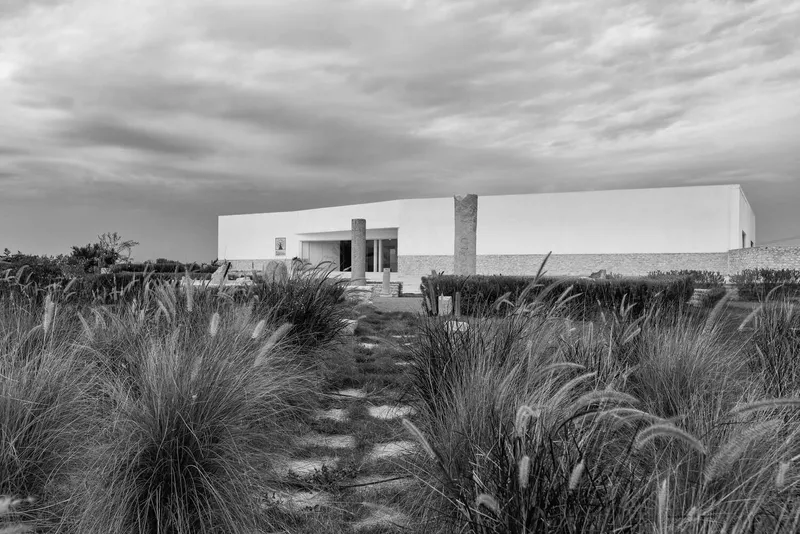
In the picturesque landscapes of Zaghouan, Tunisia, the Oil Mill of Segermès project, designed by Atelier Facila, emerges as a paragon of sustainable architecture in Tunisia. This pioneering initiative is more than an industrial facility; it represents a harmonious blend of traditional practices, sustainability, and economic revitalization.
A Holistic Approach to Rural Revitalization
Bridging Tradition and Modernity
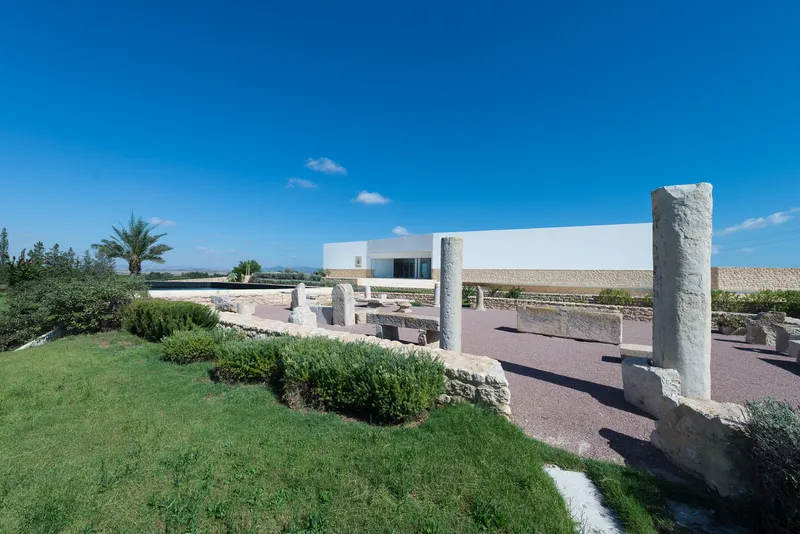
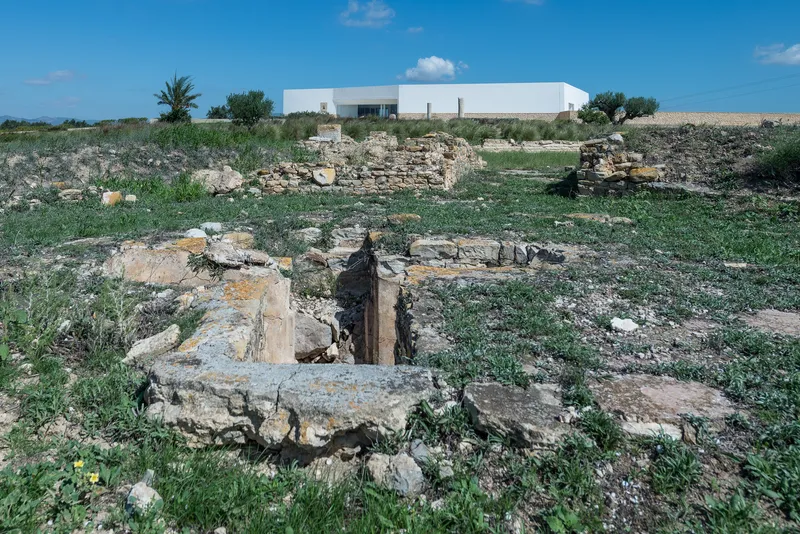
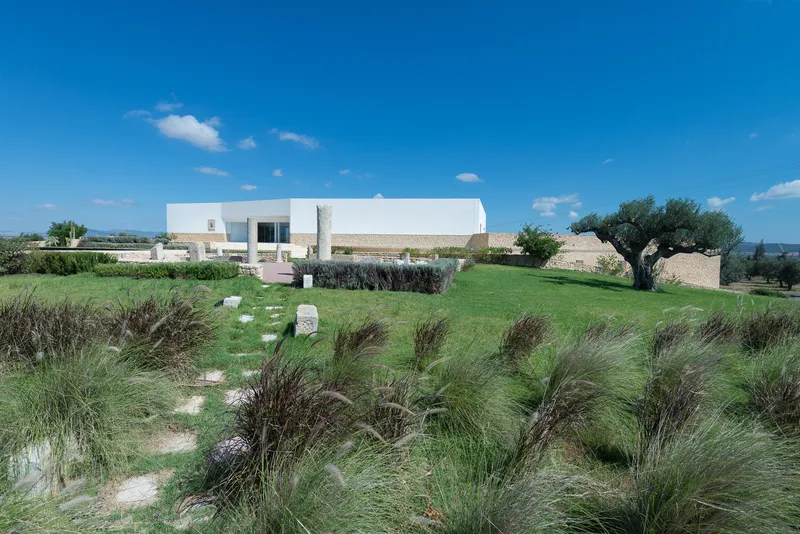
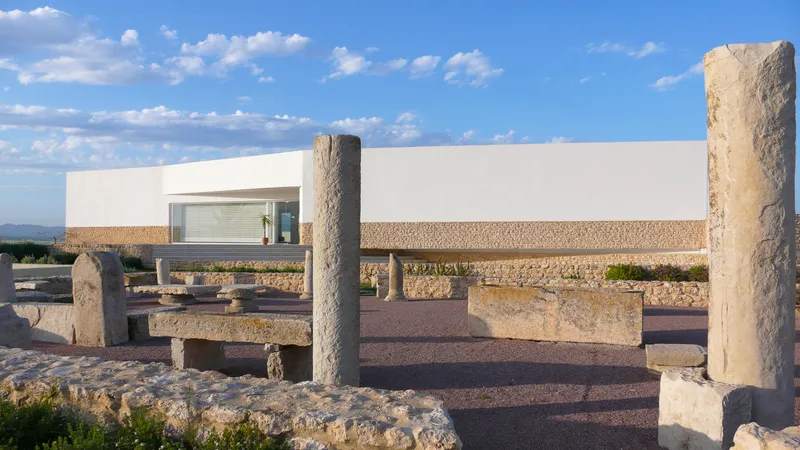
At the heart of this project lies a commitment to preserving the rich cultural heritage of Tunisia while embracing modern sustainable practices. The Oil Mill of Segermès is strategically designed to maintain a symbiotic relationship with its natural surroundings, including a nearby water reservoir and the ruins of a Byzantine basilica, reflecting a deep respect for history and the environment.
Economic and Social Impact
The project stands as a beacon of hope for rural communities, offering much-needed employment opportunities and promoting economic stability through fair trade practices. By addressing the rural exodus and combating illegal immigration, the Oil Mill of Segermès contributes to the socio-economic development of Tunisia's interior regions.
Sustainability at Its Core
Environmental Stewardship
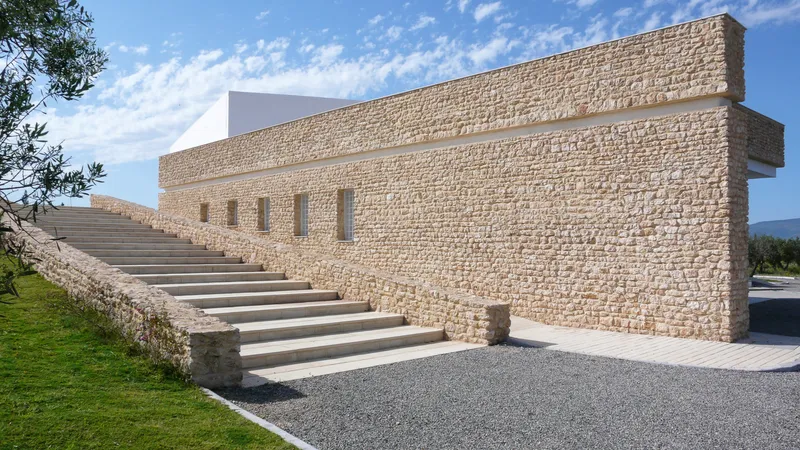
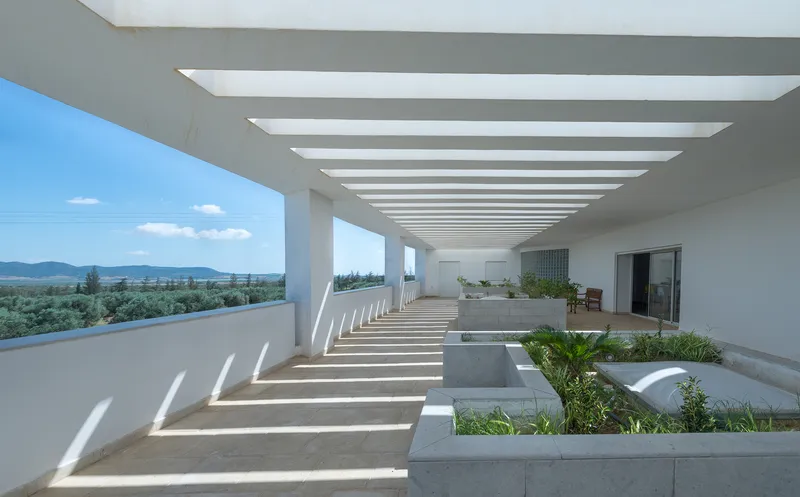
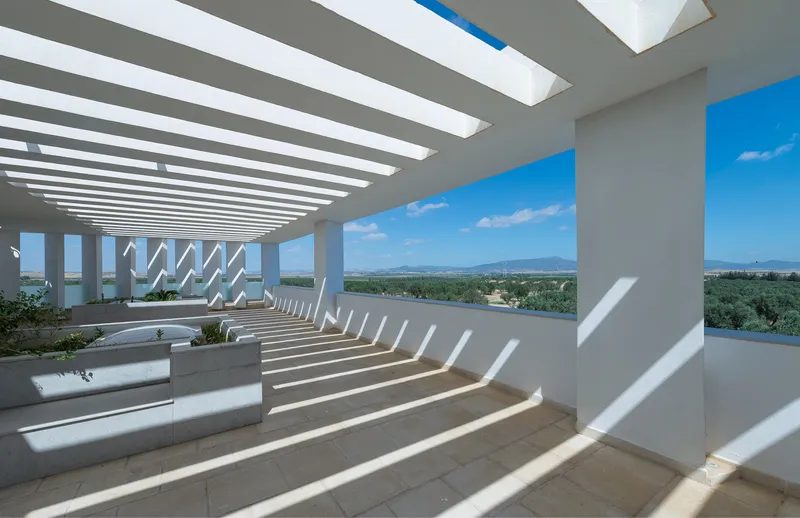
Adel Hidar, the lead architect, and the team at Atelier Facila have meticulously integrated eco-sustainable parameters into the design, utilizing locally sourced materials and minimizing environmental impact. The project's focus on organic farming and biodiversity protection sets a new benchmark for sustainable architecture in Tunisia.
Year-Round Employment Through Innovation
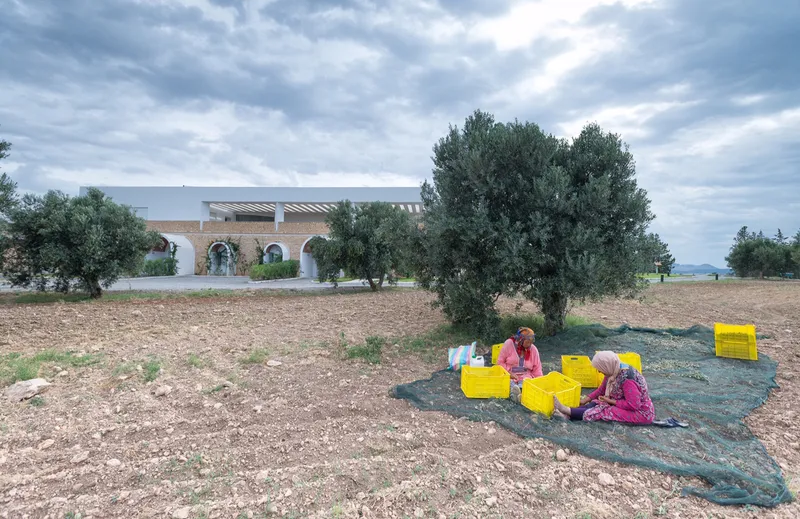
The combination of an oil mill with a cannery not only enhances operational efficiency but also ensures continuous employment for the local community, particularly rural women who depend on olive cultivation. This innovative approach underscores the project's commitment to sustainable economic practices.
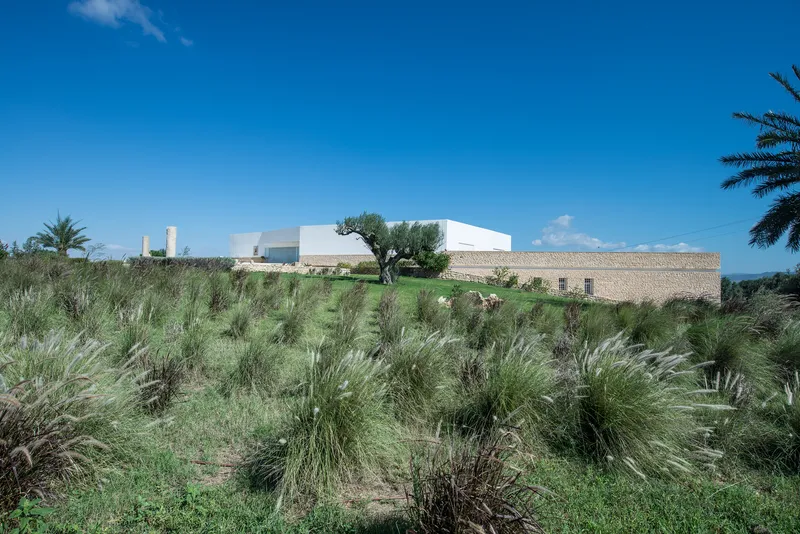
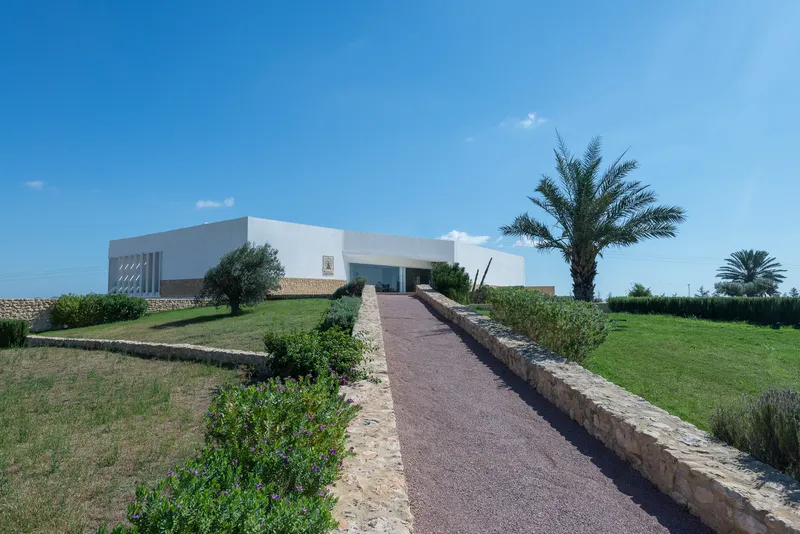
A Model for the Future
The Oil Mill of Segermès project is more than just an architectural achievement; it is a model of sustainable development that balances economic growth with environmental conservation and social equity. As Tunisia strives to position itself as a leader in the production of high-quality organic olive oil, this project illustrates the country's potential to compete on the global stage while fostering a more equitable and sustainable future. In the face of global challenges, the Oil Mill of Segermès stands as a testament to the transformative power of sustainable architecture in Tunisia.
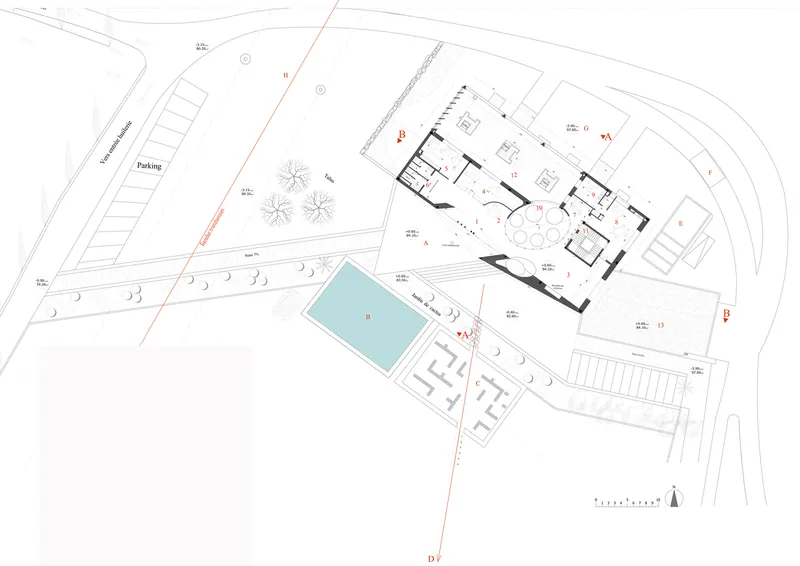
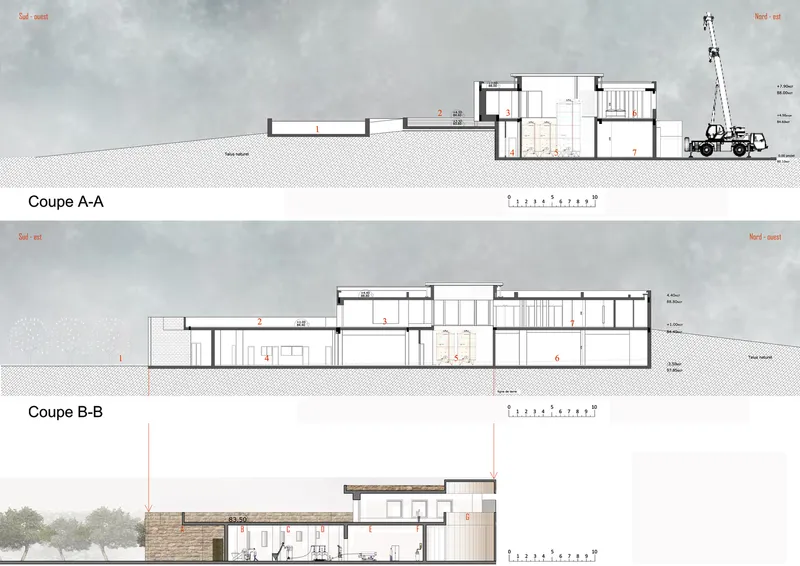
All the photographs are work of Adel Hidar, Mehdi Ben Gharbia


Popular Articles
Popular articles from the community


longwave studio Reorganizes a 112 m² Tainan Apartment Around the Daily Routines of a Family and Two Cats
In Tainan, Taiwan, birch plywood, rust-red furniture and a freestanding plaster wall link arrival, storage, work and family life in one apartment.

Cube Design Draws an Ecological Corridor Between Two Shenzhen Hills with the Nankai Building
Beside Shenzhen's container docks, the Nankai Building pairs stacked balconies with a climbing green screen to connect two hillsides across its height.

David Macias Steps a Doorless Stone and Plaster House Down a Tropical Colombian Hillside
In the humid hills of Colombia, Threshold House replaces the front door with an open void and terraces its 850 m² down the slope instead of fighting it.

LT2A and OPEN Architectes Thread a Brick and Glass High School Through a Wooded Belgian Campus
In Braine-l'Alleud, a 3,000 m² wing for Collège Cardinal Mercier pairs pale brick with a glazed colonnade, deferring to a small chapel and a dense wood.

Similar Reads
You might also enjoy these articles


Hodi-Mandai Geram
Project Function: Preservation and revitalization of the Intangible heritage and socio-spatial identity of the Hodi by Housing, Cultural Memory Center, Sacred Grove, landscape, local tourism economy


Olio Towers: A Mid-Rise for Performers That Fuses Housing, Rehearsal, and Stage
Located blocks from Houston's Theater District, this modular tower stacks living units around a central performance atrium.

Oasis: Modular Green Housing Carved into Dhaka's Urban Fabric
A shortlisted Plugin Housing entry reclaims unauthorized settlements in Dhaka with stepped concrete volumes, green roofs, and ventilation-driven design.

Black Hole: A Floating Megastructure for the Post-Physical Era
Emiliano Mazzarotto envisions a spherical, self-scaling arena where e-sports, digital hotels, and holographic stadiums replace traditional public space.

Explore Architecture Competitions
Discover active competitions in this discipline

Challenge to reimagine the Iron Throne

Photograph architecture without architects

Illustrate the lost glory of Angkor Wat - Render Challenge

Design challenge to reuse E-waste
Comments (0)
Please login or sign up to add comments
No comments yet. Be the first to comment!