

Sustainable Corporate Campus Architecture: Tata Consultancy Services Campus in Indore by Somaya Sampat
A river-inspired sustainable corporate campus in Indore integrates ecology, culture, and workplace innovation for Tata Consultancy Services.


A River-Inspired Vision for Sustainable Business Environments
The Tata Consultancy Services (TCS) Campus in Indore, designed by Somaya Sampat and completed in 2018, redefines sustainable corporate campus architecture in India. Spanning an impressive 1,290,000 square feet, the project integrates ecological sensitivity, regional identity, and innovative workplace planning into a holistic campus that supports the evolving needs of one of India’s largest IT service companies. By drawing conceptual inspiration from the nearby Narmada River, the campus becomes more than a place of business—it becomes a living landscape that nurtures collaboration, culture, and environmental responsibility.
Conceptual Framework: A River Reinvented as a Workplace
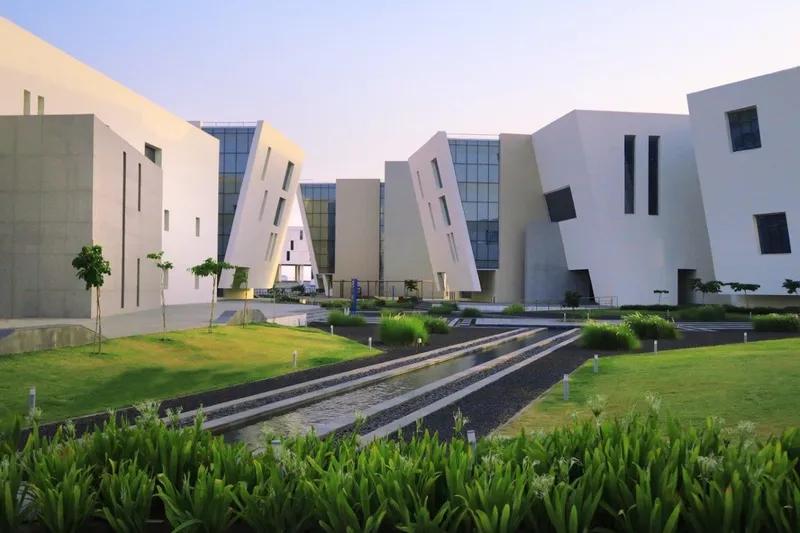
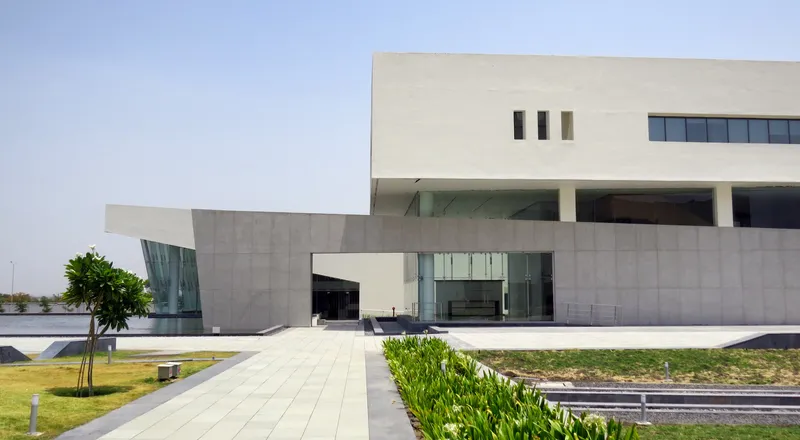
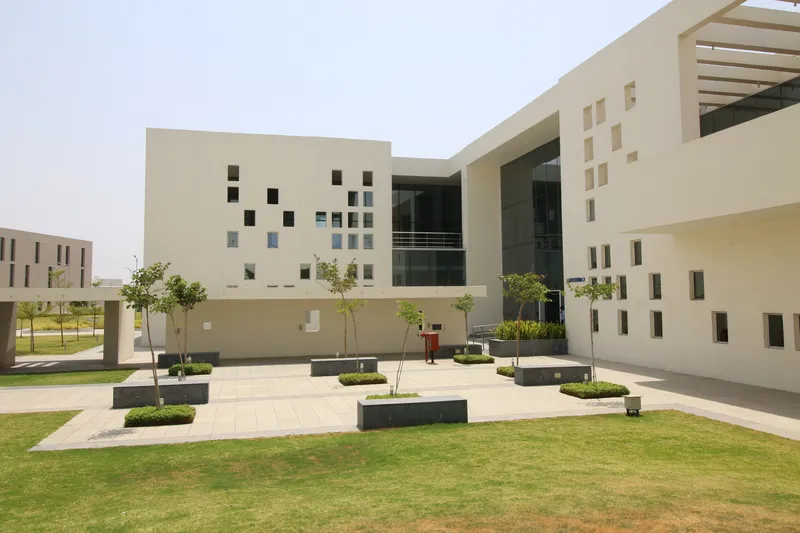
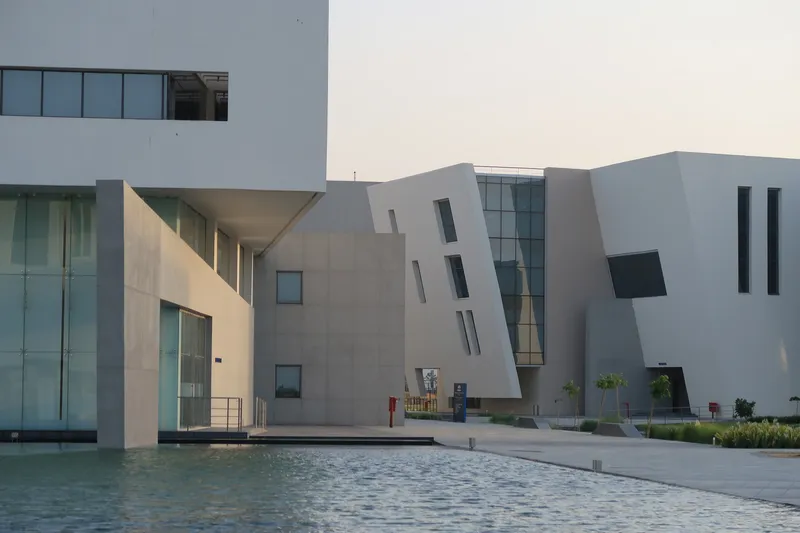
The master plan is metaphorically shaped by the Narmada River, translating its flow into three distinct zones that emulate the river's upper, middle, and lower courses. The upper course houses the core IT development centers, organized around a central kund that serves as a vibrant social and spatial anchor. The middle course presents dynamic architectural volumes—fragmented blocks with inclined surfaces and sharp triangular geometries that evoke movement and flow. In the lower course, smaller BPO buildings gradually cascade northward, culminating in an open-air amphitheater, creating a landscaped public edge that merges architecture with the natural terrain.
Addressing Heat and Climate Through Passive Design
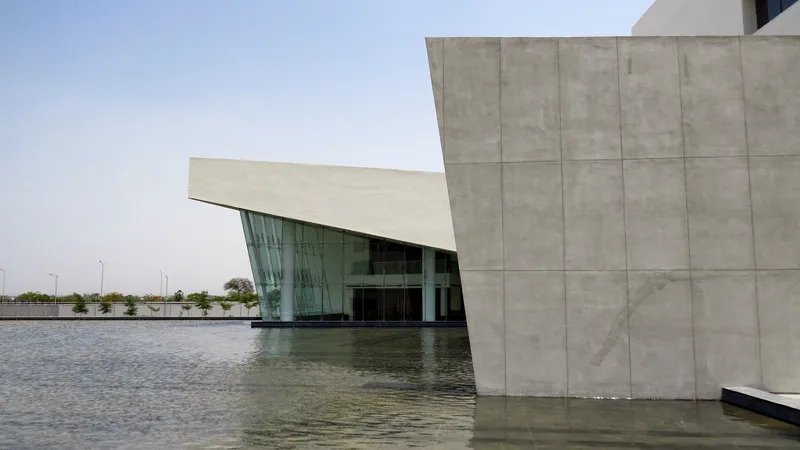
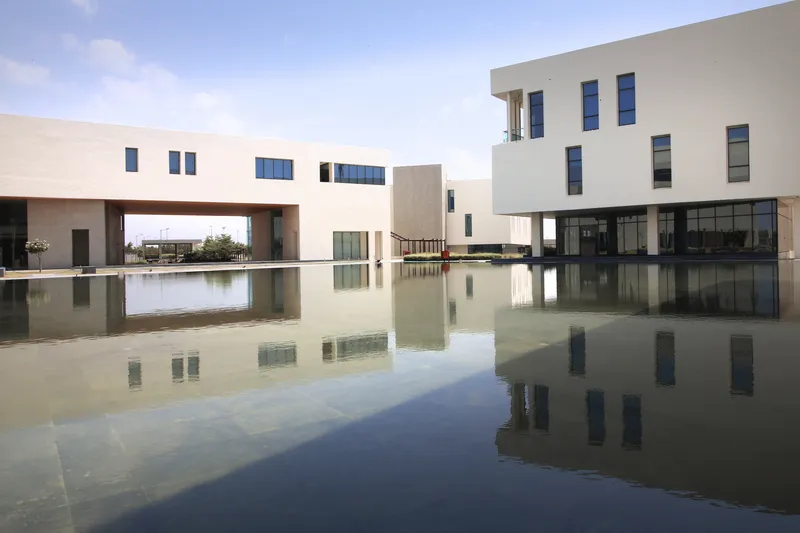
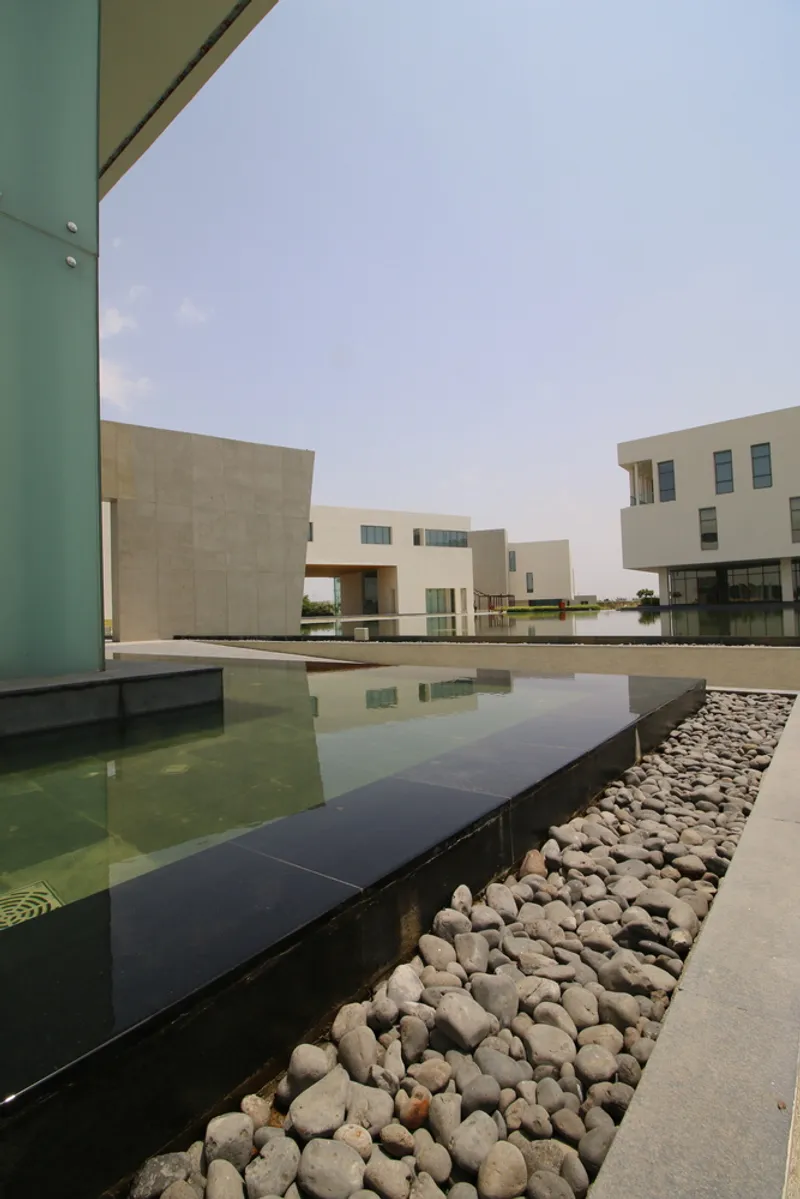
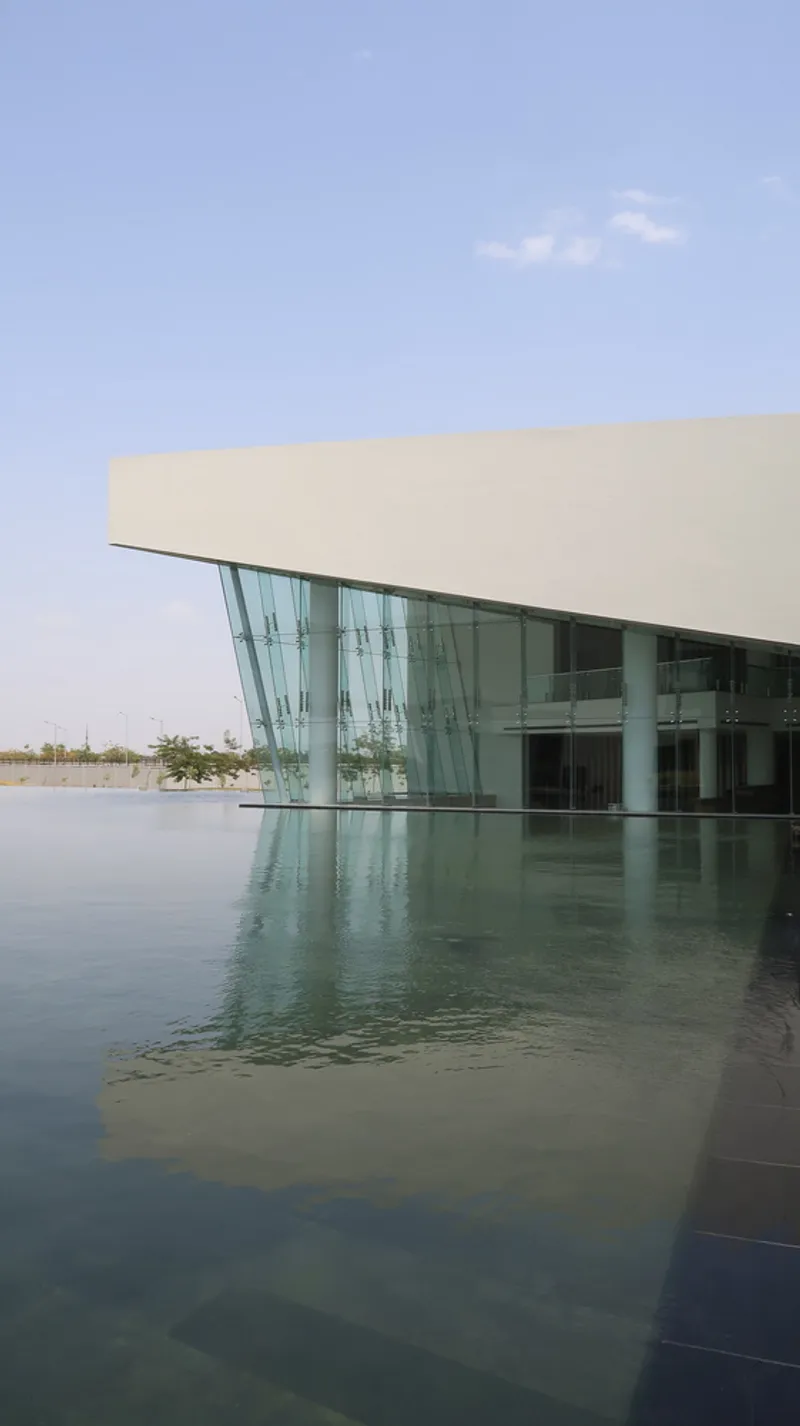
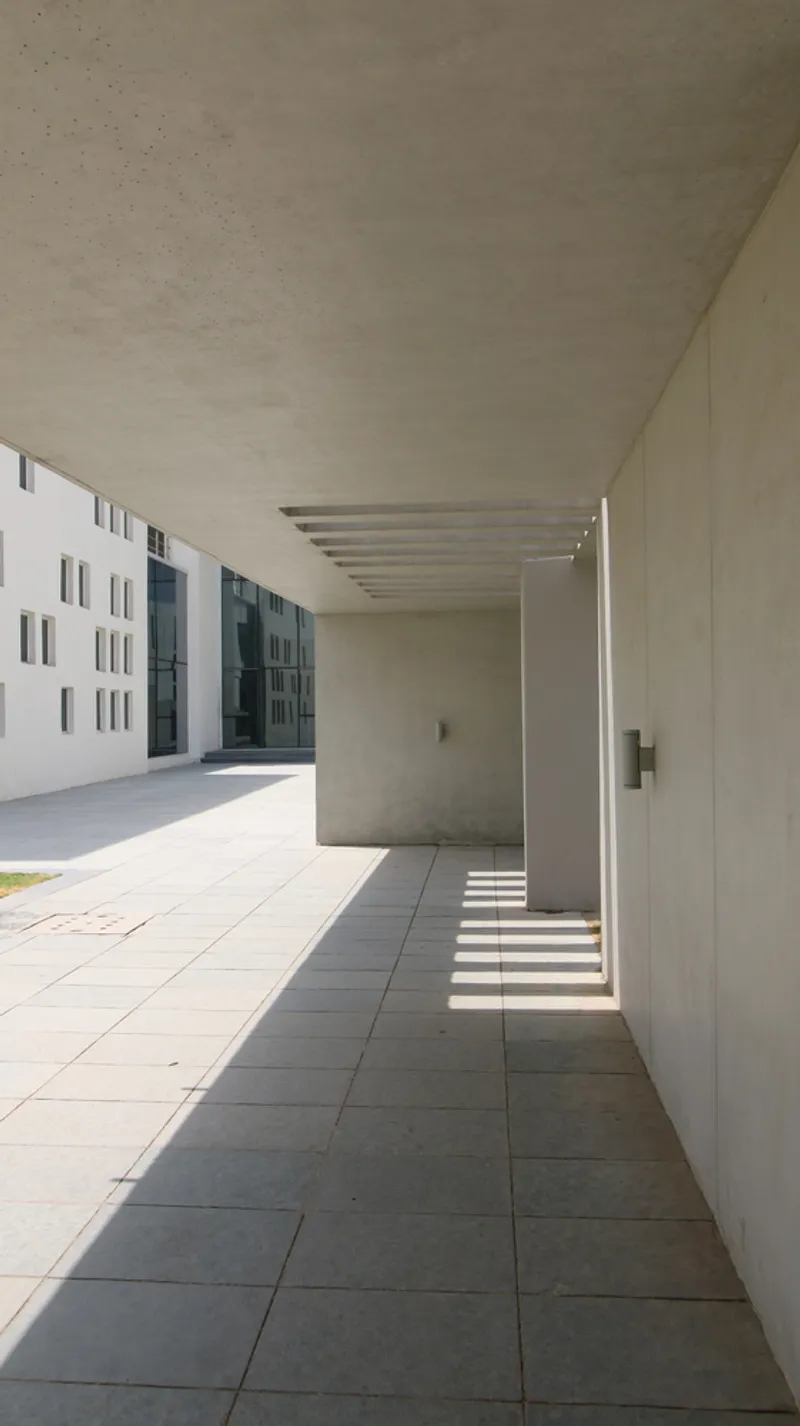
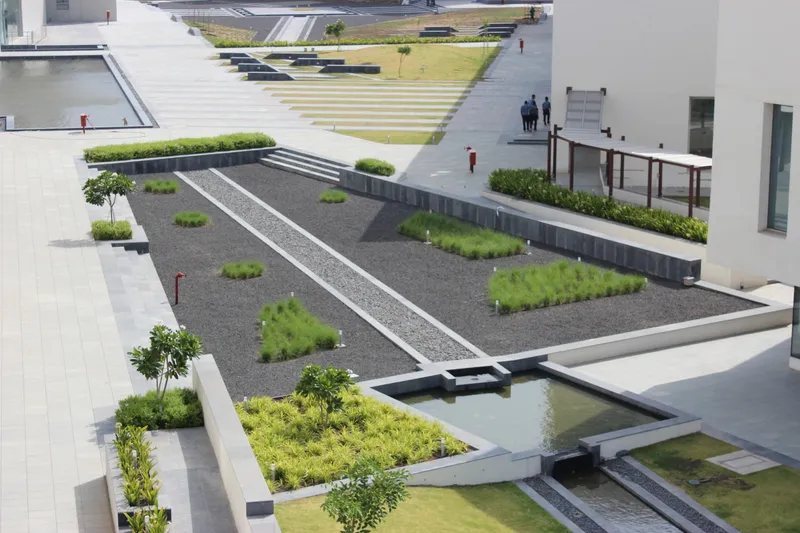
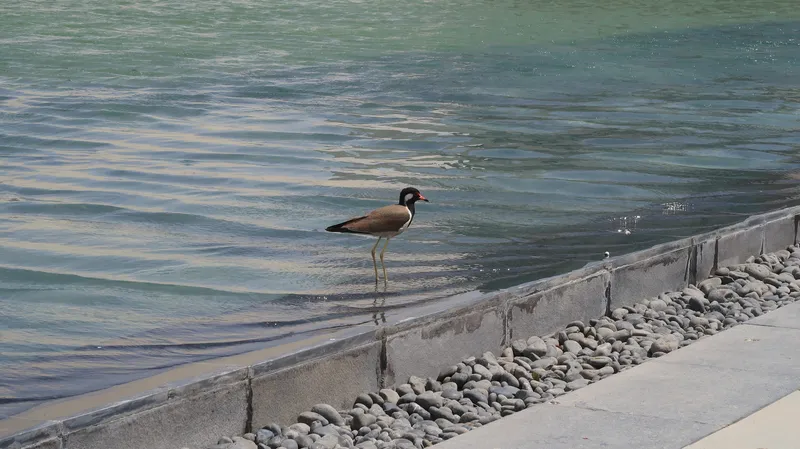
Indore's harsh summers and rising urban heat island effect posed a significant challenge. The architectural response involved integrating water bodies strategically across the campus to lower surrounding temperatures and establish microclimates of comfort. These features not only act as visual and thermal relief elements but also enhance biodiversity and serve as key gathering spaces. Alongside the water features, shaded walkways, permeable surfaces, and north-south building orientation help reduce solar gain and encourage natural ventilation, supporting the campus’s low-energy aspirations.

Embedding Sustainability at Every Level
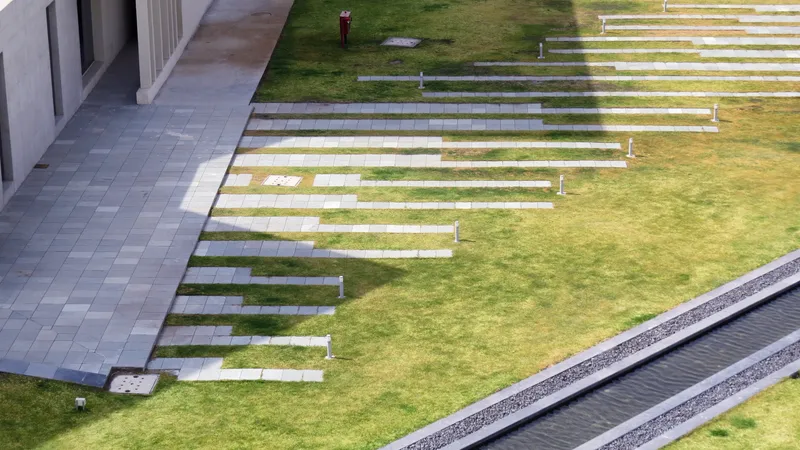
Sustainability is not a superficial layer in the TCS campus but the very structure of its identity. The design follows LEED green building standards, deploying techniques such as using fly ash bricks and cement to reduce embodied carbon, double-glazed glass to improve thermal performance, and rooftop solar panels to contribute to the building’s renewable energy portfolio. Rainwater harvesting systems, gravel-lined plazas for groundwater recharge, and an extensive network of native vegetation contribute to a water-positive campus that regenerates the local ecosystem.
Merging Culture and High-Tech Workplace Design
A distinctive feature of this campus is how it incorporates India’s rich craft traditions into the digital work environment. Within the cafeteria, curated installations of Dokra metalwork, Gond paintings, and Warli art transform everyday spaces into cultural experiences. These elements create a sense of place that resonates with employees, grounding cutting-edge technology and global enterprise within the heritage and artistry of the region. This cultural integration strengthens employee well-being and reflects a progressive corporate identity rooted in India’s diversity.


Landscape and Architecture as One
The architectural massing is carefully calibrated to reflect the Narmada River’s dynamic presence, with buildings and landscape flowing in harmony. Open courtyards, stepped forms, and soft edges mimic the geological transitions of a river valley, encouraging outdoor activity and connectivity between zones. The interior color palette draws from natural elements found along the riverbanks—stone, water, earth, and sky—creating a calm, immersive environment that contrasts with the intensity of tech operations.

A Model for Future Sustainable Campuses
The TCS Campus in Indore offers a new model for sustainable corporate campus architecture, one that is responsive not only to environmental pressures but also to cultural continuity and social well-being. Its synthesis of green construction, ecological performance, and contextual design positions it as a benchmark for future developments in India’s knowledge economy. As companies continue to seek resilient, inclusive, and inspiring workspaces, this project demonstrates how architecture can foster growth that is not only economic, but deeply human and environmental.
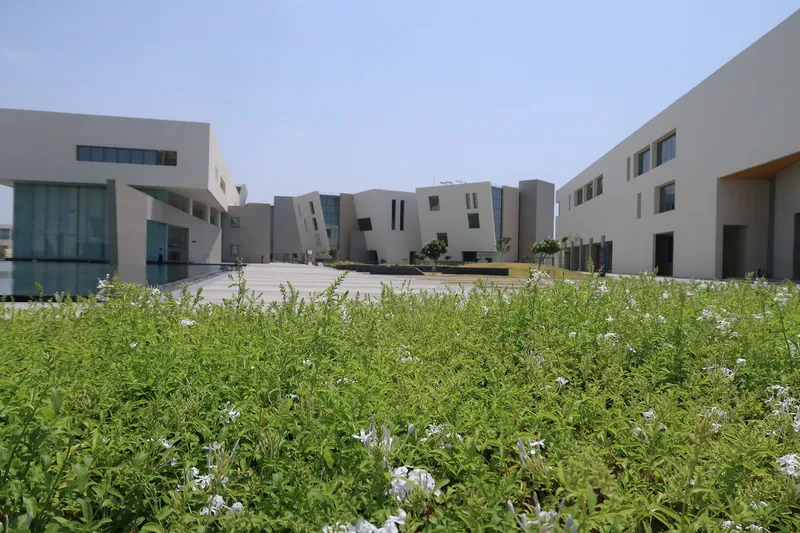
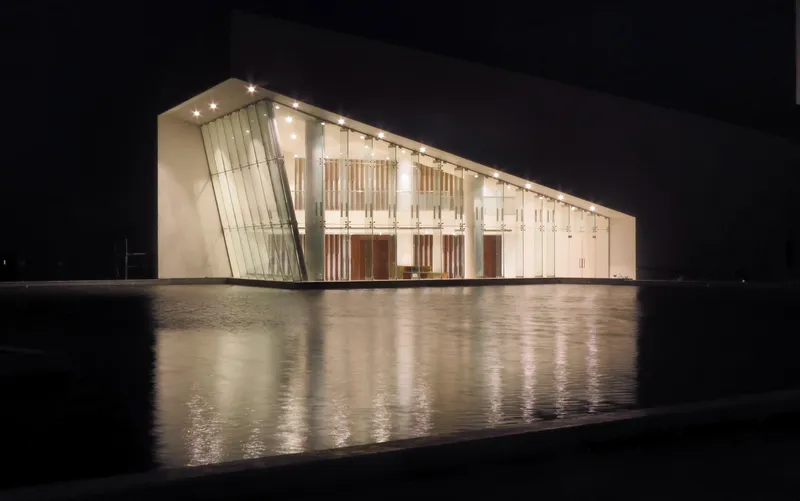

All Photographs are works of Somaya Sampat



Popular Articles
Popular articles from the community


Play: Fragments of Their World
Familiar architecture becomes modular playground design, creating safe spaces where displaced children can learn, connect, imagine and play.

Riyadh For All: Intergenerational Urban Design for Active Aging in Rabat
Riyadh For All reimagines urban design in Rabat with intergenerational co-living, adaptive courtyards, and Moroccan cultural exchange today.

Lunar Spiral: Space Architecture Shaped by the Mathematics of the Universe
Lunar Spiral reimagines space architecture through Fibonacci geometry, lunar regolith, levitating habitats, and self-sustaining Moon living.

The Earth Pod: 3D Printed Homes for Resilient Refugee Communities
The Earth Pod reimagines refugee housing through 3D printed homes made from clay, combining resilience, self-sufficiency, and rapid shelter.


Similar Reads
You might also enjoy these articles

FAMM Arquitectura Organizes Ten Villas Around Courtyards and Jungle in Nosara, Costa Rica
El Molino pairs two elongated volumes with deep overhangs and timber louvers to build a compact coastal community five minutes from the beach.
Oscar Niemeyer's Ibirapuera Park Pavilions Define São Paulo's Cultural Identity in Concrete and Curve
A constellation of modernist volumes set within São Paulo's most important urban park, conceived for the city's 400th anniversary in 1954.
How Henri Picq's 1889 Paris Pavilion Traveled 11,000 Kilometers to Become Santiago's Artequín Museum
A prefabricated iron and glass pavilion built for the Paris Universal Exposition found a second life as a children's art museum in Chile.
Sanjay Puri Architects Wraps a Jaipur Office Tower in Capsule-Shaped Green Buffers
A nine-level climate-responsive workplace near Jaipur Airport uses stacked planter terraces and aluminium screens to fight 40°C heat.

Explore Architecture Competitions
Discover active competitions in this discipline



Challenge to reimagine the Iron Throne


Photograph architecture without architects


Illustrate the lost glory of Angkor Wat - Render Challenge


Design challenge to reuse E-waste
Comments (0)
Please login or sign up to add comments
No comments yet. Be the first to comment!