
Sustainable Farmhouse Renovation: A Case Study from Granera, Spain
This article explores the sustainable renovation of a century-old farmhouse in Granera, Spain, focusing on eco-friendly practices and design innovation.


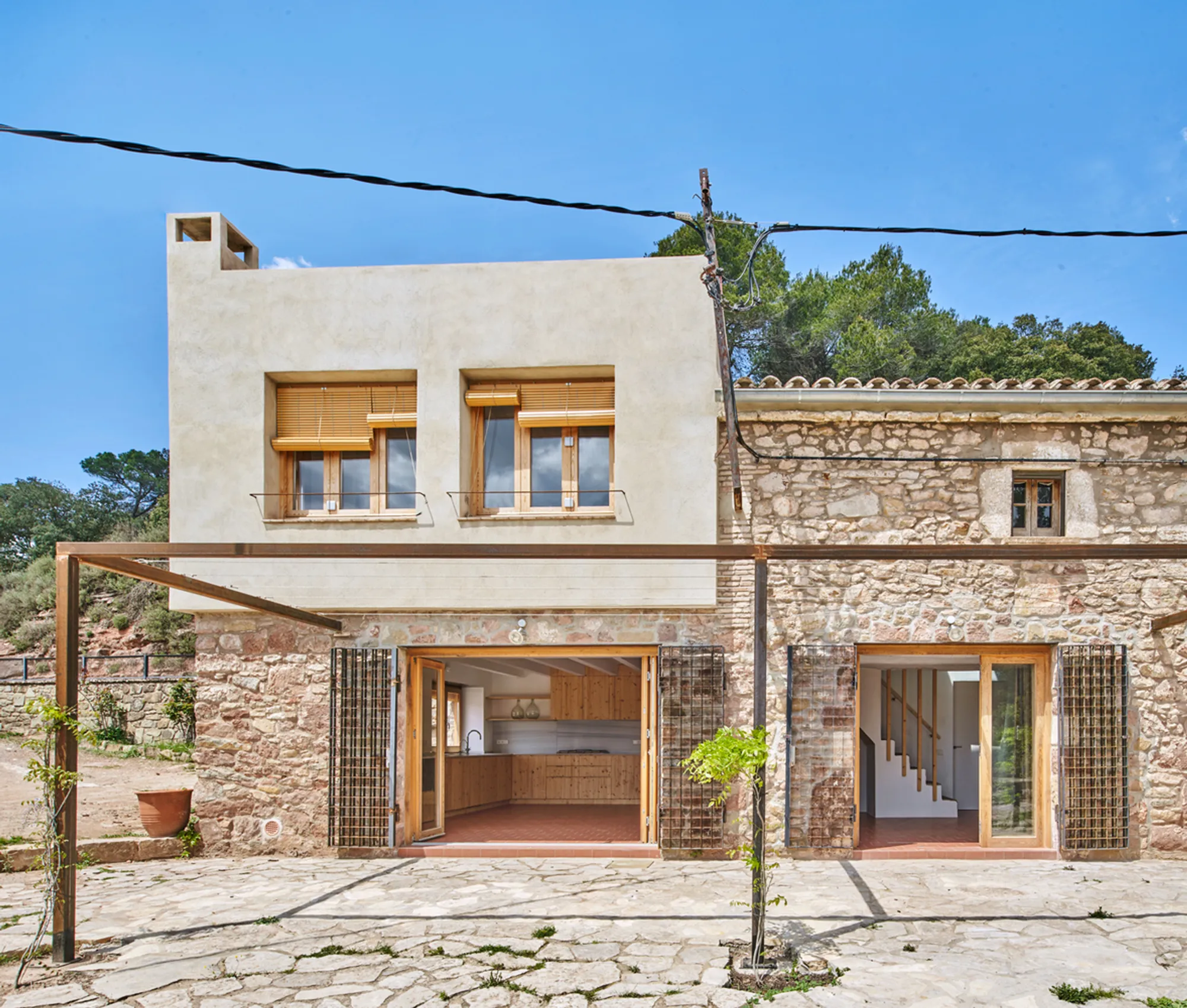
In the heart of Granera, Spain, lies a beautifully renovated century-old farmhouse that exemplifies sustainable architectural practices. This project, led by Vallribera Arquitectes, showcases how traditional structures can be transformed into modern, eco-friendly homes without sacrificing their historic charm.
The Essence of Sustainability in Architecture
The renovation of this Granera farmhouse is a prime example of how buildings can adapt to modern needs through sustainable practices. The architects focused on enhancing the building's natural energy efficiency and integrating green technologies, which are core aspects of sustainable architecture.
Project Overview
Location and Initial Structure
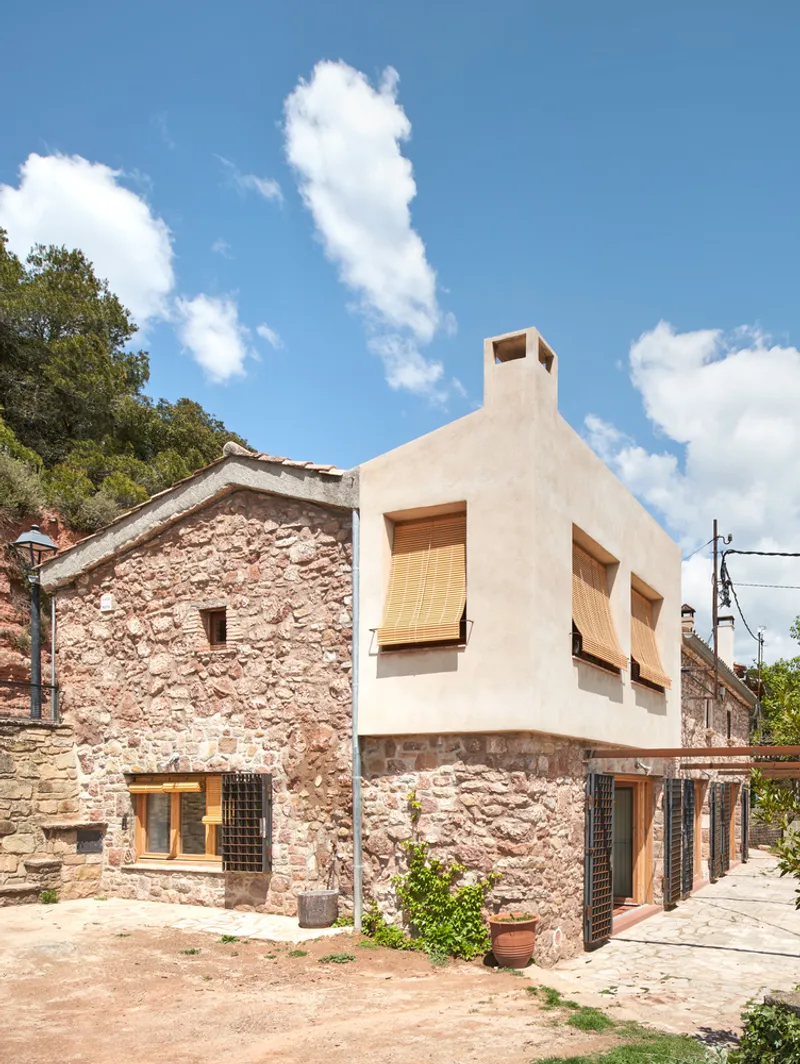
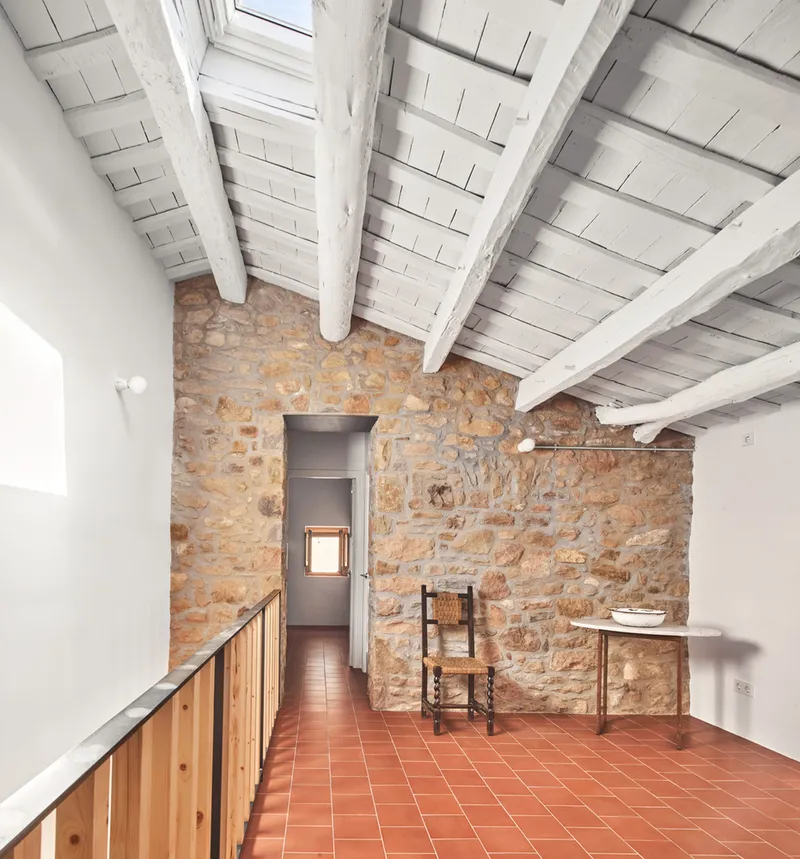
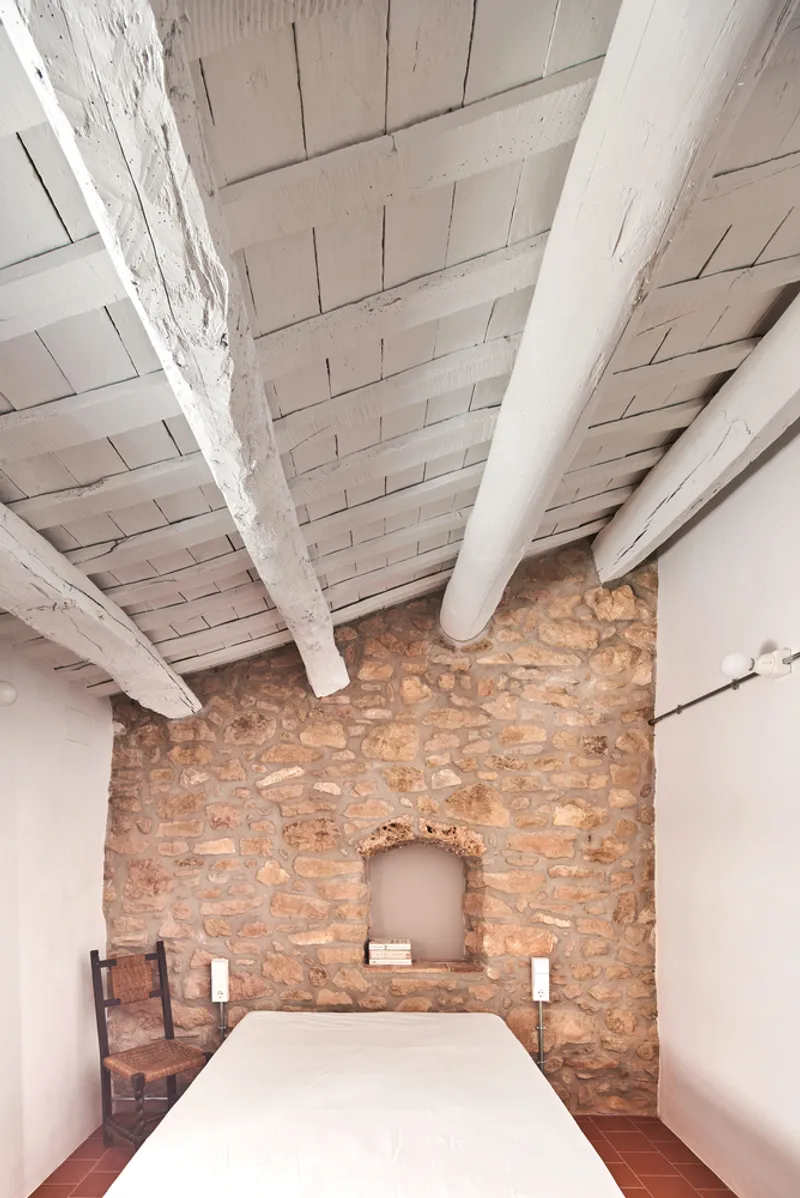
Situated in the serene landscape of Granera, the farmhouse is designed with its surroundings in mind. Originally built with thick stone walls and traditional beams, the structure was ideal for incorporating sustainable features.
Architectural Design and Innovation
Merging Indoors and Outdoors
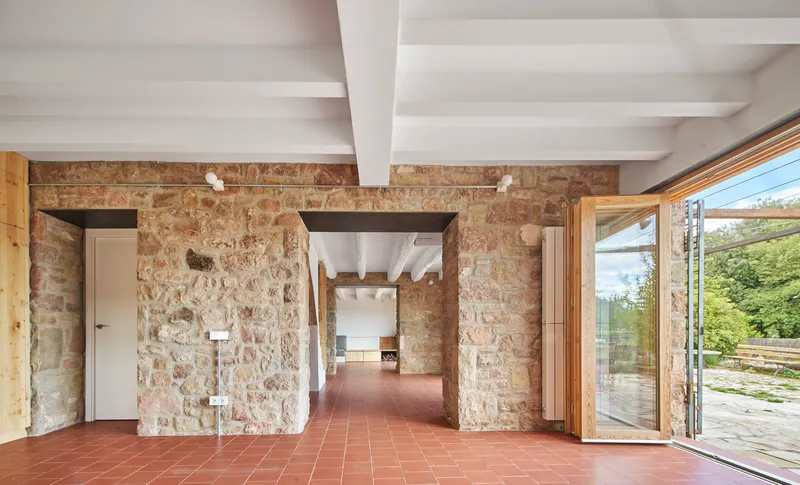
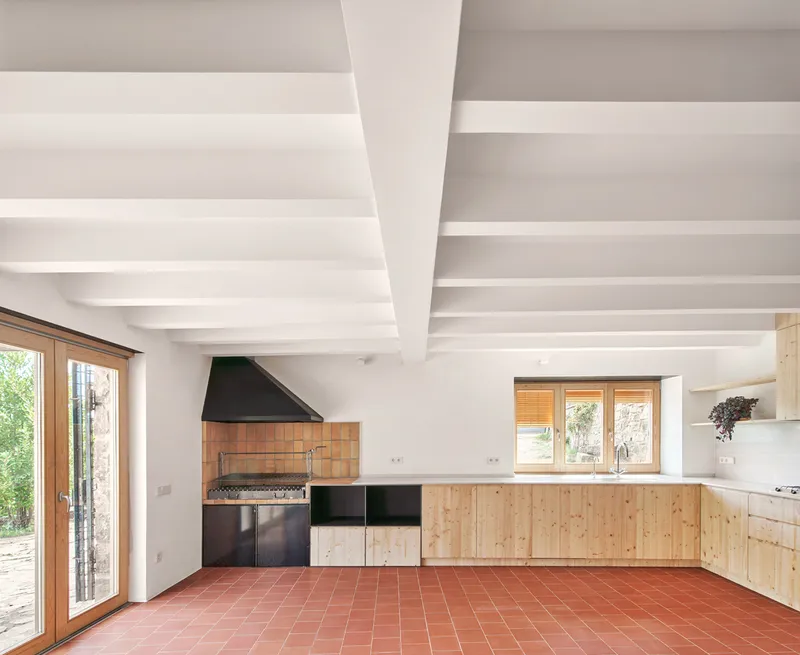
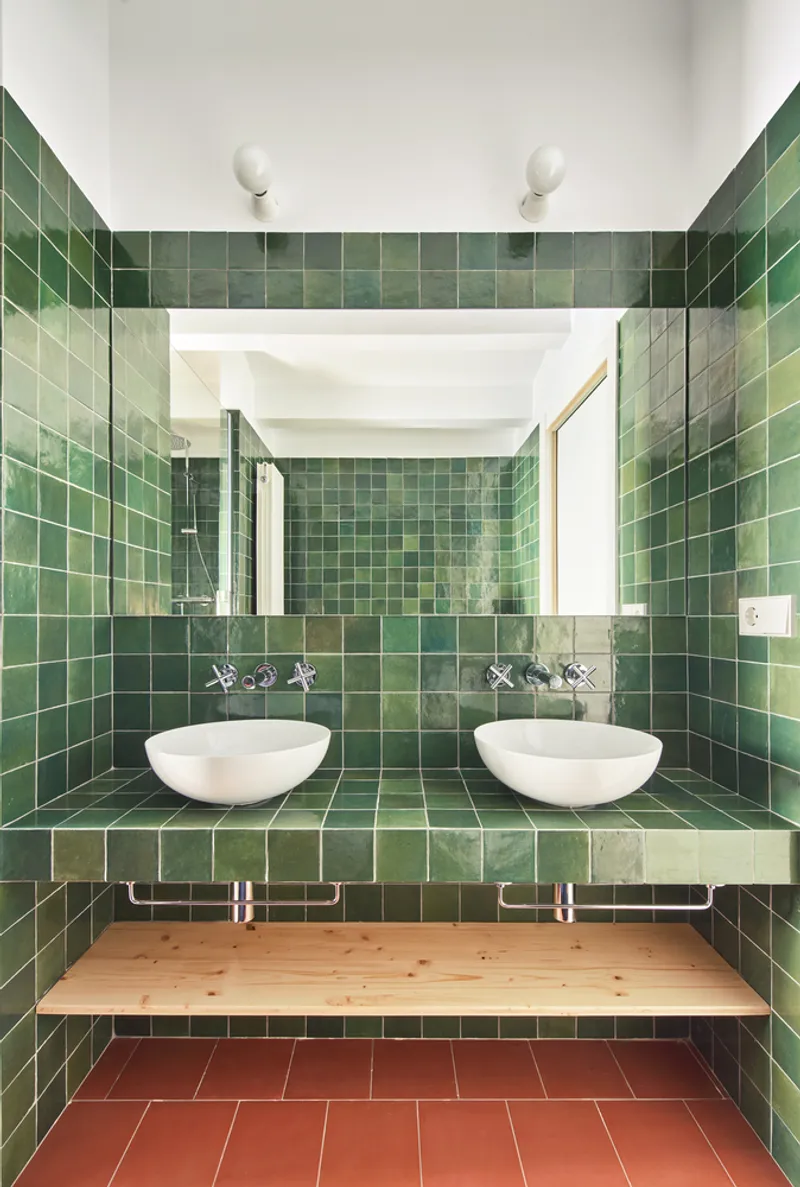
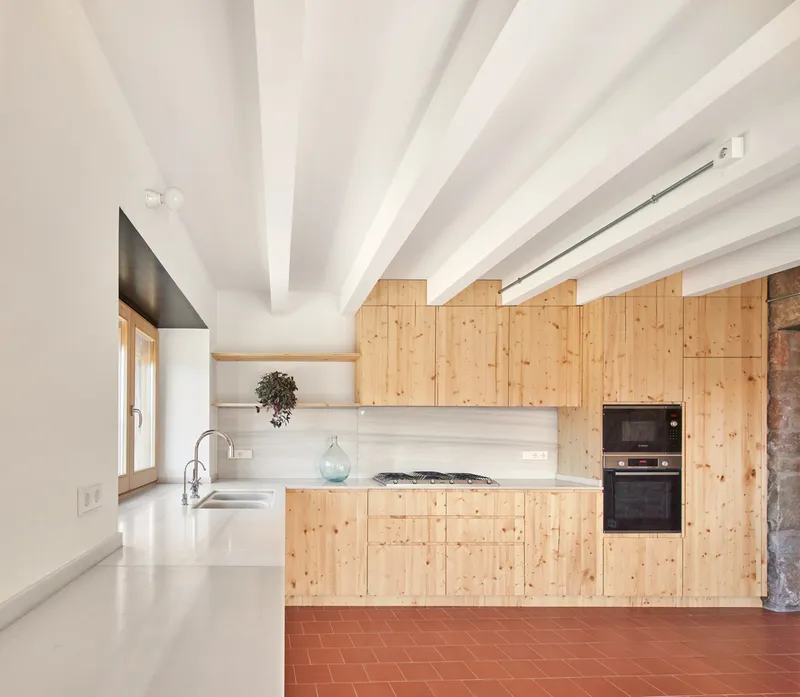
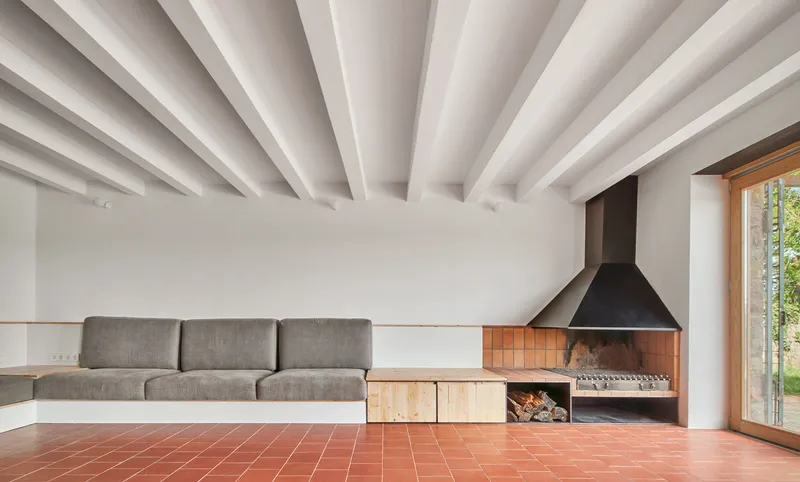
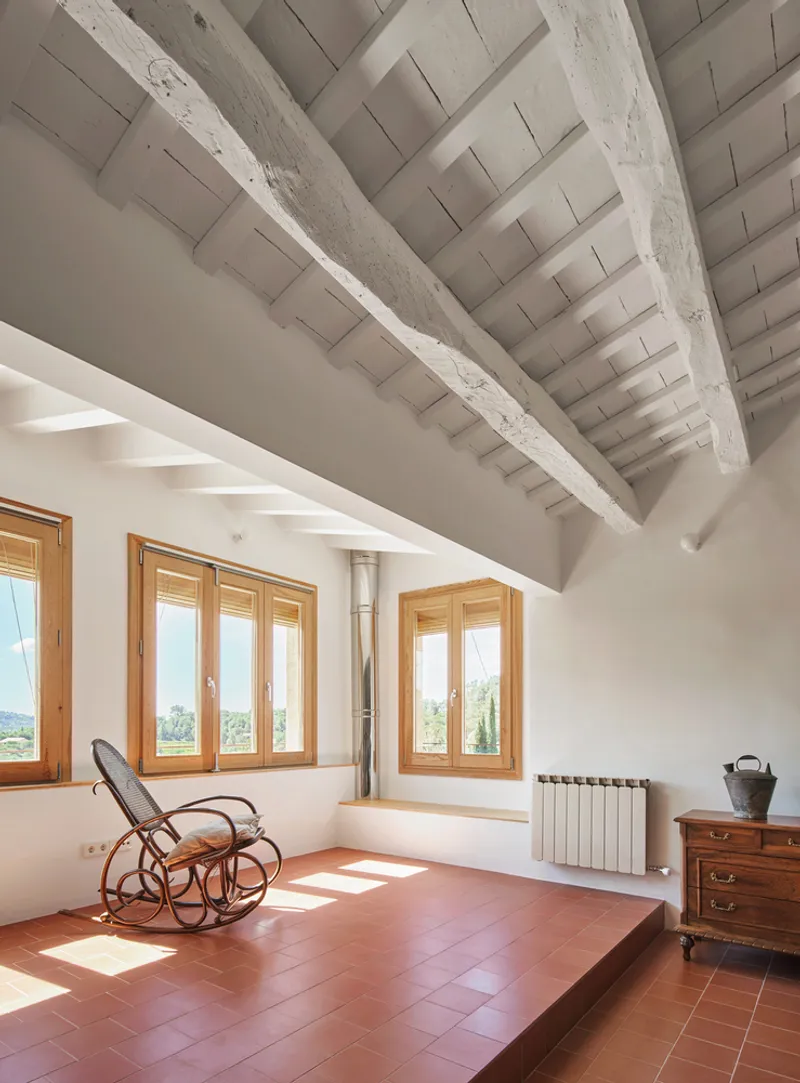
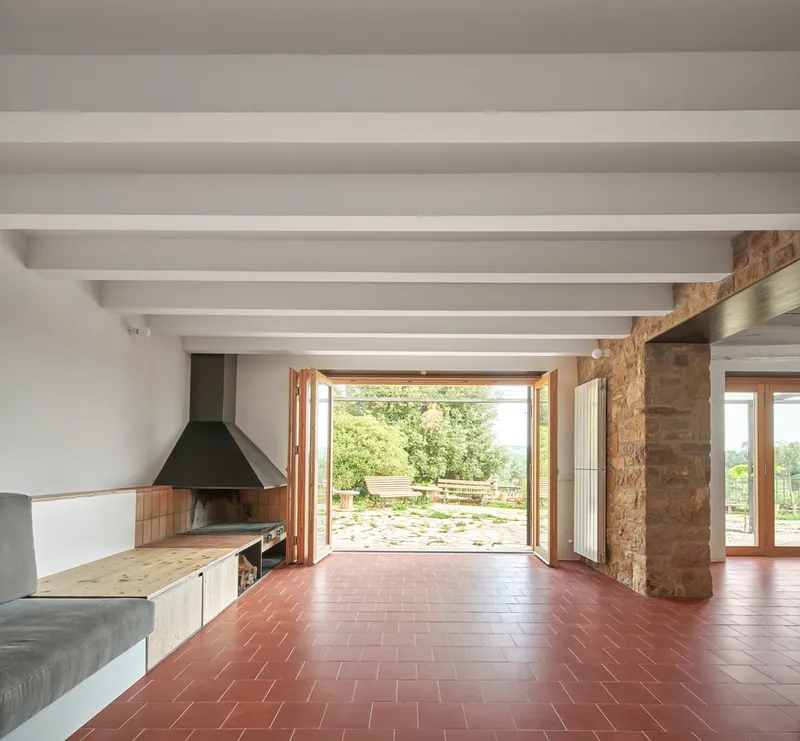
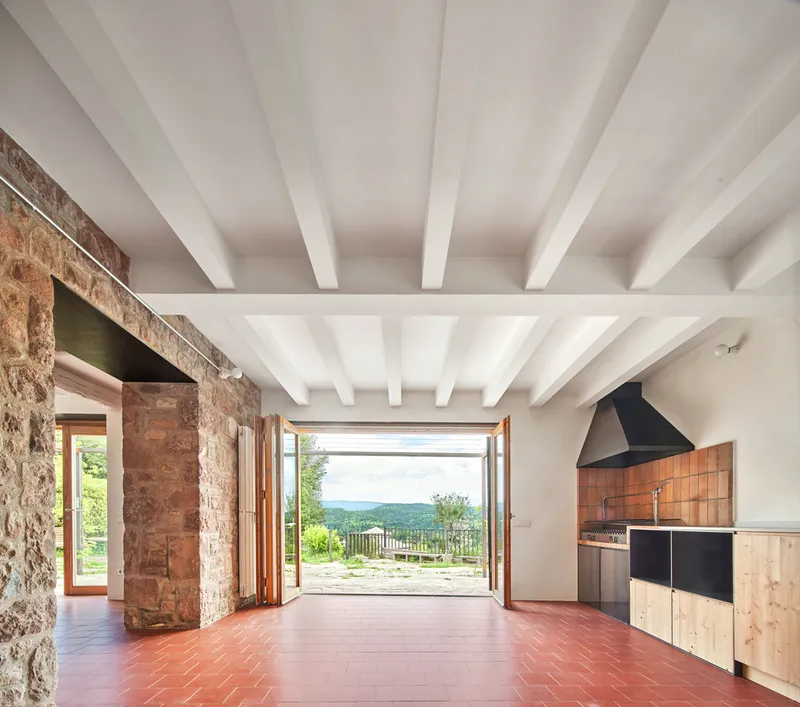
A significant aspect of the renovation involved creating large openings in the south façade, allowing natural light to flood the interiors and reducing the need for artificial lighting. This design choice not only enhances the aesthetic appeal but also blurs the lines between indoor and outdoor spaces, promoting a healthier living environment.
Thermal Efficiency
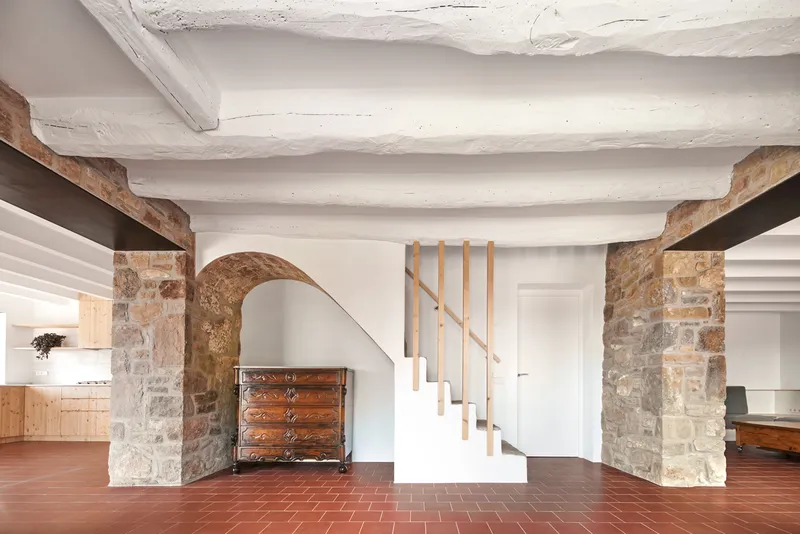
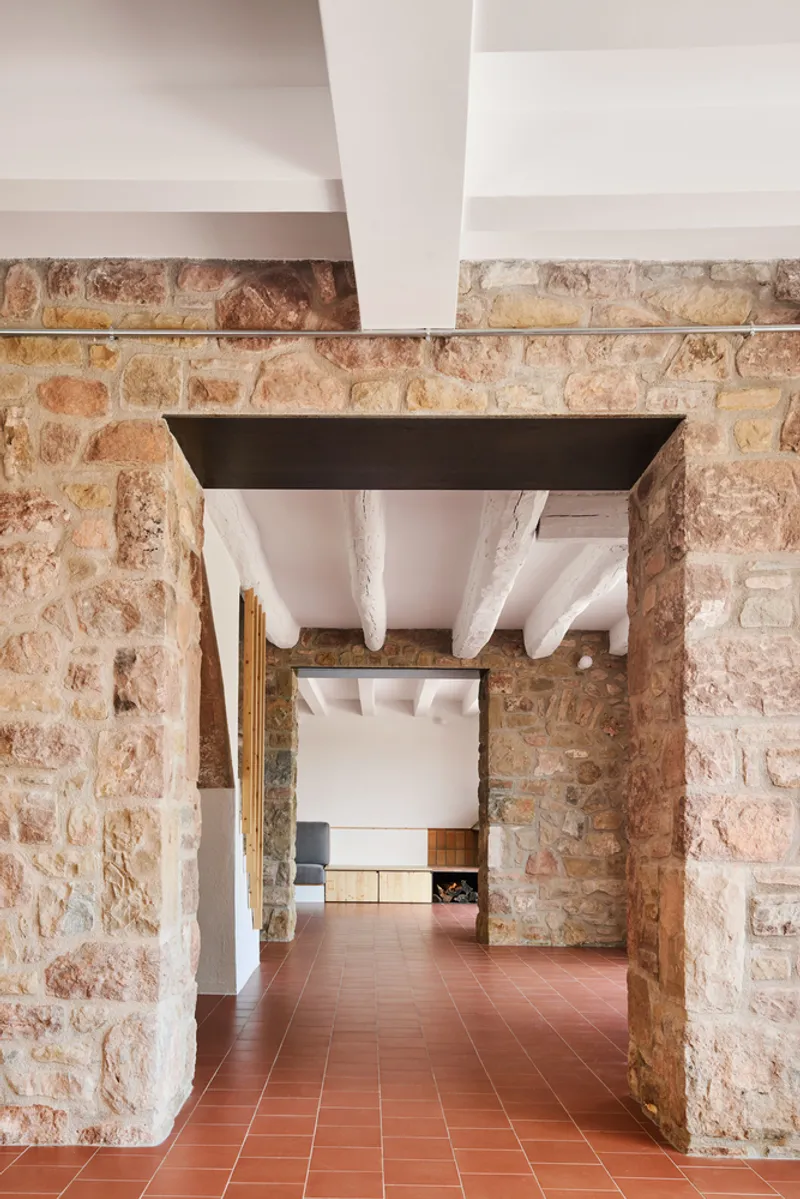
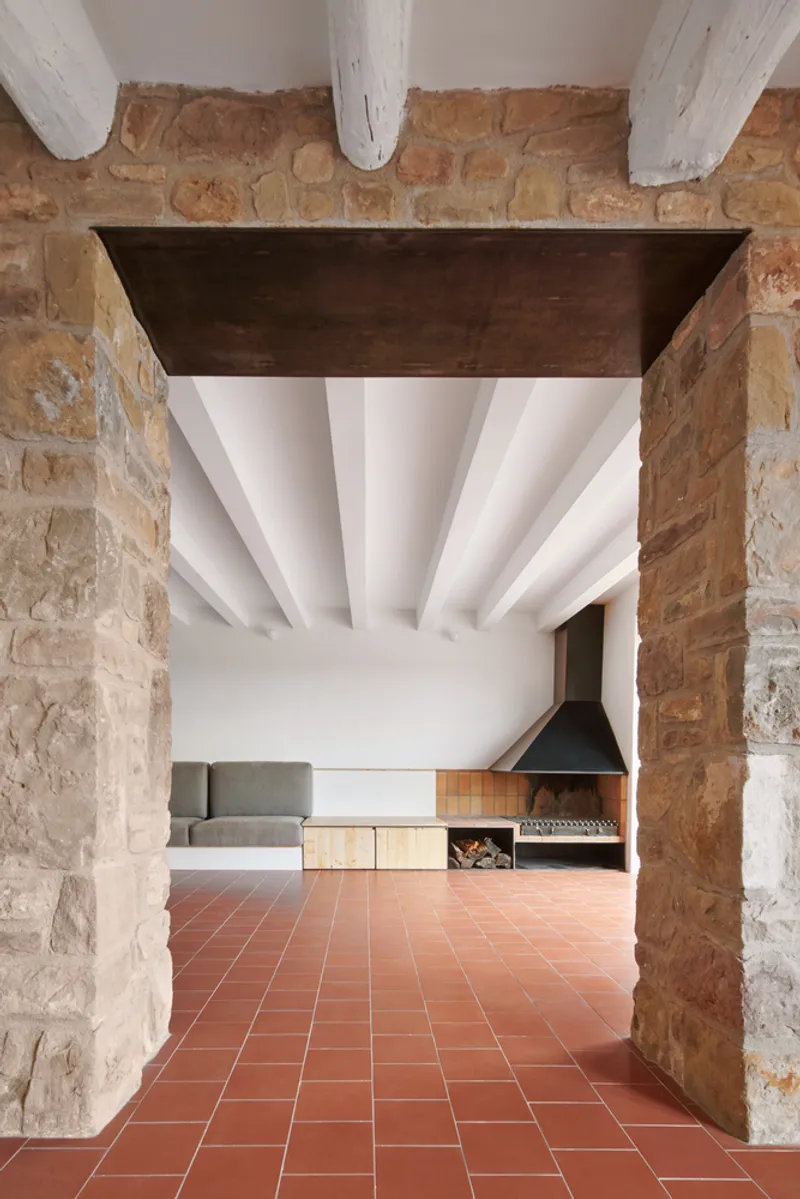
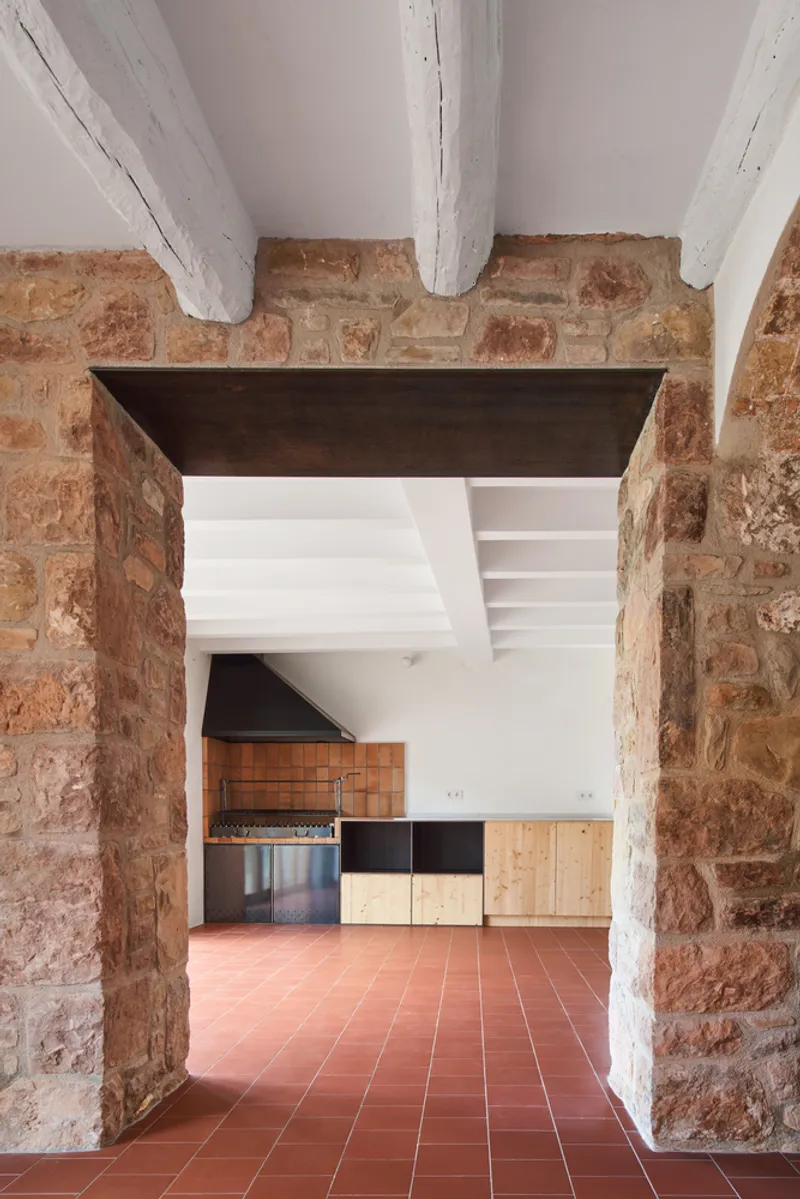
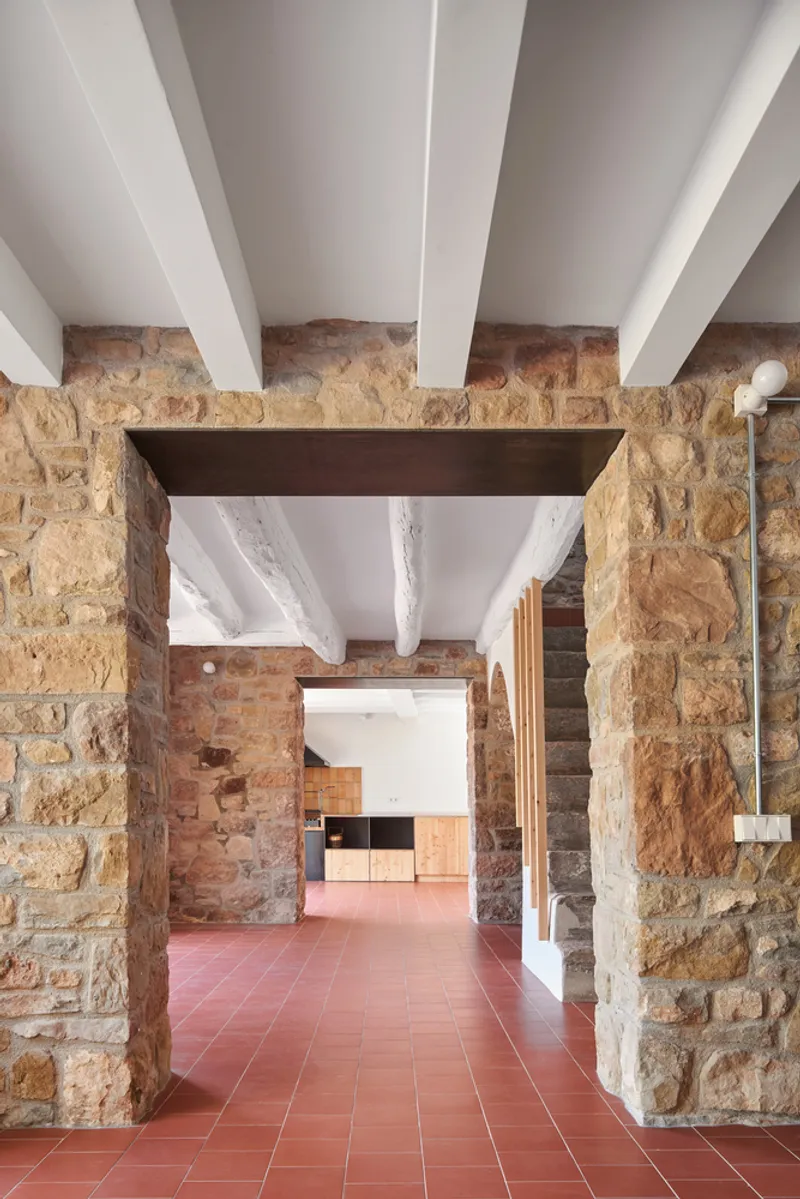
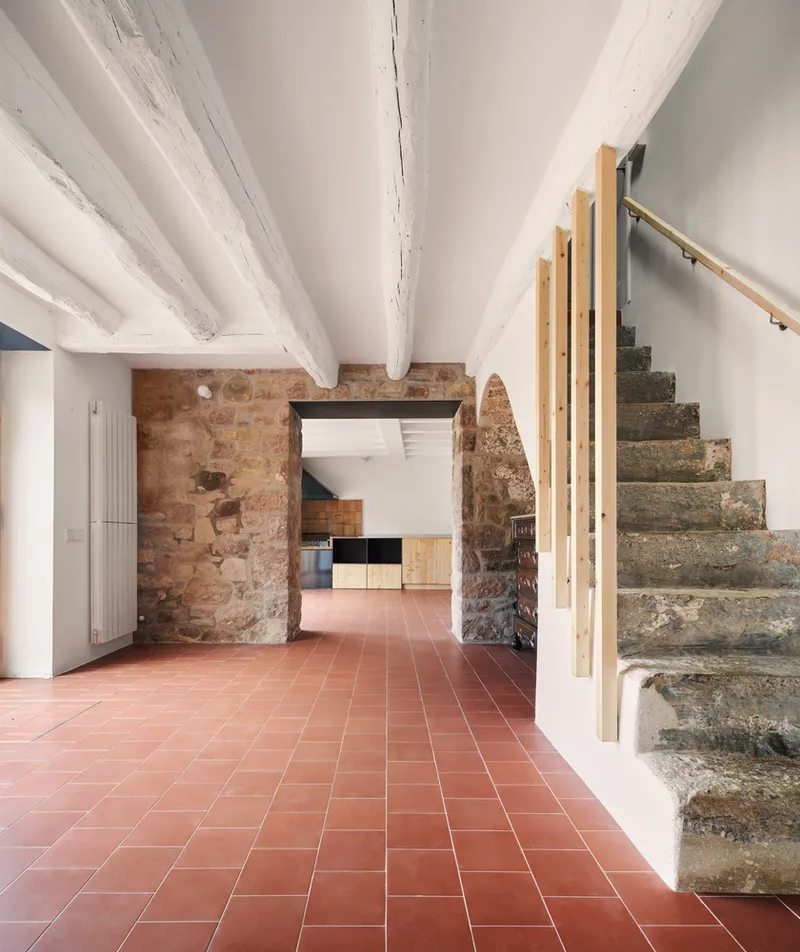
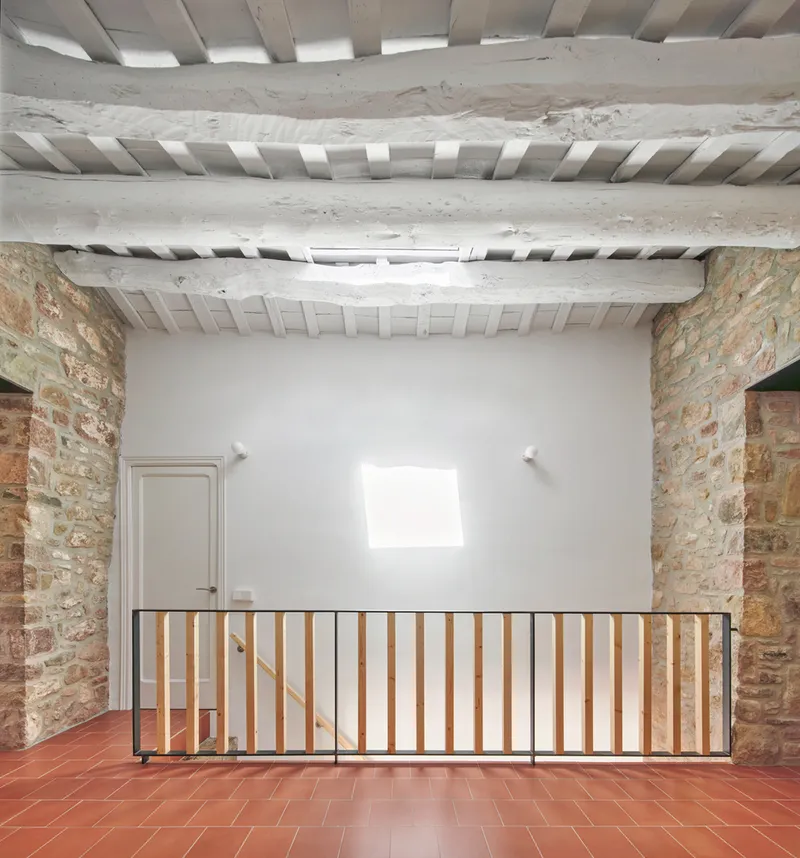
The stone walls, known for their thermal inertia, have been preserved and exposed internally, providing natural insulation. The north façade, which is half buried underground, has been reclad to enhance insulation and prevent moisture infiltration.
Sustainable Technologies and Materials
Natural Resources and Energy
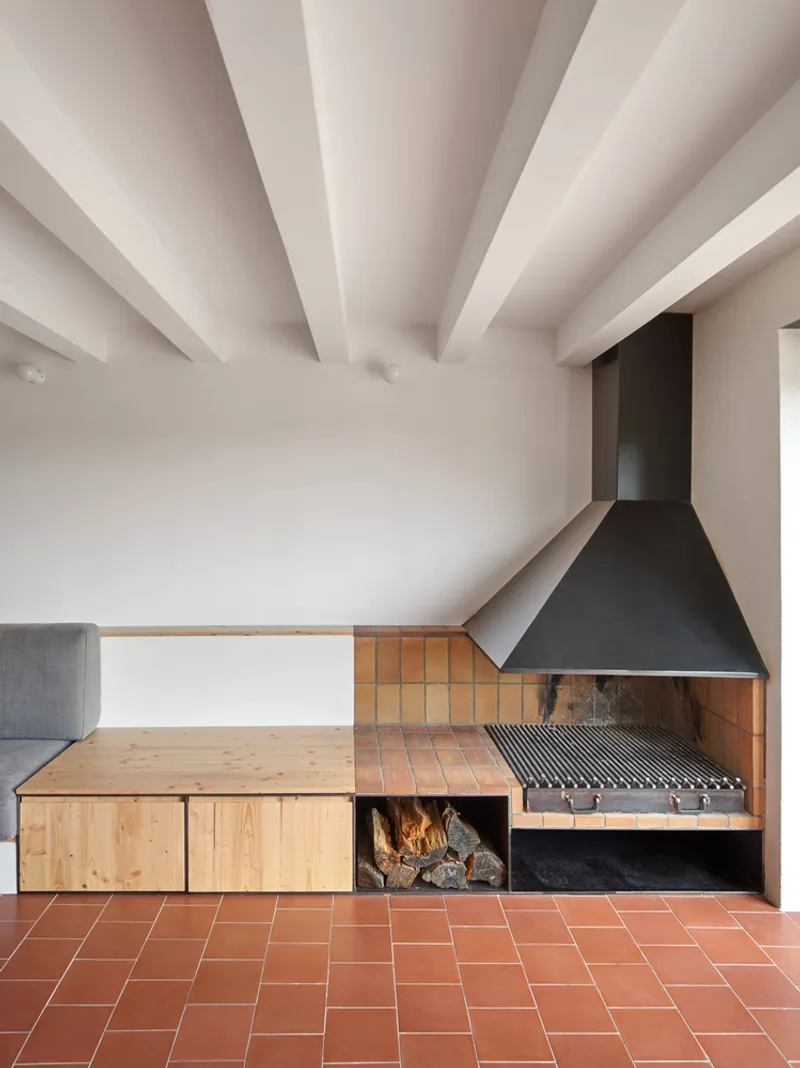
The renovation incorporates a biomass furnace for heating and provisions for solar panels, demonstrating a commitment to renewable energy sources. An ancient well under the house has been restored to supply fresh water, and rainwater is harvested for garden irrigation.
Local Materials
In keeping with the principles of sustainable construction, local stone and lime mortar were used for building and restoration work. This not only supports local industries but also reduces the environmental impact associated with transporting materials.
Living with Nature
The Role of Green Spaces
The farmhouse is designed to coexist harmoniously with its natural surroundings. The pergola, covered with growing wisteria, and the large oak tree provide shaded outdoor areas that enhance the home's connection with nature.
Eco-Friendly Features
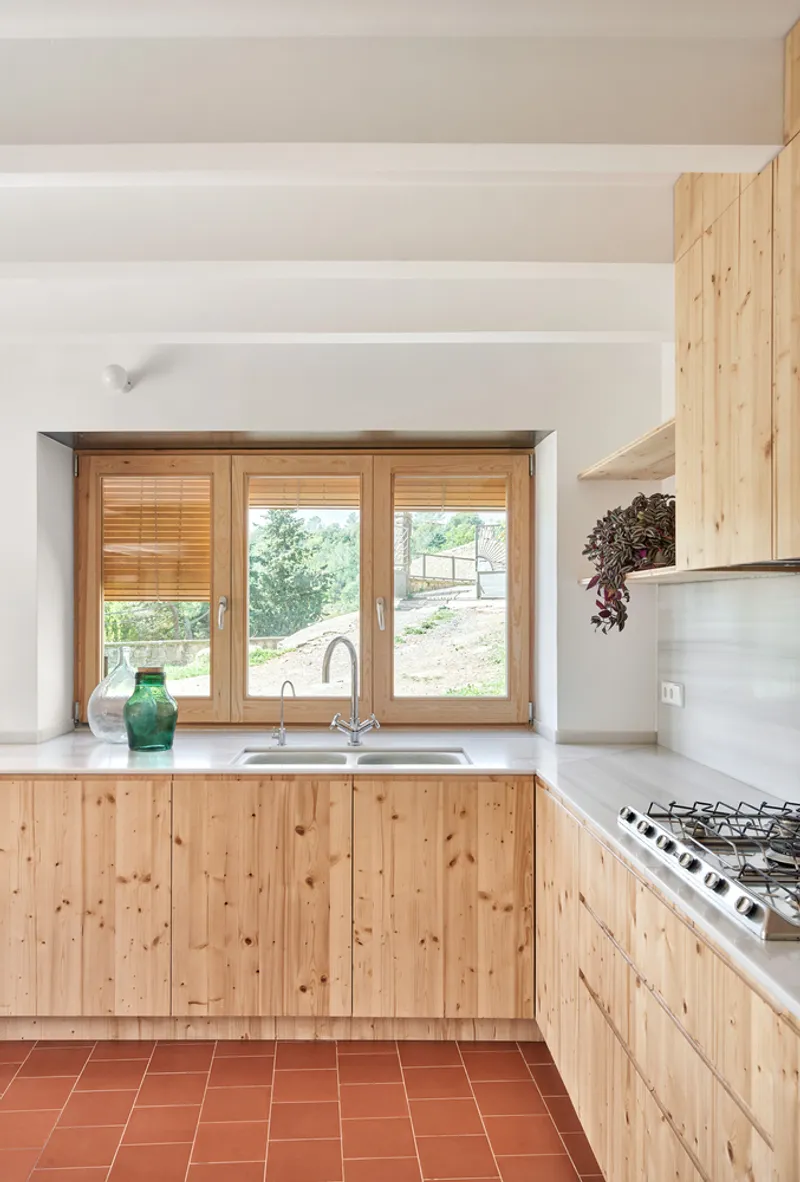
The integration of rolling blinds and wooden shutters offers additional control over sunlight and temperature, further enhancing the home’s energy efficiency.
The 108ERA Renovation of a Farmhouse in Granera by Vallribera Arquitectes is a stellar example of how sustainable practices can be seamlessly integrated into farmhouse renovations. This project not only revitalizes a traditional structure but also sets a precedent for future sustainable architectural endeavors in rural settings.
All the photographs are work of José Hevia




Popular Articles
Popular articles from the community


Co-life: Sustainable Architecture for Age-Friendly Community Living
Co-life reimagines sustainable architecture for seniors through courtyards, rammed earth, shared gardens, and spaces designed for belonging.

Conexión: Biophilic Design Reimagines High-Rise Living in Hong Kong
Conexión reimagines high-rise living in Hong Kong through biophilic design, green facades, shared spaces, daylight, water and nature within.

The Earth Pod: 3D Printed Homes for Resilient Refugee Communities
The Earth Pod reimagines refugee housing through 3D printed homes made from clay, combining resilience, self-sufficiency, and rapid shelter.

Co-Life: Senior Housing Design That Reconnects Older Adults With the City
Co-Life reimagines senior housing design through healing gardens, shared streets, workshops, and a sustainable community across generations.


Similar Reads
You might also enjoy these articles


Hodi-Mandai Geram
Project Function: Preservation and revitalization of the Intangible heritage and socio-spatial identity of the Hodi by Housing, Cultural Memory Center, Sacred Grove, landscape, local tourism economy


Olio Towers: A Mid-Rise for Performers That Fuses Housing, Rehearsal, and Stage
Located blocks from Houston's Theater District, this modular tower stacks living units around a central performance atrium.

Oasis: Modular Green Housing Carved into Dhaka's Urban Fabric
A shortlisted Plugin Housing entry reclaims unauthorized settlements in Dhaka with stepped concrete volumes, green roofs, and ventilation-driven design.

Black Hole: A Floating Megastructure for the Post-Physical Era
Emiliano Mazzarotto envisions a spherical, self-scaling arena where e-sports, digital hotels, and holographic stadiums replace traditional public space.


Explore Sustainable Farm Competitions
Discover active competitions in this discipline



Challenge to reimagine the Iron Throne


Photograph architecture without architects


Illustrate the lost glory of Angkor Wat - Render Challenge


Design challenge to reuse E-waste
Comments (0)
Please login or sign up to add comments
No comments yet. Be the first to comment!