

Sustainable Mixed-Use Development in Melbourne: The Industry Lanes Building by Architectus
Explore the Industry Lanes Building in Melbourne, a sustainable mixed-use development blending work, lifestyle, and community in an innovative architectural design.


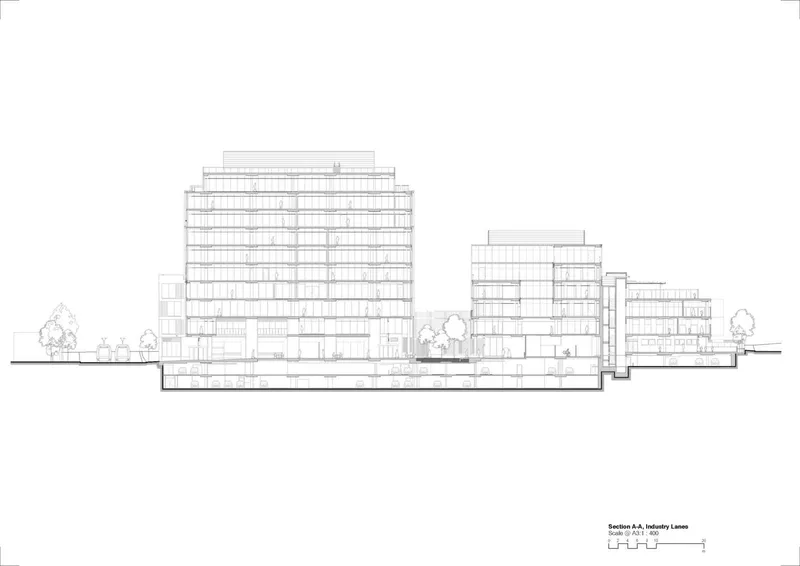
Set in the vibrant and gritty suburb of Richmond, Melbourne, the Industry Lanes Building emerges as a beacon of sustainable mixed-use development. Designed by the renowned architectural firm Architectus, this project exemplifies how modern workplaces and lifestyle precincts can coalesce into a harmonious entity. Occupying an entire city block at 459 Church Street, Industry Lanes spans 25,000 sqm and represents a significant shift towards environmentally responsible and community-focused urban development.
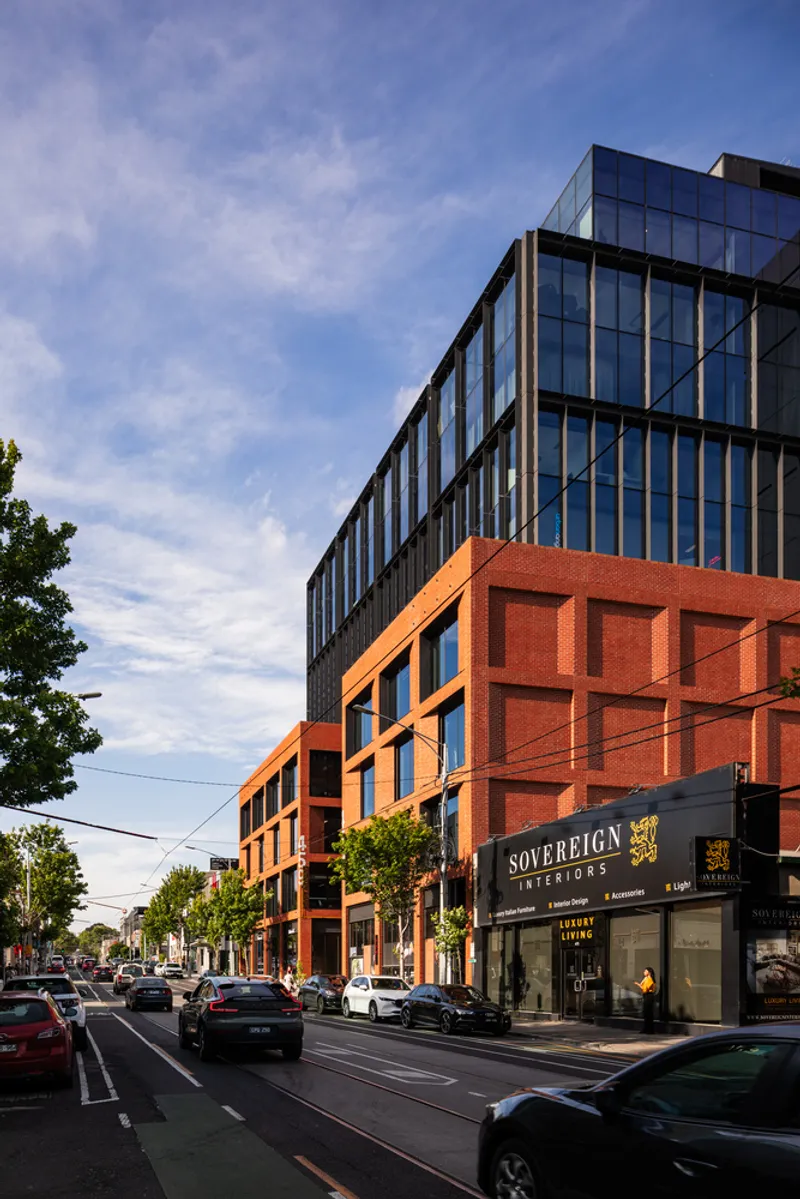
Architectural Vision and Design
The concept behind the Industry Lanes Building is to provide a dynamic mix of agile work settings alongside 1,300 sqm of retail, dining, and drinking spaces. It caters to over 2,000 employees and embraces the wider community with its open and inclusive design. Architectus, in collaboration with Salta Properties and Abacus, has transformed a 5,200 sqm site into a commercial and lifestyle hub that promotes work-life balance, mindfulness, and social interaction.

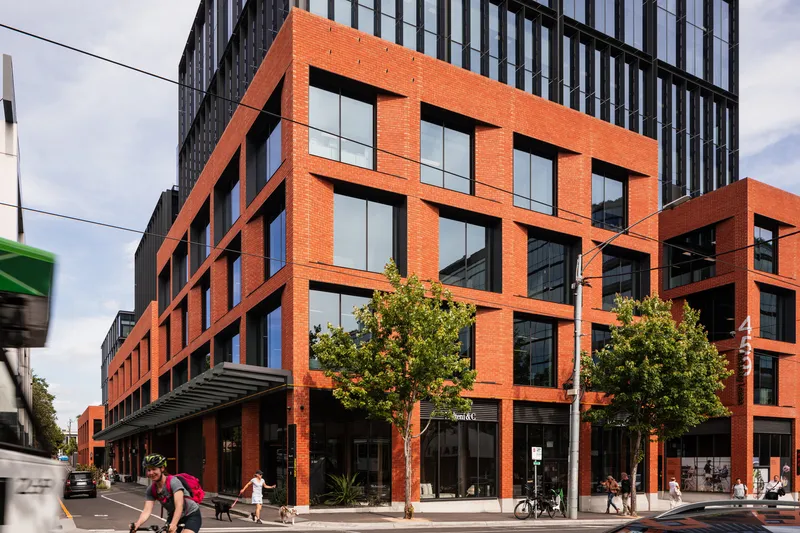
Creating a Community Hub
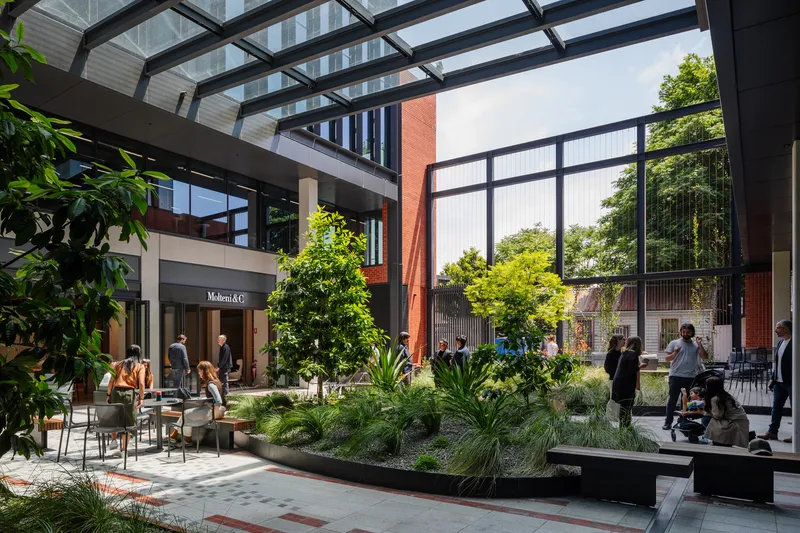
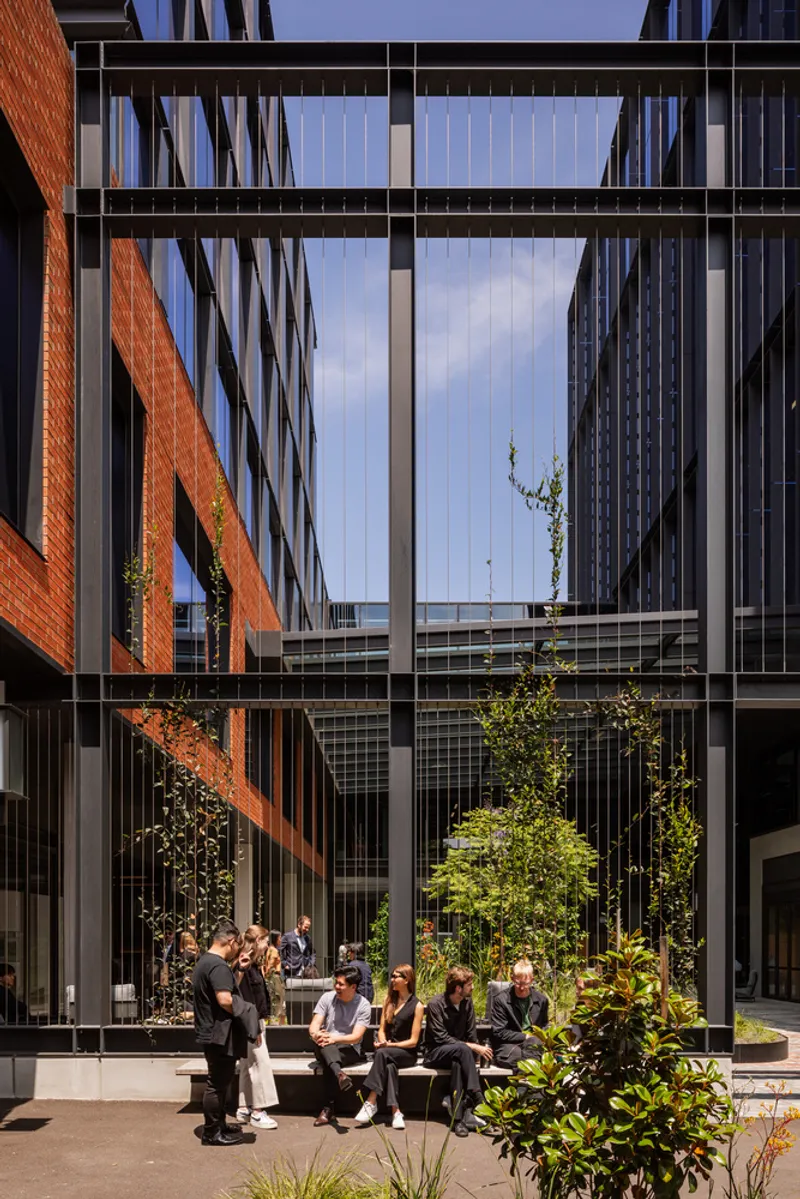
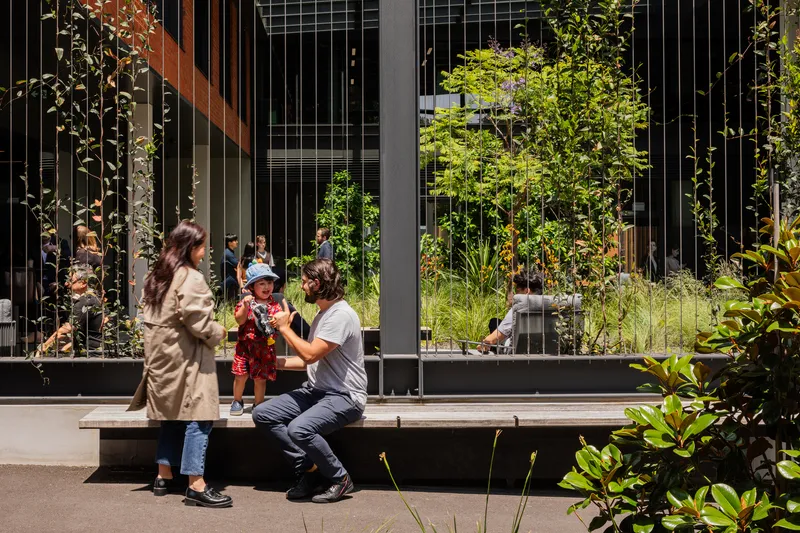
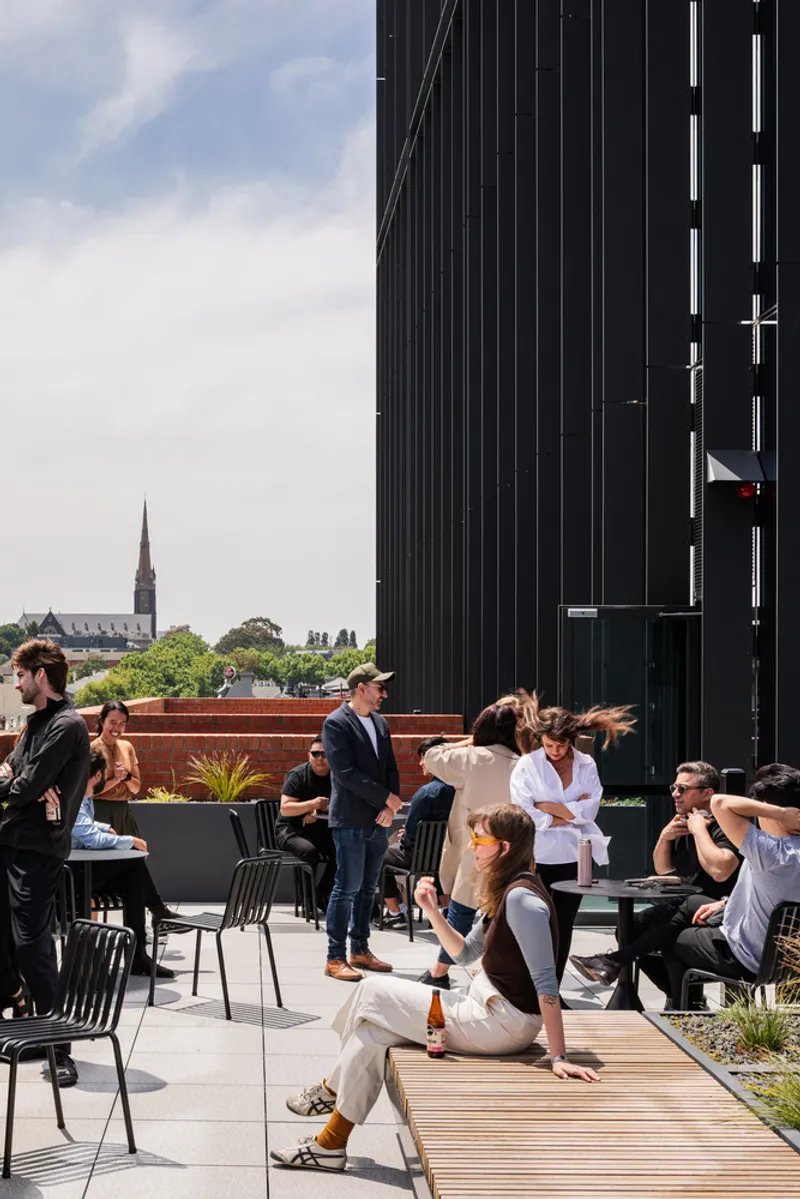
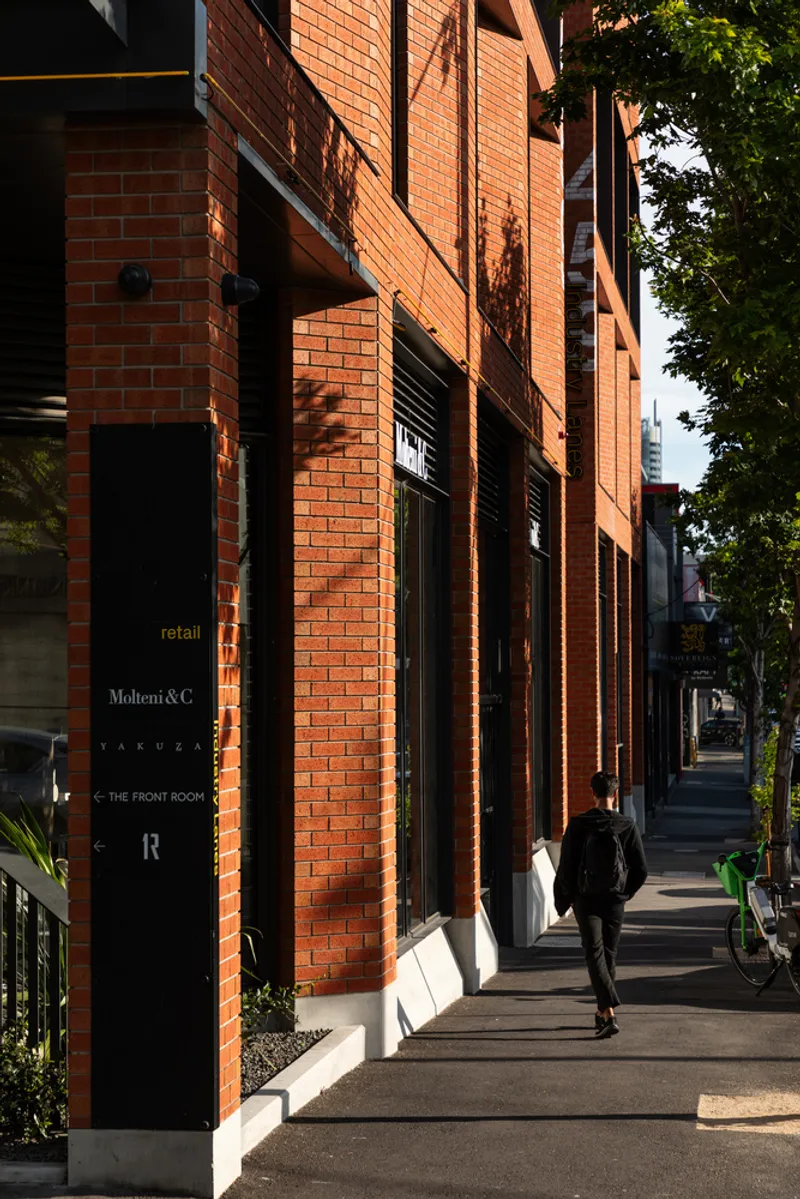
One of the standout features of Industry Lanes is its internal 'village', which integrates seamlessly with the bustling street activity of Richmond. A through-block link connects Church Street to Brighton Street, offering a diverse mix of commercial and retail spaces, shared amenities, and an open-air courtyard. This layout not only enhances the precinct's vibrancy but also encourages public engagement, drawing people into and through the site.
Sustainable Features and Green Spaces
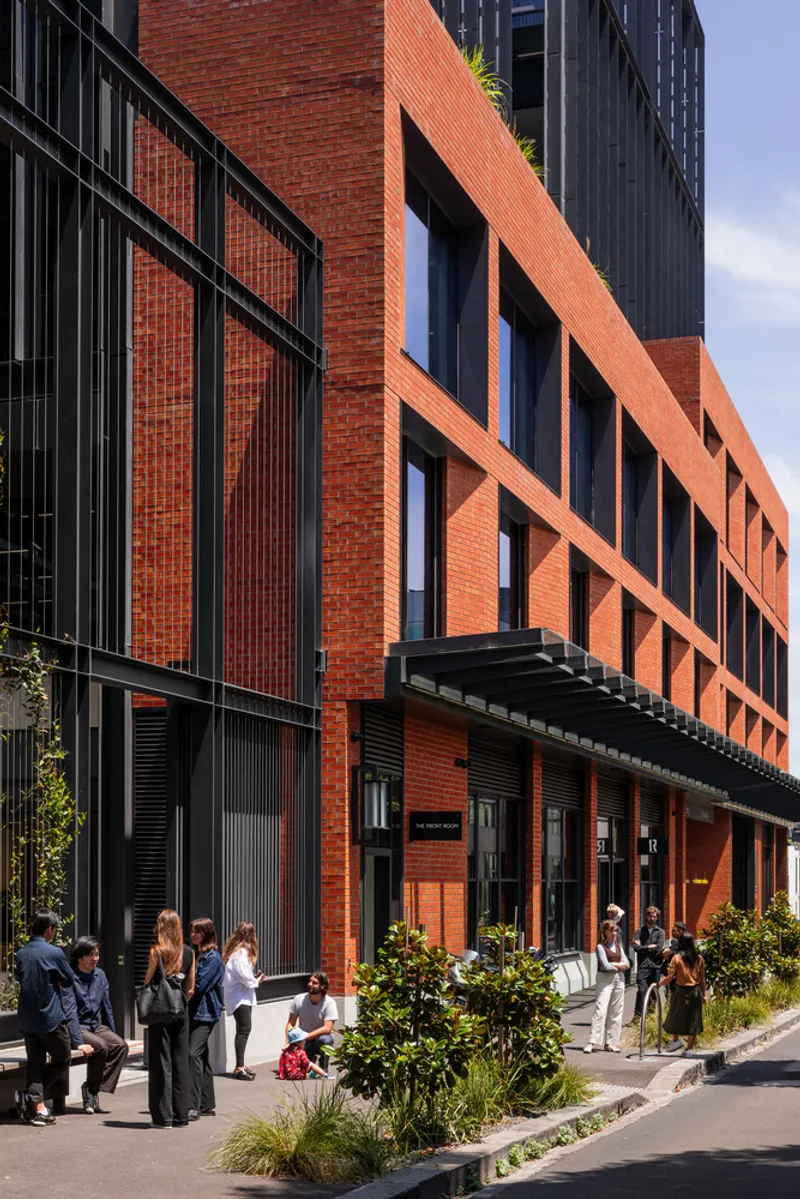
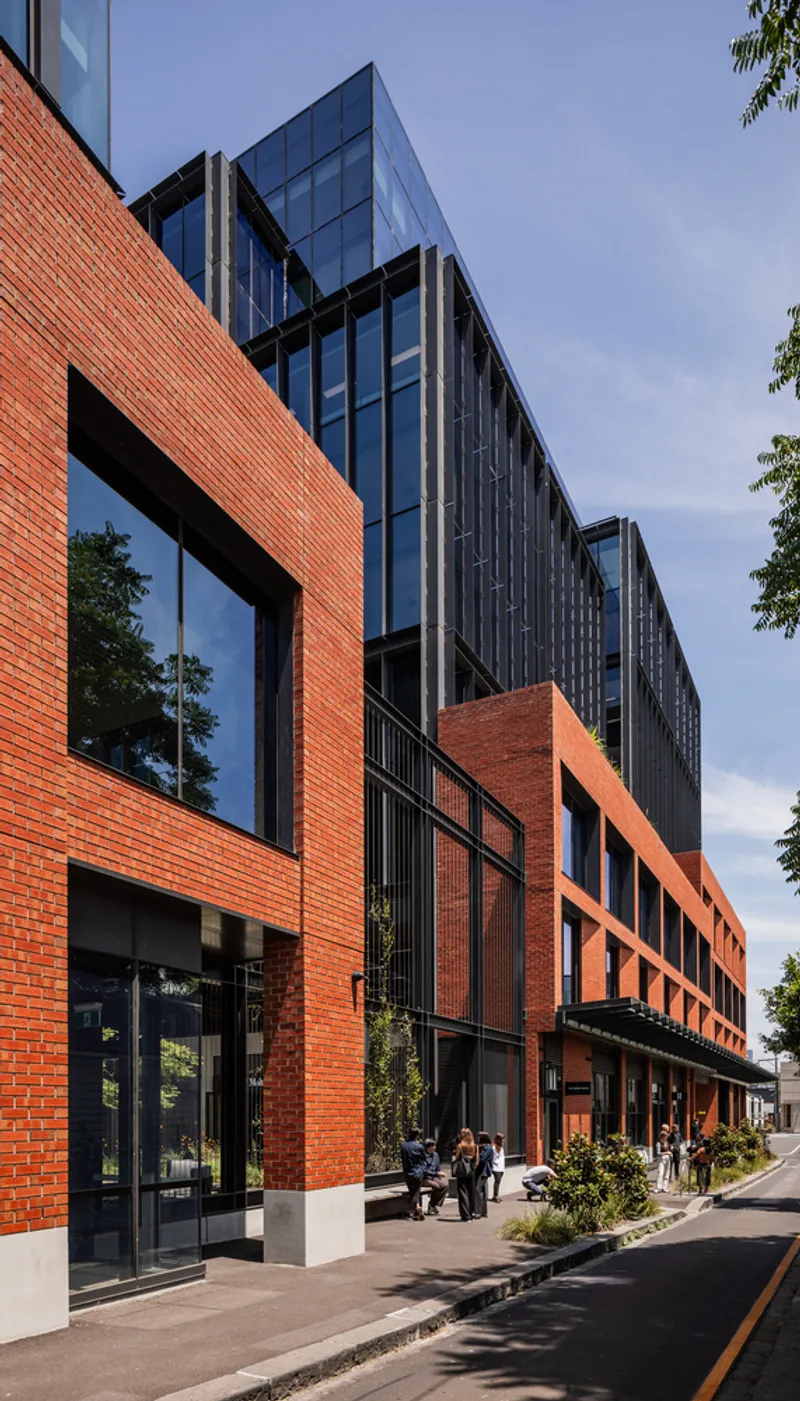
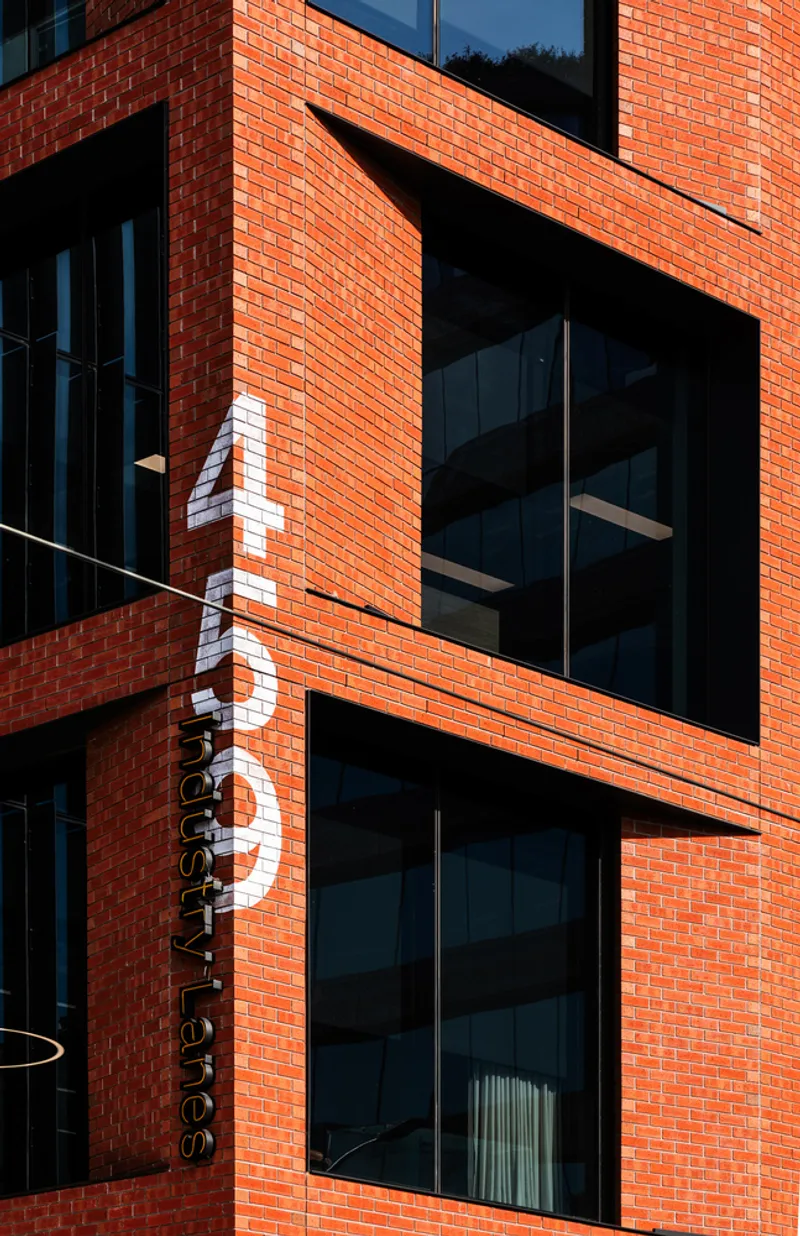
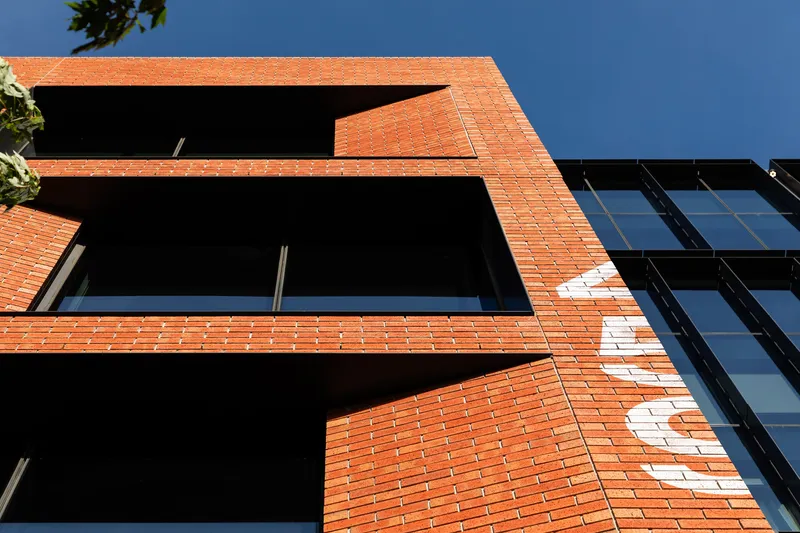
In alignment with the principles of sustainable architecture, the Industry Lanes Building incorporates green terraces and eco-friendly design elements that contribute to the overall wellbeing of its occupants. The development is constructed with materials such as brick, steel, and bluestone, reflecting Richmond's industrial heritage while promoting sustainability. Moreover, Industry Lanes has been awarded a 5-Star Green Star Design and As Built v1.2 certified rating, underlining its commitment to environmental stewardship.
Future-Proofed Workplaces
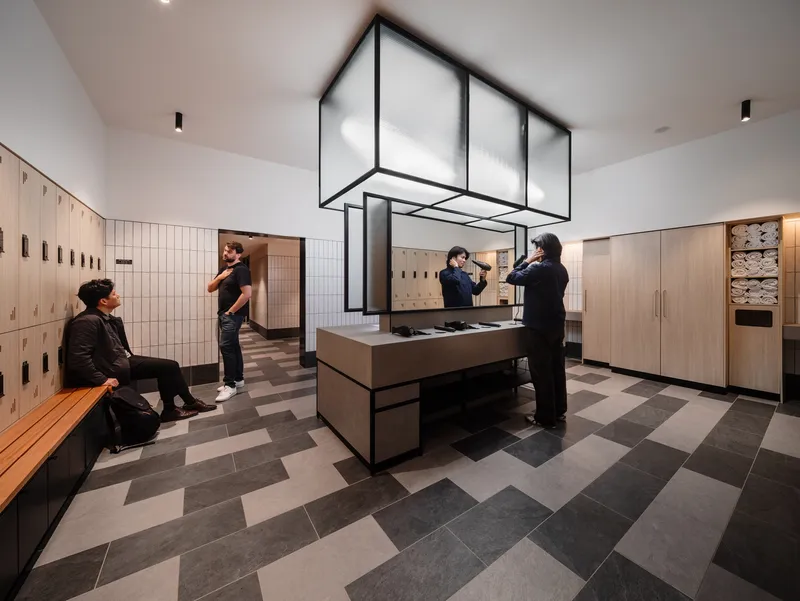
The office campus-style design of Industry Lanes features flexible and agile workspaces that are built to adapt to the evolving needs of modern employees. These spaces are designed to foster creativity, collaboration, and productivity, offering a variety of settings that cater to different workstyles and preferences.
Additional Amenities and Features
Highlighting its role as a comprehensive mixed-use development, Industry Lanes hosts an array of additional amenities. This includes an Italian furniture and design showroom, Molteni&C, and a gallery design store, The Front Room. The inclusion of a childcare center within the precinct is a noteworthy addition, providing essential services to tenants and the local community.

Embracing the New World of Work
Industry Lanes Building stands as a testament to the potential of sustainable mixed-use development in Melbourne. By blending flexible workspaces with lifestyle amenities, green spaces, and community-focused design, it offers a forward-thinking environment that meets the demands of the new world employee. Through its thoughtful integration of architectural innovation and sustainable practices, Industry Lanes sets a new standard for urban development in Melbourne.
All the photographs are work of Trevor Mein


Popular Articles
Popular articles from the community


Singing Woman: An Opera House That Performs Before the Curtain Rises
Ovidiu Cristian Pavel's conceptual opera house translates Estonia's choral identity into a sculpted waterfront landmark facing the Baltic Sea.

Tsunami Convergenics: Turning Catastrophic Ocean Forces into Underwater Housing Infrastructure
A speculative underwater settlement off the coast of Onagawa, Japan, treats tsunamis and typhoons as energy sources rather than threats.

Manzana Morphosis: Stretching Barcelona's Grid into a Living Landscape for 2050
A radical reworking of the Eixample manzana turns density into a tool for generous public space, vertical ecology, and environmental performance.
Temporary Home for Dogs: A Reversed Zoo Rethinks Animal Shelter Architecture
In Bucharest, a sinuous corridor and freed landscape flip the logic of containment, designing a shelter that works to make itself unnecessary.

Similar Reads
You might also enjoy these articles


Hodi-Mandai Geram
Project Function: Preservation and revitalization of the Intangible heritage and socio-spatial identity of the Hodi by Housing, Cultural Memory Center, Sacred Grove, landscape, local tourism economy


Olio Towers: A Mid-Rise for Performers That Fuses Housing, Rehearsal, and Stage
Located blocks from Houston's Theater District, this modular tower stacks living units around a central performance atrium.

Oasis: Modular Green Housing Carved into Dhaka's Urban Fabric
A shortlisted Plugin Housing entry reclaims unauthorized settlements in Dhaka with stepped concrete volumes, green roofs, and ventilation-driven design.

Black Hole: A Floating Megastructure for the Post-Physical Era
Emiliano Mazzarotto envisions a spherical, self-scaling arena where e-sports, digital hotels, and holographic stadiums replace traditional public space.

Explore Mixed-Use Competitions
Discover active competitions in this discipline

Challenge to reimagine the Iron Throne

Photograph architecture without architects

Illustrate the lost glory of Angkor Wat - Render Challenge

Design challenge to reuse E-waste
Comments (0)
Please login or sign up to add comments
No comments yet. Be the first to comment!