
Sustainable Modular Architecture in Copenhagen: The Gate Building by Third Nature Studio
Explore The Gate Building, a sustainable modular architecture marvel in Copenhagen, blending eco-friendly materials with adaptable, disasemblable design for urban resilience.

The Gate Building's Innovative Design
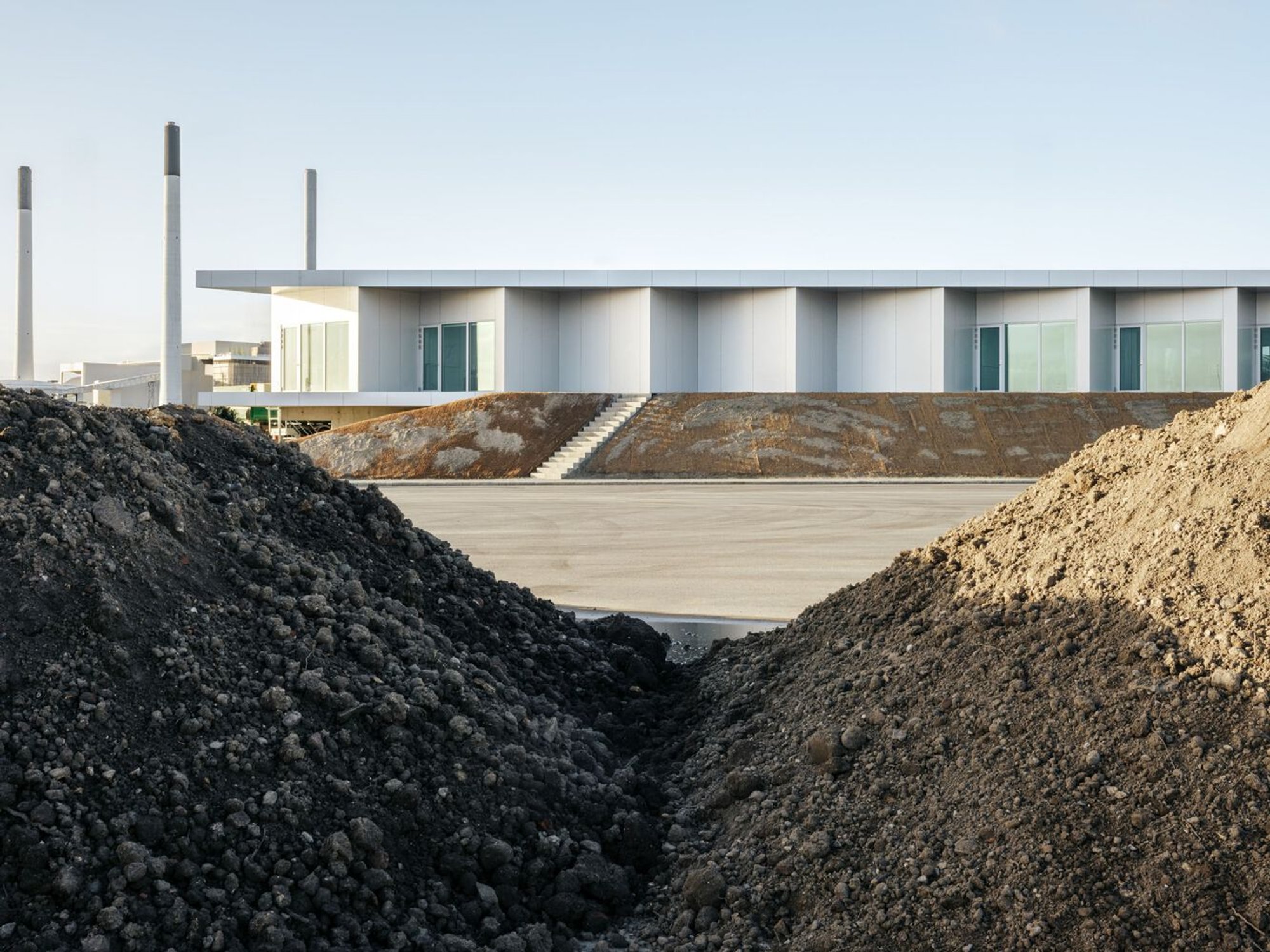
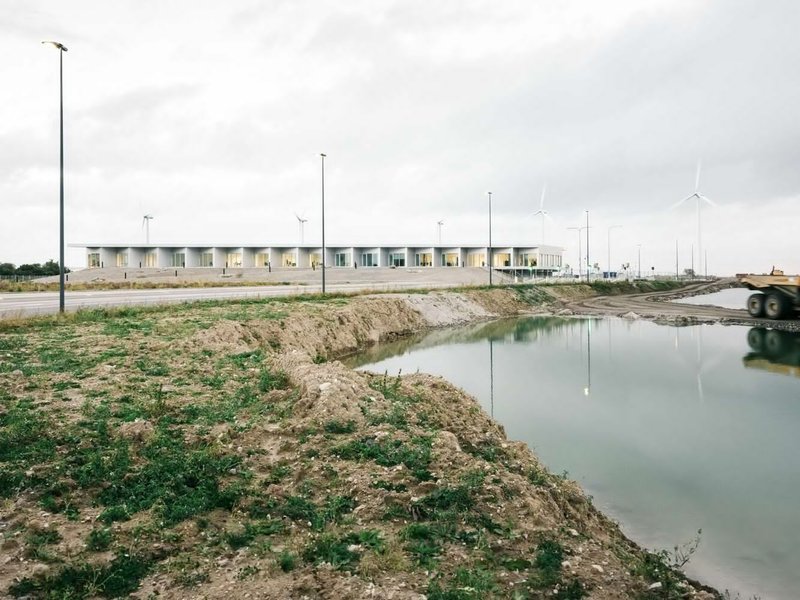
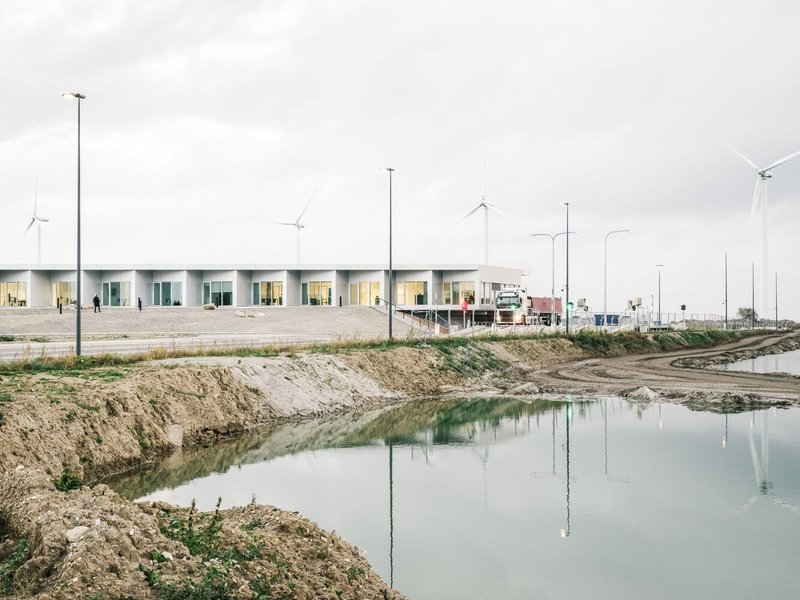
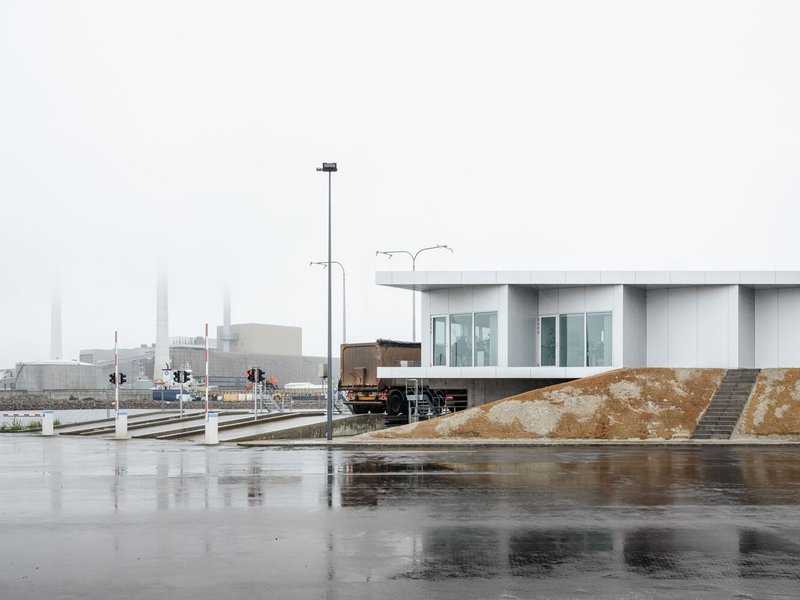
The Gate Building by Third Nature Studio stands as a symbol of sustainable architecture. Designed as part of the Lynetteholm land reclamation project, this 1,000-square-meter structure redefines modular architecture by merging eco-friendly materials with an adaptable framework. Built in 2023, The Gate Building’s sustainable modular design not only contributes to the harbor’s landscape but also serves as an administrative hub for one of Copenhagen’s largest environmental initiatives.
Embracing Sustainability in Architecture
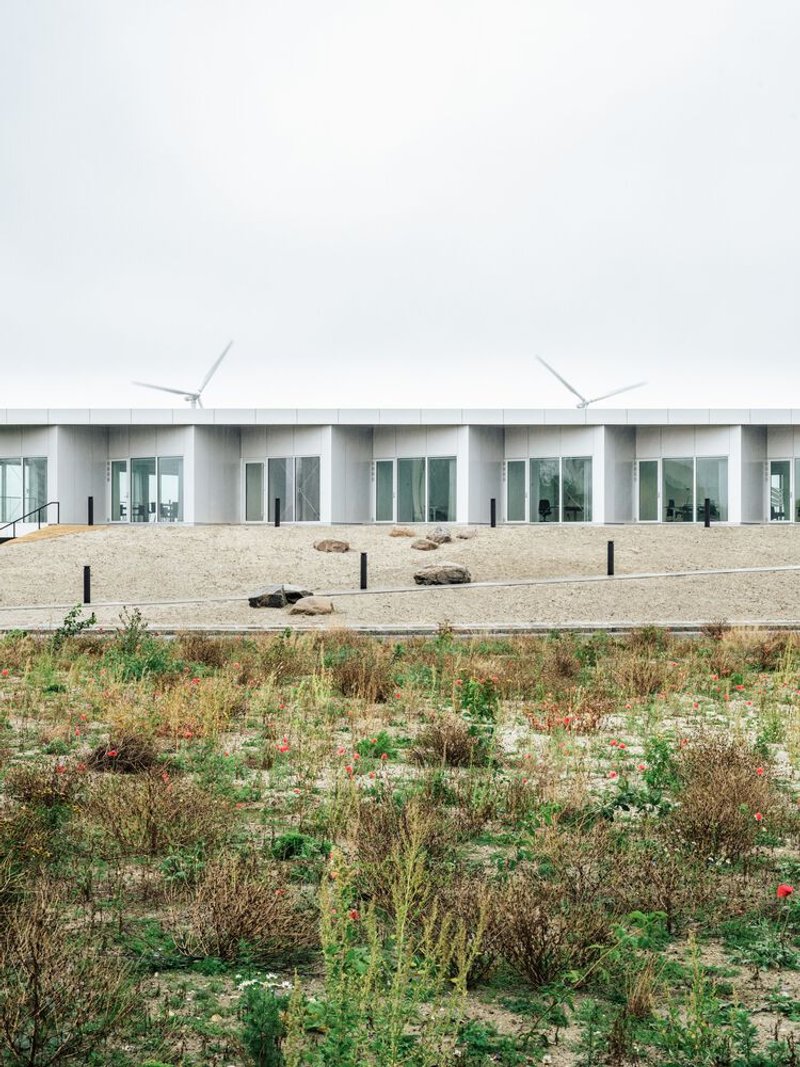
Sustainability is at the core of The Gate Building’s design, employing low-carbon biogenic materials to reduce its environmental impact. These materials enhance durability while aligning with Copenhagen’s broader environmental goals. The project exemplifies the concept of "sustainable modular architecture," integrating functionality with a minimal ecological footprint. By using renewable materials and reducing construction waste, Third Nature Studio emphasizes resource efficiency and adaptability.
"Design for Disassembly" in Modern Architecture
One of the most innovative aspects of The Gate Building is its “design for disassembly” approach. This design concept allows the building’s modules to be disassembled, relocated, or reconfigured as the Lynetteholm project evolves. By enabling reuse and relocation, the building avoids permanent environmental disturbance and cuts down on both financial and environmental costs. As urban demands shift, The Gate Building can adapt to new functions or locations, setting a precedent for sustainable modular architecture.
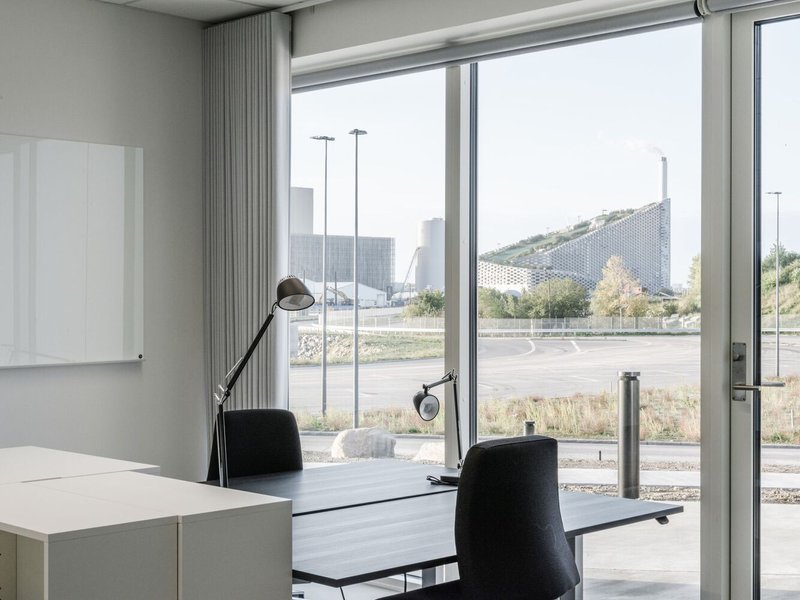
Modular Architecture: A Diamond-Shaped Design
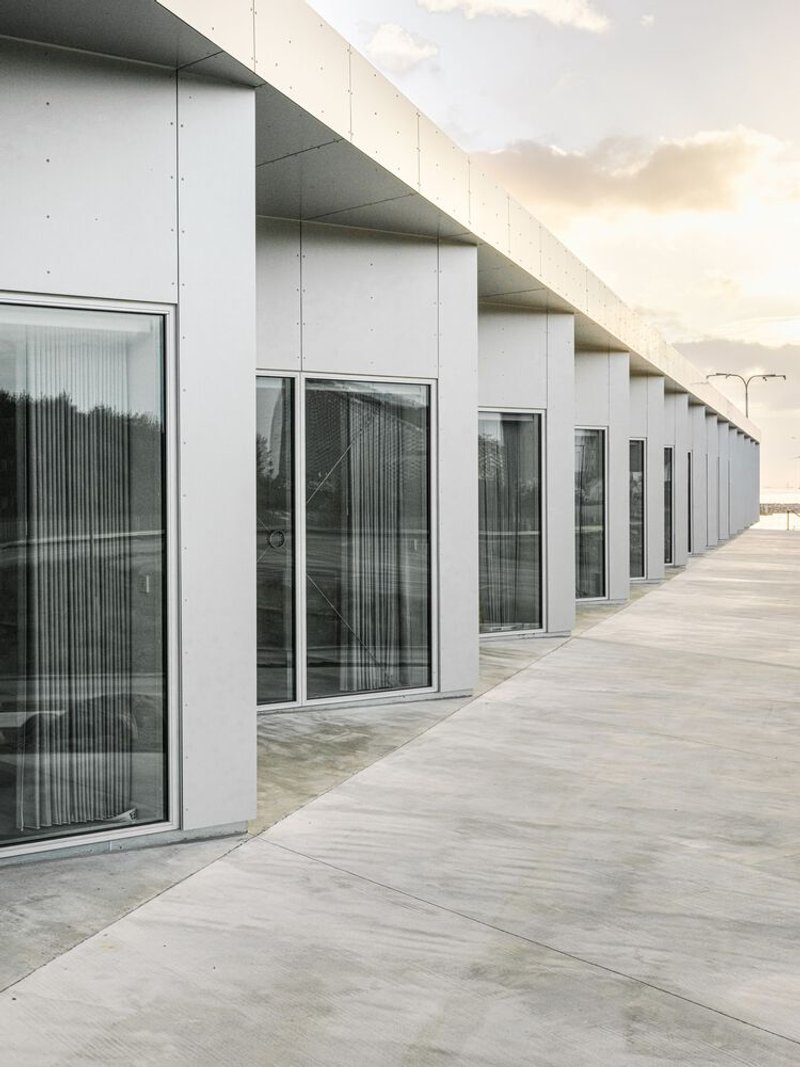
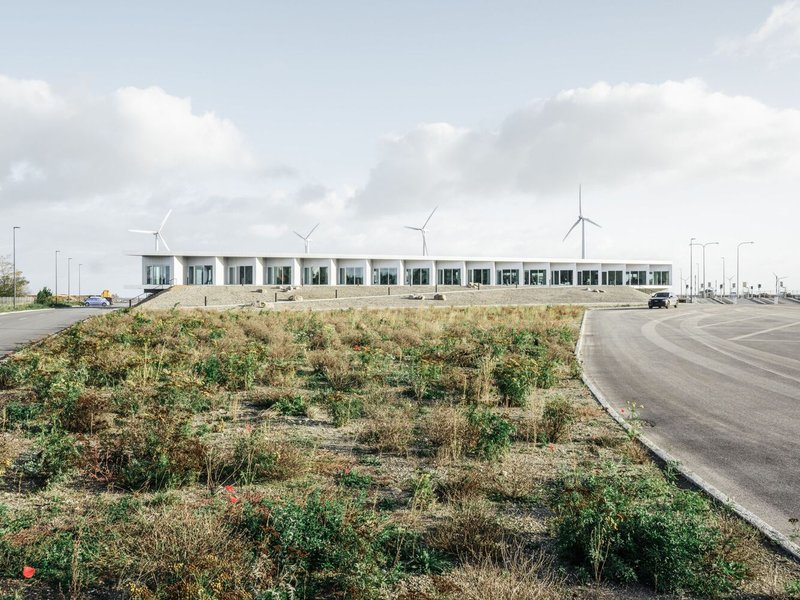
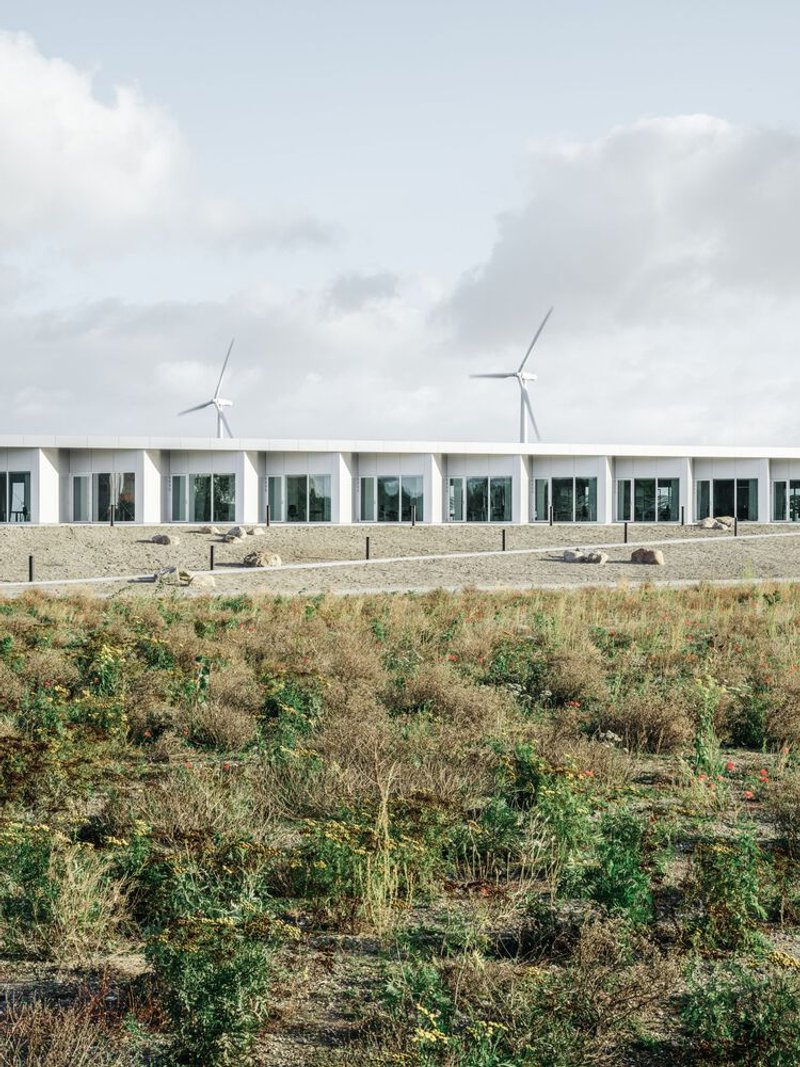
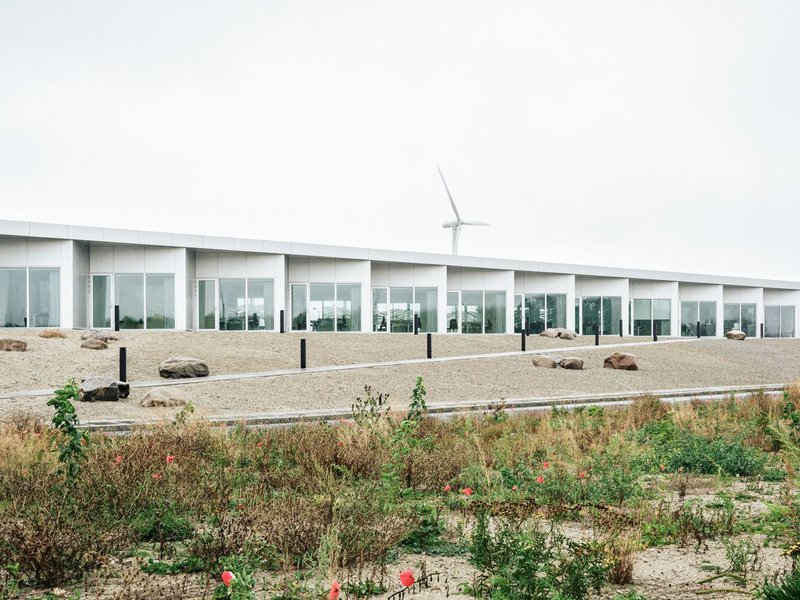
The structure’s distinctive diamond-shaped layout comprises 17 angled modules. This modular approach offers several benefits:
- Flexible Use of Space: The modules allow for easy expansion or reconfiguration.
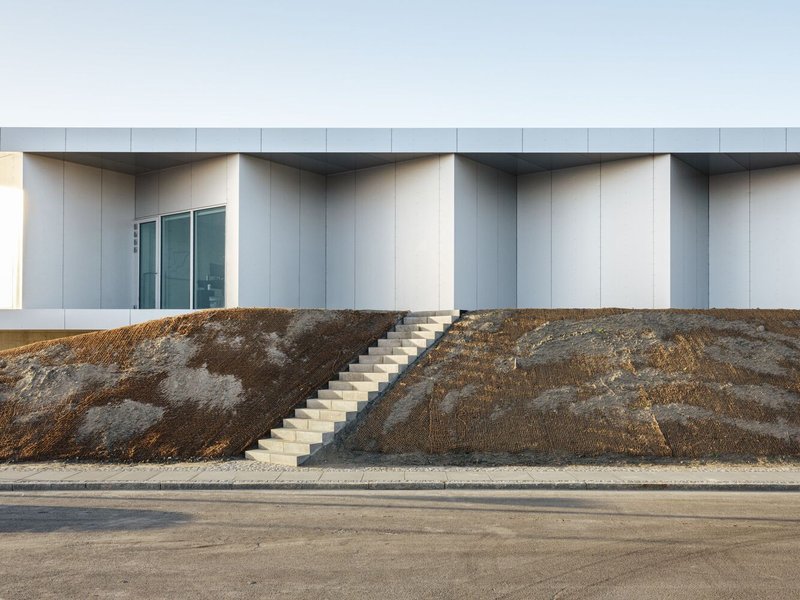
- Efficient Sunlight Use: Rotated modules form a serrated edge with terraces, optimizing sunlight exposure while providing shade.
- Aesthetic Appeal: The repetitive facade creates a dynamic, rhythmic appearance that stands out in Copenhagen’s harbor.
Each module's rotation contributes to a zigzag pattern, providing panoramic harbor views and a stimulating workspace. This thoughtful modular design enhances functionality while maintaining a visually appealing structure that blends with the industrial environment.

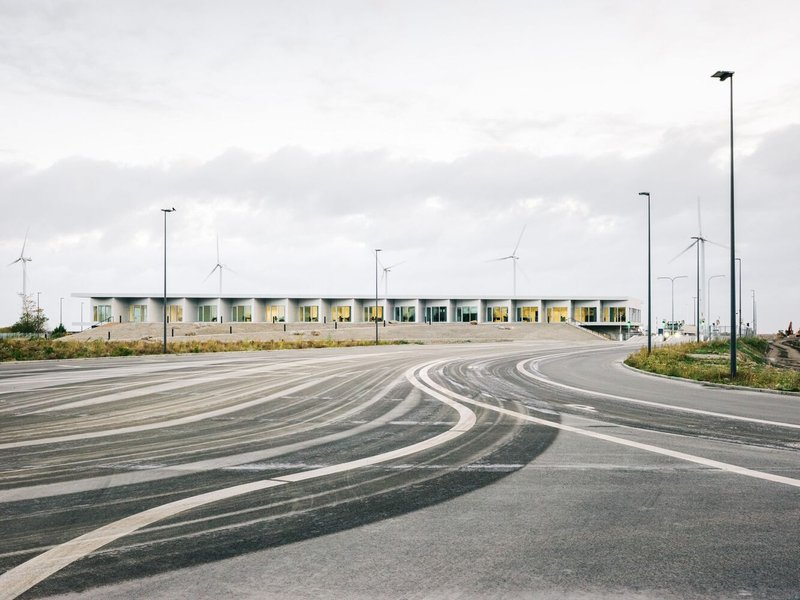
The Role of The Gate Building in Copenhagen's Lynetteholm Project
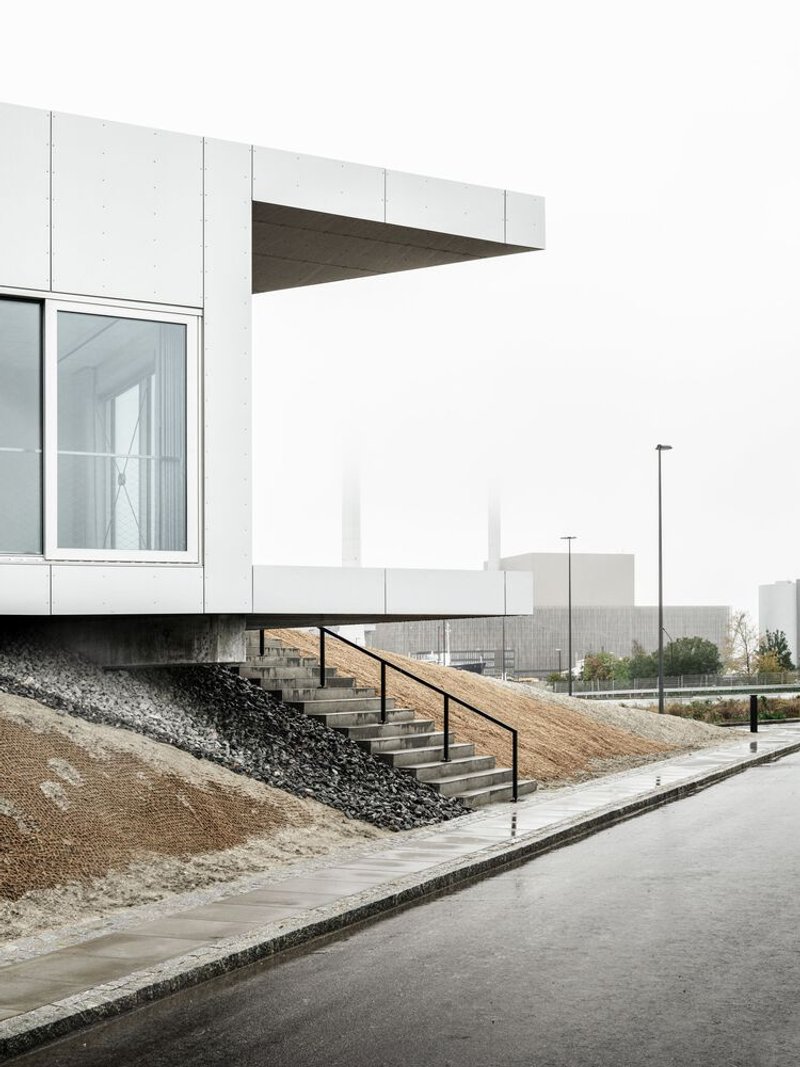
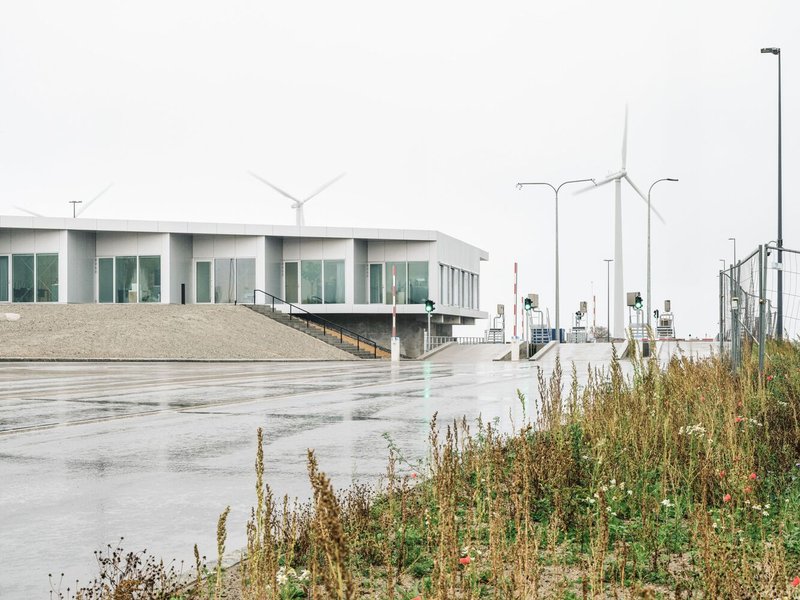
The Gate Building’s strategic location on a 100-meter-long soil plinth is not only functional but also symbolic. As the entrance to the Lynetteholm land reclamation project, it reflects Copenhagen’s dedication to climate-resilient urban planning. The building’s dual purpose as an administrative hub and weighbridge facility highlights its role in facilitating soil transport for Lynetteholm’s construction, making it an essential component of this sustainable urban development.
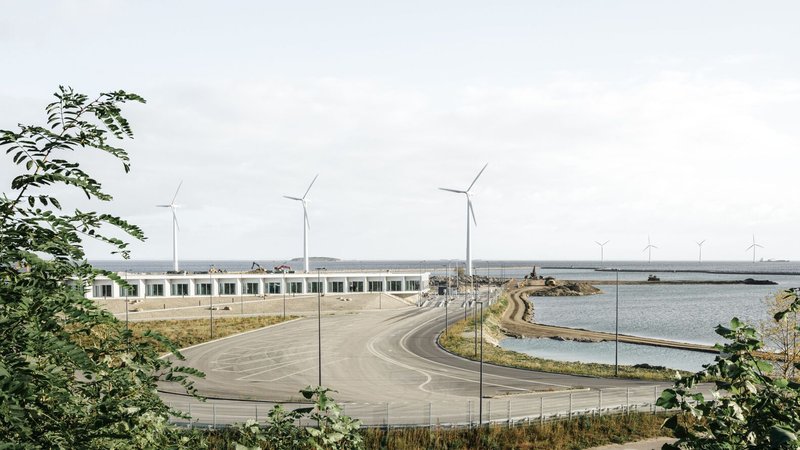
Lynetteholm: A Nature-Based Storm Surge Barrier
The Lynetteholm project spans 275 hectares and aims to create a nature-based storm surge barrier for Copenhagen. As part of this initiative, The Gate Building’s location on a raised plinth supports biological acceleration techniques that will be applied in the future storm surge park. This adaptive use of the building demonstrates how sustainable modular architecture can contribute to resilience against climate change.
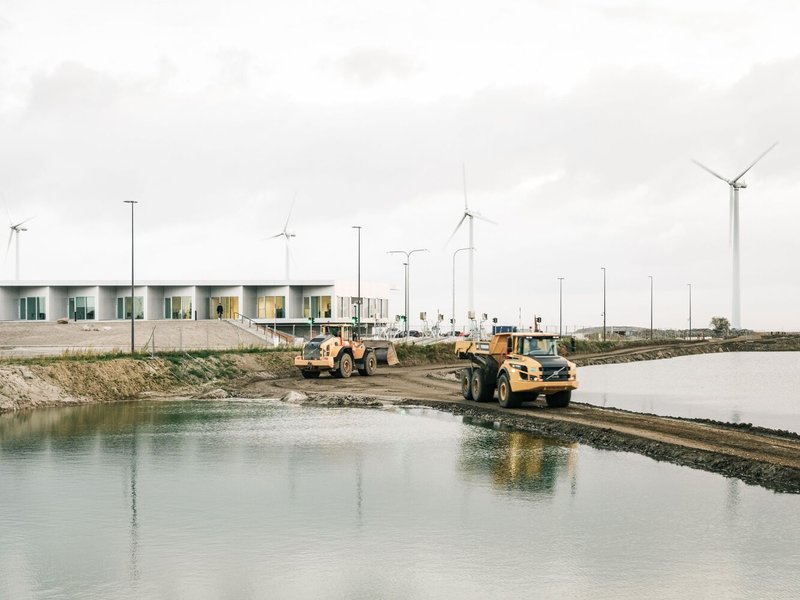
Balancing Industrial Aesthetics and Natural Integration
Third Nature Studio’s design for The Gate Building balances industrial aesthetics with natural integration. The aluminum-clad facade and expansive glass sections establish a robust exterior, while the wooden modules and biogenic materials add warmth and character. This combination creates a harmonious blend of durability and environmental responsibility. The minimalist style, enhanced by natural light and clean lines, fosters a welcoming environment that encourages productivity and wellness.
Panoramic Views and Dynamic Spaces
The building’s interior layout is thoughtfully arranged to maximize both utility and aesthetics:
- Sunlit Terraces: Rotated modules create terraces that welcome sunlight, enhance ventilation, and provide relaxing outdoor spaces.
- Flexible Office Spaces: The modular configuration supports flexible office layouts that can be customized for meetings, workshops, or daily operations.
- Natural Views: Large glass sections allow panoramic views of Copenhagen’s harbor, connecting occupants with the surrounding environment.
This functional design elevates The Gate Building’s role as more than an office space—it is an experiential environment that fosters collaboration and inspiration.
Sustainable Modular Architecture: Future Prospects
The Gate Building exemplifies a forward-thinking approach to sustainable modular architecture in Copenhagen and beyond. By focusing on reusability, adaptability, and ecological sensitivity, Third Nature Studio has created a model for future urban structures. As cities face increasing challenges from climate change and urbanization, the principles of modular architecture showcased in The Gate Building provide a replicable solution for sustainable development.
Potential Applications in Urban Development
The success of The Gate Building highlights several applications for modular architecture:
- Disaster-Resilient Structures: With the ability to be relocated, modular buildings can serve as temporary shelters or administrative facilities in disaster-prone areas.
- Evolving Urban Spaces: Modular designs allow cities to adapt buildings to meet changing demands without starting from scratch.
- Eco-Friendly Construction: Modular buildings reduce waste and use renewable materials, aligning with global sustainability goals.
Redefining Sustainable Architecture with The Gate Building
The Gate Building by Third Nature Studio is more than an administrative structure; it’s a testament to the future of sustainable modular architecture. Through innovative design principles, including modular construction, design for disassembly, and sustainable material use, the building sets a new standard for eco-conscious architecture. As Copenhagen moves forward with Lynetteholm, The Gate Building stands as a beacon of adaptability and resilience, embodying the potential of architecture to shape a sustainable future.
Photography are work of
:Morten Olivarius



Popular Articles
Popular articles from the community

Inverted Architecture Installation by Studio Link-Arc: Exploring the Intersection of Architecture and Living Organisms
Inverted Architecture Installation by Studio Link-Arc blends mycelium, sustainability, inverted design, ecological cycles, and urban adaptive architecture in Shenzhen.

Free Architecture Competitions You Can Enter Right Now
No entry fees, real prizes. Here are the best free architecture competitions open for submissions in 2026.
Atelier Macri Concept Store Interior Design by CASE-REAL
Atelier Macri store features a "ko" counter, walnut wood details, cork displays, blending retail, gallery, and seamless customer experiences.

Solar Steam: A Climate-Responsive Architecture That Redefines the Monument
A climate-responsive memorial architecture that transforms heat, decay, and time into a living system reflecting humanity’s ecological impact.


Similar Reads
You might also enjoy these articles


The Ken Roberts Memorial Delineation Competition (Krob)
As the most senior architectural drawing competition currently in operation anywhere in the world, it draws hundreds of entries each year, awarding the very best submissions in a series of medium-based categories.
Waterfront Redevelopment and Urban Revitalization in Mumbai: Forging a New Dawn for Darukhana
A transformative waterfront redevelopment project reimagining Darukhana’s shipbreaking heritage into an inclusive urban future.
OUT-OF-MAP: A Call for Postcards on Feminist Narratives of Public Space
Rhizoma Design and Research Lab invites artists, designers, architects, researchers, and students to reflect on how feminist perspectives can reshape public space. Selected works will be exhibited in Barcelona, October 2026. Submissions open until 15 April 2026.

Documentation Work on Buddhist Wooden Temple
Architectural syncretism and cultural hybridity: A comparative study of the Buddhist temples in Chattogram Hill tracks

Explore Office Building Competitions
Discover active competitions in this discipline




The International Standard for Design Portfolios


The Global Benchmark for Architecture Dissertation Awards


The Global Benchmark for Graduation Excellence


Challenge to reimagine the Iron Throne
Comments (0)
Please login or sign up to add comments
No comments yet. Be the first to comment!