
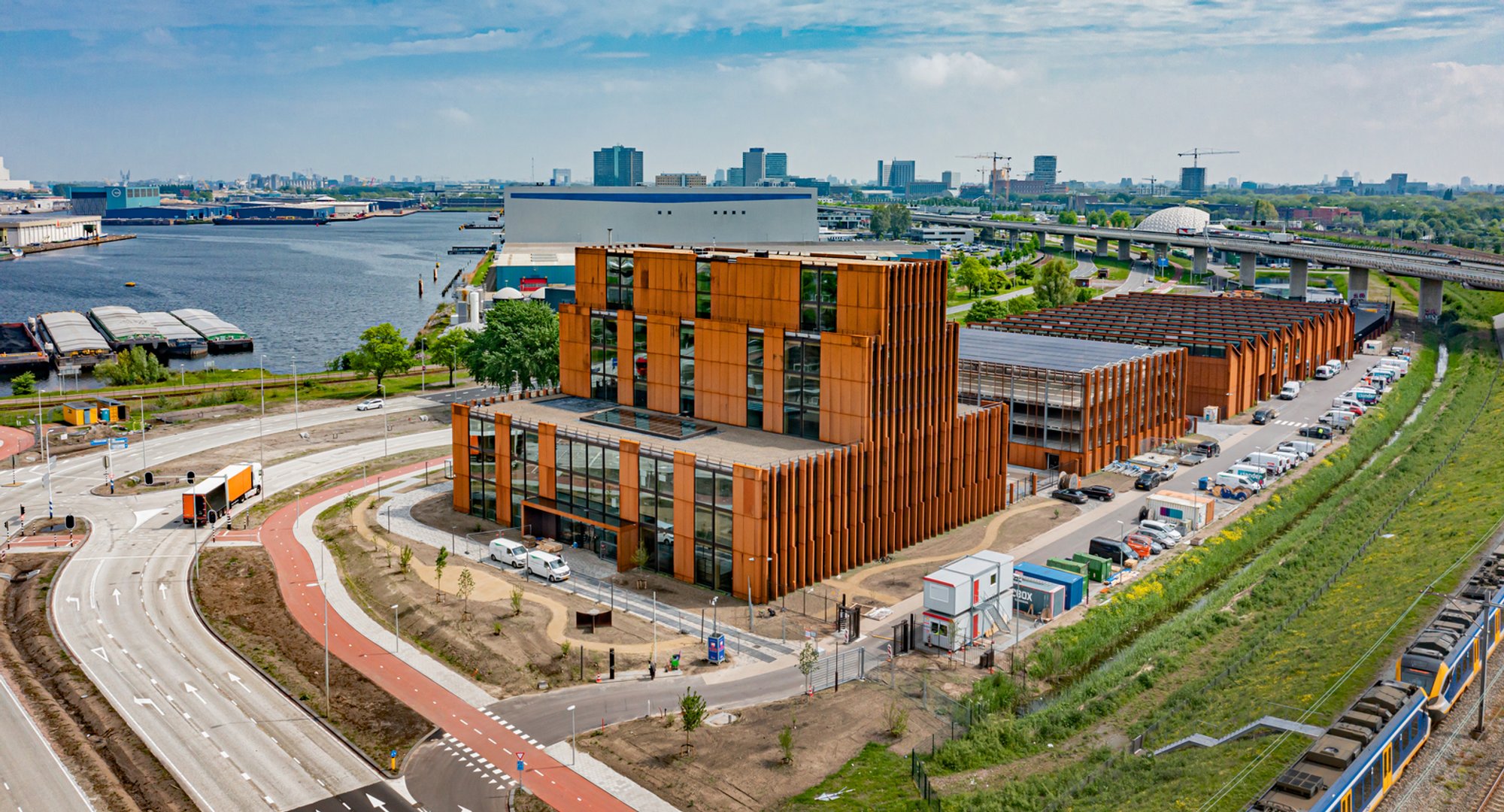
Sustainable Office Architecture in Amsterdam: Liander Westpoort by De Zwarte Hond
The article explores Liander Westpoort, a sustainable office complex in Amsterdam, showcasing innovative architecture, energy neutrality, and ecological design.

In the dynamic port area of Amsterdam, the architectural firm De Zwarte Hond has crafted a landmark of modern, sustainable architecture: Liander Westpoort. Commissioned by energy network company Alliander, this innovative complex epitomizes environmentally conscious design and functionality, boasting features like timber construction, Corten steel facades, and energy-neutral systems. This article delves into the design philosophy, unique features, and sustainability efforts that make Liander Westpoort a model for sustainable office architecture in Amsterdam.
Project Overview
- Location: Amsterdam, The Netherlands
- Architects: De Zwarte Hond
- Client: Alliander
- Total Area: 21,000 m²
- Completion Year: 2023
- Photographers: Jaques Tilleman, ScagliolaBrakkee
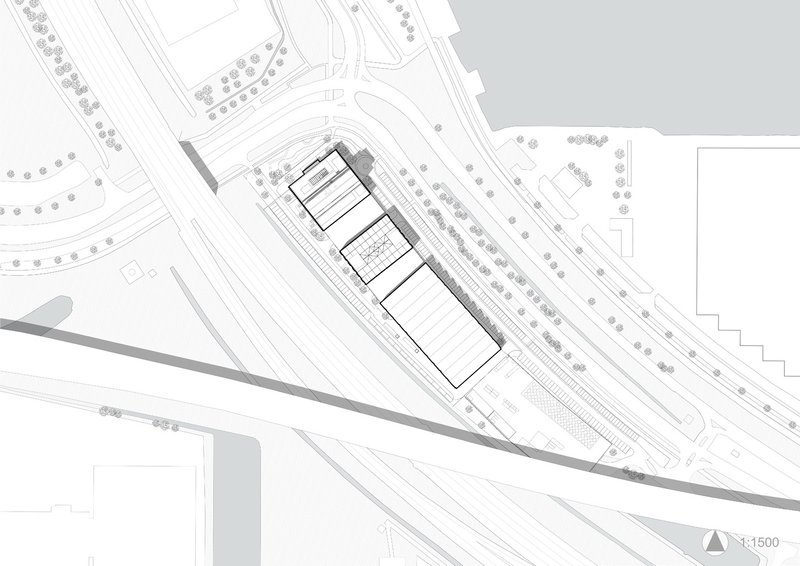
The Liander Westpoort campus comprises an office building, workshops, warehouses, test facilities, and an educational and parking building. Together, these structures achieve a seamless blend of functionality and sustainability.
Architectural Design: A Barcode-Inspired Layout
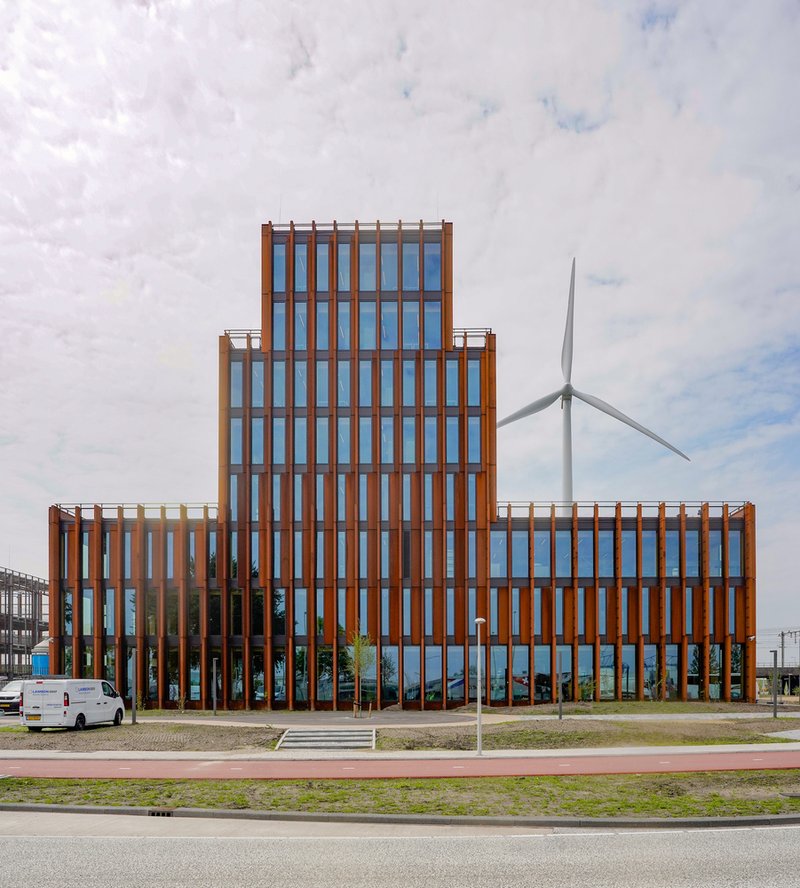
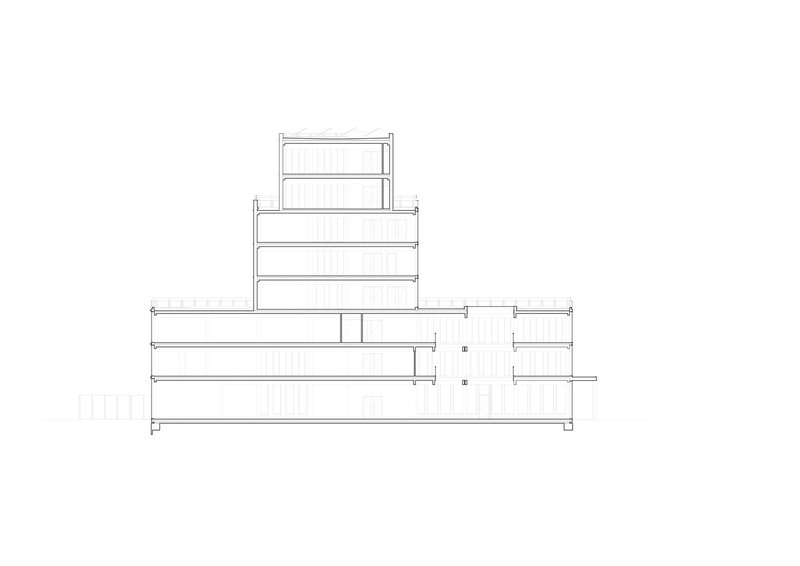
De Zwarte Hond's design organizes the campus with a rhythmic alternation of buildings and open spaces, resembling a barcode. This layout optimizes the use of the site and ensures efficient spatial distribution for diverse activities, from office work to hands-on training. The office building forms a vertical accent, visible from the A5 motorway, signaling its significance in the surrounding urban fabric.
Sustainability at Its Core
All-Timber Construction for Flexibility and Health
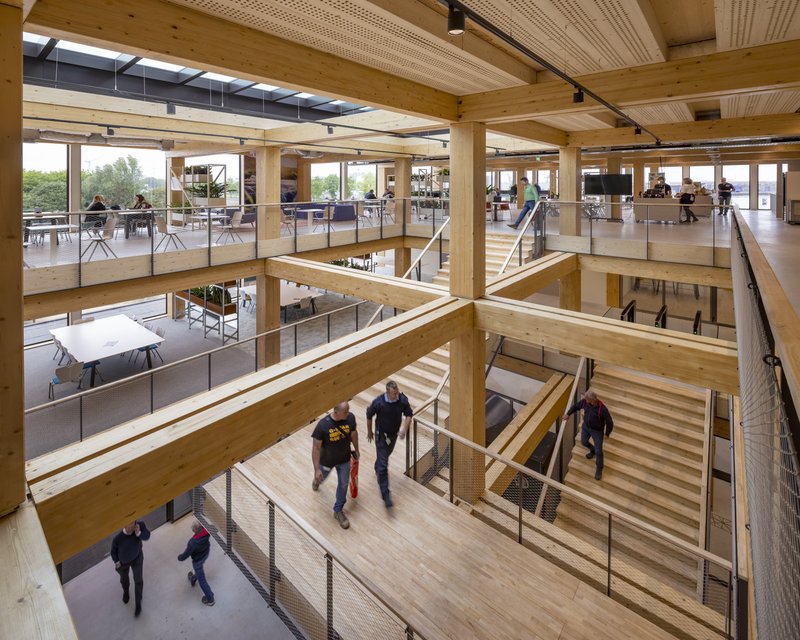
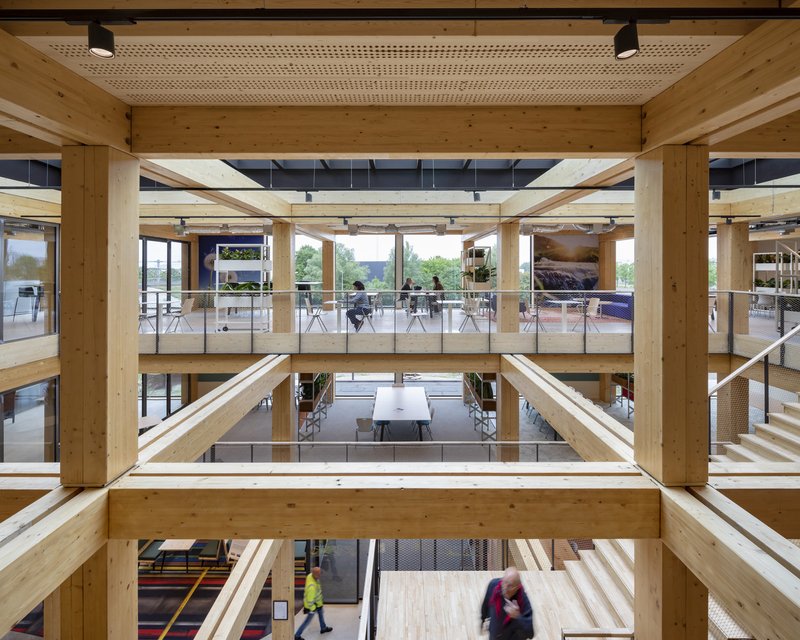
One of the standout features of Liander Westpoort is its all-timber construction. This design choice aligns with sustainability goals and fosters a healthy indoor environment. The timber framework not only reduces the building’s carbon footprint but also provides flexibility for future modifications, allowing the structure to adapt to evolving needs.
Energy Neutrality and Gas-Free Design
Liander Westpoort exemplifies energy-conscious design. The campus is entirely gas-free and operates on renewable energy, making it an energy-neutral facility. This commitment extends to its detachable structural components, which support circular economy principles by enabling material reuse.
Corten Steel Facades
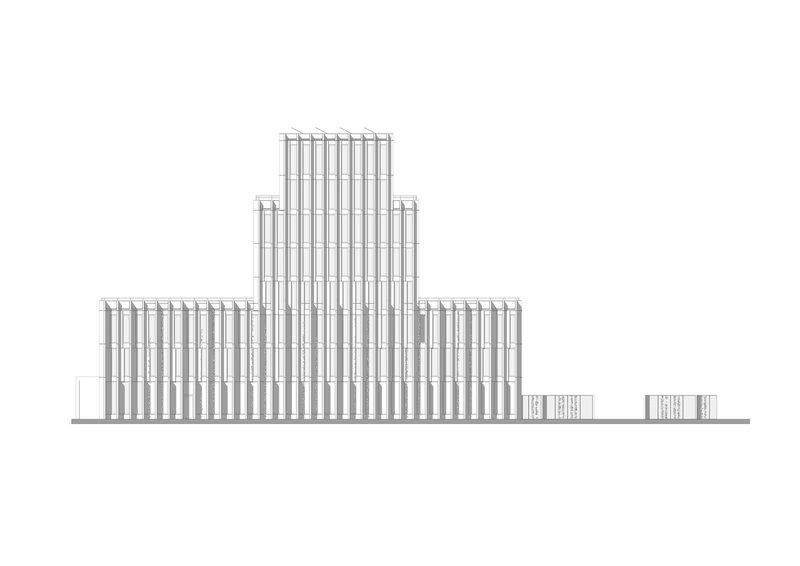
The facades of the building are clad in weather-resistant Corten steel, lending the complex a robust industrial aesthetic while ensuring longevity and minimal maintenance. This material choice also ties the campus to the industrial heritage of Amsterdam's port area.
Interior Features: A Focus on Collaboration and Well-Being
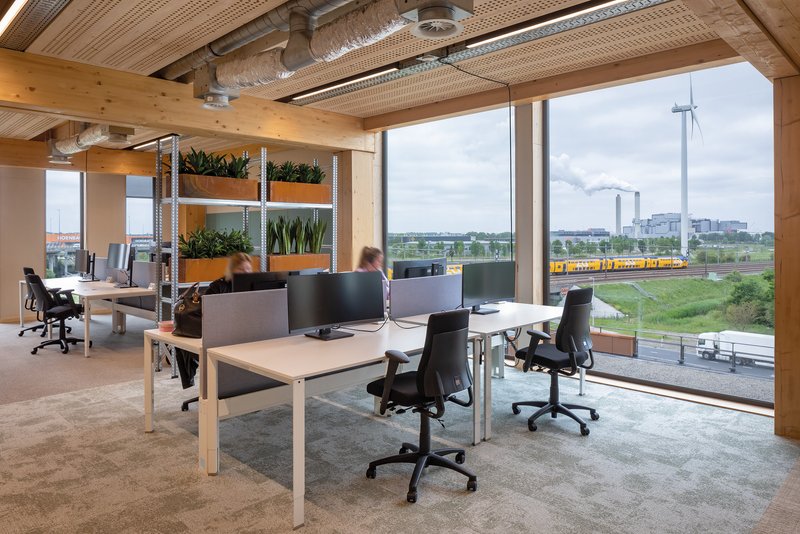
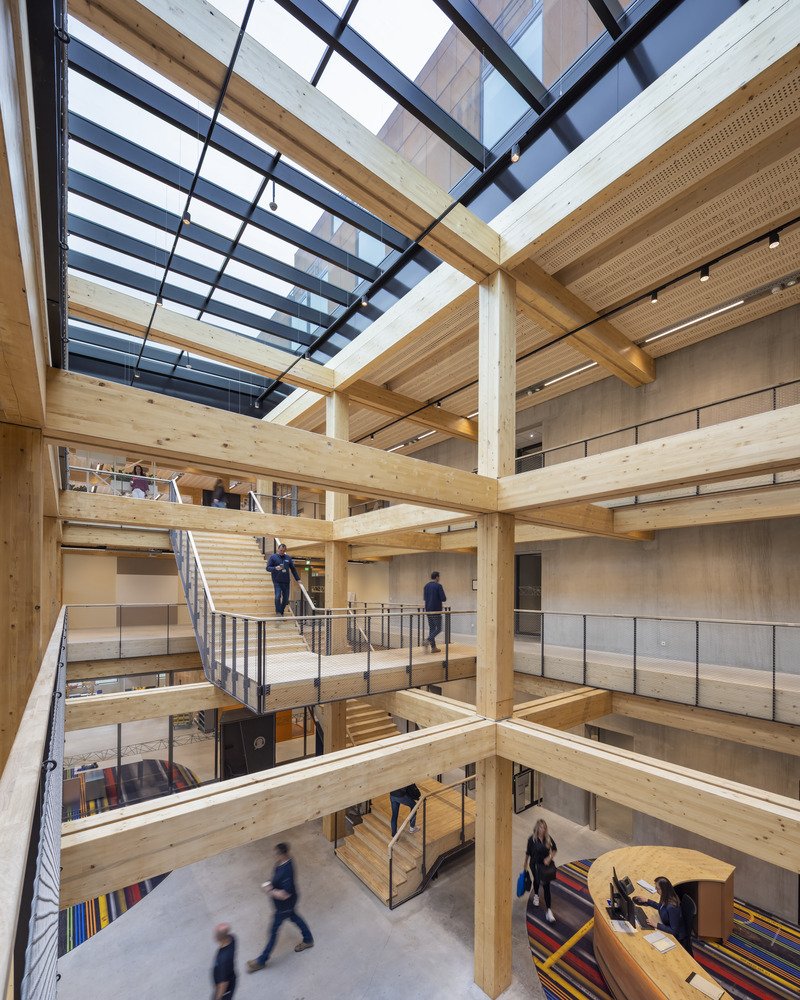
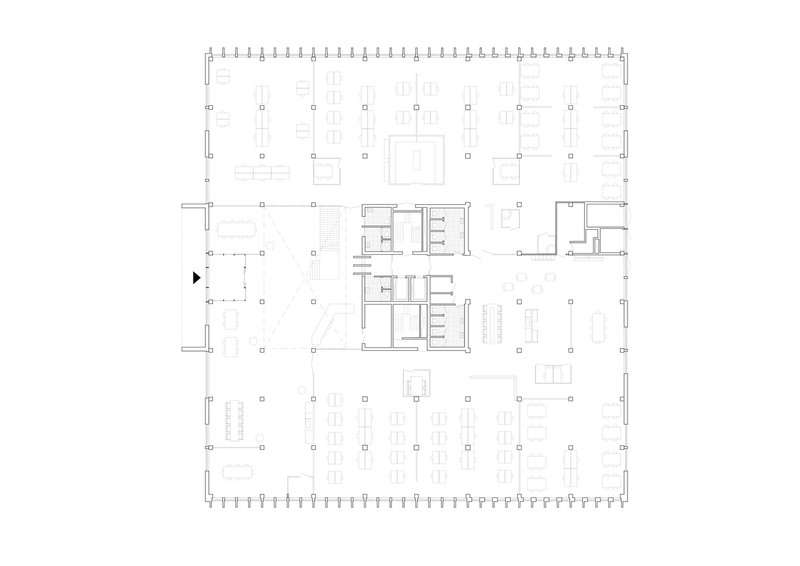
The interior spaces prioritize collaboration and employee well-being. The centerpiece is a spacious atrium featuring wooden central staircases, encouraging interaction and fostering a sense of community. Natural light floods the interiors, reducing reliance on artificial lighting and creating a welcoming environment.
Biodiversity and Landscape Design
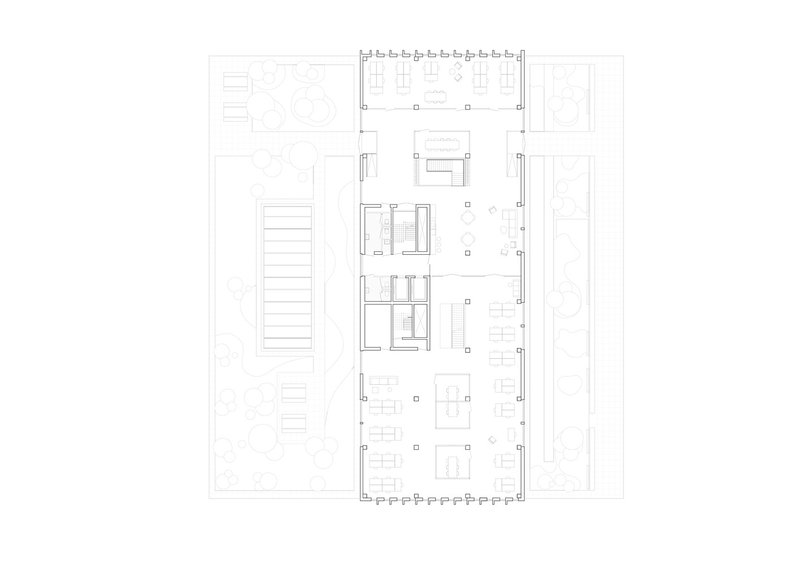
The campus design extends its sustainability ambitions outdoors with a biodiverse landscape plan. Surrounding and atop the buildings are rich plantings that provide habitats for insects, birds, amphibians, and small mammals. These green spaces enhance the ecological value of the site while creating a serene environment for employees and visitors.
Workshops and Warehouses: Industrial Elegance
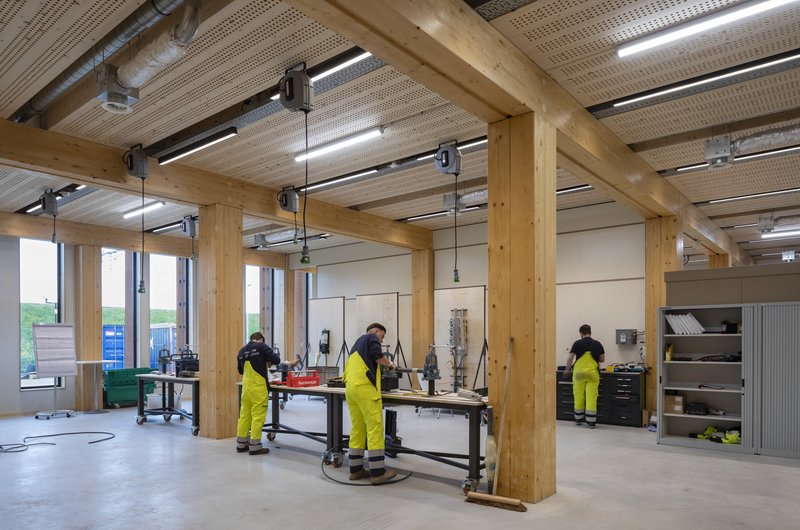
In keeping with the office building, the workshops and storage areas receive equal attention to detail. The robust and compact design recalls the golden age of industrial architecture, while integrating cutting-edge sustainability measures. Compact building plans and minimized facade surface area further enhance energy efficiency.
Circular Economy and Cost-Efficiency
Liander Westpoort sets an example of cost-efficient sustainable design. The compact layout limits material usage, while structural modularity allows for scalability. This approach not only reduces upfront costs but also ensures long-term economic viability by allowing future reconfigurations.
Key Takeaways: A Model for Sustainable Office Architecture
- Timber Construction: Combines sustainability with a healthy indoor environment.
- Energy Neutrality: Operates without fossil fuels, relying on renewable energy.
- Industrial Aesthetic: Merges functionality with visual appeal through Corten steel facades.
- Ecological Integration: Incorporates biodiverse green spaces for people and wildlife.
- Flexibility and Scalability: Modular design ensures future adaptability.
Liander Westpoort by De Zwarte Hond is more than an office complex; it is a bold statement about the future of architecture. With its commitment to sustainability, functionality, and aesthetics, the project exemplifies the best of sustainable office architecture in Amsterdam. As cities and companies strive for greener futures, projects like this serve as inspiration and benchmarks for success.
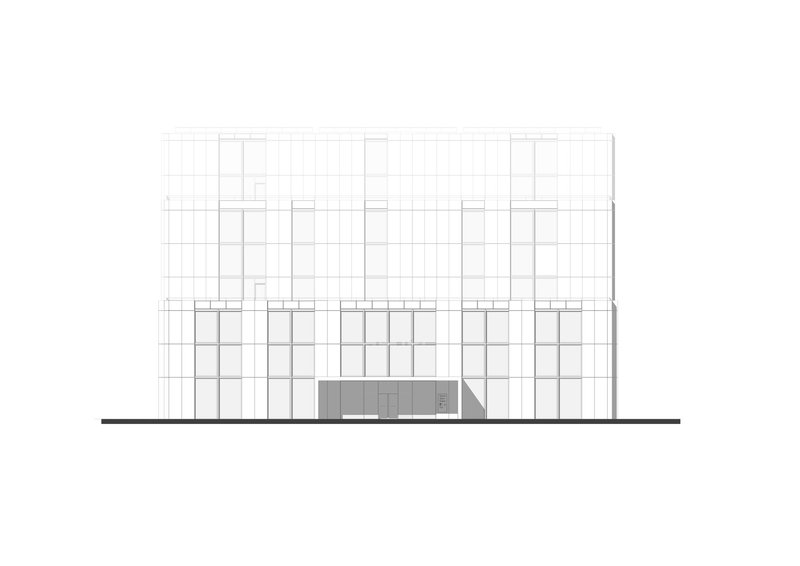
All photographs are work of Jaques Tilleman, ScagliolaBrakkee



Popular Articles
Popular articles from the community

Atelier Macri Concept Store Interior Design by CASE-REAL
Atelier Macri store features a "ko" counter, walnut wood details, cork displays, blending retail, gallery, and seamless customer experiences.
Inverted Architecture Installation by Studio Link-Arc: Exploring the Intersection of Architecture and Living Organisms
Inverted Architecture Installation by Studio Link-Arc blends mycelium, sustainability, inverted design, ecological cycles, and urban adaptive architecture in Shenzhen.
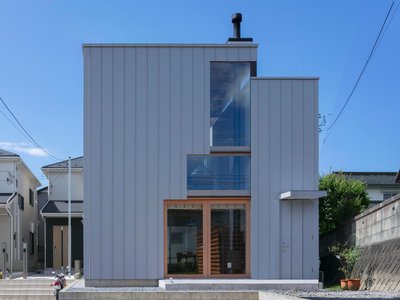
Split House: A Compact Urban Home Blending Privacy, Light, and Flexible Living in Japan
Compact Japanese home featuring DOMA space, flexible café potential, passive lighting, privacy zoning, and sustainable urban living design.


The Ken Roberts Memorial Delineation Competition (Krob)
As the most senior architectural drawing competition currently in operation anywhere in the world, it draws hundreds of entries each year, awarding the very best submissions in a series of medium-based categories.

Similar Reads
You might also enjoy these articles
The Ken Roberts Memorial Delineation Competition (Krob)
As the most senior architectural drawing competition currently in operation anywhere in the world, it draws hundreds of entries each year, awarding the very best submissions in a series of medium-based categories.


Waterfront Redevelopment and Urban Revitalization in Mumbai: Forging a New Dawn for Darukhana
A transformative waterfront redevelopment project reimagining Darukhana’s shipbreaking heritage into an inclusive urban future.

OUT-OF-MAP: A Call for Postcards on Feminist Narratives of Public Space
Rhizoma Design and Research Lab invites artists, designers, architects, researchers, and students to reflect on how feminist perspectives can reshape public space. Selected works will be exhibited in Barcelona, October 2026. Submissions open until 15 April 2026.


Documentation Work on Buddhist Wooden Temple
Architectural syncretism and cultural hybridity: A comparative study of the Buddhist temples in Chattogram Hill tracks

Explore Office Building Competitions
Discover active competitions in this discipline




The International Standard for Design Portfolios


The Global Benchmark for Architecture Dissertation Awards


The Global Benchmark for Graduation Excellence


Challenge to reimagine the Iron Throne
Comments (0)
Please login or sign up to add comments
No comments yet. Be the first to comment!