
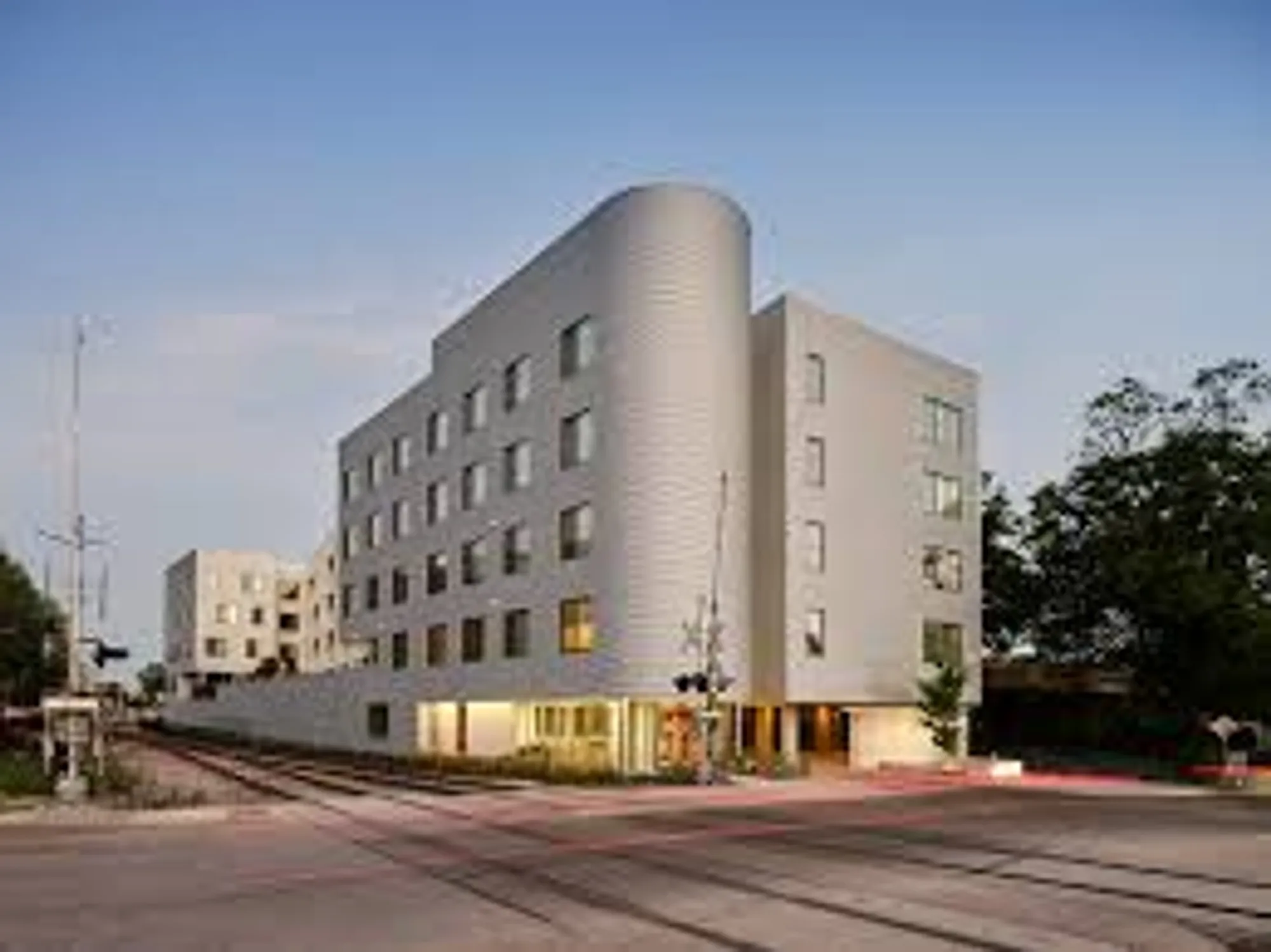
Talavera Lofts: Redefining Affordable Housing and Sustainable Urban Living in East Austin
Talavera Lofts in East Austin by Nelsen Partners delivers affordable housing, sustainable design, community spaces, and transit-oriented urban living solutions.


Located in the vibrant heart of East Austin, Talavera Lofts is a landmark residential development designed by Nelsen Partners. This innovative housing project is more than just a place to live — it’s a bold statement of Austin’s dedication to affordable housing, community-focused design, and sustainable urban development. Completed in 2022, the 93-unit building offers high-quality, affordable living spaces for residents earning as little as one-third of the area’s median income, bridging the gap between rapid urban growth and inclusive city planning.
A Vision for Inclusive Urban Living
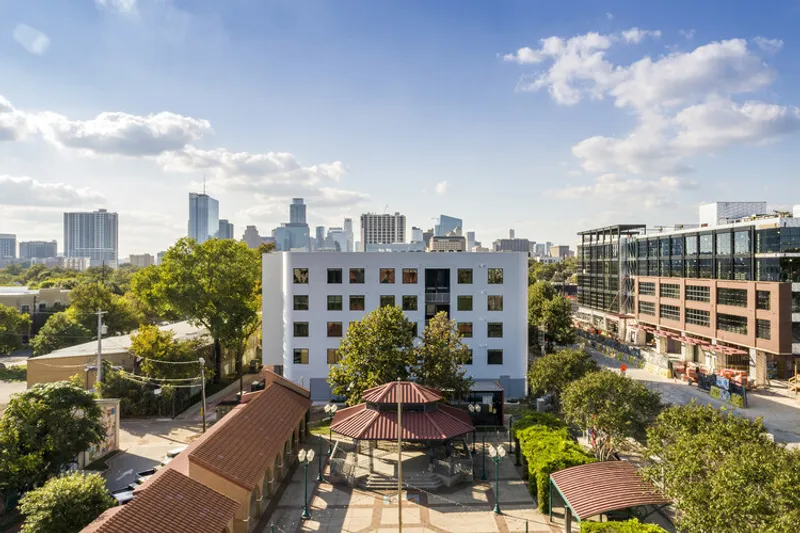
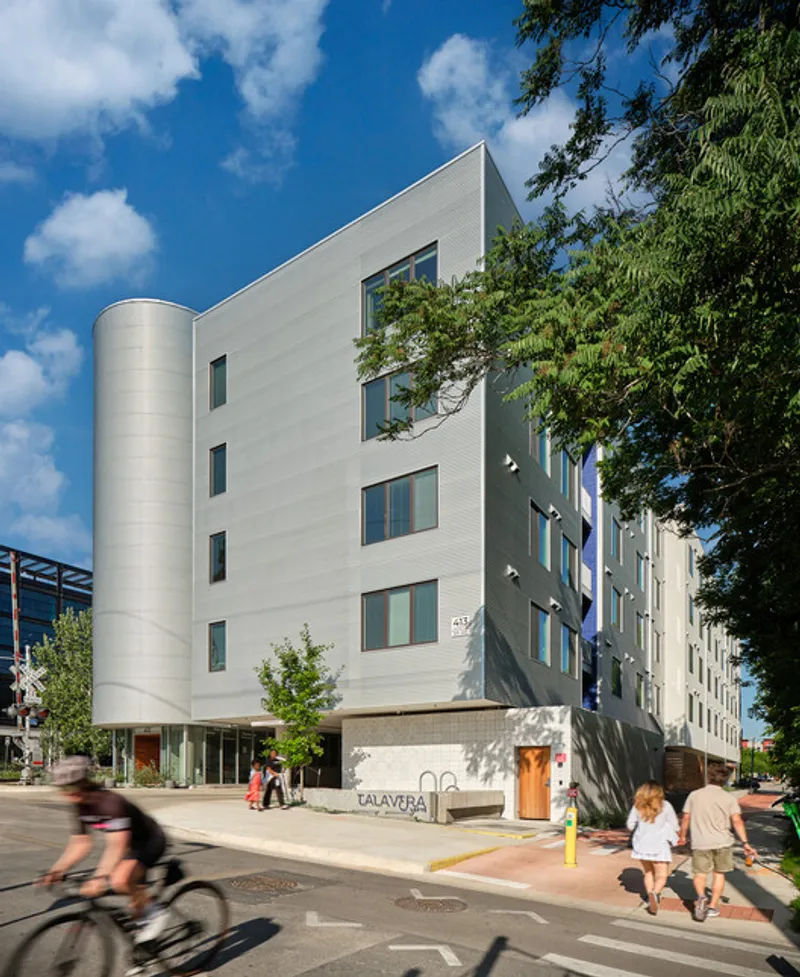
Situated on a uniquely shaped triangular site left over from the Plaza Saltillo redevelopment, Talavera Lofts transforms what was once considered unsuitable land into a vibrant residential hub. The project was spearheaded by DMA Companies, a leader in affordable housing development, with the goal of integrating state-of-the-art housing seamlessly into a rapidly evolving urban landscape. The result is a dynamic, modern apartment complex that addresses East Austin’s critical need for affordable housing while contributing to the area’s architectural character.
Designed with community at its core, Talavera Lofts caters to a diverse demographic — from service industry employees to long-time residents at risk of displacement. It not only provides safe and comfortable homes but also plays a pivotal role in maintaining the cultural and social fabric of the neighborhood amidst intense gentrification pressures.
Sustainable Design and Urban Efficiency
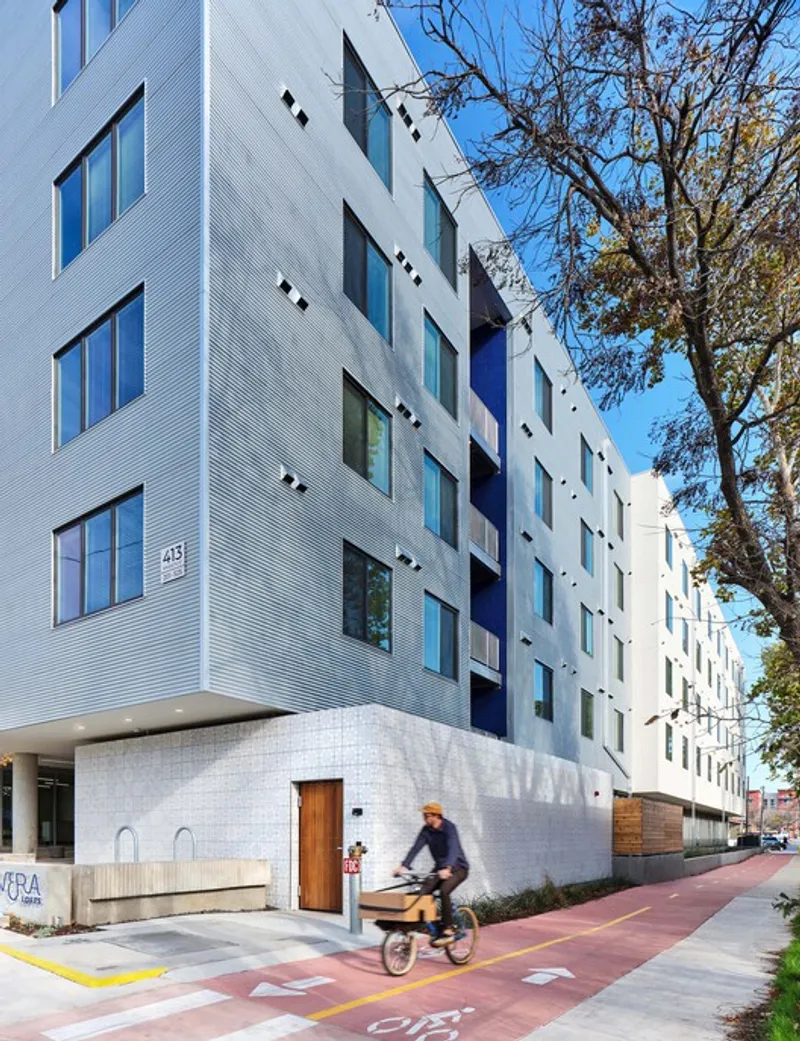
Sustainability drives every aspect of Talavera Lofts’ design. The development takes full advantage of its urban location, reducing reliance on personal vehicles by offering immediate access to multi-modal transit, including bus routes, bike lanes, and the light rail. This connectivity significantly cuts down on parking demand and encourages eco-friendly commuting options.
Innovative stormwater management is another key feature. Rain gardens positioned behind the building capture and filter runoff, releasing it back into the ground in a controlled, environmentally responsible manner. These systems not only improve sustainability but also enhance the site’s natural landscape.
Thoughtful Architecture and Community Spaces
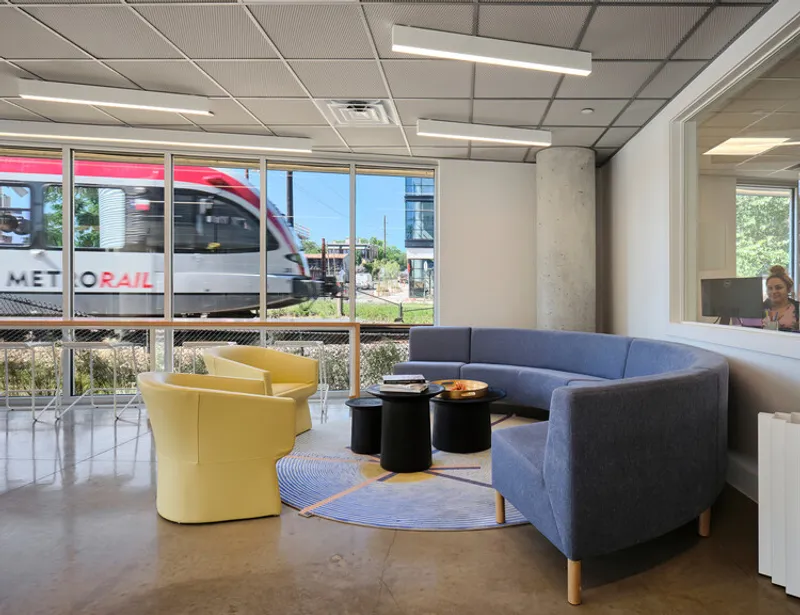
The collaboration between architects and landscape designers was essential to the project’s success. Together, they created a welcoming outdoor community space adjacent to the Capital MetroRail, positioned on the second-floor terrace. This elevated green space incorporates sound-buffering elements and high-performance windows to reduce noise from nearby rail lines, ensuring a peaceful and private environment for residents.
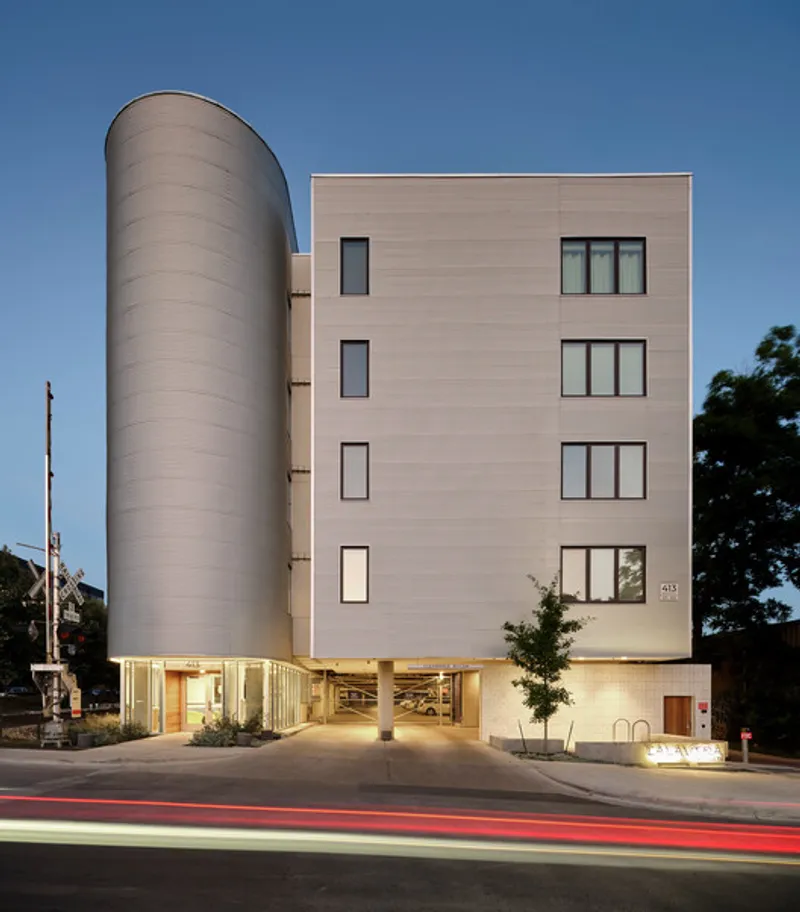
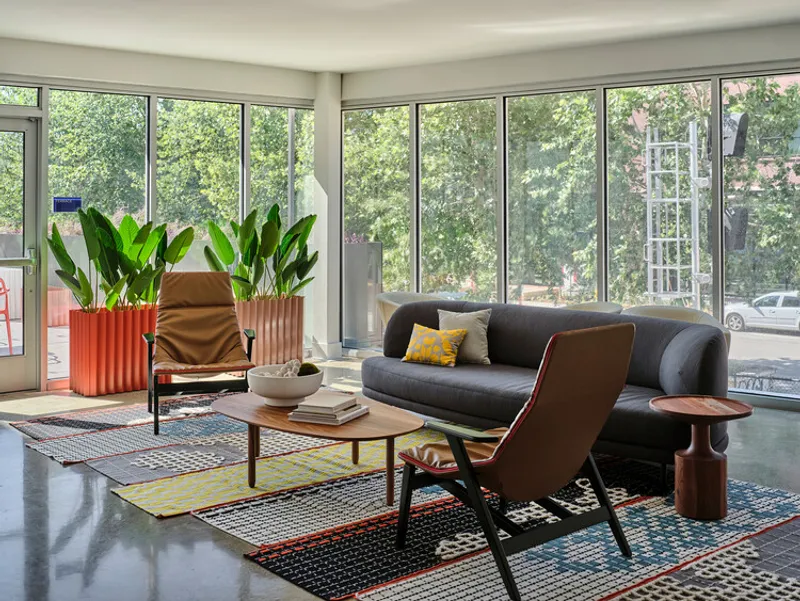
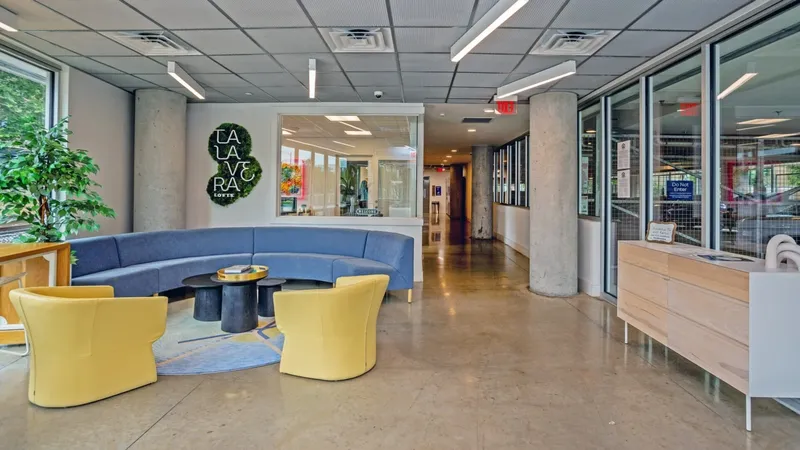
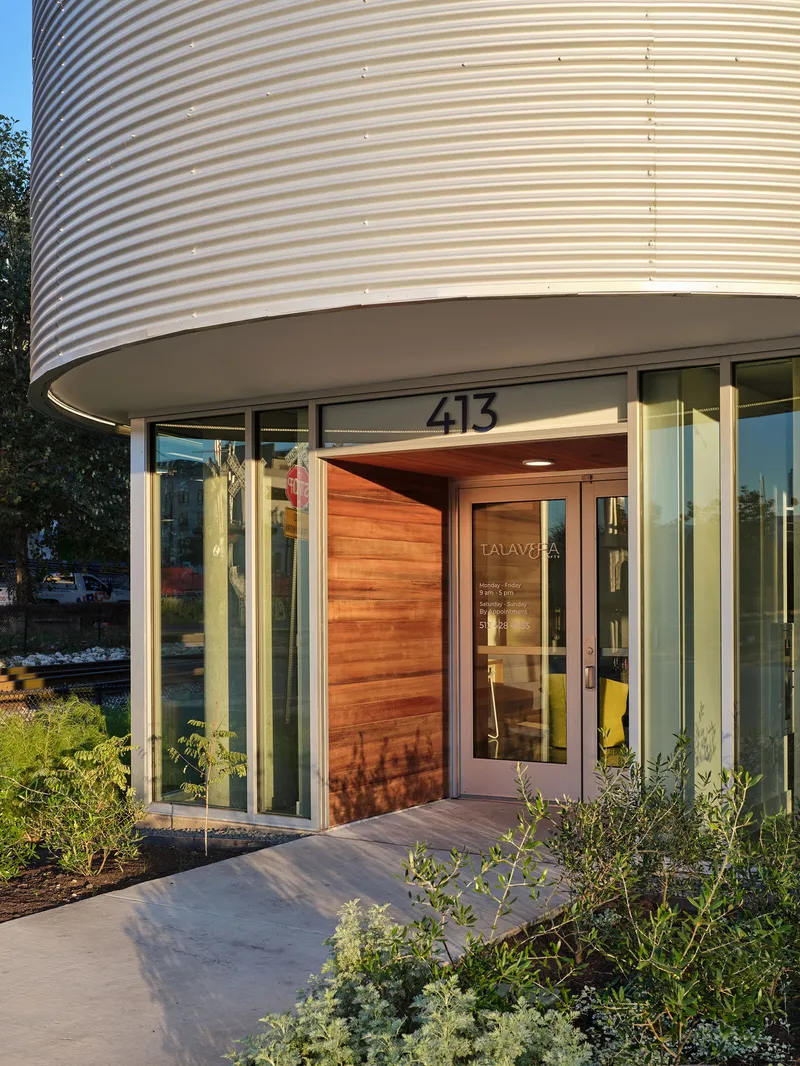
Inside, the apartments and shared areas are thoughtfully oriented to maximize natural light and capture stunning downtown Austin views. Large windows and strategic layouts foster a sense of openness and connection, while the building’s distinctive façade enhances the streetscape with a modern yet contextual aesthetic.
A Milestone for Affordable Housing in Austin
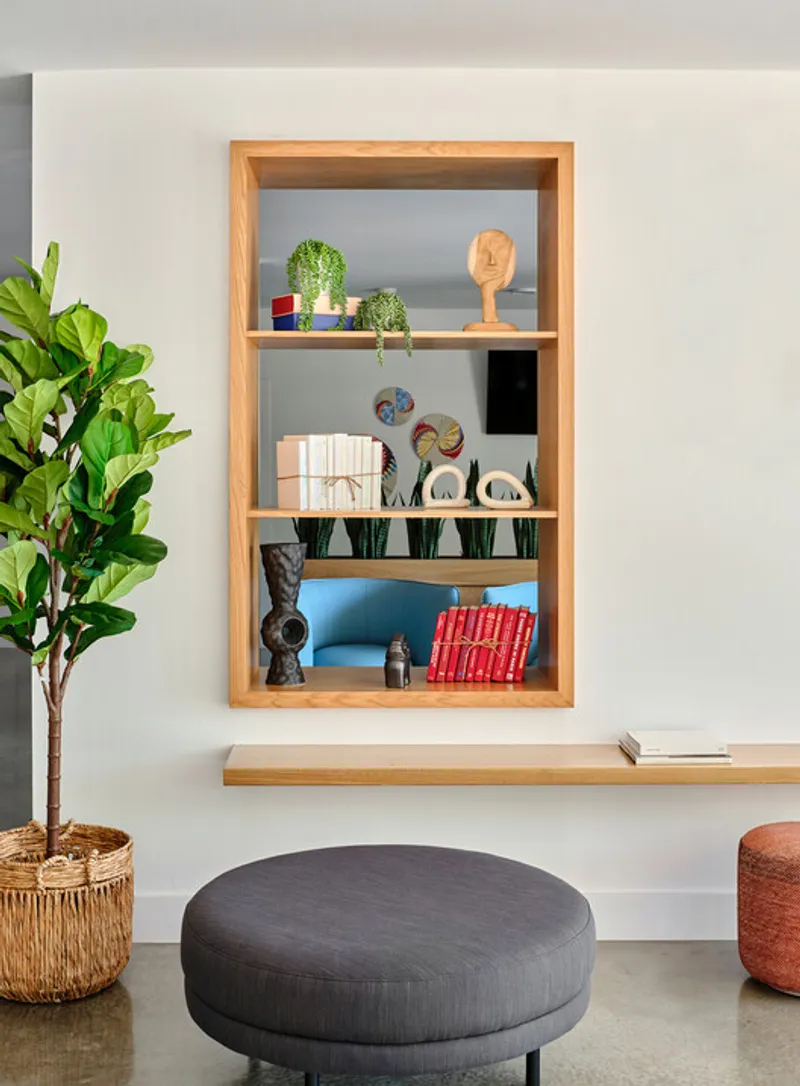
The development of Talavera Lofts marks a significant milestone in East Austin’s evolution. In a district shaped by intense development pressures, this project normalizes affordable housing within a neighborhood resistant to change. It demonstrates that thoughtful design, sustainability, and social responsibility can — and should — coexist in modern urban architecture.
By prioritizing community needs, embracing sustainable design practices, and utilizing underused urban land, Talavera Lofts serves as a model for future affordable housing initiatives nationwide. Its strategic location, forward-thinking design, and unwavering commitment to inclusivity make it a vital addition to Austin’s growing urban landscape.
Talavera Lofts is more than a residential project — it’s a blueprint for equitable city building. By merging affordability, sustainability, and design innovation, it embodies the principles of inclusive urbanism and sets a new standard for how cities can grow without leaving communities behind.
All the photographs are works of Matthew Niemann / Patrick Y Wong




Popular Articles
Popular articles from the community


The Ocean Hive: Sustainable Architecture for a Self-Sufficient Civilization at Sea
The Ocean Hive imagines sustainable architecture at sea, where modular habitats, algae, wave power and ocean waste sustain a growing colony.

Riyadh For All: Intergenerational Urban Design for Active Aging in Rabat
Riyadh For All reimagines urban design in Rabat with intergenerational co-living, adaptive courtyards, and Moroccan cultural exchange today.

Lunar Spiral: Space Architecture Shaped by the Mathematics of the Universe
Lunar Spiral reimagines space architecture through Fibonacci geometry, lunar regolith, levitating habitats, and self-sustaining Moon living.

Hill & Cross Opera: Sculptural Opera House Architecture Shaped by Tallinn’s Landscape and Identity
Hill & Cross Opera reimagines opera house architecture in Tallinn through its sculptural hill, civic plaza, glass wave and a luminous cross.


Similar Reads
You might also enjoy these articles


Hodi-Mandai Geram
Project Function: Preservation and revitalization of the Intangible heritage and socio-spatial identity of the Hodi by Housing, Cultural Memory Center, Sacred Grove, landscape, local tourism economy


Olio Towers: A Mid-Rise for Performers That Fuses Housing, Rehearsal, and Stage
Located blocks from Houston's Theater District, this modular tower stacks living units around a central performance atrium.

Oasis: Modular Green Housing Carved into Dhaka's Urban Fabric
A shortlisted Plugin Housing entry reclaims unauthorized settlements in Dhaka with stepped concrete volumes, green roofs, and ventilation-driven design.

Black Hole: A Floating Megastructure for the Post-Physical Era
Emiliano Mazzarotto envisions a spherical, self-scaling arena where e-sports, digital hotels, and holographic stadiums replace traditional public space.

Explore Residential Building Competitions
Discover active competitions in this discipline


Challenge to design mud housing for contemporary communities


Challenge to reimagine the Iron Throne


Photograph architecture without architects


Illustrate the lost glory of Angkor Wat - Render Challenge
Comments (0)
Please login or sign up to add comments
No comments yet. Be the first to comment!