

Tara Thiwakorn Pavilion: A Community-Built Learning Space Along the Mekong River
A community-built pavilion in rural Thailand, combining steel and local wood to create an open-air learning and gathering space.


Architects: Rural Development Volunteer Camp Located in Huai Pichai Subdistrict, Pak Chom District, Loei Province, Thailand, the Tara Thiwakorn Pavilion is a modest yet powerful example of community-driven architecture responding to social, educational, and environmental needs. Designed and built by Rural Development Volunteer Camp, the pavilion was conceived as a shared space for Ban Pak Niam School and the surrounding village community, addressing the school’s long-standing lack of multifunctional facilities.
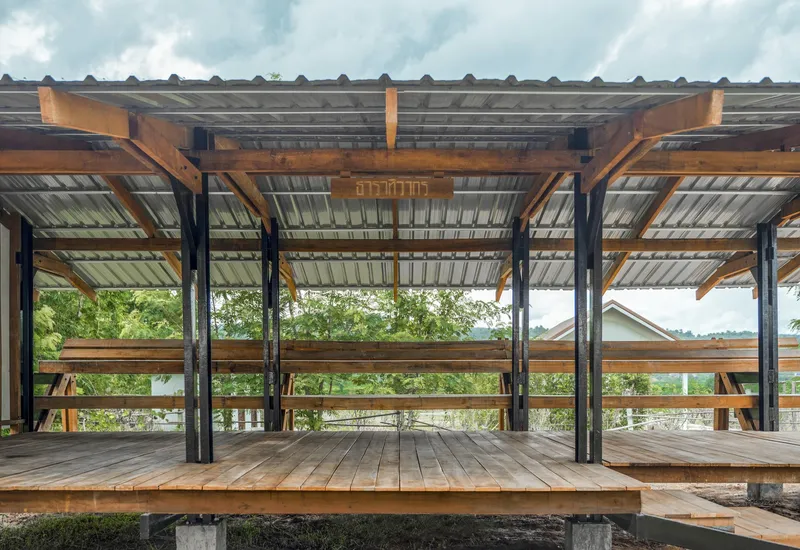
Situated along the banks of the Mekong River, Ban Pak Niam School is geographically isolated from major development zones. Due to limited infrastructure, school activities and community gatherings were previously held in an aging cafeteria that could no longer support diverse programs. In response, villagers, educators, and volunteer architects collectively initiated the construction of an outdoor multipurpose pavilion—a flexible learning environment that encourages interaction between students and local residents.
Design Strategy Rooted in Constraints and Collaboration
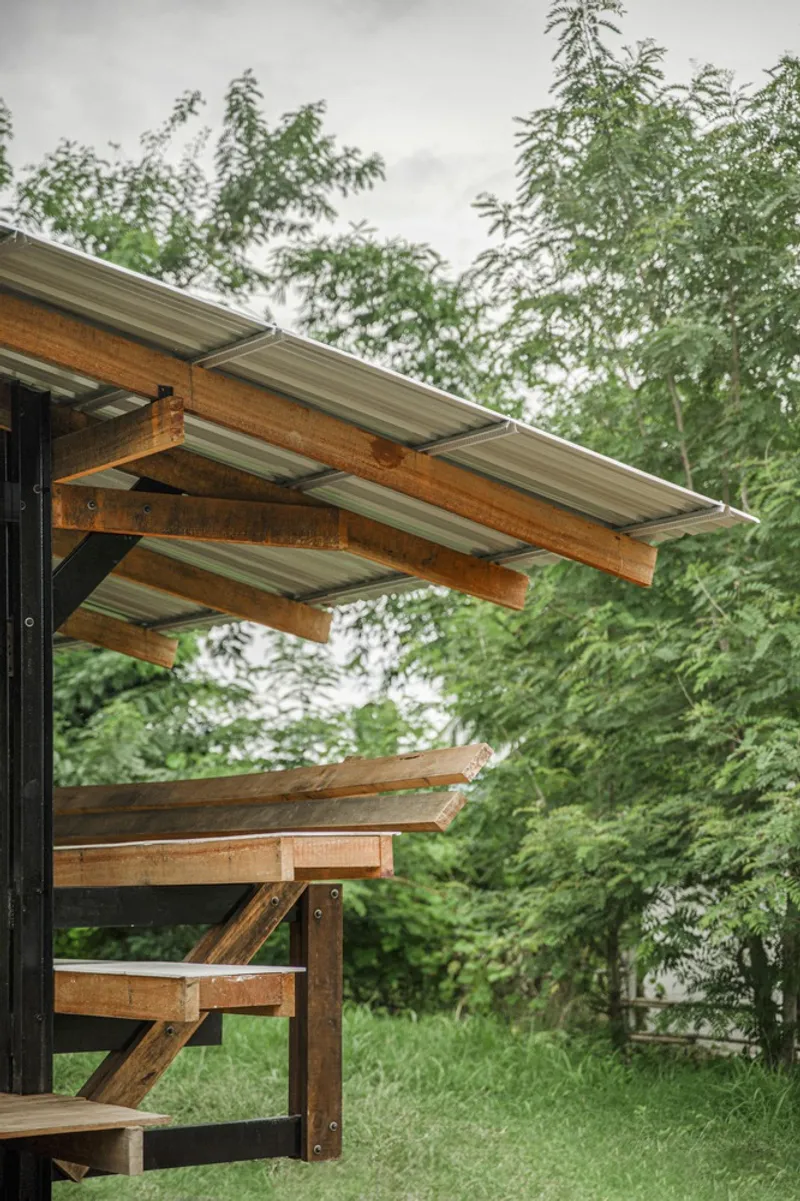
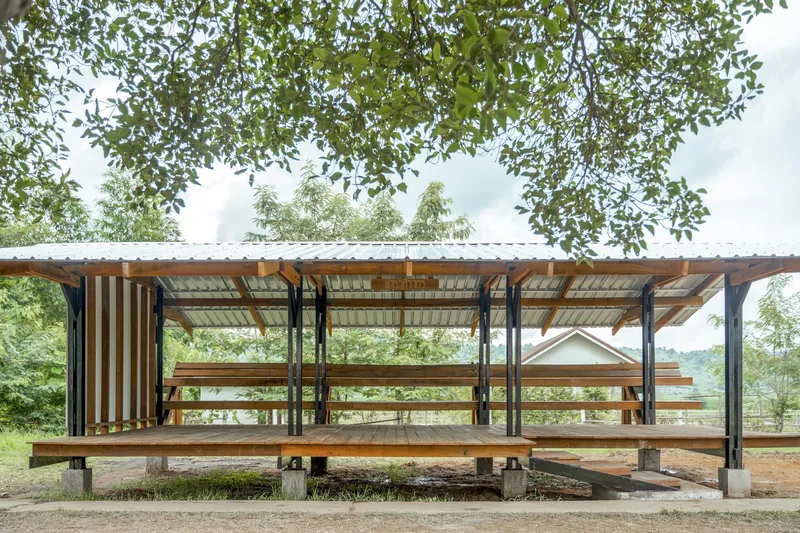
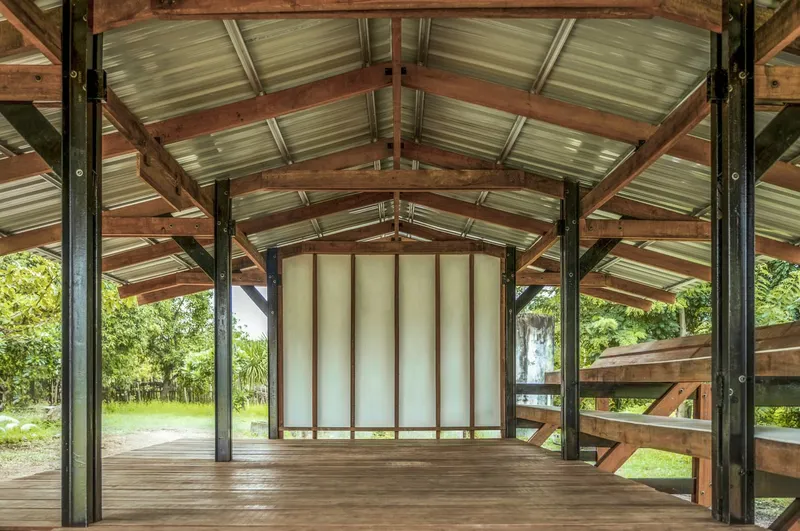
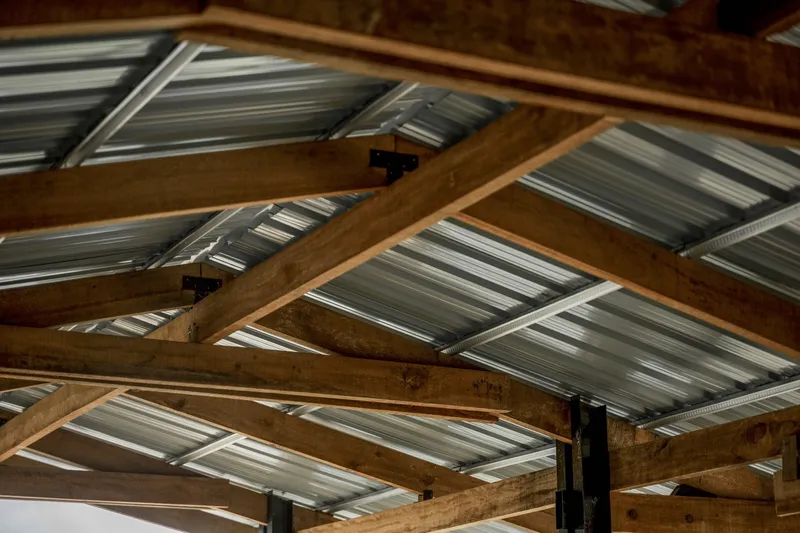
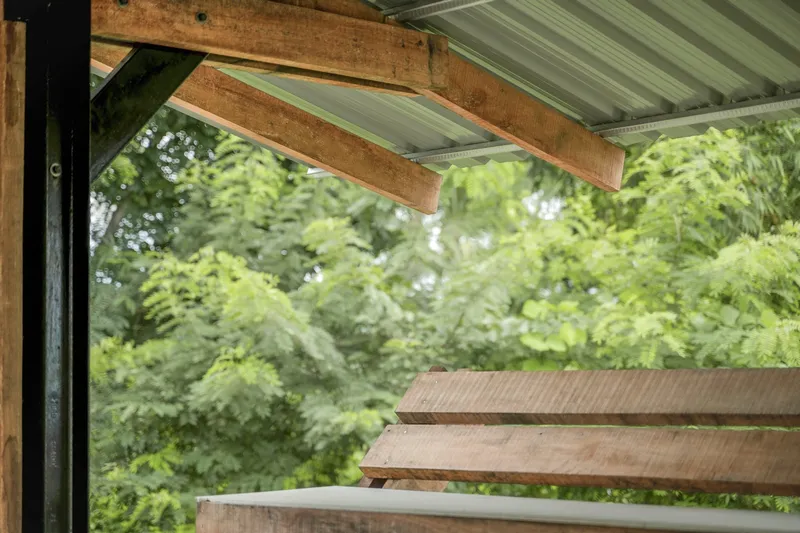
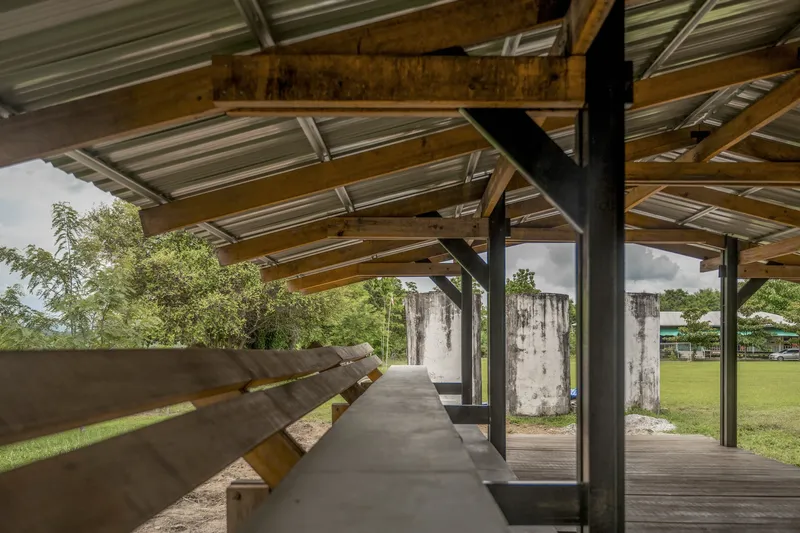
With a tight budget and an extremely limited 19-day construction period, the pavilion’s design prioritizes simplicity, speed, and adaptability. The structure spans just 50 square meters, yet its impact extends far beyond its footprint. A steel structural frame forms the primary skeleton, chosen for durability and ease of assembly. Complementing this, rubberwood, sourced from nearby communities, is used for the roof structure and seating elements—supporting local economies while reducing material transportation.
The construction system relies on bolt-and-nut connections, allowing wood components to be easily replaced if they deteriorate over time. This strategy ensures long-term maintainability and reflects a practical understanding of rural building conditions. To further enhance durability, the pavilion is elevated above ground level, effectively protecting it from termite infestation and moisture.
An Amphitheater for Learning and Community Life
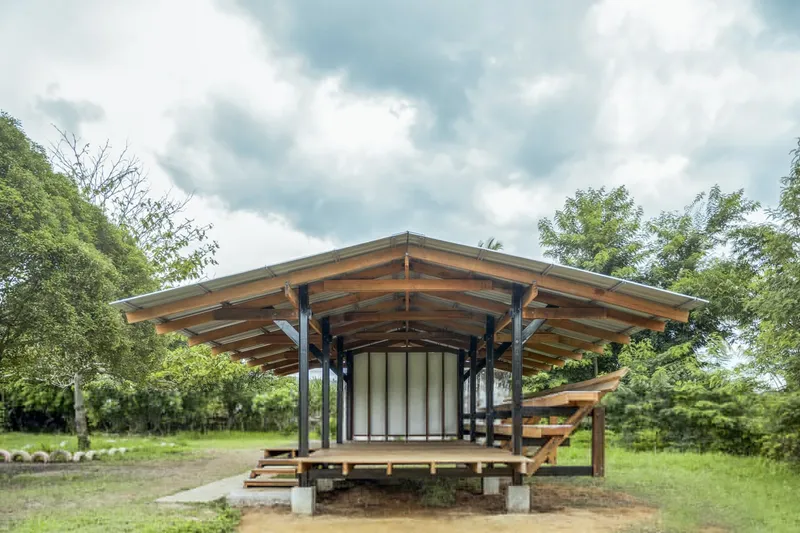
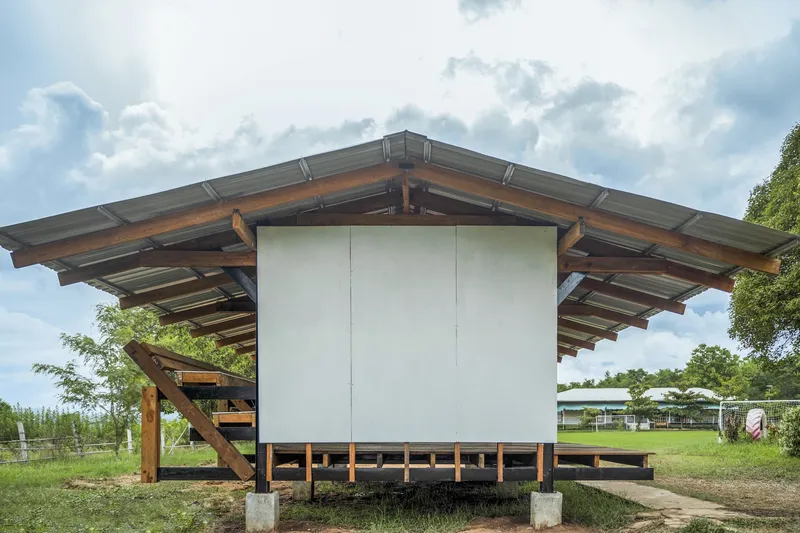
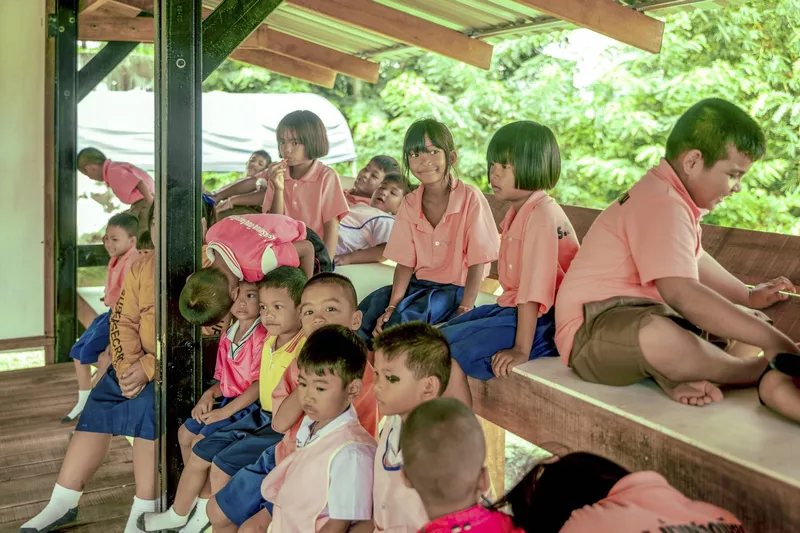
Spatially, the pavilion is organized as a two-tiered seating structure oriented toward the school, functioning like a small amphitheater. This configuration supports a wide range of uses—from outdoor classes and student performances to village meetings and informal gatherings. The open layout encourages shared occupation, dissolving boundaries between school activities and community life.
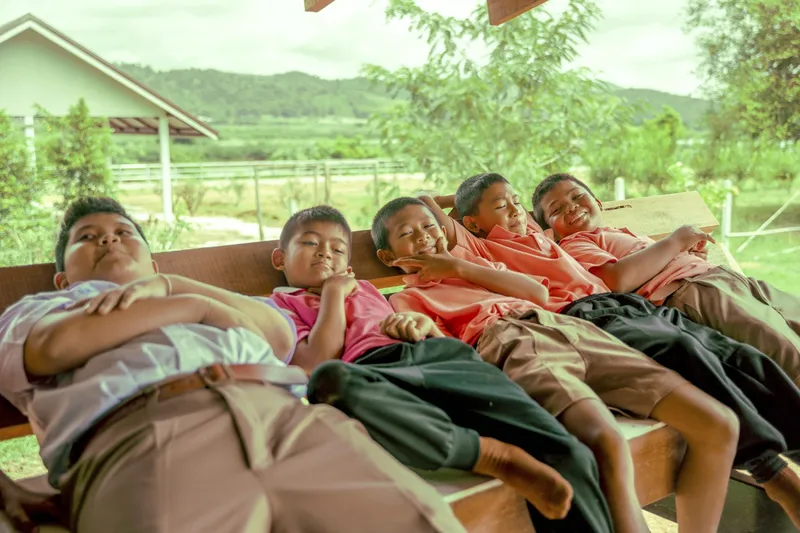
Lightweight metal roofing sheets, commonly used in local construction, allow the eaves to extend generously, providing shade and rain protection while maintaining natural ventilation. The combination of steel, wood, and metal sheets reflects both local building traditions and contemporary construction logic, resulting in an architecture that feels familiar yet purposeful.
Learning Beyond the Classroom
Beyond serving Ban Pak Niam School, the Tara Thiwakorn Pavilion also functions as a hands-on learning platform for architecture students from Chulalongkorn University. Through direct involvement in planning and construction, students gained invaluable real-world experience—translating academic knowledge into built form within a remote rural context. The project emphasizes experiential learning, teamwork, and social responsibility, reinforcing architecture’s role as a tool for community empowerment.
Architecture as Social Infrastructure
More than a physical structure, the Tara Thiwakorn Pavilion represents a process of collective effort and mutual support. It demonstrates how small-scale, resource-conscious architecture can create meaningful social impact—strengthening relationships between students, villagers, and volunteers while providing a lasting space for education and community engagement.
All photographs are works of
Pibhu Devakul Na Ayudhya




Popular Articles
Popular articles from the community


The Earth Pod: 3D Printed Homes for Resilient Refugee Communities
The Earth Pod reimagines refugee housing through 3D printed homes made from clay, combining resilience, self-sufficiency, and rapid shelter.

Lunar Spiral: Space Architecture Shaped by the Mathematics of the Universe
Lunar Spiral reimagines space architecture through Fibonacci geometry, lunar regolith, levitating habitats, and self-sustaining Moon living.

The Ocean Hive: Sustainable Architecture for a Self-Sufficient Civilization at Sea
The Ocean Hive imagines sustainable architecture at sea, where modular habitats, algae, wave power and ocean waste sustain a growing colony.

Co-life: Sustainable Architecture for Age-Friendly Community Living
Co-life reimagines sustainable architecture for seniors through courtyards, rammed earth, shared gardens, and spaces designed for belonging.

Similar Reads
You might also enjoy these articles

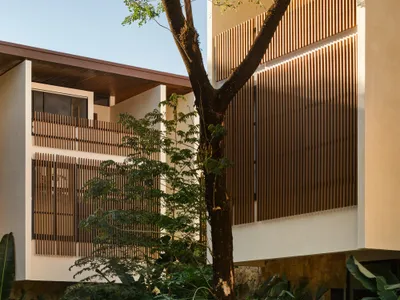
FAMM Arquitectura Organizes Ten Villas Around Courtyards and Jungle in Nosara, Costa Rica
El Molino pairs two elongated volumes with deep overhangs and timber louvers to build a compact coastal community five minutes from the beach.
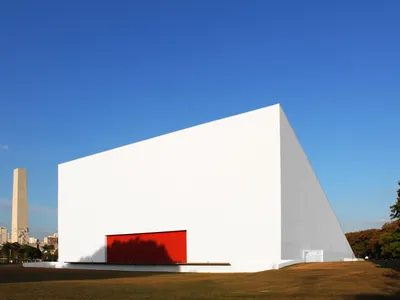
Oscar Niemeyer's Ibirapuera Park Pavilions Define São Paulo's Cultural Identity in Concrete and Curve
A constellation of modernist volumes set within São Paulo's most important urban park, conceived for the city's 400th anniversary in 1954.
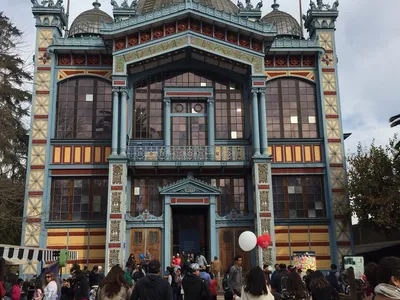
How Henri Picq's 1889 Paris Pavilion Traveled 11,000 Kilometers to Become Santiago's Artequín Museum
A prefabricated iron and glass pavilion built for the Paris Universal Exposition found a second life as a children's art museum in Chile.
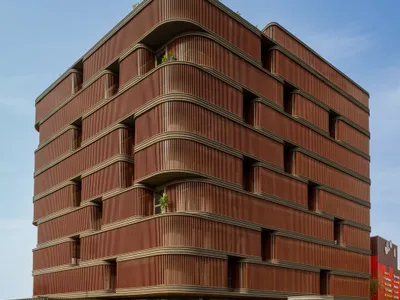
Sanjay Puri Architects Wraps a Jaipur Office Tower in Capsule-Shaped Green Buffers
A nine-level climate-responsive workplace near Jaipur Airport uses stacked planter terraces and aluminium screens to fight 40°C heat.

Explore Community-Driven Architecture Competitions
Discover active competitions in this discipline


Challenge to design a portable theatre


Challenge to design a portable music platform

Challenge to design an open learning module for the elderly


Challenge to reimagine the Iron Throne
Comments (0)
Please login or sign up to add comments
No comments yet. Be the first to comment!