
The Clay Pavilion by Álvaro Siza + BAAQ': A Sculptural Brick Sanctuary for Tradition and Community
The Clay Pavilion blends traditional Mexican materials with minimalist design, creating a space for clay education, community gathering, and cultural preservation.


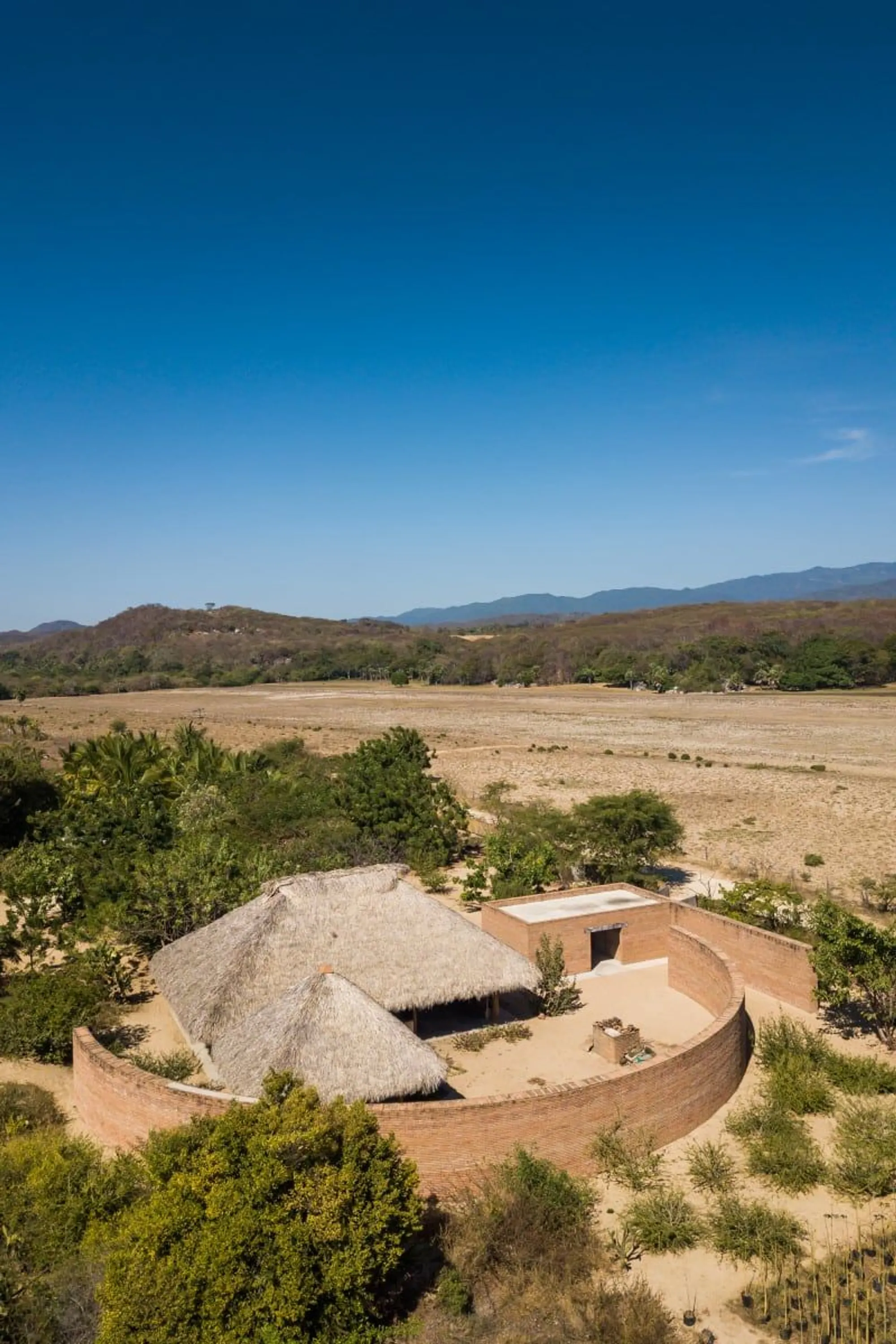
Located in the serene coastal landscape of Puerto Escondido, Mexico, The Clay Pavilion is a striking architectural project designed by Pritzker Prize-winning architect Álvaro Siza in collaboration with BAAQ’ Studio. Commissioned by Casa Wabi Foundation, this 140-square-meter structure embodies the fusion of minimalist modern design, local materials, and cultural preservation.
Celebrating Craft and Community
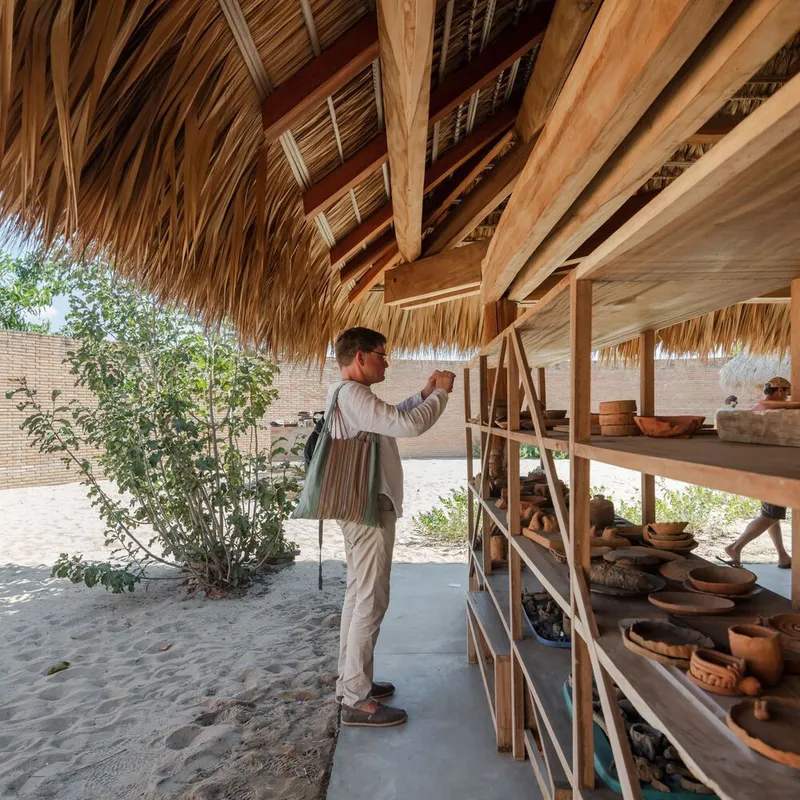
Casa Wabi, an arts center dedicated to social transformation through creativity, identified the need to preserve and pass on the ancestral knowledge of clay handling among the local community, particularly children. The Clay Pavilion was conceived as a space not only to teach traditional clay techniques but also to inspire dialogue and craft.
With this intent, Siza and BAAQ’ designed a pavilion that acts as both a workshop and exhibition space, promoting hands-on learning and interaction through architectural simplicity and spatial honesty.
Architectural Harmony and Local Materials
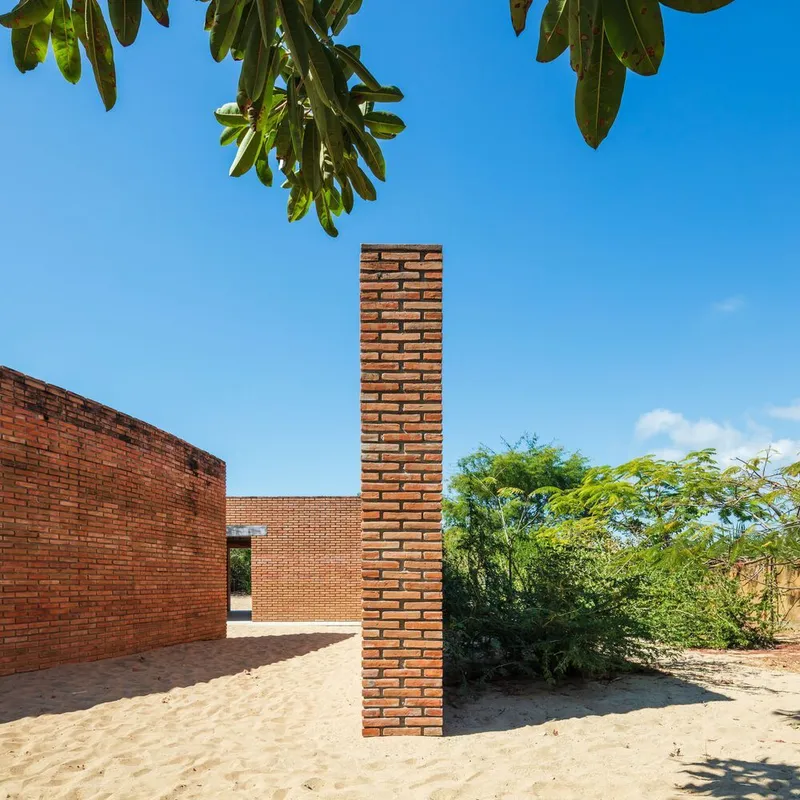
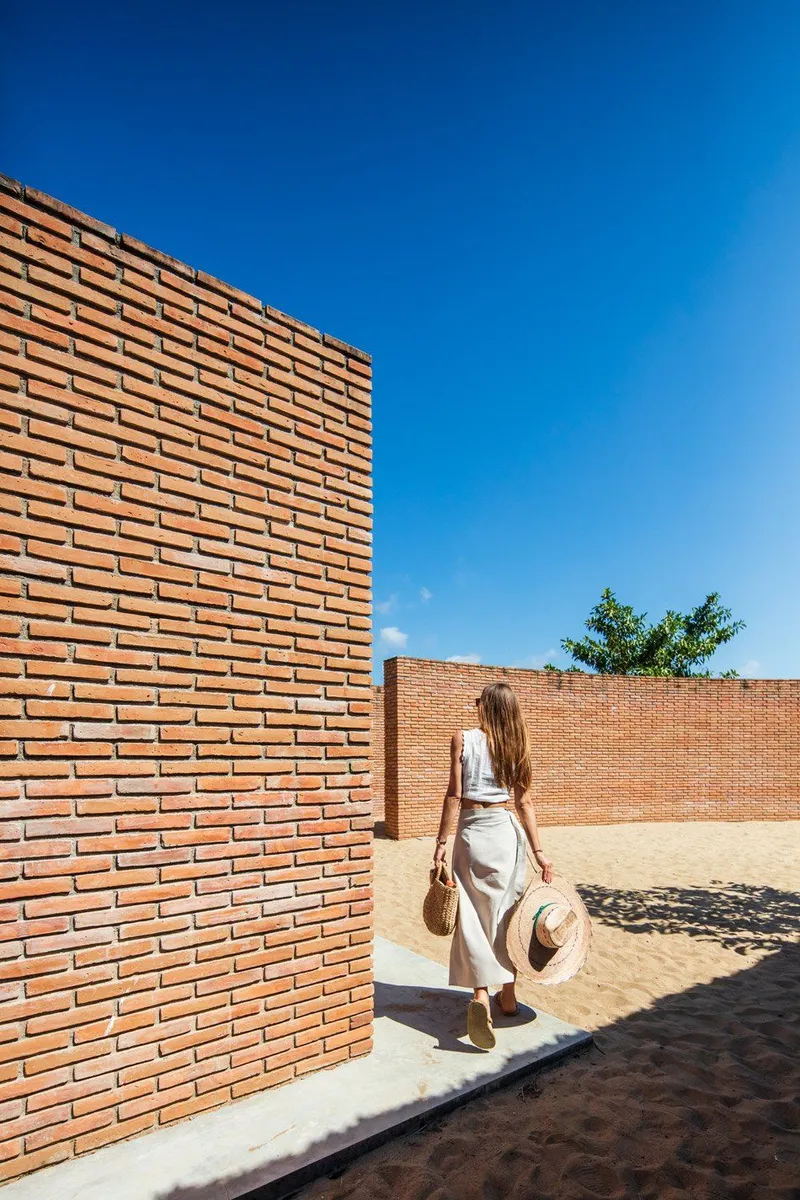
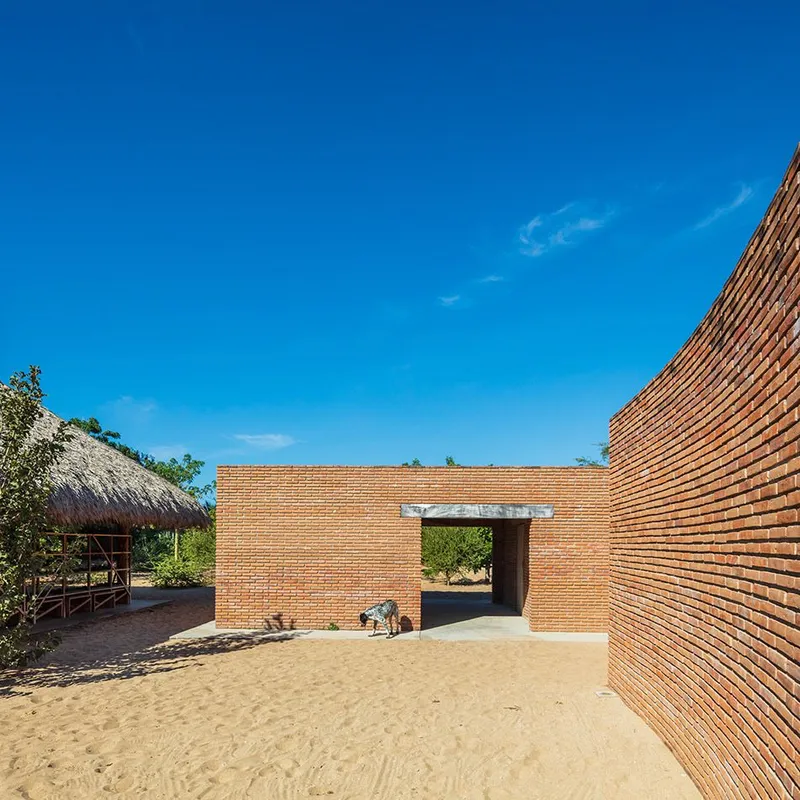
The semicircular brick wall defines the pavilion’s unique footprint, enclosing a central courtyard housing a traditional clay oven. This wall, built from specially-sized annealed red bricks, emphasizes structural integrity while embracing material authenticity. The rich texture and warm hue of the brick echo the regional architectural language, seamlessly embedding the structure in its environment.
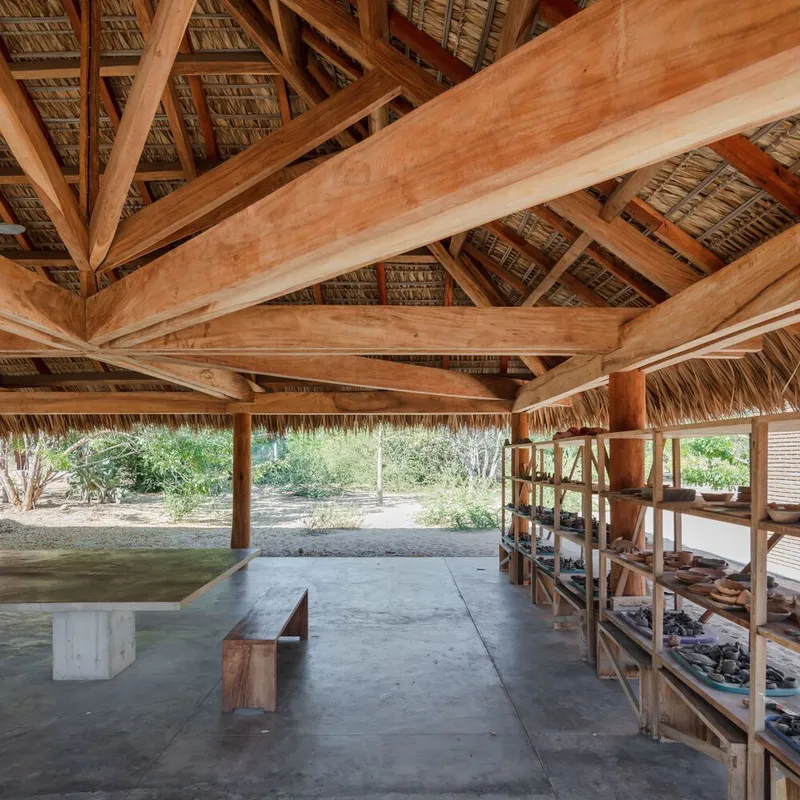
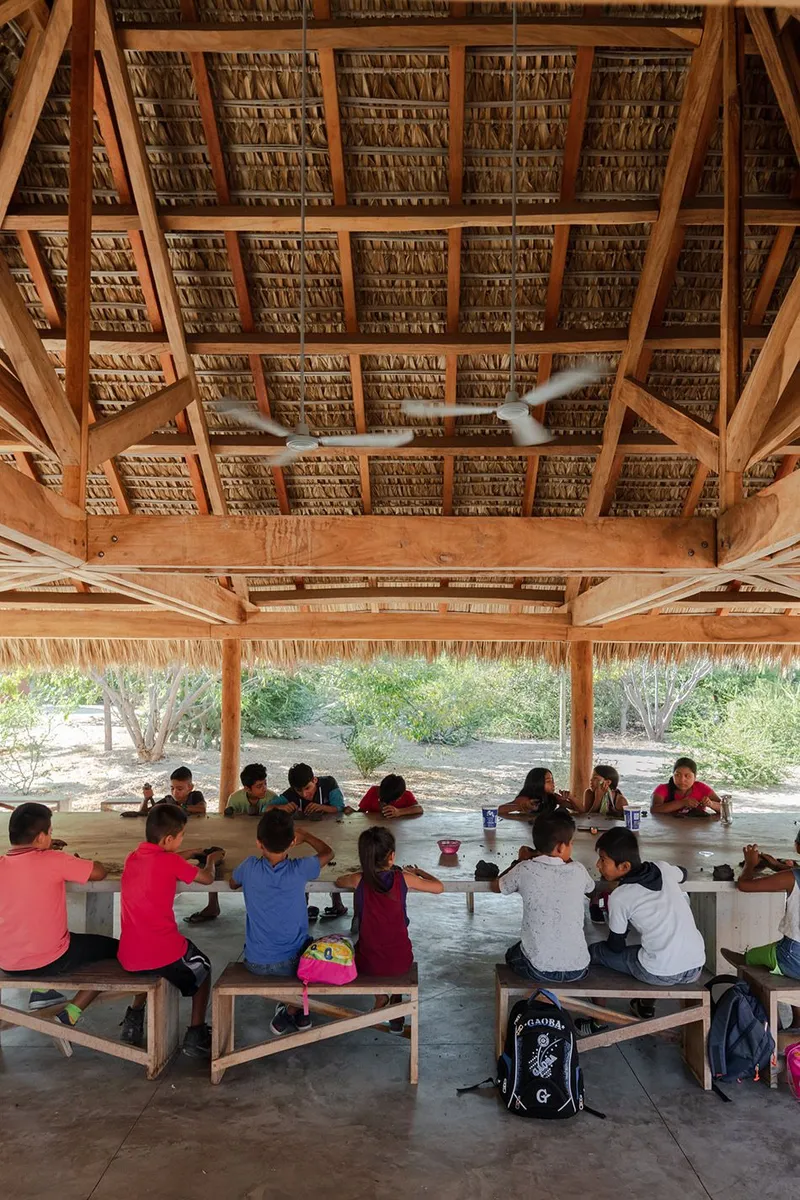
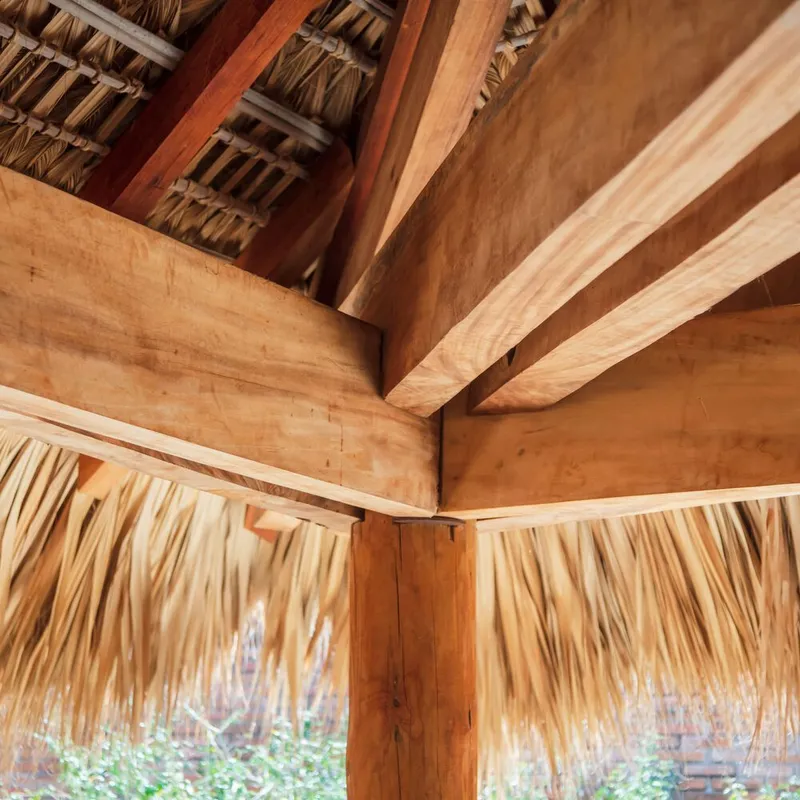
At the heart of the pavilion lies the "Palapa", a soaring 7-meter-high palm-thatched structure inspired by medieval wooden halls of Europe. This open-air canopy shelters a monumental concrete worktable (6x2 meters), serving as a central hub for workshops, clay modeling, and community gatherings.
Functionality and Spatial Composition
The Clay Pavilion includes two additional volumes – an L-shaped storage room for clay and ceramic tools and a sanitary building – all articulated within the curved and angular geometries of the walls. Every spatial element contributes to the fluid movement within the pavilion, from open-air teaching zones to quiet display areas for finished pieces.
The design promotes natural ventilation and light, encouraging eco-conscious building practices. The entire complex harmonizes with its tropical setting, offering a shaded retreat from the sun while remaining open to the landscape.
A Living Monument to Clay Traditions
Through its sculptural form and programmatic clarity, the Clay Pavilion becomes more than a building—it is a living monument to the Mexican clay tradition. Álvaro Siza’s minimalist philosophy, coupled with BAAQ’s local expertise, results in a space where tradition, innovation, and architecture converge.
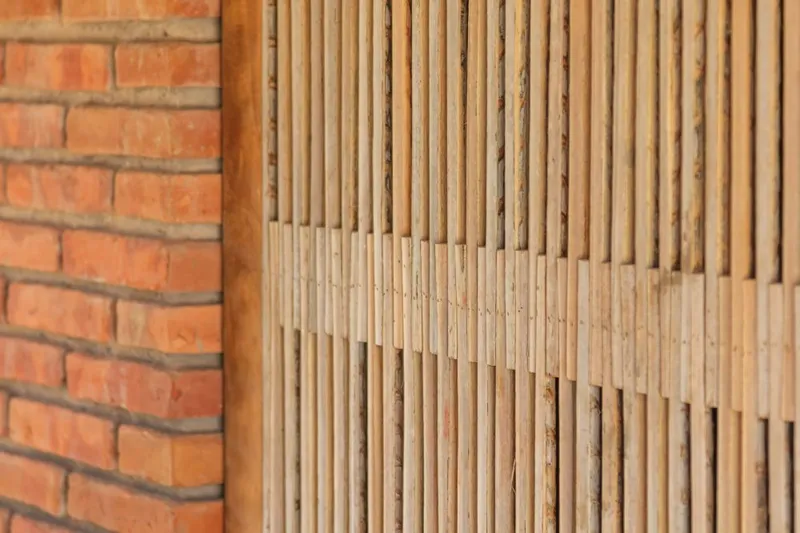
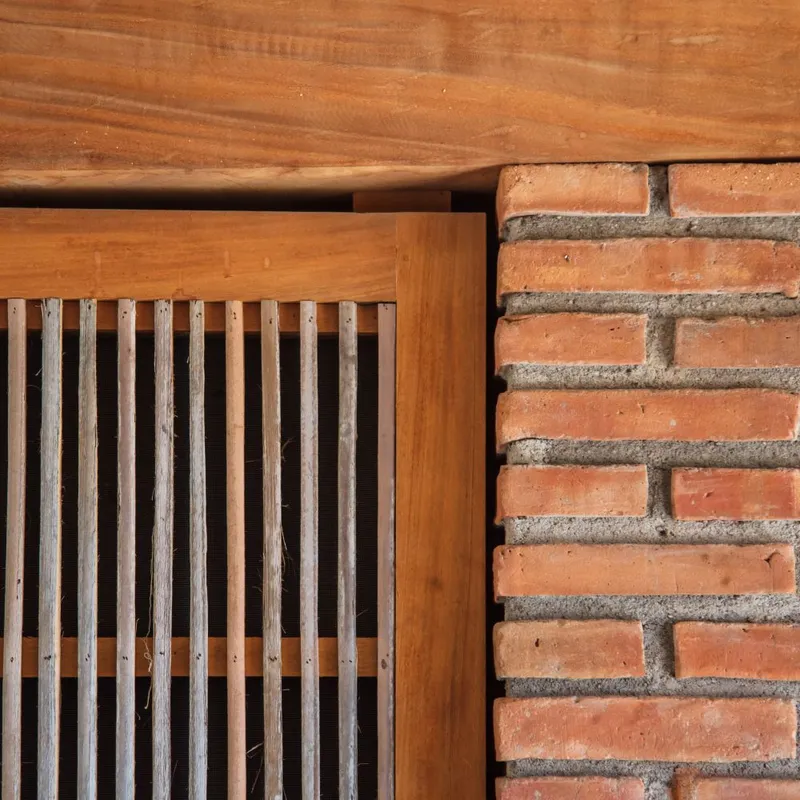
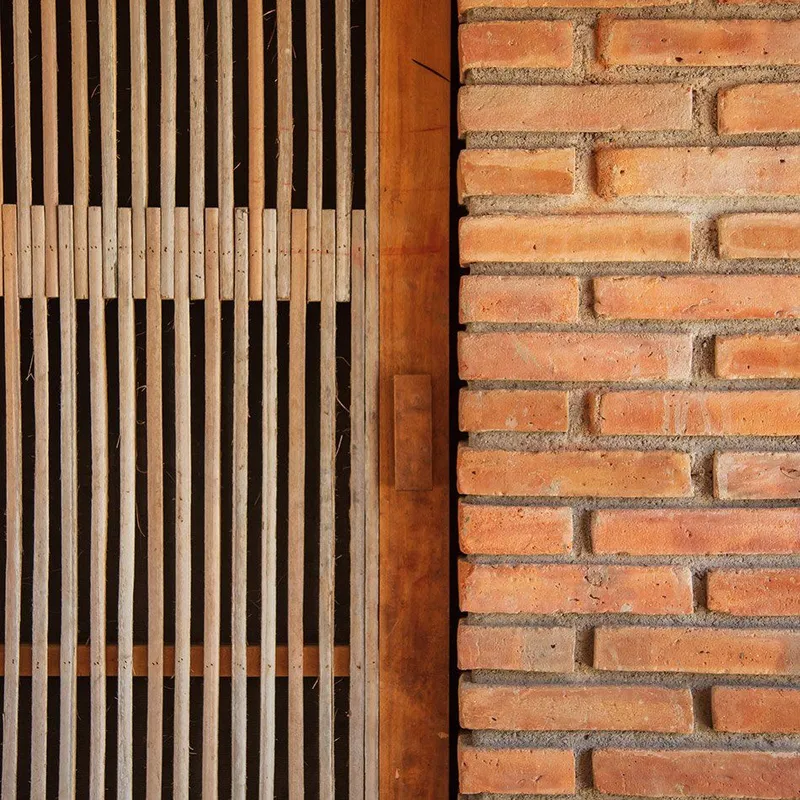
All the photographs are works of João Morgado



Popular Articles
Popular articles from the community


Lunar Spiral: Space Architecture Shaped by the Mathematics of the Universe
Lunar Spiral reimagines space architecture through Fibonacci geometry, lunar regolith, levitating habitats, and self-sustaining Moon living.

The Musturak Paradise: Senior Living Architecture for a Connected Future in Temara, Morocco
The Musturak Paradise reimagines senior living architecture in Temara via private homes, social spaces, culture, community, and shared care.

The Ocean Hive: Sustainable Architecture for a Self-Sufficient Civilization at Sea
The Ocean Hive imagines sustainable architecture at sea, where modular habitats, algae, wave power and ocean waste sustain a growing colony.

Conexión: Biophilic Design Reimagines High-Rise Living in Hong Kong
Conexión reimagines high-rise living in Hong Kong through biophilic design, green facades, shared spaces, daylight, water and nature within.


Similar Reads
You might also enjoy these articles


Hodi-Mandai Geram
Project Function: Preservation and revitalization of the Intangible heritage and socio-spatial identity of the Hodi by Housing, Cultural Memory Center, Sacred Grove, landscape, local tourism economy


Olio Towers: A Mid-Rise for Performers That Fuses Housing, Rehearsal, and Stage
Located blocks from Houston's Theater District, this modular tower stacks living units around a central performance atrium.

Oasis: Modular Green Housing Carved into Dhaka's Urban Fabric
A shortlisted Plugin Housing entry reclaims unauthorized settlements in Dhaka with stepped concrete volumes, green roofs, and ventilation-driven design.

Black Hole: A Floating Megastructure for the Post-Physical Era
Emiliano Mazzarotto envisions a spherical, self-scaling arena where e-sports, digital hotels, and holographic stadiums replace traditional public space.

Explore Cultural Architecture Competitions
Discover active competitions in this discipline



Challenge to reimagine the Iron Throne


Photograph architecture without architects


Illustrate the lost glory of Angkor Wat - Render Challenge


Bring back Drive In's
Comments (0)
Please login or sign up to add comments
No comments yet. Be the first to comment!