
The Garden Pavilion by Spaceworkers: A Symphony of Simplicity and Nature
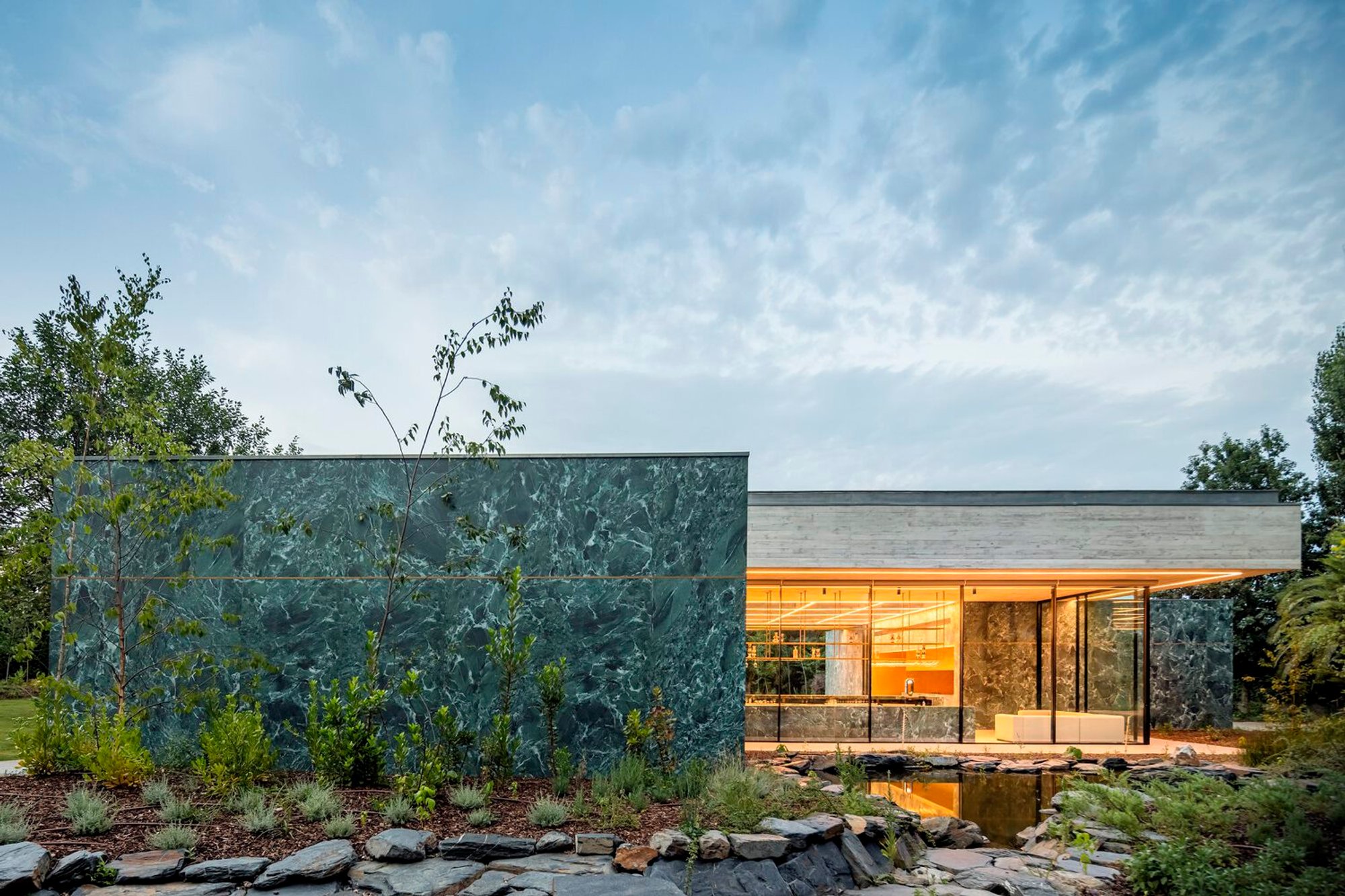
The Garden Pavilion by Spaceworkers in Paredes, Portugal, is an architectural masterpiece blending minimalism, nature, and innovative design.

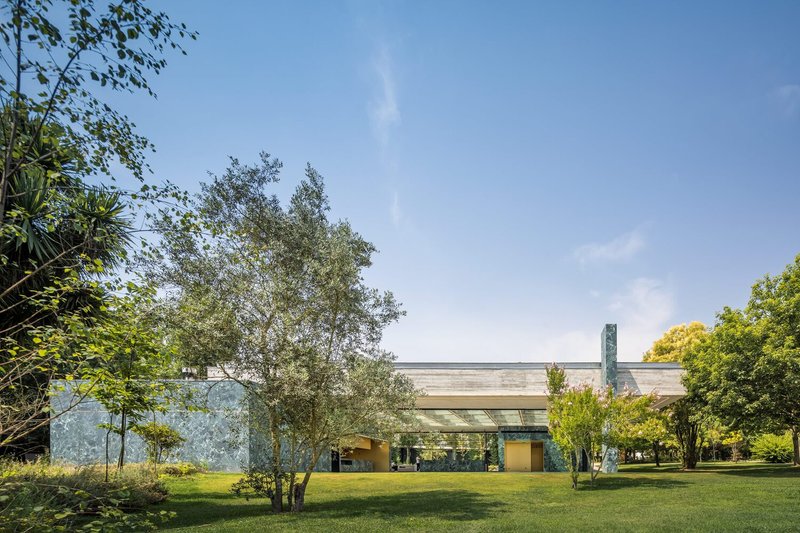
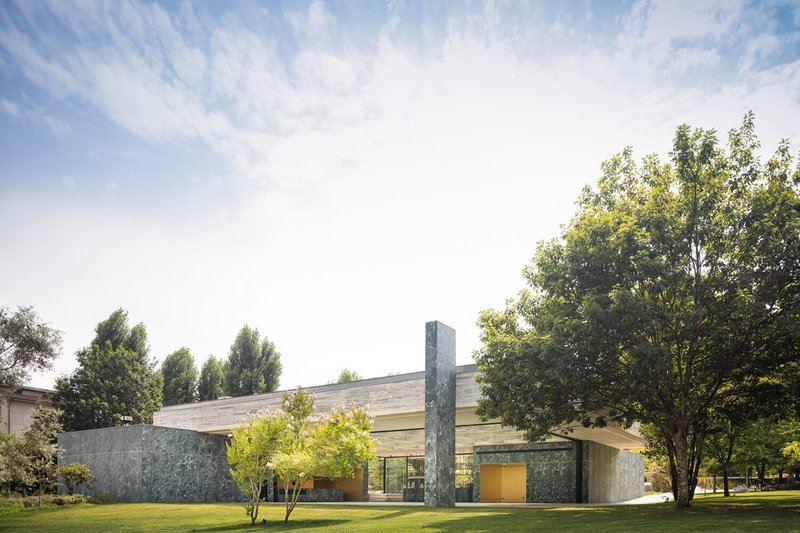
Nestled in the serene environment of Paredes, Portugal, the Garden Pavilion by Spaceworkers is an architectural marvel that transcends conventional construction paradigms. Completed in 2022, this 5274-square-foot structure is a philosophical expression that aims to harmonize human presence with nature through architectural elegance. Photographed by Fernando Guerra, the pavilion exemplifies minimalism, modernist principles, and a profound connection to its surroundings.
Architectural Philosophy
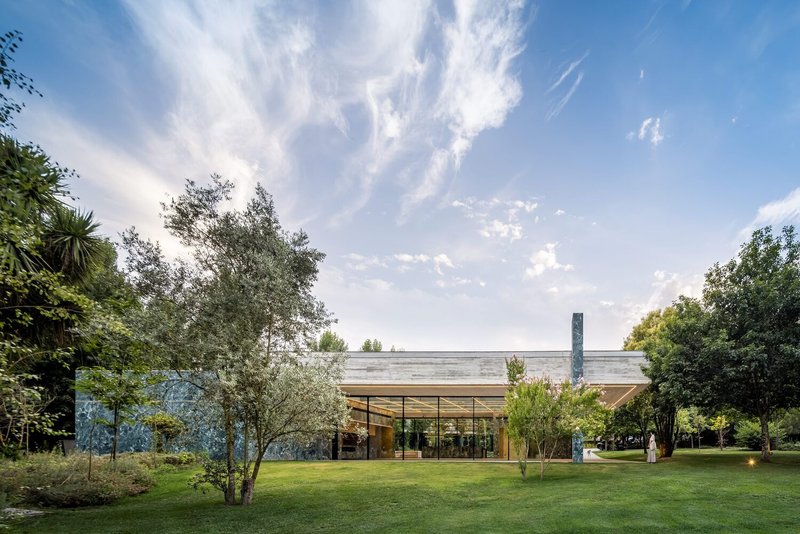
The Garden Pavilion is not merely a building but a manifestation of essential architectural philosophy. Spaceworkers sought to create a space that embodies purity, simplicity, and the essence of materials. The design philosophy revolves around the concept of 'less is more,' where each element serves a precise purpose, contributing to both beauty and functionality.
Design and Composition
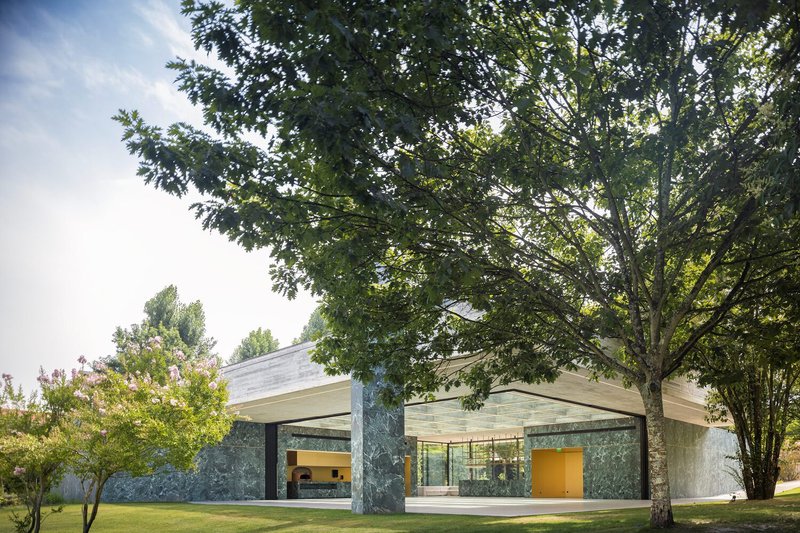
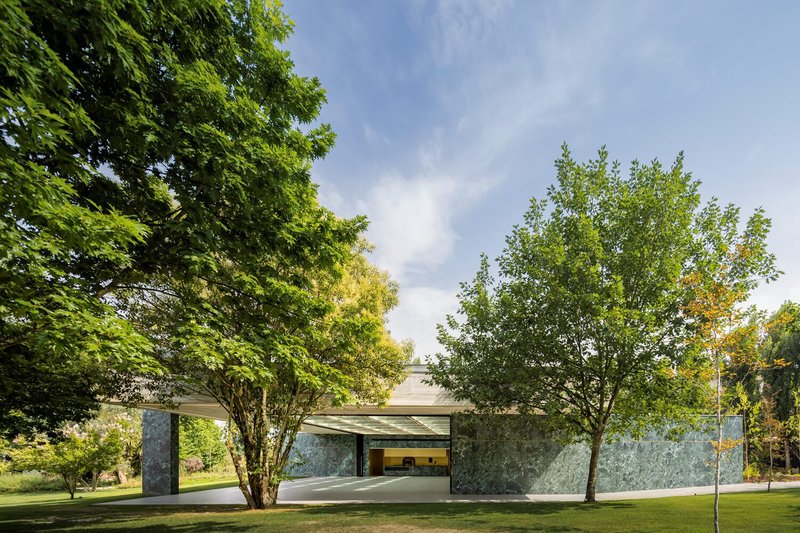
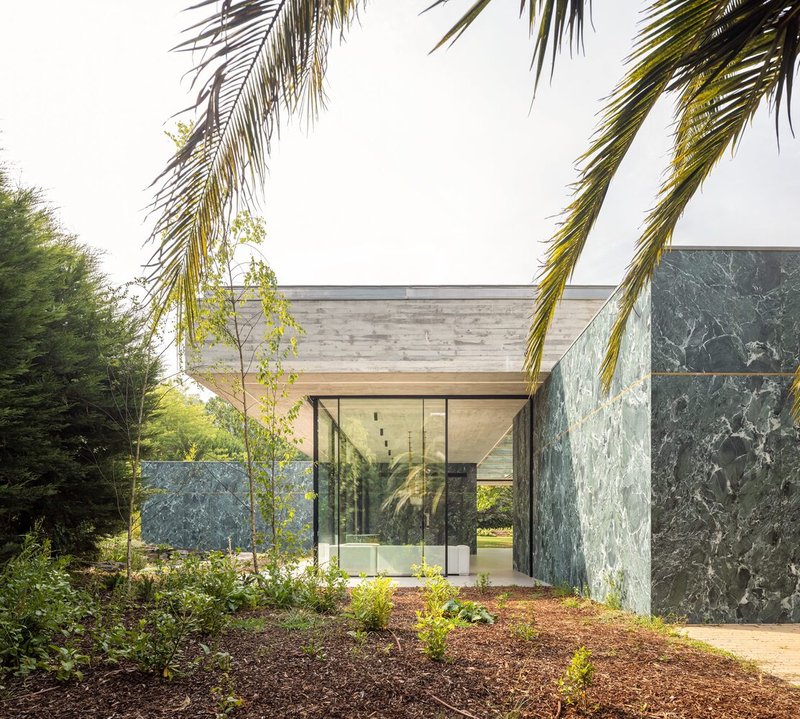
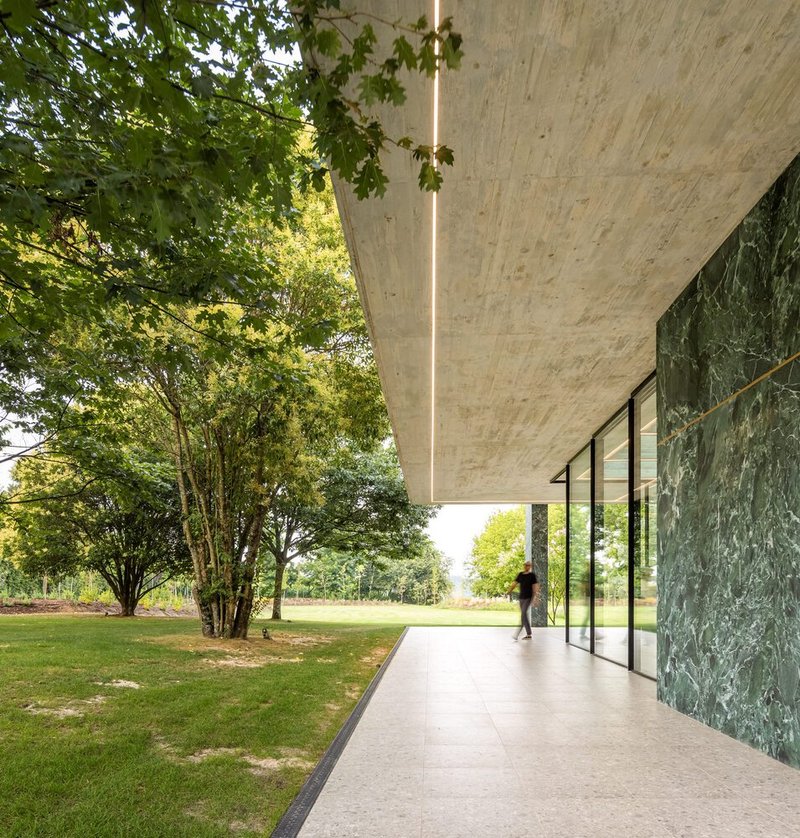
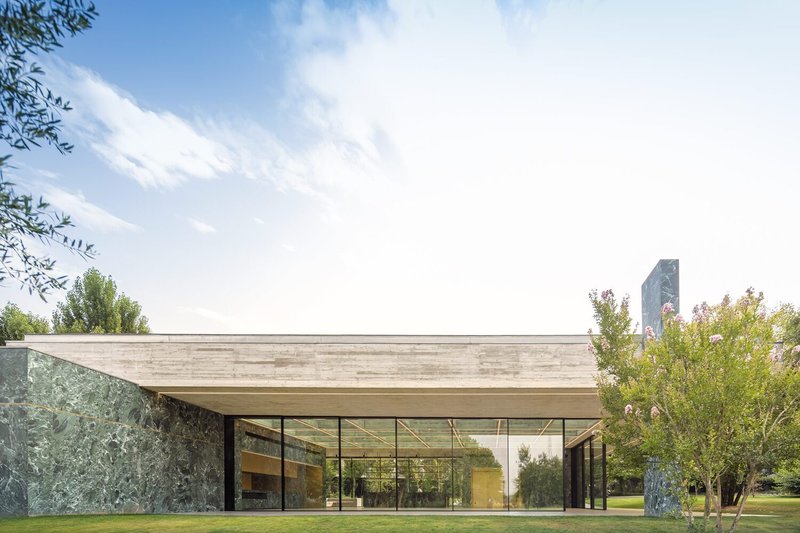
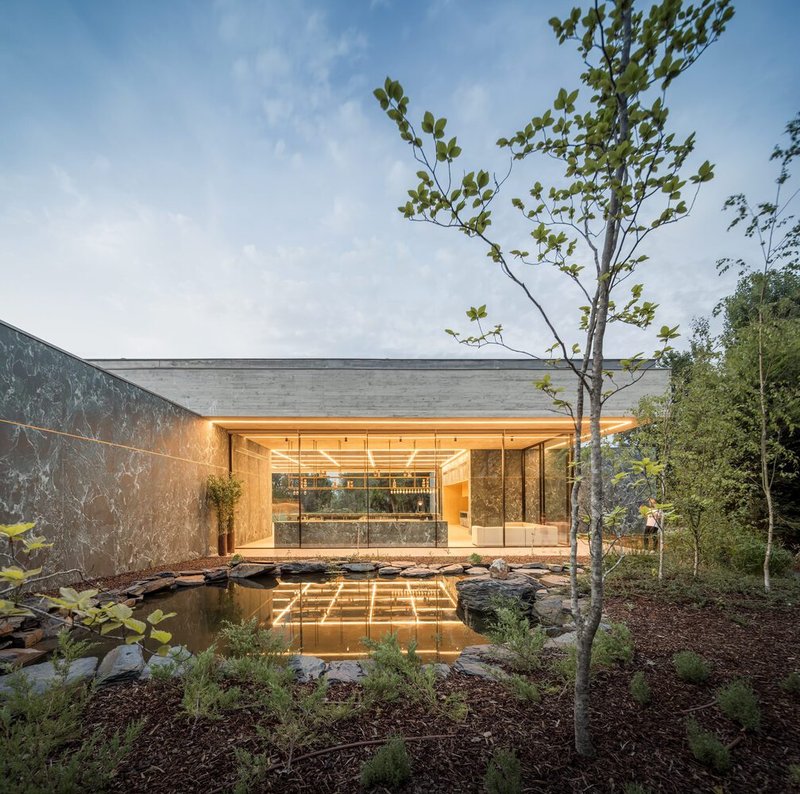
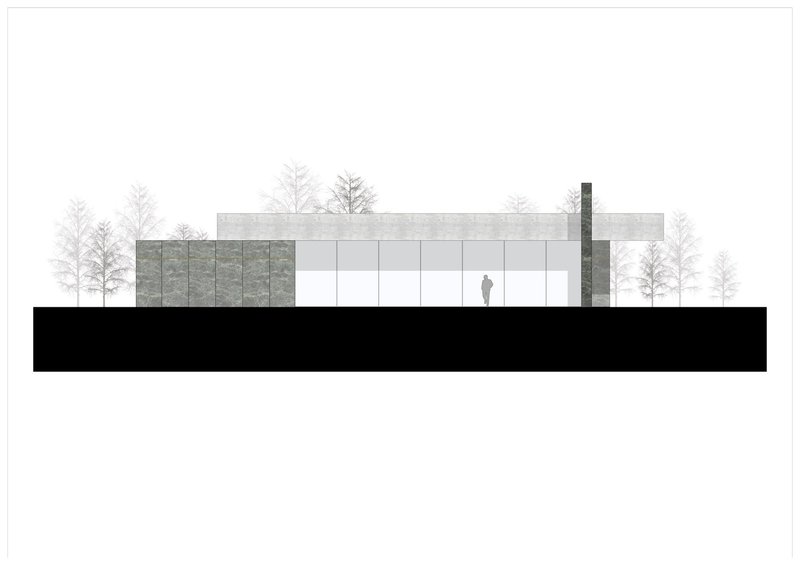
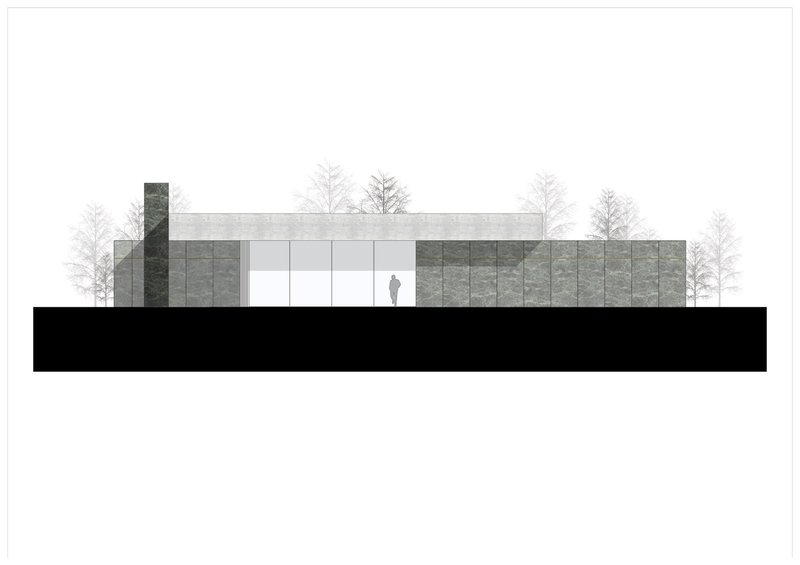
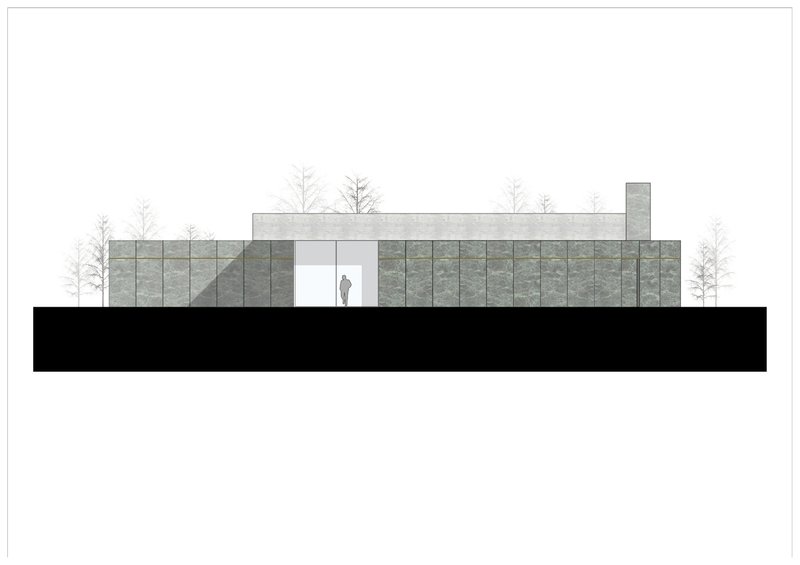
The pavilion is characterized by its pure volumetric forms that evoke a sense of modernist minimalism. The relationship between the built environment and the garden is integral to the design, fostering a seamless integration of indoor and outdoor spaces. This symbiotic relationship is achieved through large glass windows that allow natural light to flood the interior while providing unobstructed views of the surrounding landscape.
Structural Elements
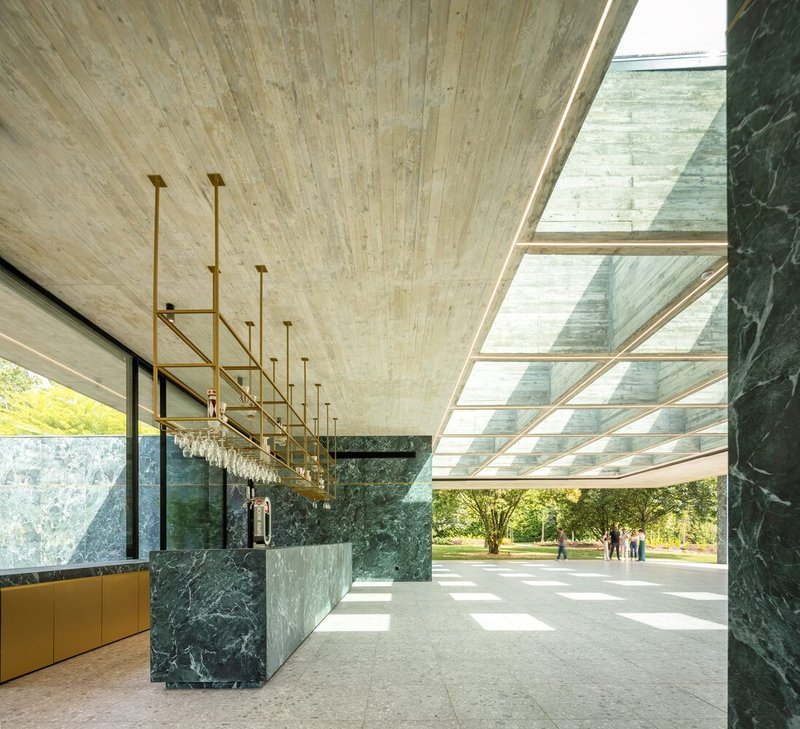
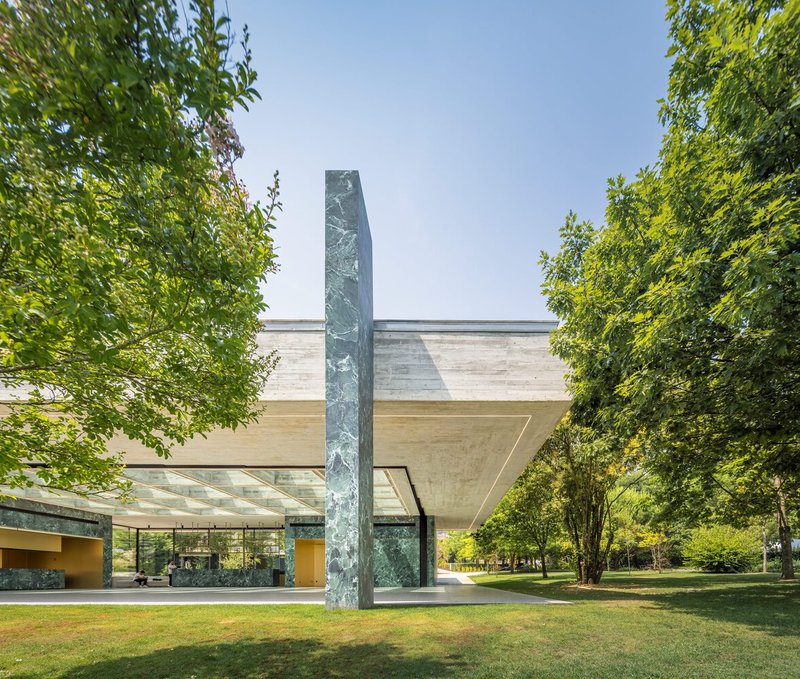
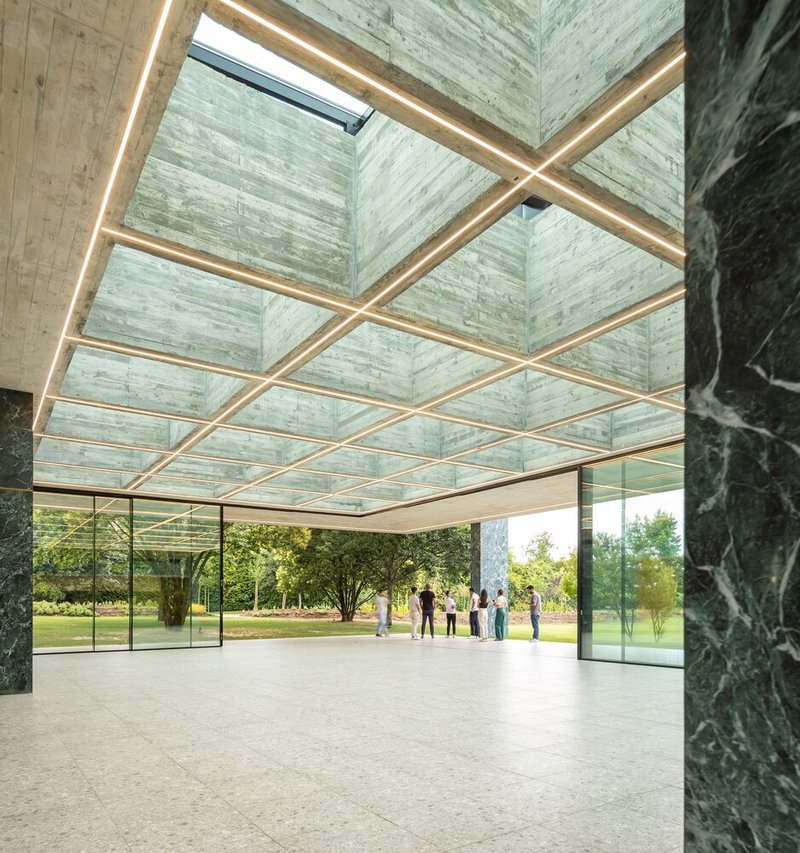
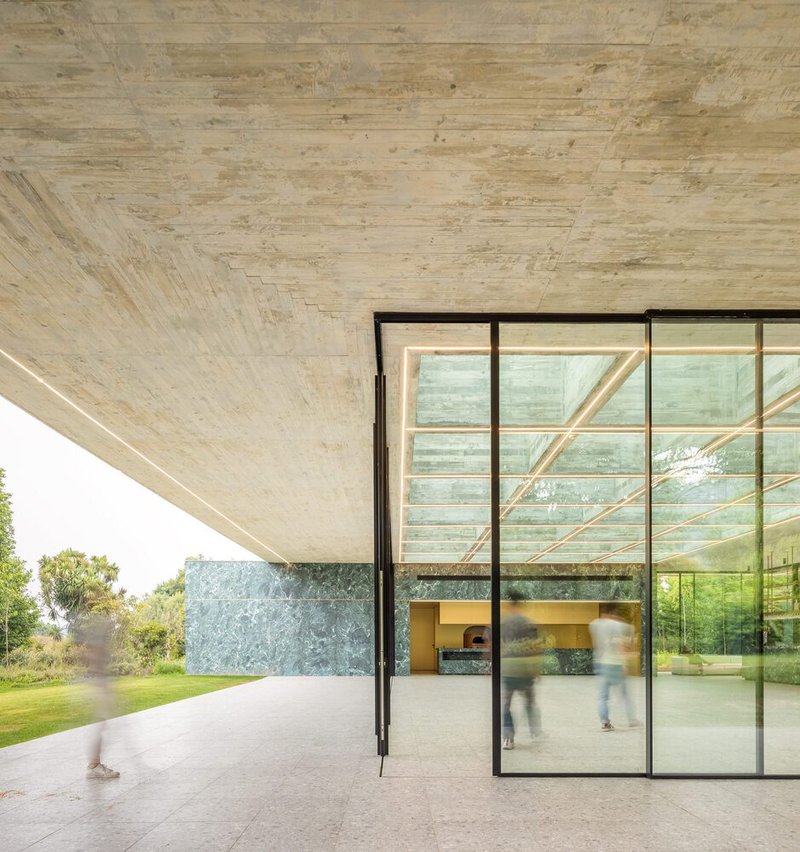
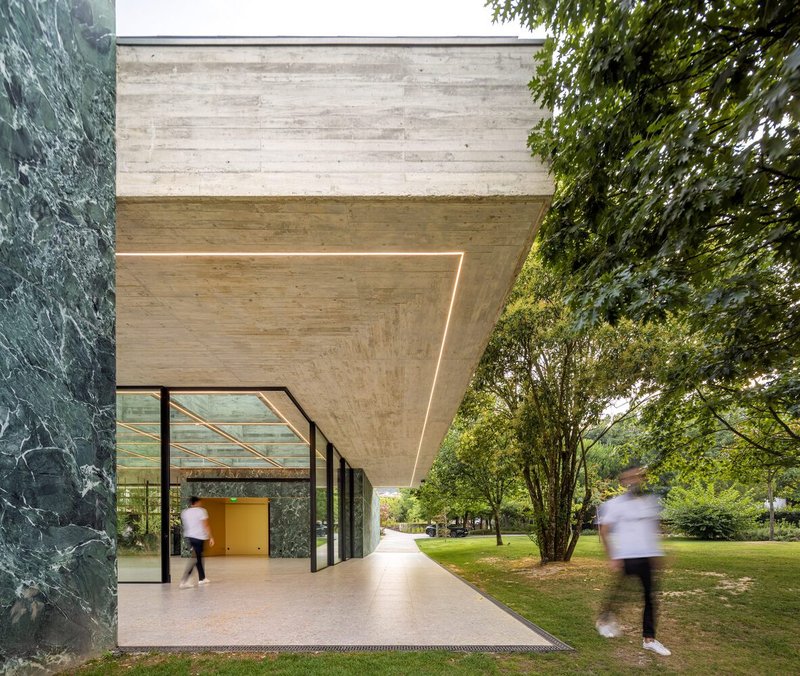
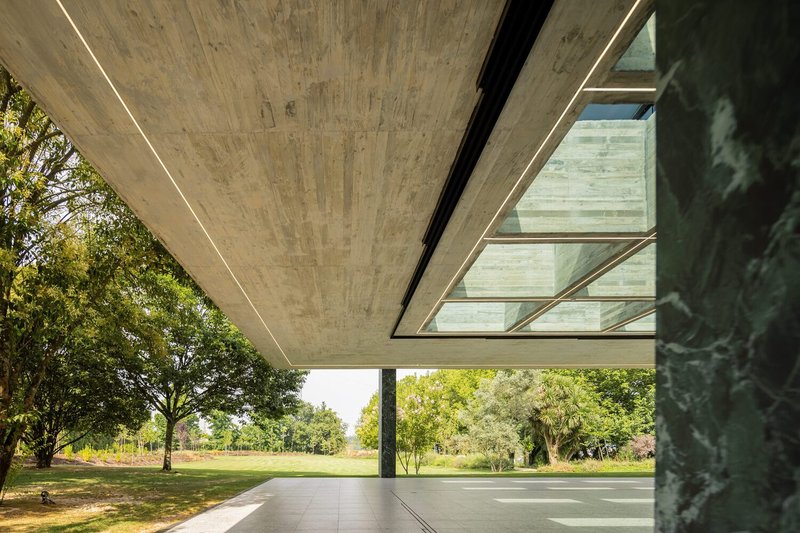
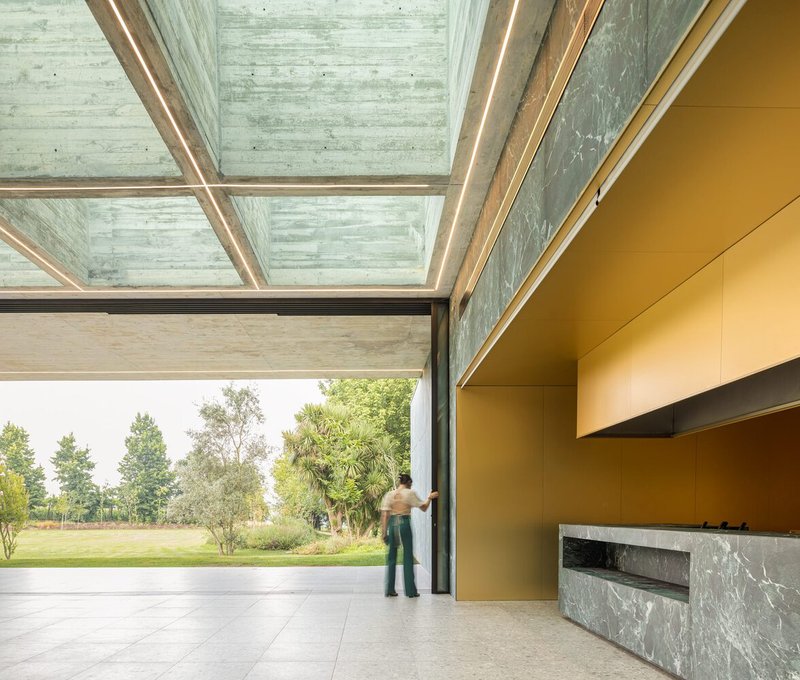
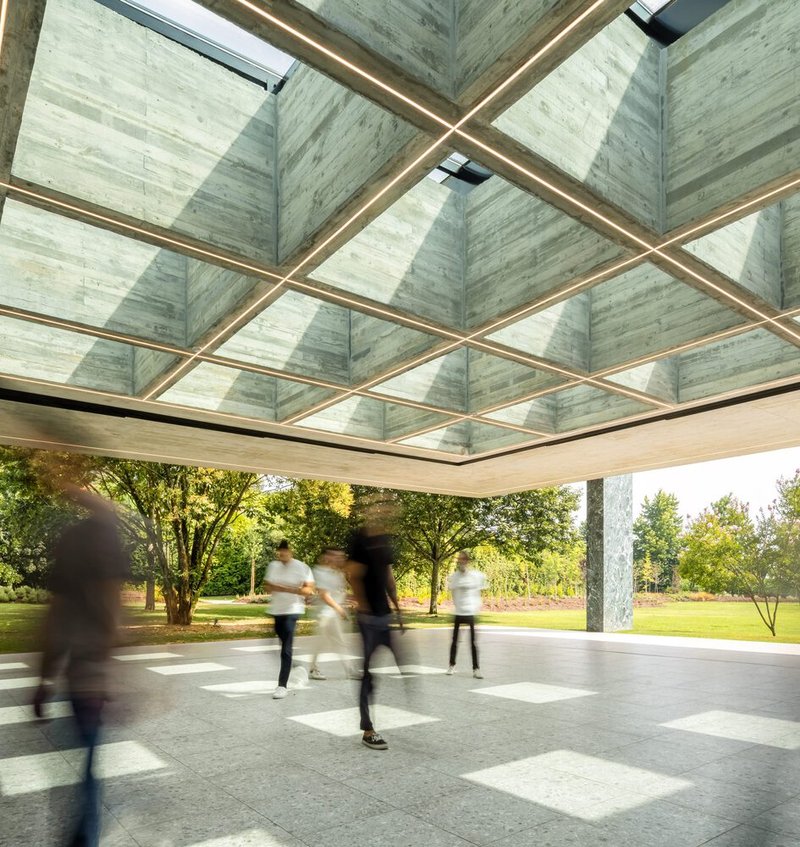
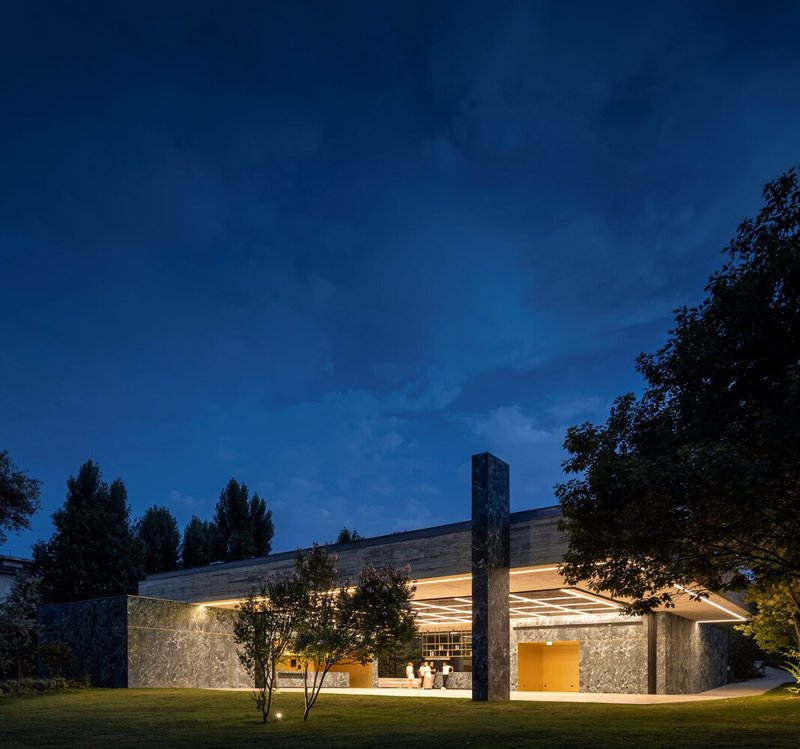
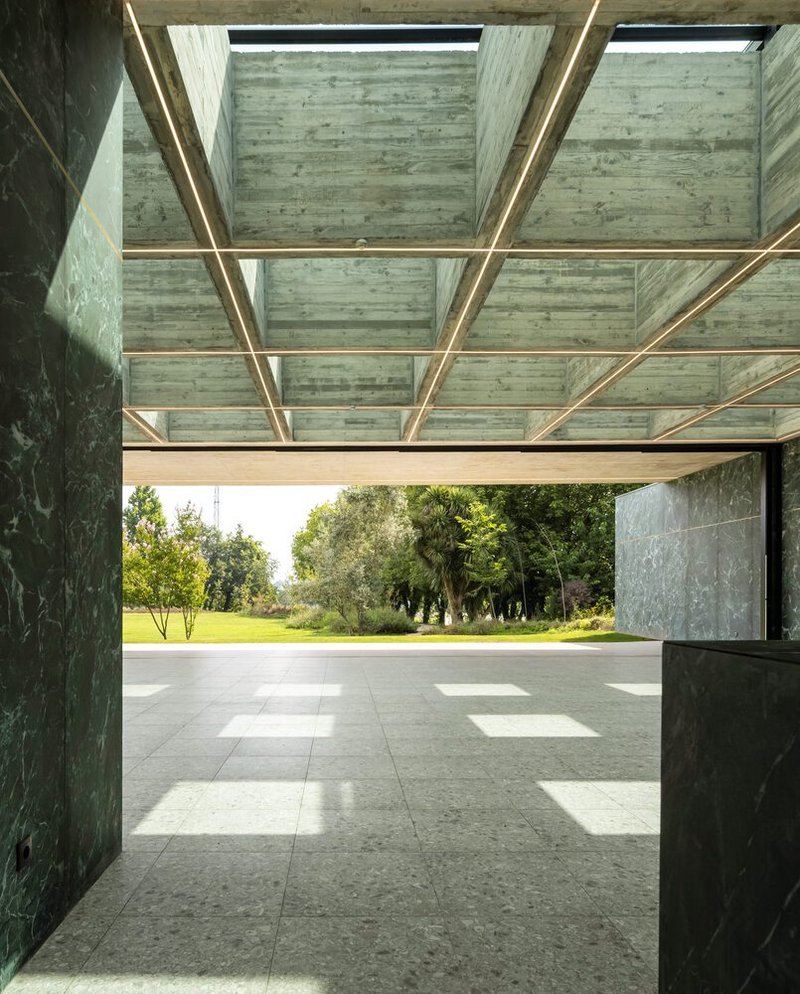
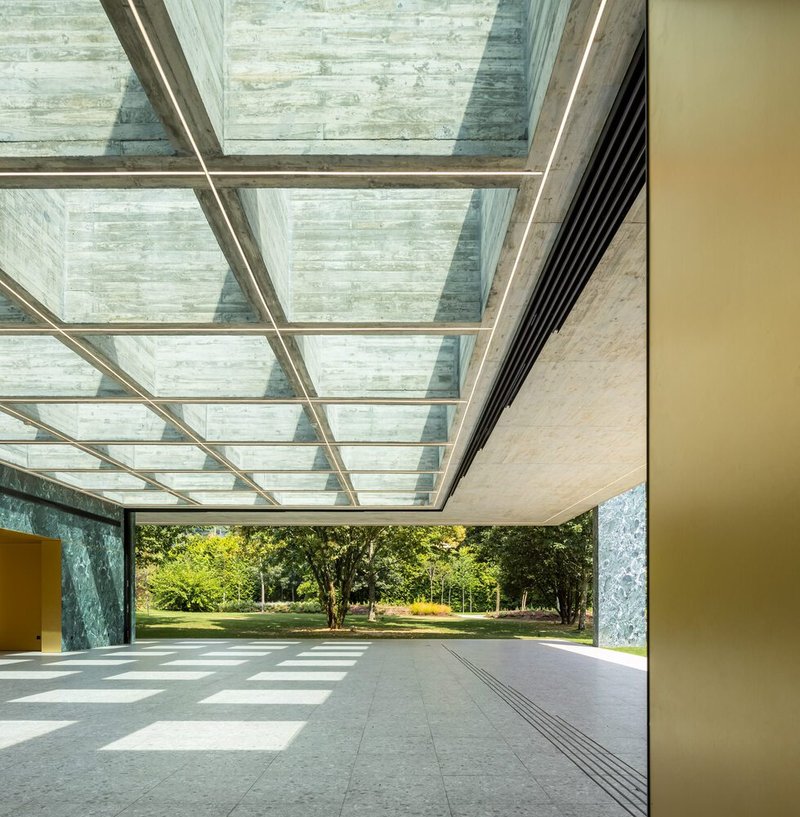
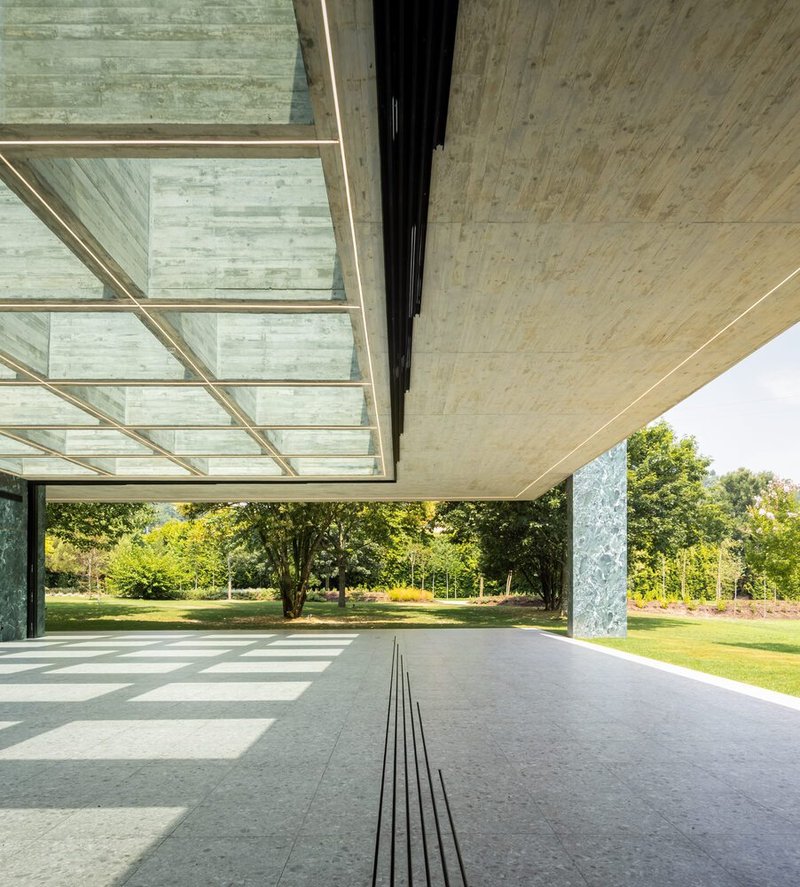
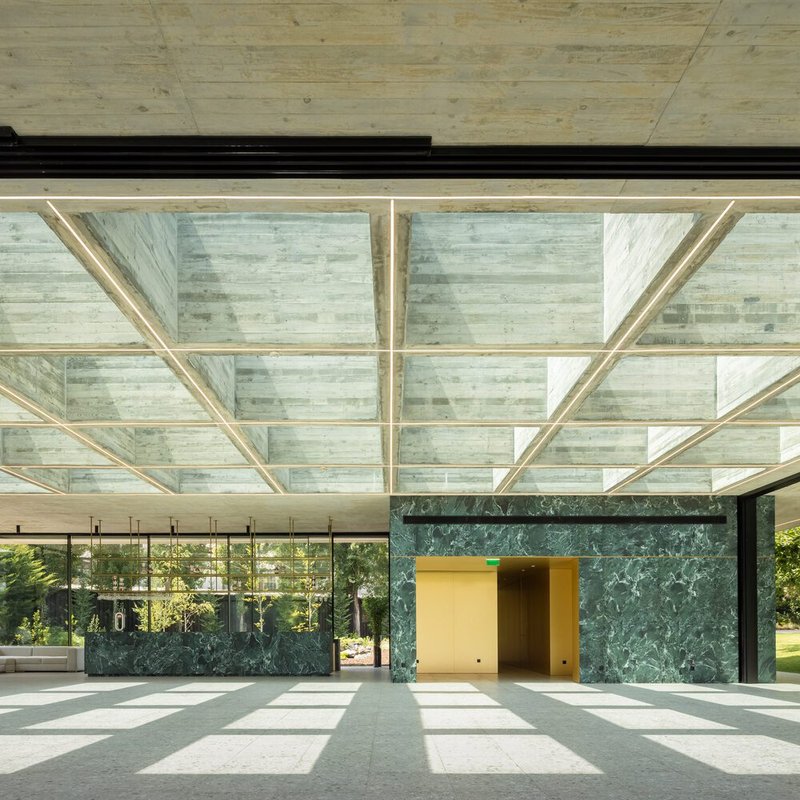
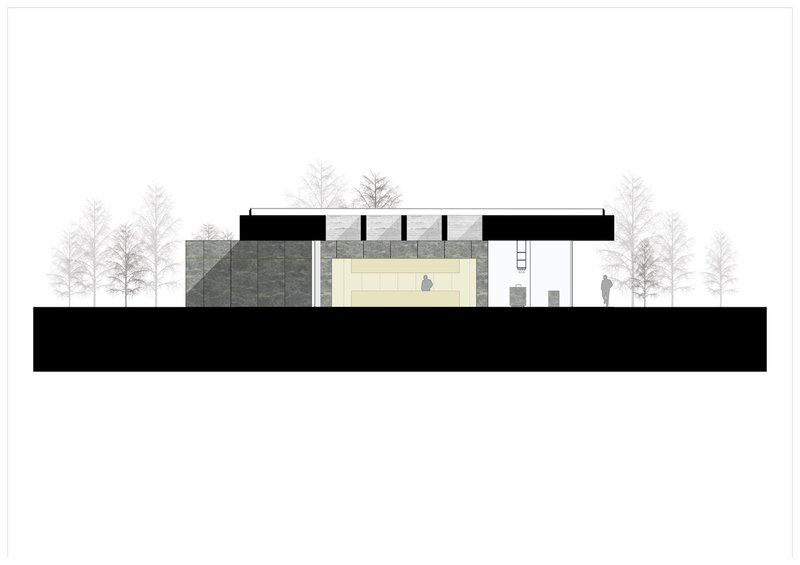
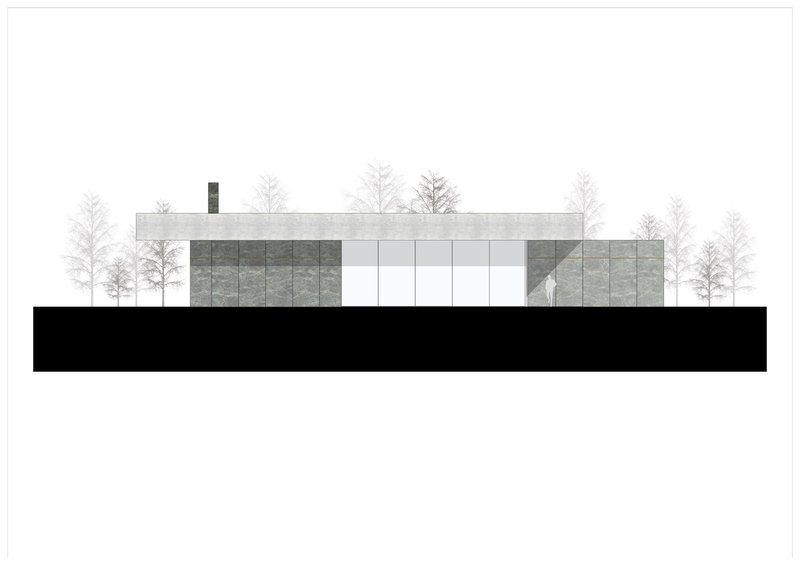
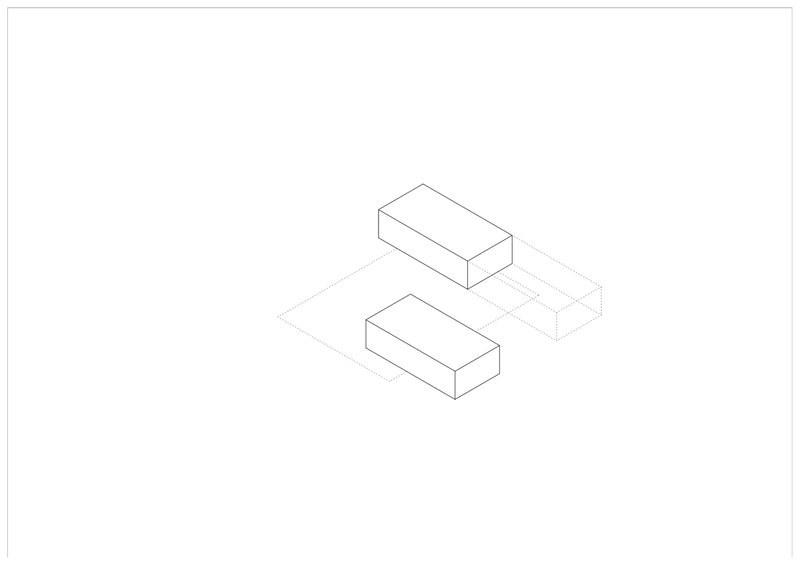
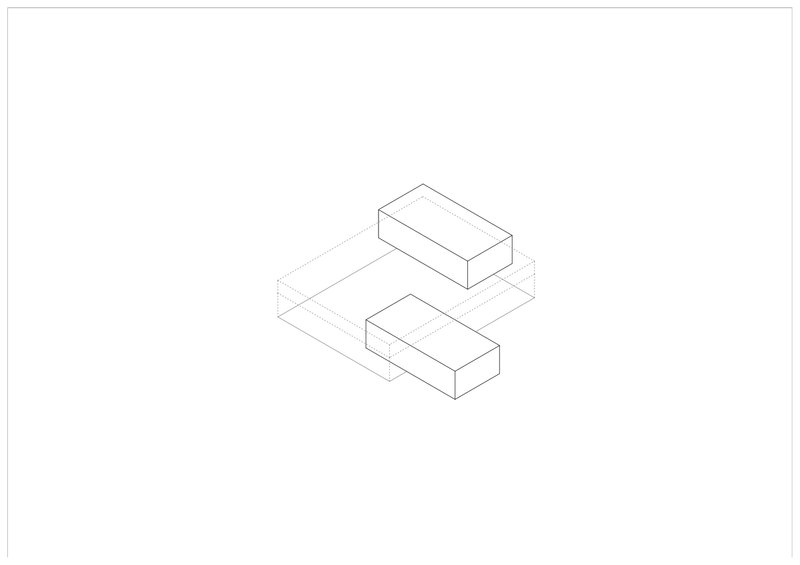
The pavilion's structural design is a testament to innovative engineering and architectural creativity. The seemingly heavy concrete roof, designed as a grid with glass openings, appears to float effortlessly above the base volumes. This design defies traditional perceptions of weight and gravity, as the roof is supported by a tangential vertical element that functions as both a pillar and a compositional anchor.
Functional Spaces
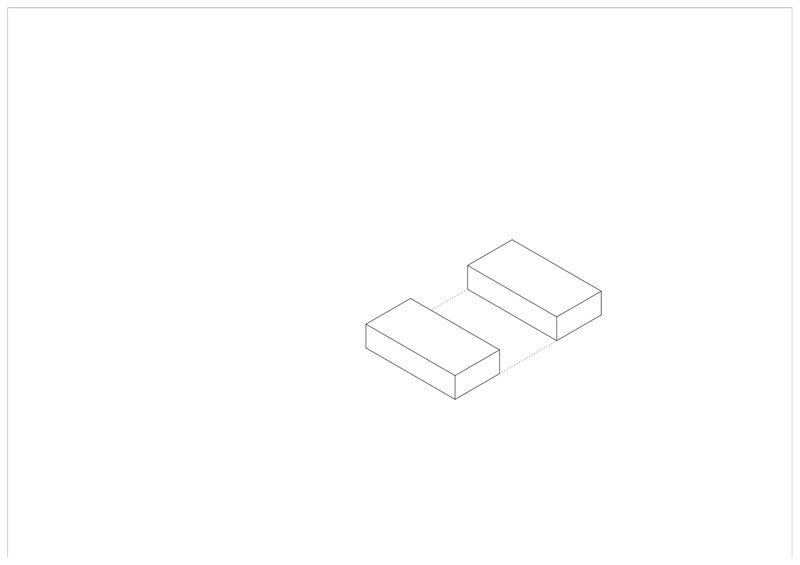
The Garden Pavilion is composed of two enclosed blocks that house essential services and guest support functions. These blocks are meticulously designed to ensure that every aspect of the pavilion serves a functional purpose without compromising aesthetic integrity. The spatial arrangement encourages movement and interaction, making the pavilion a dynamic space for various events and activities.
Integration with Nature
One of the most striking features of the Garden Pavilion is its integration with the natural environment. The extensive use of glass creates a transparent barrier that blurs the lines between interior and exterior spaces. This design choice allows the pavilion to invite nature inside, enhancing the users' connection to the surrounding landscape. The interplay of light and shadow, facilitated by the glass and concrete roof, creates a dynamic atmosphere that changes with the time of day and seasons.
Materiality and Aesthetics
The choice of materials in the Garden Pavilion is a reflection of the project's core philosophy. The use of concrete, glass, and natural finishes contributes to a minimalist aesthetic that emphasizes the purity of form and function. The concrete roof, despite its apparent heaviness, appears light and ethereal, thanks to the strategic placement of glass openings that draw the sky into the architectural composition.
The Pavilion as a Stage
Ultimately, the Garden Pavilion is designed to be more than a static structure; it is envisioned as a stage for life events. Whether it is a quiet moment of reflection or a lively social gathering, the pavilion provides a versatile and inspiring setting. This aspect of the design highlights the pavilion's role in enhancing the human experience through architecture that transcends material boundaries.
The Garden Pavilion by Spaceworkers is a remarkable example of how architecture can harmonize with nature to create spaces that are both functional and transcendent. Through its minimalist design, innovative structural solutions, and profound connection to the environment, the pavilion invites users to experience the essence of simplicity and purity. It stands as a testament to the power of architecture to enrich human life by fostering a deep connection with the natural world.
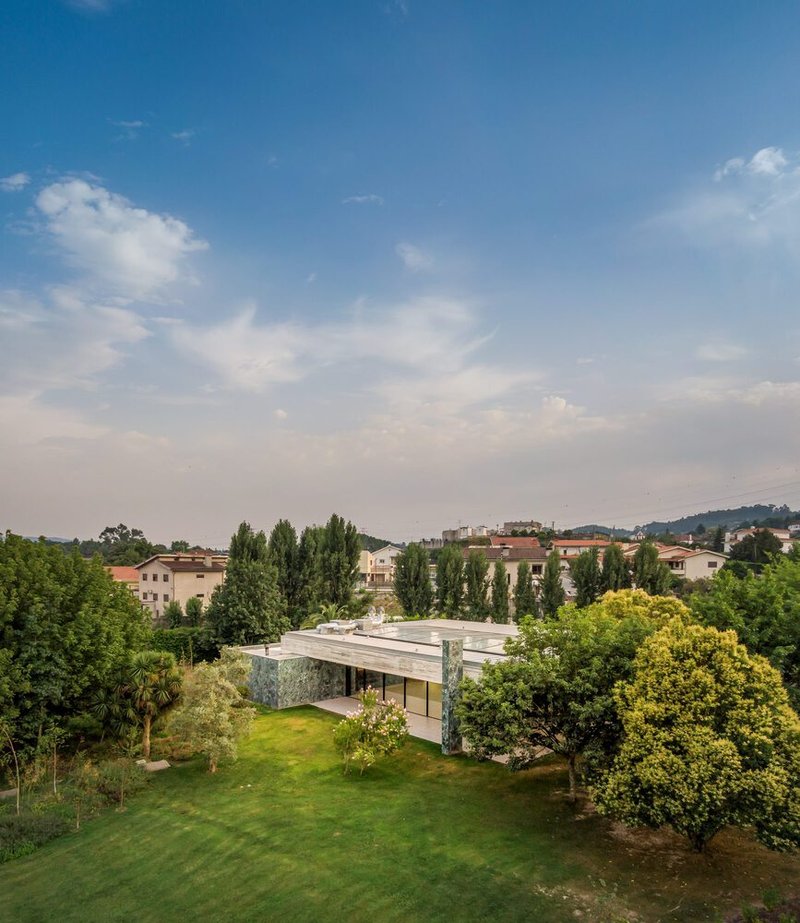
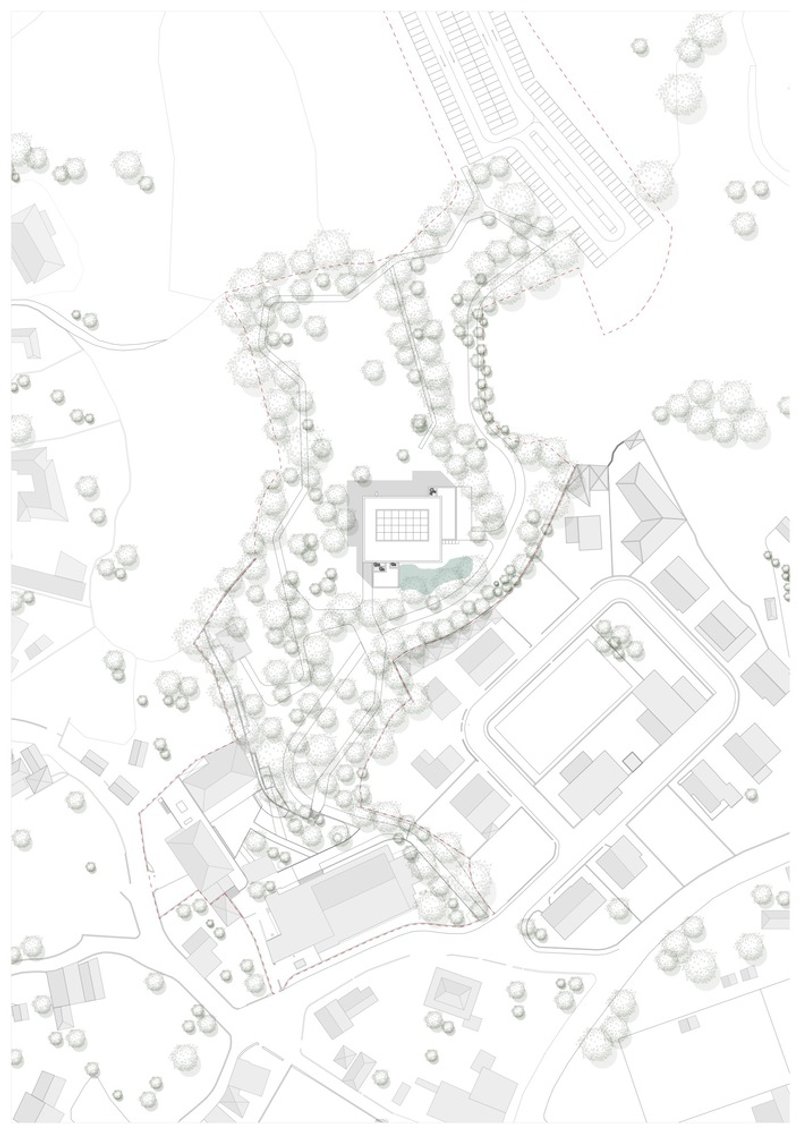
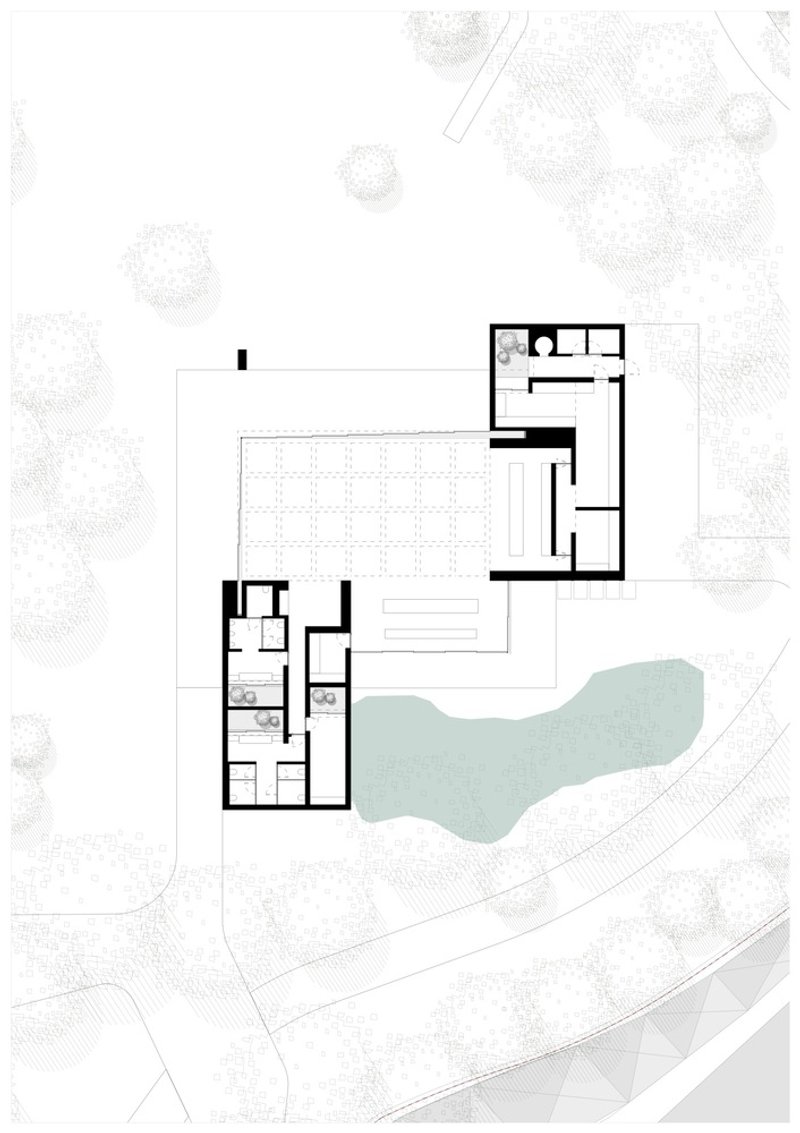
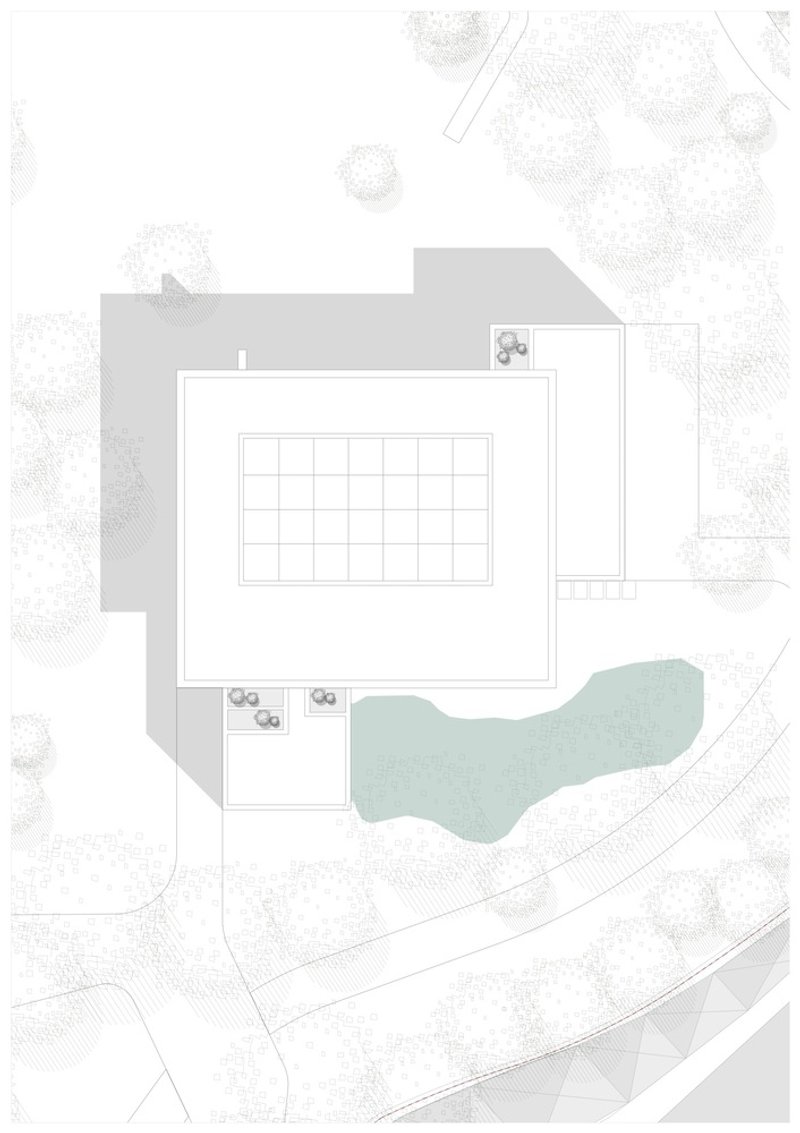
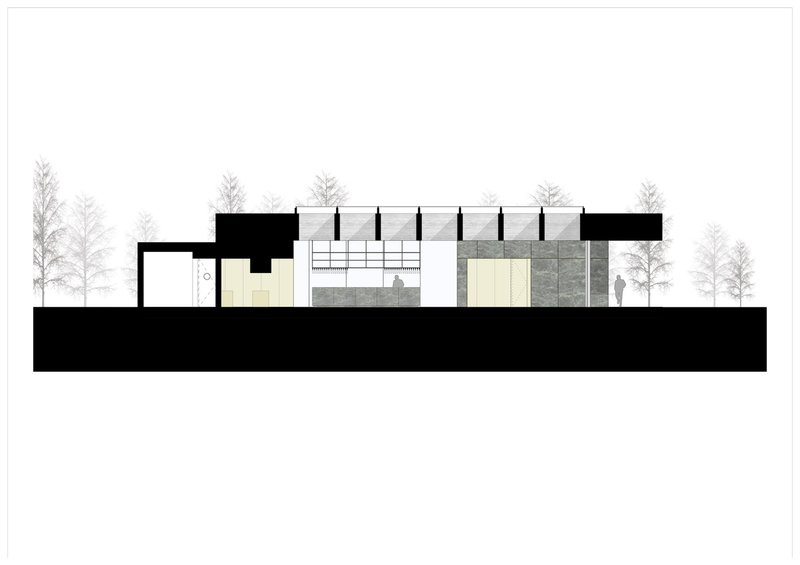
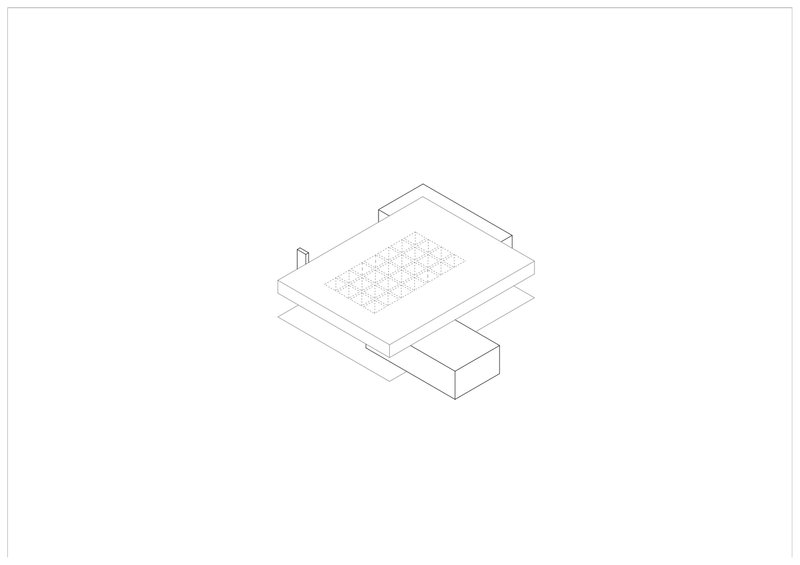
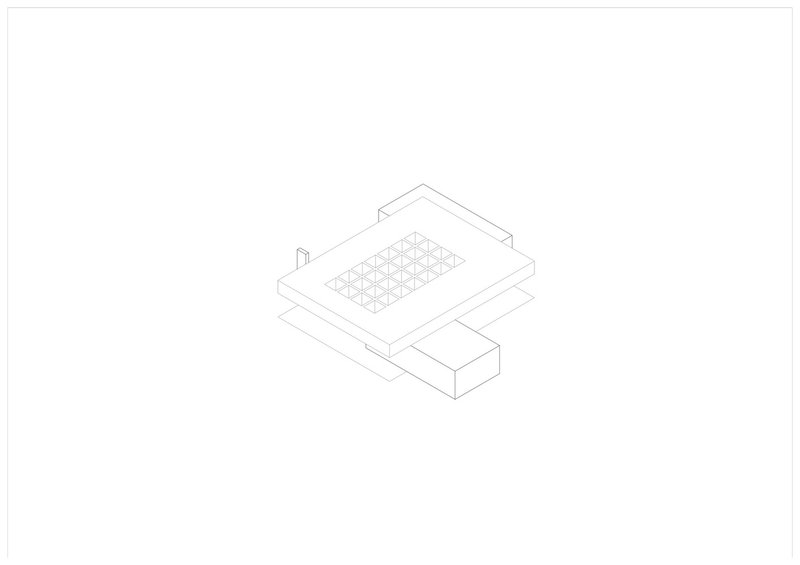
All Photographs are work of Fernando Guerra | FG+SG




Popular Articles
Popular articles from the community

Atelier Macri Concept Store Interior Design by CASE-REAL
Atelier Macri store features a "ko" counter, walnut wood details, cork displays, blending retail, gallery, and seamless customer experiences.
Inverted Architecture Installation by Studio Link-Arc: Exploring the Intersection of Architecture and Living Organisms
Inverted Architecture Installation by Studio Link-Arc blends mycelium, sustainability, inverted design, ecological cycles, and urban adaptive architecture in Shenzhen.
Treehouse Apartment: A Warm Timber Interior Blending Craft, Play, and Contemporary Living
Warm timber apartment with integrated treehouse, combining natural materials, craftsmanship, and playful design to create a flexible, family-oriented living environment.
An Miên Lumière Cafe by xưởng xép, Ho Chi Minh City, Vietnam
An industrial-inspired café where layered steel and warm light create a dynamic, immersive environment shaped by reflection, depth, and perception.


Similar Reads
You might also enjoy these articles
Scientific and Educational Monitoring Center of the Yenisei, Krasnoyarsk
Architecture as an instrument for ecological research, education, and environmental awareness along Russia’s largest river.
Development of Andretta Artist’s Village, Palampur, Himachal Pradesh, India
Reimagining Andretta as a living cultural landscape where art, architecture, and community converge to shape a global creative village.

The NEON Culture: Experiential Architecture Shaping Contemporary Urban Life
Exploring how experiential architecture responds to accelerated lifestyles through immersive spaces, adaptive programs, and sensory-driven urban design.

Narwall: Autonomous Offshore Architecture for Extreme Environments
A visionary model of sustainable offshore architecture, Narwall redefines public life, energy autonomy, and resilience in extreme Arctic waters.

Explore Hospitality Building Competitions
Discover active competitions in this discipline




The Global Benchmark for Architecture Dissertation Awards

Healing places through music.
Comments (0)
Please login or sign up to add comments
No comments yet. Be the first to comment!