
TiTi’s House NAQI & Partners: Compact Urban Family Sanctuary in Ho Chi Minh City
TiTi's House by NAQI & Partners transforms a 50-square-meter Ho Chi Minh City lot into a light-filled, flexible family sanctuary.


Overview of TiTi’s House NAQI & Partners
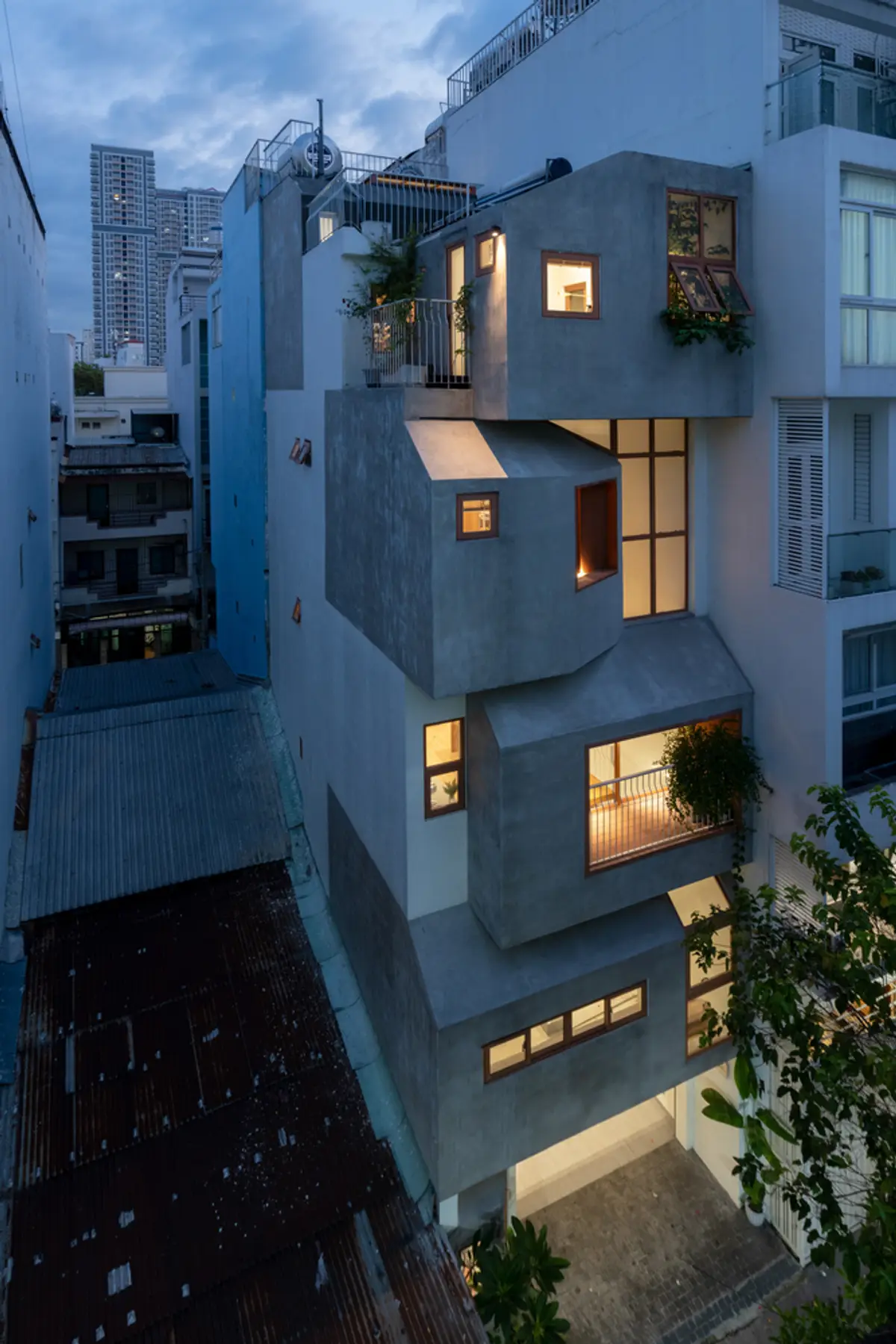
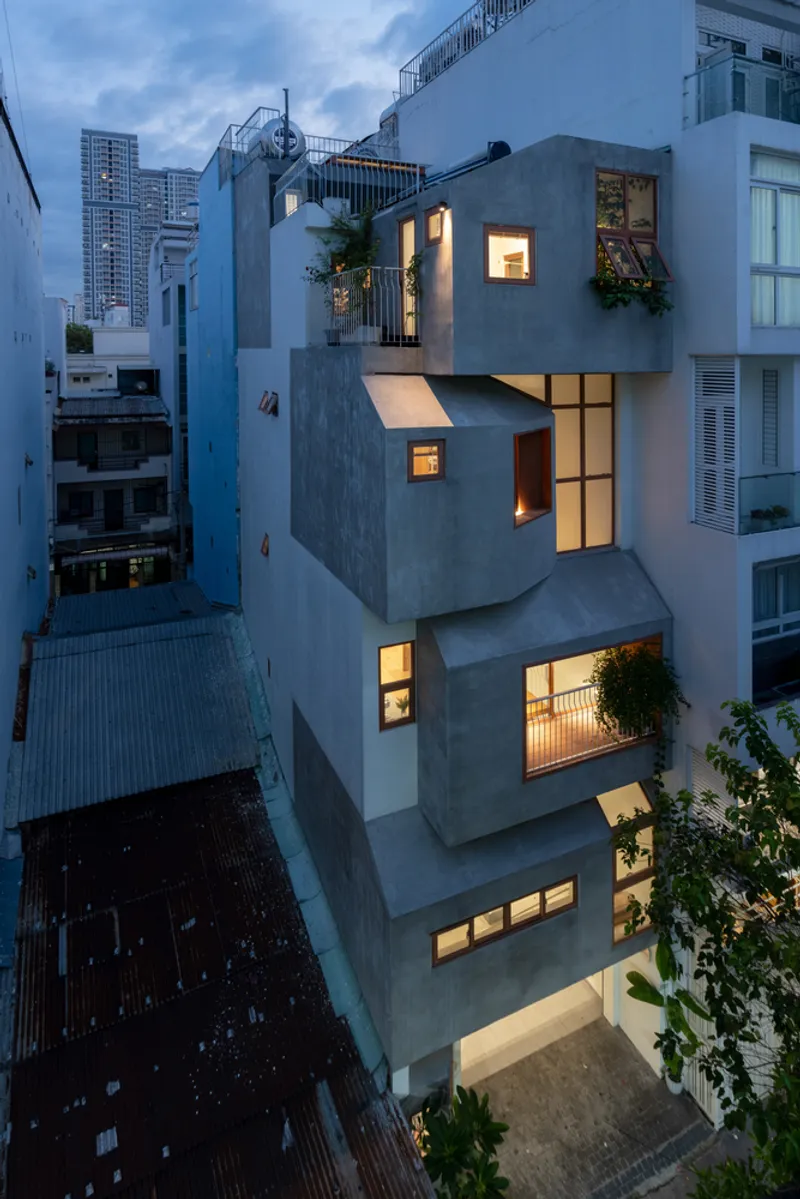
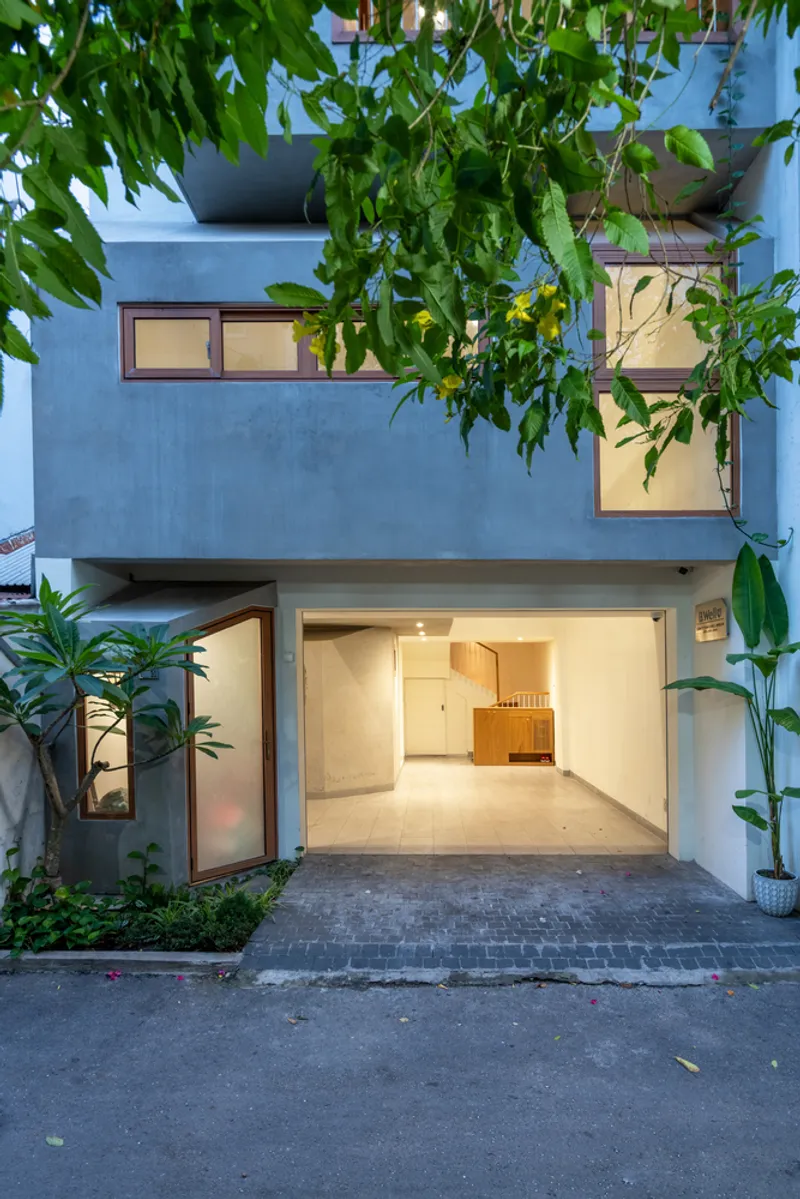
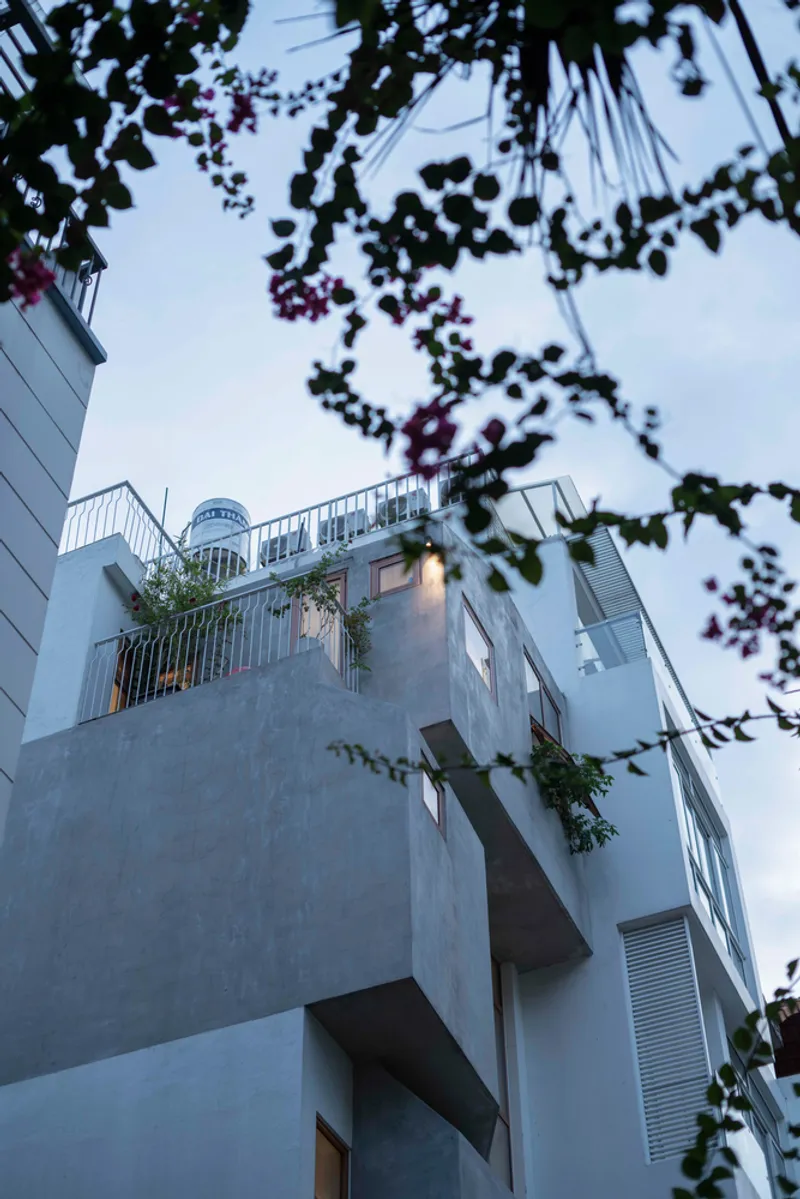
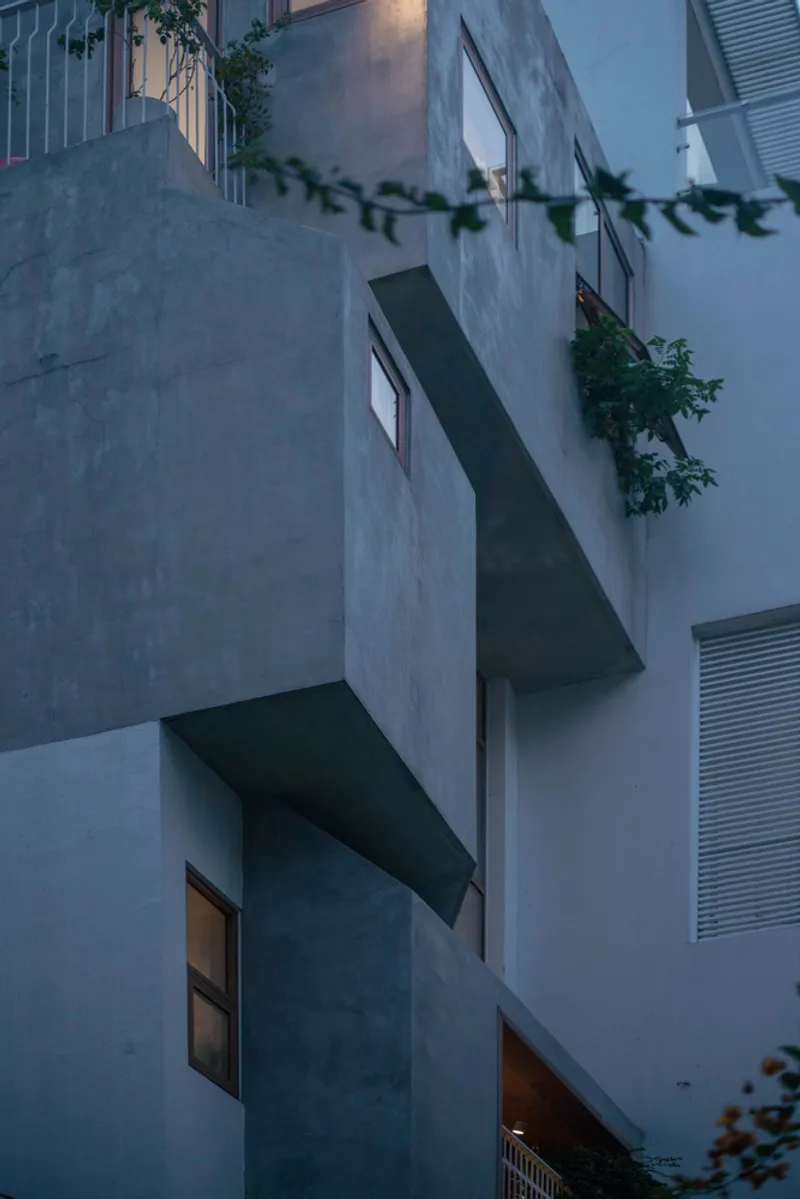
TiTi’s House NAQI & Partners is a 50 m² urban residence in District 10, Ho Chi Minh City, designed in 2025 for a young family of five seeking privacy, flexibility, and emotional closeness within a narrow lot. The project reimagines the Vietnamese tube house as a vertical, light-filled sanctuary where every square meter works hard, and every space encourages connection. Its stacked cubic volumes and slanted rooflines recall the childlike joy of building small houses, turning memory into architecture.
Urban Context: District 10 and the Tube House Challenge
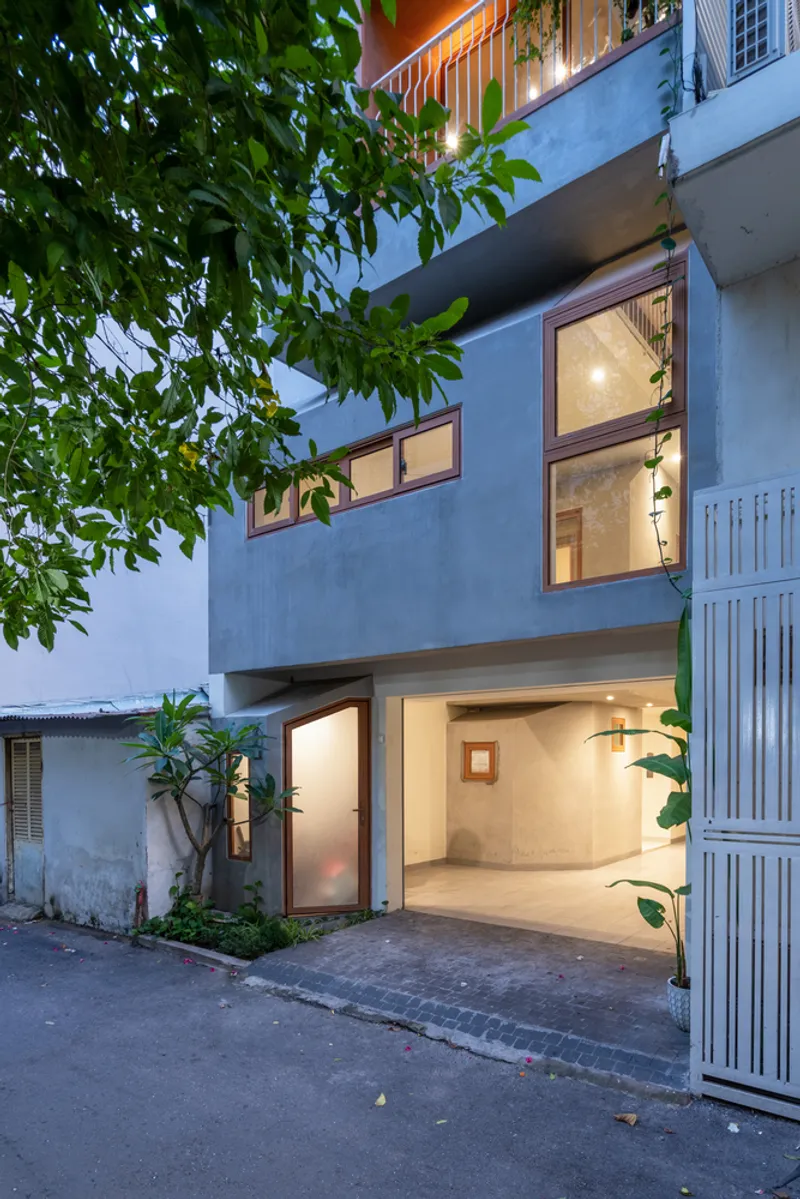
Rapid urbanization in Ho Chi Minh City has made compact tube houses a practical choice for families squeezed by density and rising land costs. TiTi’s House responds to these realities by building upward rather than outward, organizing life across multiple levels without compromising daylight, airflow, or social interaction. Positioned within a busy neighborhood fabric, the home must buffer noise and maintain privacy while still opening inward to light, family, and air.
Family Program: Balancing Privacy and Togetherness
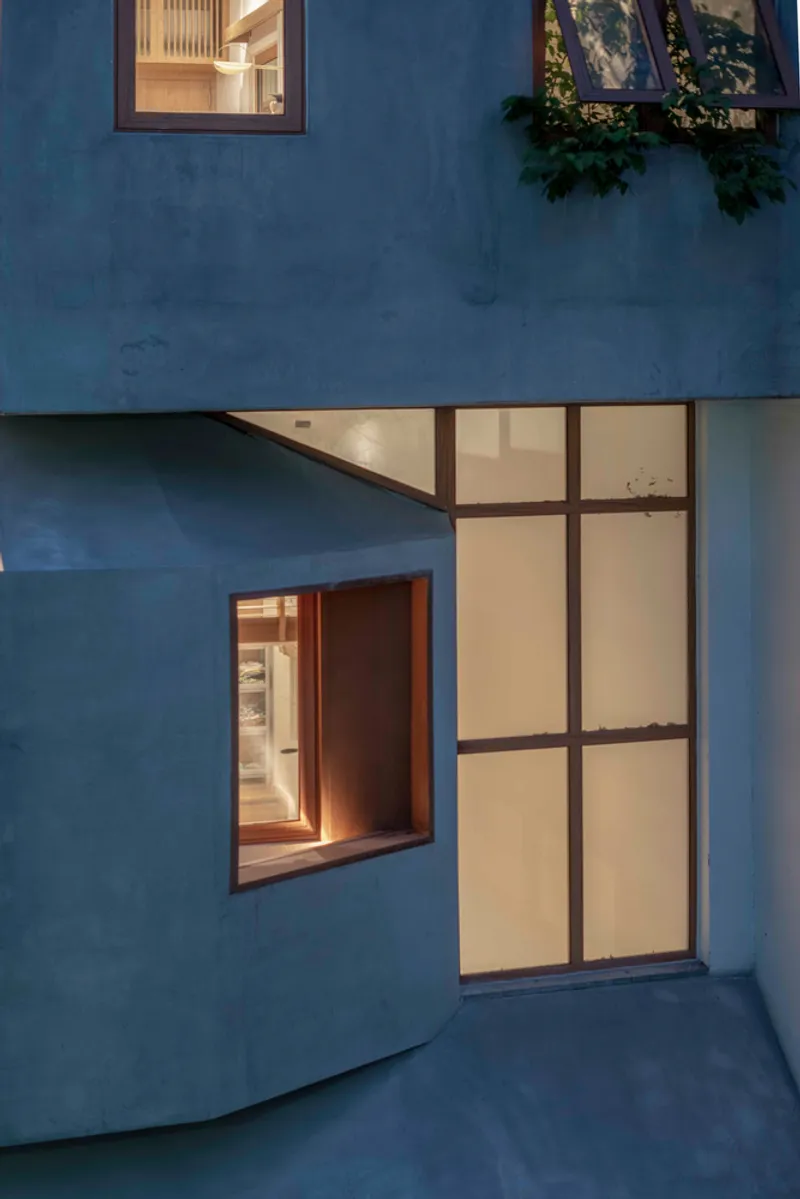
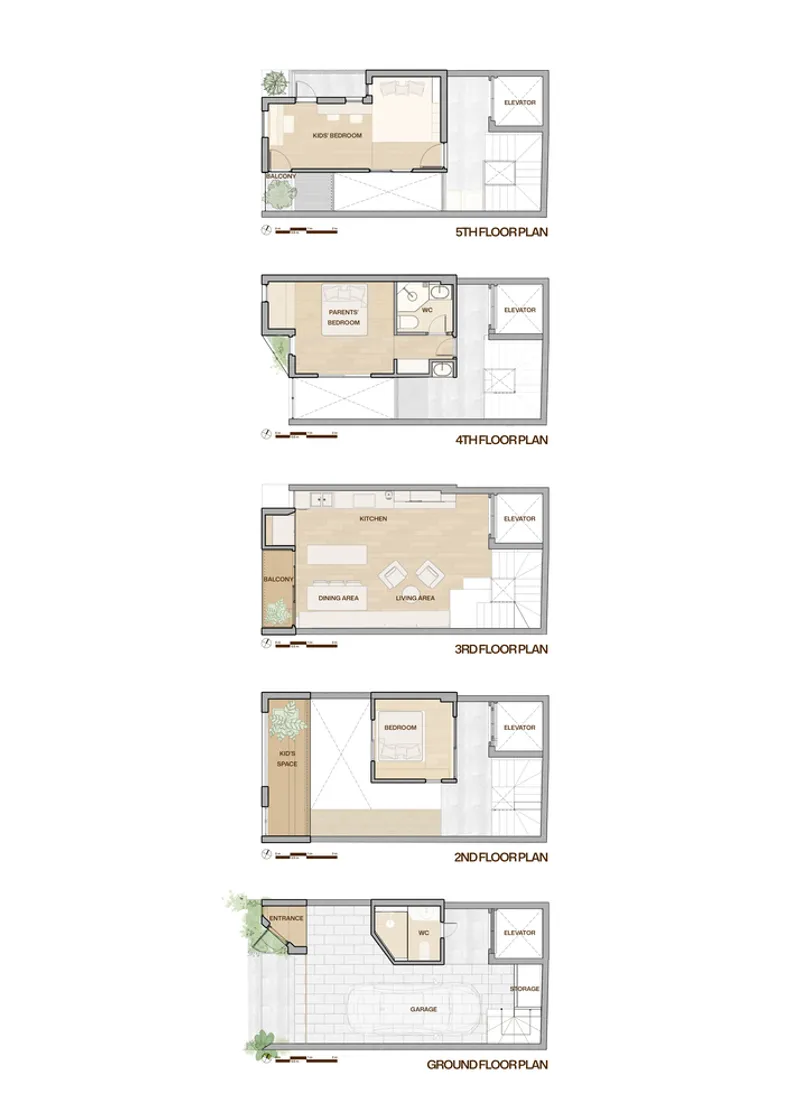
The brief called for an environment in which parents and three children each enjoy personal retreat space yet remain aware of one another’s presence. Small private nooks branch from shared circulation and overlooks, so solitude is never isolating. From a child’s loft-like corner, laughter from the kitchen filters upward; from the living space, parents can sense activity on the floors above. TiTi’s House NAQI & Partners turns adjacency, sound, and sightlines into subtle threads of family connection.
Spatial Strategy: Stacked Cubes and a Four-Story Atrium
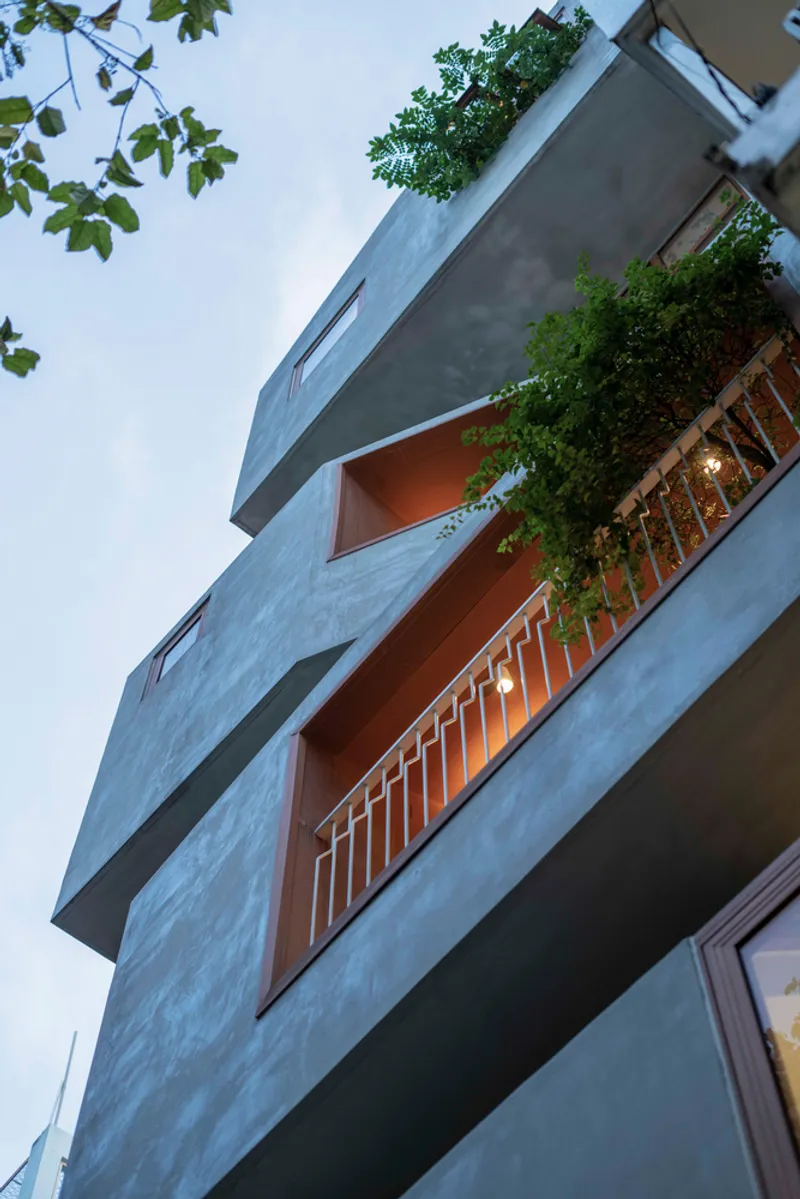
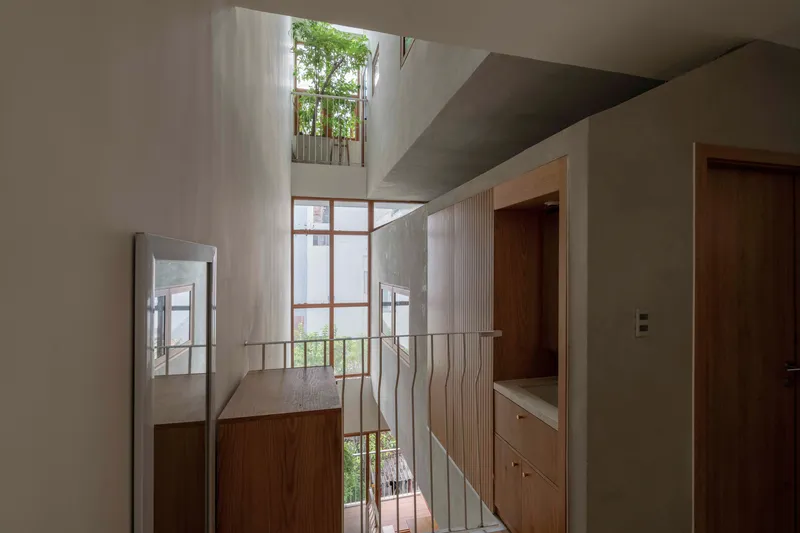
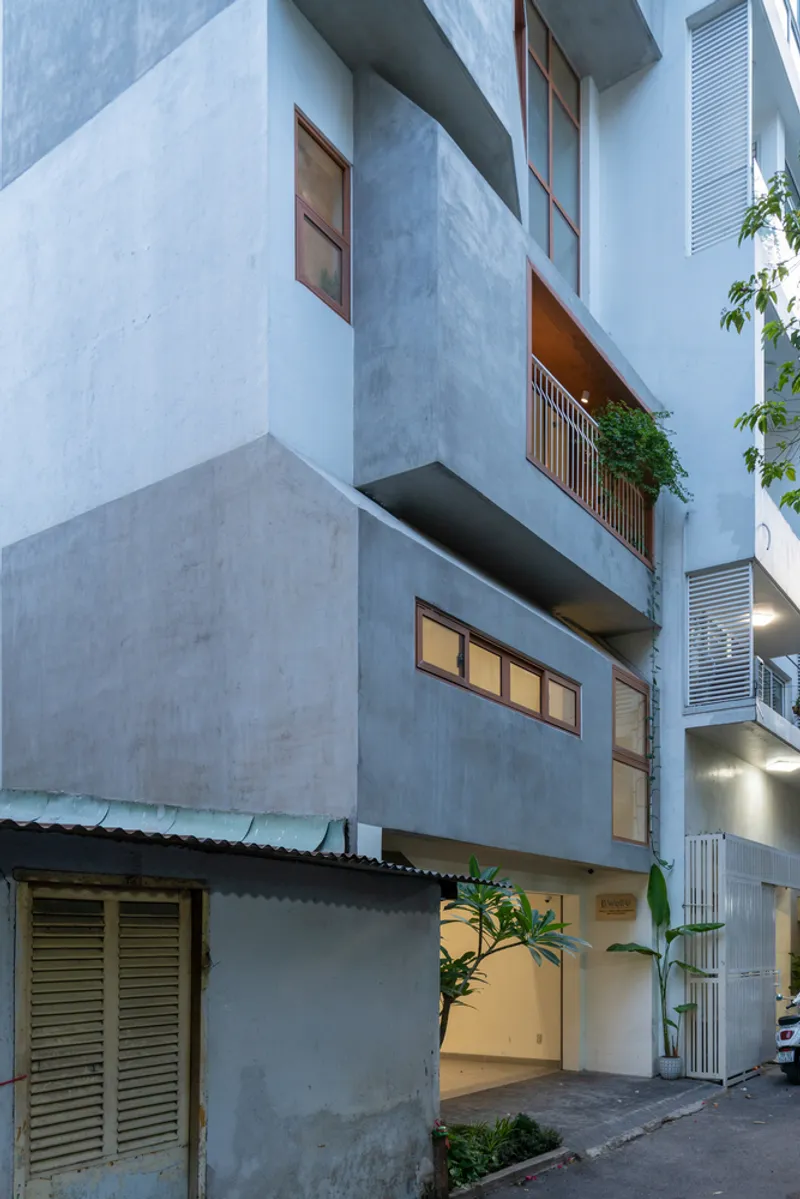
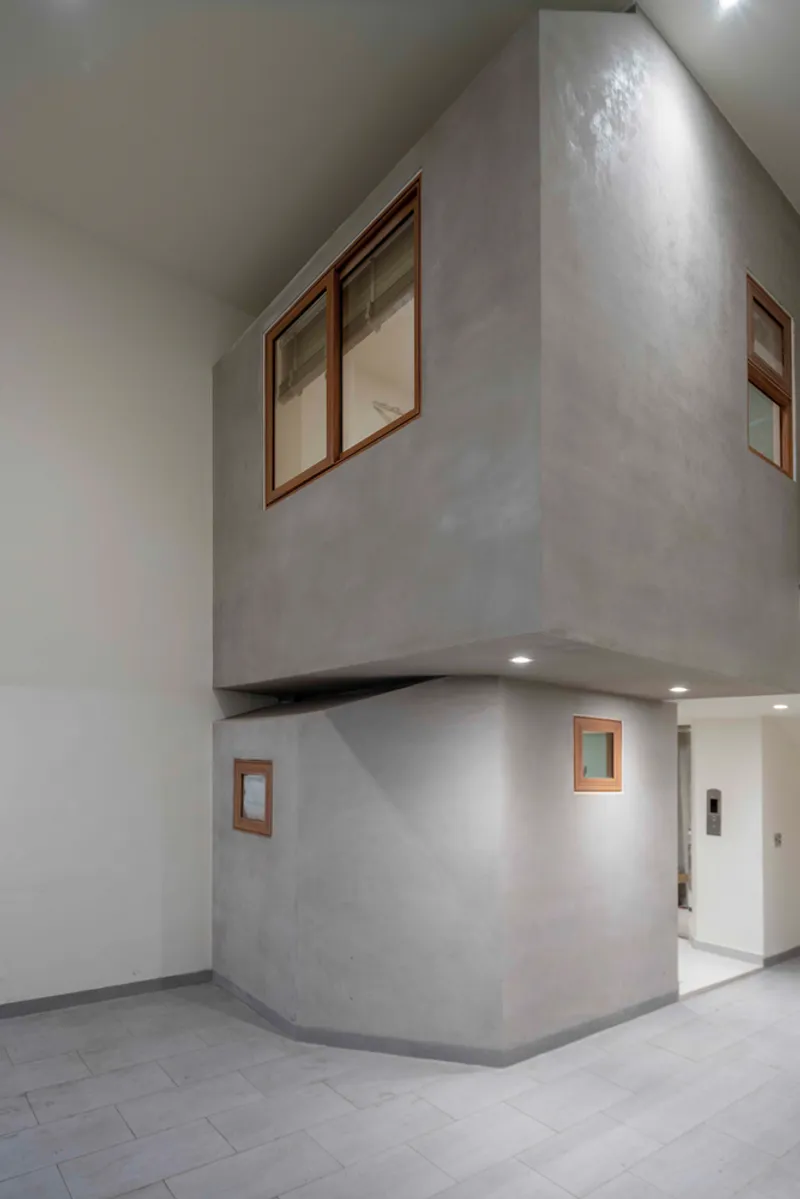
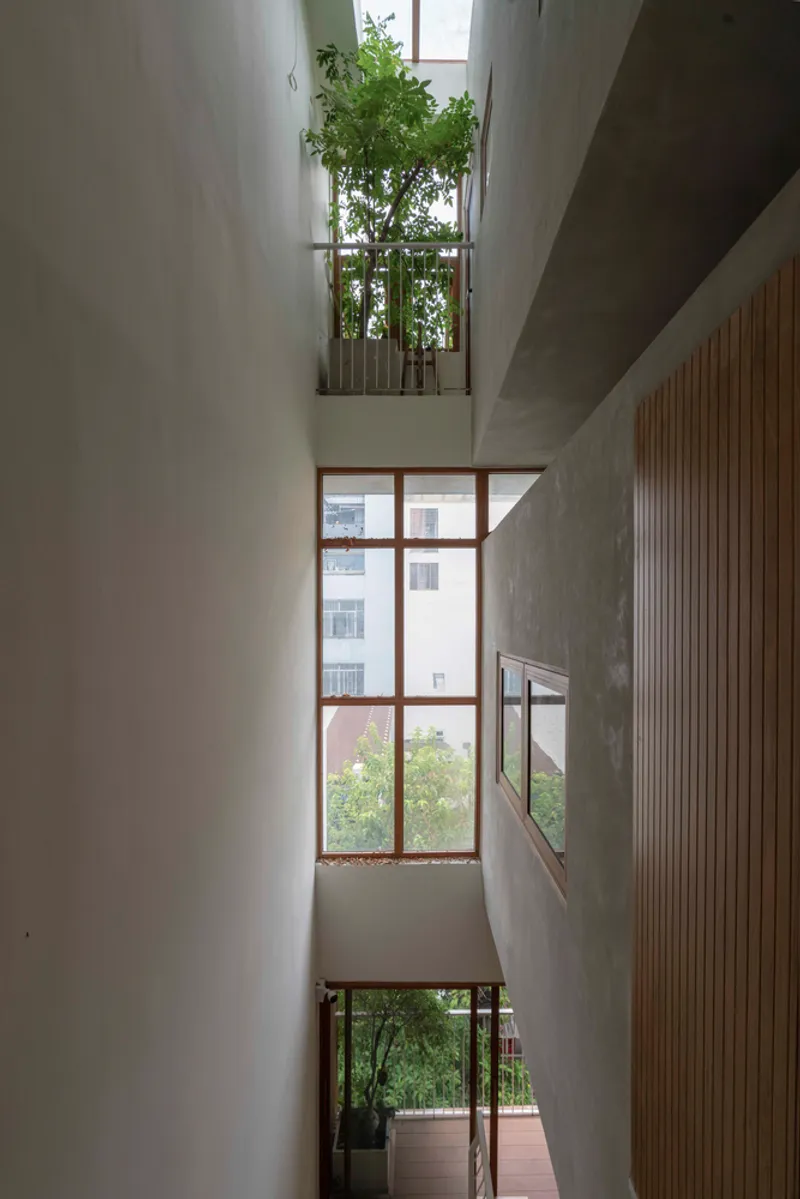
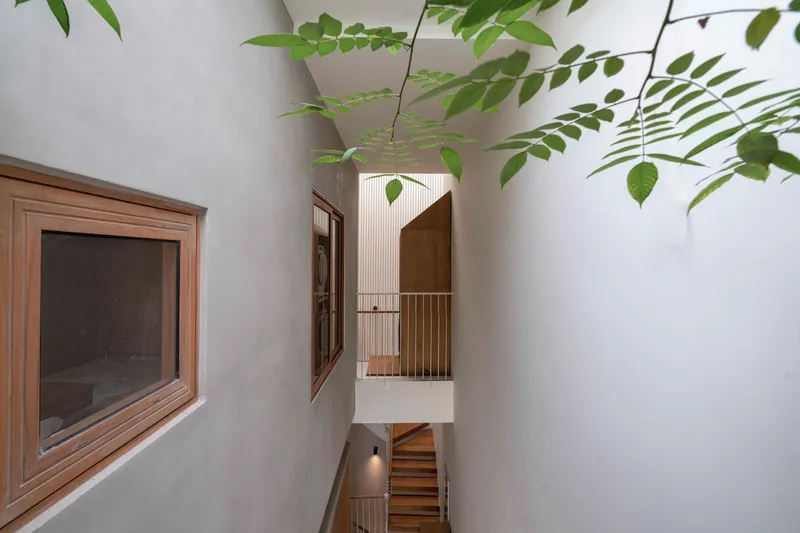
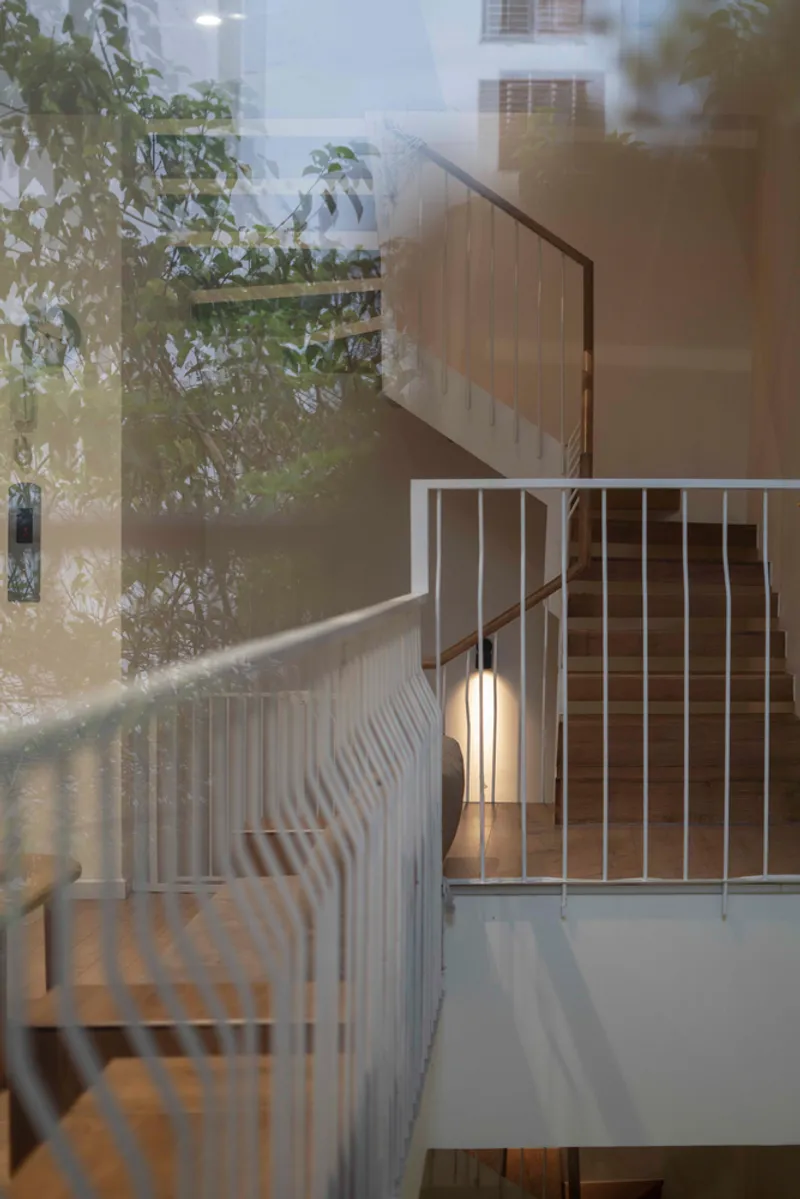
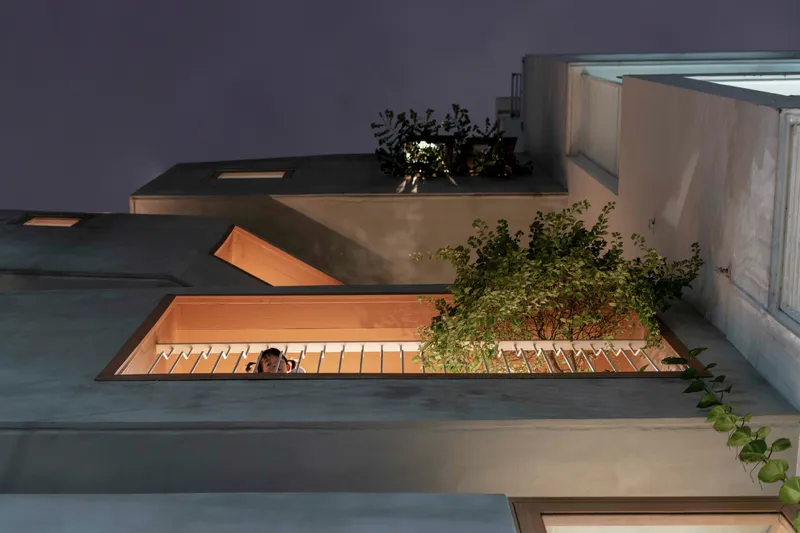
Cubic volumes stack vertically, their slightly pitched roof profiles echoing the miniature houses of childhood imagination while helping articulate ceiling height, clerestory light, and storage opportunities. At the core, a four-story atrium functions as the spatial lung of the home. This vertical void links levels visually and acoustically, creates directional airflow, and delivers sunlight deep into the plan. Circulation, landings, and overlooks wrap the atrium, transforming movement through the house into a series of shared encounters.
Light, Ventilation, and Vertical Connection
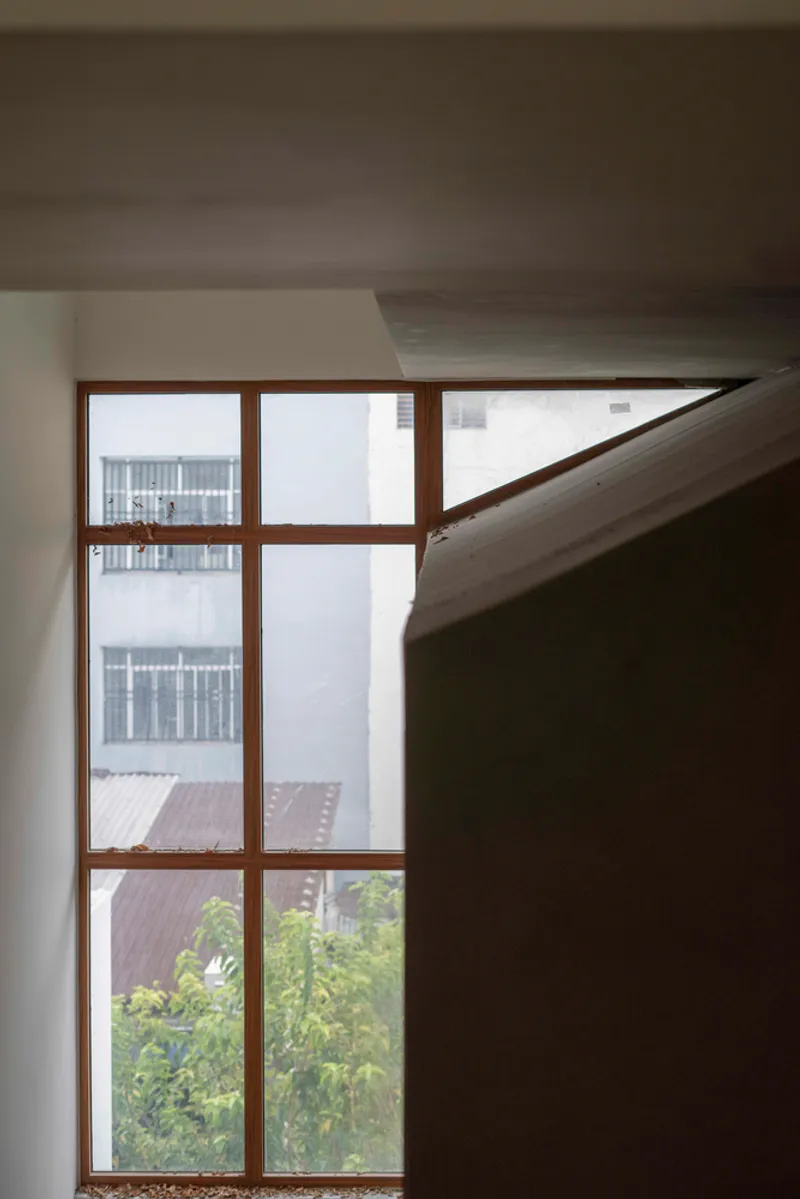
Carefully placed openings, interior windows, and roof apertures capture shifting daylight and draw breezes through the central void. Morning light reaches lower living areas; warmer afternoon light washes upper family spaces; night lighting glows downward, turning the atrium into a lantern. Cross-ventilation reduces dependence on mechanical cooling, while the vertical stack effect encourages warm air to rise and exhaust. Light and air become active architectural tools that expand the perceived scale of this compact home.
Material and Color Palette: Minimal Means, Maximum Warmth
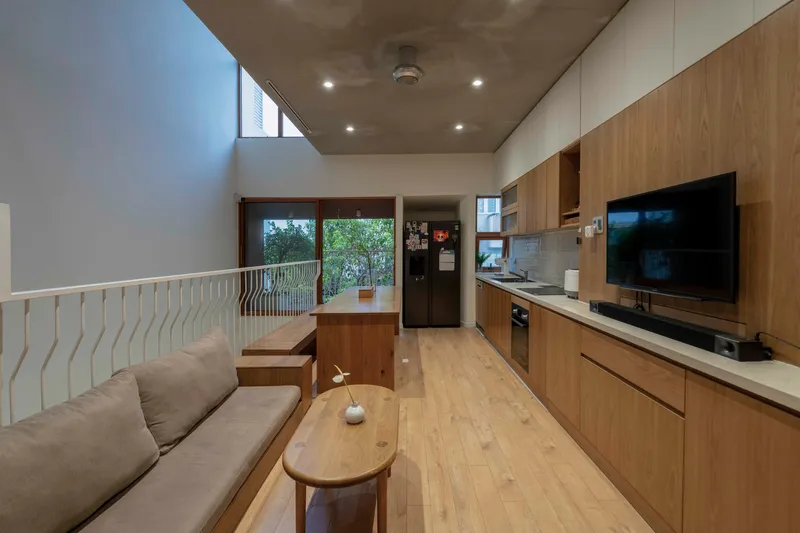
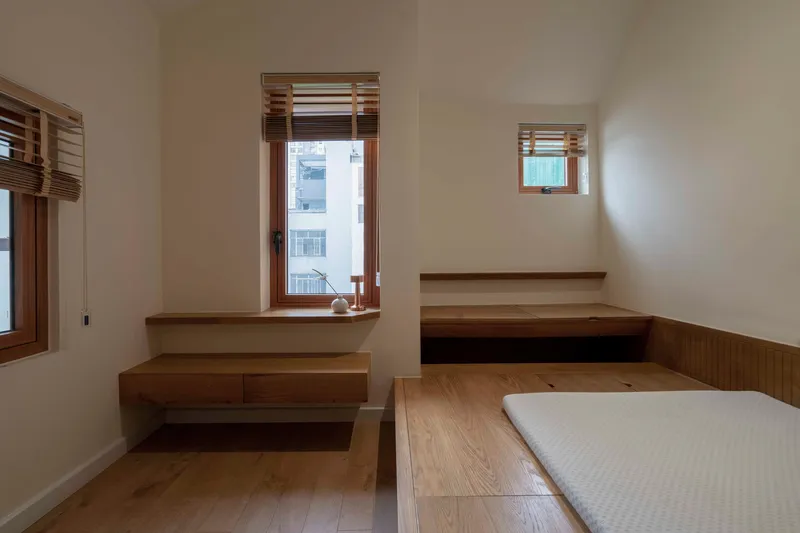
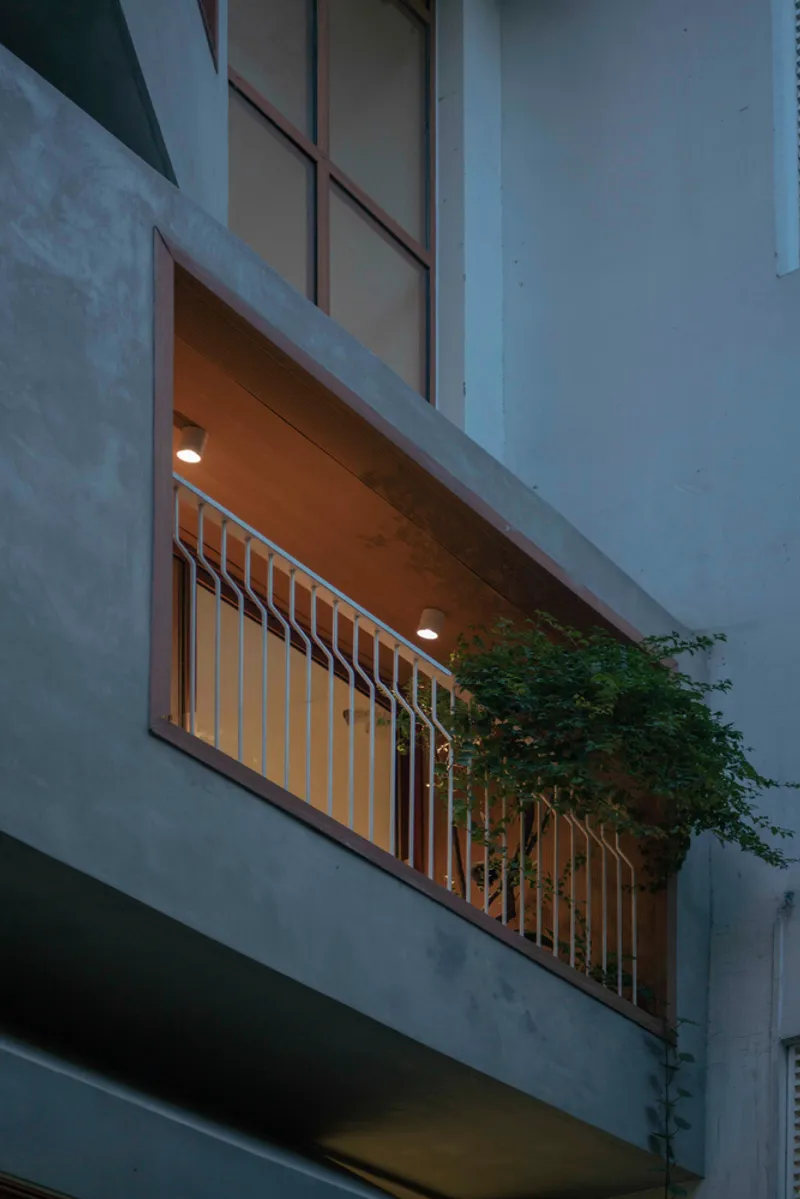
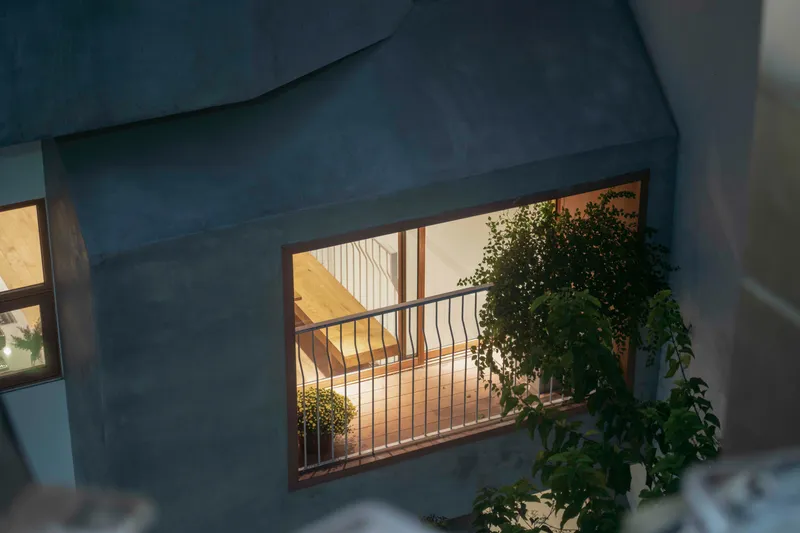
A restrained palette supports spatial clarity. White walls amplify available light and keep rooms visually open. Soft gray ceilings ground the vertical experience without darkening the interior. Warm wood joinery, stair treads, furniture, and framed openings introduce tactility and psychological comfort against concrete and plaster surfaces. Select greenery softens boundaries and provides moments of biophilic relief in the dense urban setting. The simplicity of finishes lets family life, not decoration, animate the house.
Built-In Flexibility and Space-Saving Furniture
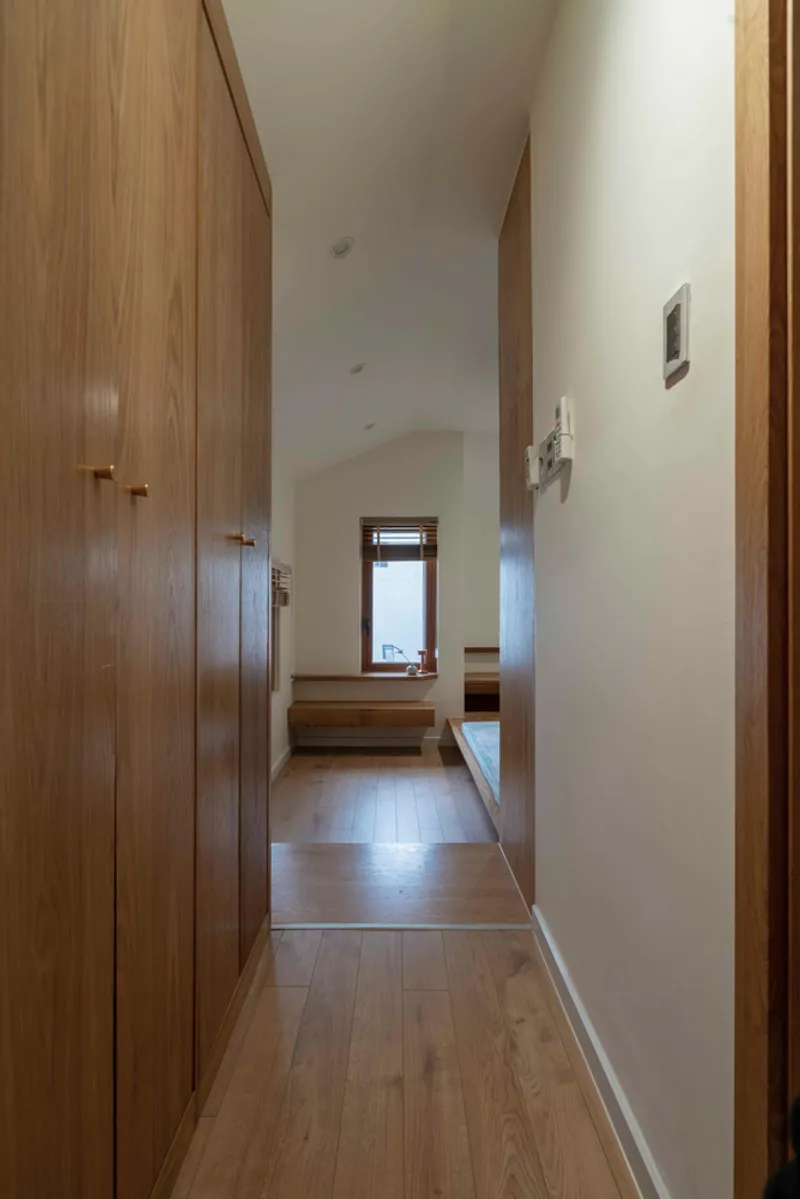
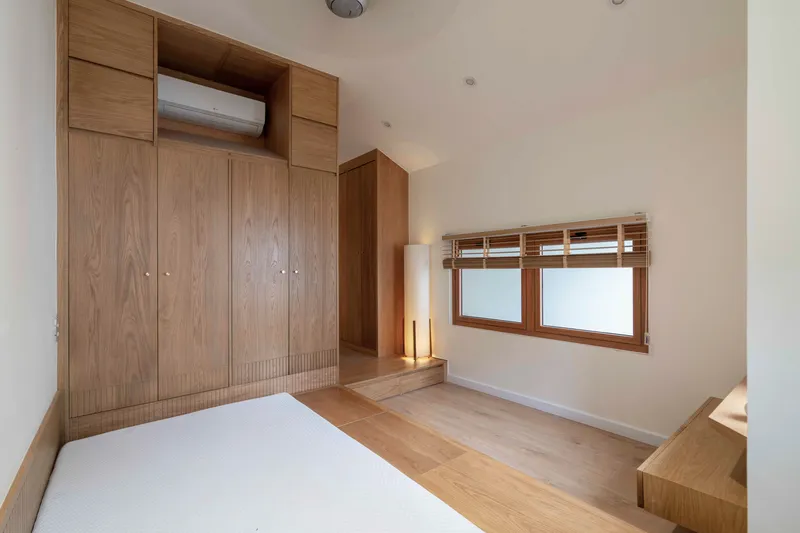
Because every centimeter matters, storage and program dissolve into the architecture. Built-in cabinetry with playful slanted “roof” profiles folds into wall planes, echoing the massing language while eliminating visual clutter. Storage-integrated beds and multifunctional casework adapt spaces from sleeping to study to play. Open-plan ground areas flex between dining, gathering, and daily routines. TiTi’s House NAQI & Partners shows how thoughtful joinery can replace excess floor area, making small living generous.
Everyday Life in a Vertical Micro-Community
The four-story atrium does more than move air; it carries memory. Piano notes drift upward, cooking aromas settle into shared time, and voices travel easily across levels, reinforcing a sense of belonging. Children can retreat to personal corners yet remain emotionally connected to the household. Parents gain both oversight and intimacy without surveillance or crowding. The house becomes a micro-community stacked in section, where everyday rituals anchor family identity.
Sustainability and Longevity in a Small Footprint
Building small is itself a sustainable act in a rapidly densifying city. Daylight harvesting, natural ventilation, and durable low-maintenance materials reduce operational and lifecycle demands. The compact footprint preserves urban land while encouraging vertical greening opportunities at balconies and rooflines. By designing for adaptability—movable furnishings, integrated storage, and flexible family zones—the home is poised to support changing needs as children grow, stretching the life of the building well beyond its modest size.
Small Scale, Big Heart
TiTi’s House NAQI & Partners proves that generous living does not depend on area but on intention, clarity, and emotional design. Through vertical connectivity, light-driven planning, and material restraint, this 50 m² Ho Chi Minh City dwelling delivers privacy, family closeness, and urban resilience in equal measure. It stands as a model for compact tropical living that is both practical and poetic.
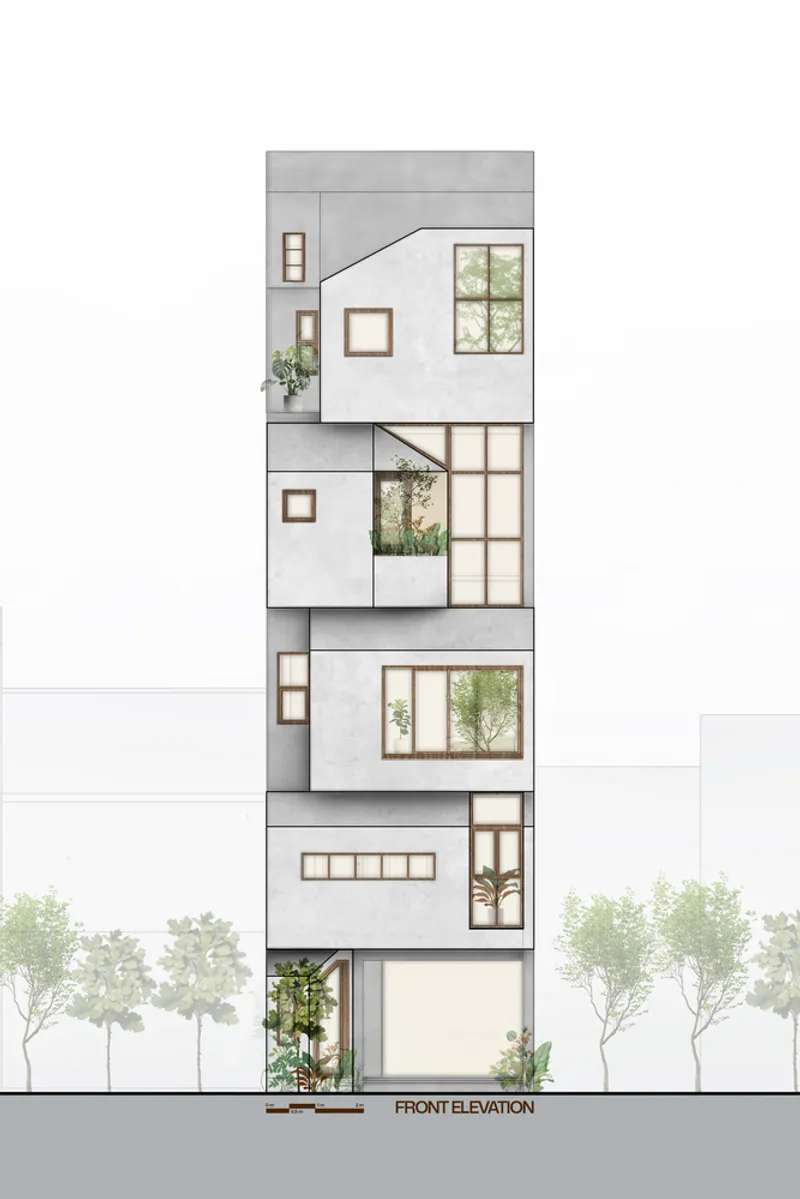
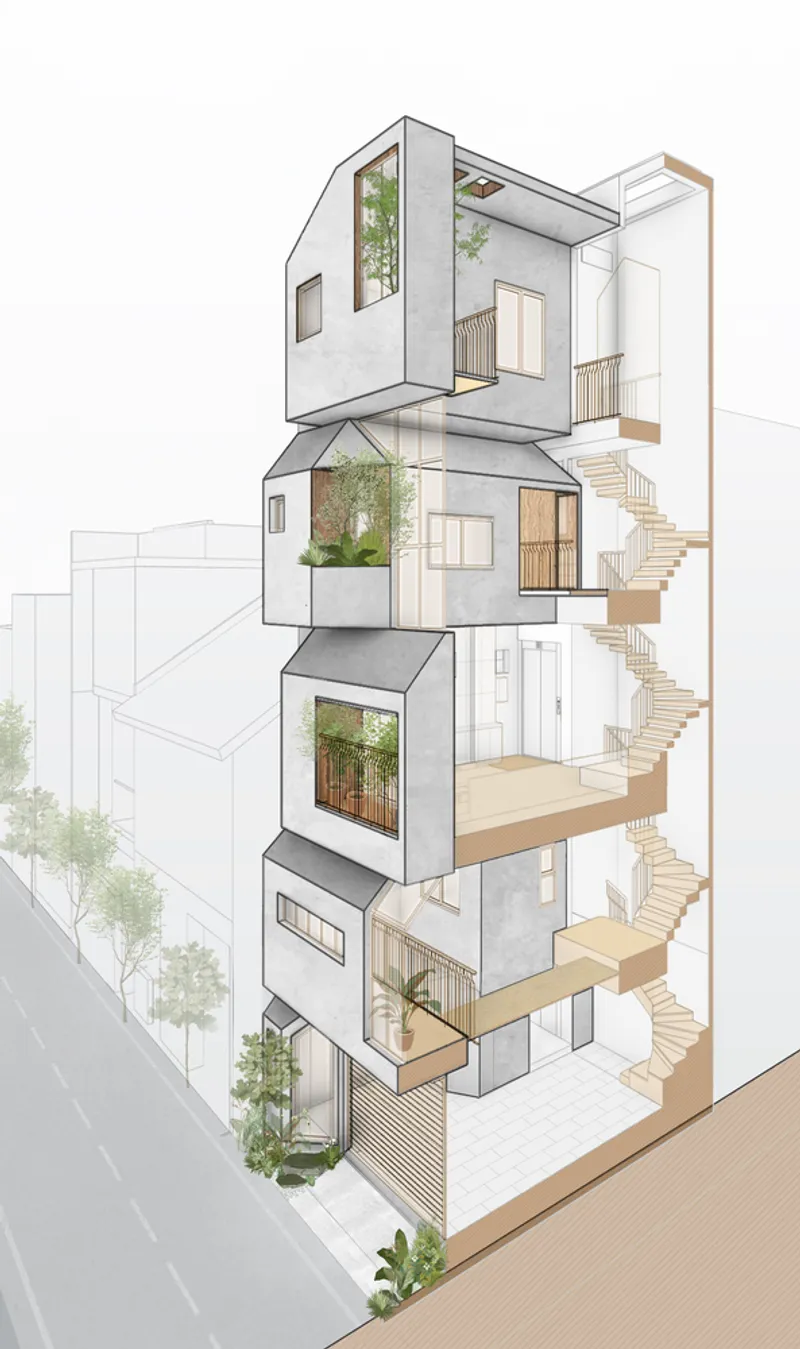
All the photographs are works of Nguyễn Nhật Anh Chương


Popular Articles
Popular articles from the community


Conexión: Biophilic Design Reimagines High-Rise Living in Hong Kong
Conexión reimagines high-rise living in Hong Kong through biophilic design, green facades, shared spaces, daylight, water and nature within.

Lunar Spiral: Space Architecture Shaped by the Mathematics of the Universe
Lunar Spiral reimagines space architecture through Fibonacci geometry, lunar regolith, levitating habitats, and self-sustaining Moon living.

ALGAL REALM: A Bio-Integrated Lunar Habitat Design for Life Beyond Earth
ALGAL REALM reimagines lunar habitat design with algae-powered life support, 3D-printed regolith, and vertical living for a lunar future.

The Musturak Paradise: Senior Living Architecture for a Connected Future in Temara, Morocco
The Musturak Paradise reimagines senior living architecture in Temara via private homes, social spaces, culture, community, and shared care.

Similar Reads
You might also enjoy these articles

FAMM Arquitectura Organizes Ten Villas Around Courtyards and Jungle in Nosara, Costa Rica
El Molino pairs two elongated volumes with deep overhangs and timber louvers to build a compact coastal community five minutes from the beach.
Oscar Niemeyer's Ibirapuera Park Pavilions Define São Paulo's Cultural Identity in Concrete and Curve
A constellation of modernist volumes set within São Paulo's most important urban park, conceived for the city's 400th anniversary in 1954.
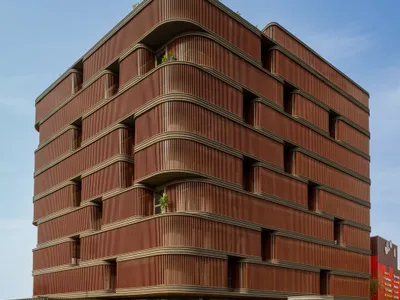
Sanjay Puri Architects Wraps a Jaipur Office Tower in Capsule-Shaped Green Buffers
A nine-level climate-responsive workplace near Jaipur Airport uses stacked planter terraces and aluminium screens to fight 40°C heat.
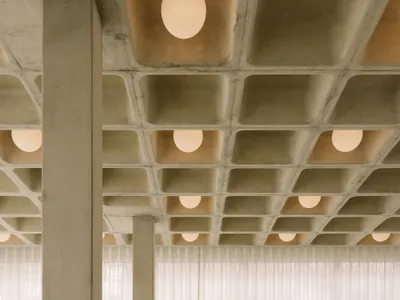
RHO Converts a Berlin Spree-Side Industrial Courtyard into Enkime's 1,000 m² Agency Headquarters
A social media agency's new home in Charlottenburg trades glossy branding for concrete waffle ceilings, glazed tile, and sheer curtains.

Explore Architecture Competitions
Discover active competitions in this discipline

Challenge to reimagine the Iron Throne

Photograph architecture without architects

Illustrate the lost glory of Angkor Wat - Render Challenge

Design challenge to reuse E-waste
Comments (0)
Please login or sign up to add comments
No comments yet. Be the first to comment!