
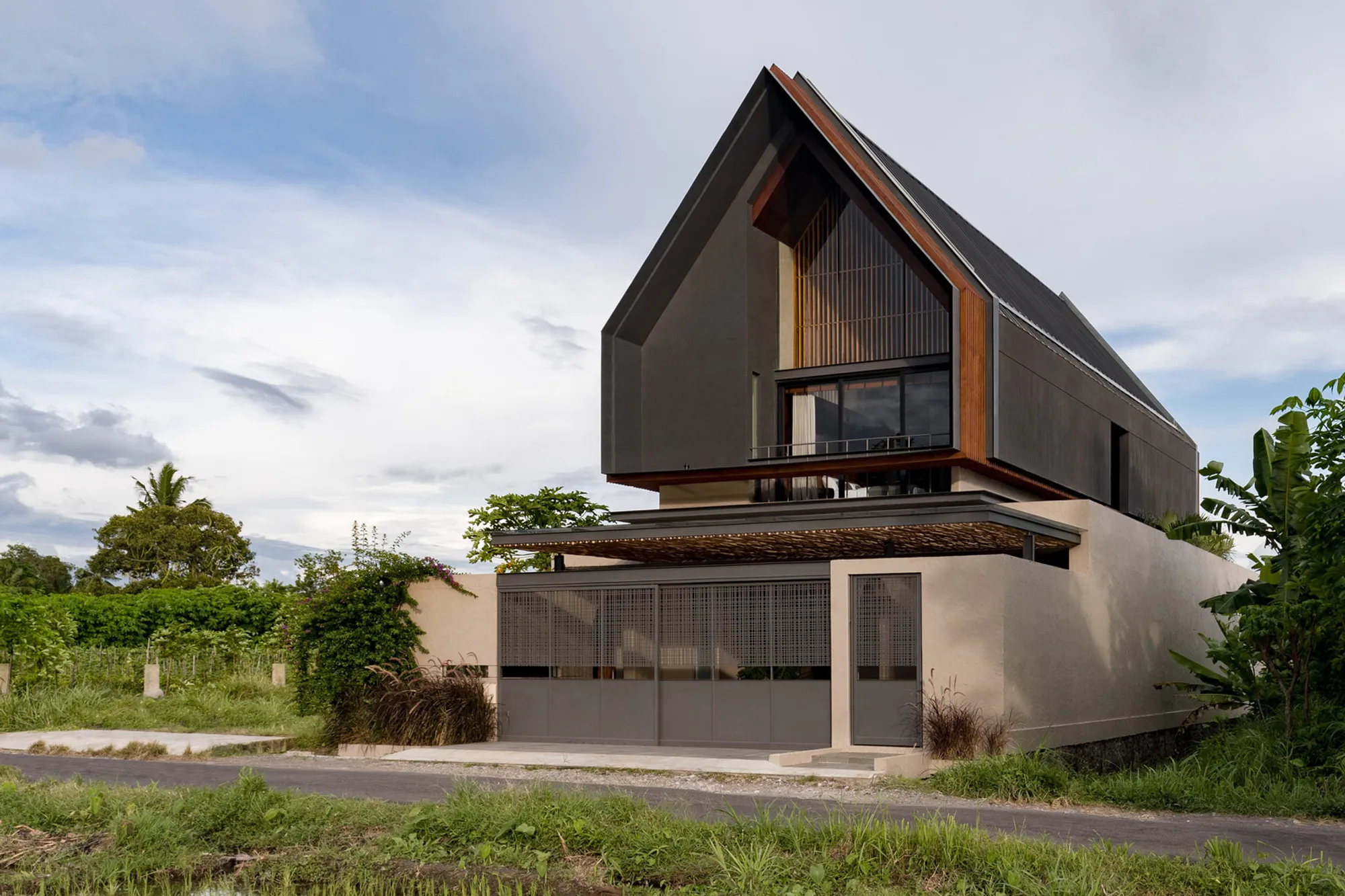
Tropical Villa Architecture Indonesia: Soil and Sand Villa by axialstudio
A serene tropical villa in Jogjakarta that blends sustainable architecture, modern design, and nature for tranquil living.


Embracing Nature Through Architecture in Jogjakarta
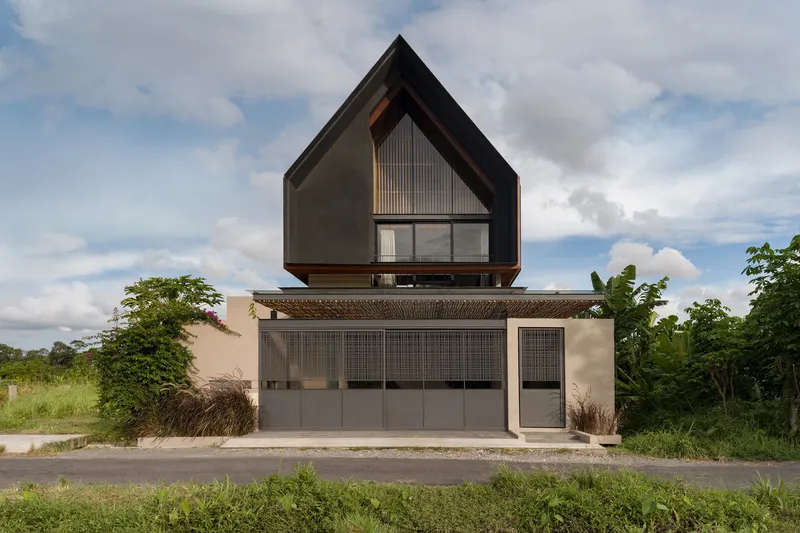
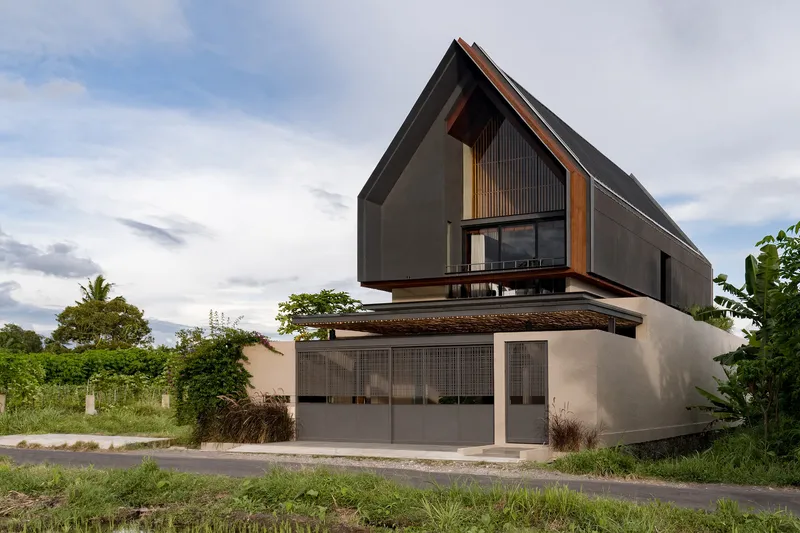
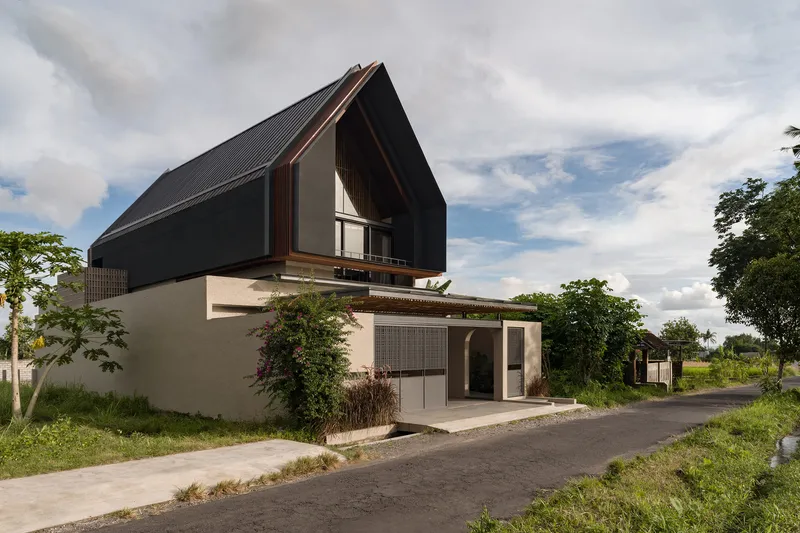
In the heart of Jogjakarta, Central Java, the Soil and Sand Villa by axialstudio presents a compelling example of tropical villa architecture in Indonesia. Designed by lead architect Ferdy Tan, this 380-square-meter residence harmonizes contemporary living with the region’s lush natural landscape. Completed in 2024, the villa showcases a seamless relationship between built space and the tropical environment through its strategic use of natural materials, open layouts, and biophilic design.
A Design Rooted in Climate Sensitivity
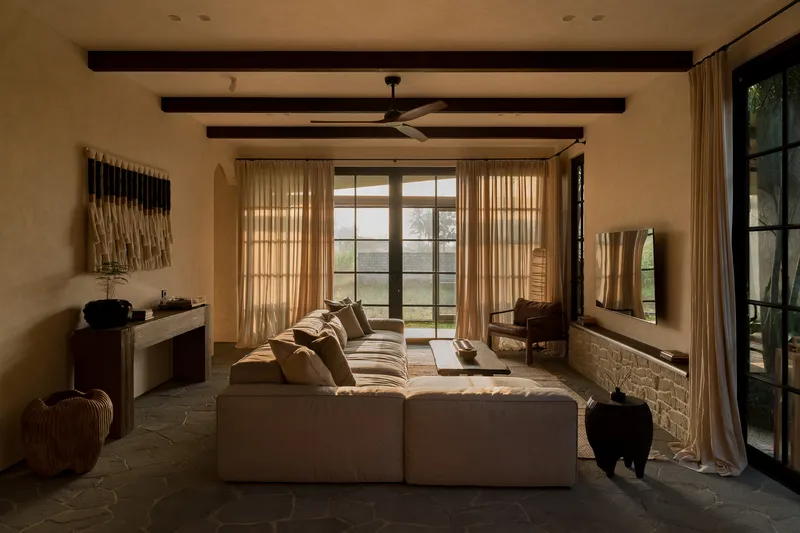
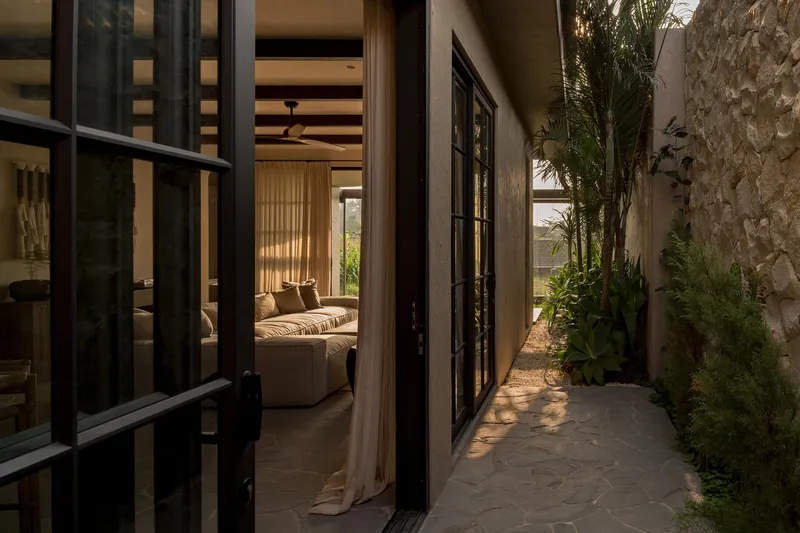
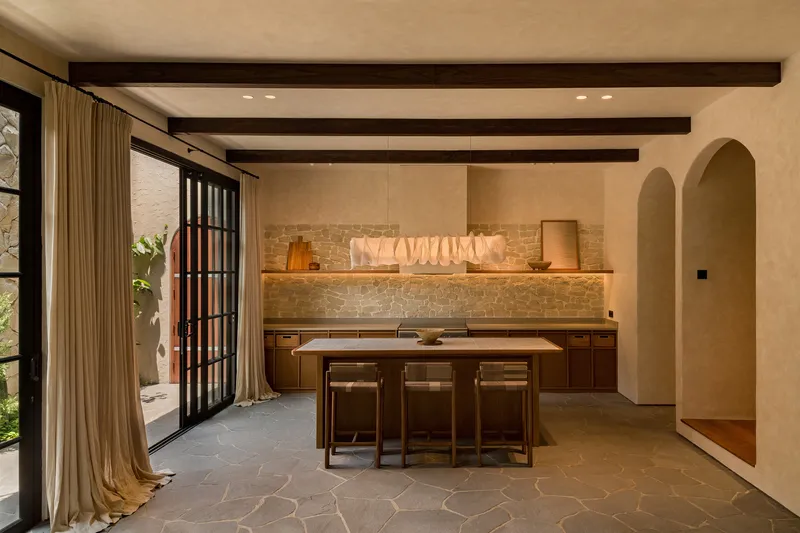
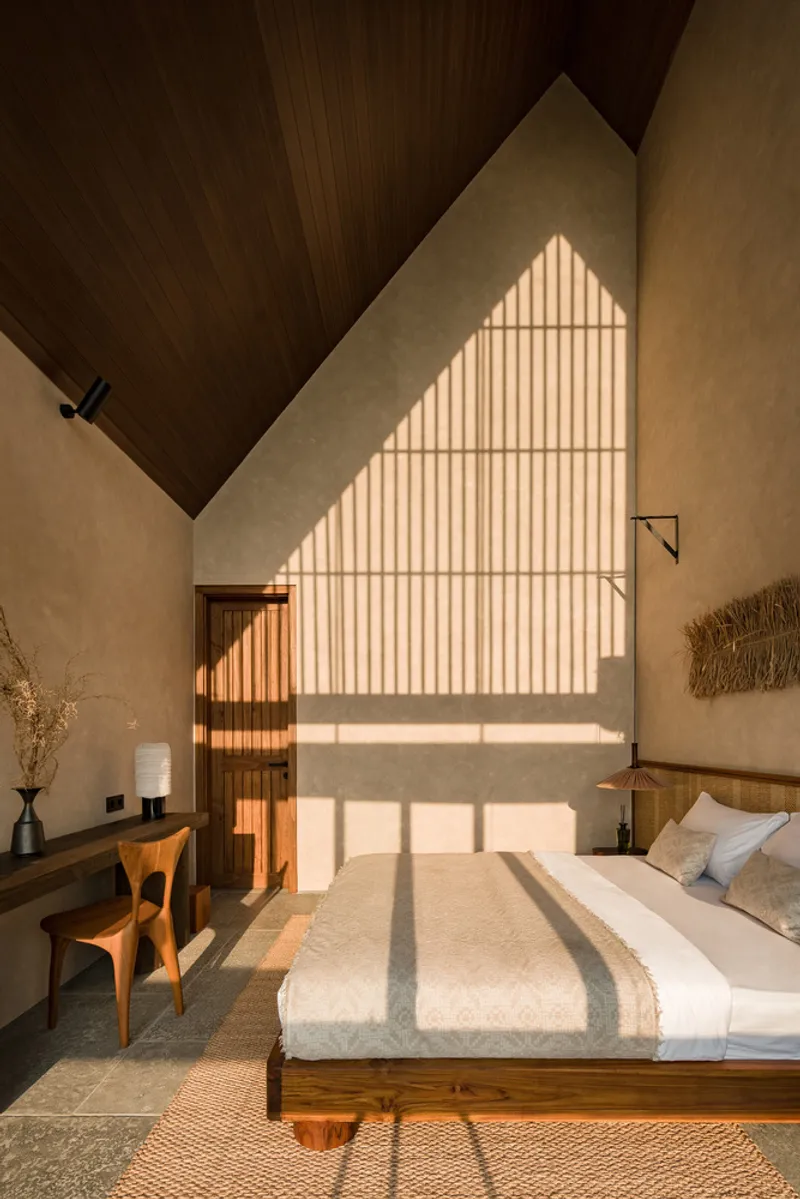
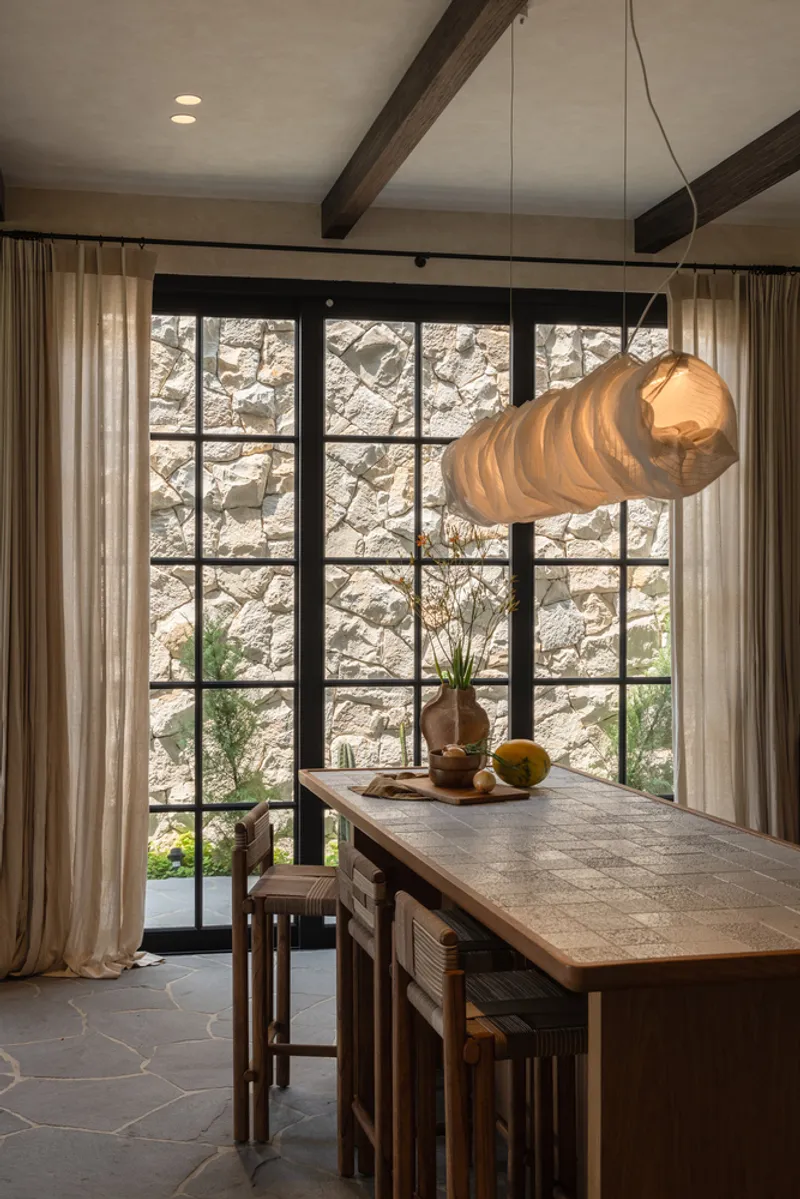
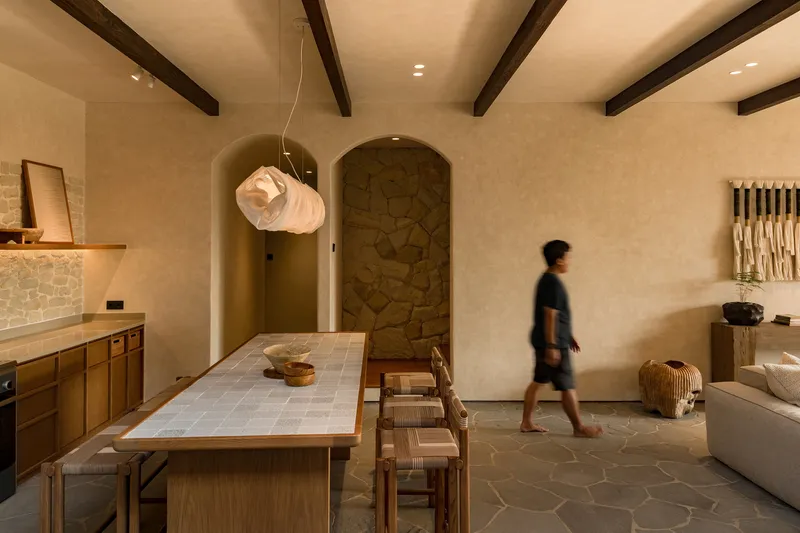
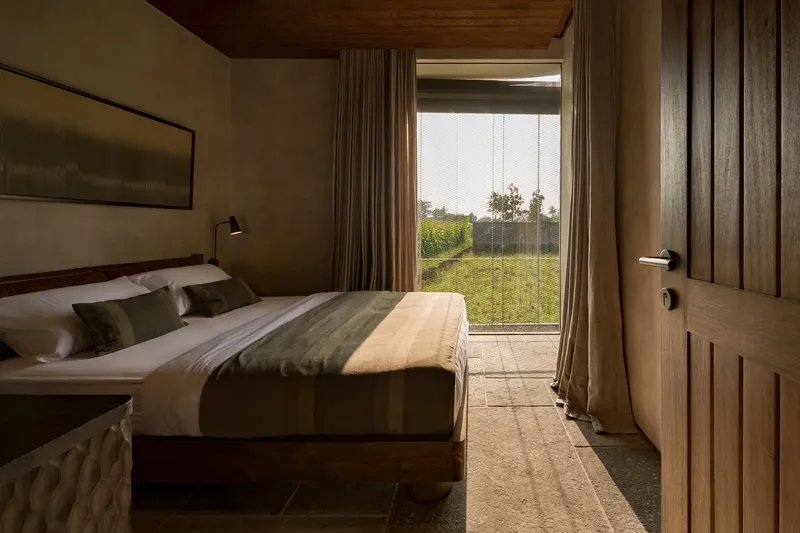
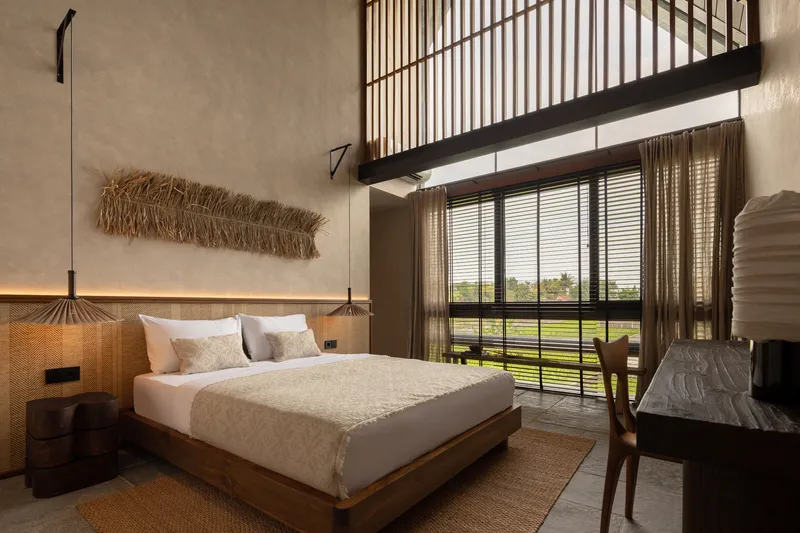
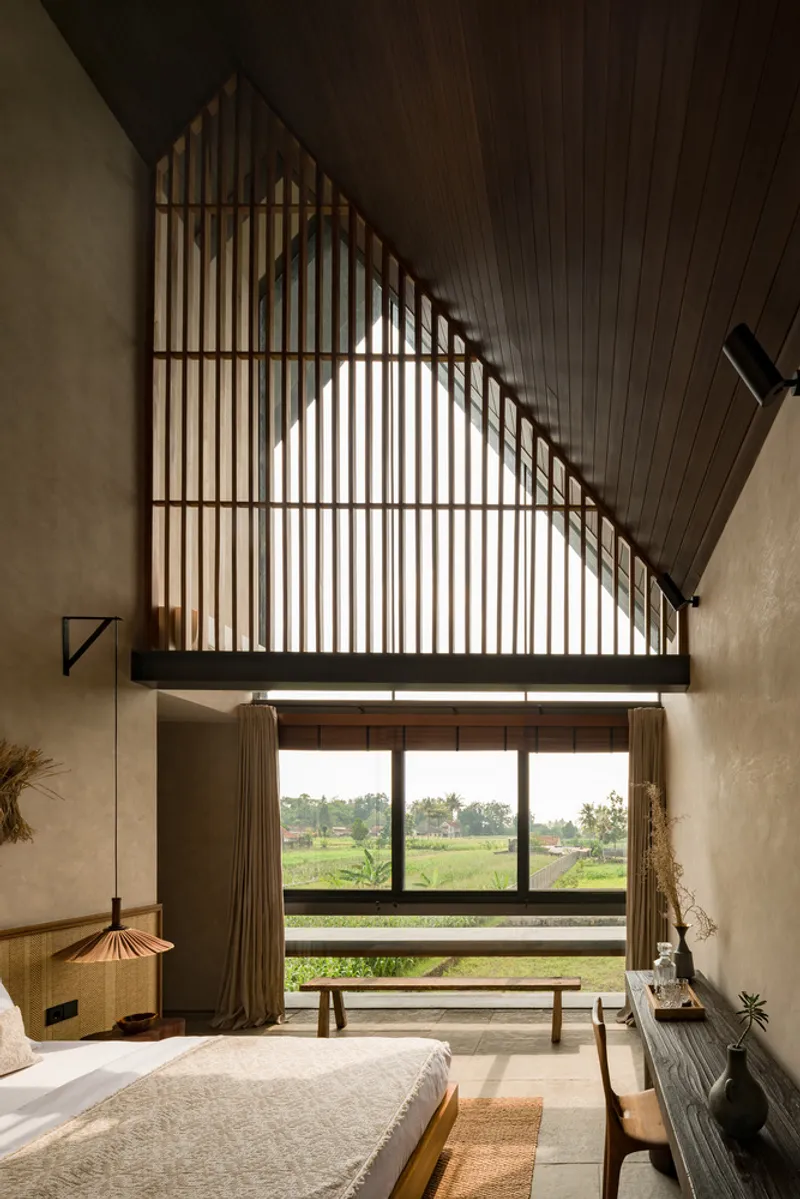
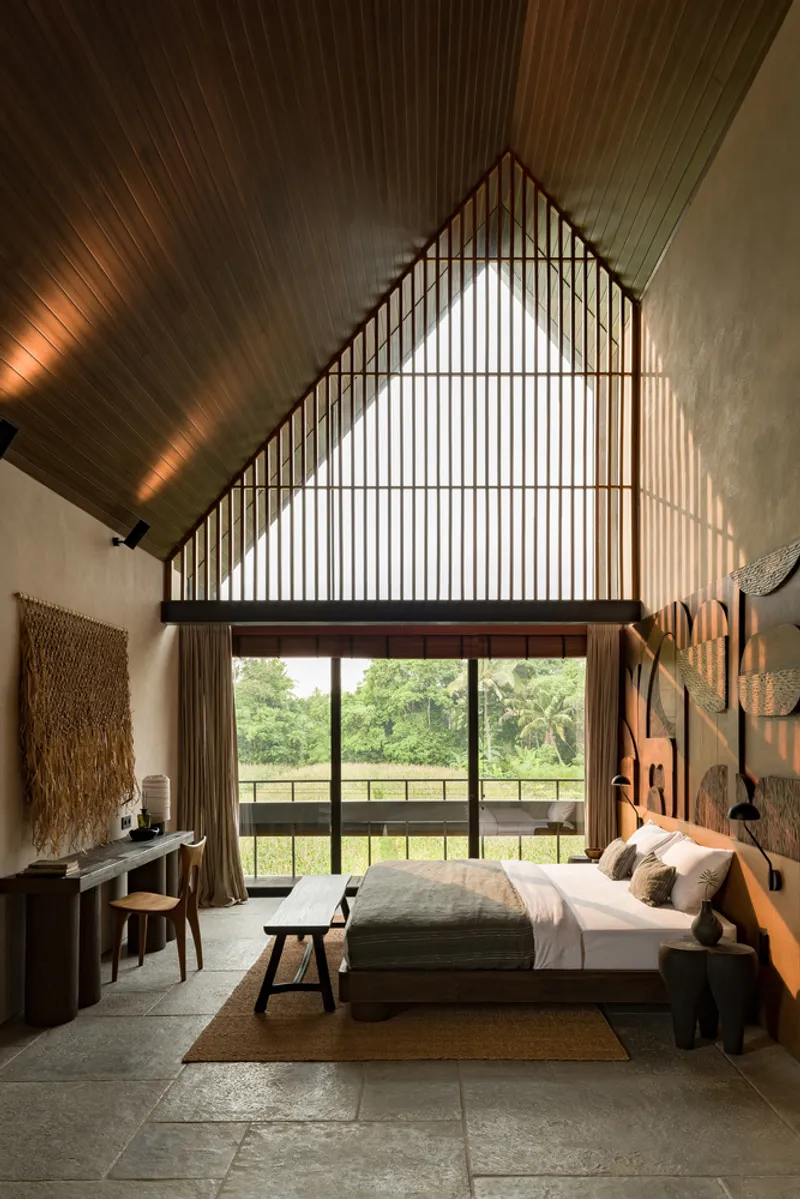
The architecture of Soil and Sand Villa is a direct response to Indonesia’s tropical climate. The design maximizes natural light and cross ventilation, with carefully positioned openings that allow sunlight to bathe both the public and private zones. The dining room on the ground floor and the bedrooms above are consistently filled with daylight, creating a sense of warmth and openness that permeates throughout the villa.
Seamless Indoor-Outdoor Living Experience
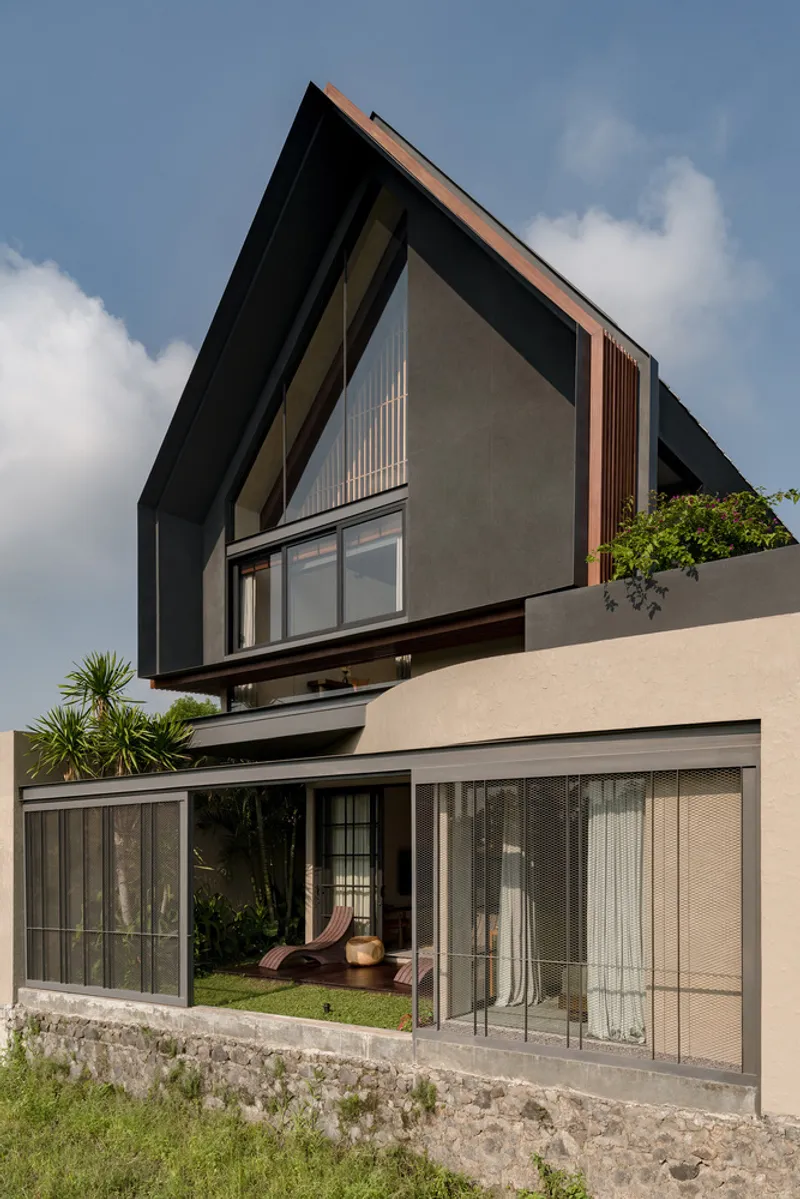
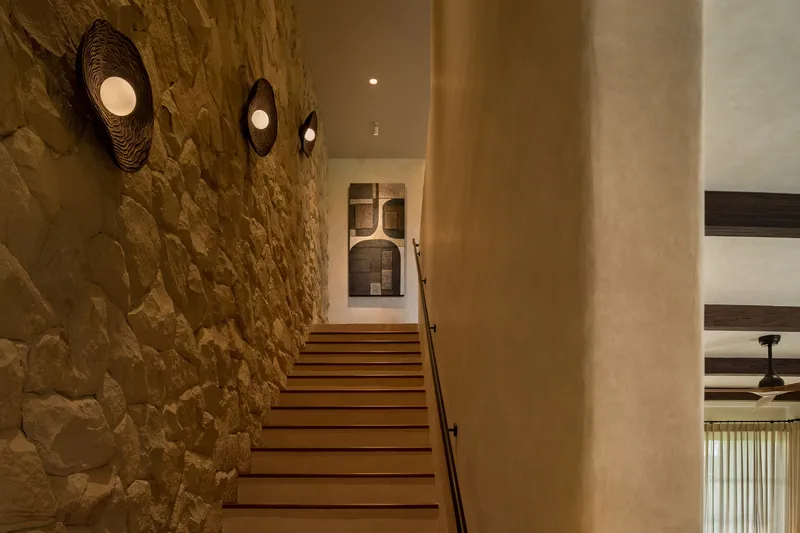
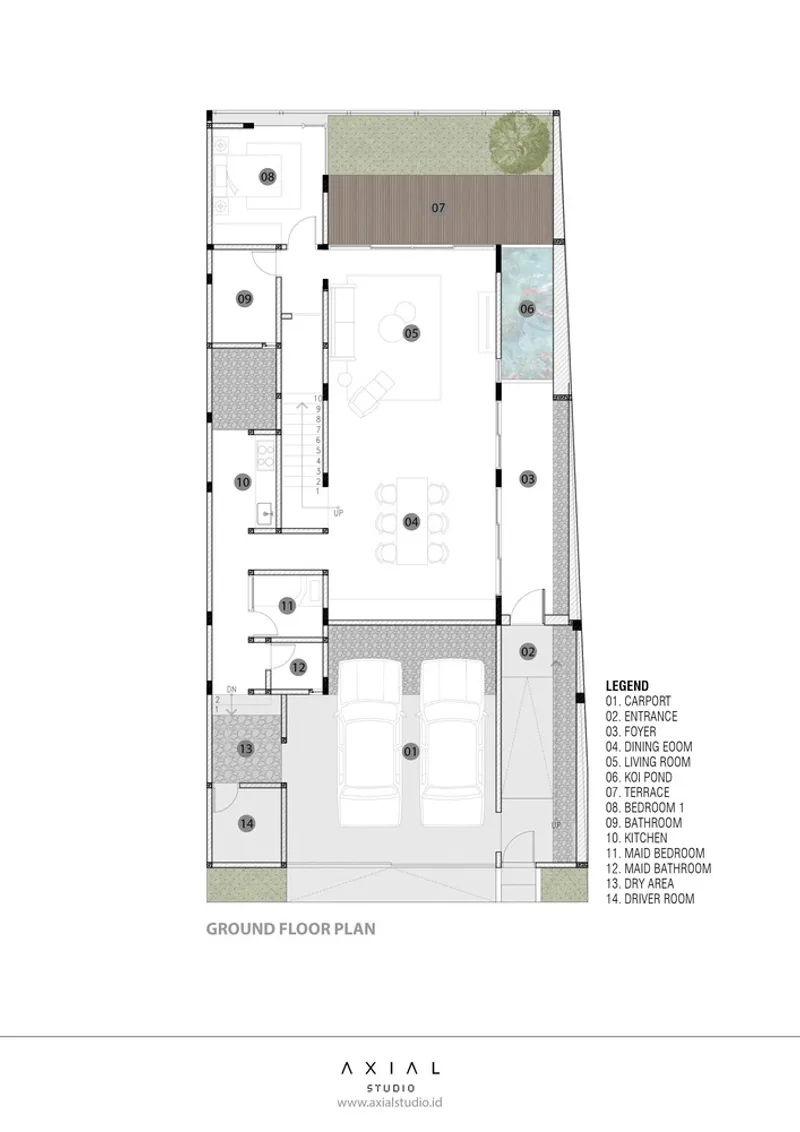
Upon entering the villa, guests are greeted by a tranquil koi pond that reflects the surrounding greenery. This serene water feature sets the tone for the villa's emphasis on indoor-outdoor living. To the left, the open-plan living and dining areas merge effortlessly with the exterior spaces, reinforcing the connection to nature. A clean-lined staircase leads to the first floor, enhancing the vertical flow of the design while preserving its airy atmosphere.
Functional Zoning for Social and Private Living
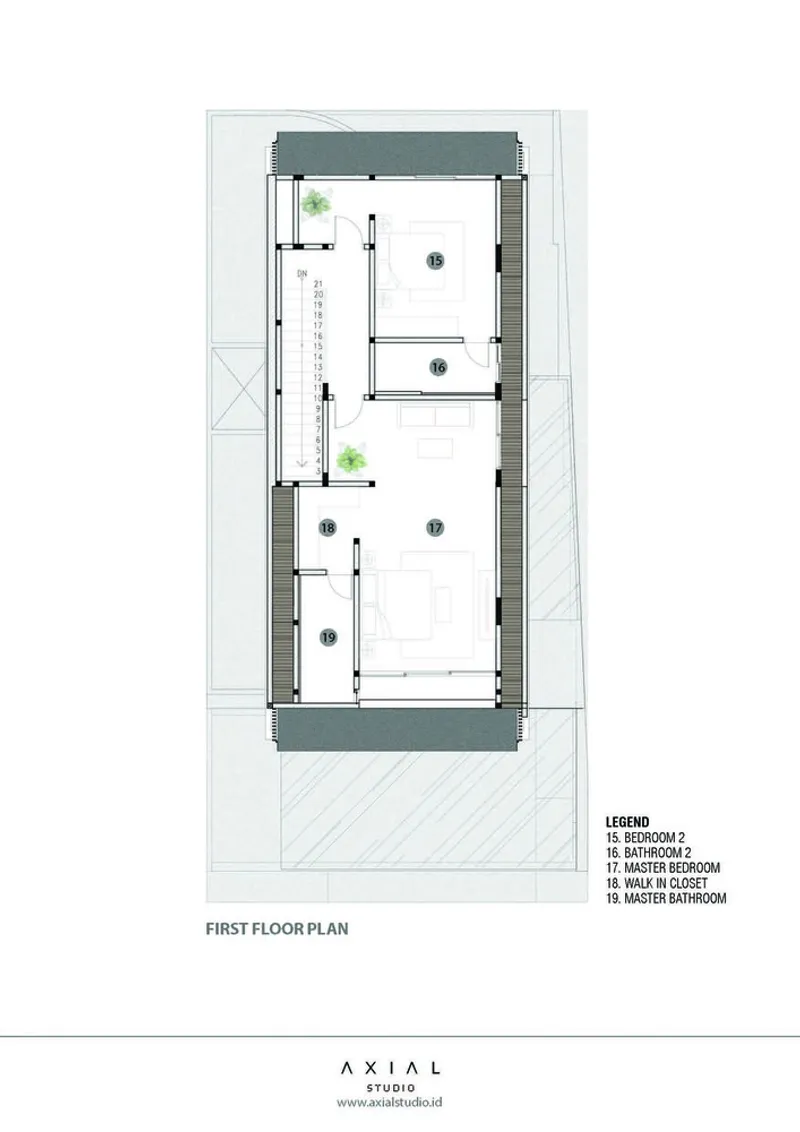
The layout of the villa is divided thoughtfully between its two levels. The ground floor serves as a vibrant communal zone, including a spacious living area, pantry, dining room, and one bedroom. Adjacent to this are service areas that support daily living functions without compromising on style or comfort. The first floor is reserved for privacy and relaxation, comprising two bedrooms and bathrooms that offer a sanctuary for rest and rejuvenation. Each space is carefully oriented to embrace sunlight and garden views, ensuring a calm and contemplative experience.
Sustainable Tropical Architecture in Practice
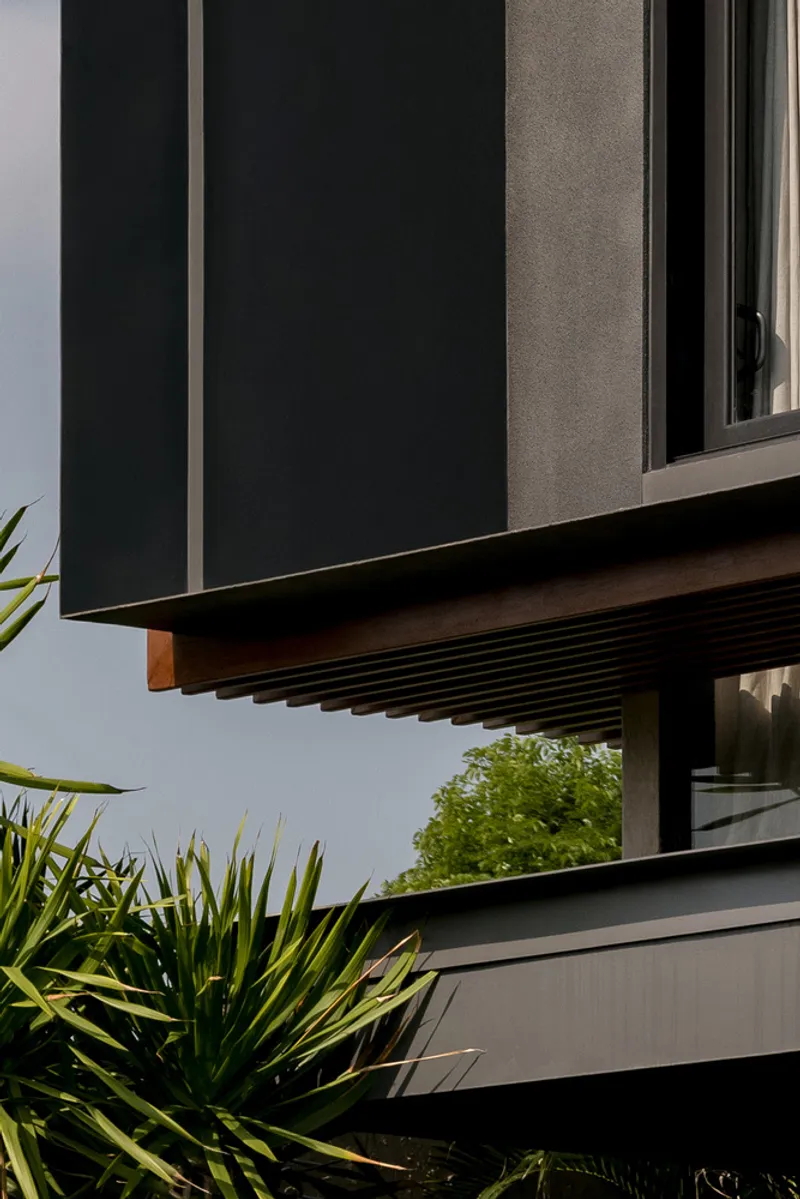
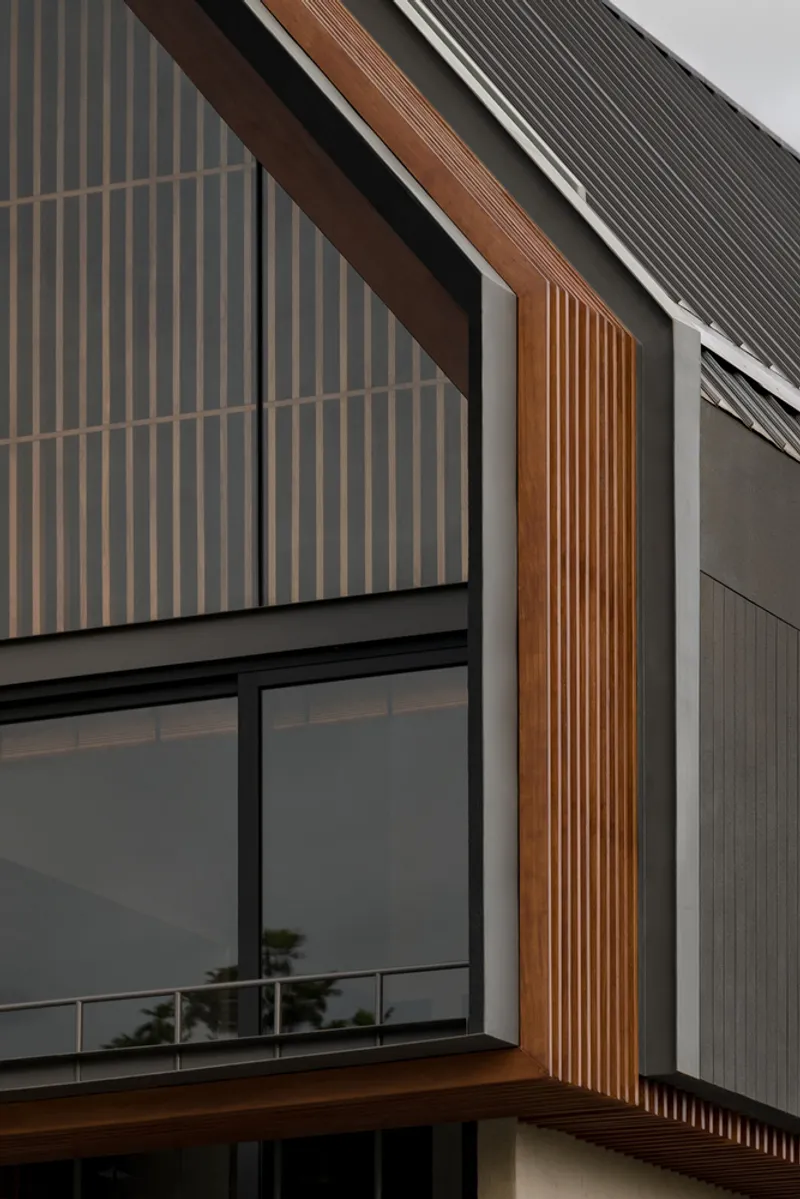
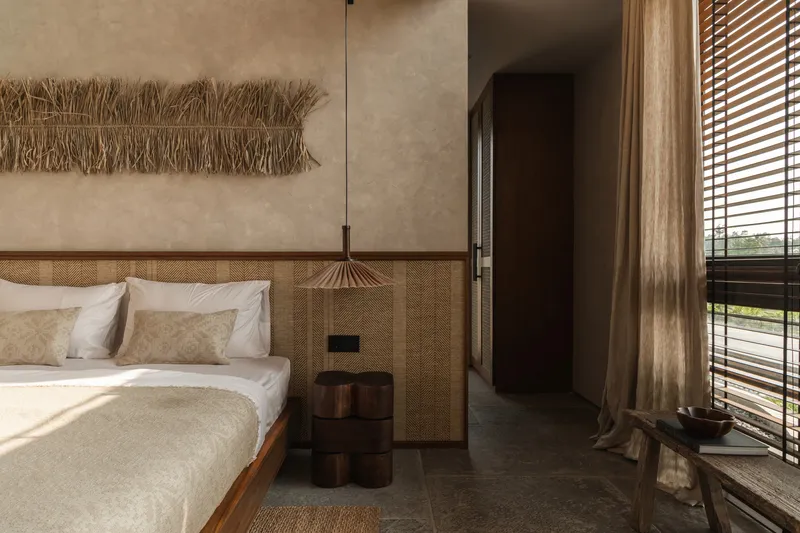
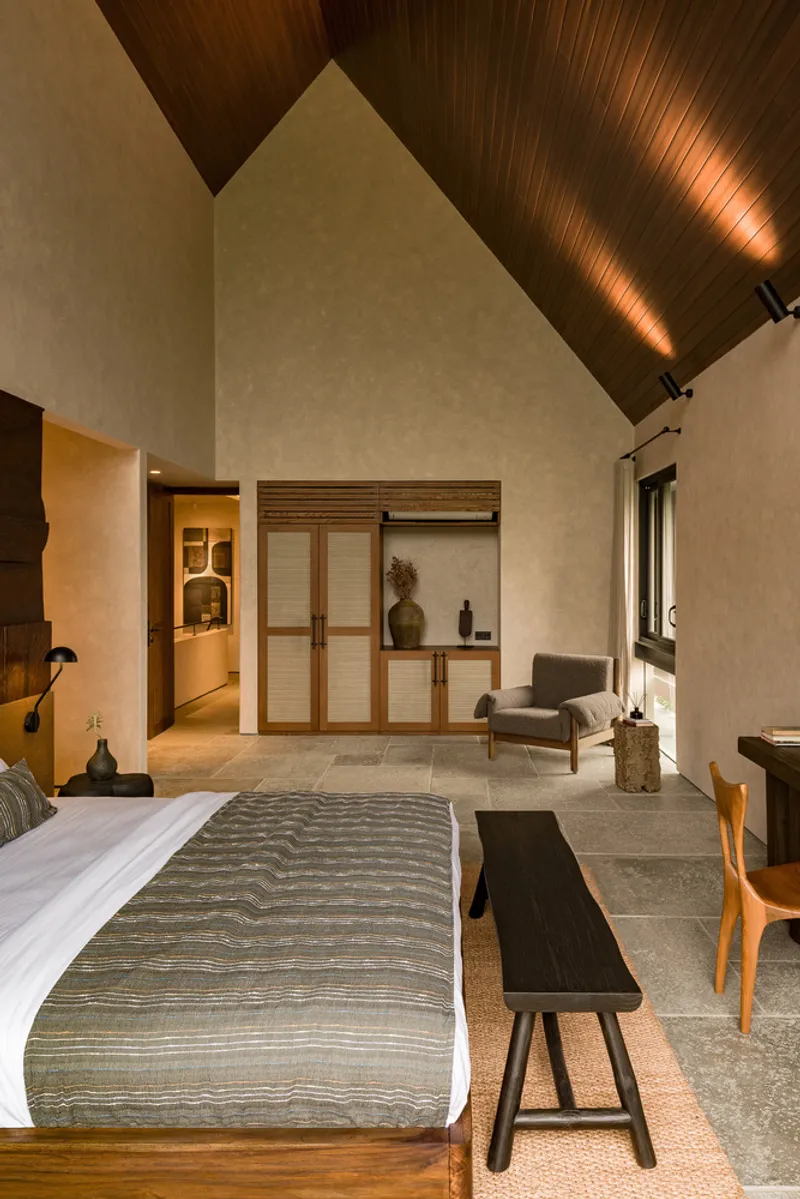
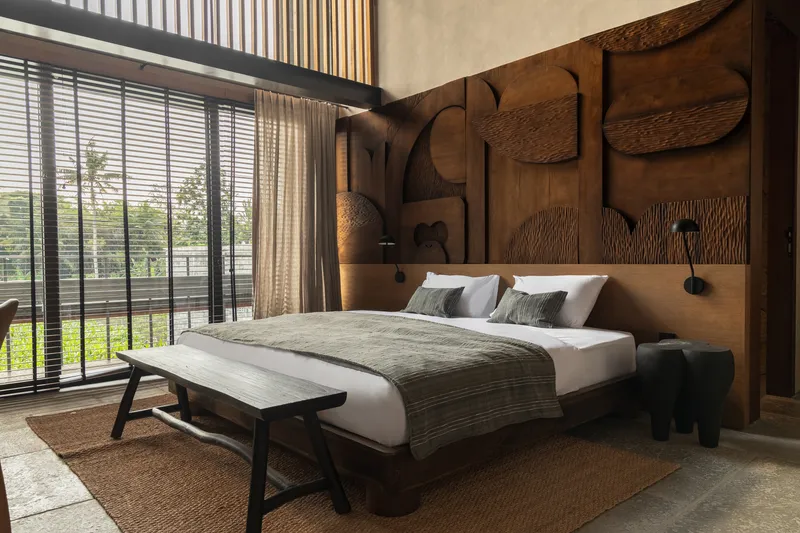
Beyond its visual appeal, Soil and Sand Villa exemplifies sustainable tropical villa architecture in Indonesia. The design integrates energy-efficient appliances and eco-friendly features that reduce environmental impact while enhancing livability. Materials were selected for their tactile and thermal properties, ensuring comfort in the tropical heat. This balance of modern elegance and ecological awareness positions the villa as a benchmark for sustainable residential design in Southeast Asia.
A Sanctuary that Nourishes the Senses
Soil and Sand Villa is not merely a place to live—it is a sensory sanctuary. The sounds of flowing water, the textures of wood and stone, the play of light and shadow, and the constant visual engagement with nature combine to create a tranquil environment. It represents a lifestyle that is both luxurious and grounded in environmental consciousness, inviting inhabitants to reconnect with the natural world.
Redefining Tropical Living
By fusing architectural precision with environmental sensitivity, axialstudio has crafted a residence that redefines tropical villa architecture in Indonesia. Soil and Sand Villa is a contemporary retreat that respects its cultural and climatic context, offering a harmonious balance between luxury, sustainability, and serene living.
All photographs are works of Andreas Widi




Popular Articles
Popular articles from the community


Riyadh For All: Intergenerational Urban Design for Active Aging in Rabat
Riyadh For All reimagines urban design in Rabat with intergenerational co-living, adaptive courtyards, and Moroccan cultural exchange today.
EW PARK: Sustainable Architecture Reimagines the Future of Urban Parking
EW PARK reimagines city parking as a modular wooden tower combining automation, solar energy, electric mobility, and adaptable urban design.

The Musturak Paradise: Senior Living Architecture for a Connected Future in Temara, Morocco
The Musturak Paradise reimagines senior living architecture in Temara via private homes, social spaces, culture, community, and shared care.

Conexión: Biophilic Design Reimagines High-Rise Living in Hong Kong
Conexión reimagines high-rise living in Hong Kong through biophilic design, green facades, shared spaces, daylight, water and nature within.


Similar Reads
You might also enjoy these articles

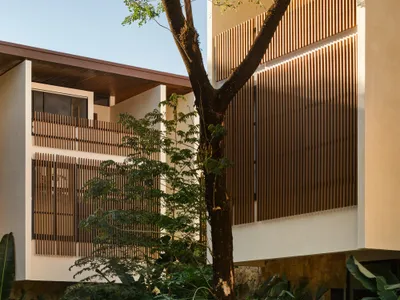
FAMM Arquitectura Organizes Ten Villas Around Courtyards and Jungle in Nosara, Costa Rica
El Molino pairs two elongated volumes with deep overhangs and timber louvers to build a compact coastal community five minutes from the beach.
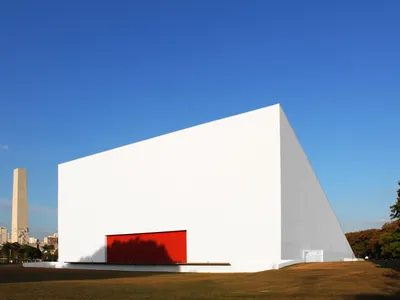
Oscar Niemeyer's Ibirapuera Park Pavilions Define São Paulo's Cultural Identity in Concrete and Curve
A constellation of modernist volumes set within São Paulo's most important urban park, conceived for the city's 400th anniversary in 1954.

How Henri Picq's 1889 Paris Pavilion Traveled 11,000 Kilometers to Become Santiago's Artequín Museum
A prefabricated iron and glass pavilion built for the Paris Universal Exposition found a second life as a children's art museum in Chile.
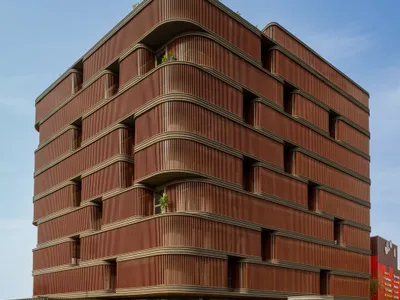
Sanjay Puri Architects Wraps a Jaipur Office Tower in Capsule-Shaped Green Buffers
A nine-level climate-responsive workplace near Jaipur Airport uses stacked planter terraces and aluminium screens to fight 40°C heat.


Explore Architecture Competitions
Discover active competitions in this discipline



Challenge to reimagine the Iron Throne


Photograph architecture without architects


Illustrate the lost glory of Angkor Wat - Render Challenge


Design challenge to reuse E-waste
Comments (0)
Please login or sign up to add comments
No comments yet. Be the first to comment!