
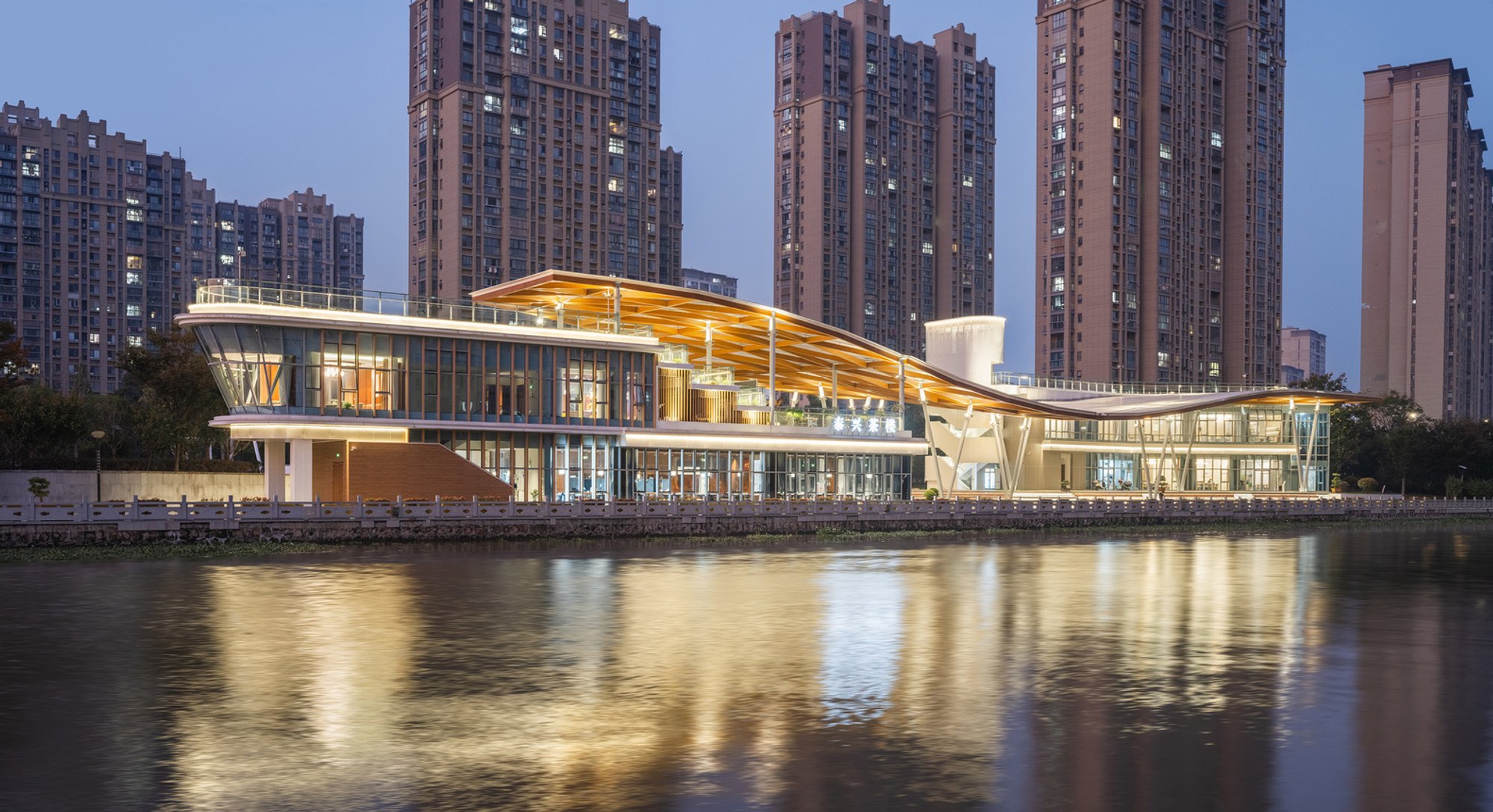
Urban Canalfront Pavilion Design: The Canopy Pavilion by AESEU Studio in Taixing, China
A pavilion in Taixing reactivates disused canalfront buildings into a vibrant public and commercial space through adaptive reuse design.

Revitalizing Taixing's Riverside Legacy Through Contemporary Architecture
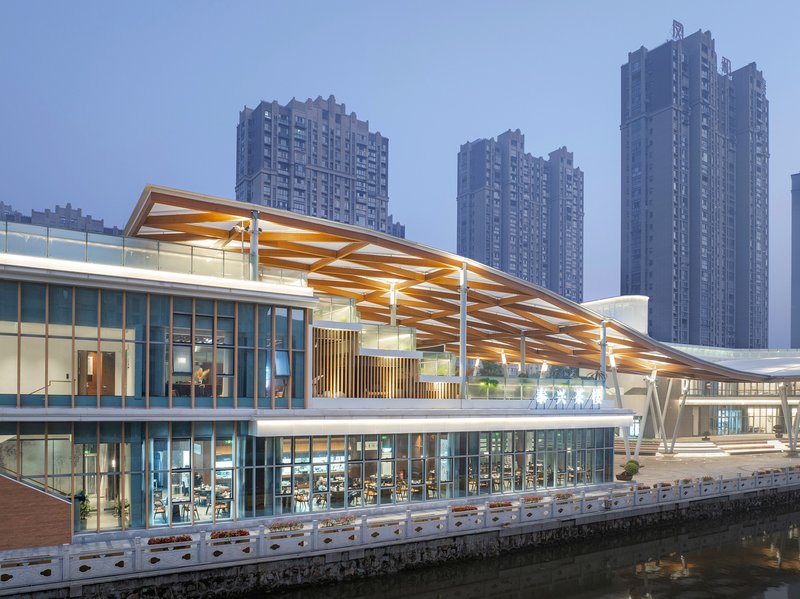
Situated along the historical Rutai Canal in Taixing, Jiangsu Province, The Canopy Pavilion by the Canal is a striking example of urban canalfront pavilion design that bridges heritage with modern urban life. Designed by AESEU Architectural Technology and Art Studio in 2024, this 2400 m² community hub is a centerpiece of the city's “Double Water Nourishing City” project—a visionary initiative aimed at transforming disused riverfront spaces into dynamic cultural and commercial zones.
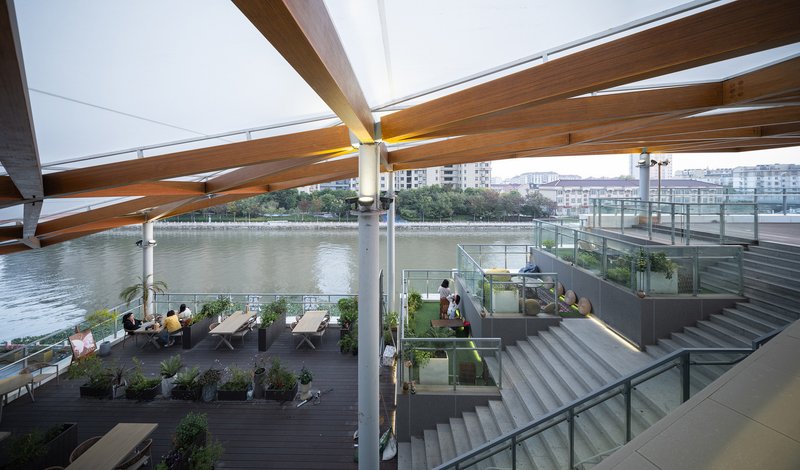
Urban Regeneration Rooted in Water and Memory
Taixing is a millennium-old city, historically shaped by an intricate network of waterways. Its urban form once mirrored mythical creatures—the turtle and the snake—through meandering canals and defensive walls. Over time, however, industrial growth, urban sprawl, and infrastructure expansion fragmented this watery legacy. In 2023, local authorities launched an ambitious plan to reclaim the Rutai Canal and Qiangxi River zones as public leisure spaces, turning obsolete factories and ancillary buildings into scenic, community-centered destinations.
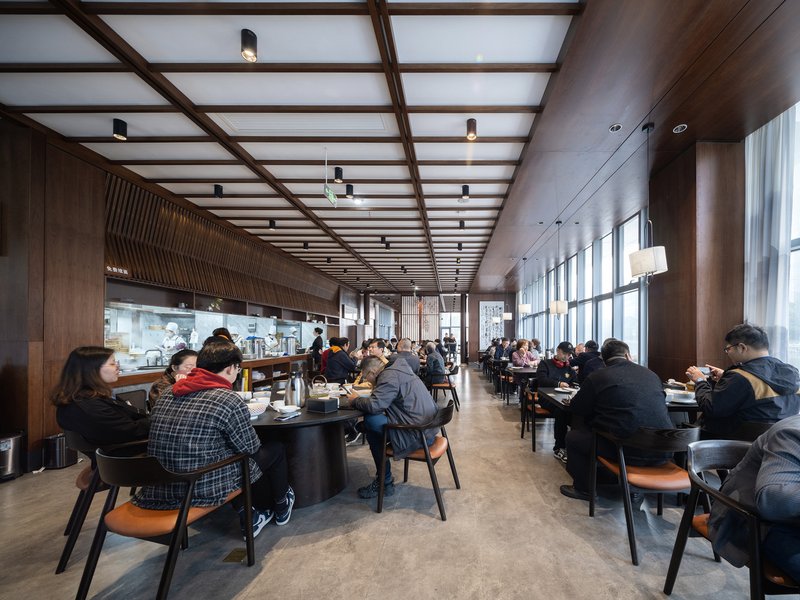
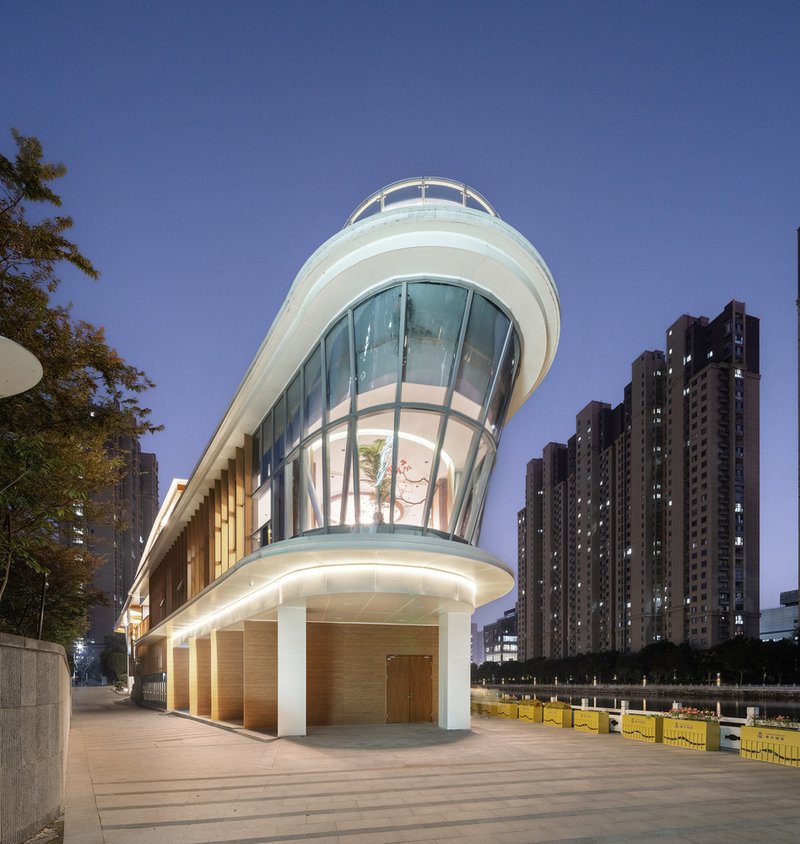
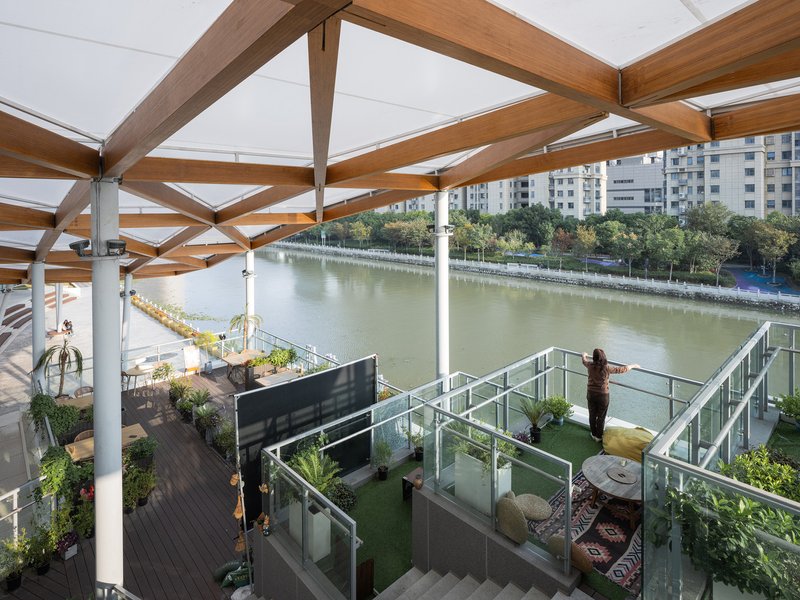
A Pavilion Designed for Public Life and Cultural Flow
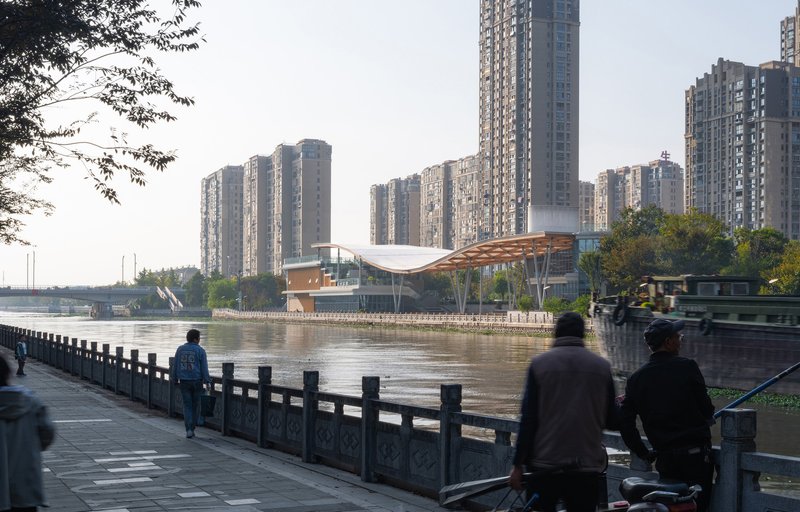
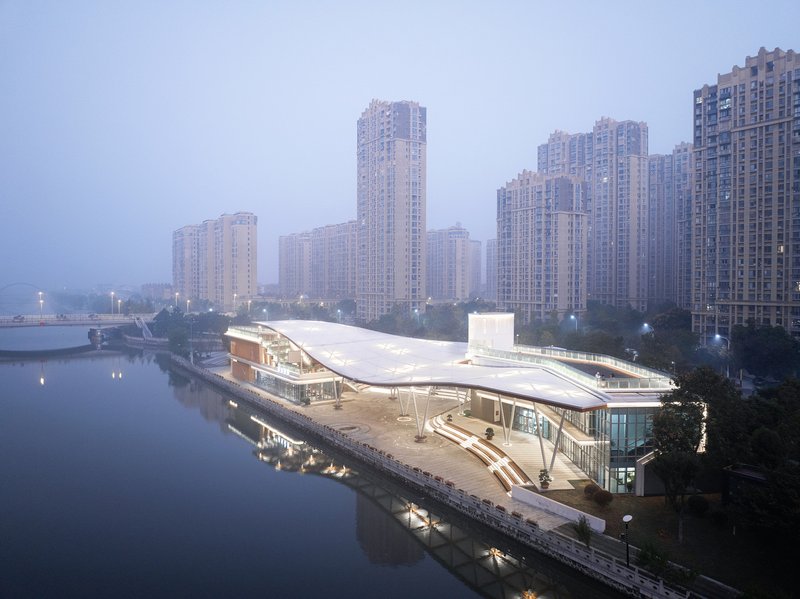
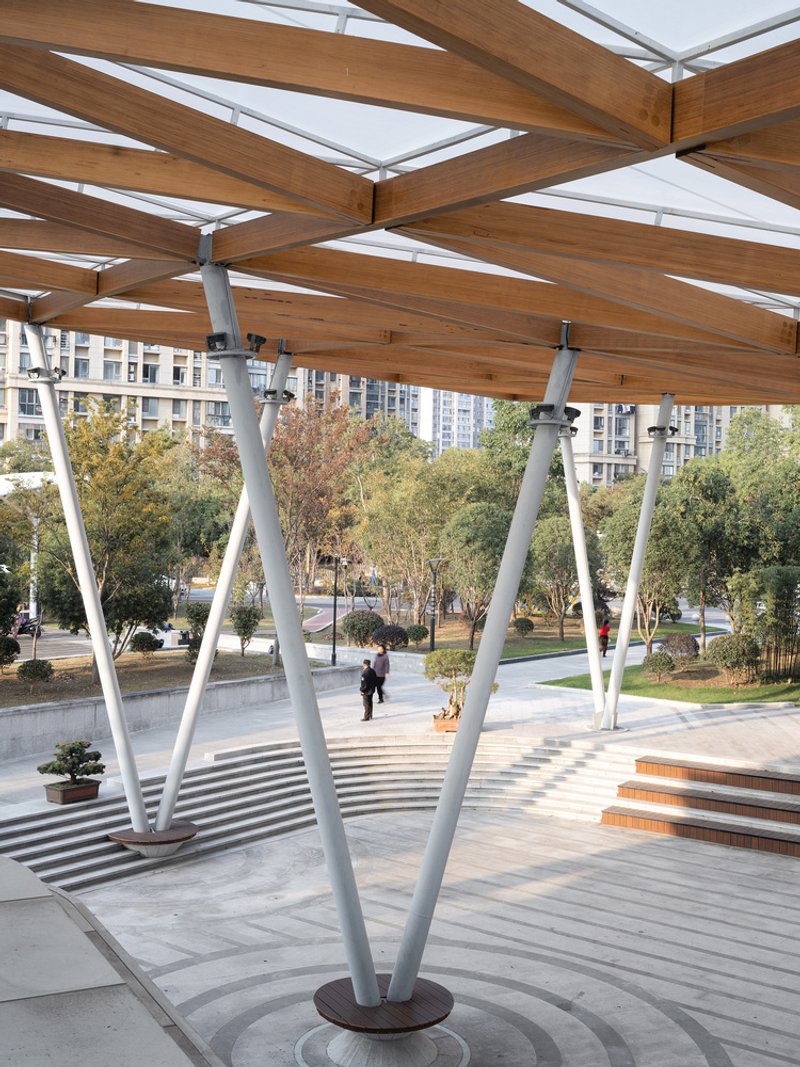
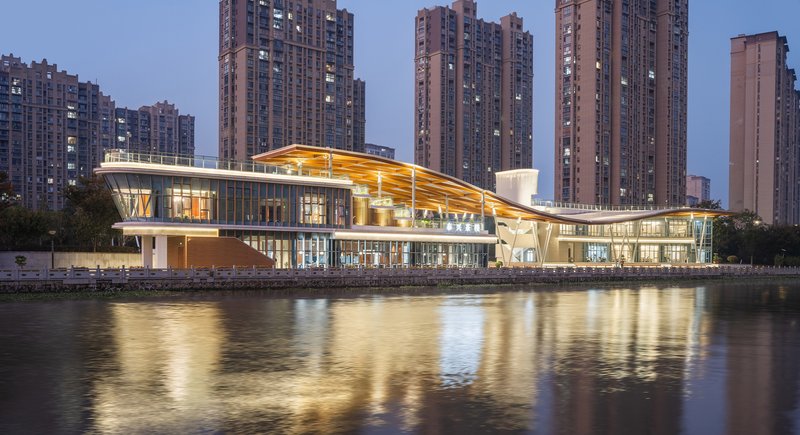
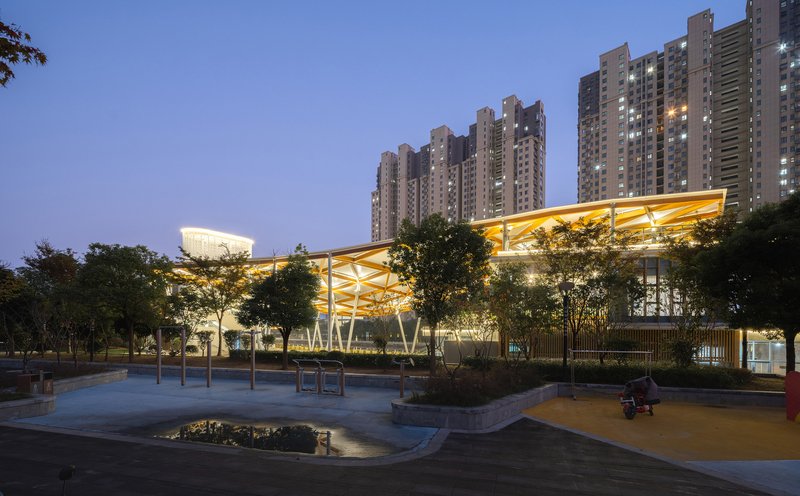
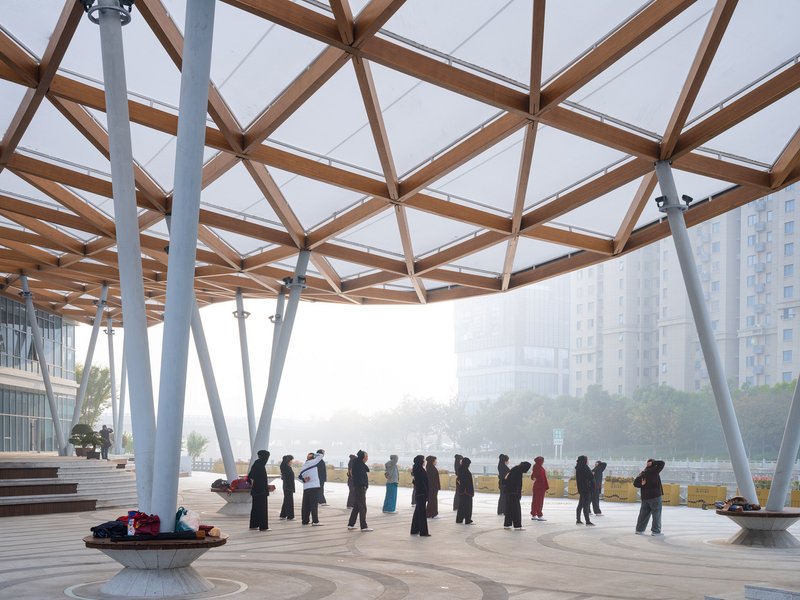
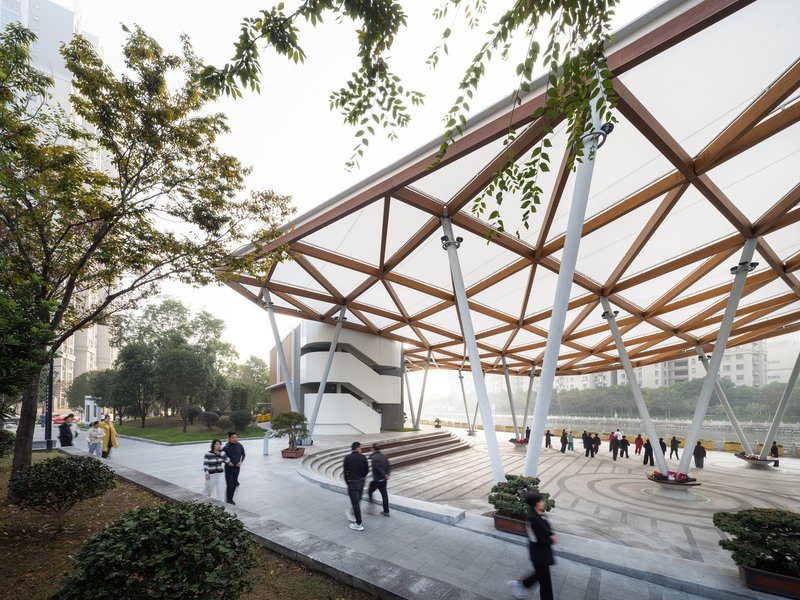
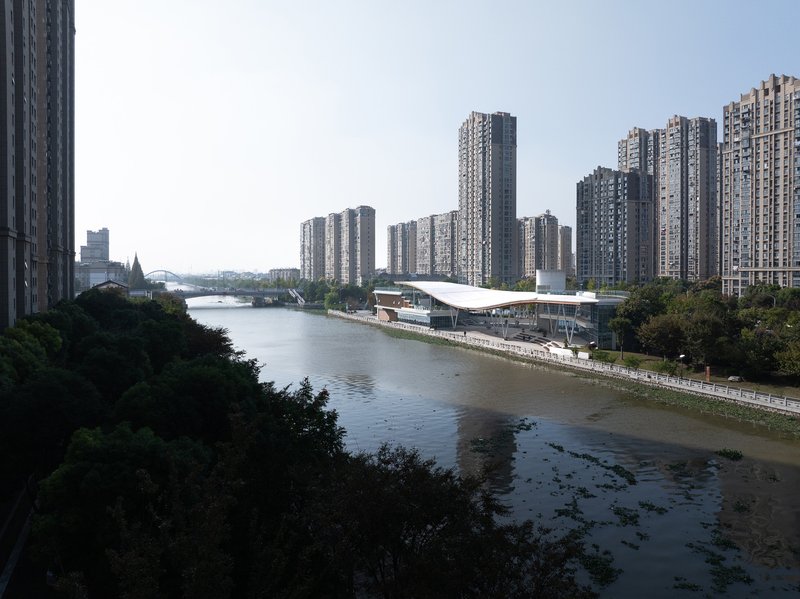
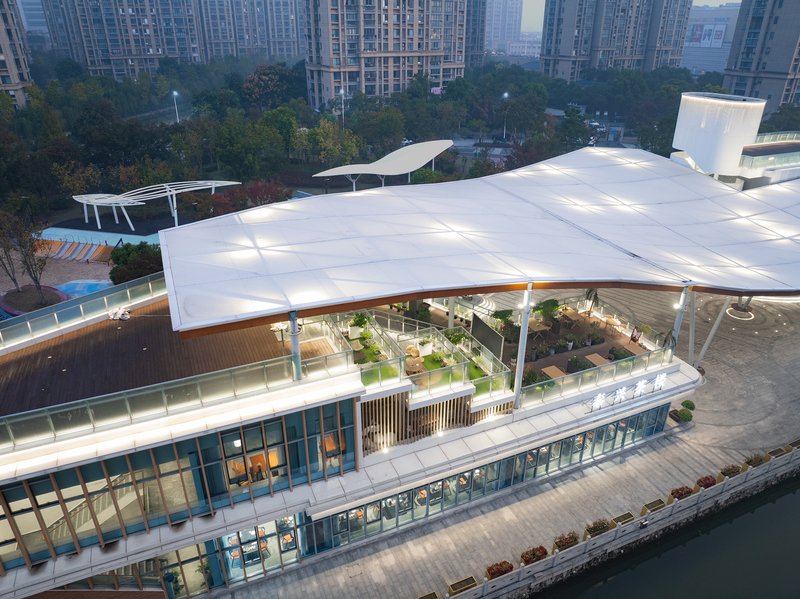
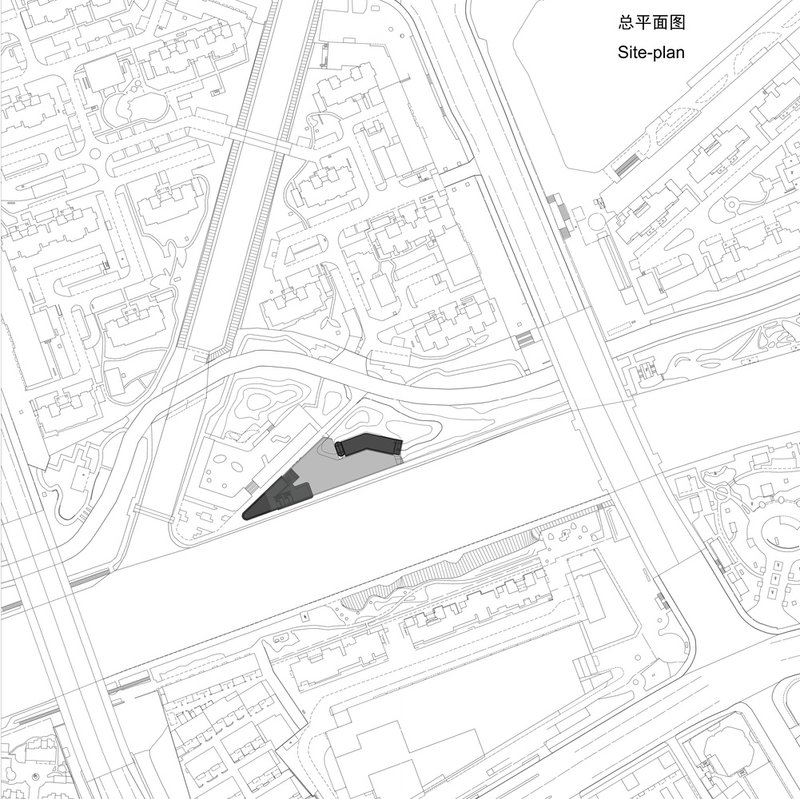
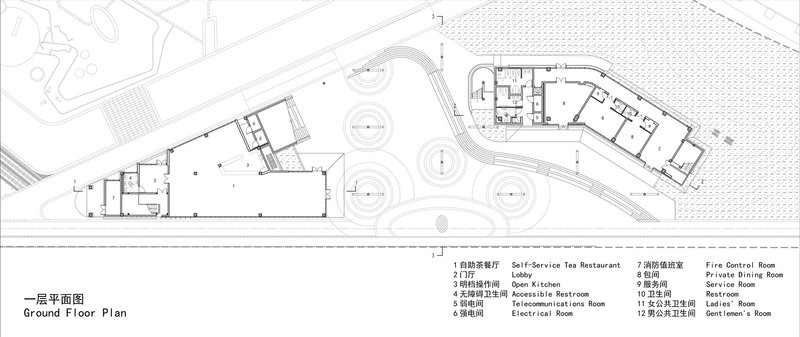
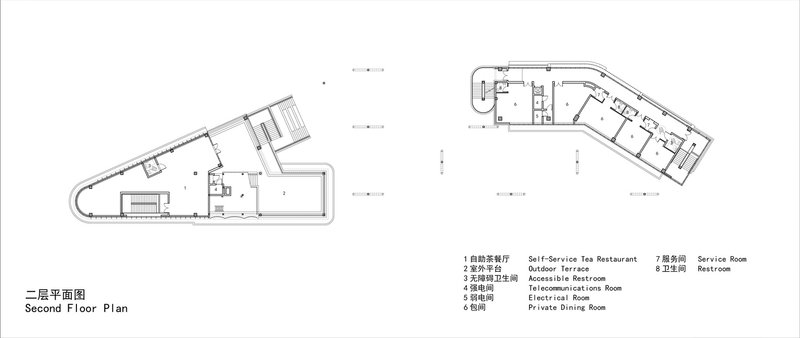
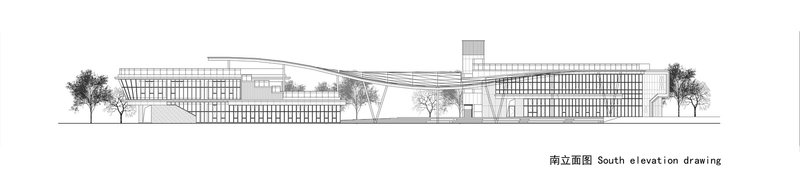
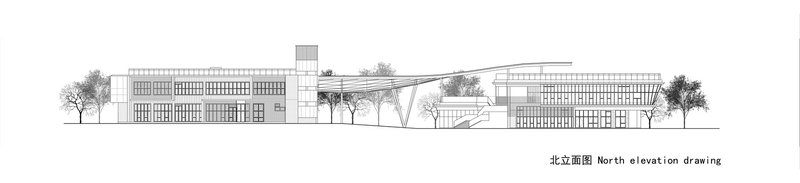
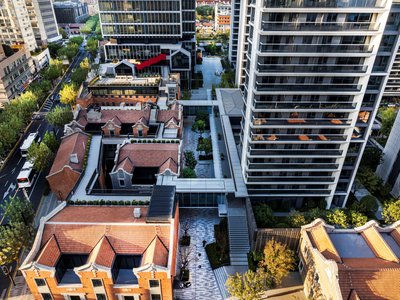
The Canopy Pavilion occupies a prominent triangular riverside plot near the north gate of the old county town—an area now surrounded by modern high-rises and intersected by elevated highways. The site once housed two concrete-framed buildings, one V-shaped and the other zigzagging, both isolated and underused. AESEU’s intervention merges these remnants into a coherent architectural ensemble that embraces its waterfront setting, integrates local foot traffic, and provides new spaces for community gathering, leisure, and small-scale commerce.
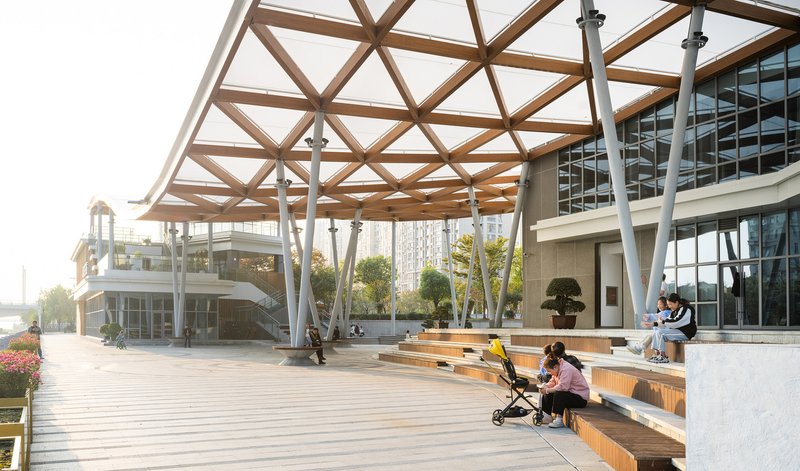
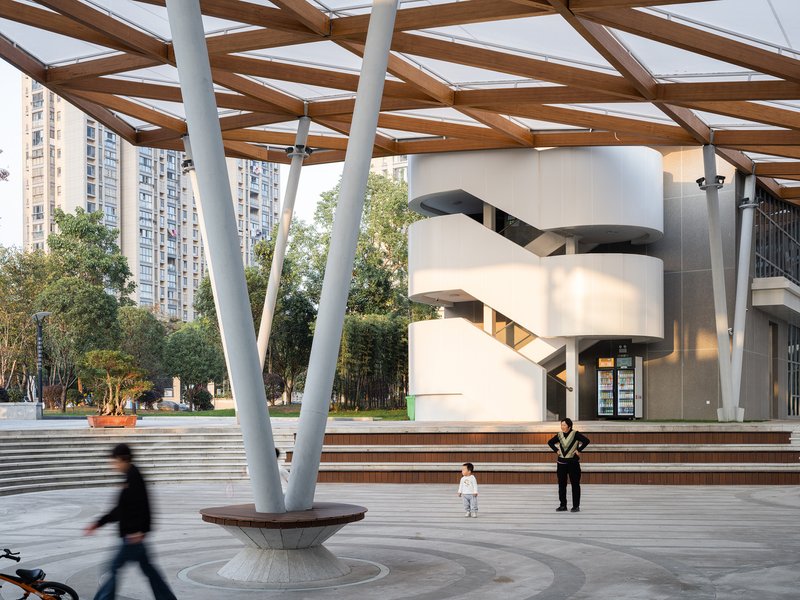
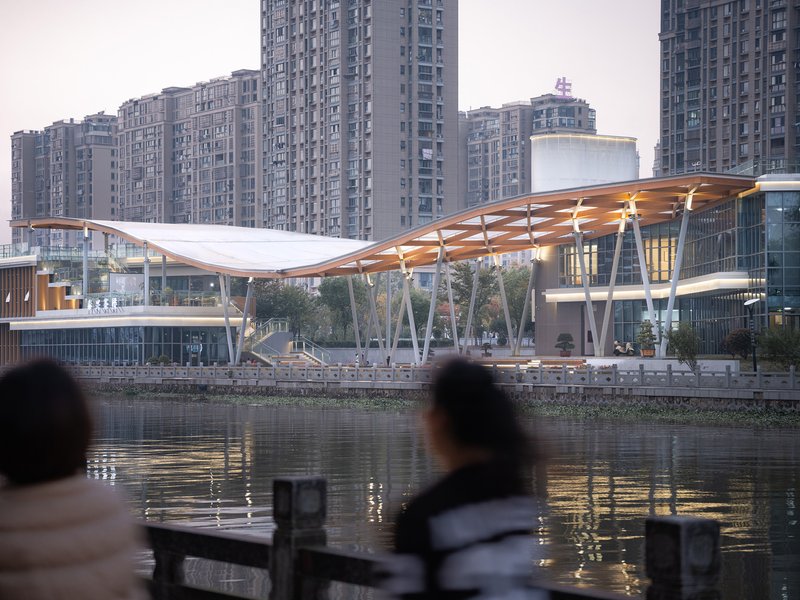
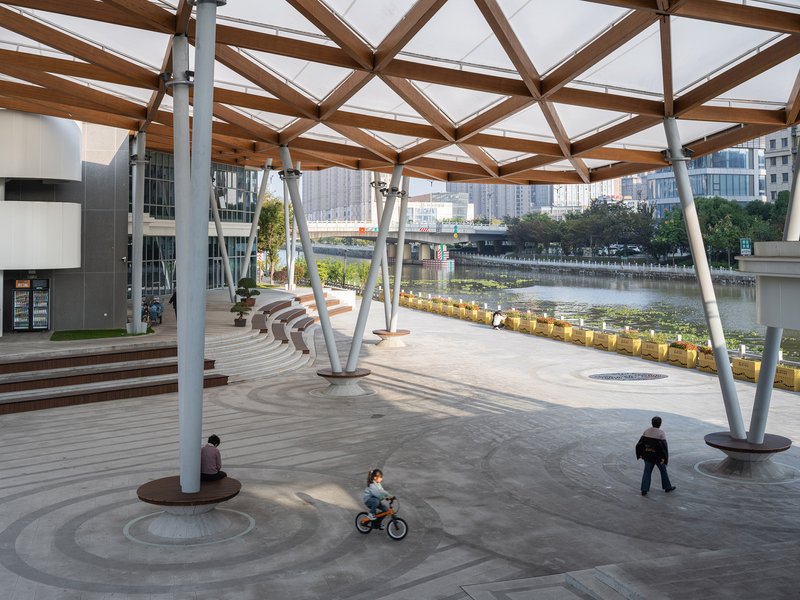
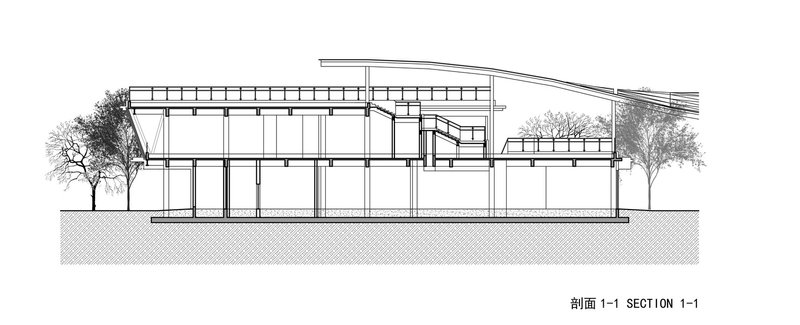
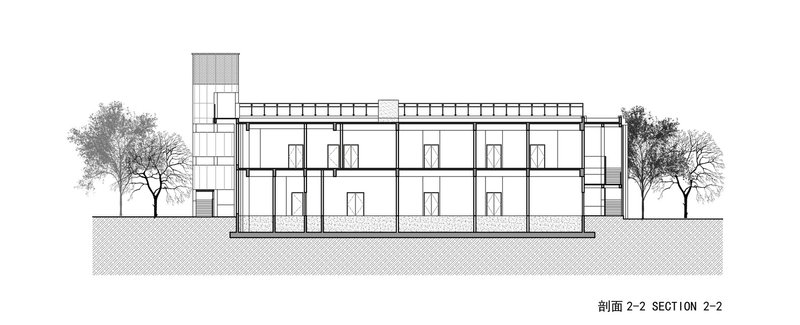
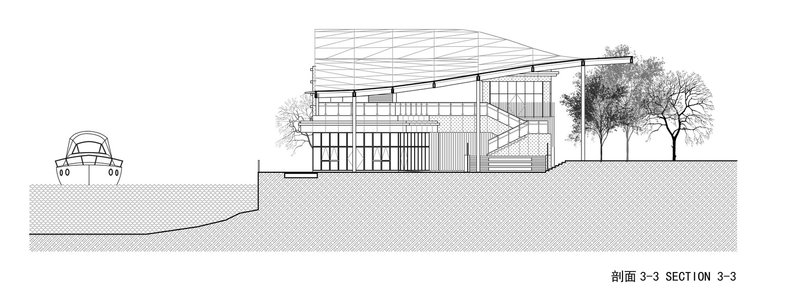
By respecting the original footprints and infusing them with contemporary detailing and accessibility improvements, the design reactivates this area without erasing its historical memory. Stairs and planters mediate elevation changes within the site, while transparent façades and layered canopies blur the line between indoor and outdoor space.
From Abandoned Asset to Operational Public Architecture
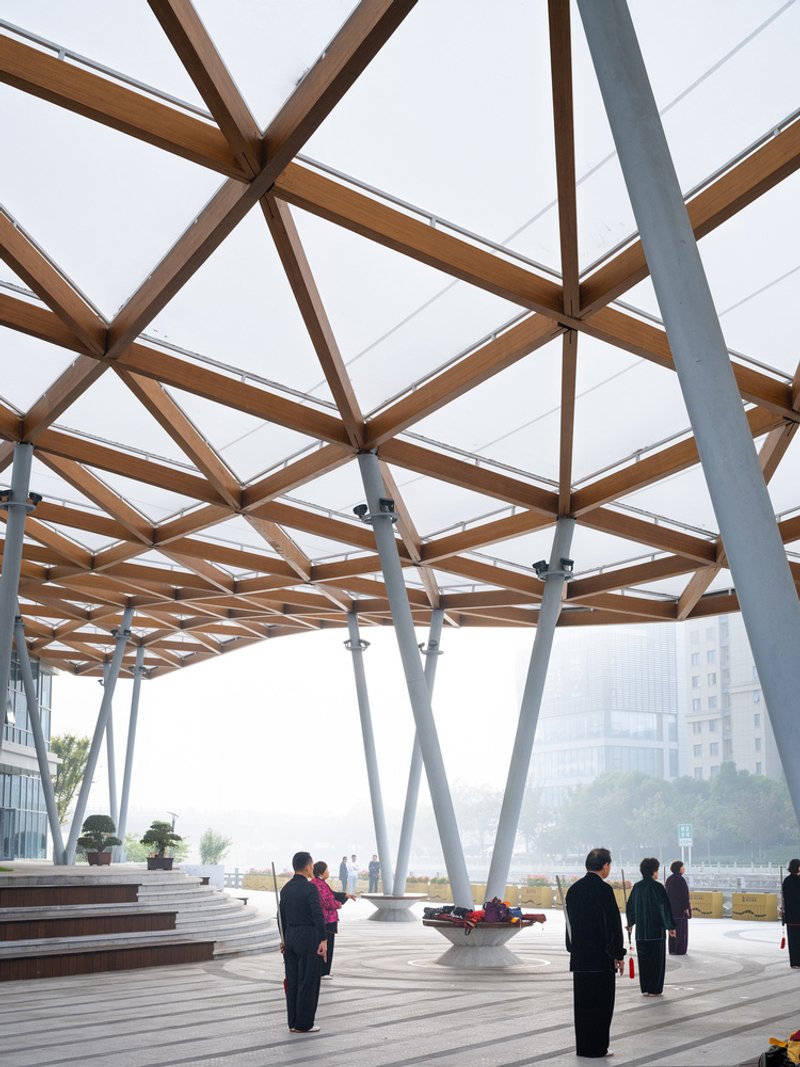
Rather than treating architectural reuse as a purely economic strategy, AESEU approached the project from a broader urban perspective. The goal was not to retrofit a space for predefined functions but to create a flexible platform that supports a variety of programs over time. The Canopy Pavilion thus becomes a model for adaptive urban assets—spaces that accommodate retail, social events, fitness, and community interaction while easing the financial burden of maintaining expansive riverside parks.
This approach positions architecture as a facilitator of both public life and long-term operational sustainability. It recognizes that revitalizing a city’s edges—its forgotten canals, derelict buildings, and leftover sites—can have a profound ripple effect on the urban core.
Cultural Anchoring Through Architectural Language
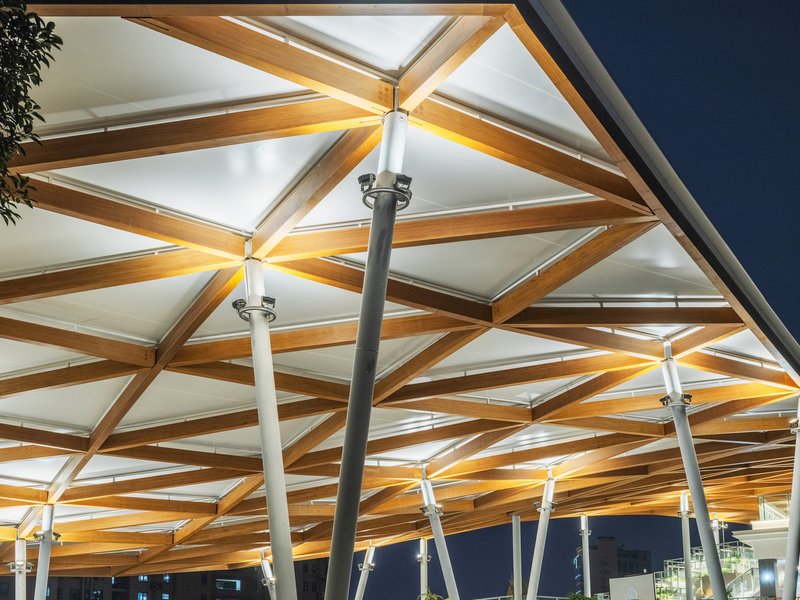
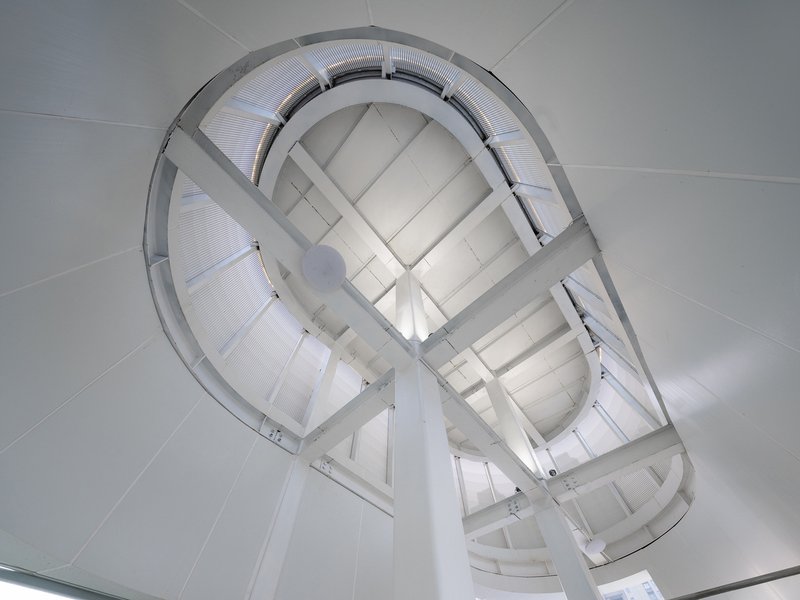
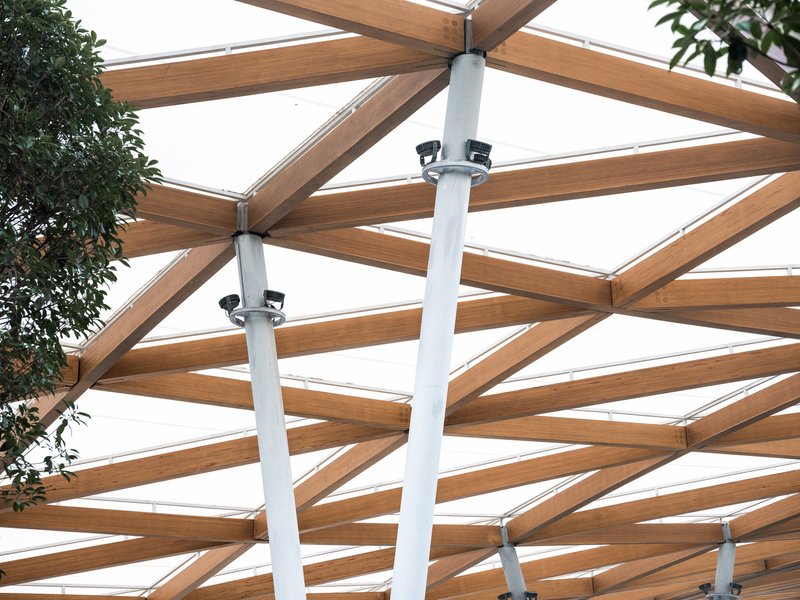
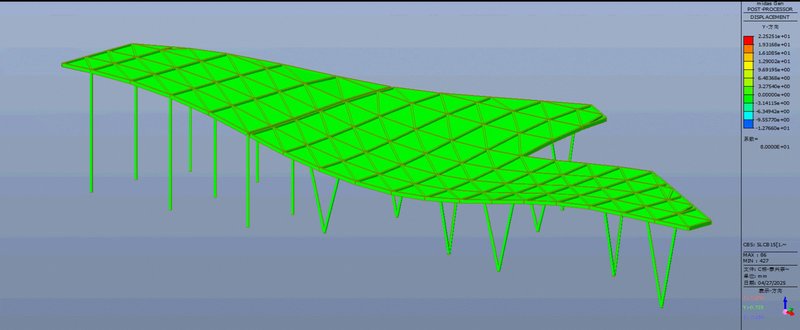
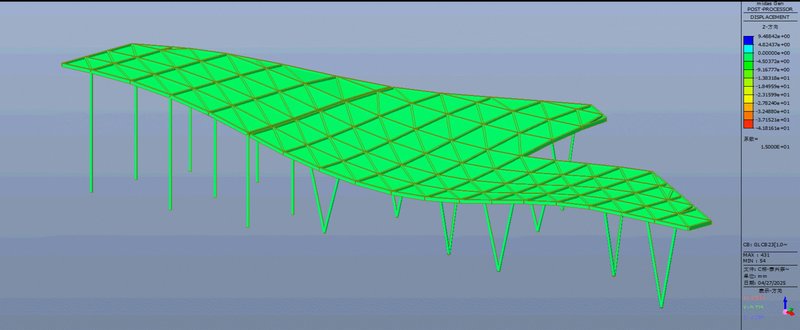
The design language of The Canopy Pavilion is responsive to its cultural and geographic context. Lightweight steel structures, glazed volumes, and wood-textured finishes interact gently with the landscape and reflect the changing light of the water. These elements evoke both modern minimalism and traditional Chinese sensibilities, creating a dialogue between past and present.
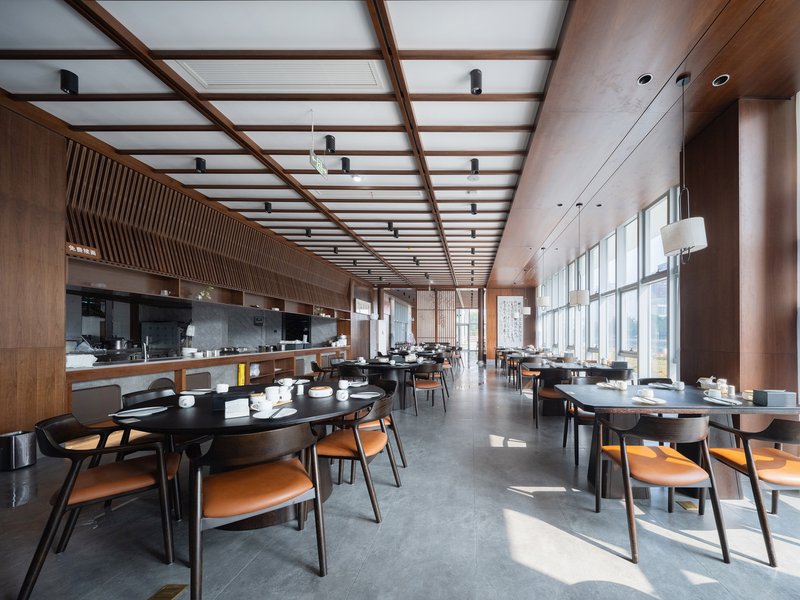
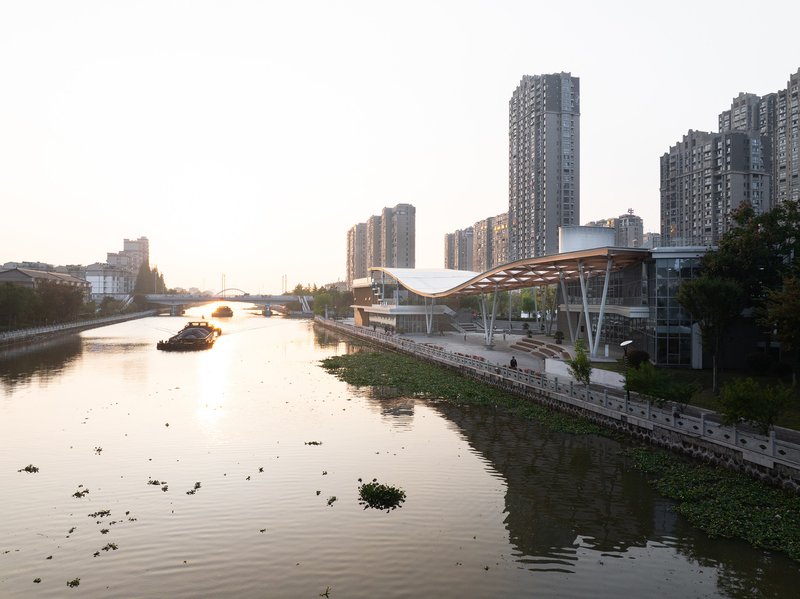
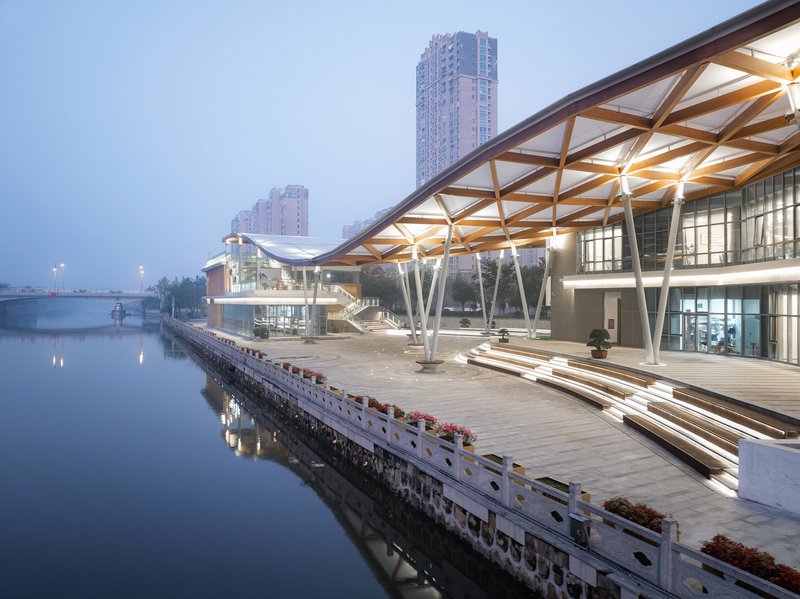
More than a building, the pavilion becomes a participatory framework for urban storytelling—one that anchors the city’s evolving identity while restoring its forgotten edges to public consciousness.
A Prototype for Future-Forward Urban Renewal
The Canopy Pavilion stands as a powerful prototype for the future of urban canalfront pavilion design in Chinese cities. It reimagines neglected infrastructure as connective tissue rather than dead ends, and positions architecture as a catalyst for ecological, economic, and cultural revitalization.
By embracing the unique heritage of Taixing’s canal system, AESEU’s design highlights the potential of thoughtful architectural reuse to transform overlooked spaces into vibrant, multifunctional public assets—ones that not only serve the community today but are resilient enough to adapt to the changing demands of tomorrow.
All Photographs are works of Timeraw Studio



Popular Articles
Popular articles from the community

PLATAFORMArq Folds a Concrete Roof Over the Portuguese Mountains in House #474
A 220-square-meter residence in Teixoso, Portugal, wraps board-formed concrete into an angular canopy that frames the Serra da Estrela foothills.

Milan Crossover: Sustainable Architecture for a New Fashion Culture in Milan
Milan Crossover transforms fashion culture through sustainable architecture, linking material libraries, remake studios, and public runways.
The Faith: Modular Architecture for Play, Learning, and Hope in Kutupalong Refugee Camp
A modular playground architecture project in Bangladesh where play, learning, safety, and hope rebuild childhood inside a refugee camp anew.
IKC de Geluksvogel: Sustainable School Architecture Designed for Free Movement and Digital Learning
IKC de Geluksvogel turns sustainable school architecture into a flexible Maastricht campus for digital learning, nature, and free movement.

Similar Reads
You might also enjoy these articles
Kerstin Thompson Architects Buries a Cultural Center Beneath Its Own Car Park in the Yarra Valley
The Eva and Marc Besen Centre at TarraWarra hides 2,375 square metres of gallery and archive space under a reinstated landscape in Healesville, Australia.
Kerry Kounnapis Packs 800 Daily Coffees into a 43-Square-Metre Melbourne Laneway Bar
Palace Coffee channels Pellegrini's and European standing bars through oxide-red steel and spotted gum timber in a Ridgway Place sliver.
Nikken Sekkei Stacks a Three-Dimensional Lilong Atop Shanghai's Historic Alleyways
A 180-meter tower and restored heritage houses on Nanjing West Road reimagine communal lane life as a vertical mixed-use district.
PLATAFORMArq Folds a Concrete Roof Over the Portuguese Mountains in House #474
A 220-square-meter residence in Teixoso, Portugal, wraps board-formed concrete into an angular canopy that frames the Serra da Estrela foothills.


Explore Architecture Competitions
Discover active competitions in this discipline




The International Standard for Design Portfolios


The Global Benchmark for Architecture Dissertation Awards


The Global Benchmark for Graduation Excellence


Challenge to reimagine the Iron Throne
Comments (0)
Please login or sign up to add comments
No comments yet. Be the first to comment!