

Vista Alegre Pavilion by Terra Capobianco: A Sustainable Architectural Landmark in Rural Brazil
Sustainable CLT pavilion in Brazil integrates historic farm structures, supporting coffee production, ecological restoration, and seamless indoor-outdoor spatial experiences.


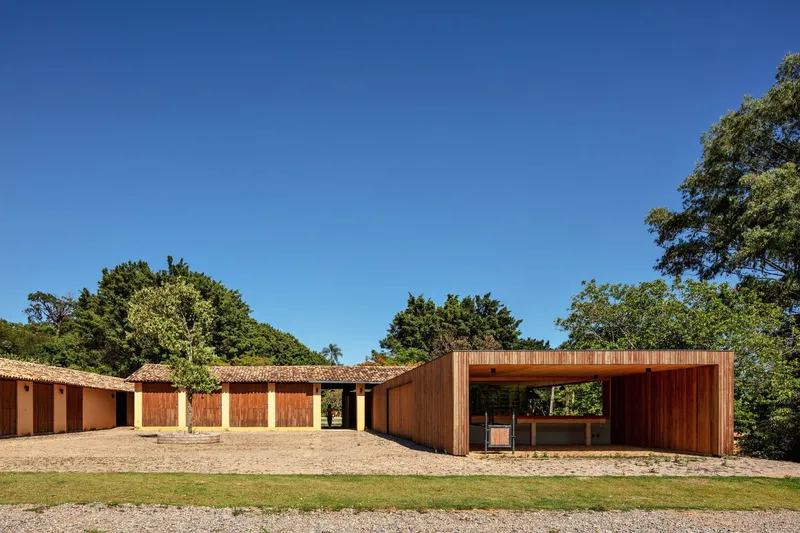
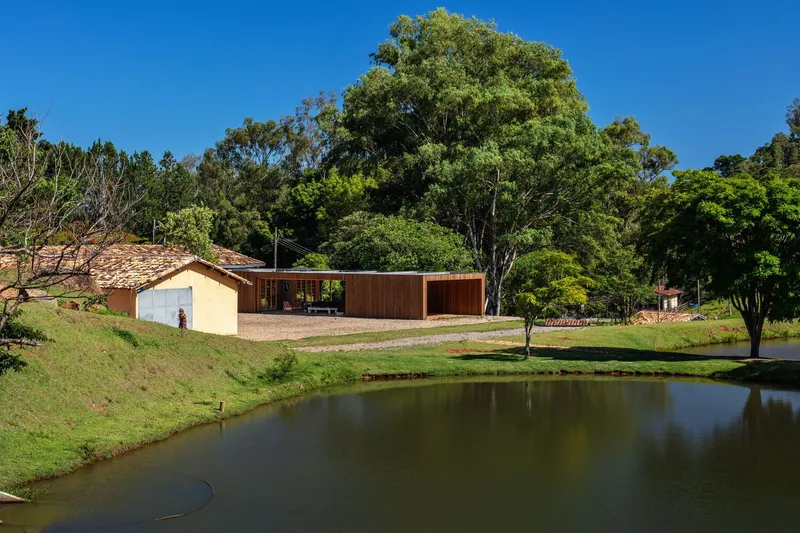
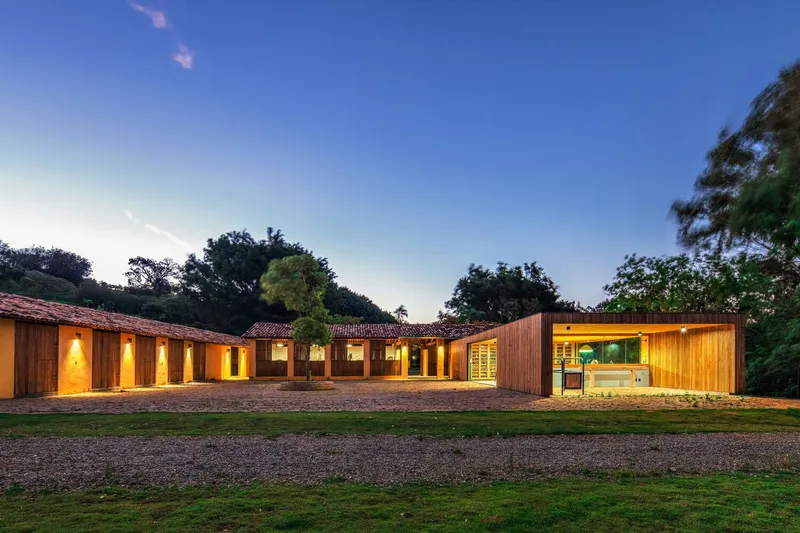
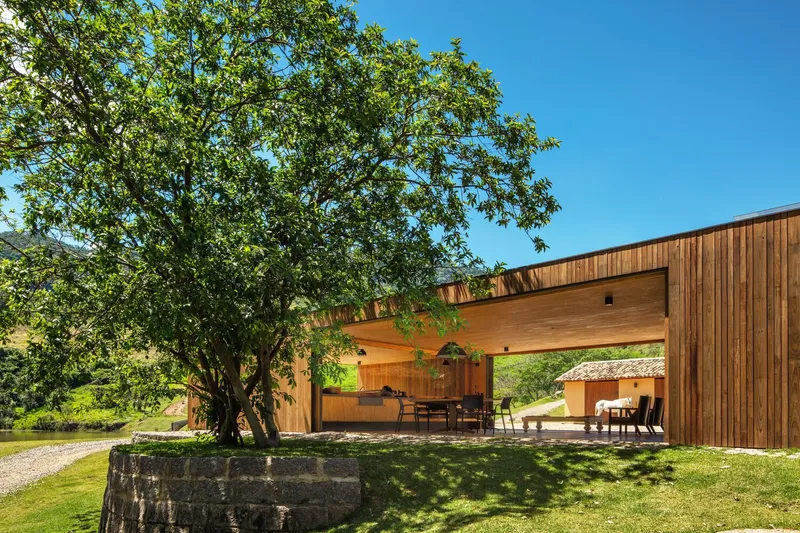
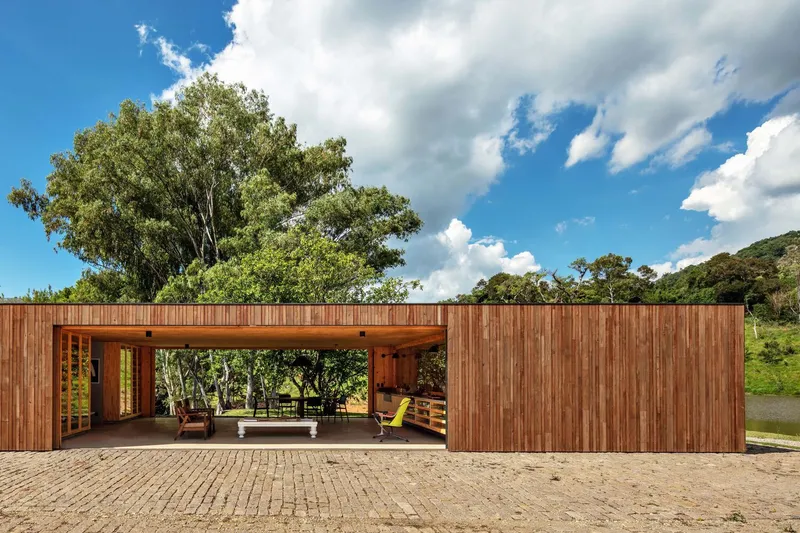
The Vista Alegre Pavilion, designed by Terra Capobianco, is a refined example of sustainable architecture, historic preservation, and rural adaptive reuse in Socorro, Brazil. Located within Fazenda Barreiro, this 120 m² pavilion is part of a broader ecological regeneration strategy that transforms a once-degraded cattle pasture into a thriving hub for organic coffee production and low-carbon agriculture.
Regenerative Landscape and Sustainable Vision
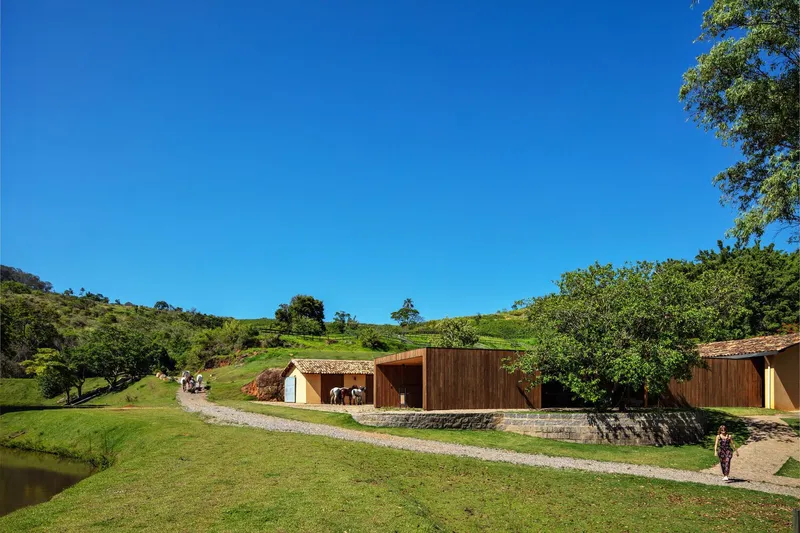
The project is deeply rooted in environmental restoration. The farm has undergone a remarkable transformation through reforestation efforts, with over 40,000 native Atlantic Forest seedlings planted. This ecological initiative positions the site as a benchmark for sustainable farming practices and biodiversity conservation in Brazil. The pavilion complements this vision by acting as a visitor reception and coffee-tasting space, connecting architecture with agricultural experience.
Architectural Integration and Heritage Preservation
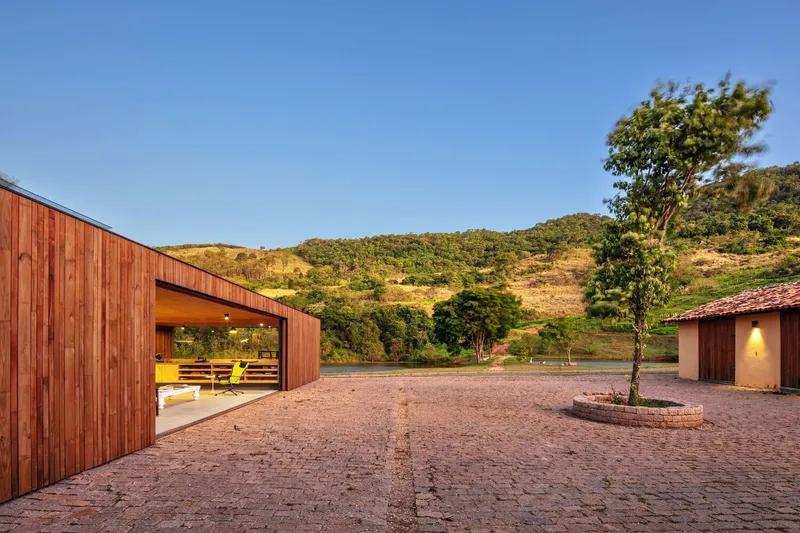
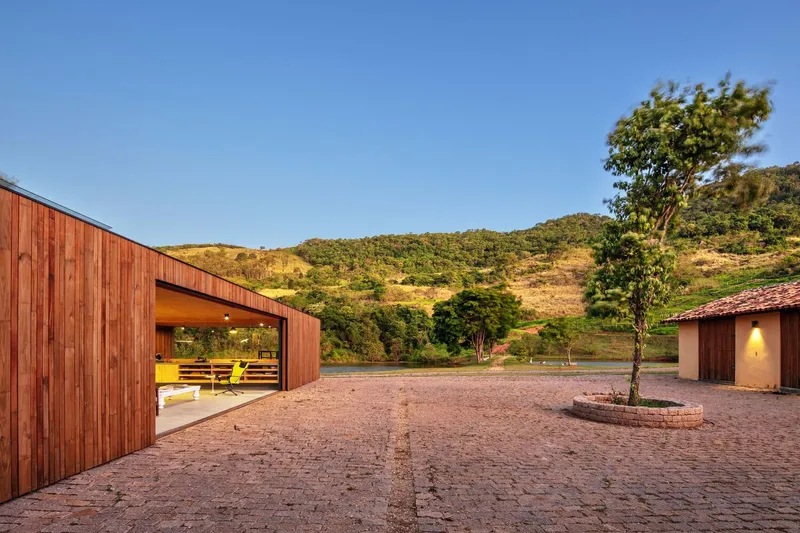
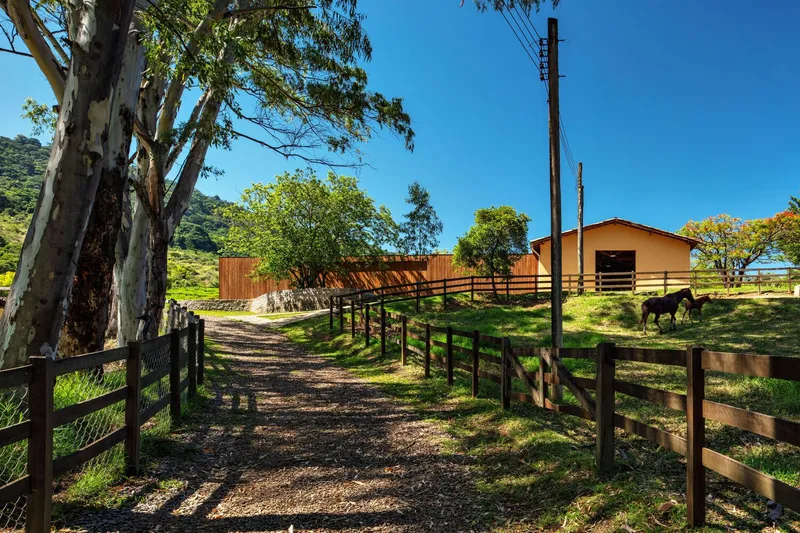
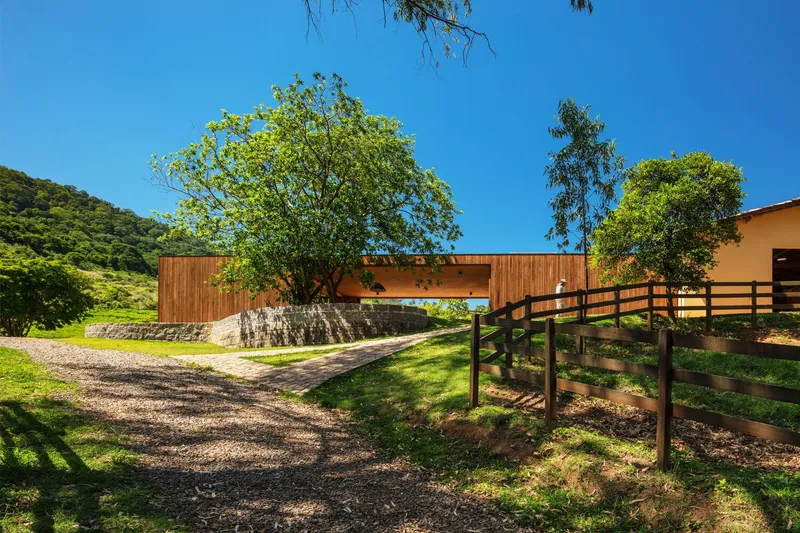
A key aspect of the design is its sensitive integration with the pre-existing horse stables of the former Haras Vista Alegre. Rather than competing with the historical structures, the pavilion introduces a minimalist and contextual intervention, organizing the buildings around a central courtyard. This approach preserves the cultural identity and spatial memory of the site while enhancing its functionality.
CLT Construction and Material Innovation
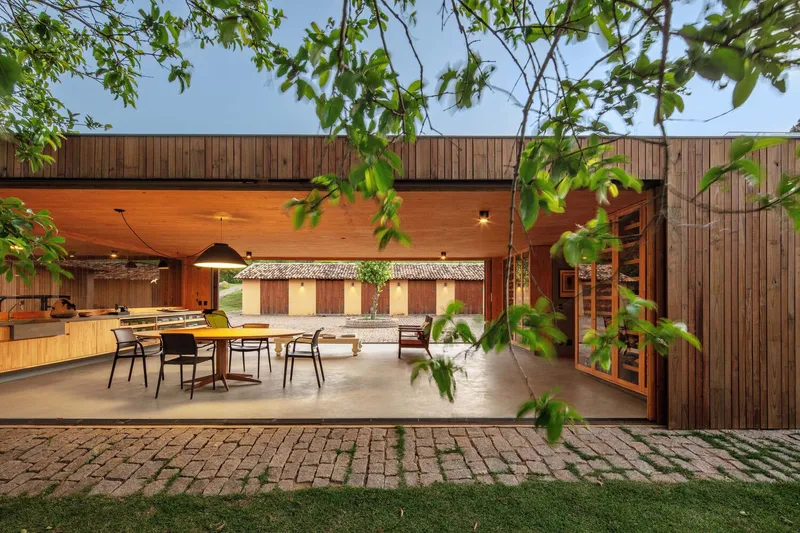
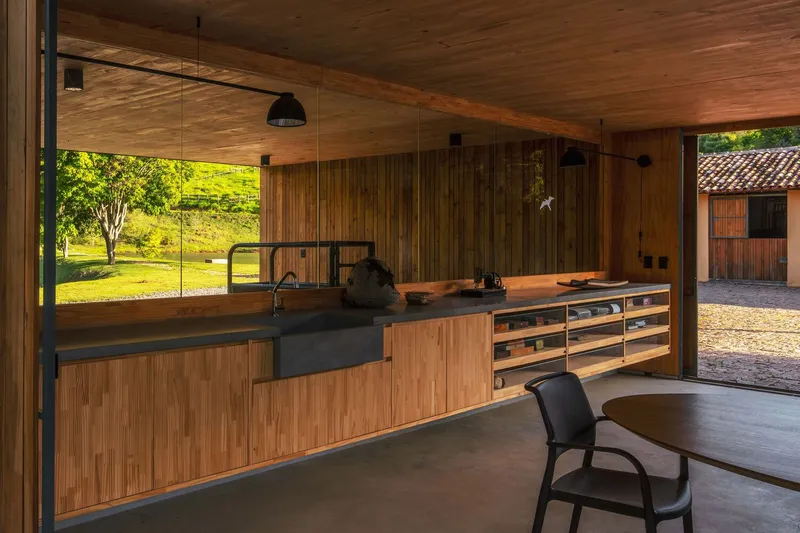
The pavilion showcases advanced construction techniques using Cross Laminated Timber (CLT), a renewable and carbon-neutral material. Prefabricated CLT panels allowed the structure to be assembled in just five days, significantly reducing construction waste and time. The exposed timber interiors, combined with charred pine cladding, ensure durability while creating a warm, tactile aesthetic.
Spatial Experience and Functional Design
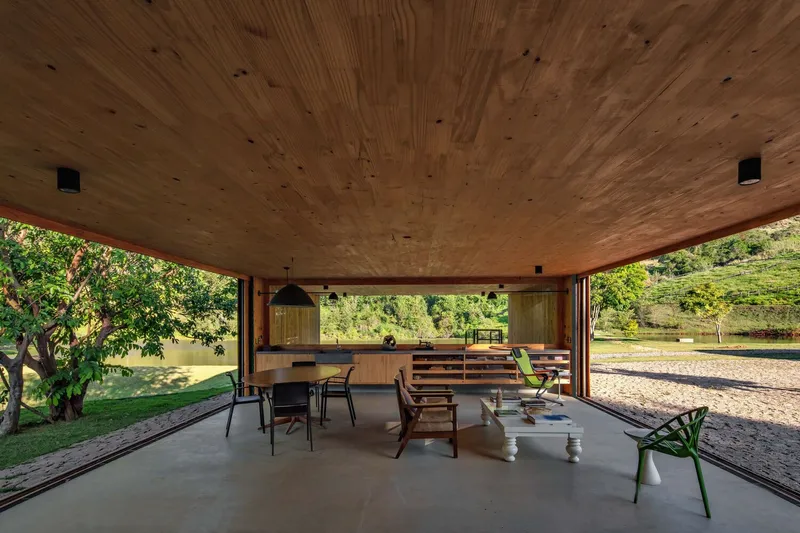
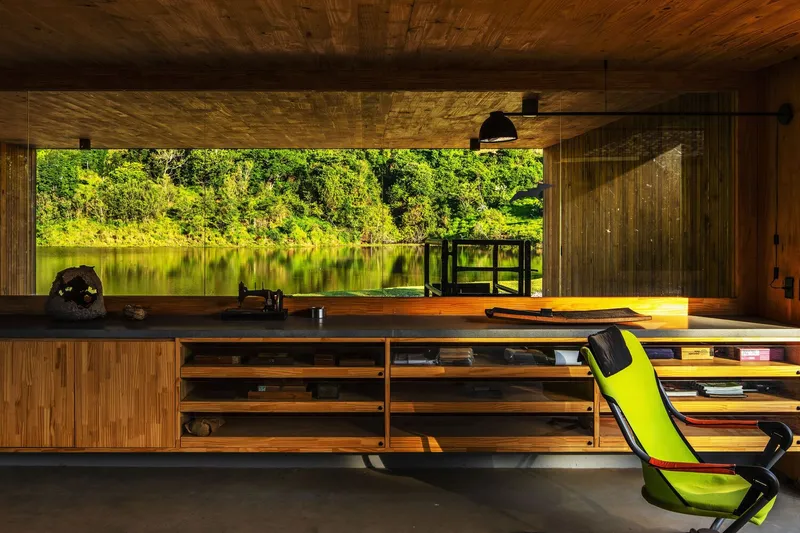
Inside, the pavilion is designed for social interaction and immersive experiences. A basalt bench anchors the main hall, offering a space for coffee tasting and relaxation. Sliding doors seamlessly connect indoor and outdoor environments, enhancing natural ventilation, daylighting, and visual continuity with the surrounding landscape.
The Vista Alegre Pavilion stands as a powerful example of how sustainable materials, adaptive reuse, and rural architecture can coexist to create meaningful, environmentally responsible spaces.
All photographs are works of
Nelson Kon


Popular Articles
Popular articles from the community


Opera on the Sea: Driftwood Logic Shapes a Timber Opera House on Estonia's Coast
Trevor Orgill's opera house translates the entangled drift of floating timber into a civic building where wood, water, and music converge.

Cloaked Colonization: A Mobile Underwater Habitat That Moves Like a Fish
Micah Abaya's shortlisted EHC Pacific entry reimagines ocean settlement as a dispersed network of self-sustaining architectural organisms.

Faces of the Soviet Avant-Garde: Turning Moscow's Street Names into an Open-Air Museum
A network of sculptural installations across a Moscow residential district transforms forgotten architect names into spatial encounters with cultural memor
Tsunami Convergenics: Turning Catastrophic Ocean Forces into Underwater Housing Infrastructure
A speculative underwater settlement off the coast of Onagawa, Japan, treats tsunamis and typhoons as energy sources rather than threats.

Similar Reads
You might also enjoy these articles

FAMM Arquitectura Organizes Ten Villas Around Courtyards and Jungle in Nosara, Costa Rica
El Molino pairs two elongated volumes with deep overhangs and timber louvers to build a compact coastal community five minutes from the beach.
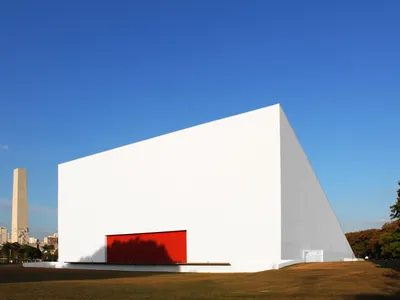
Oscar Niemeyer's Ibirapuera Park Pavilions Define São Paulo's Cultural Identity in Concrete and Curve
A constellation of modernist volumes set within São Paulo's most important urban park, conceived for the city's 400th anniversary in 1954.
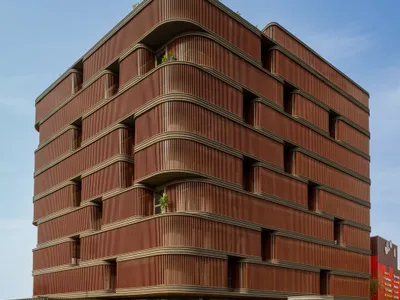
Sanjay Puri Architects Wraps a Jaipur Office Tower in Capsule-Shaped Green Buffers
A nine-level climate-responsive workplace near Jaipur Airport uses stacked planter terraces and aluminium screens to fight 40°C heat.
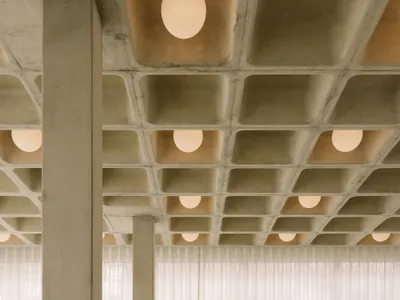
RHO Converts a Berlin Spree-Side Industrial Courtyard into Enkime's 1,000 m² Agency Headquarters
A social media agency's new home in Charlottenburg trades glossy branding for concrete waffle ceilings, glazed tile, and sheer curtains.

Explore Architecture Competitions
Discover active competitions in this discipline

Challenge to reimagine the Iron Throne

Photograph architecture without architects

Illustrate the lost glory of Angkor Wat - Render Challenge

Design challenge to reuse E-waste
Comments (0)
Please login or sign up to add comments
No comments yet. Be the first to comment!