

Xuelei Fragrance Museum: Translating Scent into a Multisensory Architectural Experience
Fragrance museum with brick volumes and sensory spaces, translating scent into architecture through light, movement, material, and immersive public experience.


Located in the core of MinKe Park in Guangzhou, China, the Guangzhou Xuelei Fragrance Museum by Shenzhen Huahui Design redefines the conventional museum typology by centering its concept around scent, an invisible and intangible medium. Rather than relying solely on visual expression, the project explores how architecture can engage memory, perception, and emotion through a multisensory experience. It becomes not just a building, but a narrative environment where fragrance is translated into space.
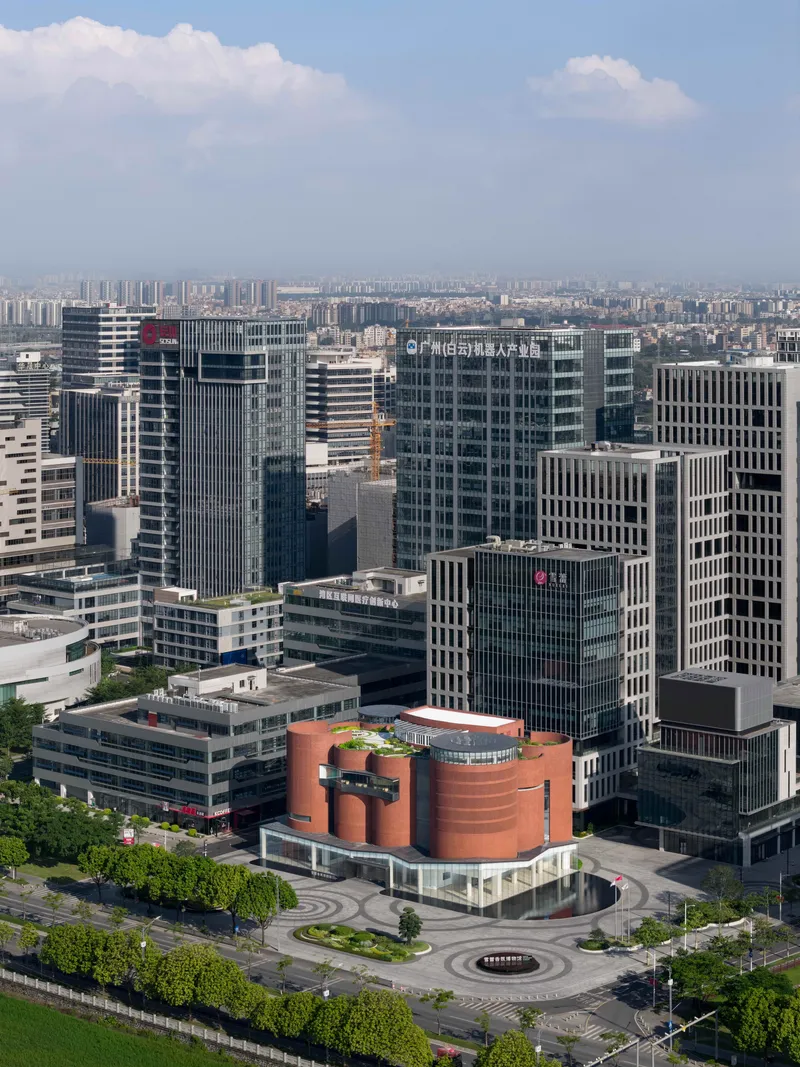
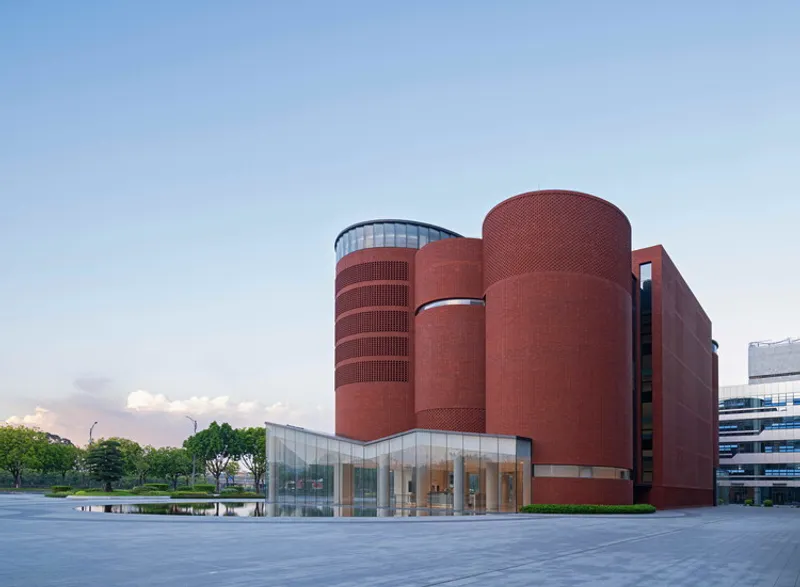
The project is positioned within a dense industrial context, where it establishes a dialogue between culture and production. The masterplan organizes the site into two complementary zones: a compact office campus to the north and an open, publicly accessible museum precinct to the south. This southern zone is defined by a generous plaza that acts as an urban living room, accommodating exhibitions, events, and everyday public activity. Through this spatial arrangement, the museum bridges corporate identity with civic engagement, transforming the site into a dynamic cultural hub.
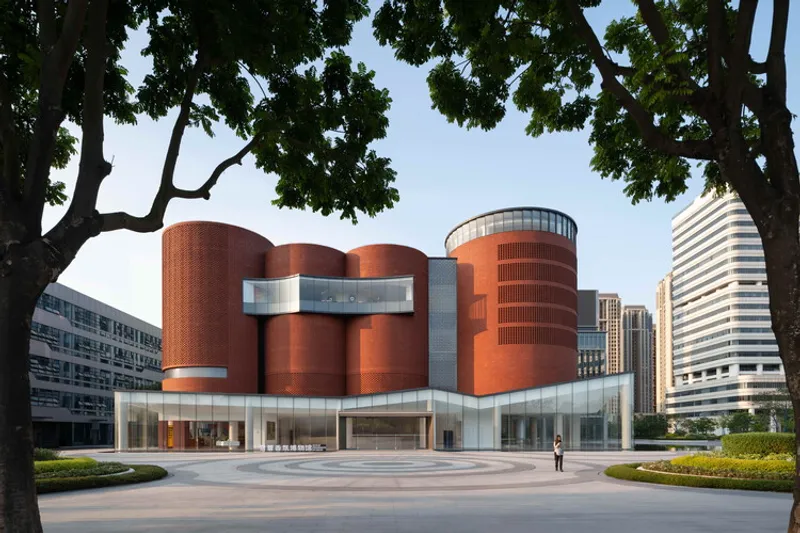

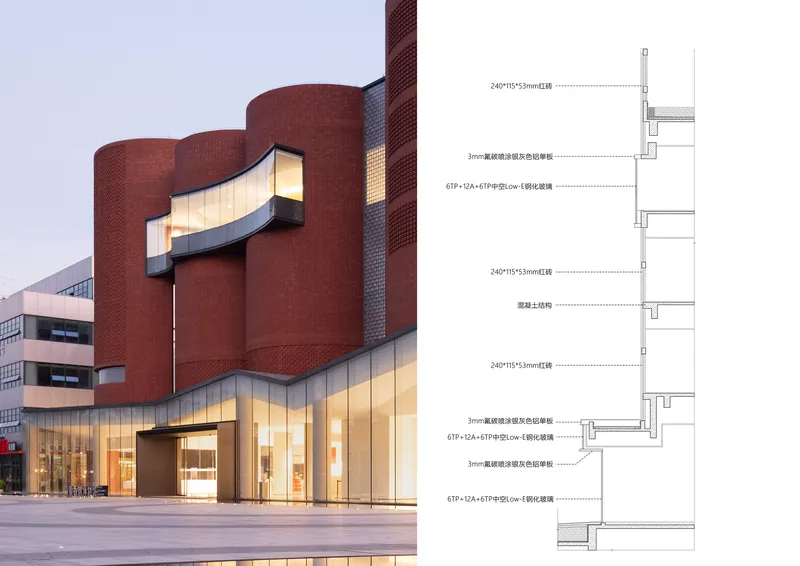
Architecturally, the building is conceived as an abstract representation of the perfume-making process. The main structure is composed of eight cylindrical volumes of varying sizes, arranged in a composition that evokes stages of distillation, blending, and refinement. These forms give the building a sculptural presence while reinforcing its conceptual narrative.
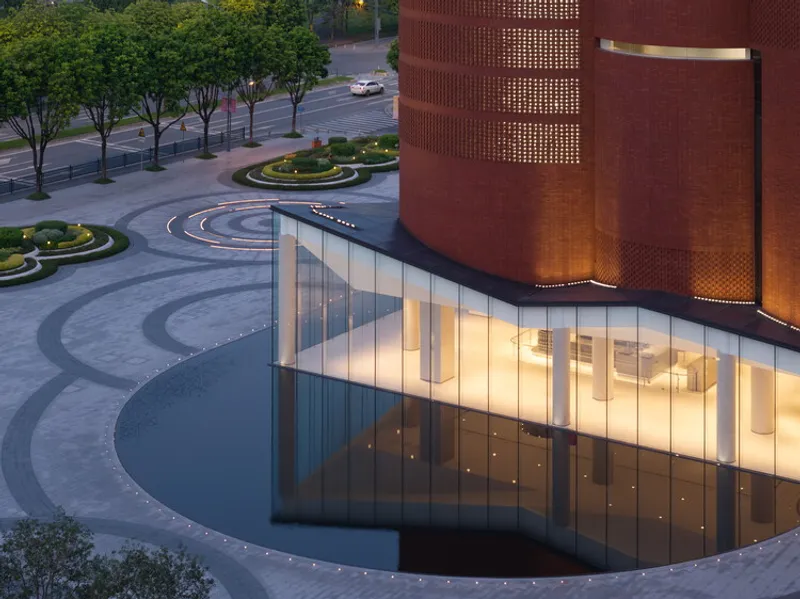
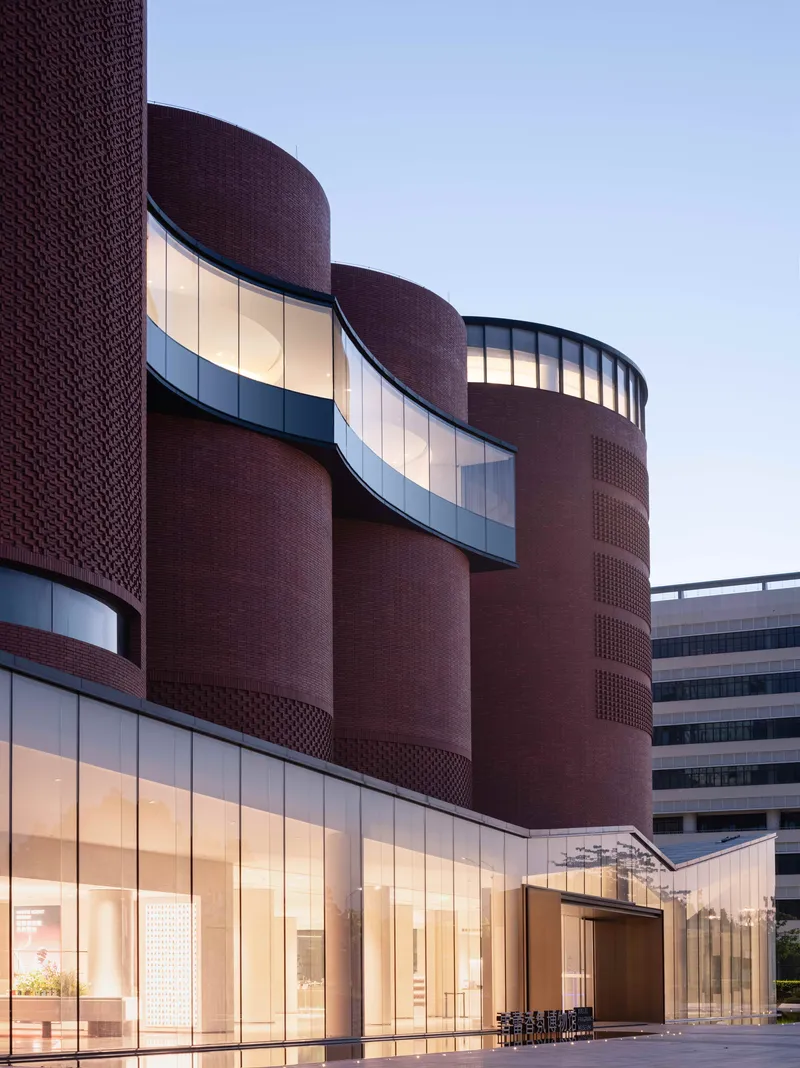
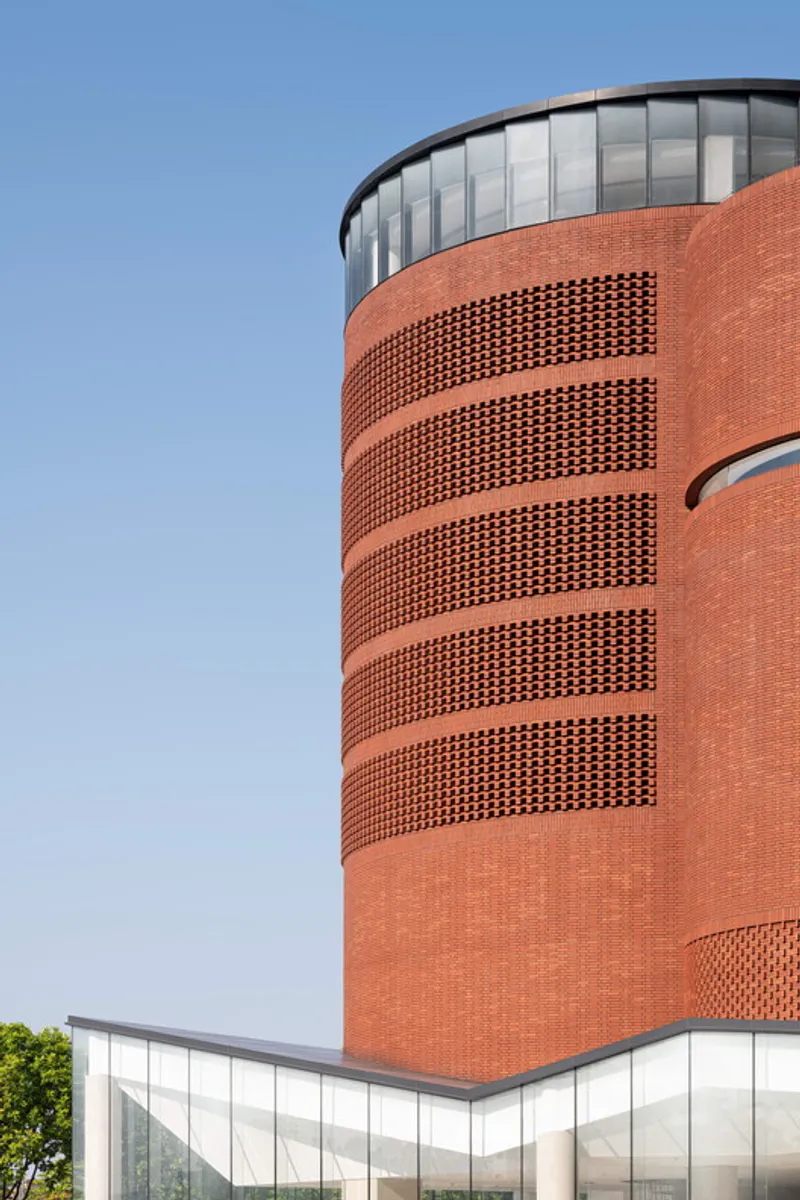
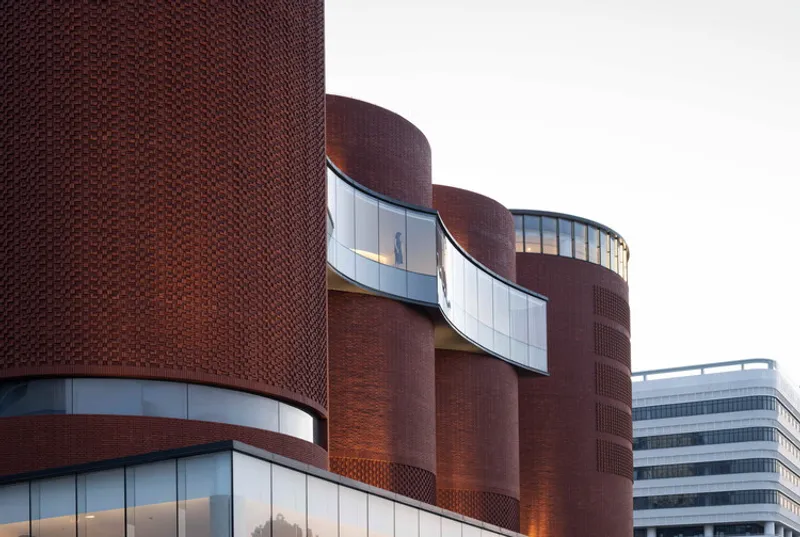
Materiality plays a crucial role in expressing this idea. Red brick is used as the primary material, symbolizing both the earth from which raw ingredients are derived and the craftsmanship involved in fragrance production. The façade is articulated through diverse bricklaying techniques: perforations, recesses, and textured reliefs: that allow light, air, and glimpses of the interior to pass through. This porous quality mirrors the diffusion of scent, creating an architecture that feels breathable and alive.
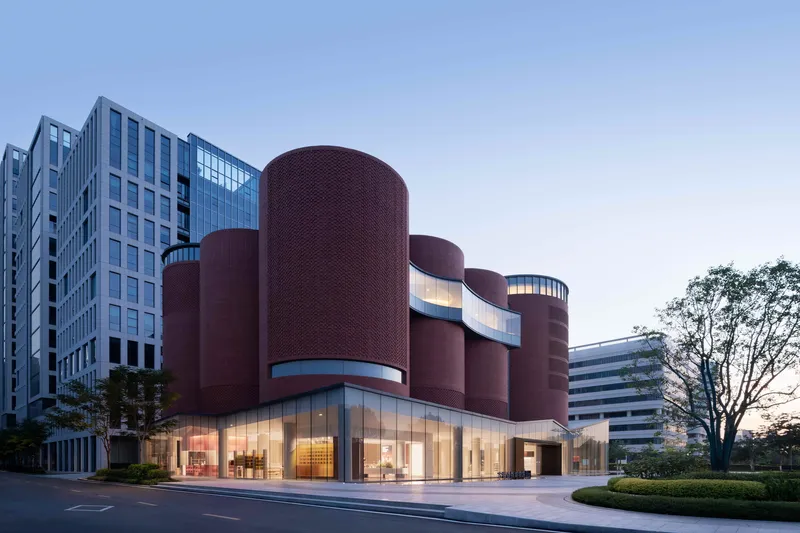
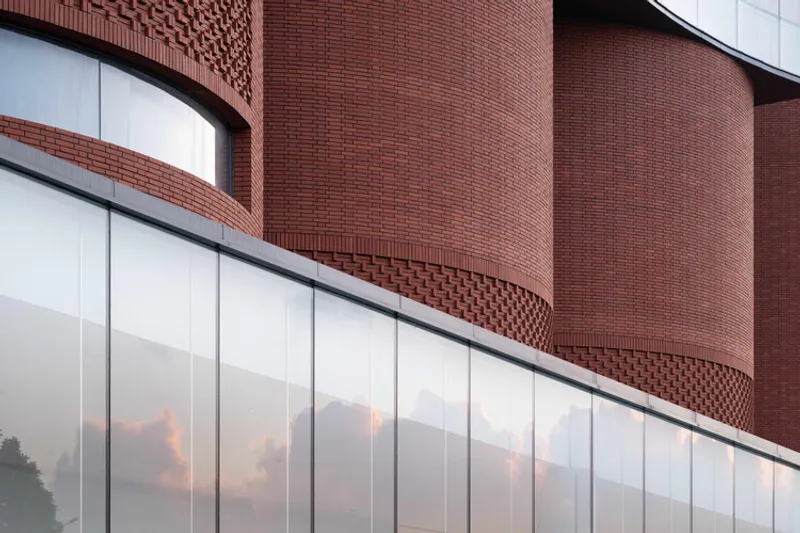
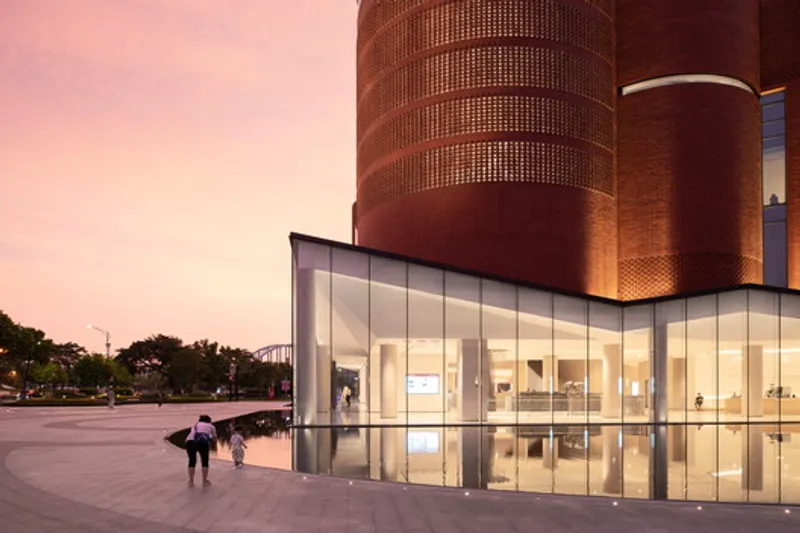
At ground level, transparency becomes a key strategy. Glass façades open the building to the surrounding city, inviting visitors into the museum and dissolving the boundary between interior and exterior. Reflecting pools and faceted colored glass introduce layers of reflection and movement, enhancing the sensory richness of the environment. The contrast between the solidity of brick and the lightness of glass creates a dynamic interplay between permanence and fluidity.
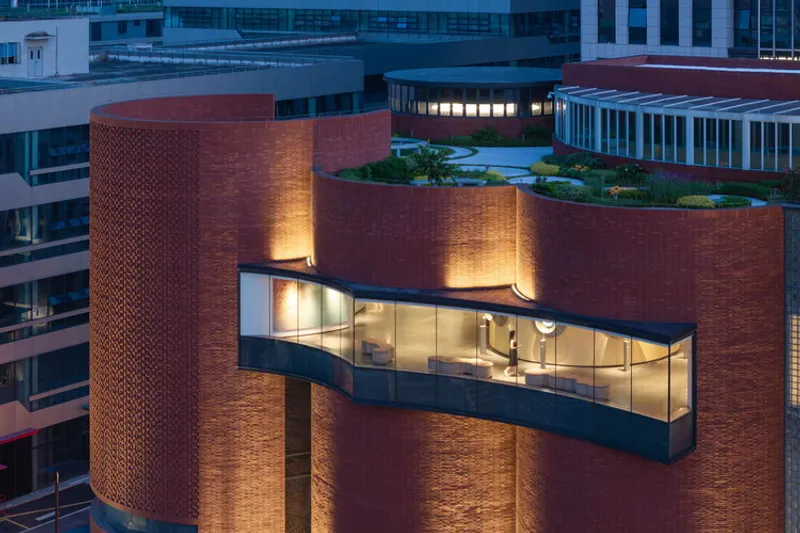

A curved glass corridor on the upper level further enriches the spatial experience, functioning both as a viewing platform and as a connective element that frames perspectives across the site. This elevated pathway allows visitors to engage with the architecture from multiple vantage points, reinforcing the idea of movement as an integral part of the narrative.

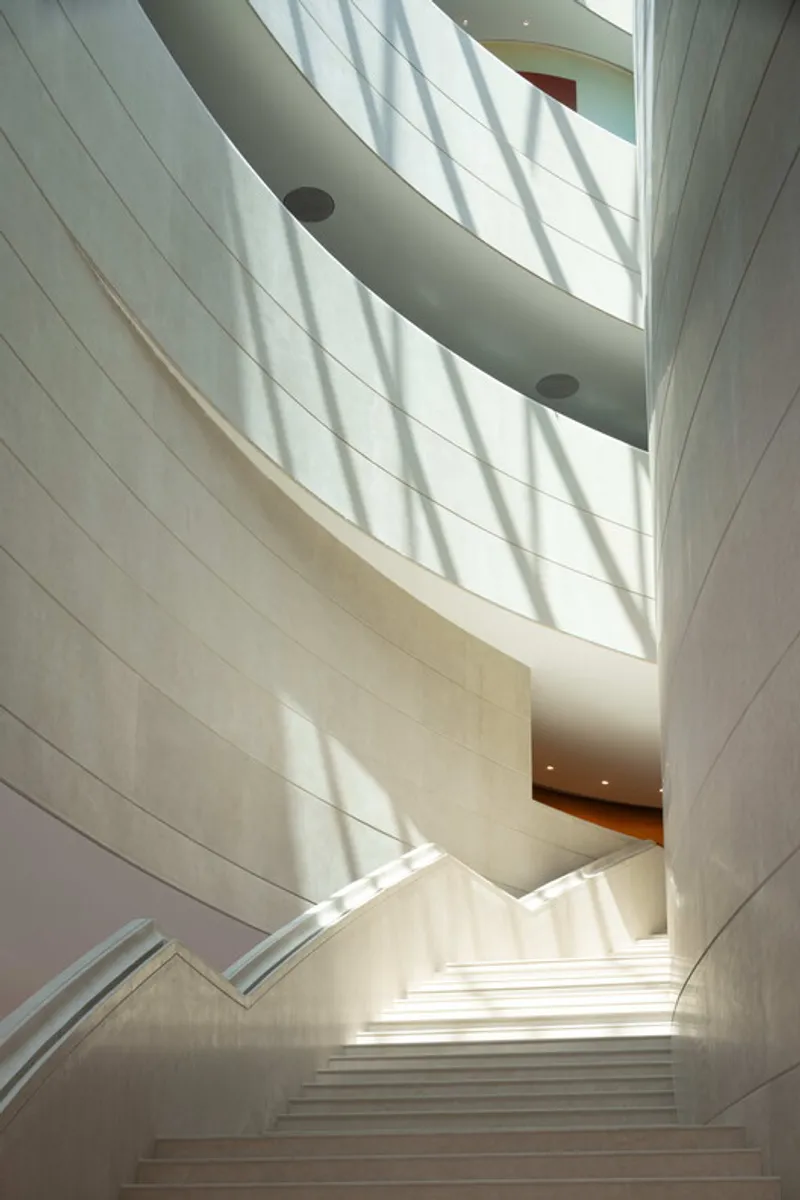
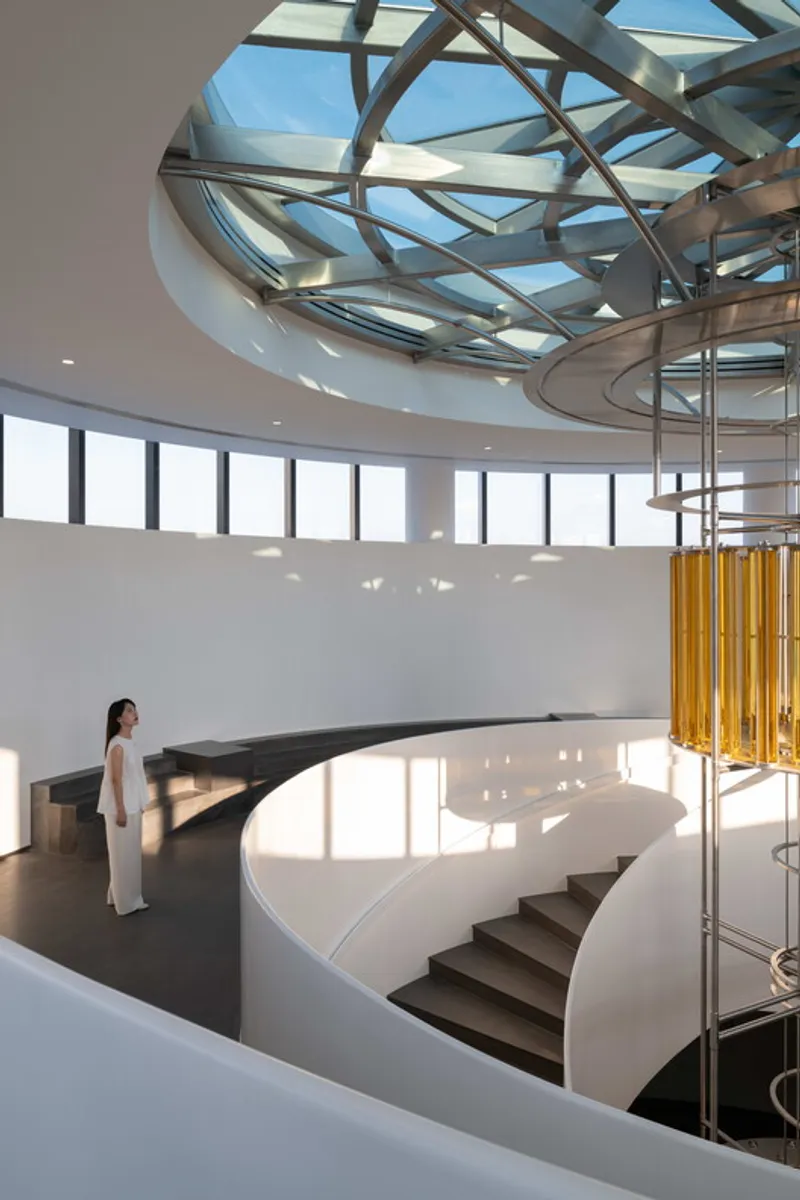
Inside, the museum unfolds across approximately 9,500 square meters as a continuous journey. The spatial sequence is carefully choreographed through a central atrium, curved staircases, and layered exhibition galleries. Circulation is not linear but fluid, echoing the way scent disperses and evolves over time. Visitors move through spaces that gradually reveal different aspects of fragrance, from traditional craftsmanship to contemporary innovation.
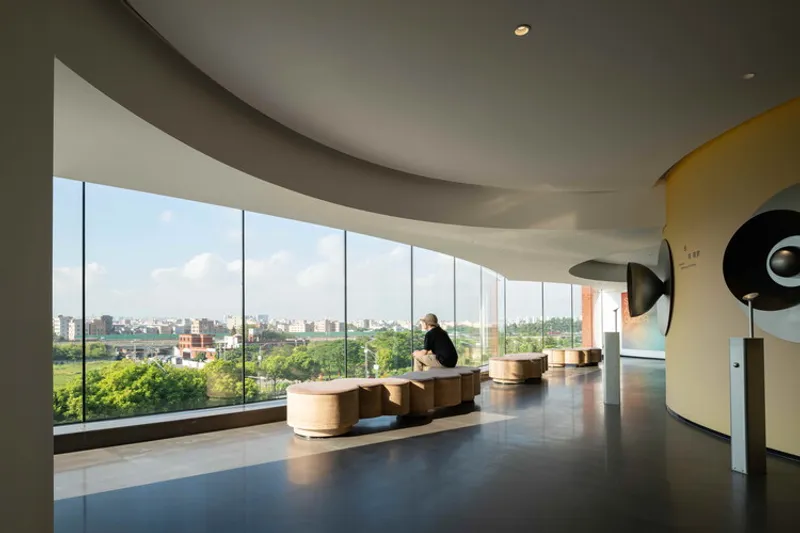

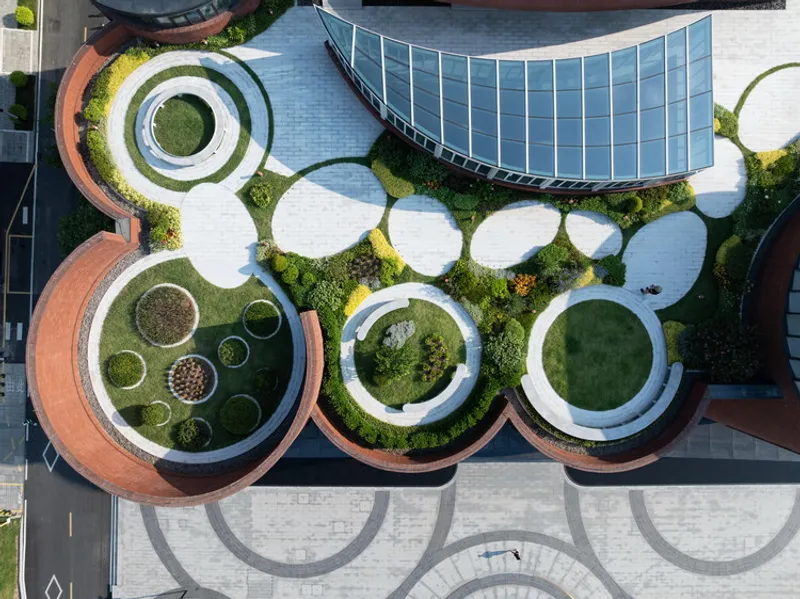
The experience culminates at the rooftop perfume garden, where the relationship between architecture and nature is fully realized. Here, botanical elements used in fragrance production are reintroduced in their natural form, allowing visitors to engage directly with the origins of scent. This final space completes the narrative arc, reconnecting the sensory journey with the environment from which it begins.
Ultimately, the Xuelei Fragrance Museum represents a shift in how cultural architecture can be conceived. By translating the intangible qualities of scent into spatial form, the project expands the boundaries of architectural expression. It creates a place where industry, culture, and public life intersect: an environment that invites exploration, interaction, and sensory discovery.

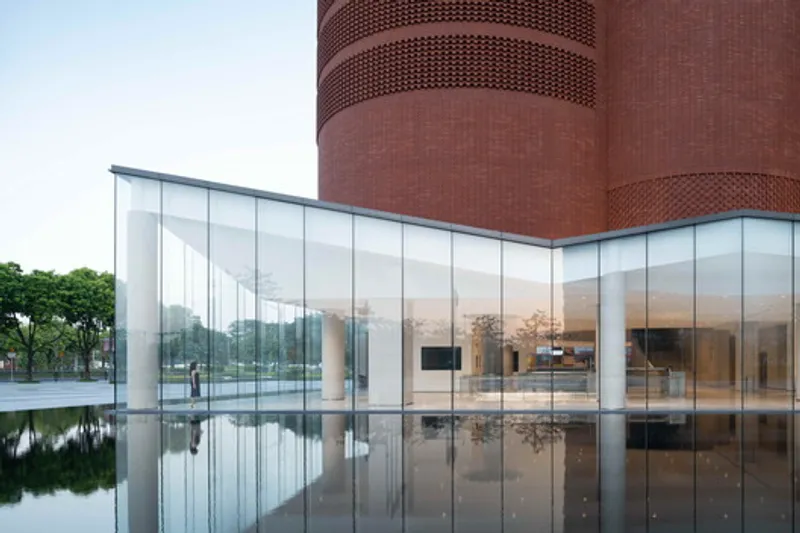
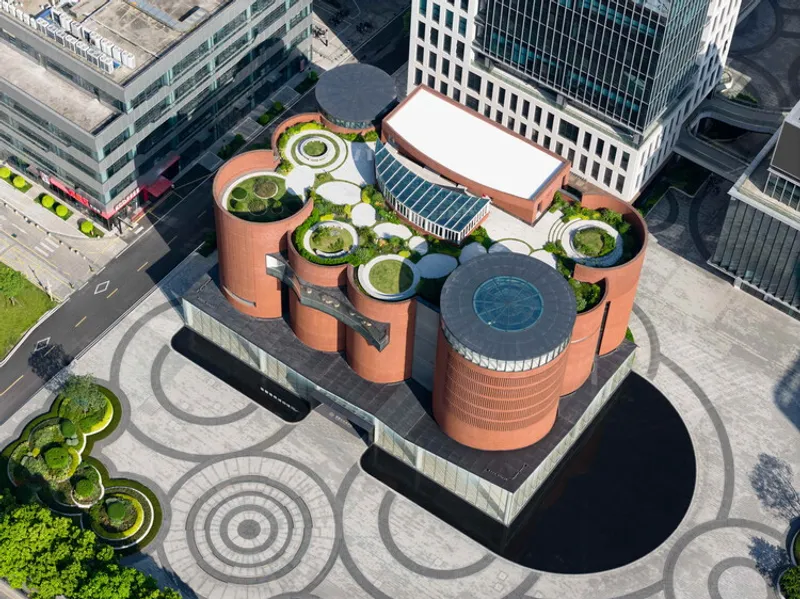
All the Photographs are works of Right Angle Image




Popular Articles
Popular articles from the community


Riyadh For All: Intergenerational Urban Design for Active Aging in Rabat
Riyadh For All reimagines urban design in Rabat with intergenerational co-living, adaptive courtyards, and Moroccan cultural exchange today.

The Ocean Hive: Sustainable Architecture for a Self-Sufficient Civilization at Sea
The Ocean Hive imagines sustainable architecture at sea, where modular habitats, algae, wave power and ocean waste sustain a growing colony.

Co-Life: Senior Housing Design That Reconnects Older Adults With the City
Co-Life reimagines senior housing design through healing gardens, shared streets, workshops, and a sustainable community across generations.
AL-JANNAH: Sustainable Architecture and Permaculture for Afghan Widows
AL-JANNAH uses sustainable architecture and permaculture to create resilient oasis of housing, learning, work and renewal for Afghan widows.

Similar Reads
You might also enjoy these articles

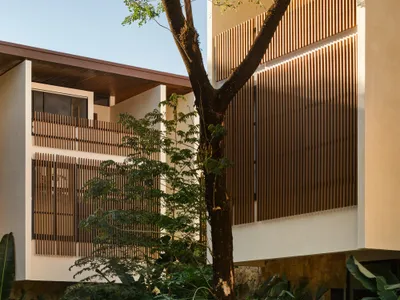
FAMM Arquitectura Organizes Ten Villas Around Courtyards and Jungle in Nosara, Costa Rica
El Molino pairs two elongated volumes with deep overhangs and timber louvers to build a compact coastal community five minutes from the beach.
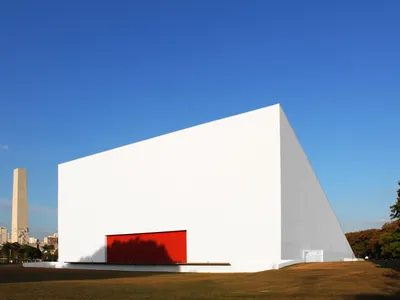
Oscar Niemeyer's Ibirapuera Park Pavilions Define São Paulo's Cultural Identity in Concrete and Curve
A constellation of modernist volumes set within São Paulo's most important urban park, conceived for the city's 400th anniversary in 1954.
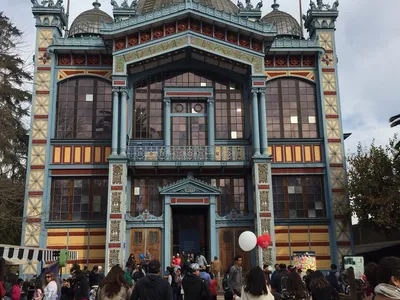
How Henri Picq's 1889 Paris Pavilion Traveled 11,000 Kilometers to Become Santiago's Artequín Museum
A prefabricated iron and glass pavilion built for the Paris Universal Exposition found a second life as a children's art museum in Chile.
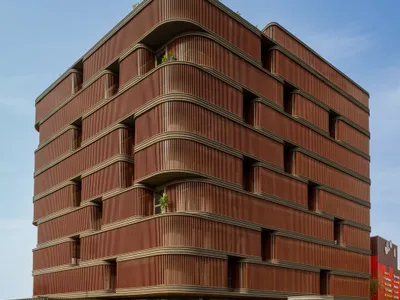
Sanjay Puri Architects Wraps a Jaipur Office Tower in Capsule-Shaped Green Buffers
A nine-level climate-responsive workplace near Jaipur Airport uses stacked planter terraces and aluminium screens to fight 40°C heat.


Explore Architecture Competitions
Discover active competitions in this discipline



Challenge to reimagine the Iron Throne


Photograph architecture without architects


Illustrate the lost glory of Angkor Wat - Render Challenge

Bring back Drive In's
Comments (0)
Please login or sign up to add comments
No comments yet. Be the first to comment!