

Assembly System
Modular and systematic approaches to designing buildings through prefabricated components and adaptable frameworks.
Assembly systems in architecture involve designing buildings as collections of standardized or semi-standardized parts that can be combined, reconfigured, or scaled. This approach addresses efficiency, flexibility, and the ability to respond to different site conditions and programmatic needs through systematic thinking.
The community explores how assembly logic applies across scales and contexts: from instant city modules and customizable housing units to adaptive reuse projects that reassemble existing structures, and contemporary studios that use modular design as both a practical method and conceptual framework for their practice.
Top contributors


Popular projects
View all 1 project
Latest journals
View all 3 journals

Space Encounters Crowns a 1980s Dutch House with Corrugated Aluminum and Geometric Apertures
On a water-ringed plot in Broek op Langedijk, a restrained renovation transforms a forgettable brick house into a taut, arcadian composition.

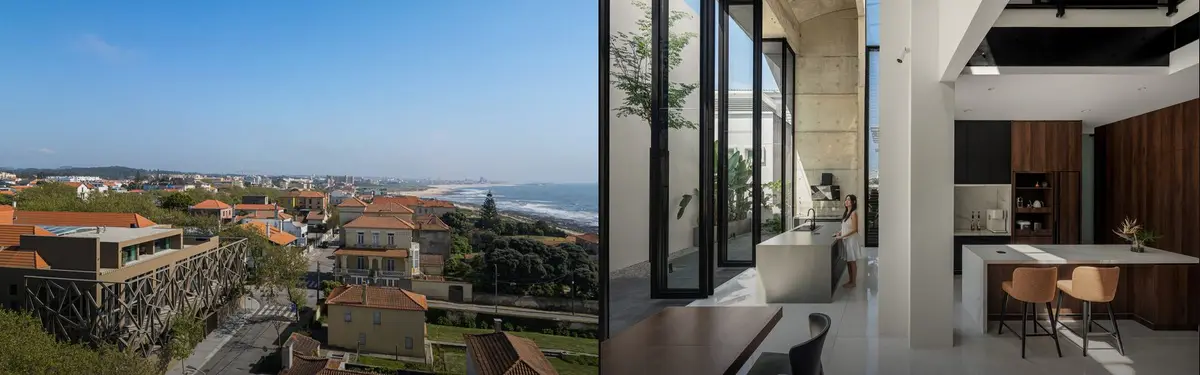
Lousinha Arquitectos Resurrects a Storied 19th-Century Beach Club as Housing in Praia da Granja
A building that once hosted Portuguese royalty and literary giants returns to life through anastylosis and a bold diagrid steel veil.
Core Design Workshop Carves Courtyards into a Zero-Lot Bungalow in Kuala Lumpur
Interface House turns an inward-facing developer shell into a sequence of planted courtyards that bring light and air to every room.


