
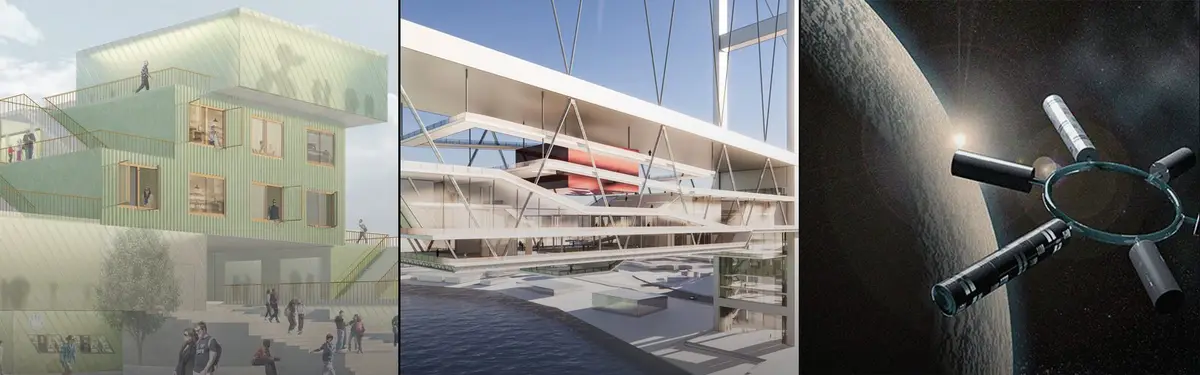


Interactive Spaces
Designing spaces that respond to and engage users through movement, technology, and adaptive environments.
Interactive spaces merge architecture with user experience, creating environments that change based on occupancy, behavior, or input. These designs prioritize engagement and responsiveness, whether through physical form, digital integration, or sensory feedback.
The community explores modular and adaptive architectures, mixed reality installations, experiential learning environments, and social spaces enhanced by technology. Projects range from immersive simulations and digital layers to flexible workspaces and container-based venues designed for dynamic interaction.


Popular projects
View all 56 projects



Latest journals
View all 59 journals

SENAC São Paulo and Estudio Guto Requena Wrap a 119 m² Lounge for Lingering in Red Fabric and Oval Light
A temporary São Paulo interior where a U-shaped sofa, stretched-fabric walls and oval lights turn 119 m² into a room built for staying and talking.

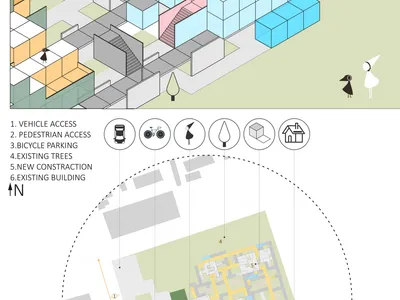
School of Thought: A Shortlisted School Where Air, Ground and Underground Routes Teach Through Getting Lost
Nakisa Haeri treats circulation as curriculum, using three routes, terrazzo stairs and deliberate dead-ends to make finding your way a lesson in itself.
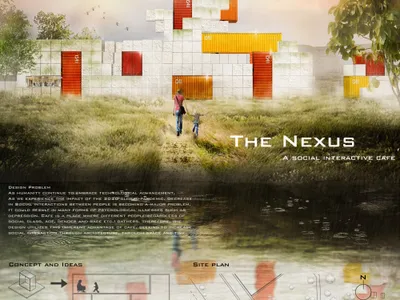
The Nexus: A Tetris-Logic Container Cafe in Vienna That Turns Climbing Into Conversation
Recycled shipping containers stack into a vertical coffee house near Wien Hauptbahnhof, where ladders, pockets and gaps choreograph chance encounters.

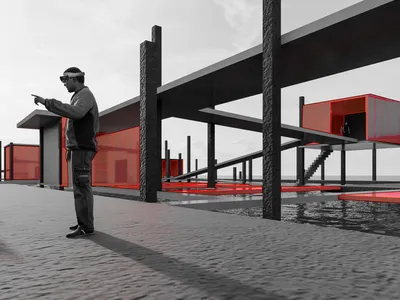
INTERFACE: A Mixed Reality Athenaeum Where Architecture Becomes a Living Digital Layer
Floating platforms on water host holographic overlays through Hololens devices, turning unfinished volumes into full-scale design laboratories.


