

Regional Planning
Planning and design strategies for regions, cities and communities at landscape and urban scales.

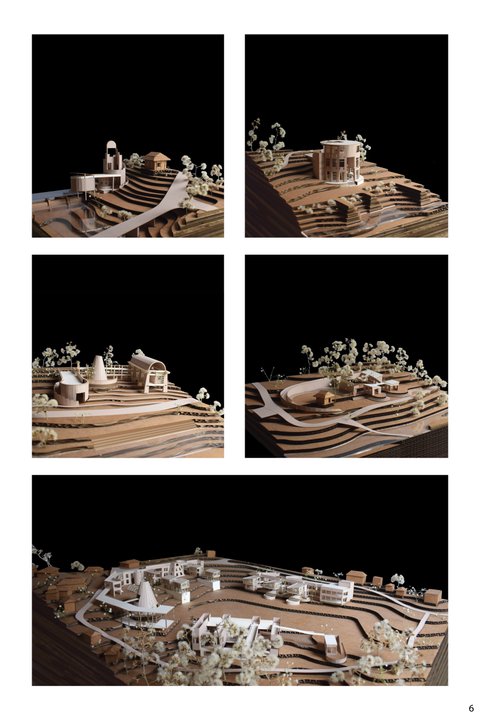
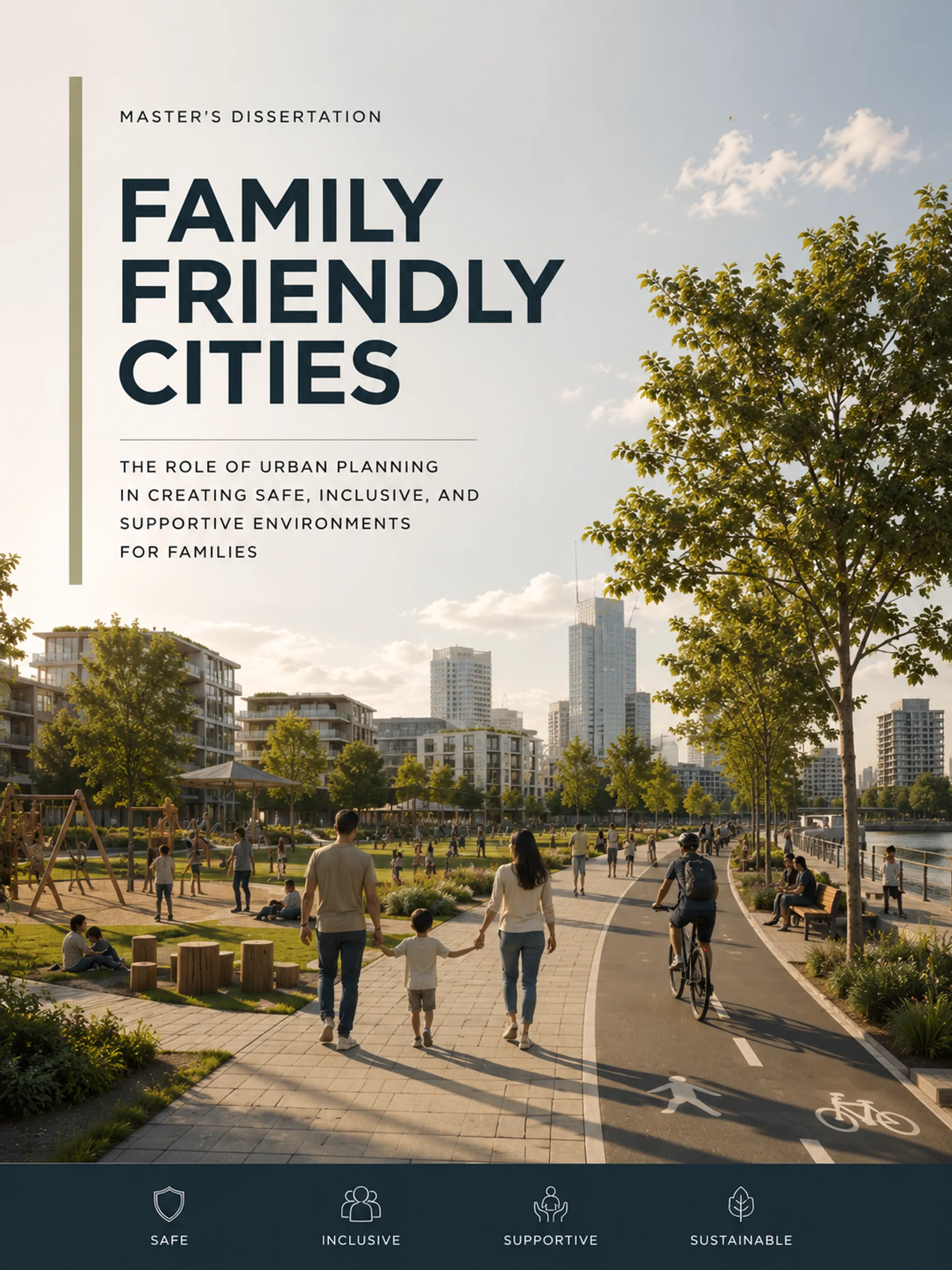
Heba Rasheed – Family Friendly Cities: The Role of Urban Planning in Creating Safe, Inclusive, and Supportive Environments for Families – 2025
This publication presents my Master's dissertation completed in 2026, exploring the role of urban planning in creating family-friendly cities. The research examines planning principles, urban design strategies, and policy frameworks that promote safety, inclusivity, accessibility, and well-being for families. Through literature review, case studies, and analytical research, the dissertation proposes planning recommendations for developing supportive and sustainable urban environments that enhanc


Know Thy Neighbor
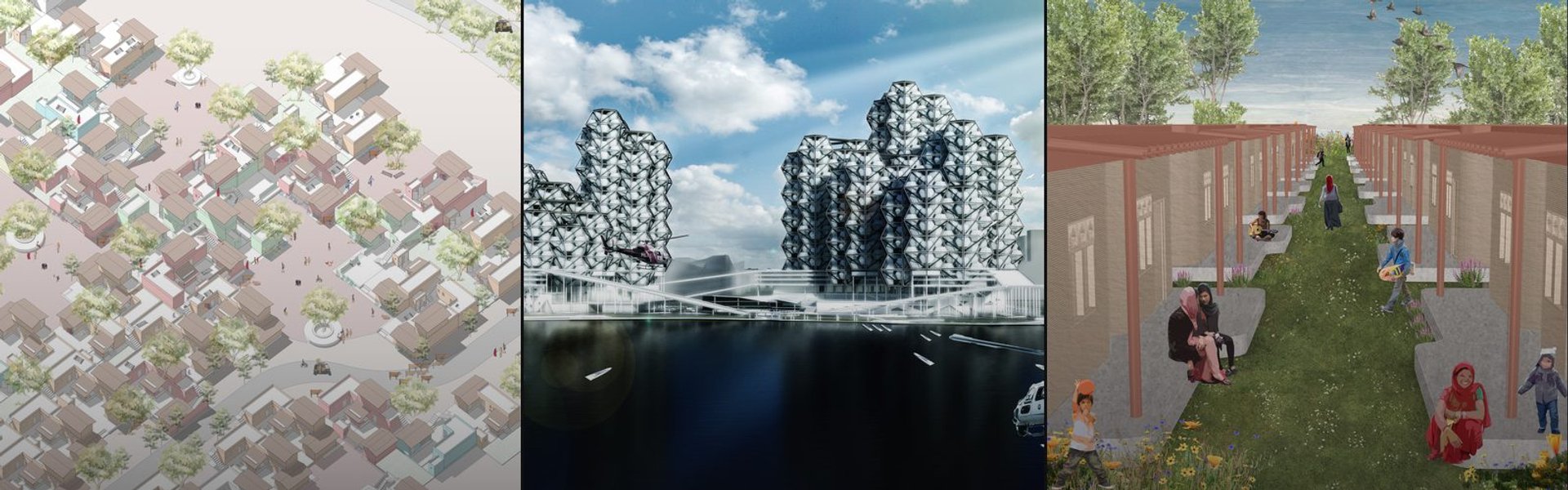
The constant yearning for scoring bucks and paying bills for a better lifestyle is pulling people towards the diversity of urban culture.Considering the complex urban situation,this project will contribute to the regeneration of interactive environments to heal a neighborhood through analyzing the past scenario and socio-cultural aspects of Dhaka,Bangladesh.

A manual for Kerala
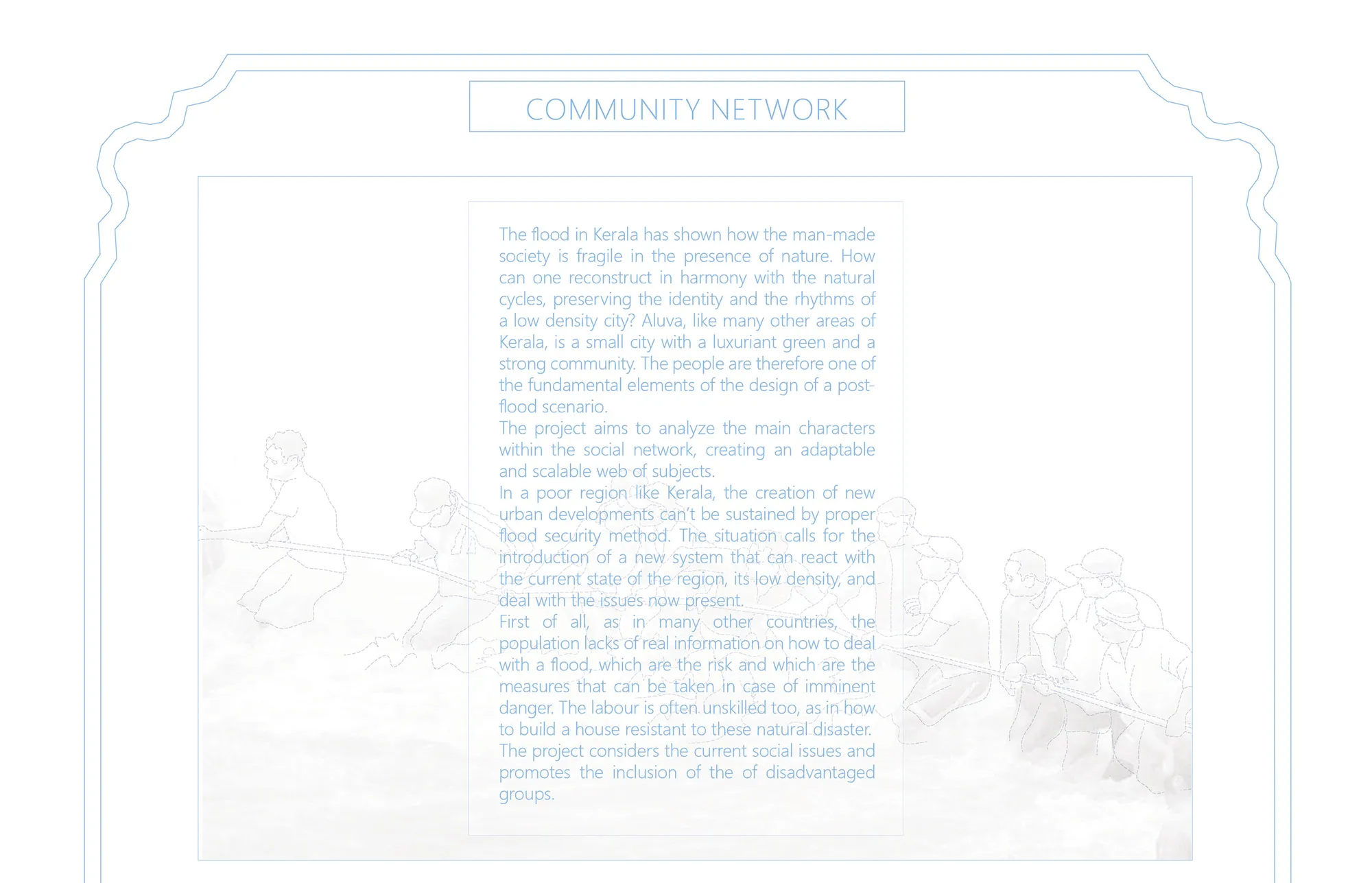
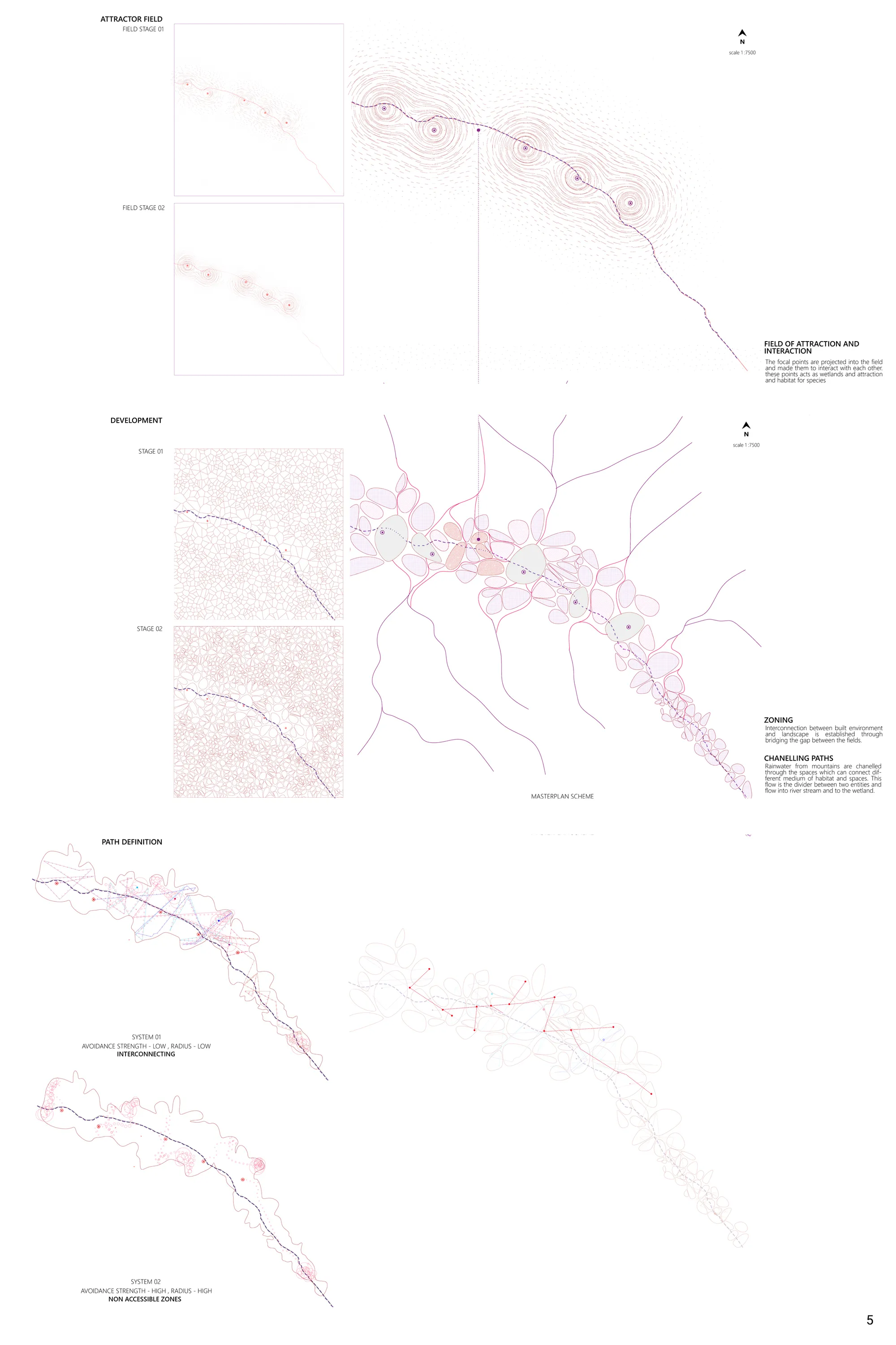
The project aims to analyze the main characters within the social network, creating an adaptable and scalable web of subjects.

Heal: Regenarative housing for Kerala
The designs offers a series of inside out strategies which would help affected communities deal with a flood situation and also help in recovery in the aftermath.






GOLUBAC: NEW VIEWS
The project includes research, as well as proposals for the transformation and development of Golubac, a village located in eastern Serbia on the banks of the Danube.


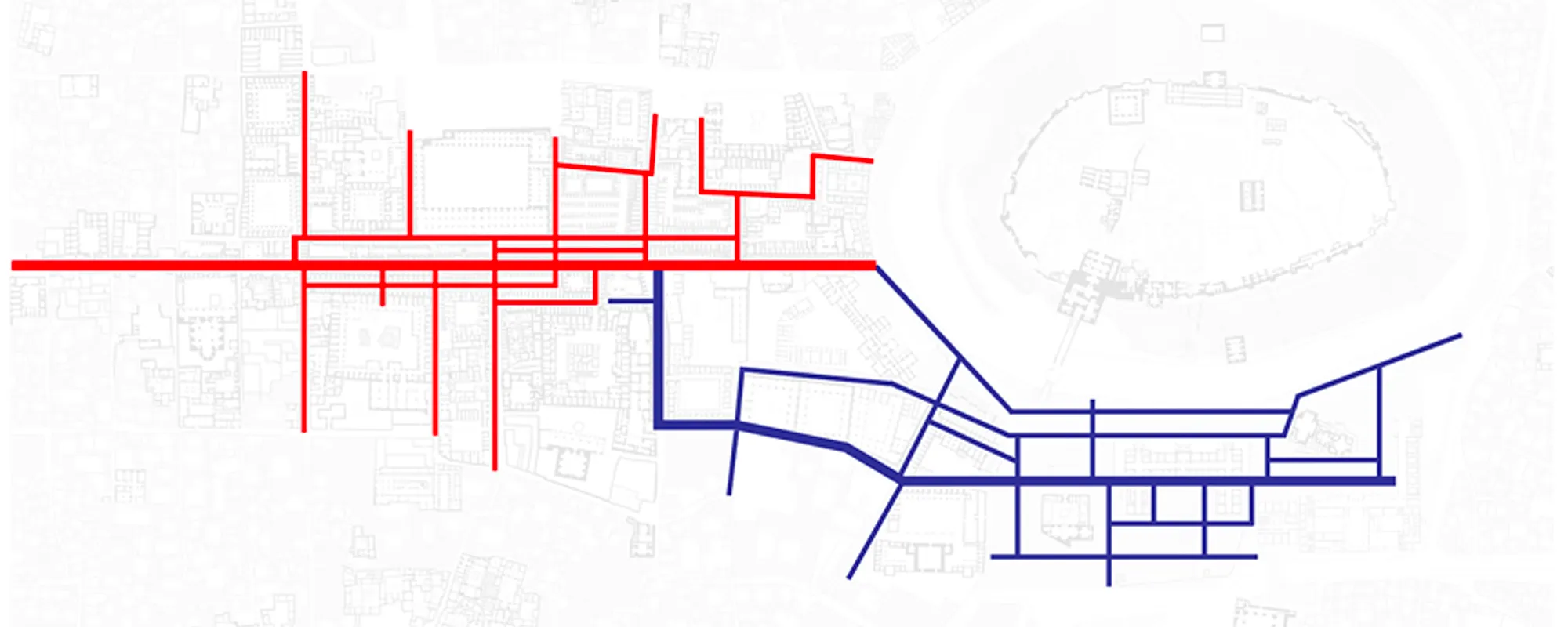
Infill: A Local Commerce-Led Economic Recovery
The proposed intervention aims to extend the typology of the old city through a network of spines and open spaces that will connect the sites? various polarities. It will be achieved through an infill strategy that will eventually lead to a local commerce-led economic recovery. Phase 1: Micro-Rezoning, Phase 2: Relief and Reconstruction, Phase 3: Recovery


Building Smarter, Building Together
"BSBT" addresses head on the realities of the previous devastating flood and proactive methods to mitigate future floods. Our approach builds upon enhanced digital technology in combination with shared spatial interventions and strengthens the community through shared building and socio-economic investment strategies.
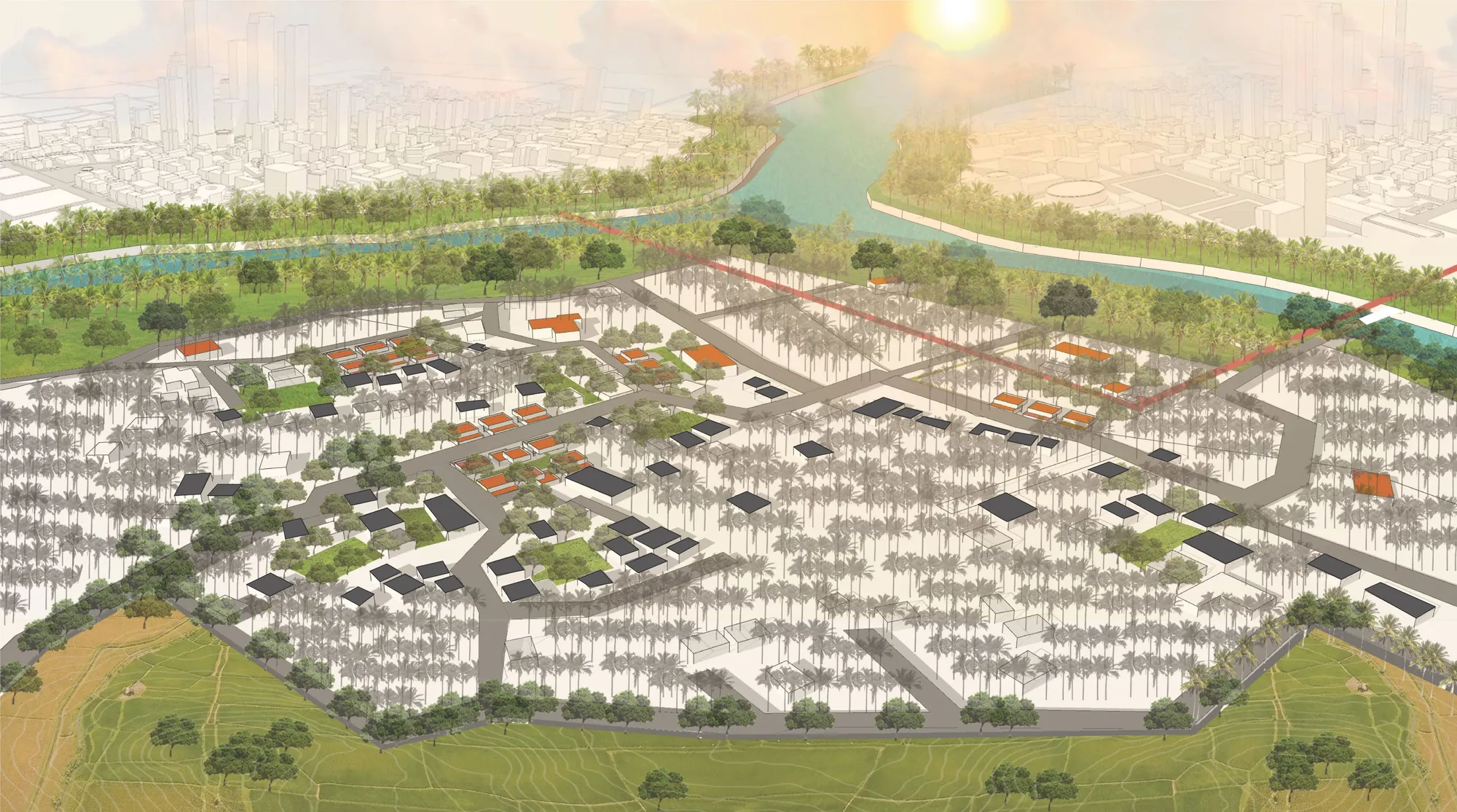

A Dialogue With Nature
The project brings 100 houses together, through the creation of an idealized neighborhood and a distinct community layout that realizes the thought that flooding is a natural occurrence and the aim is not to halt it however adapt to its inevitability.


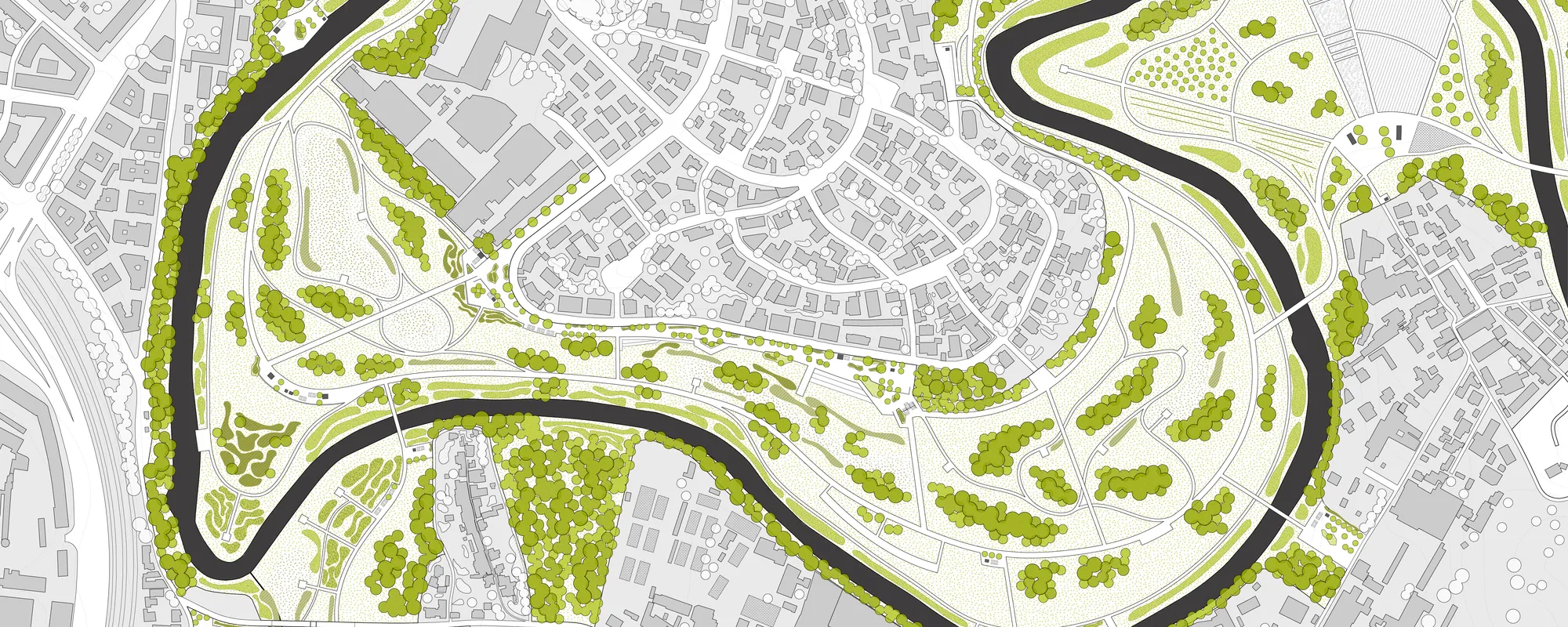
CLIMATE CHANGE & URBAN RESILIENCE / A new urban park along the final part of Aniene River in Rome
This designed space is able to respond comprehensively to the problems related to climate changes and water risk, enhancing a large urban park, underestimated by Roman citizens, and allows them its full enjoyment and maximum exploitation, finally converting the extreme natural event into an source of experience.


REBIRTH OF THE CHINESE QUADRANGLE DWELLINGS
The concept behind the project is to respond to the impact of the epidemic on life by constructing new community organization logic. Combining the theme, we believe that the future of the new community is zero commuting, healthy ecology, harmonious sharing, safe and free, and replicable. By analyzing some traditional residential buildings in China, and combi
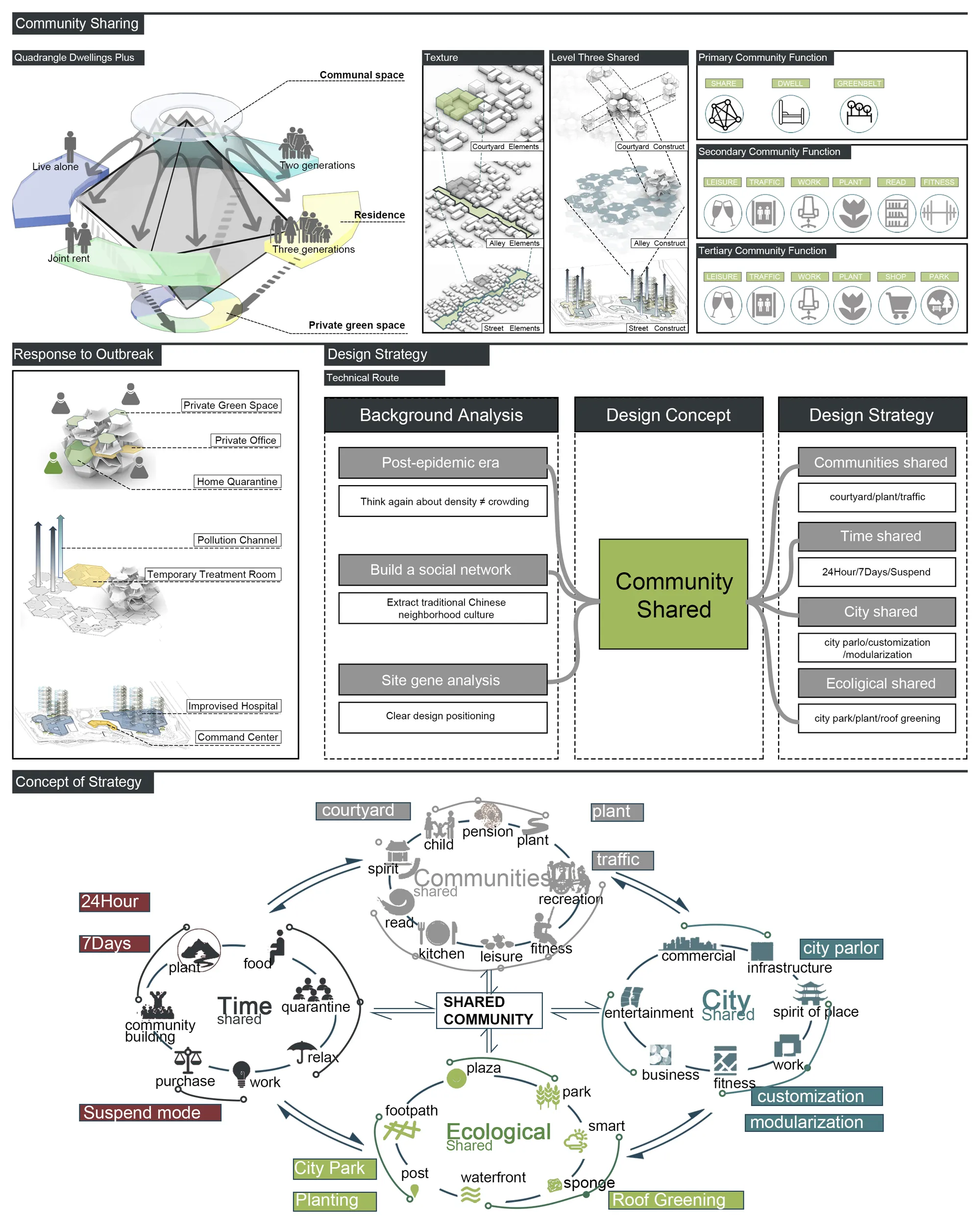

Very exciting form and creative explorations with the concepts.

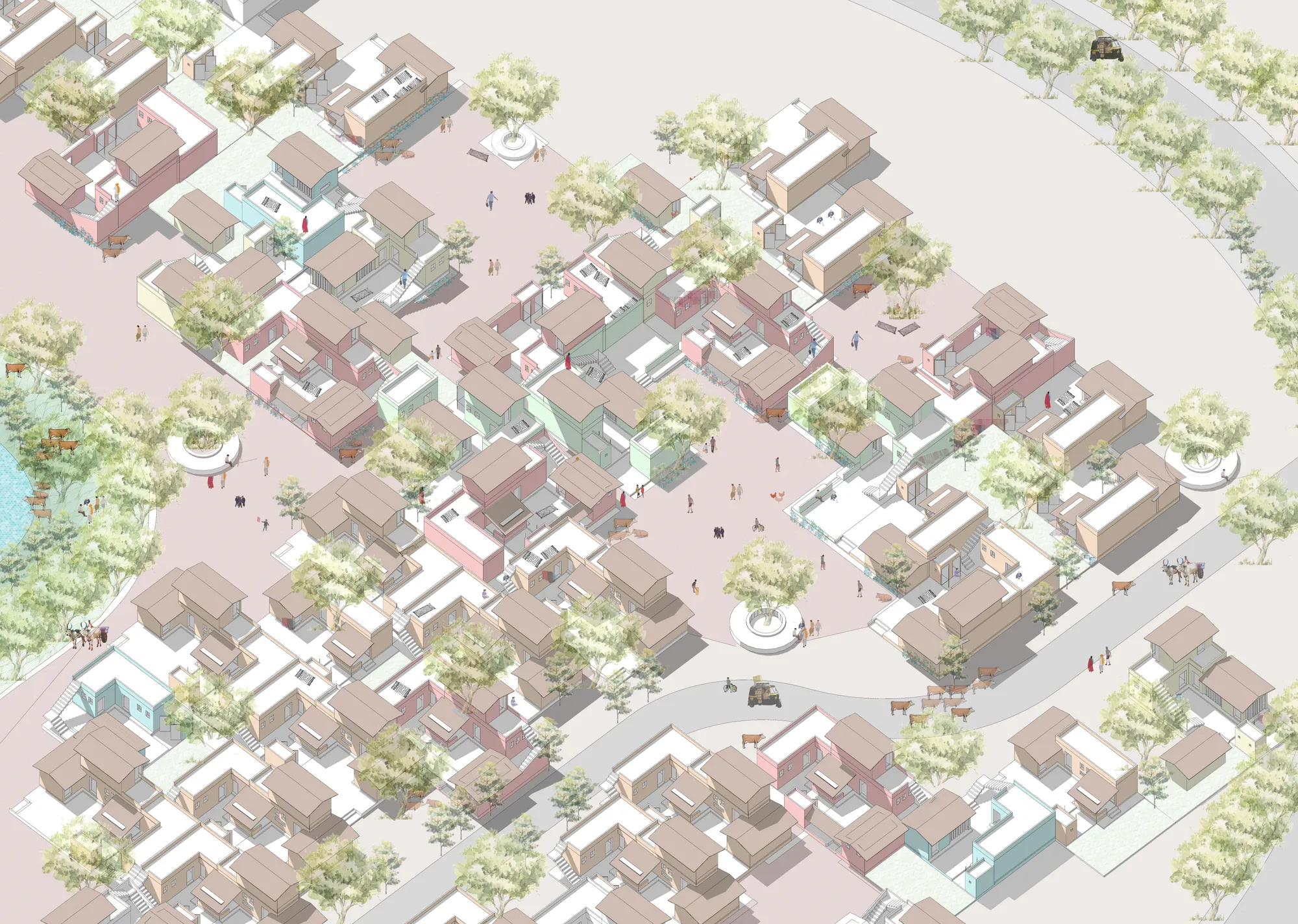
Building resilient and sustainable communities
The project proposes scalable urban, landscape and housing interventions that will help the neighborhoods to survive in future flood crisis, bring the community together by enhancing the public space but also to create a more sustainable modular neighborhood that considers the UN Sustainable Development Goals for 2030.
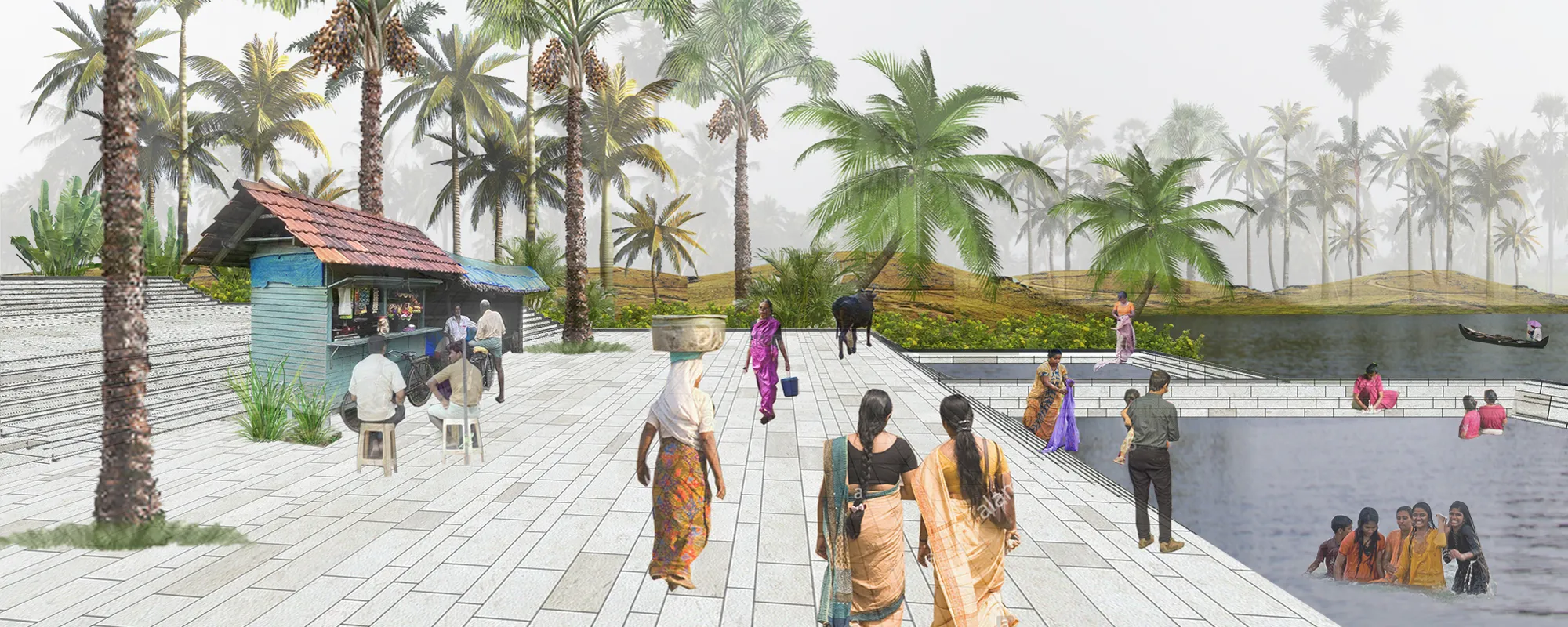


Submergence Displacement Rehabilitation
For years now, the R&R schemes proposed and provided by the government are merely mechanical and insensitive towards the needs and requirements of the local community for whom they are formulated.The aim is to come up with better rehabilitation solutions, preserving their cultural identity and comprehending the need for physical or social infrastructure.
A Good rehabilitation project....keeping in mind the increasing floods frequency due to climate change
Keep it up wonderful work 👌💪👍

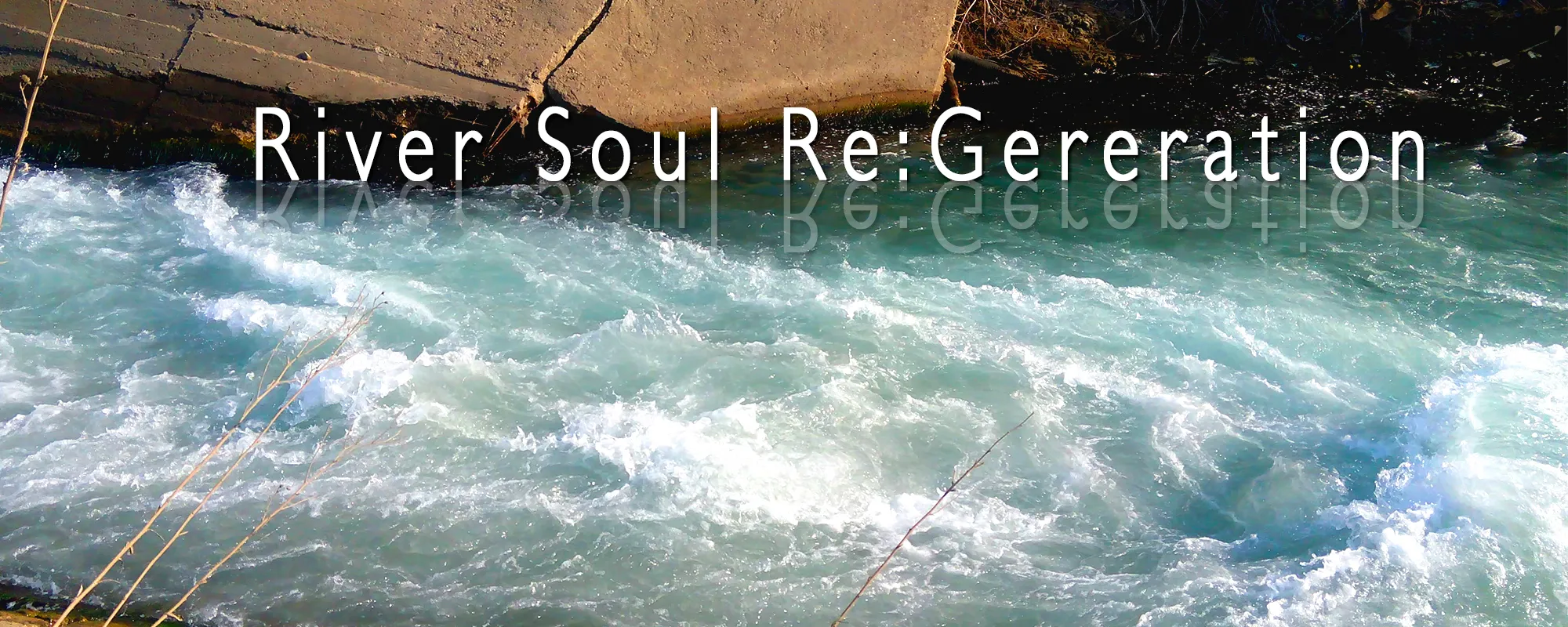
River Soul Re:Generation
This research is an attempt to show the potential which is given to the city by nature; to find foundations of regenerative interconnections between human and nature inside the city and to implement them in the design process; to find a program for one forgotten river to give a reply how can we create positive present and future, starting with ourselves.



Public, Private and People - Inquiry into the ‘publicness’ of urban spaces Bengaluru
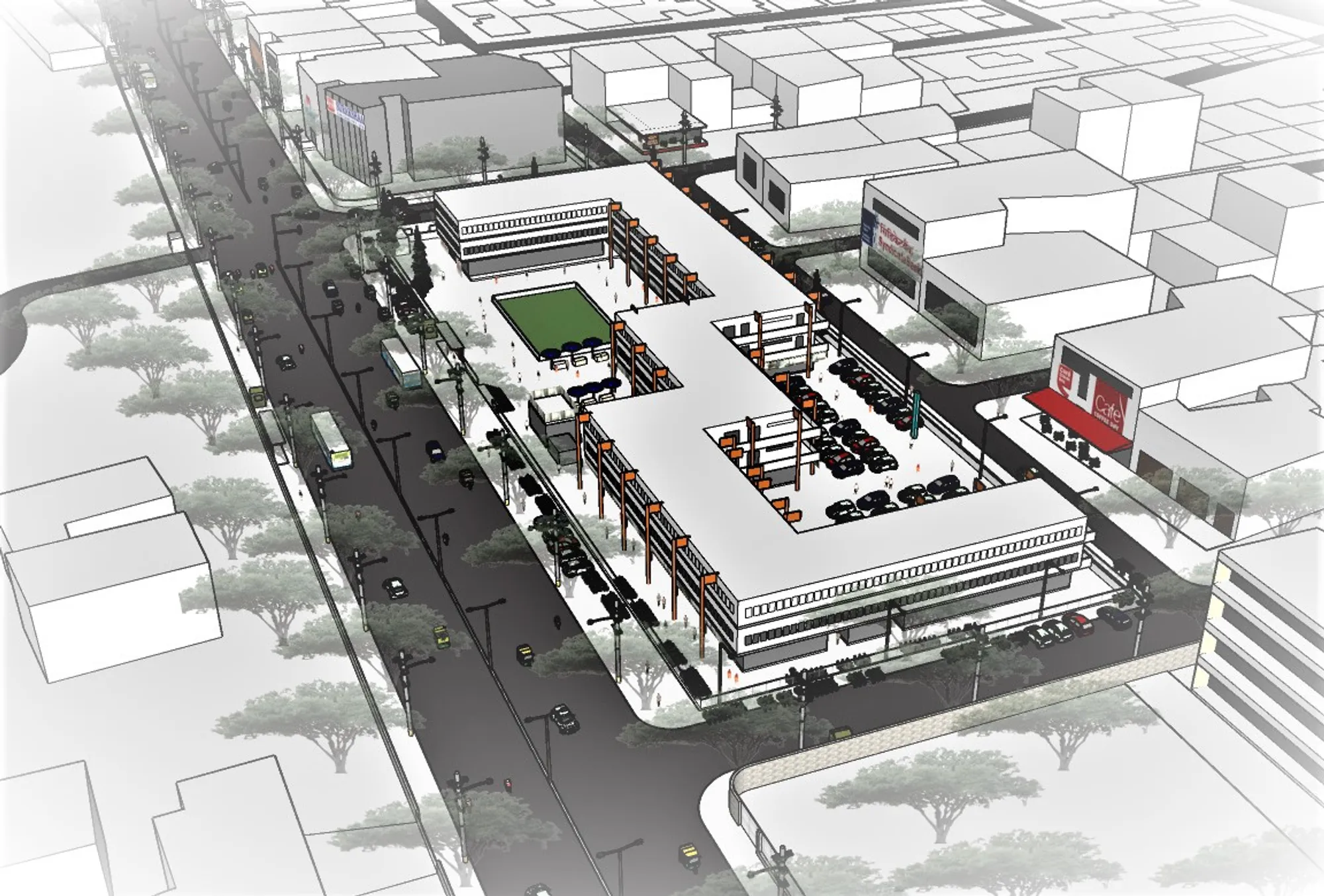
Urban public spaces are vital centres of economic activities and socio - cultural interactions. These spaces are perceived to be a property of the people as their ownership is, normally, vested with the local authorities. However, with an increasing role of private agencies, the perception of ‘public’ is changing, altering its nature and identity. This phenomenon is visible globally - particularly in urban retail spaces such as malls and shopping centres. The manifestation of this trend is examined in Bengaluru, India. Currently, in Bengaluru, due to revenue deficits, the local authorities have turned to the private sector. Publicly owned shopping complexes are being converted to shopping malls, transitioning public spacesto Public Private Partnership (PPP) spaces. Hence, this research is an inquiry into the ‘Publicness’ of retail urban spaces. Three retail urban spaces with different ownerships are assessed to determine their publicness, with a focus on their agency, area, activity, arrangement and atmosphere. The primary aim of the paper is to develop and test a ‘Publicness’ assessment framework that can aid in formulating inclusive design approaches which facilitate a new ‘Public Private People Space (PPPS)’ that is vibrant, safe, accessible, sustainable and healthy for its community.



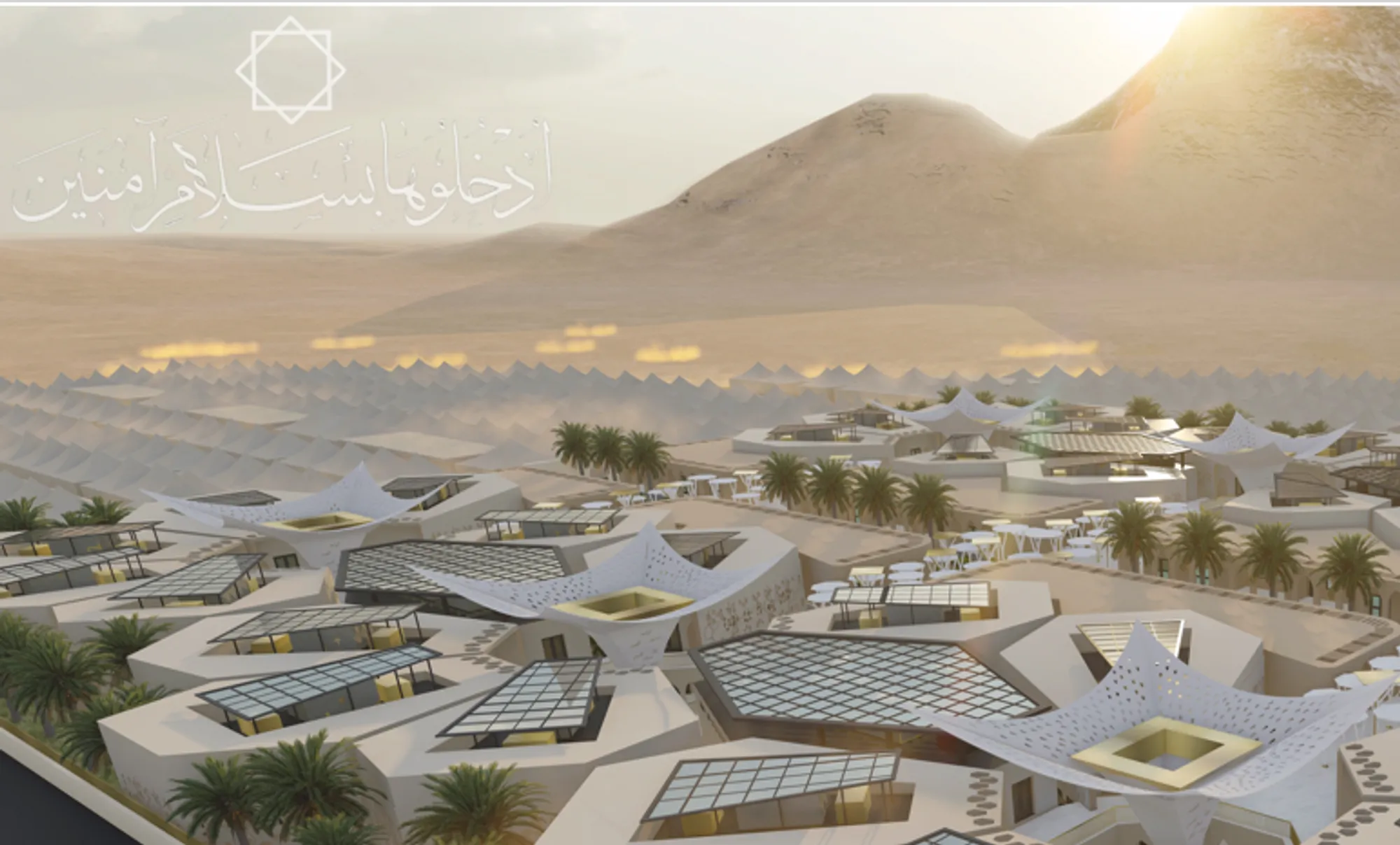


Radical, futuristic and explorative. Modules are quite applicative, but doesn’t offer various options for further development. Lack of analysis for supporting system such as energy and self-sufficient methods.
It offers something new which I do not see on other entry. However, some improvement in the method of presentation is necessary to articulate some of its space composition.