
Urban Connectivity
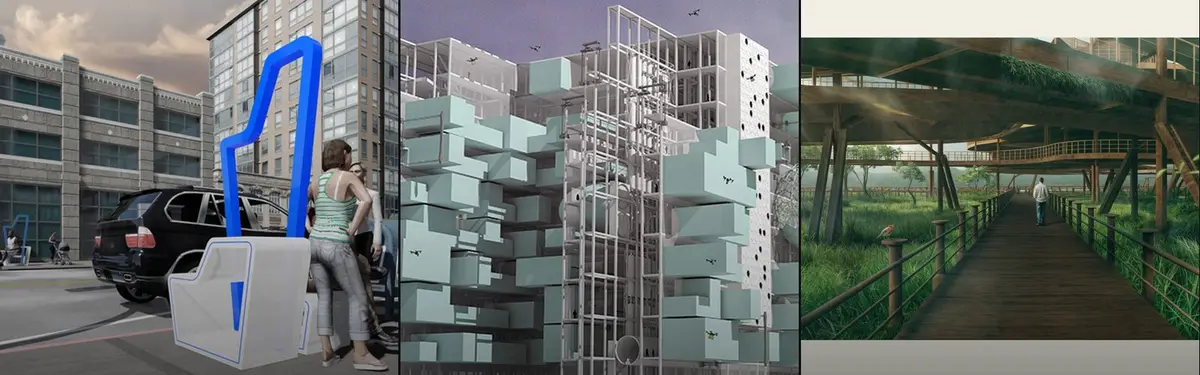
Design approaches that strengthen social, physical, and ecological connections within urban environments.



"Transition In Need, Reconnecting Fragmented Urban Ecology", Domino Effect & Urban Rhythms
Abstract:
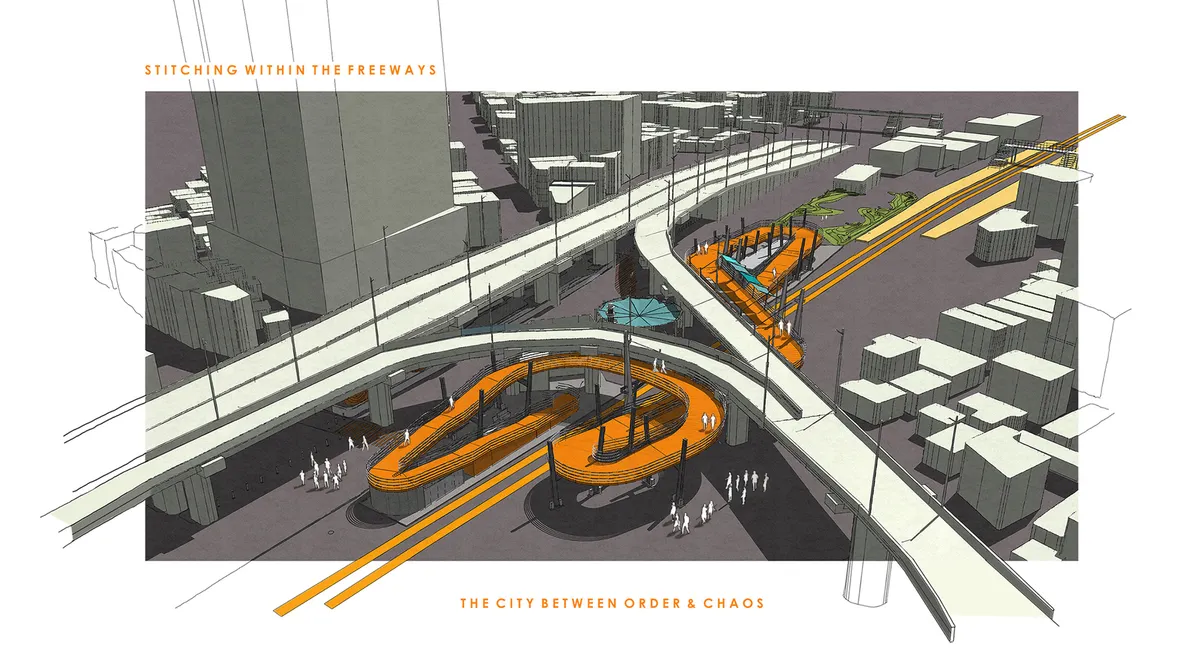

Extensions: Urban Life beneath Transit Infrastructure
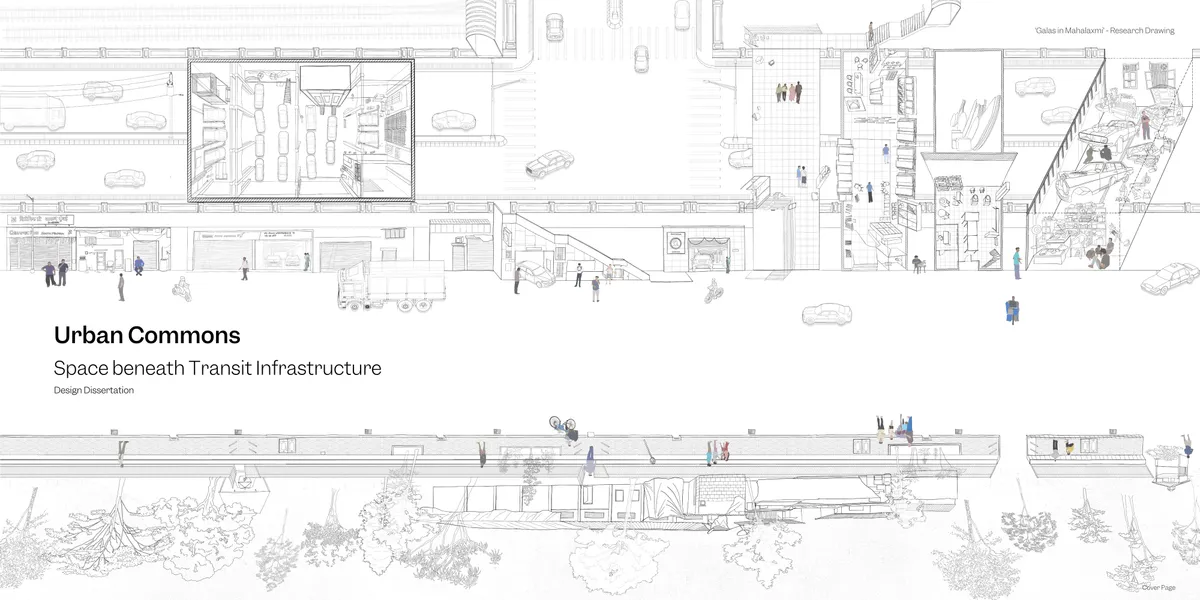
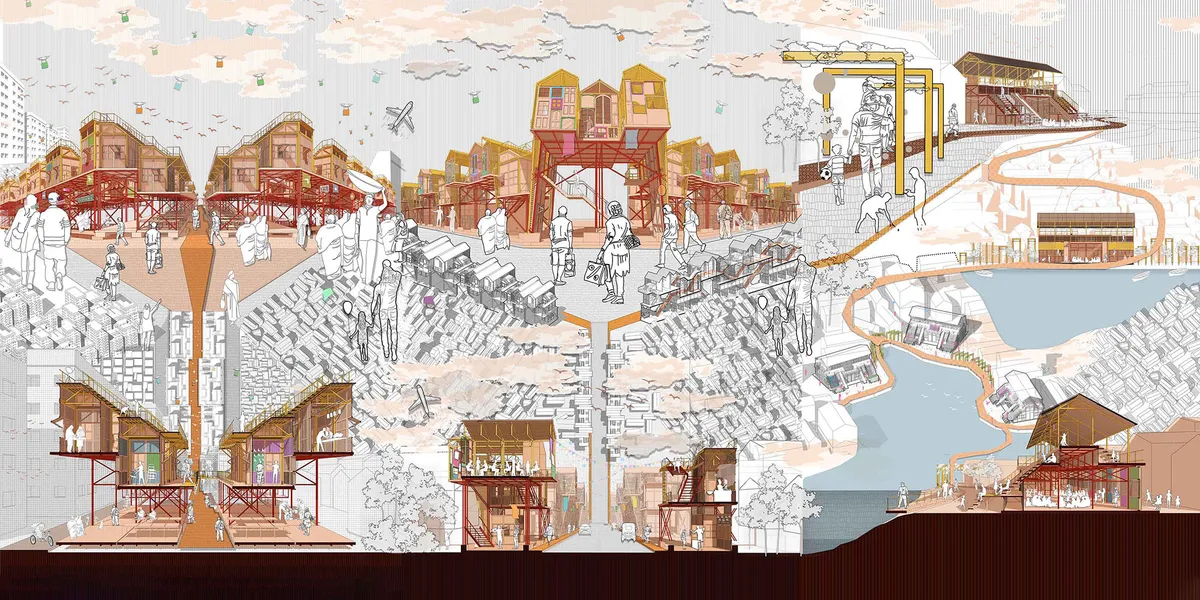
The thesis looked upon transit infrastructure as an extension to its locality that continuously transforms; creating spaces for newer uses. These spaces have histories of how different people have used them as a spatial resource. The intent of the project is to build a local community resource and urban commons under flyovers; grounded in the life and practices situated in the locality.



Urban Continuum:An alternative learning ecosystem
Education has increasingly become detached from the lived realities of the city. Urban Continuum proposes an alternative model in which learning is embedded within the rhythms of everyday urban life. Instead of concentrating education inside institutional boundaries, the project distributes learning across existing neighbourhood spaces, creating an interconn
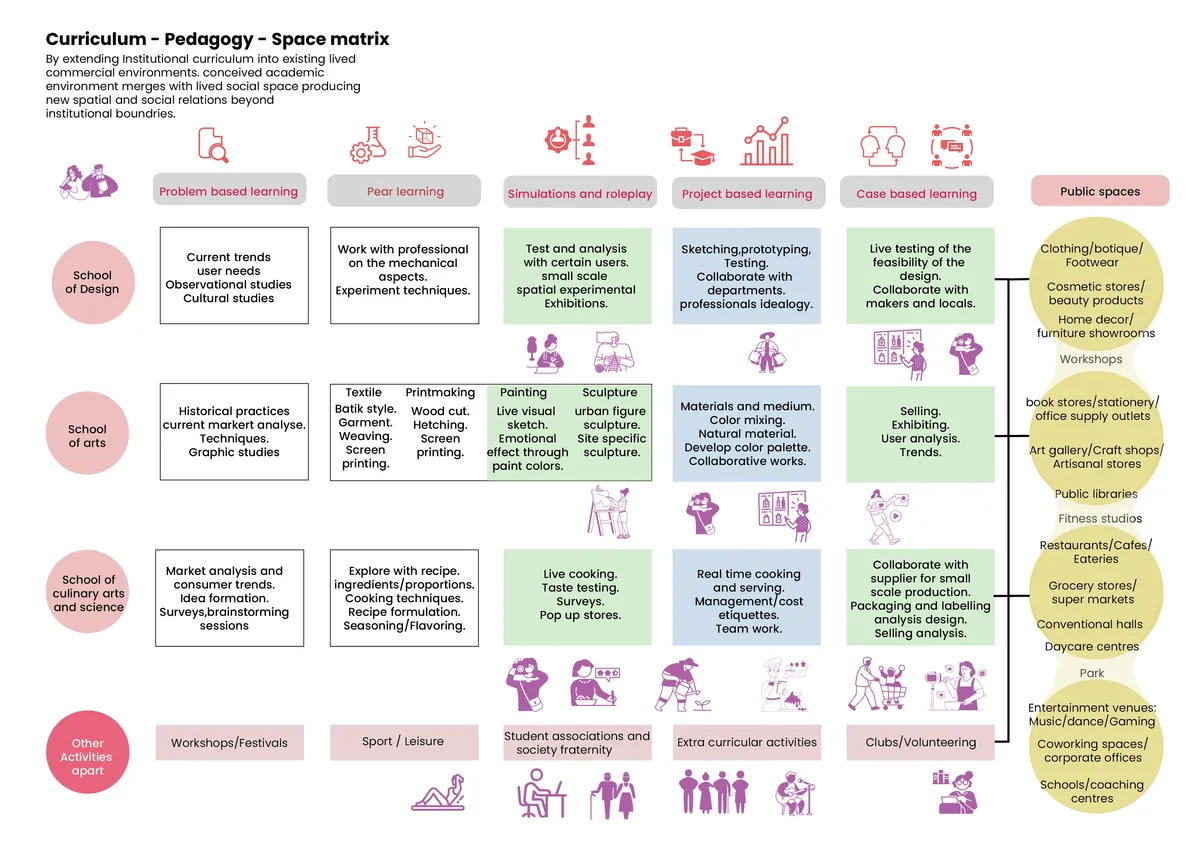

A thoughtful and original approach that expands learning into everyday urban life. Further exploring how this model can operate across different public spaces could strengthen its potential and impact.
Thank you so much for the thoughtful feedback. The project grew from questioning the mono-functional nature of urban spaces and eventually led me to explore learning as something that could connect people, genetations and everyday civic life beyond the conventional campus. Your suggestion to test this model across different public spaces is something i'd really like to explore further, particularly how different urban contexts could create different opportunities for learning and collective information.
Living the unplanned, Informal urbanism & place-making in Karachi.
The research concluded that informal urban activities are not obstacles to city development but essential contributors to Karachi's social and spatial identity. It demonstrated that top-down urban renewal and commercialization often fragment established urban ecologies by displacing informal communities without providing meaningful alternatives. The study advocates for a re-urbanism approach that recognizes and integrates everyday urban practices into future planning.


Urban design Portfolio | Spring 2026
The portfolio represents the culmination of a studio that began with an introduction to urban elements and the design of urban public spaces. The studio was founded on the premise that urban design is most effectively understood and articulated through the study and analysis of the built urban environment and its constituent elements. Structured as a series of three interconnected modules, first two showcasing case studies of urban elements and the third one, an effective design intervention.


Thresholds of Publicness: Rethinking Interstitial Spaces in Mumbai
Thresholds steps, plinths, verandahs are where public and private quietly meet. This research studies these in-between spaces as the living social fabric of Indian cities. As boundaries harden and land gets privatized, these porous edges are disappearing, taking everyday connection with them. Through observation and mapping, the study reads thresholds not as leftover space, but as sites of pause, exchange, and belonging. It argues that even a step or a strip of shade can hold a city together


😍

The in depth study of urban spaces and delicateness towards public is very promising and very nice.
Mayura Bhoir _ Undergraduate portfolio _
This portfolio is a curated collection of works from my five years in architecture school, each project marking a distinct phase of learning and growth shaped by curiosity, collaboration, and a continuous drive to refine my design thinking. Together, they trace not just academic exploration but the gradual emergence of a personal architectural voice. Alongside this, the portfolio includes work from my internship, offering a glimpse into how these academic foundations found expression in professi

good work😍
Getting into different typologies looks very interesting

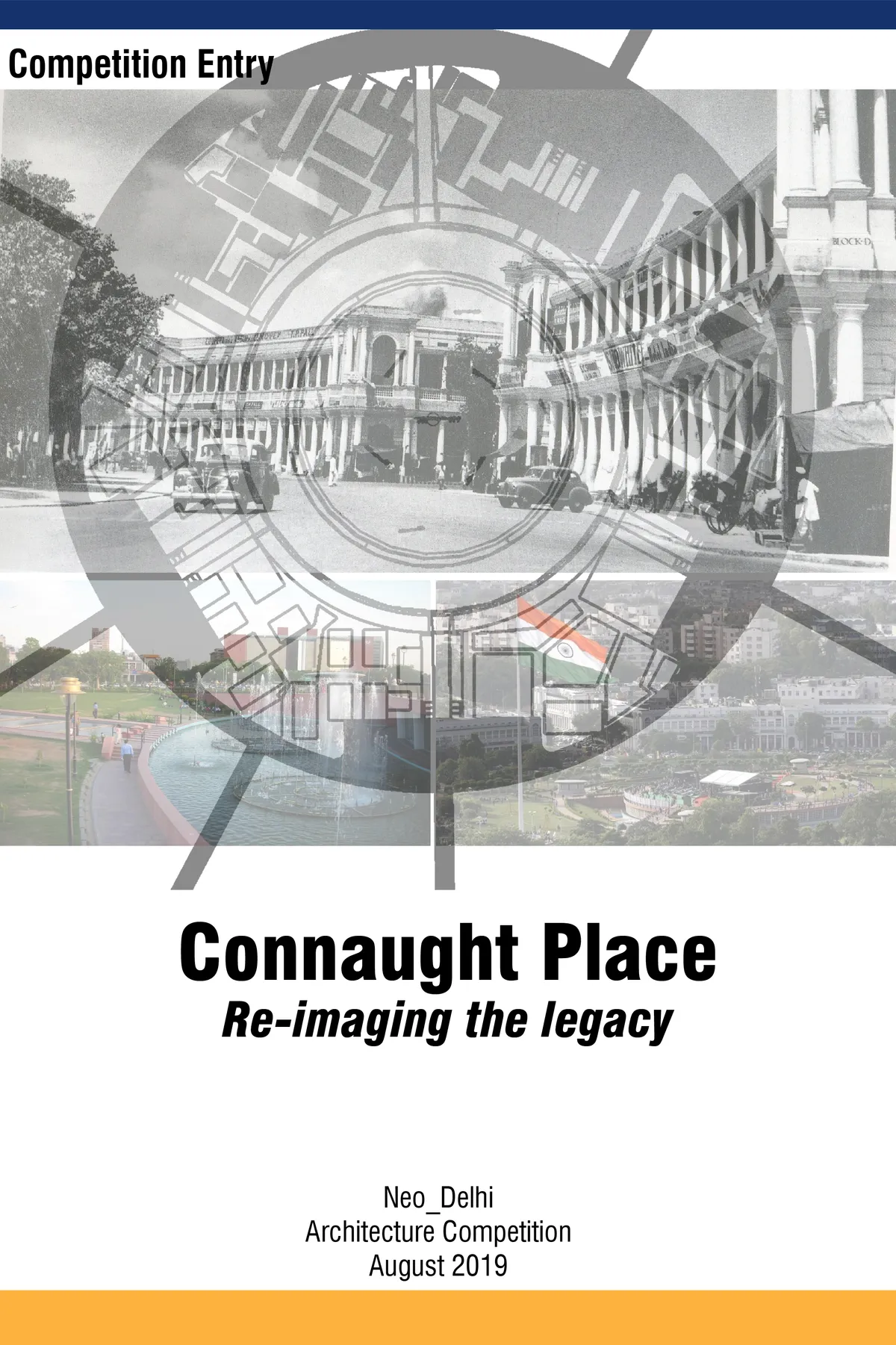
Connaught Place: Re-imaging the legacy
The heritage ties of CP are threefold: physical, social and cultural. The most important factors that make it popular destination are the social and cultural activities. The legacy of CP lies in its functional value as a dynamic place for recreation. Since this area is economically active, there is a need to increase the area for commercial activities.


The Commercial Ground Floor: Catalyst of an Unplanned Centrality . Jet Sakane, Agadir, Morocco
This Master's thesis in architecture examines how the commercial ground floors of collective housing blocks in the Jet Sakane neighbourhood of Agadir, Morocco, generate an unplanned urban centrality. Combining field observation, cartographic analysis, and user interviews, the research shows how appropriation practices exceed the conceived framework and transform standardised pavements into lived spaces of identity and sociability.


ALAWABBAD
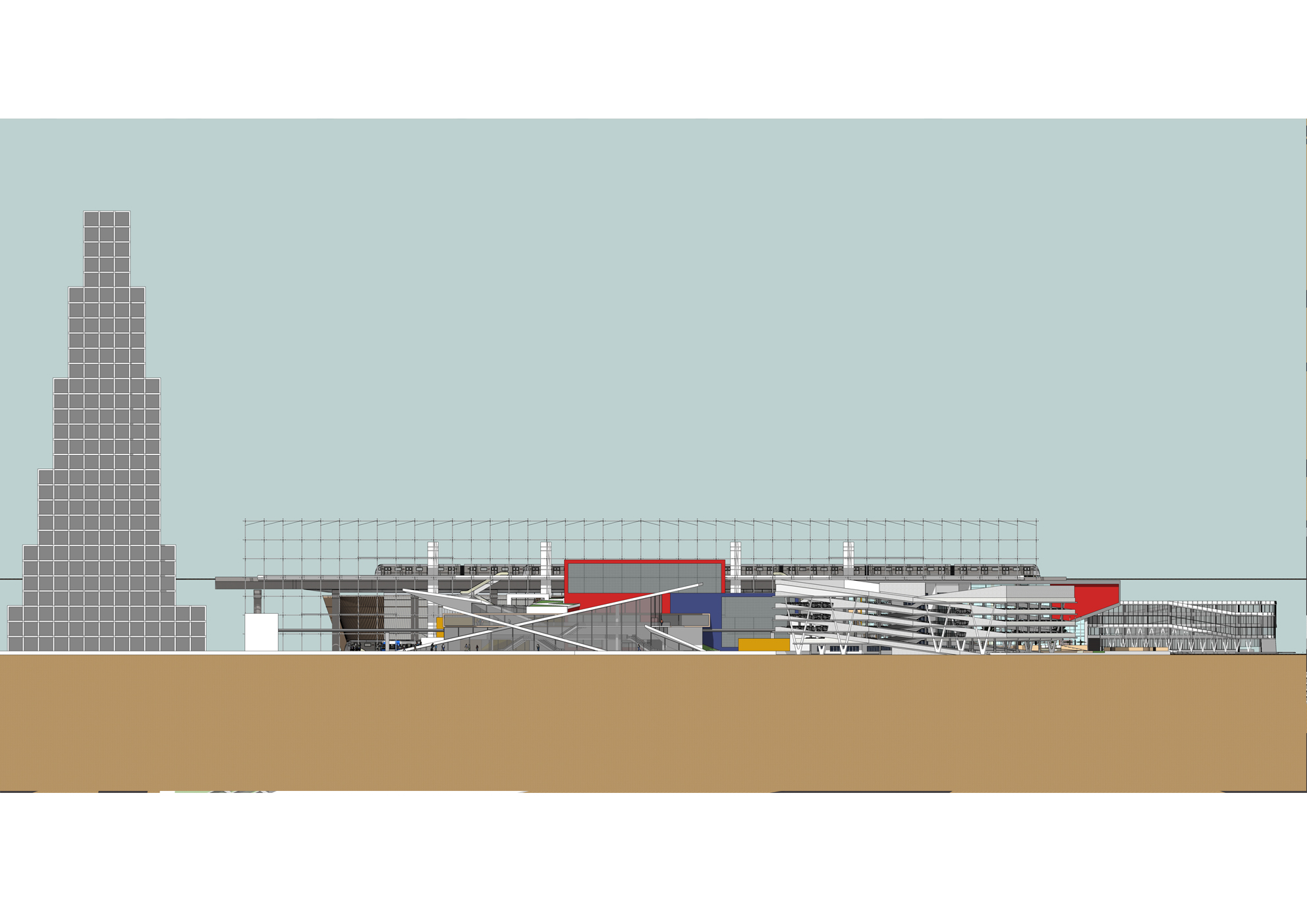
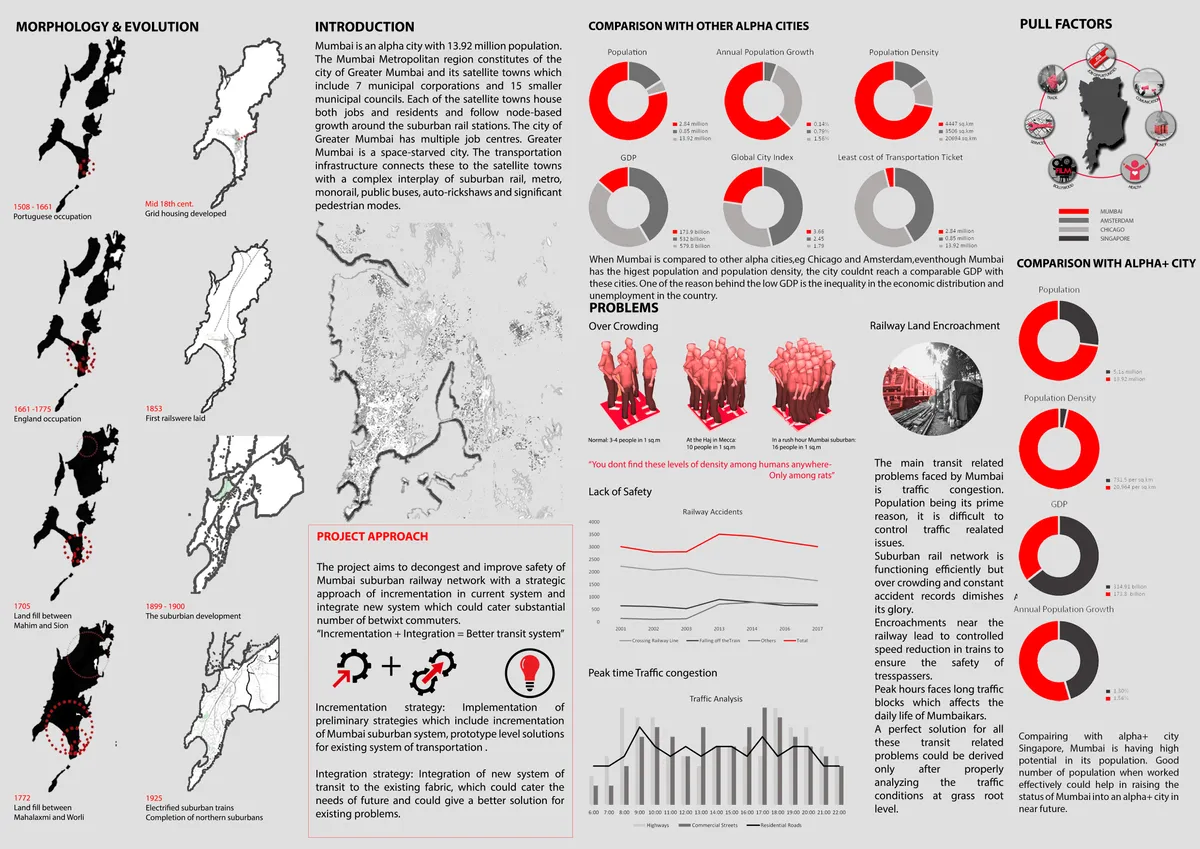
ALAWABBAD is an aim to decongest and improve safety of Mumbai suburban railway network with a strategic approach of incrementation in tired and tested current system and integrate a new system which could cater substantial number of betwixt commuters.

Linear City
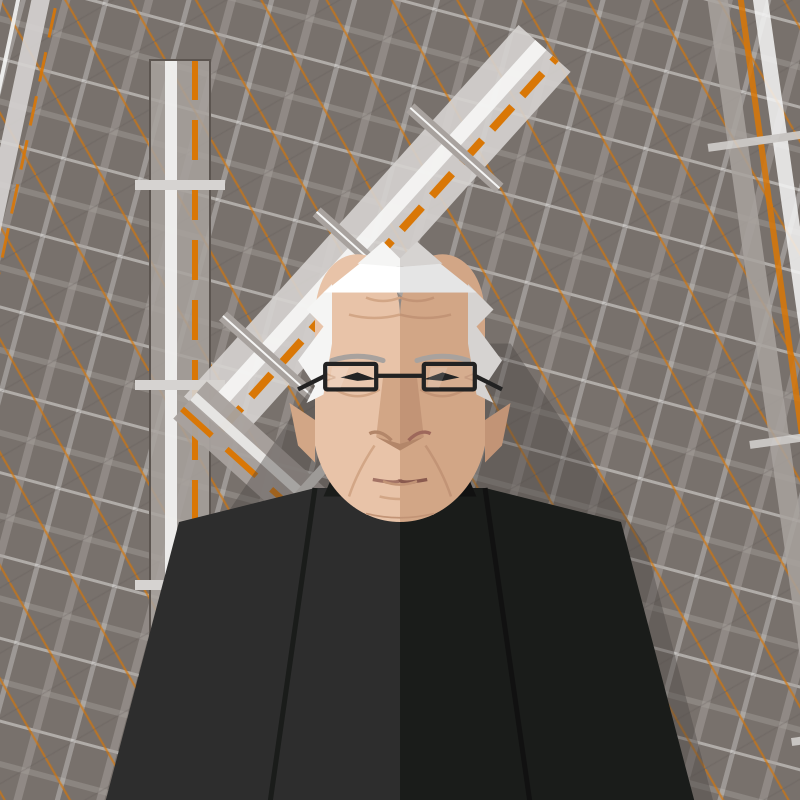
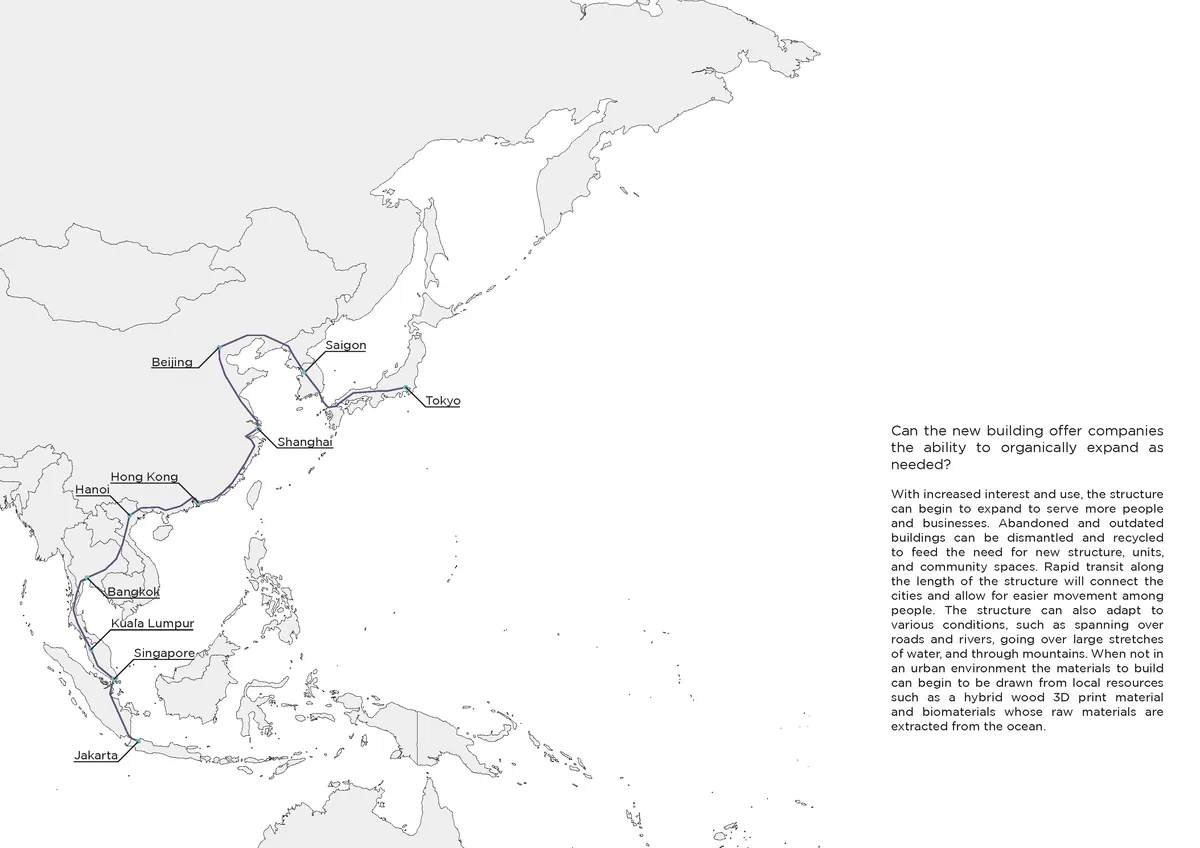
The increased presence and use of automation and artificial intelligence in society will create radical changes to the way people live and work This project provides new ways to live and work for both people with and without the skills still needed to hold a job By creating an adaptable and expandable city AI can begin to best serve the needs of everyone.


Kripya Dhyan Dijiye
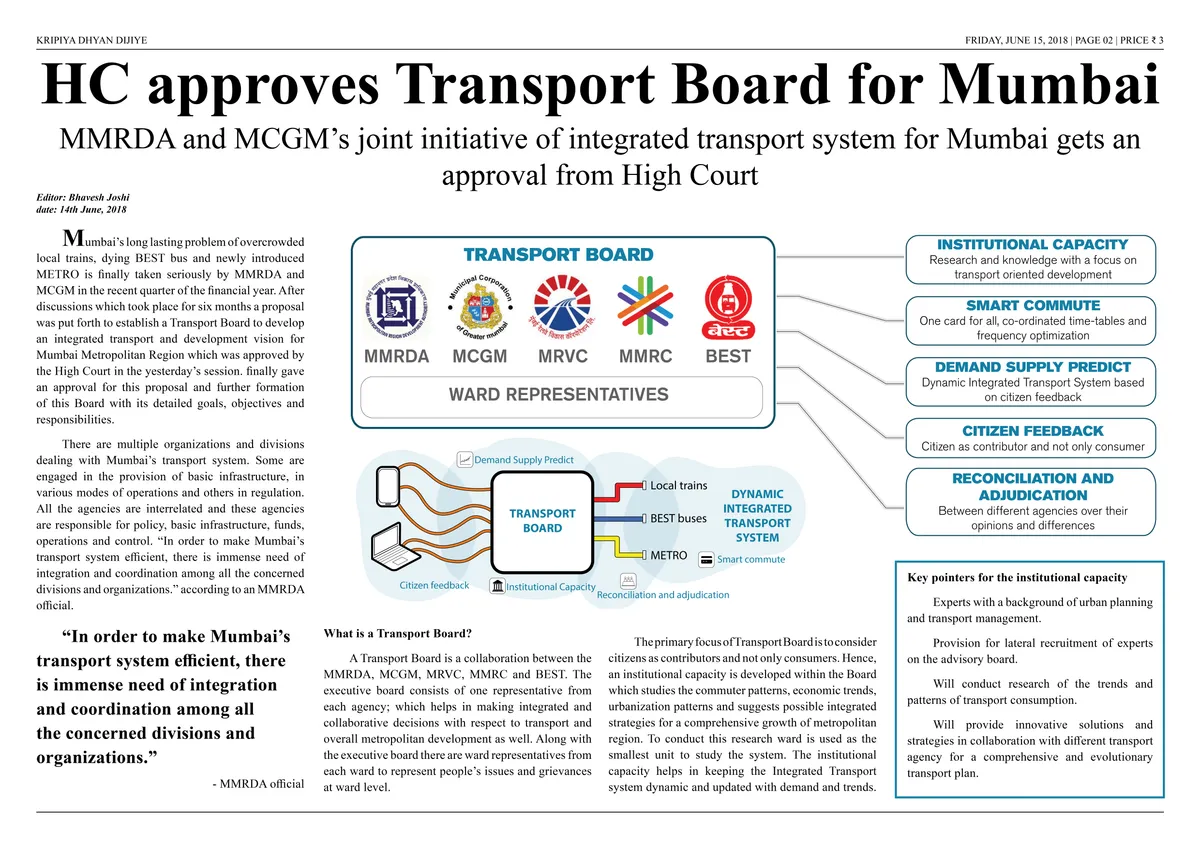
Kripya Dhyan Dijiya is a holistic and rational approach in the rethinking of an integrated and transit oriented development for Mumbai. In order to address this, the project focussed on a consortium of stakeholders (transport board), integration and digitalisation of transport variables and active citizen participation. Public transport is one system now!

Imagining Transit Villages in India: A Scalable Solution for Sustainable and Inclusive Growth in India
This research presents a novel framework for Transit Villages as a scalable and inclusive urban planning model for India. By critically examining existing TOD approaches and comparing international and Indian case studies, the study proposes people-centric planning strategies that enhance mobility, affordability, and environmental sustainability while addressing the challenges of rapid urbanization and peri-urban growth.


From Sociofugal Grids to Sociopetal grounds: Third places as tools for rehumanising the industrial landscape
From Sociofugal Grids to Sociopetal Grounds explores how industrial towns, shaped by rigid zoning and mechanised planning, often foster spatial alienation and social disconnection. Through theories of sociopetality, placemaking, and third places, it investigates how neglected urban spaces can be transformed into inclusive environments that nurture interaction, belonging, and collective life.


one can see great work with pure dedication while reading this thesis.👍🏻

Great Work

Great work🙌🏻


The post-carbon city
Moving beyond the question of decarbonizing transport, this article investigates the post-carbon transition as a catalyst for reconfiguring urban space. It examines how changing mobility paradigms reshape metropolitan structures, public space, and territorial organization, laying the foundations for a renewed architectural and urban model.

The end of expansionary urban planning
The article shows that the future of urban planning lies in transforming existing spaces rather than expanding cities, in order to address ecological, economic, and territorial challenges.



A thoughtful and socially engaged urban thesis that recognizes informal activity as an asset rather than a problem. Further architectural and implementation development could make the connective strategy even more powerful.
Thanks alot sir, glad you noticed and yes I agree that further tweakings can strengthen the connective path.
Amazing 👏
GREAT WORK 👍