Beegraphy Design Awards
Beegraphy's Computational Design Challenge Series
Overview
Are you passionate about design and eager to explore the exciting world of computational design? BeeGraphy, a cutting-edge design platform, is hosting a series of design challenges to empower you to bring your ideas to life.
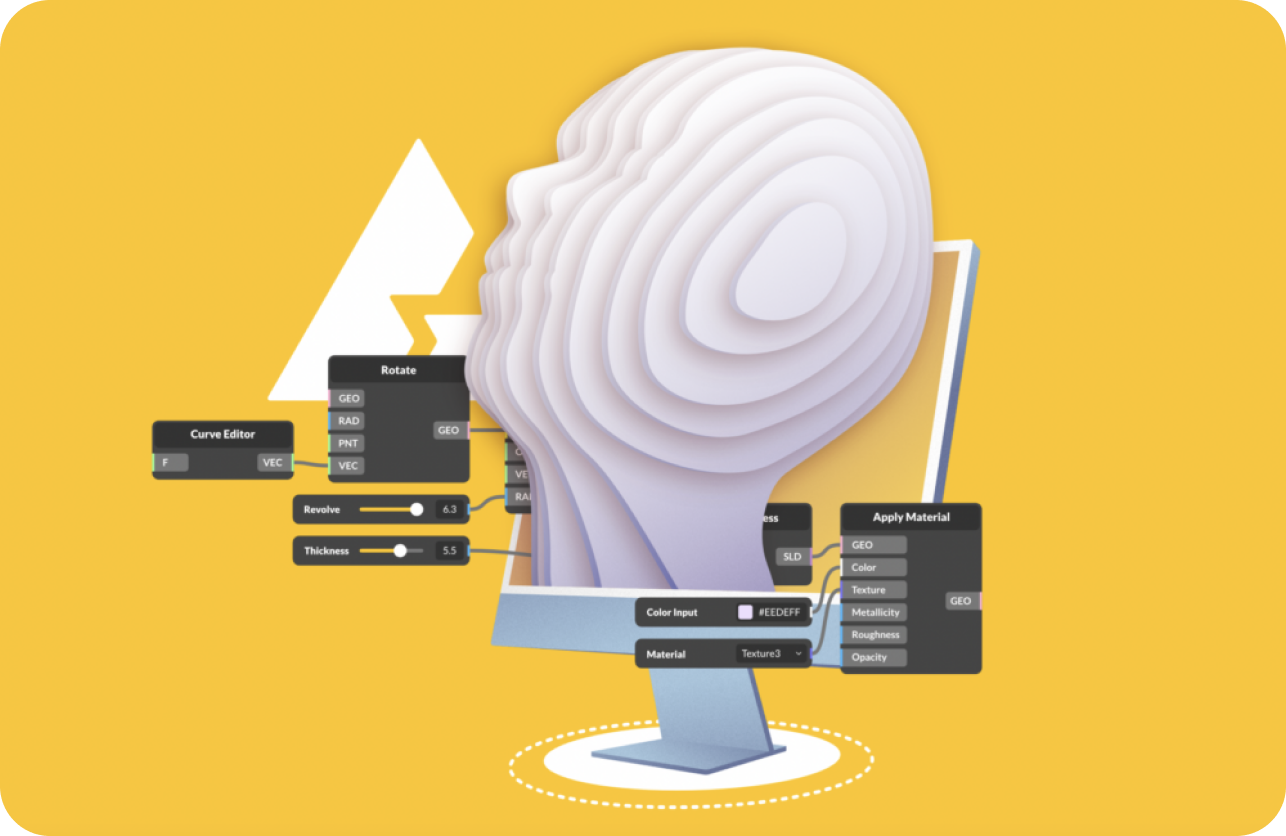
Img.1: Computational design is a digital blend of design and data. It involves the science of logical thinking and the art of designing.
Computational design is the intersection of design and technology. It utilizes algorithms and software to create complex, innovative, and efficient designs. BeeGraphy's user-friendly interface makes this powerful technology accessible to everyone.
This new paradigm is bringing revolution in architecture, engineering, and the arts, blending advanced algorithms with traditional design principles to forge a future where the only limit is imagination. This transformative approach enables the creation of more complex, customizable, and efficient designs than ever before, opening up new possibilities across various industries.
In the digital age, the way we create and manufacture, is undergoing a radical transformation, thanks to the rise of online cloud-based CAD (Computer-Aided Design) software. Tools, like Rhino with Grasshopper, Autodesk Fusion 360, and Blender, are making the art of design more accessible, allowing both seasoned professionals and beginners to bring their visions to life with ease. From crafting intricate pieces of jewelry to designing the blueprints for new buildings, this technology democratizes the process of creation, enabling a wider range of people to participate in the act of innovation. It's not just about making design easier; it's about opening up a world of possibilities for creators everywhere, challenging the traditional limits of what can be made and how.
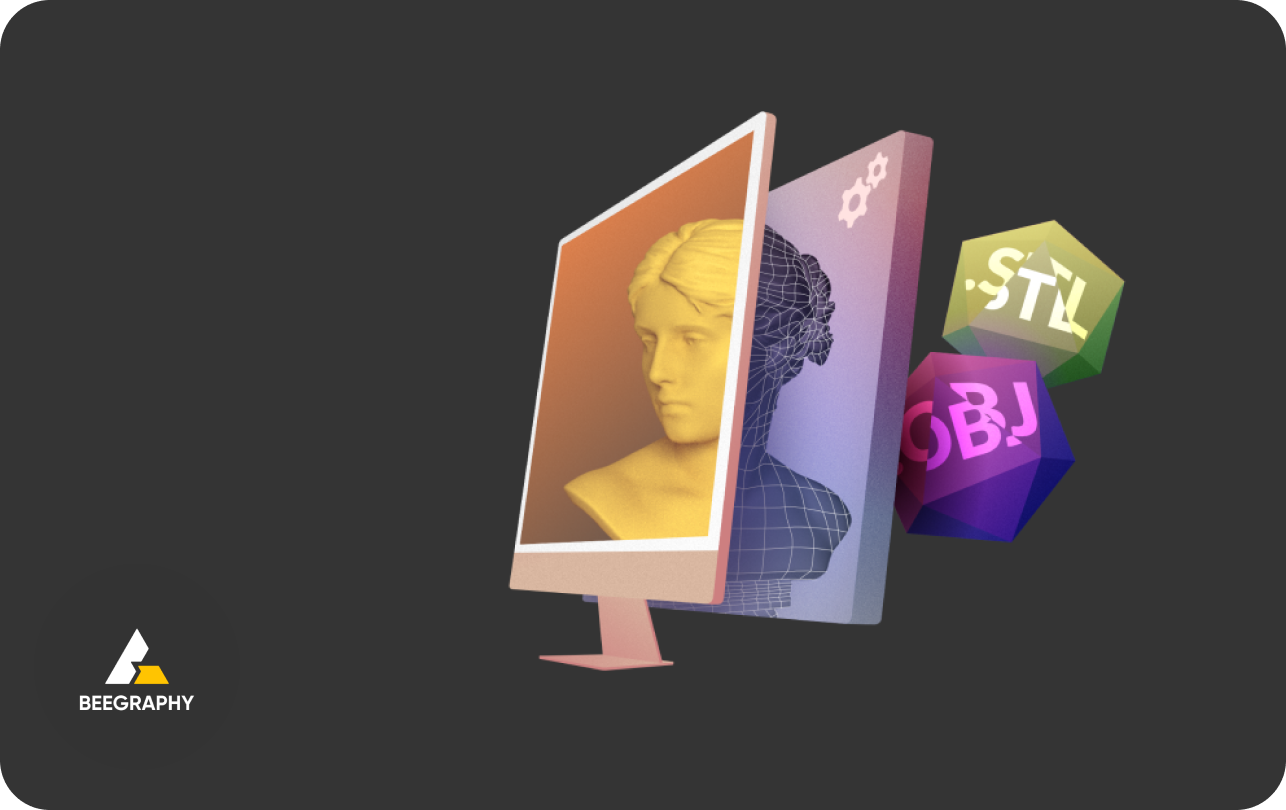
Img.2: Beegraphy's parametric geometry engine enables everyone to create designs via visual coding and helps in preparing the fabrication files as well..
Beegraphy Platform: Your Computational Canvas
BeeGraphy offers a user-friendly platform with a visual coding interface, allowing anyone to create, modify, and prepare designs for fabrication with ease. BeeGraphy utilizes a node-based editor that simplifies complex design processes, making it possible to generate and tweak designs algorithmically. This means that with minimal effort, users can produce variations of their work and export ready-to-use CAD files for CNC machining, laser cutting, or 3D printing. UNI is partnering with BeeGraphy in launching a series of design challenges aims to showcase the potential of computational design. We're inviting innovators, dreamers, and makers from all over the globe to explore the boundaries of their creativity, leveraging these advanced tools to create something truly remarkable.
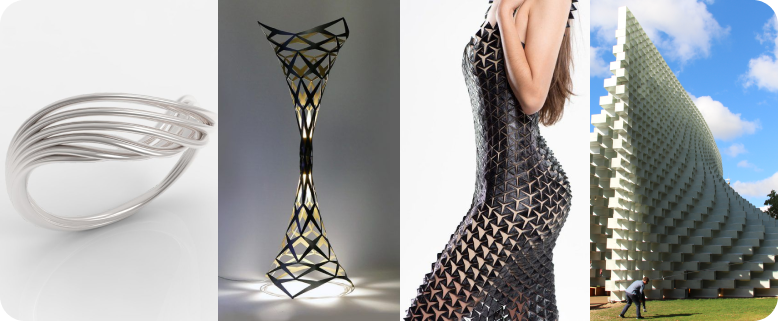
Img.3: Computational design across industries such as Jewelery design, Lighting design. Fashion design & Architecture
Challenge Categories
Our series of challenges spans ten categories, each focusing on a different aspect of design and manufacturing. These categories have been carefully selected to showcase the diversity of computational design applications and to inspire creativity across disciplines:
 Category 1: Create unique art pieces and collectibles that transcend traditional boundaries, exploring the fascinating intersection of art and technology through computational design.
 Category 2: Illuminate the future with innovative lighting solutions that integrate smart technology and aesthetic elegance, serving as central design elements within any room.
 Category 3: Design innovative urban furniture and installations that enrich communal spaces, promoting interaction, relaxation, and aesthetic pleasure in urban environments.

Category 4: Innovate open-source designs for products that can be 3D printed, laser cut, or fabricated in parts and assembled into final products, pushing the limits of fabrication and design.

Category 5: Blend cutting-edge technology with timeless aesthetics to create wearable pieces that are both functional and fashionable, demonstrating the future of wearable tech.

Category 6: Reimagine the staples of modern living with innovative pieces that enhance functionality, aesthetics, and smart integration in home furnishings.

Category 7: Create engaging and interactive educational experiences using computational design to enhance learning, spark curiosity, and revolutionize the way we understand complex concepts.

Category 8: Explore the concept of dynamic movement in designs, creating adaptable and transformative products or structures that embrace movement and change.

Category 9: Shape the future of architecture by designing sustainable, efficient, and visually stunning building facades using parametrization and computational design techniques.

Category 10: Think beyond predefined categories to create groundbreaking products, structures, or systems that add value to society, demonstrating computational creativity and impactful innovation.
Each category represents a unique challenge and opportunity for innovation, encouraging participants to explore the intersection of design, technology, and materiality. Through these challenges, we aim to discover new designs that are not only visually captivating but also practical, sustainable, and ready for production.
In this competition, BeeGraphy is your Computational Canvas. Participants are required to review the brief of each category, create their design using the BeeGraphy platform, and publish their work on the marketplace.
Stage II
The second stage of our competition will be the final round for the selection of best entries from each category. We will be shortlisting 10 most voted designs from the Beegraphy Marketplace. If your design is among these, a hearty congratulations are in order—your journey is just getting started/.
In Stage 2, it's time to refine your creations. This phase is all about detail, precision, and sharing the story behind your design. Here’s what’s expected from our shortlisted innovators:
-
Detailing Your Design: Take your initial concept to the next level. Focus on refining and detailing your design, ensuring it’s not just beautiful but also practical and manufacturable.
-
Preparation of Fabrication Files: Utilize BeeGraphy to prepare your fabrication files such as DXF, OBJ, STL & STP. This is where your design moves from concept to something that can be realized in the physical world. Whether it's for 3D printing, CNC machining, or laser cutting, your files need to be ready for action.
-
Illustrating Your Design Process: Share the journey of your design from initial concept to the finalized submission. This includes your thought process, the challenges you faced, and how you overcame them. Visuals, sketches, and intermediate renders can greatly enhance your narrative.
-
Fabrication Process Documentation: Detail how your design can be brought to life. This involves outlining the fabrication process, materials used, and any specific techniques or considerations relevant to your design.
-
Rendered Visuals: Bring your design to life with high-quality renders. These visuals should showcase your design in the best light, highlighting its features, functionality, and aesthetic appeal.
-
Submitting Your Design : To submit your design you can use our journal editor to write an article that encapsulates the essence of your design covering all the above requirements. This should explain your concept, inspiration, the computational design methods employed, and the impact you envision your design having. Accompany this article with concept sheets that visually represent your ideas.
Stage 2 is not only about your design but also about telling the story behind your design, showcasing its feasibility, and sharing the creativity and innovation that computational design enables. We can’t wait to see your designs evolve and hear the fascinating stories behind them. This is your chance to shine and demonstrate how your design stands out not only in artistic vision but in practical execution as well. Let’s get ready to impress and inspire!
Similar Competitions
Discover competitions you might be interested in