
A Deep Dive into Temporary Pavilion Design
Exploring Ilhéu Atelier's design of a temporary pavilion for the Walk&Talk festival in Ponta Delgada.


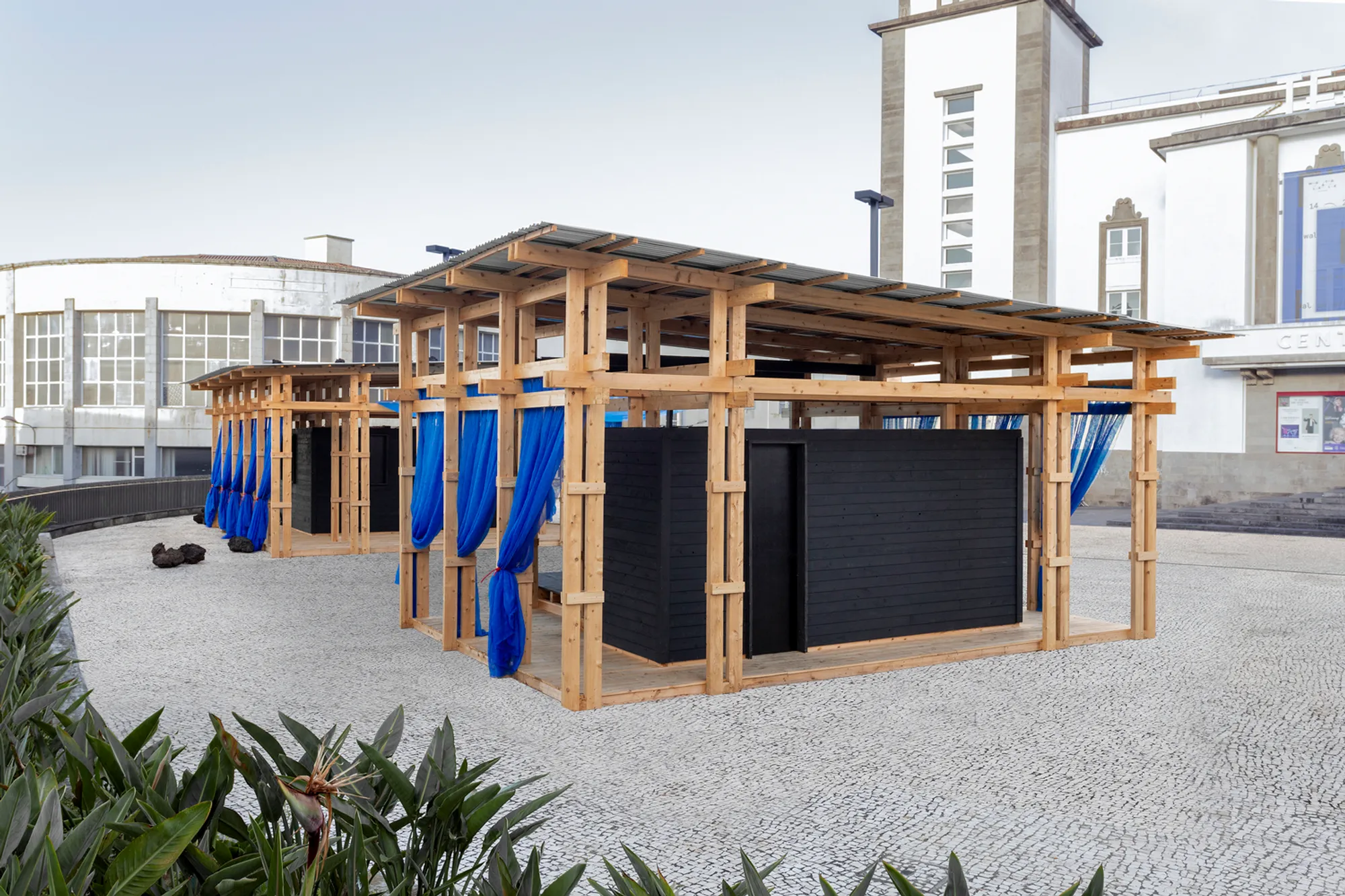
Temporary pavilions offer a unique intersection between art, architecture, and community engagement. These structures, often erected for festivals, exhibitions, or temporary events, challenge architects to think creatively about space, materiality, and the experience of those who interact with them. One standout example of temporary pavilion design is the project by Ilhéu Atelier for the Walk&Talk festival in Ponta Delgada, Portugal.
The Genesis of a Temporary Pavilion
The project began as a response to a competition for designing a temporary structure in São João Square. The goal was to create a space that would not only serve the functional needs of the festival but also engage with the public in a meaningful way. The architects, Afonso Botelho Santos and Rita Sampaio, envisioned the pavilion as more than a mere structure; it was to be a performance in itself.
Construction as Collective Performance
The construction of the pavilion became a public act, transforming the square over two weeks. This process was not just about erecting a structure but also about altering the perception of the space it occupied. The anticipation of the festival and the changing landscape invited the community to be a part of the pavilion's story from the very beginning.
The Pavilion's Life During the Festival
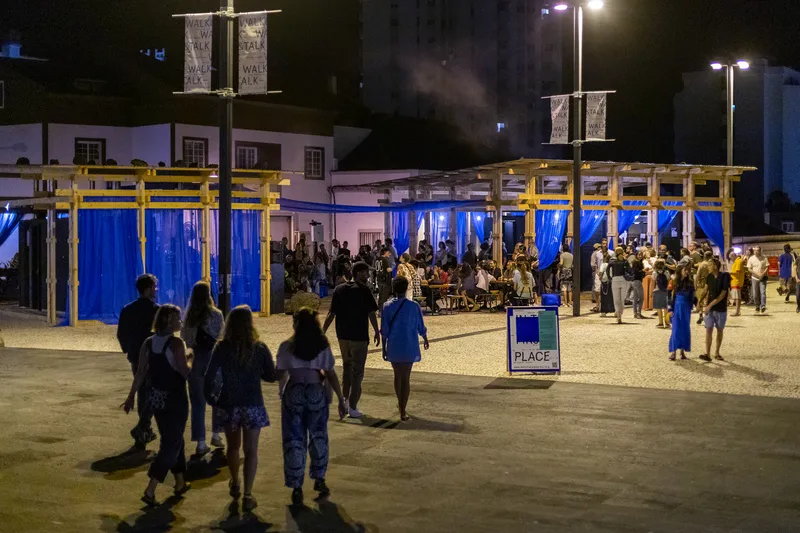
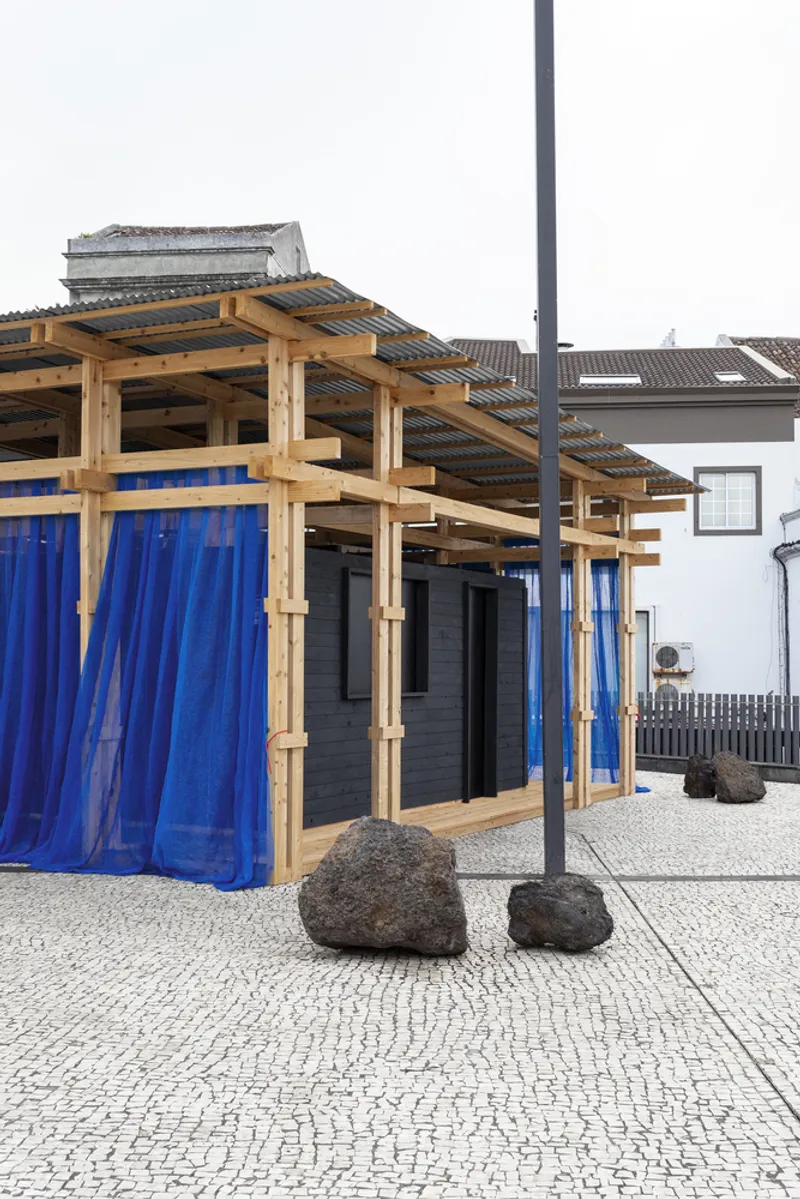
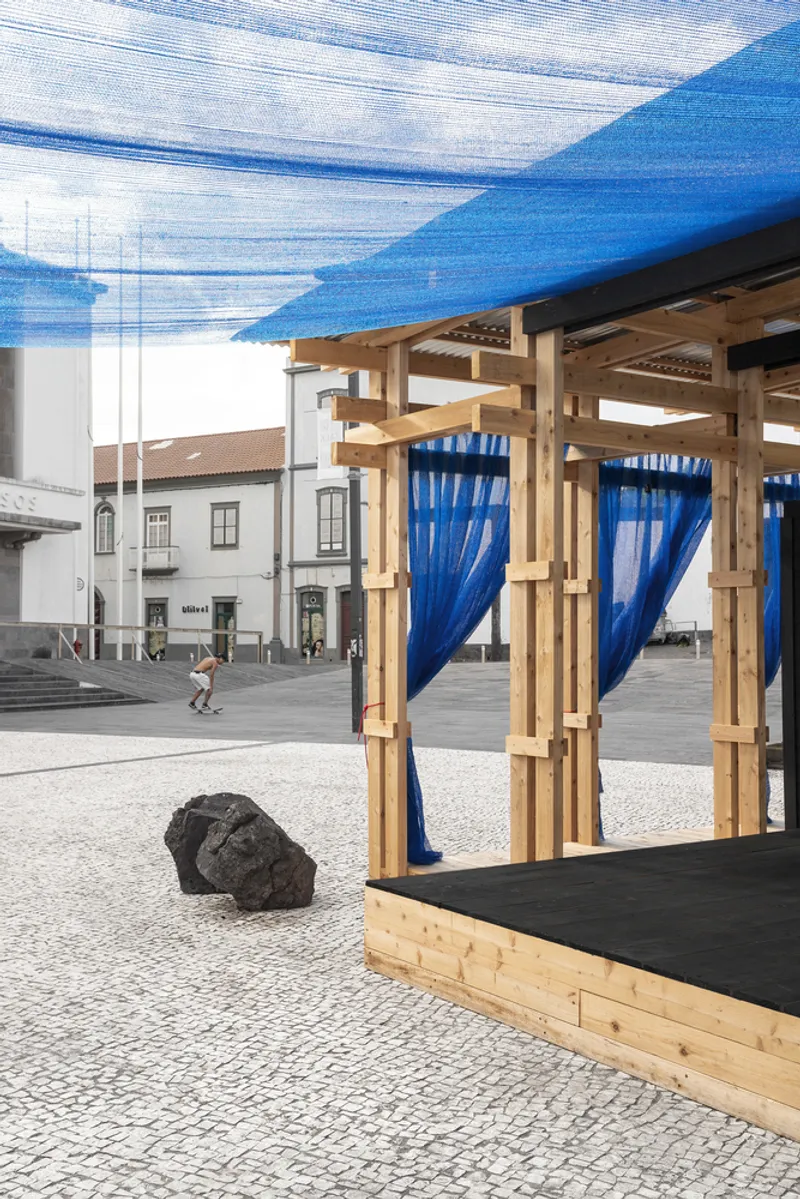
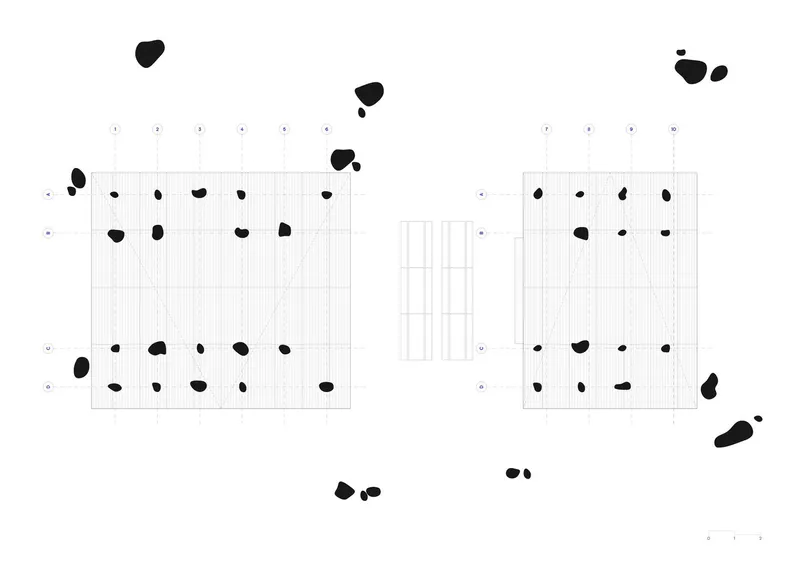
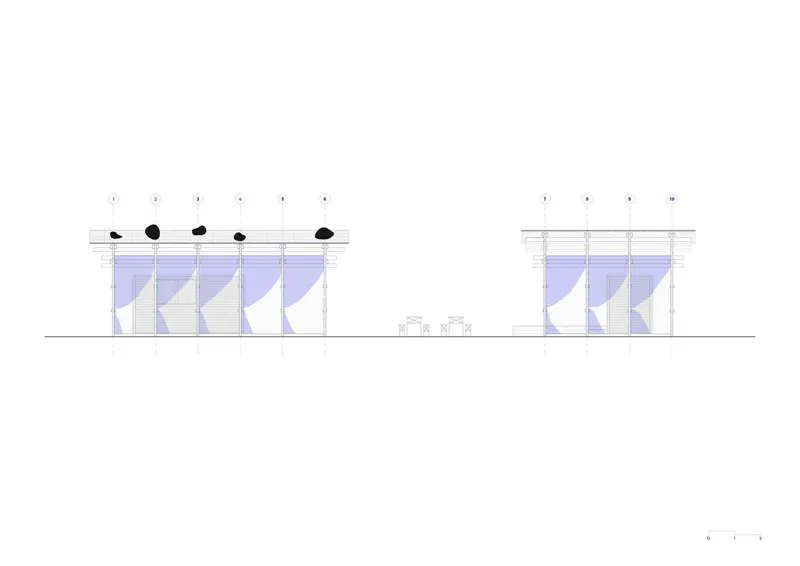
During the festival, the pavilion's role shifted to accommodate a variety of events, from performances to gatherings. Its design, consisting of two main volumes for the stage and a bar/cafeteria, encouraged the free flow of people, creating a dynamic and inclusive environment. The open space between these volumes became a place of interaction, embodying the festival's spirit.
Local Materials and Sustainability
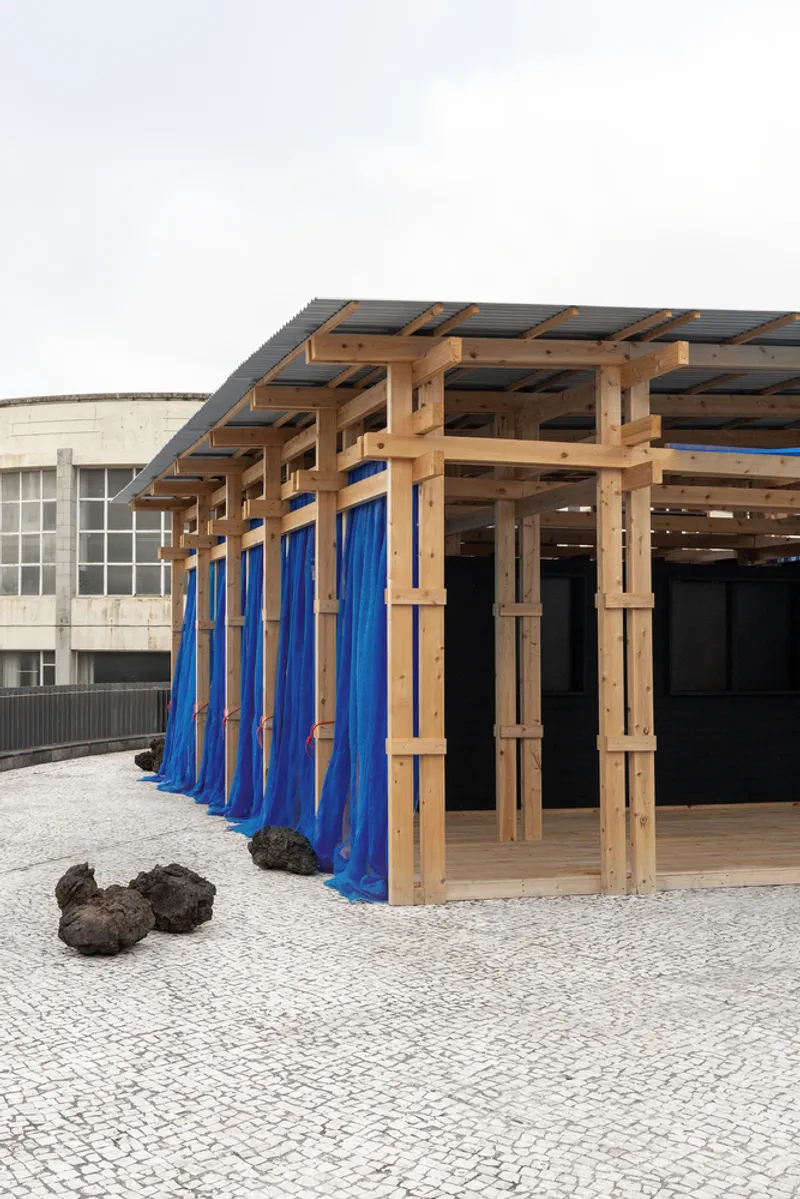
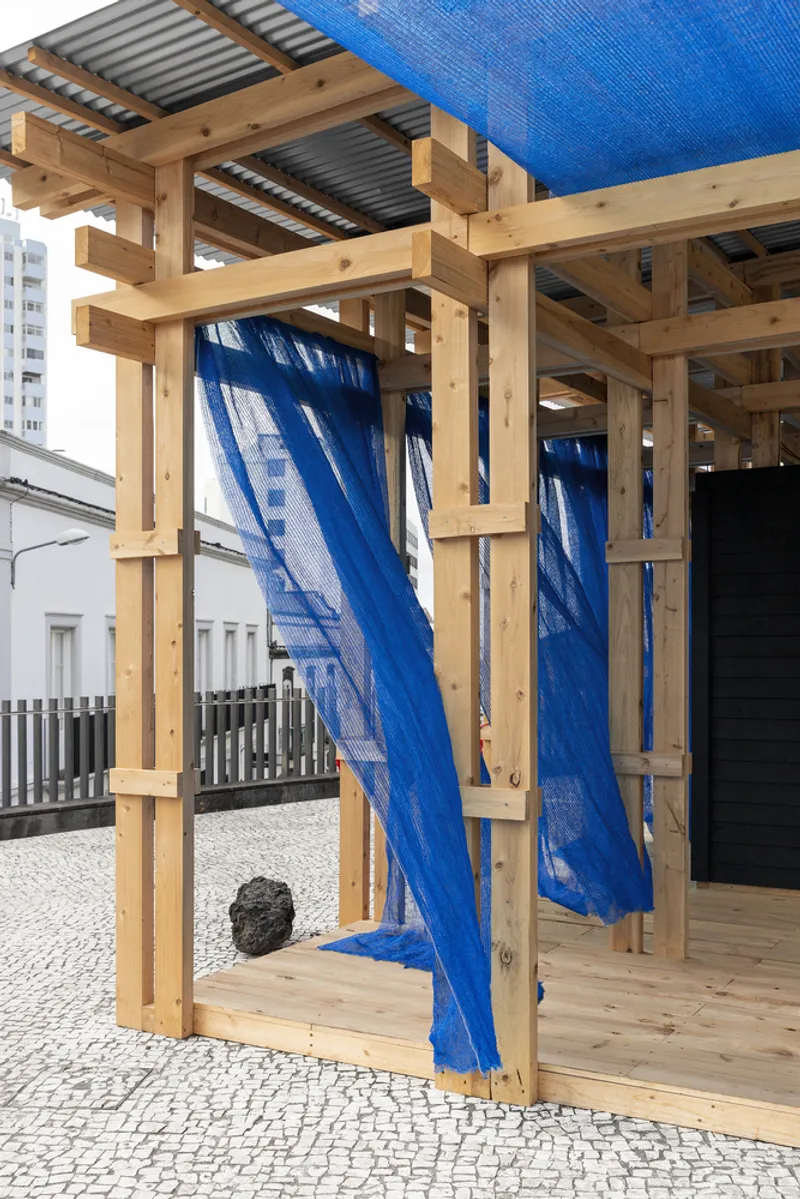
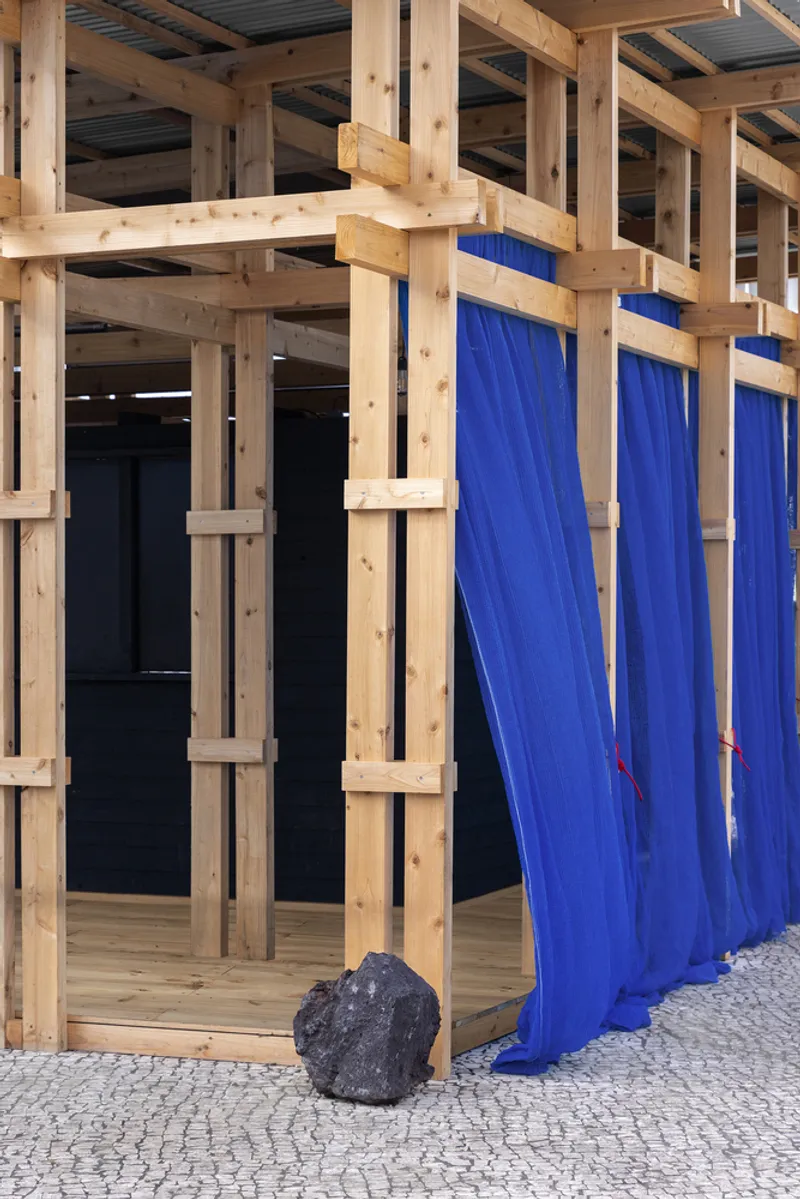
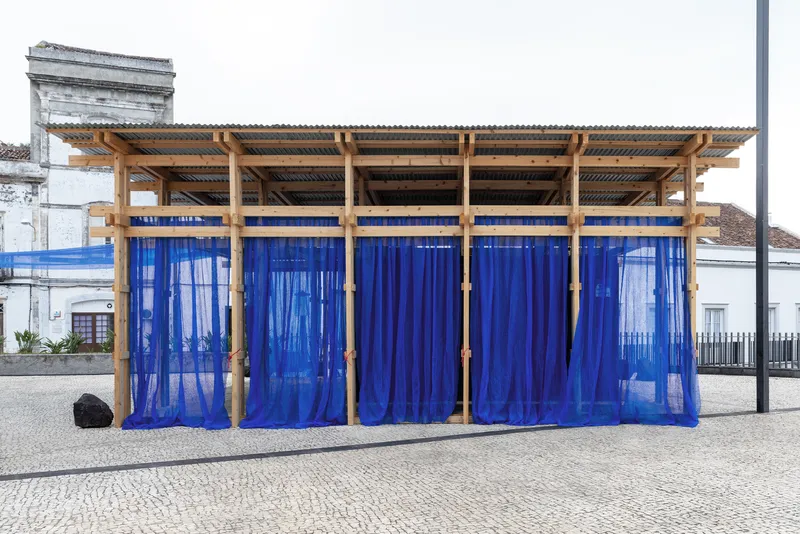
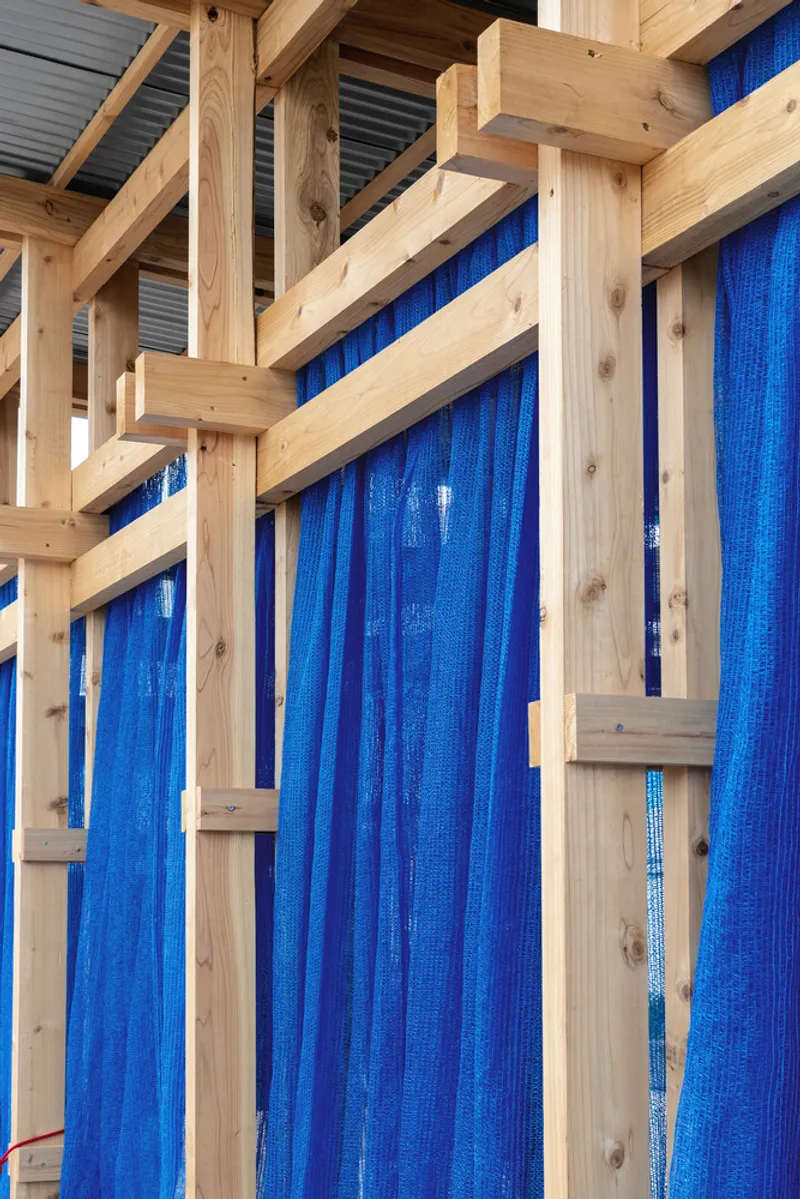
A key aspect of this temporary pavilion design was its emphasis on sustainability and local culture. The use of cryptomeria wood for the structure's beams and pillars not only supported local industry but also referenced the architectural heritage of the Azores. Volcanic stones, another nod to local tradition, added a functional yet decorative element, serving as both roof weights and informal seating.
The Role of Semi-Transparent Net Curtains
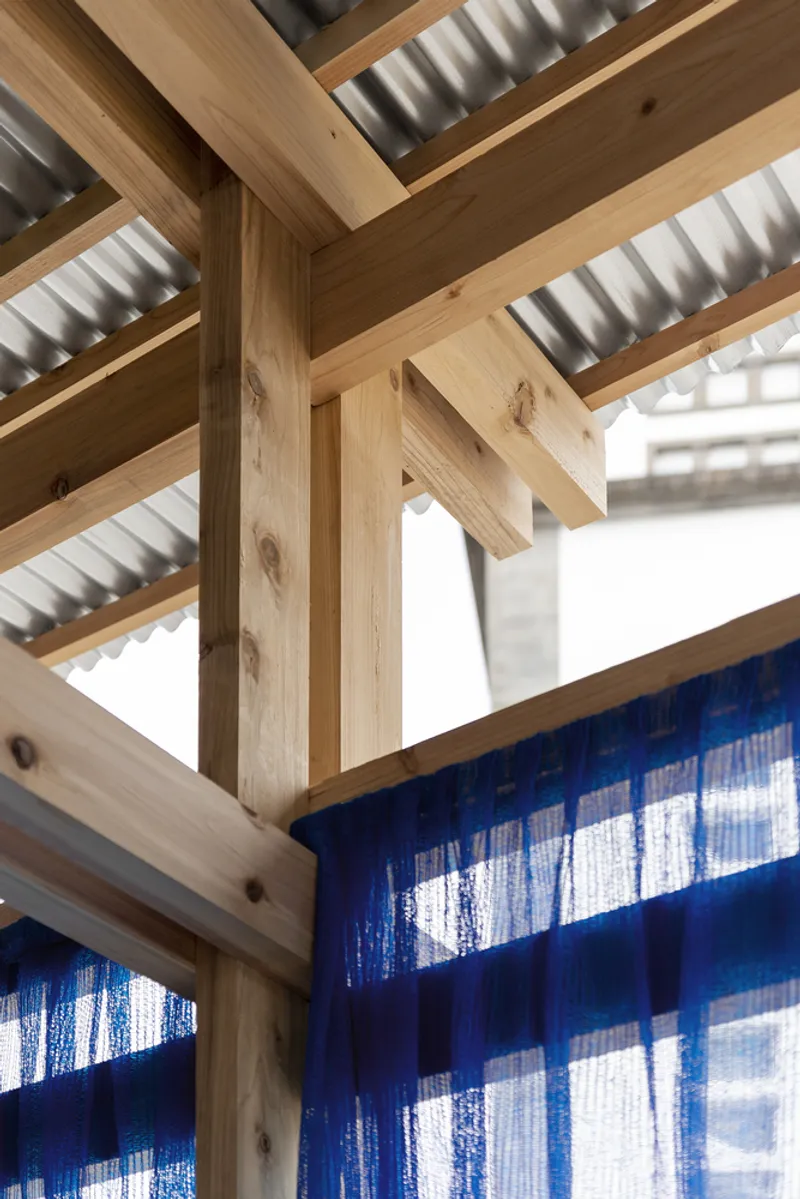
The incorporation of semi-transparent net curtains added a layer of flexibility and interaction with the pavilion's environment. These curtains, inspired by the island's fishing culture, allowed for the space to be visually and physically adaptable. Their permeability created a play of shadows and light, enhancing the pavilion's atmosphere and its dialogue with the surrounding public space.
The Pavilion's Final Act
The ephemeral nature of the pavilion was underscored by its dismantling at the festival's end. This final act of the pavilion's life cycle opened the space for future ephemeral projects, leaving a lasting impact on the community's collective memory. The project by Ilhéu Atelier exemplifies how temporary pavilion design can transcend its temporary nature, becoming a meaningful and transformative part of the urban landscape.
In conclusion, temporary pavilions like the one designed by Ilhéu Atelier for the Walk&Talk festival showcase the potential of architecture to engage with and enhance public spaces in innovative ways. These structures challenge us to rethink the possibilities of temporary architecture and its capacity to leave a lasting impression on both the environment and its inhabitants.
All photographs are work of Mariana Lopes




Popular Articles
Popular articles from the community


The Musturak Paradise: Senior Living Architecture for a Connected Future in Temara, Morocco
The Musturak Paradise reimagines senior living architecture in Temara via private homes, social spaces, culture, community, and shared care.

The Earth Pod: 3D Printed Homes for Resilient Refugee Communities
The Earth Pod reimagines refugee housing through 3D printed homes made from clay, combining resilience, self-sufficiency, and rapid shelter.

Co-Life: Senior Housing Design That Reconnects Older Adults With the City
Co-Life reimagines senior housing design through healing gardens, shared streets, workshops, and a sustainable community across generations.

Riyadh For All: Intergenerational Urban Design for Active Aging in Rabat
Riyadh For All reimagines urban design in Rabat with intergenerational co-living, adaptive courtyards, and Moroccan cultural exchange today.


Similar Reads
You might also enjoy these articles

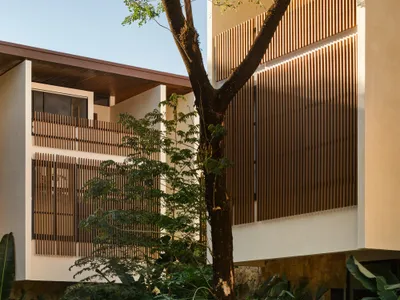
FAMM Arquitectura Organizes Ten Villas Around Courtyards and Jungle in Nosara, Costa Rica
El Molino pairs two elongated volumes with deep overhangs and timber louvers to build a compact coastal community five minutes from the beach.
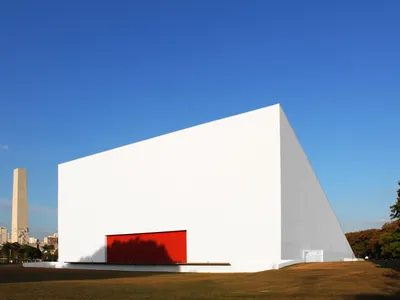
Oscar Niemeyer's Ibirapuera Park Pavilions Define São Paulo's Cultural Identity in Concrete and Curve
A constellation of modernist volumes set within São Paulo's most important urban park, conceived for the city's 400th anniversary in 1954.
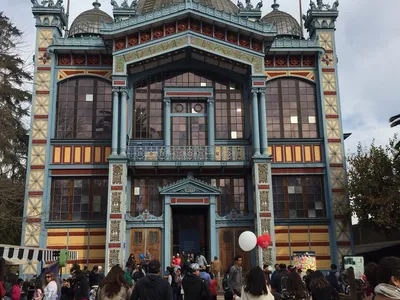
How Henri Picq's 1889 Paris Pavilion Traveled 11,000 Kilometers to Become Santiago's Artequín Museum
A prefabricated iron and glass pavilion built for the Paris Universal Exposition found a second life as a children's art museum in Chile.
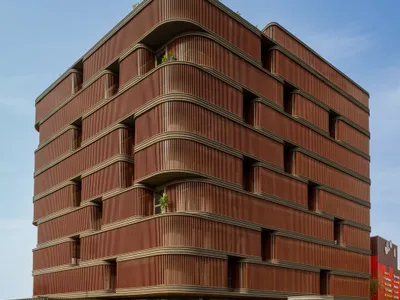
Sanjay Puri Architects Wraps a Jaipur Office Tower in Capsule-Shaped Green Buffers
A nine-level climate-responsive workplace near Jaipur Airport uses stacked planter terraces and aluminium screens to fight 40°C heat.


Explore Cultural Architecture Competitions
Discover active competitions in this discipline



Challenge to reimagine the Iron Throne


Photograph architecture without architects


Illustrate the lost glory of Angkor Wat - Render Challenge


Bring back Drive In's
Comments (0)
Please login or sign up to add comments
No comments yet. Be the first to comment!