
Adaptive Reuse Architecture in Bordeaux: The Bacalan Block Transformation
The article explores the Bacalan Block in Bordeaux, a prime example of adaptive reuse architecture blending industrial history with modern, sustainable design.

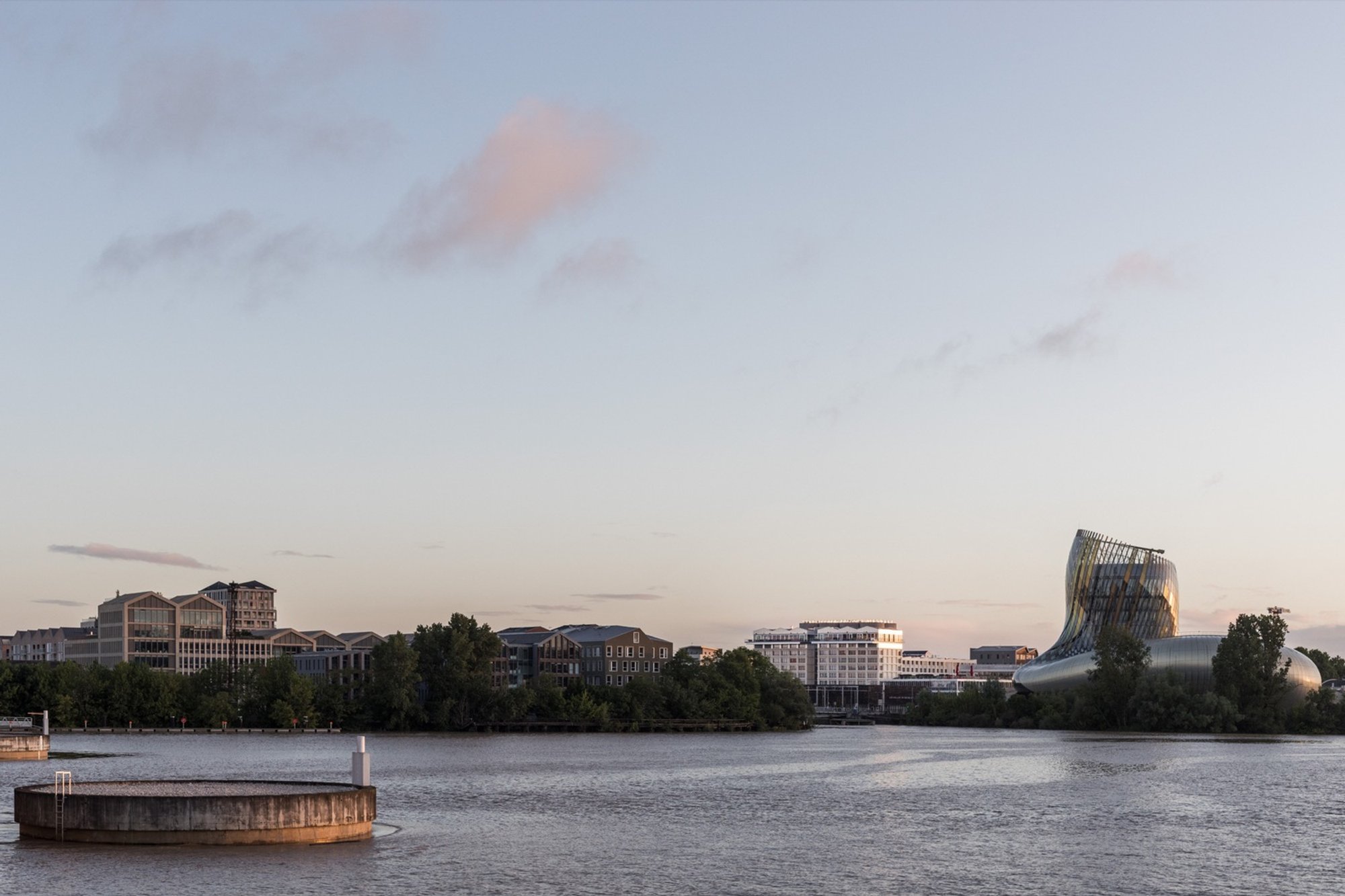
In the heart of Bordeaux, France, a remarkable example of adaptive reuse architecture breathes new life into the city's industrial past. The Bacalan Block, designed by COSA Colboc Sachet architectures, stands as a testament to the creative and sustainable repurposing of former industrial buildings. This article explores the Bacalan Block project, showcasing its innovative approach to blending history with modernity, nature with architecture.
The Essence of Adaptive Reuse in Architecture
Adaptive reuse in architecture involves repurposing old buildings for new uses, offering both environmental and cultural benefits. By preserving the structural essence of existing sites, architects and developers can reduce the carbon footprint associated with demolition and new construction while maintaining a tangible connection to the past.
Historical Context and Design Philosophy
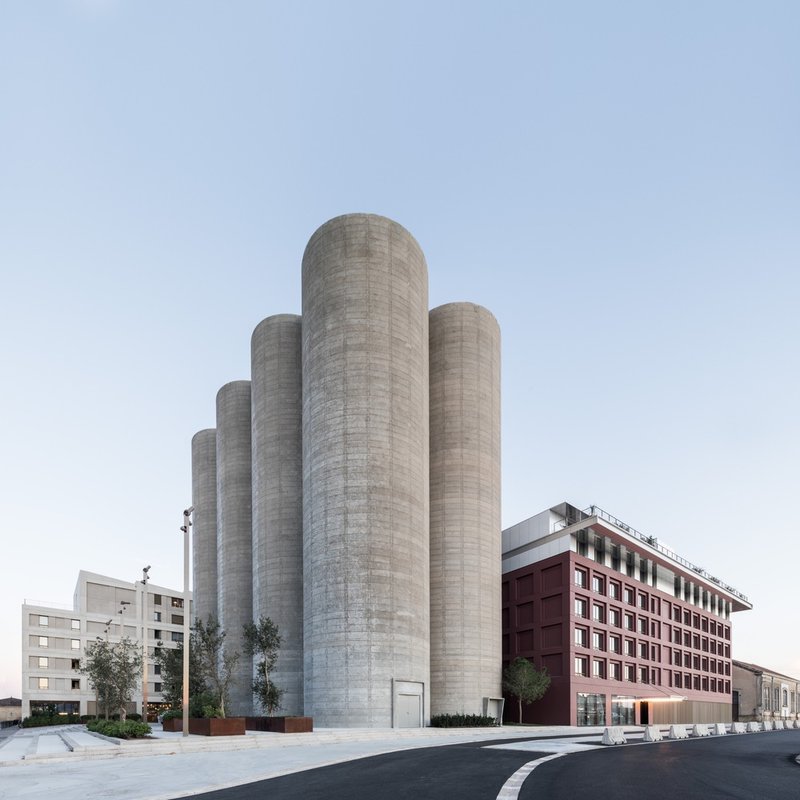
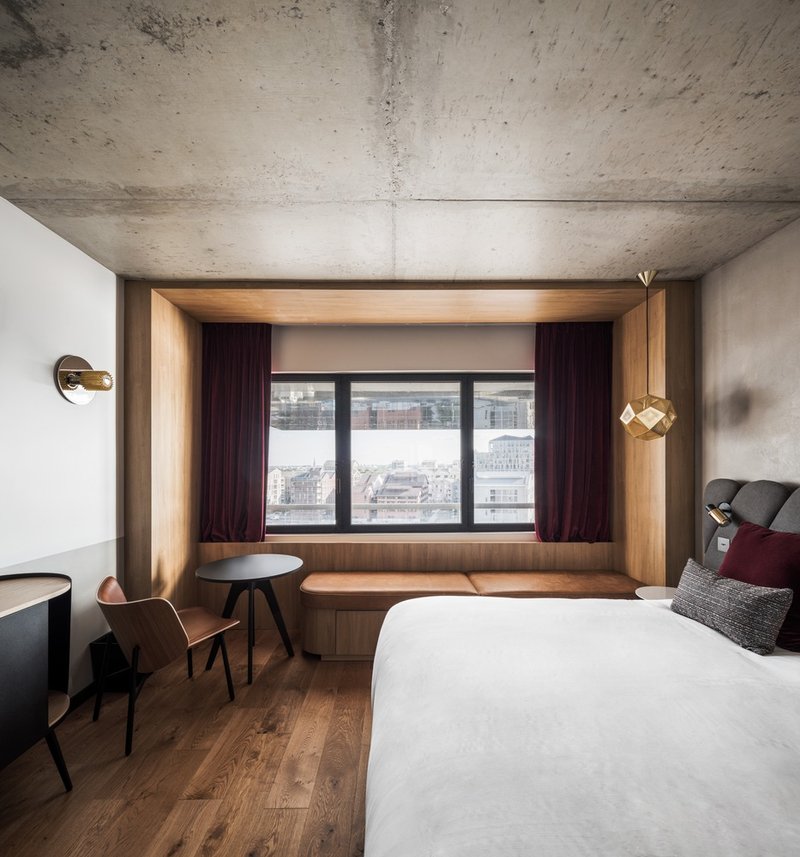
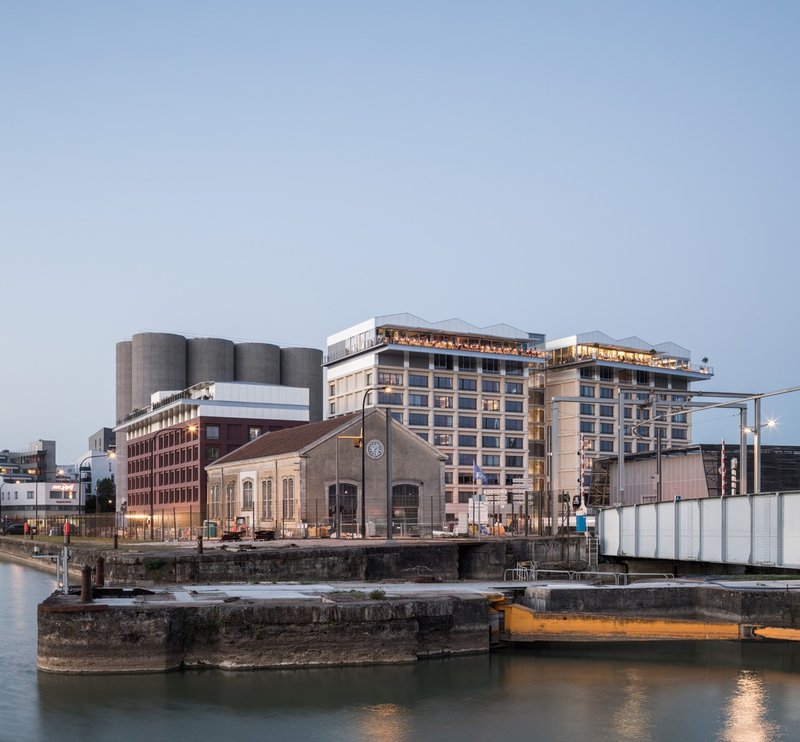
The Bacalan Block is nestled within a district rich in industrial history, characterized by its eight imposing silos. Once a bustling hub of production, the site had fallen into disuse, with nature gradually reclaiming the concrete giants. COSA Colboc Sachet architectures envisioned a new purpose for this space, transforming it into a harmonious blend of hospitality and communal areas, all while paying homage to its industrial roots.
The Architectural Intervention
The Silo Garden: A Green Heart
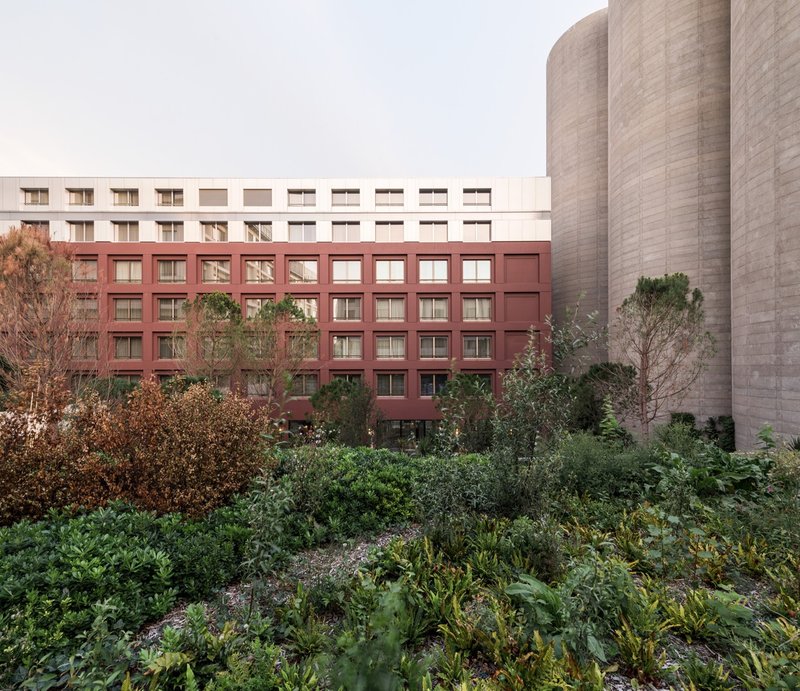
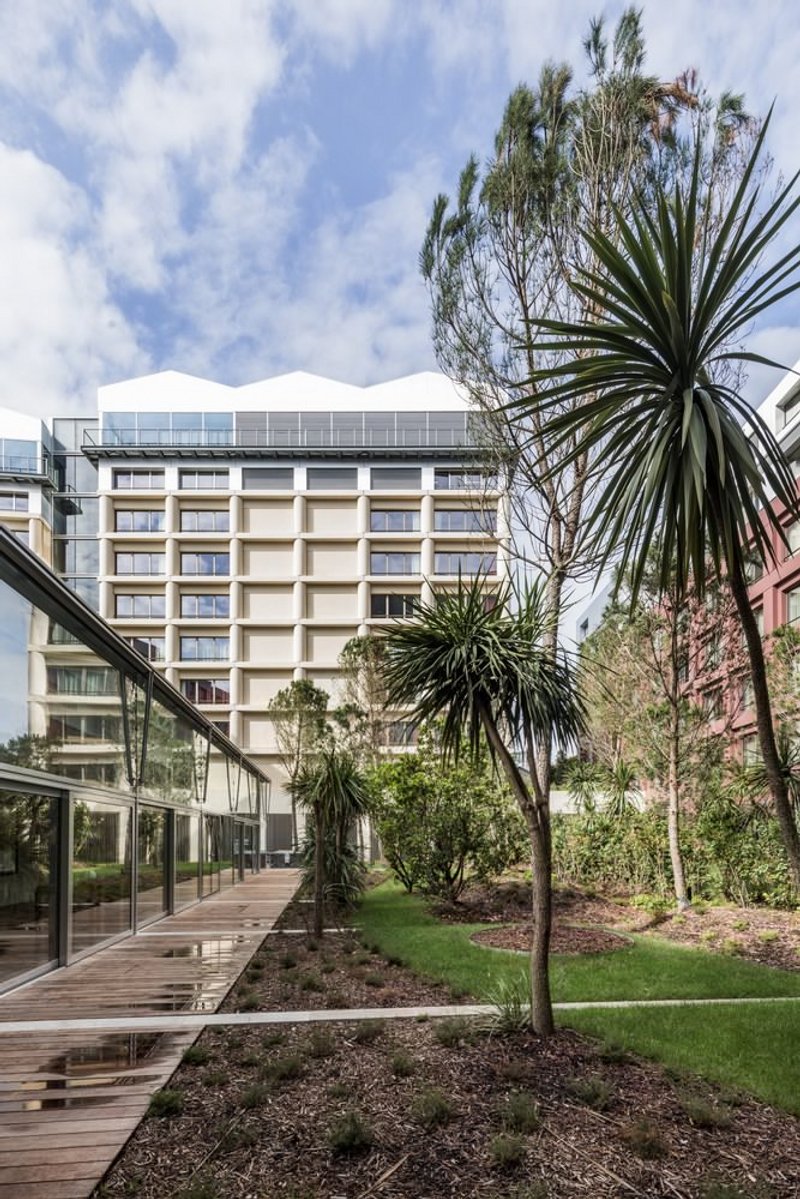
At the core of the Bacalan Block project is the silo garden, a lush, verdant space surrounded by the new construction. This garden serves not only as a communal area but also as a symbolic link to the region's natural landscapes. The architects have carefully selected plant species to create layers of greenery that transition from ground cover to towering trees, encapsulating the essence of the nearby Landes forest.
Blending the Old with the New
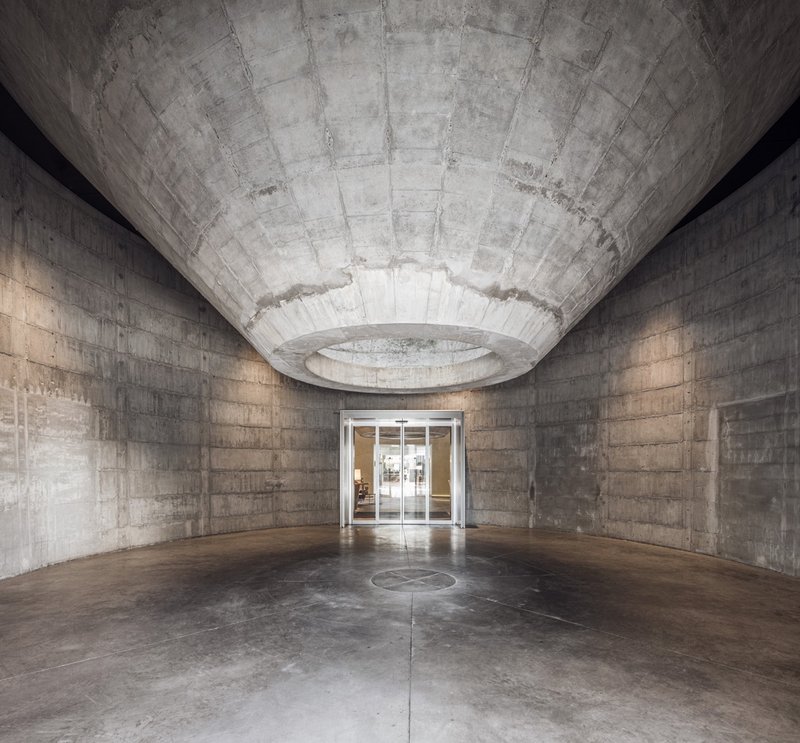
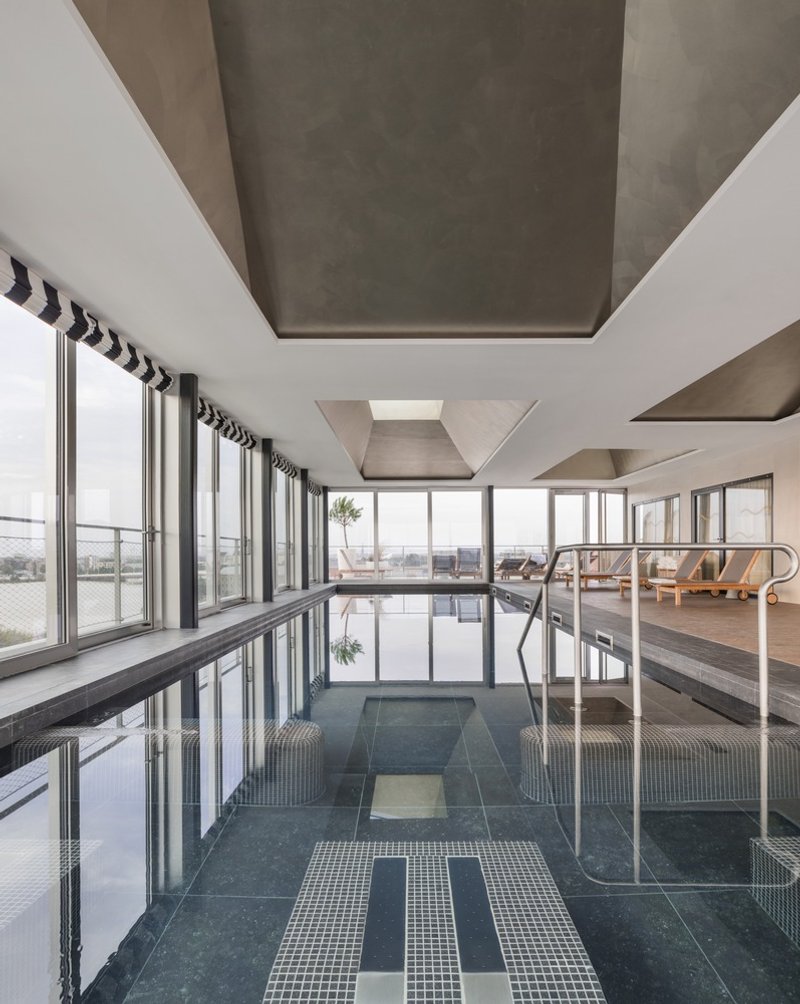
The project's adaptive reuse strategy is most evident in its treatment of the silos. Two of the silos have been creatively repurposed: one opened up to the elements, returning it to nature, and the other encased in a transparent membrane, housing the hotel lobby. This interplay between the old and the new extends to the hotel rooms, communal spaces, and rooftop amenities, all designed with a deep respect for the original industrial character.
Sustainable and Inconspicuous Design
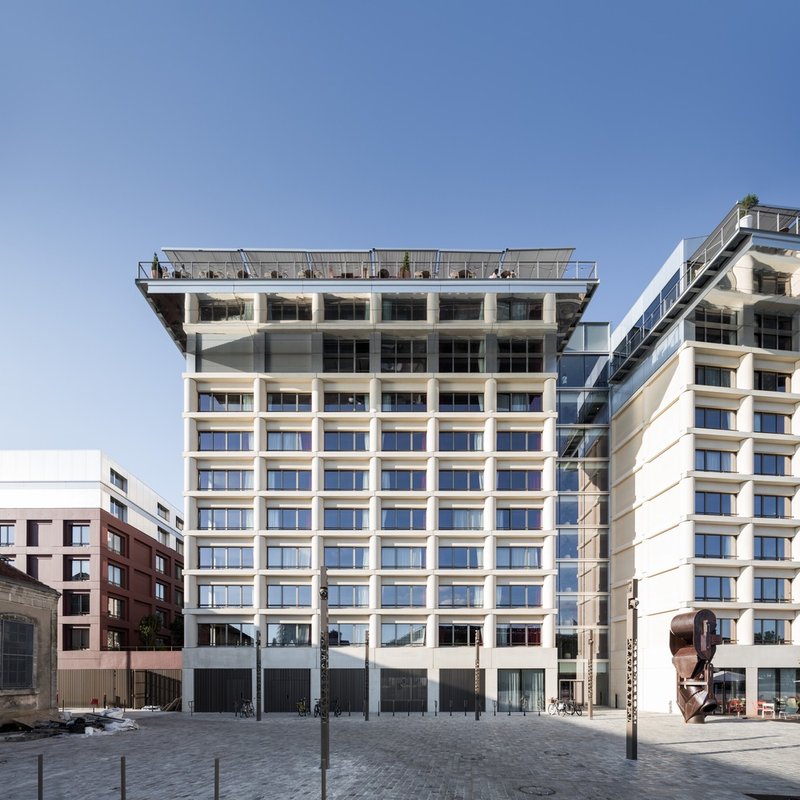
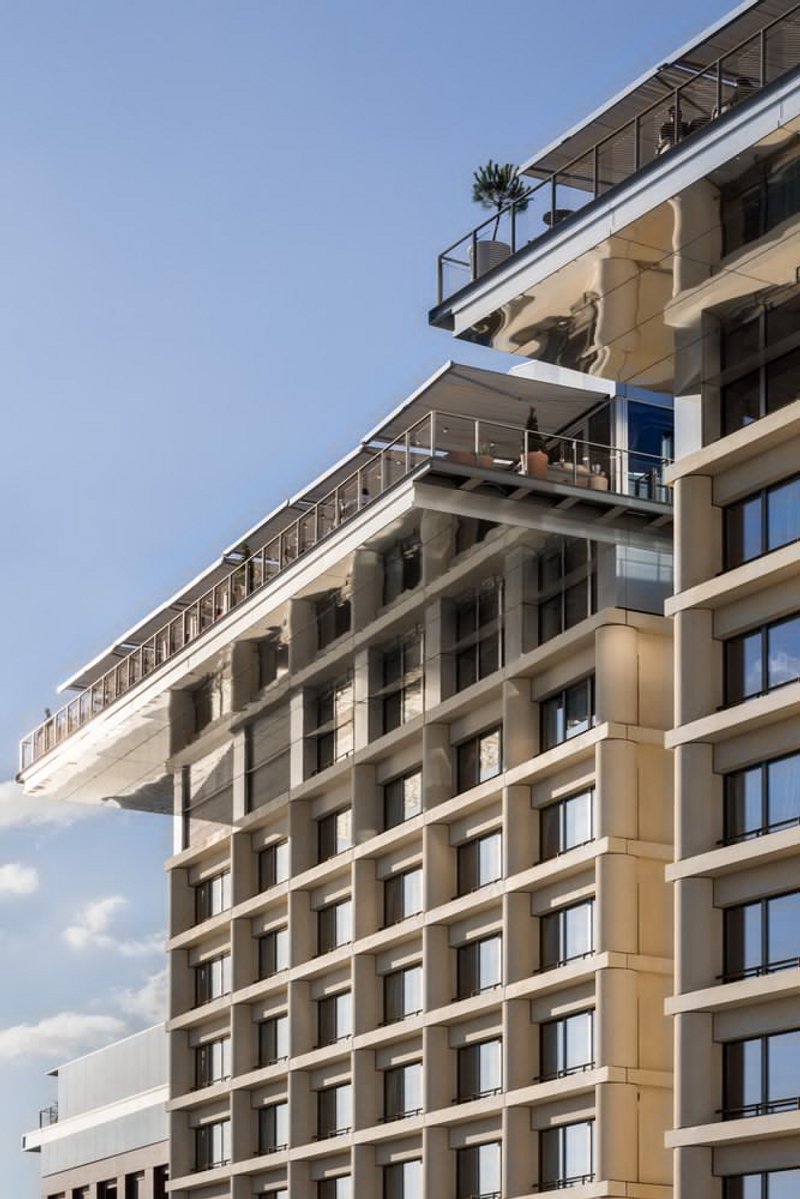
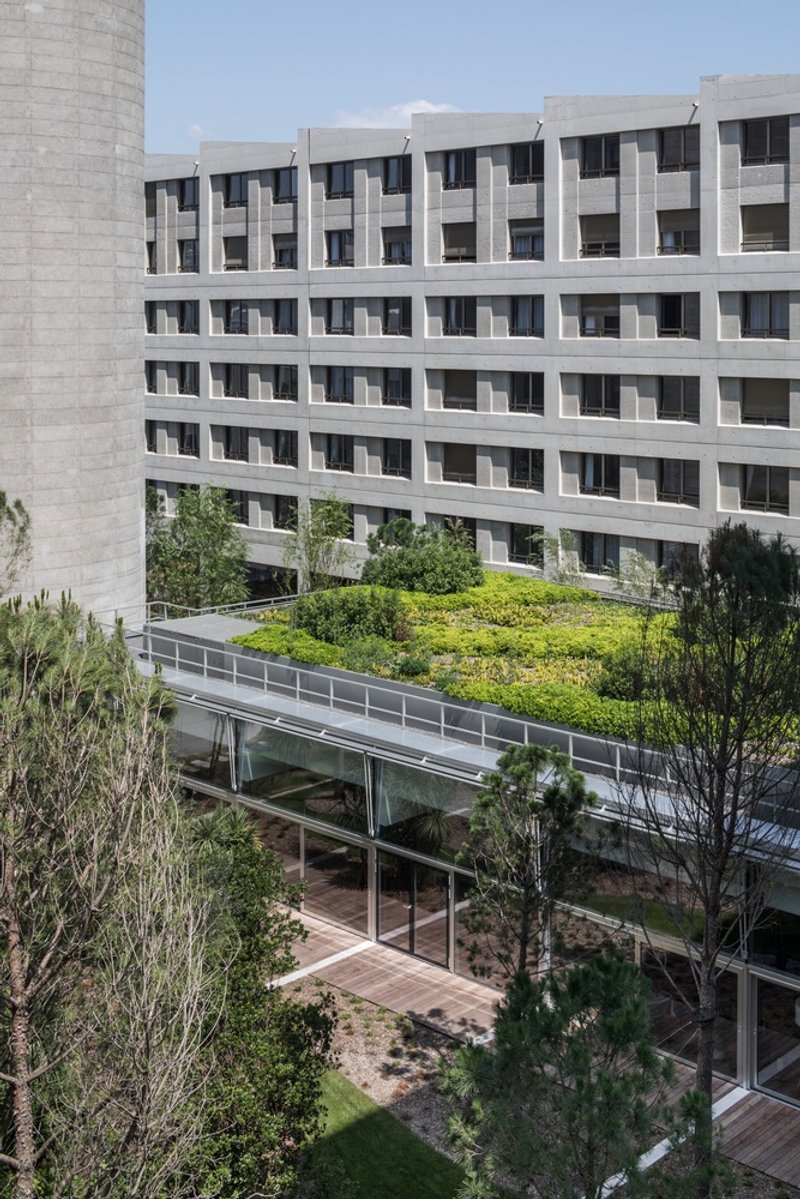
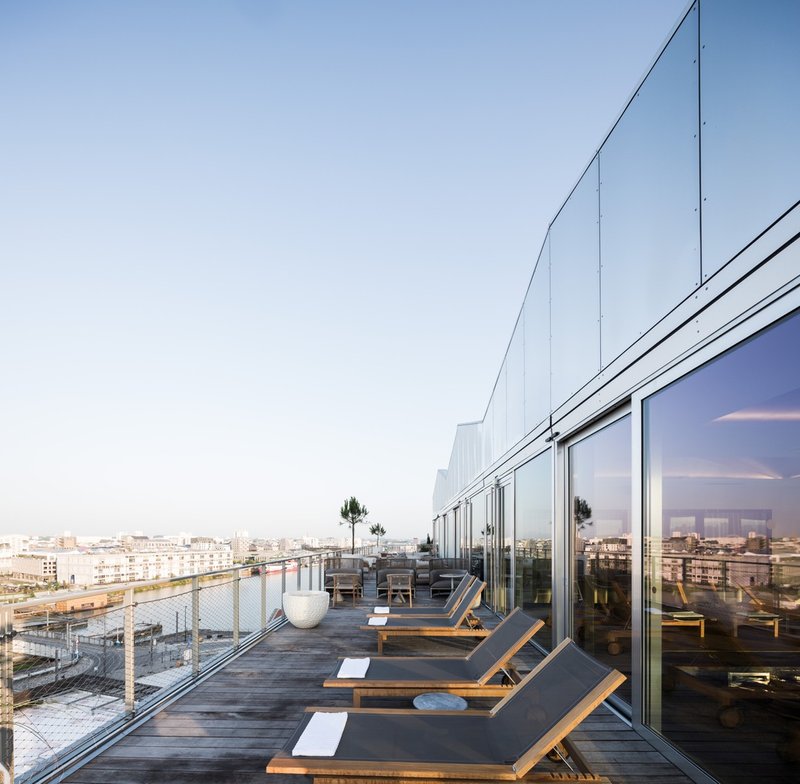
Sustainability is a key pillar of the Bacalan Block, reflected in the minimalistic use of materials and the integration of the project into its surroundings. The facades, made of frugal concrete assemblies, are designed to blend into the landscape, with large windows inviting nature in. The rooftop spaces, made of metal and glass, offer panoramic views of the Garonne River and Bordeaux's historic center, emphasizing the project's dialogue with its environment.
The Future of Adaptive Reuse
The Bacalan Block by COSA Colboc Sachet architectures exemplifies the potential of adaptive reuse architecture in Bordeaux and beyond. By thoughtfully integrating the past with the present, the project not only provides a blueprint for sustainable urban development but also enriches the cultural fabric of its locale. As cities around the world face the challenge of balancing growth with sustainability, the Bacalan Block stands as a beacon of innovative architectural thinking, showcasing how history and progress can coexist harmoniously.
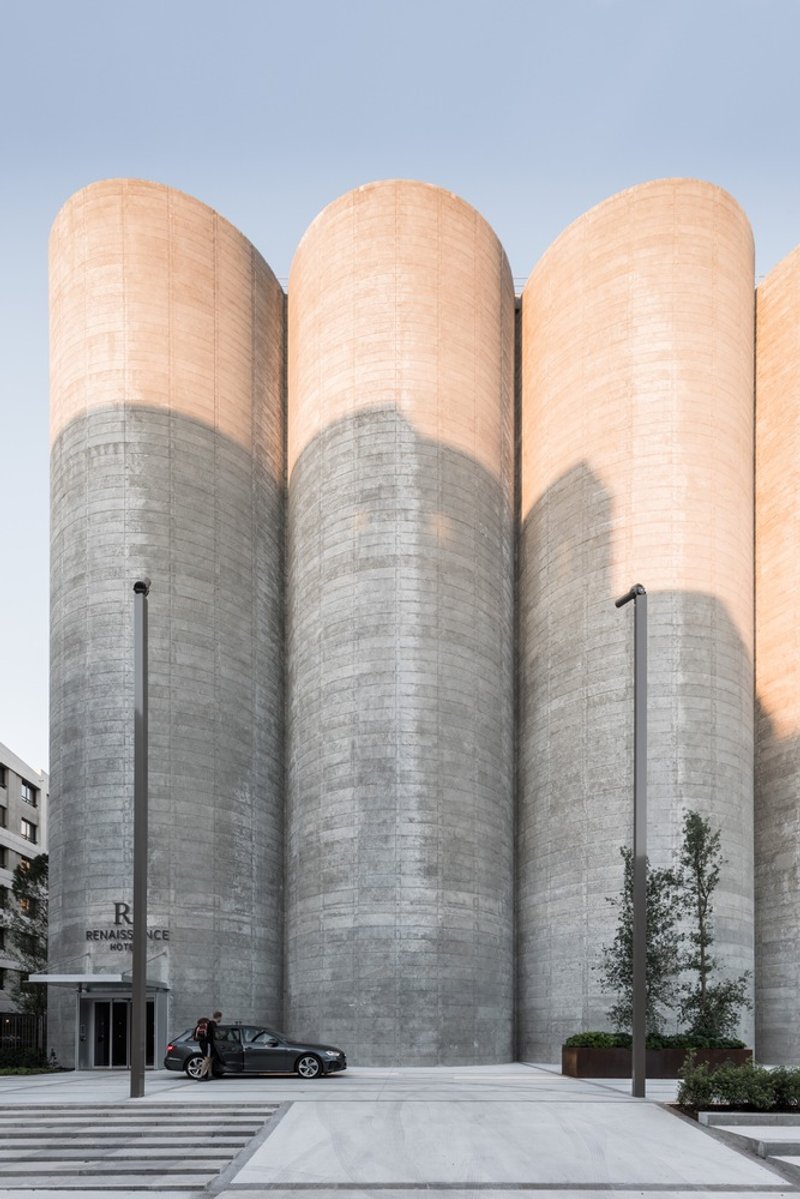
All photographs are work of Ivan Mathie



Popular Articles
Popular articles from the community

Indiesalon Carves a Plywood Cave into a Seoul Bistro's Second Floor
Munhwa Bistro's second Seongsu branch wraps diners in a laminated timber vault laced with colored light and mirror illusions.
gru.a Builds a 70 m² Timber Shelter That Opens Like a Farm Door in Brazil's Valley of the Vines
In the mountainous region near Rio de Janeiro, a compact retreat uses plywood panels and deep eaves to blur the line between inside and out.
OMCM arquitectos Builds a Summer House in Paraguay from Quarry Waste Blocks and Three Sacred Trees
In the young hillside neighborhood of Altos, a 696-square-meter concrete volume hovers on six pillars around three preserved native Yvyraju trees.
BAUEN Builds Two Rammed Earth Volumes in Paraguay Inspired by the Ovenbird's Nest
In San Bernardino, a house of compacted earth channels the instinct of a constructive bird to shelter life from the Paraguayan summer.


Similar Reads
You might also enjoy these articles

Maya Harvest: A Cacao Resort Village Rooted in Mayan Tradition and Local Craft
Situated within a Tabasco cacao plantation, this shortlisted resort proposal merges vernacular materials with hands-on cultural immersion.
Harmonia: A River-Shaped Community That Grows Over Decades in Boa Vista
Curved pathways and modular grid structures along the Branco River create a phased settlement designed to evolve from 2030 to 2050.

The Architecture of Bathing: A Mughal Hammam Reimagined Across the Yamuna
Charlotte May's honorable mention entry for The Black Taj reinterprets Agra's bathing rituals through red sandstone, water, and framed views of the Taj Mah
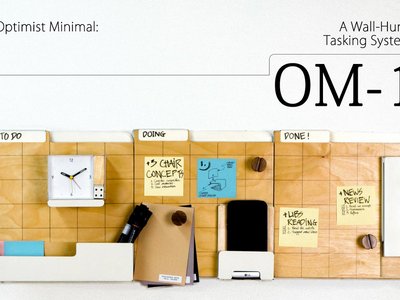
Om-1: A Wall-Hung System That Moves Your Workspace Off the Desk
Modular plywood boards, magnetic pegs, and utility elements migrate clutter from the horizontal surface to the vertical plane.


Explore Hospitality Building Competitions
Discover active competitions in this discipline




The International Standard for Design Portfolios


The Global Benchmark for Architecture Dissertation Awards


The Global Benchmark for Graduation Excellence


Challenge to reimagine the Iron Throne
Comments (0)
Please login or sign up to add comments
No comments yet. Be the first to comment!