
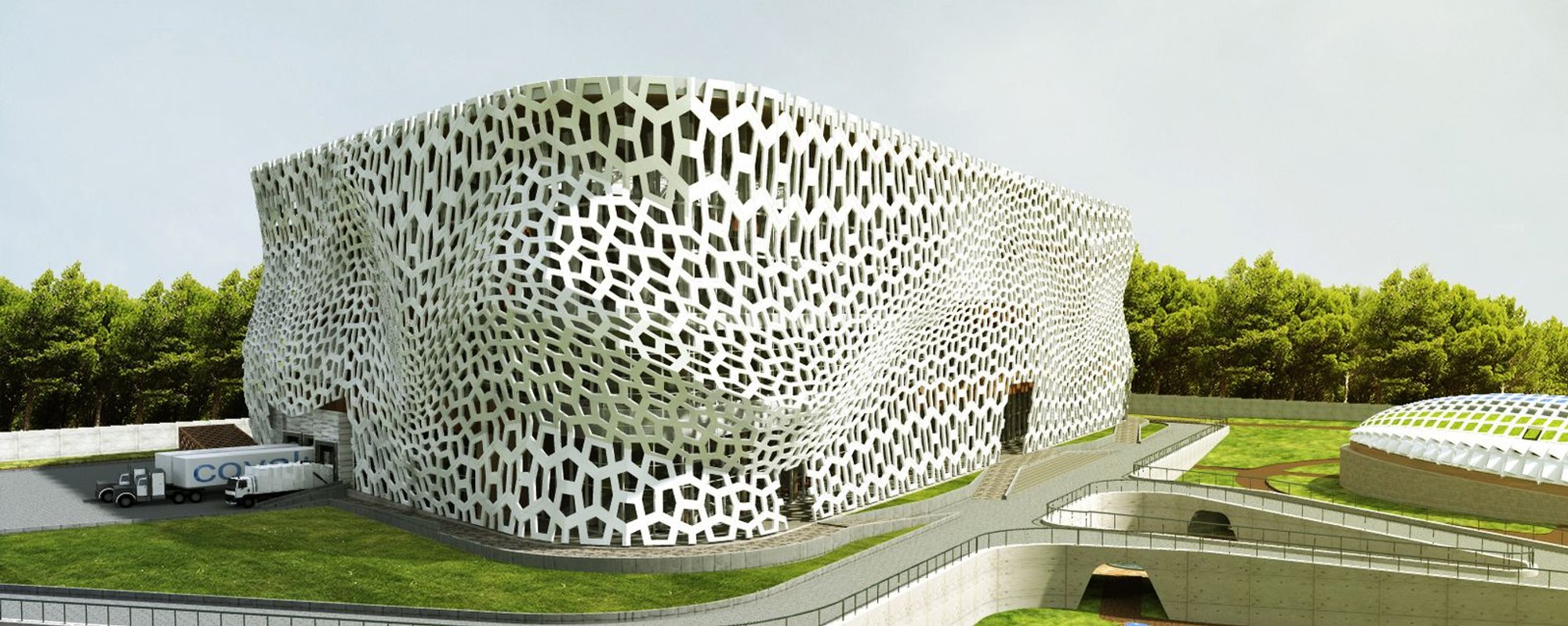
African Museum of Art and History – A Vision of Biomimetic Cultural Architecture in Africa
A biomimetic cultural landmark that merges African heritage, sacred wood, and sustainable architecture into a living museum of memory and identity.

Culture is the most enduring proof of human existence. When culture thrives, a nation remains alive across generations. The African Museum of Art and History is conceived as a powerful architectural response to this belief—an immersive, multifunctional cultural institution that preserves, celebrates, and reinterprets African identity through space, form, and material.
Envisioned as a landmark of biomimetic cultural architecture, the museum operates as a place of memory, dialogue, research, learning, and collective gathering. Rather than acting as a static container of artifacts, it becomes an active interface between past, present, and future African narratives.
The project" African Museum Of Art And History" by Hermann Kamte, shortlisted at UnIATA ’18, proposes architecture not merely as shelter, but as a cultural organism rooted in nature, symbolism, and sustainable intelligence.
Concept: Biomimicry and Sacred Wood
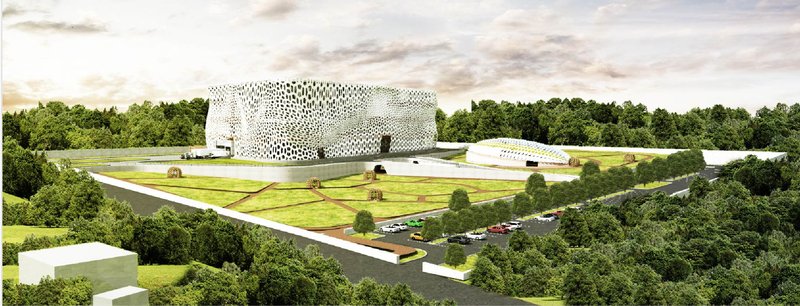
The architectural concept is driven by two intertwined ideas: biomimicry and sacred wood. Drawing inspiration from natural systems—such as honeycombs, shells, cellular growth, and forest ecosystems—the museum envelope adopts an amorphous, perforated geometry that behaves like a living skin.
This porous architectural membrane regulates light, ventilation, and thermal comfort while symbolically referencing African craft, masks, and sculptural traditions. The structure narrates history through its form—expressing moments of glory, resilience, rupture, and renewal.
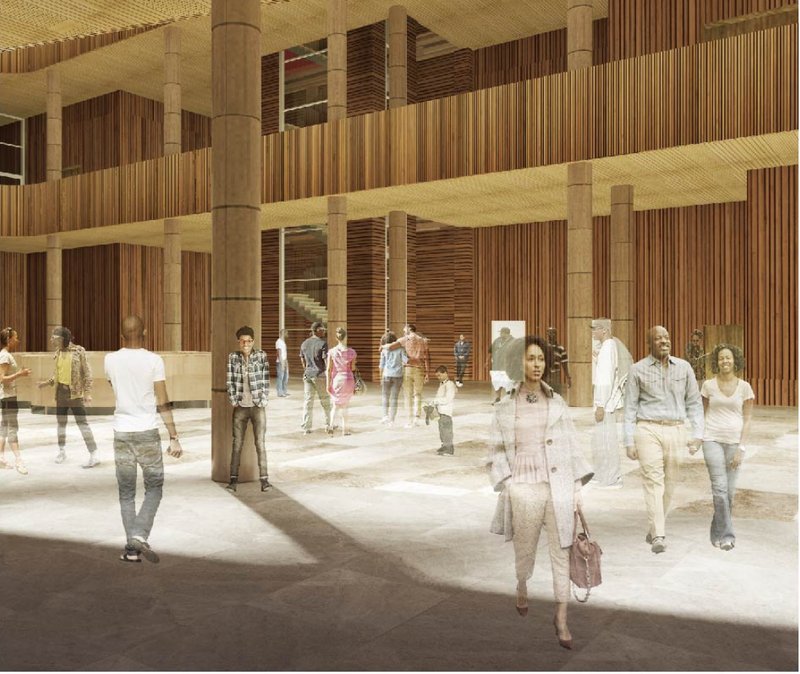
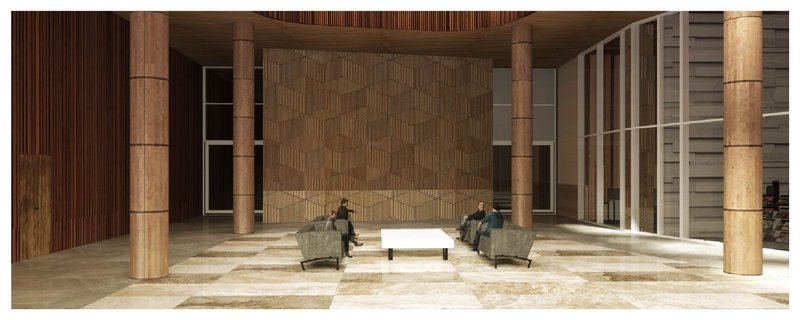
Sacred wood plays a crucial cultural and material role. In many African traditions, wood embodies spirituality, ancestry, and ritual. Its integration within the museum reinforces a deep connection between architecture, memory, and the living forest.
Nature + Architecture + Sculpture
The design approach synthesizes nature, architecture, and sculpture into a single cohesive language. The museum reads as a monumental sculptural form emerging organically from the landscape of Yaoundé—the city of seven hills.
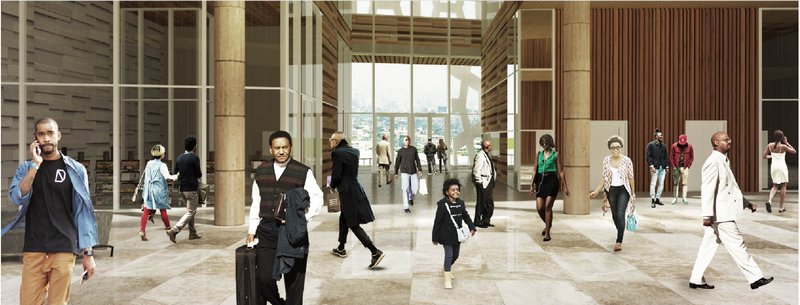
Rather than imposing a rigid geometry, the building adapts to site morphology, natural slopes, existing vegetation, and climatic conditions. Landscaped gardens, permeable ground surfaces, and shaded walkways blur the boundary between interior and exterior, reinforcing the museum as a cultural park as much as a building.
Architectural expression becomes symbolic: masks inform façade articulation, cellular structures guide spatial organization, and sculptural voids shape circulation and light.
Spatial Organization and Program
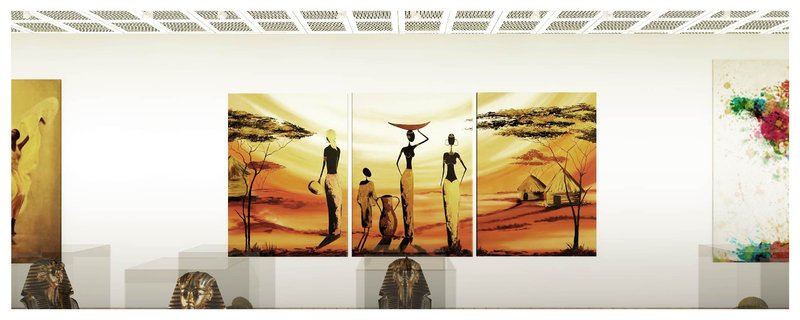
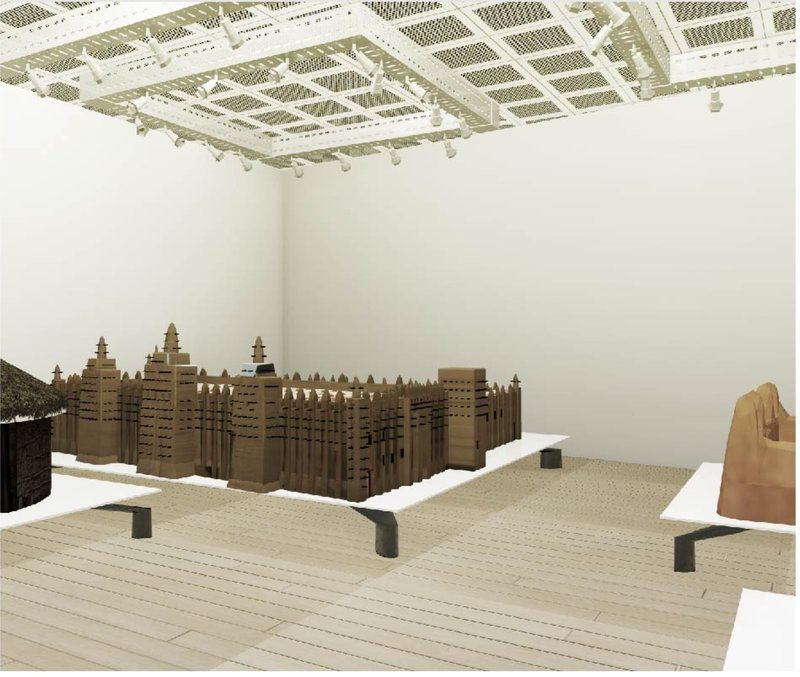
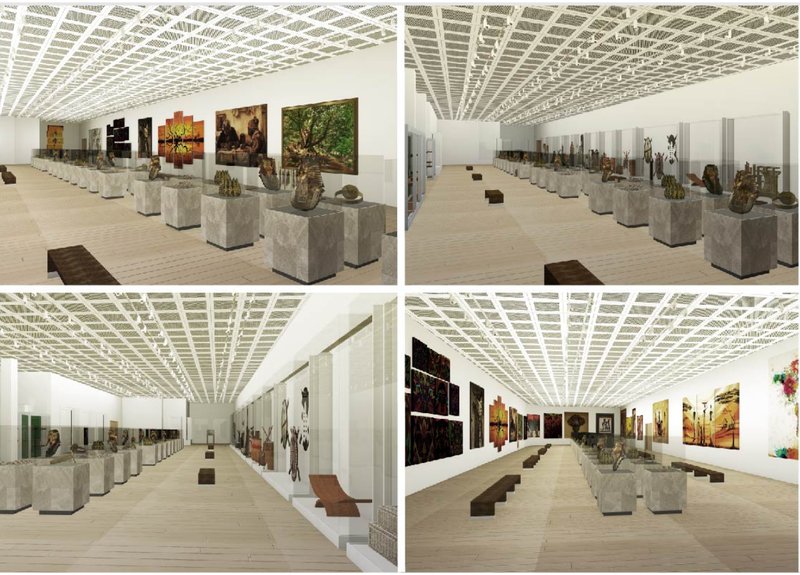
The African Museum of Art and History is designed as a multifunctional cultural hub. Its spatial layout integrates diverse programs that encourage learning, exchange, and participation:
- Permanent and temporary exhibition halls
- Research and archival spaces
- Educational facilities and workshops
- Library and documentation center
- Administrative and curatorial spaces
- Social gathering zones and public plazas
The museum brings together the entire cultural diversity of Africa within a single territory, transforming Cameroon into a symbolic continental crossroads of heritage and knowledge.
Sustainable Architecture and Energy Strategy
Sustainability is embedded at every scale of the project. The museum incorporates more than 3,000 m² of photovoltaic panels, generating approximately 2,100 MWh/year, making it a positive-energy building.
Rainwater and stormwater recovery systems are integrated for irrigation and maintenance. Permeable soil layers enhance groundwater infiltration, while extensive vegetation reduces heat gain and atmospheric pollution.
Construction strategies prioritize minimal excavation, reuse of site materials, and recycling of operational waste—particularly paper, which forms a major portion of museum consumables.
Material Strategy and Environmental Performance
Wood is selected as a primary construction and finishing material due to its low ecological footprint, local availability, and cultural significance. Cameroon’s vast rainforest resources allow wood to function as a sustainable alternative to carbon-intensive materials.
Technically, wood provides excellent thermal and acoustic performance, stores carbon (1 m³ ≈ 1 ton of CO₂), and allows flexible construction systems including laminated timber, sandwich panels, and composite assemblies.
The envelope system combines reinforced concrete foundations with ventilated façades, drainage layers, geotextiles, and landscaped buffers—ensuring durability, climatic responsiveness, and long-term adaptability.
Architecture as Cultural Continuity
The African Museum of Art and History is not conceived as an object frozen in time. It is a living institution—one that refuses censorship, embraces complexity, and preserves artifacts within their authentic cultural contexts.
By merging biomimetic design, sacred materiality, and sustainable architecture, the project redefines how museums can function in the 21st century—especially within rapidly globalizing African cities.
This proposal stands as a testament to architecture’s ability to protect identity, transmit memory, and shape cultural futures through thoughtful, responsible design.
Project: African Museum of Art and History
Designer: Hermann Kamte
Recognition: Shortlisted Entry – UnIATA ’18



Popular Articles
Popular articles from the community

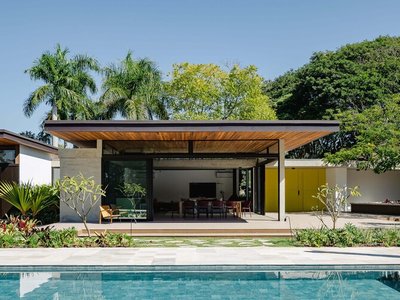
Flamboyant House by Juliana Camargo + Prumo Projetos
Modern Brazilian house integrating existing tree, pool, and volumes with glass, wood, and transitional spaces blending interior, exterior, and landscape seamlessly.
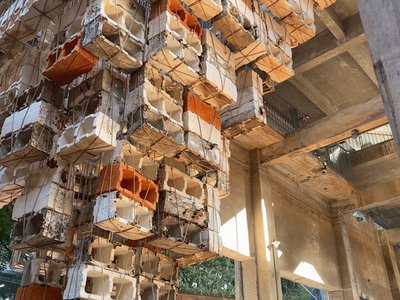
Inverted Architecture Installation by Studio Link-Arc: Exploring the Intersection of Architecture and Living Organisms
Inverted Architecture Installation by Studio Link-Arc blends mycelium, sustainability, inverted design, ecological cycles, and urban adaptive architecture in Shenzhen.
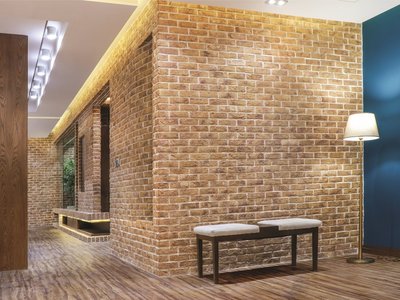
A Contemporary Take on Iranian Residential Architecture
A modern interior design in Mashhad that reinterprets brick, light, and spatial flow to create a warm, contemporary residential architecture.
Solar Steam: A Climate-Responsive Architecture That Redefines the Monument
A climate-responsive memorial architecture that transforms heat, decay, and time into a living system reflecting humanity’s ecological impact.

Similar Reads
You might also enjoy these articles

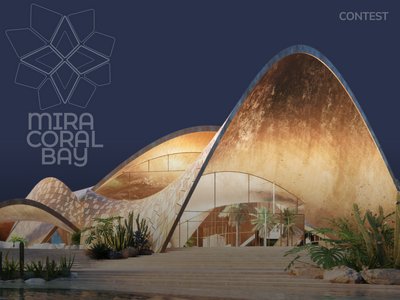
Architectural Competition: Create a Luxury Waterfront Community in the UAE!
Mira Developments announces an open competition for the pre-concept design of Mira Coral Bay in Ras Al Khaimah, UAE

Parametric Design: What Can You Learn from the 1st Workshop of Beegraphy?
Discover the Fundamentals and Advanced Techniques of Parametric Design

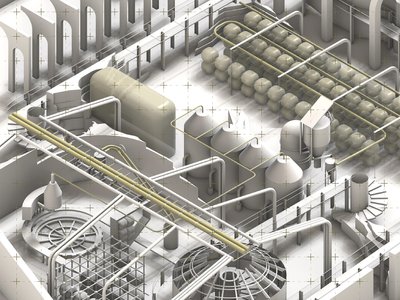
Feast of flight factory
A new ecological order with sustainable food resources-insects
Beyond Blueprints : How Architecture Presentation Boards Define The Design Narratives?
Unveiling the Art and Strategy Behind Architectural Storytelling


Explore Architecture Competitions
Discover active competitions in this discipline




The International Standard for Design Portfolios


The Global Benchmark for Architecture Dissertation Awards


The Global Benchmark for Graduation Excellence


Challenge to reimagine the Iron Throne
Comments (0)
Please login or sign up to add comments
No comments yet. Be the first to comment!