
Al Fanar School by EMKAAN: Sustainable School Architecture in Dubai
Al Fanar School by EMKAAN showcases sustainable school architecture in Dubai, blending cultural diversity, resilience, and innovative light-filled learning spaces.


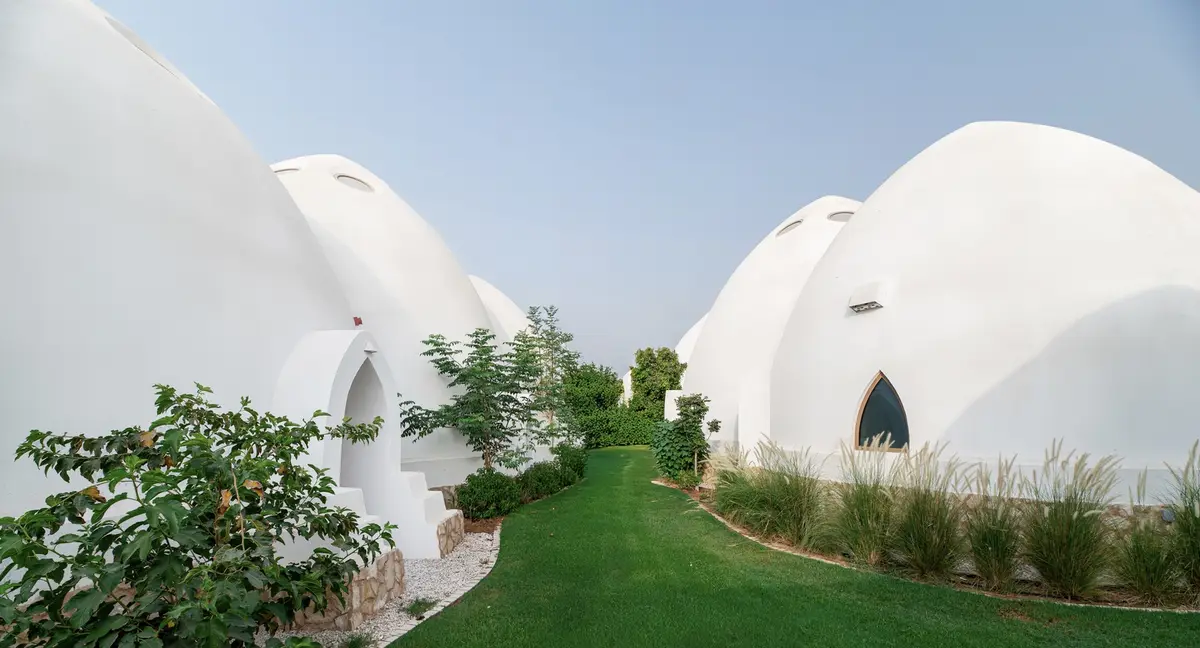
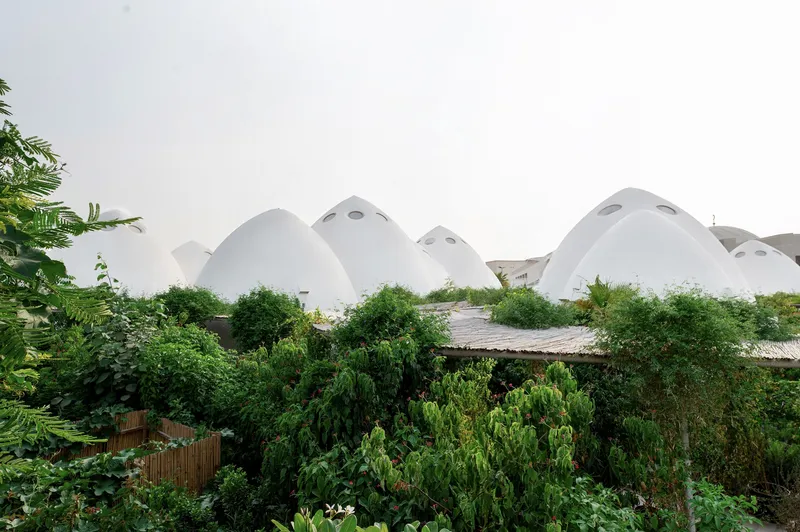
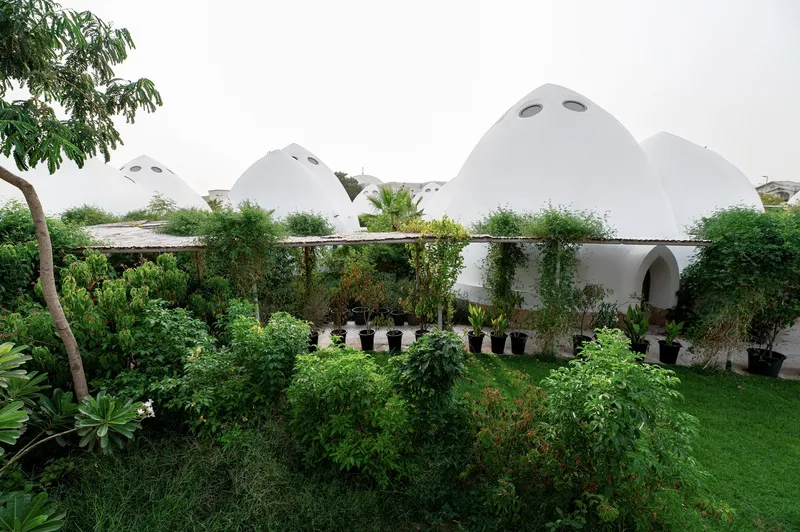
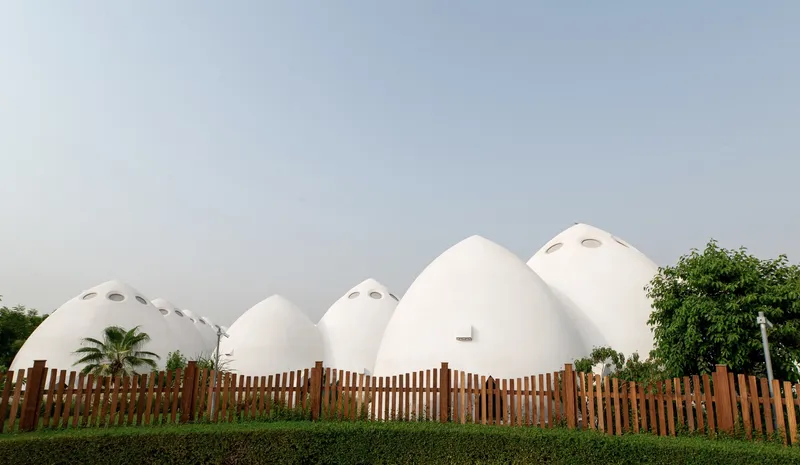
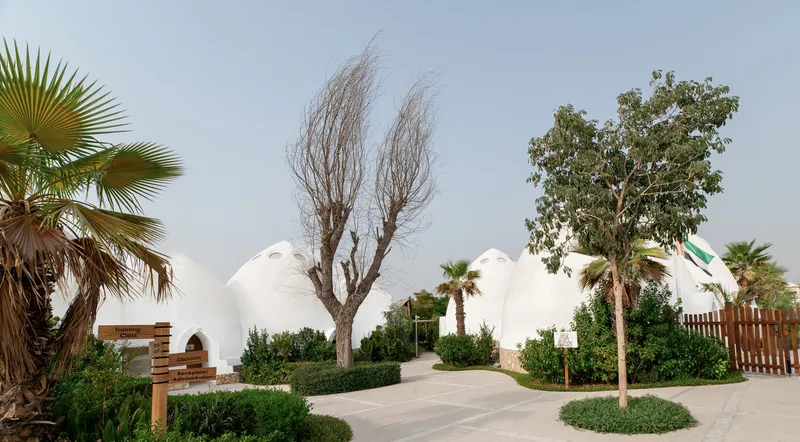
Al Fanar School, designed by EMKAAN, represents a new chapter in sustainable school architecture in Dubai. Completed in 2024, the 30,573 ft² educational facility is more than a kindergarten—it is a living lesson in resilience, adaptability, and inclusivity. Inspired by nature and cultural diversity, the school brings together global design influences while staying rooted in Dubai’s multicultural identity.
A Design Inspired by Nature and Culture
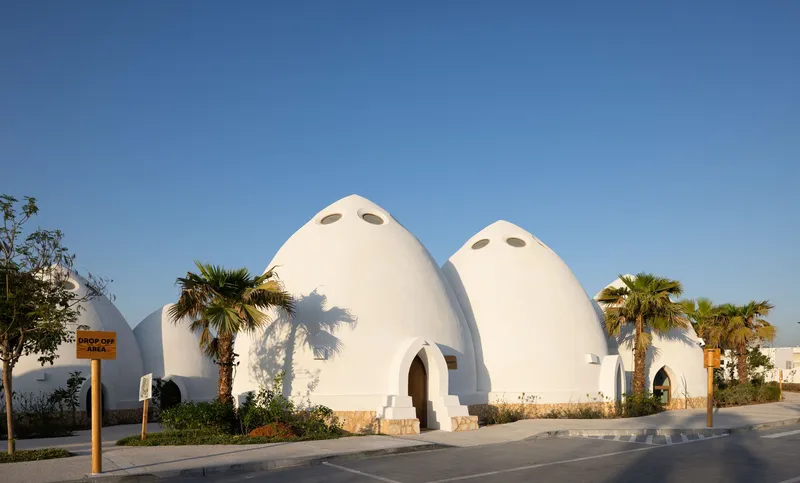
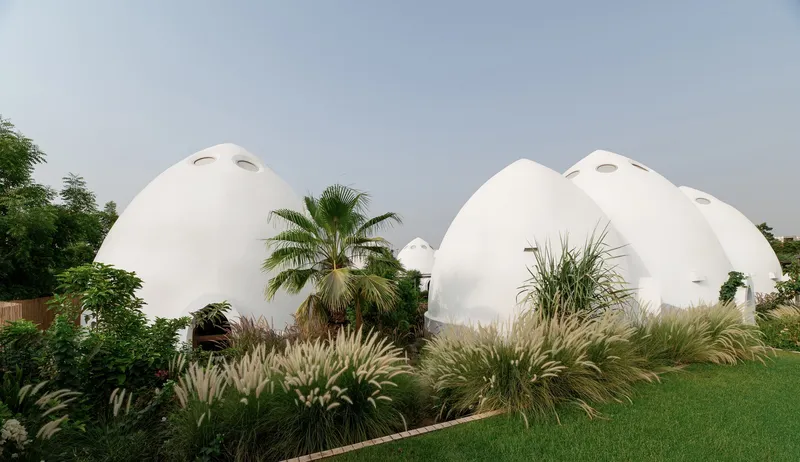
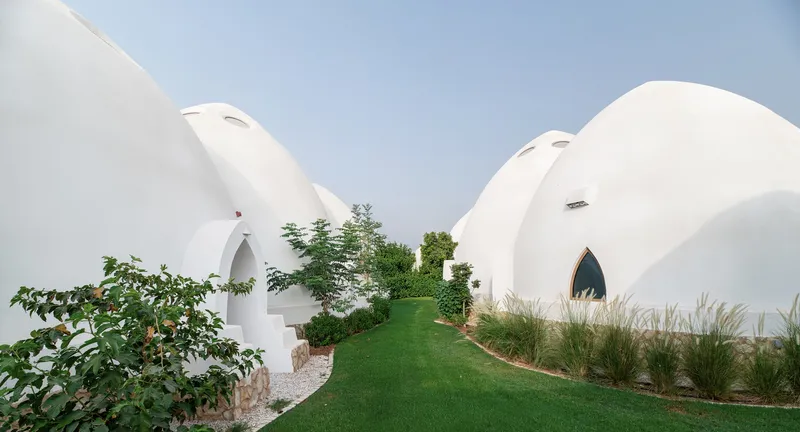
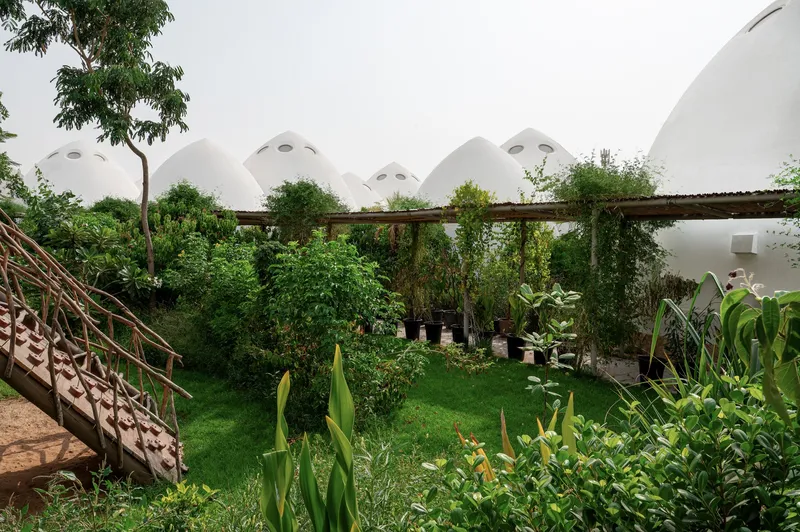
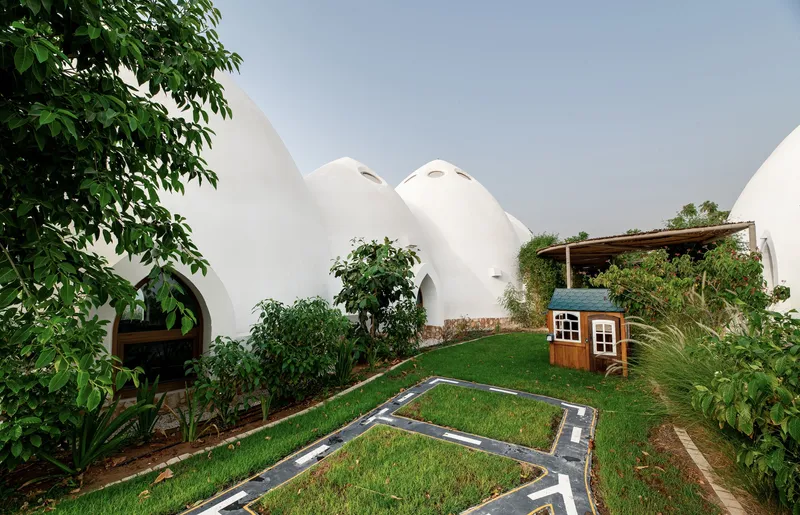
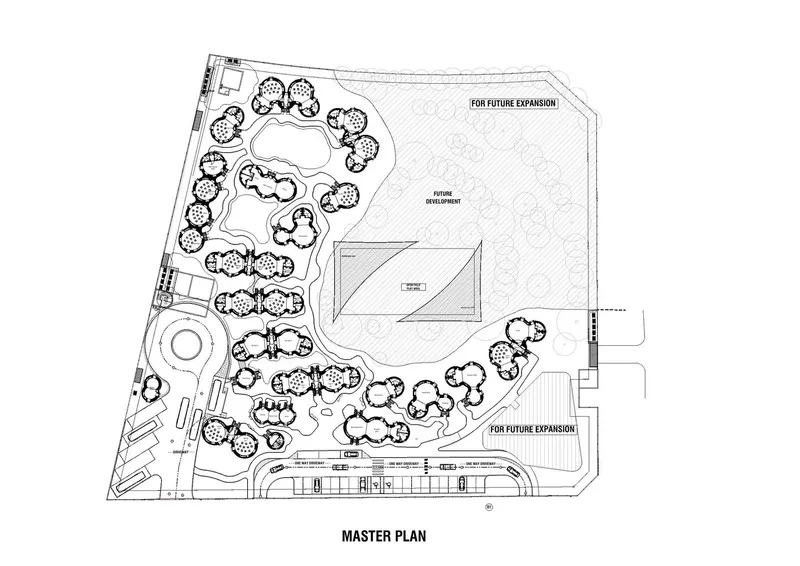
The master plan unfolds like a spiral, echoing the symbolic path of the koi fish, a Japanese emblem of perseverance and growth. The spiral form also recalls the nurturing warmth of a mother’s womb, creating a sense of safety and belonging. Every curve and apse is carefully shaped to embrace the school’s diverse community, establishing a universal architectural language that transcends cultural boundaries.
Sustainability and Challenges in Construction
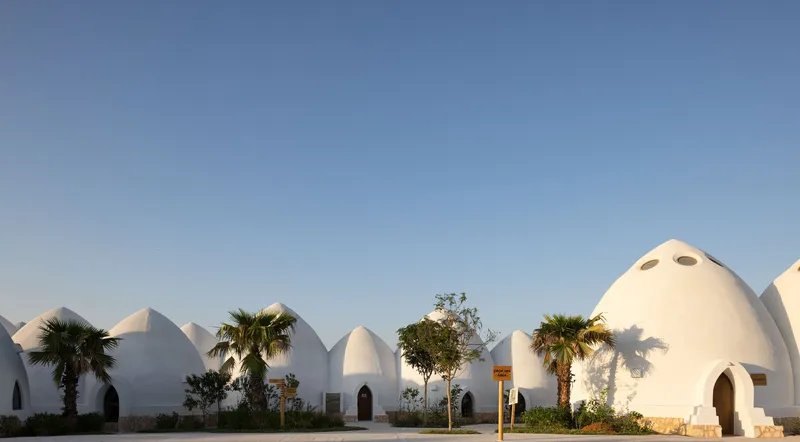
The original vision proposed using the Cal-Earth technique, an eco-conscious construction method with sandbags that would allow students to help build their own school. This method emphasized sustainability and environmental connection. However, local fire-resistance regulations prevented its implementation.
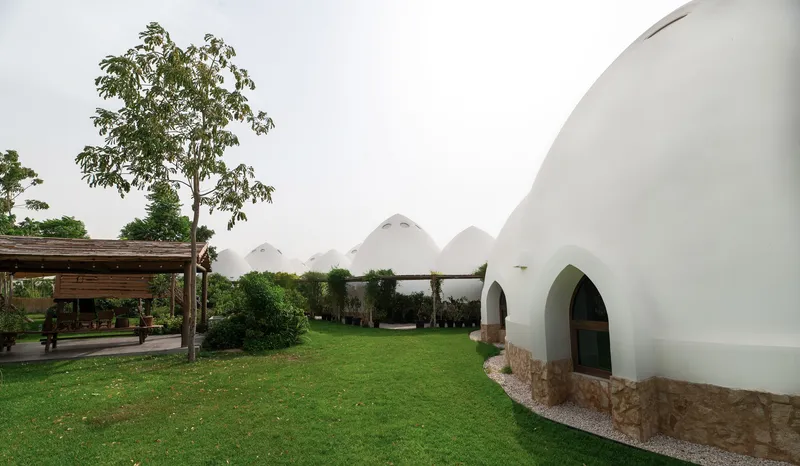
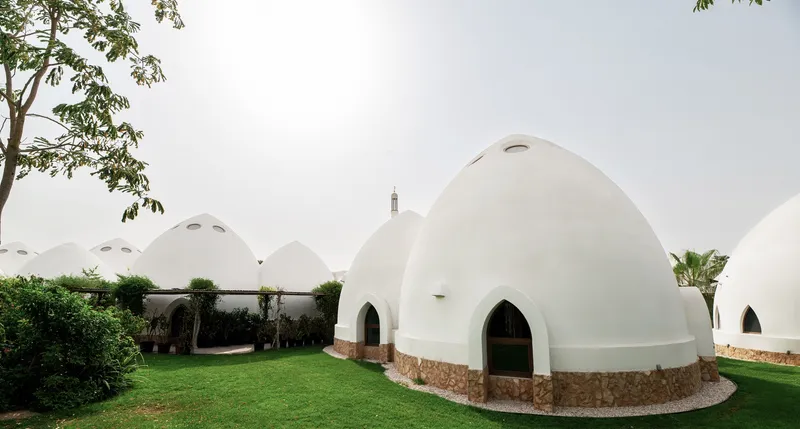
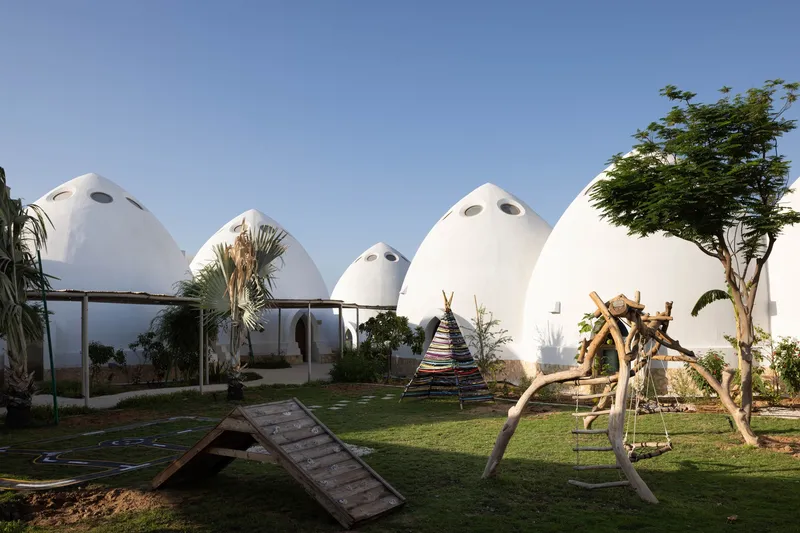
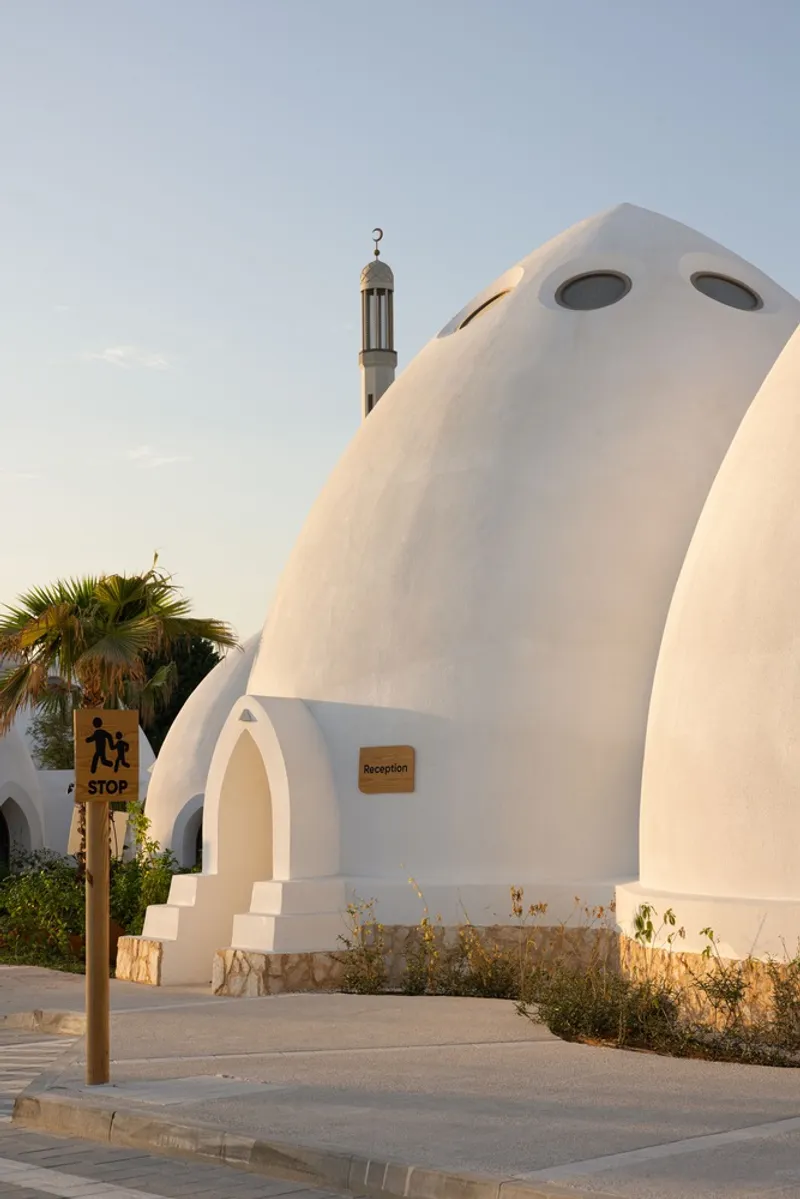
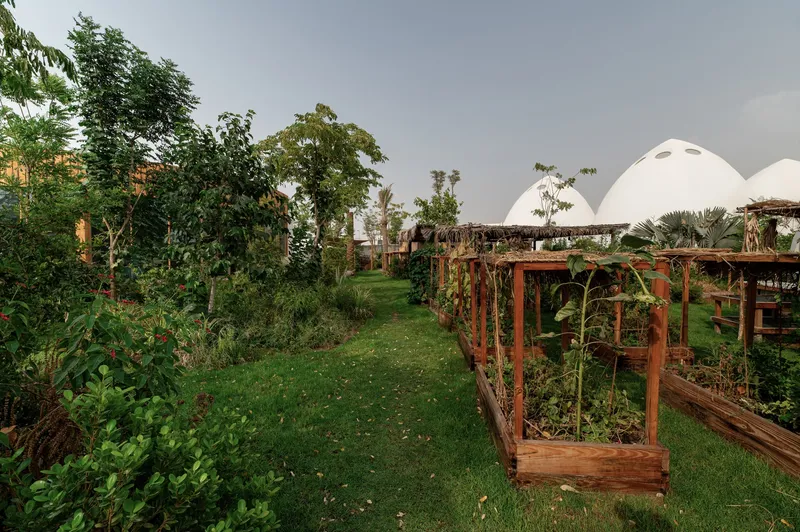
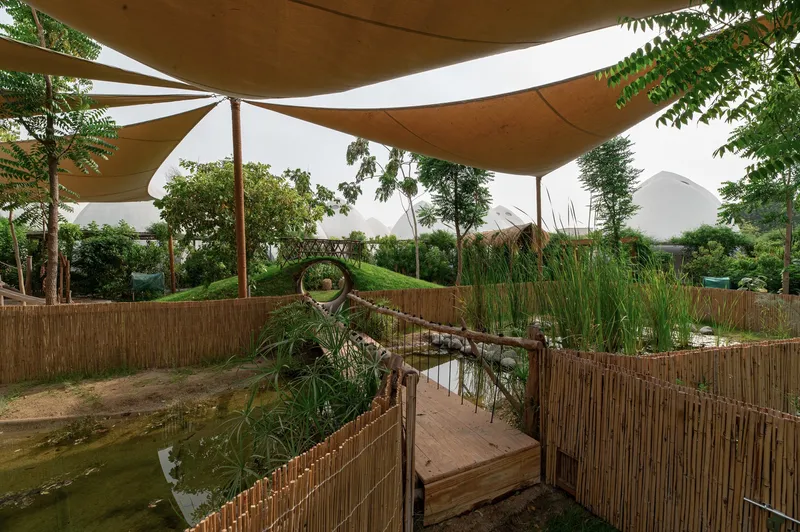
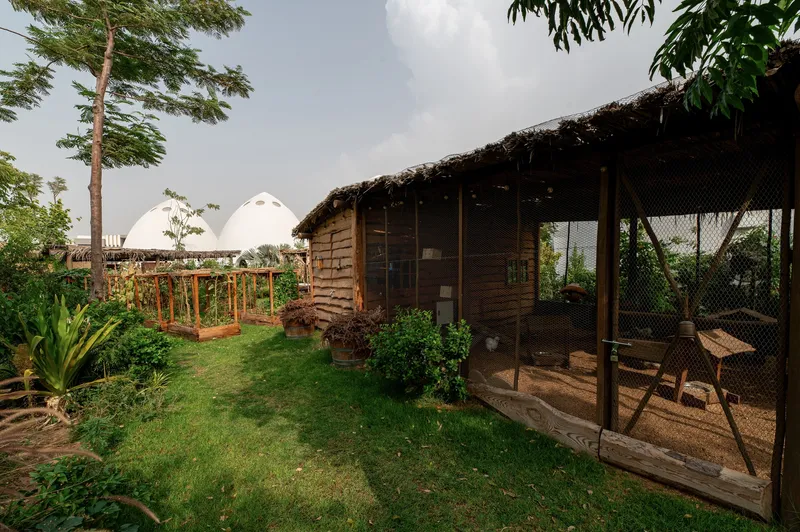
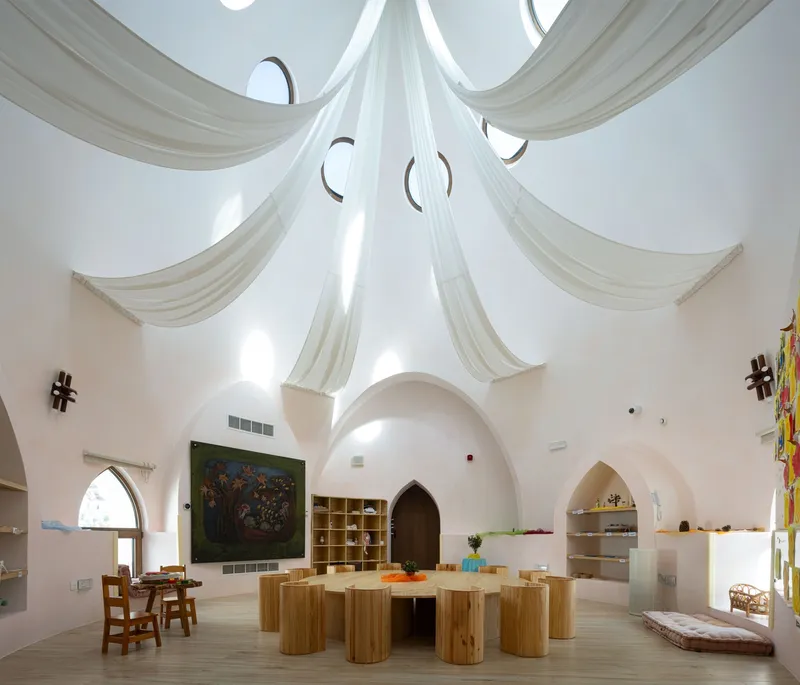
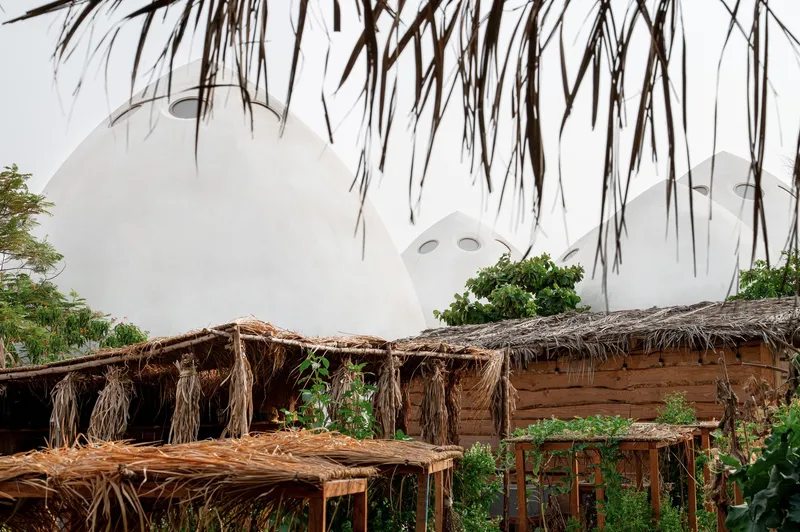
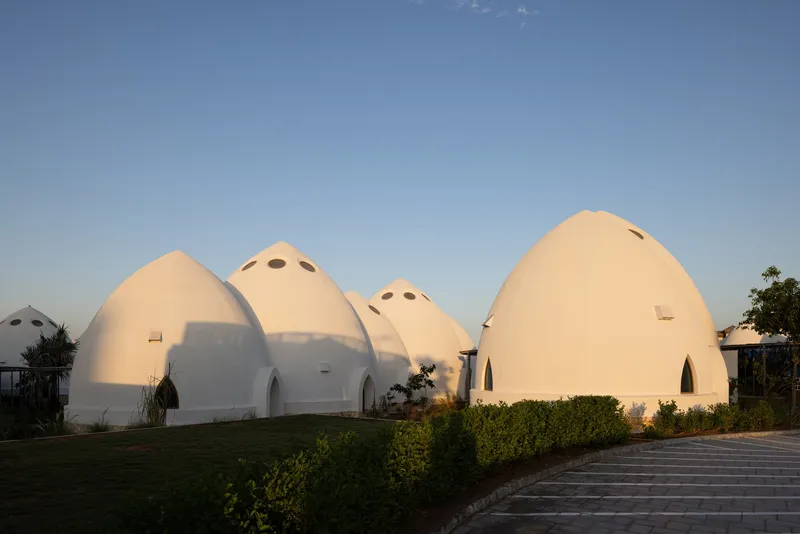
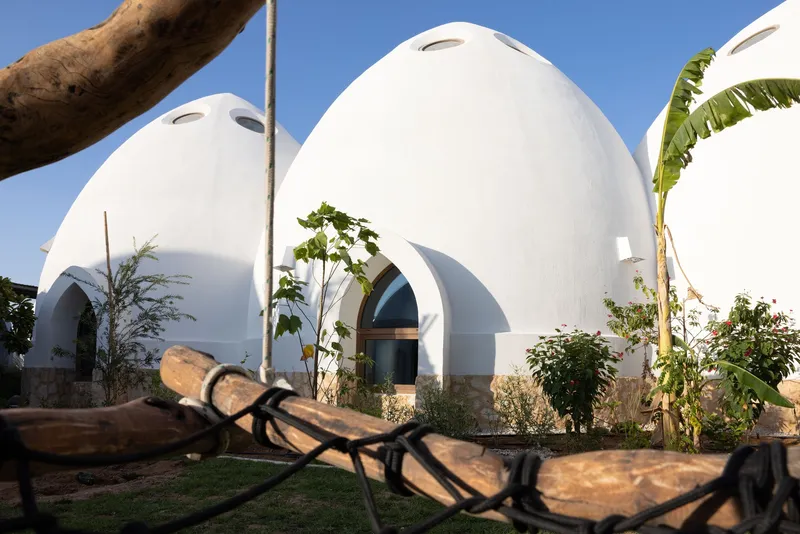
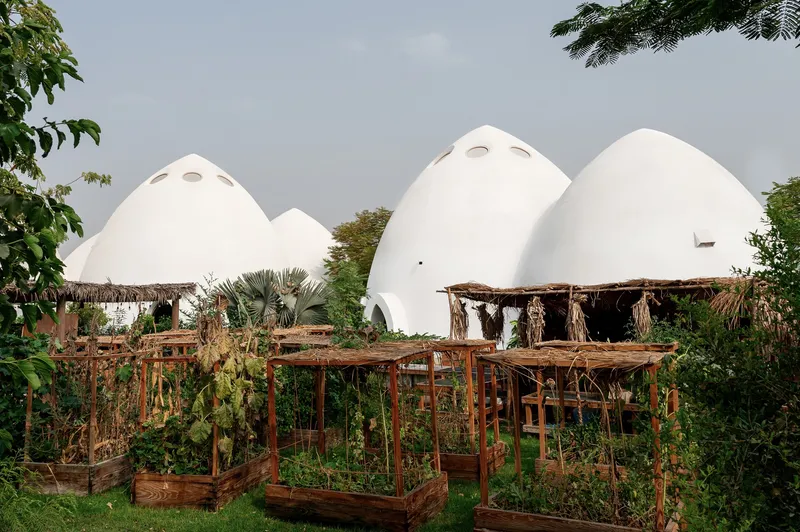
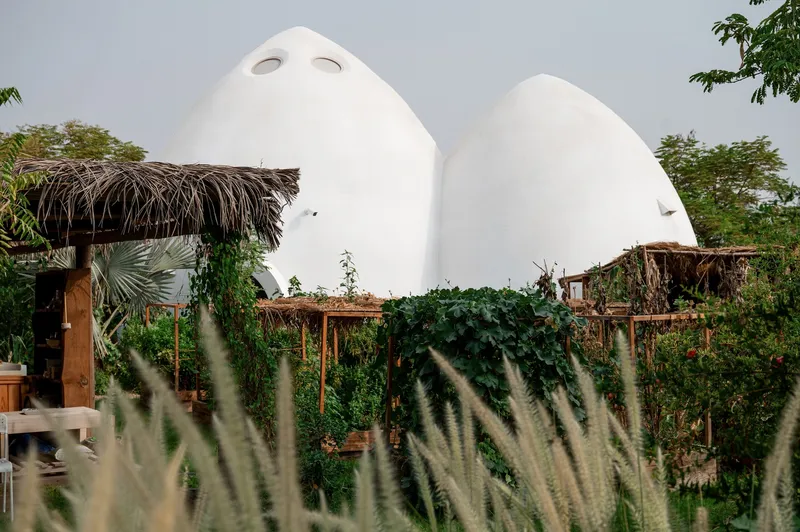
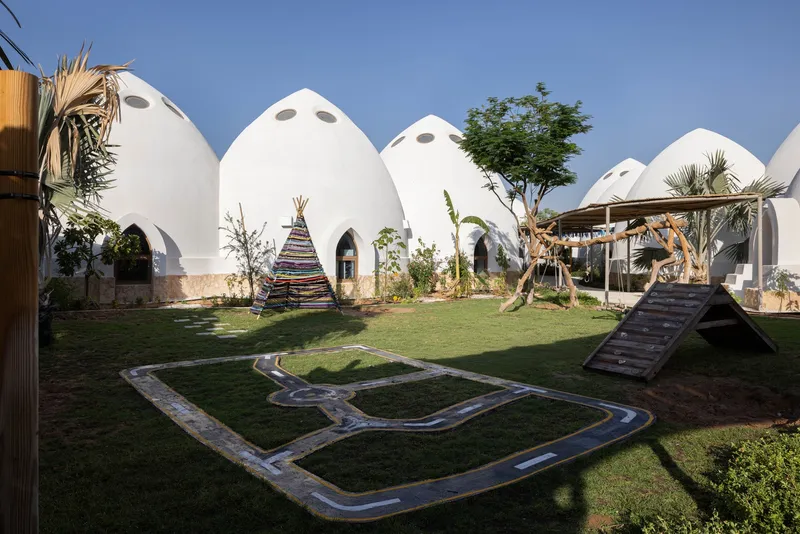
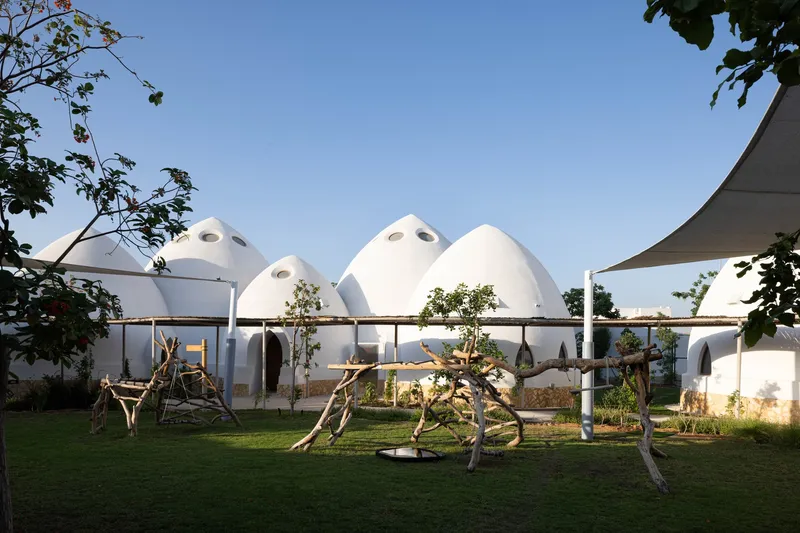
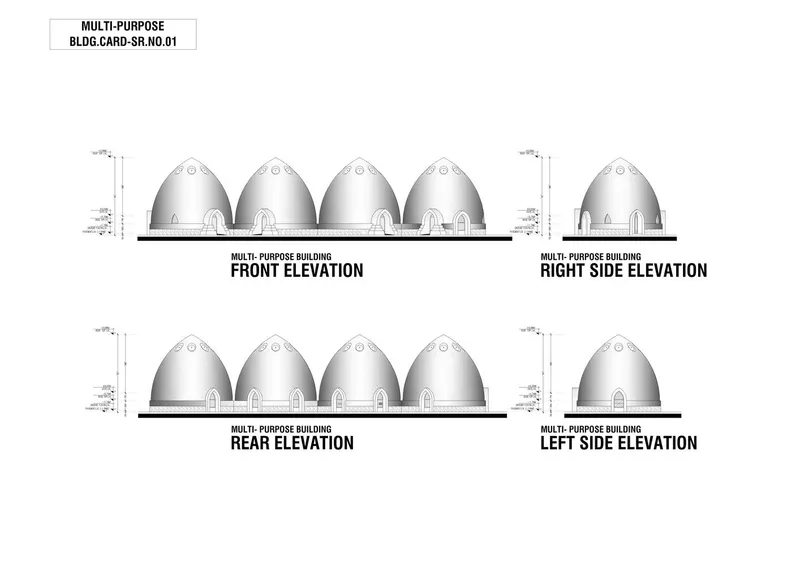
Rather than seeing this as a setback, EMKAAN reimagined the design with concrete. This transition not only complied with safety standards but also unlocked new architectural opportunities, including the creation of iconic dome openings that filter natural light into the interiors. These skylights establish a poetic relationship with the sun, connecting children to the natural rhythms of the universe.
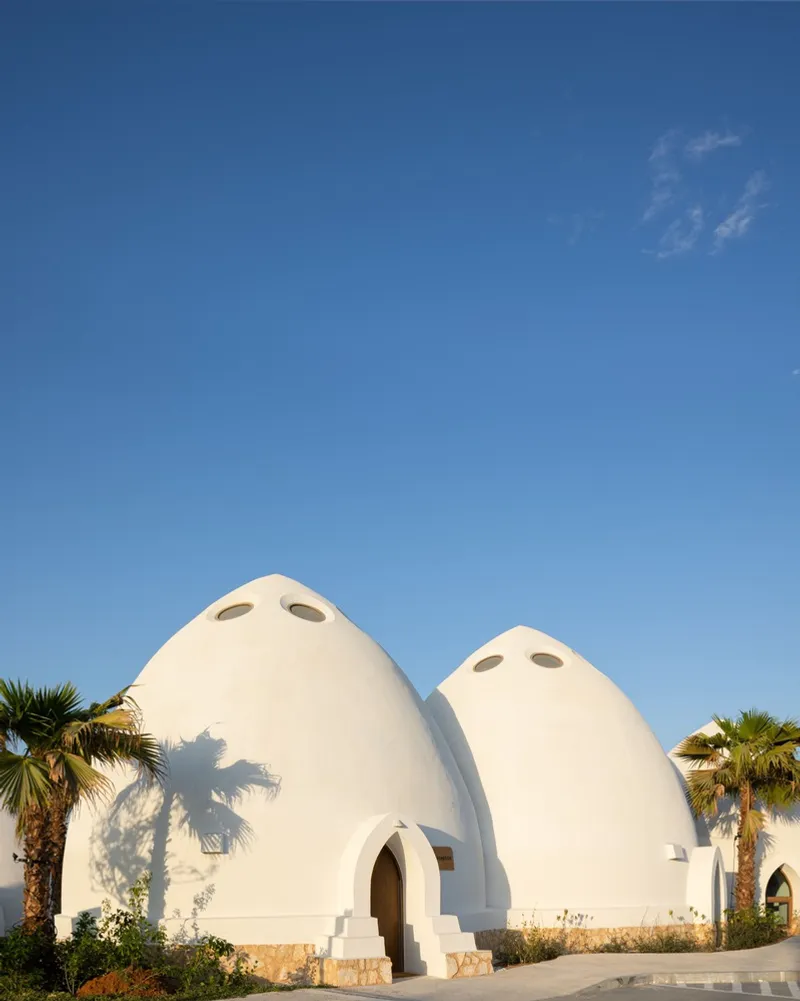
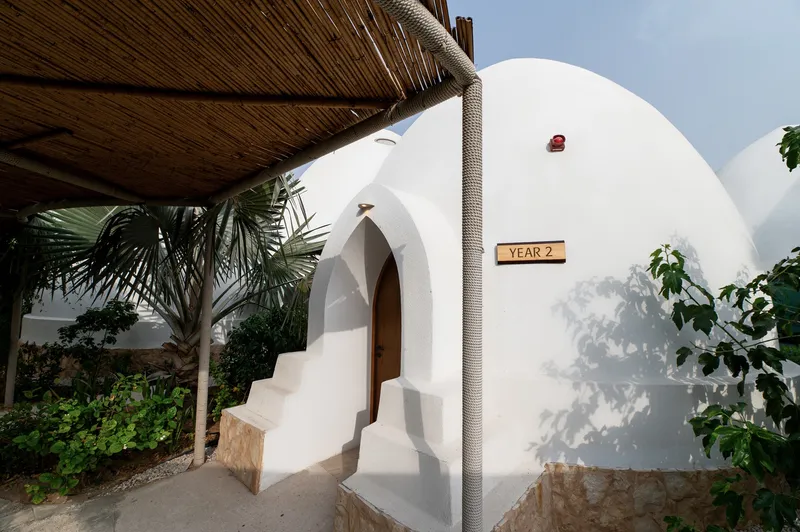
The Role of Light and Space in Learning
Lead Architect Muhammad Obaid explained the intent behind these design choices: “I wanted the children to feel this movement of the sun—to connect them to nature and the universe.” The school’s architectural language combines ancient pharaonic apse forms with contemporary spatial innovation. Light and shadow guide the daily experience of students, transforming classrooms into dynamic, living environments.
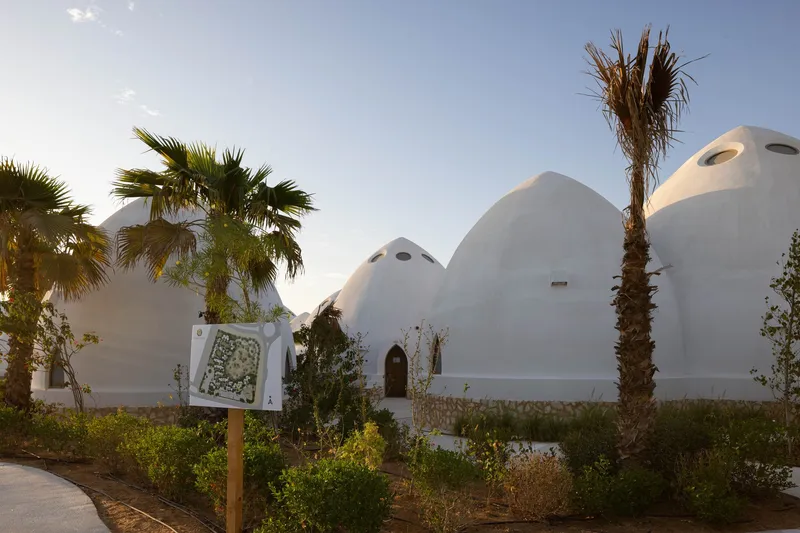
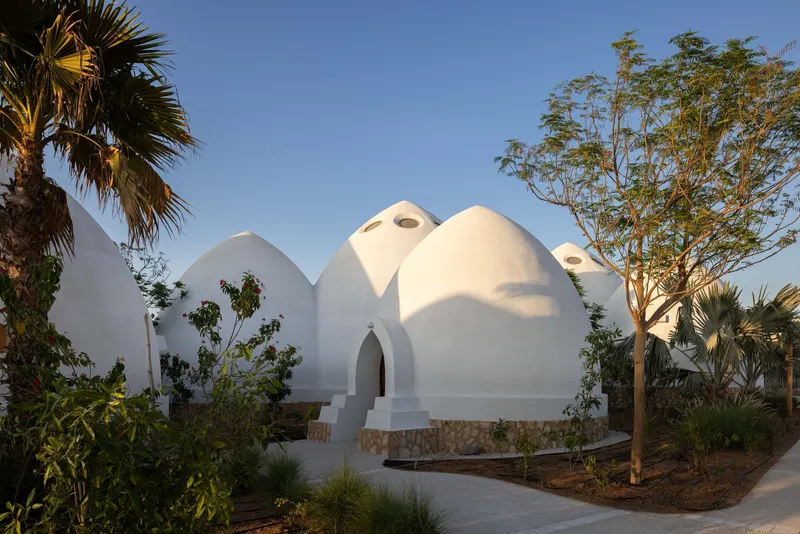
Architecture as a Lesson in Resilience
Al Fanar School demonstrates that sustainable school architecture in Dubai is not only about materials, but also about ideas. The project turned regulatory challenges into creative opportunities, reflecting the very values it hopes to instill in children—perseverance, adaptability, and vision. Its design is as much a learning environment as it is a physical shelter, embodying the belief that architecture itself can teach.
More than just a school, Al Fanar by EMKAAN stands as a cultural and architectural statement. It celebrates diversity, embraces sustainability, and transforms challenges into innovation. In every curve, dome, and ray of sunlight, the building offers students a lesson in resilience, growth, and the endless possibilities of design.
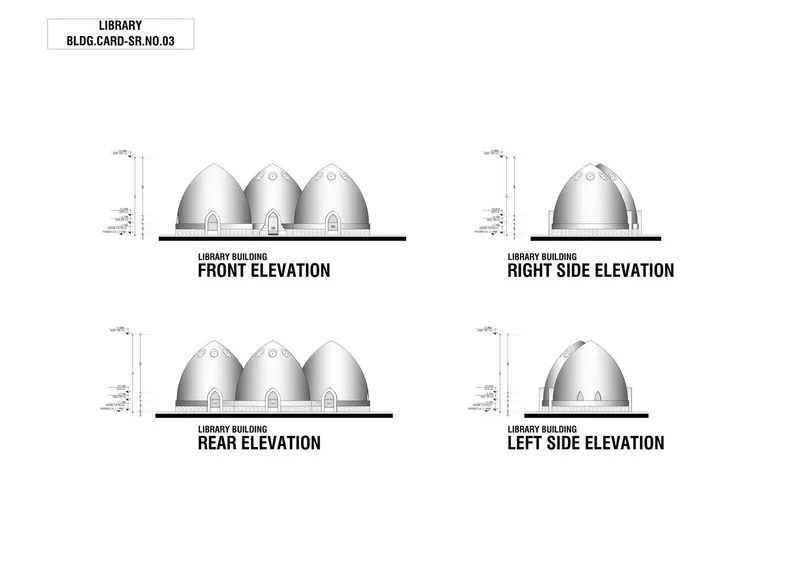
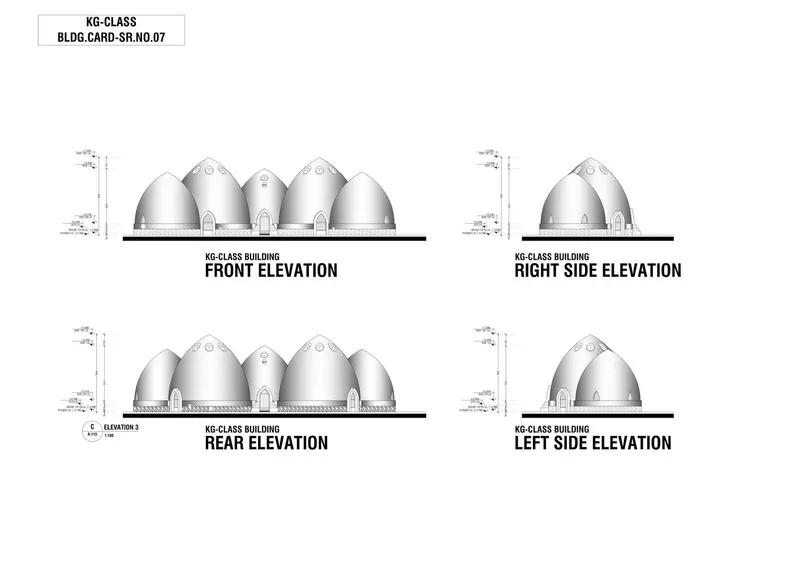
All Photographs are works of Rami Mansour


Popular Articles
Popular articles from the community


Little Red Riding Hood: Architectural Design as a Journey Through Fear, Light, and Storytelling
Little Red Riding Hood reimagines the fairy tale through architectural design shaped by fear, light, scale, memory, uncertainty, and choice.

The Ocean Hive: Sustainable Architecture for a Self-Sufficient Civilization at Sea
The Ocean Hive imagines sustainable architecture at sea, where modular habitats, algae, wave power and ocean waste sustain a growing colony.

The Musturak Paradise: Senior Living Architecture for a Connected Future in Temara, Morocco
The Musturak Paradise reimagines senior living architecture in Temara via private homes, social spaces, culture, community, and shared care.

Co-life: Sustainable Architecture for Age-Friendly Community Living
Co-life reimagines sustainable architecture for seniors through courtyards, rammed earth, shared gardens, and spaces designed for belonging.

Similar Reads
You might also enjoy these articles


FAMM Arquitectura Organizes Ten Villas Around Courtyards and Jungle in Nosara, Costa Rica
El Molino pairs two elongated volumes with deep overhangs and timber louvers to build a compact coastal community five minutes from the beach.

Oscar Niemeyer's Ibirapuera Park Pavilions Define São Paulo's Cultural Identity in Concrete and Curve
A constellation of modernist volumes set within São Paulo's most important urban park, conceived for the city's 400th anniversary in 1954.

Sanjay Puri Architects Wraps a Jaipur Office Tower in Capsule-Shaped Green Buffers
A nine-level climate-responsive workplace near Jaipur Airport uses stacked planter terraces and aluminium screens to fight 40°C heat.
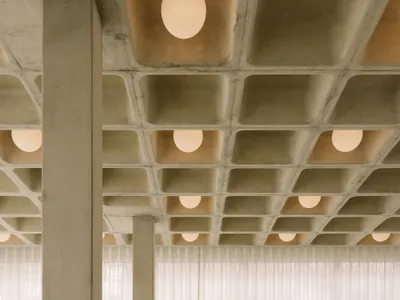
RHO Converts a Berlin Spree-Side Industrial Courtyard into Enkime's 1,000 m² Agency Headquarters
A social media agency's new home in Charlottenburg trades glossy branding for concrete waffle ceilings, glazed tile, and sheer curtains.

Explore Architecture Competitions
Discover active competitions in this discipline

Challenge to reimagine the Iron Throne

Photograph architecture without architects

Illustrate the lost glory of Angkor Wat - Render Challenge

Design challenge to reuse E-waste
Comments (0)
Please login or sign up to add comments
No comments yet. Be the first to comment!