
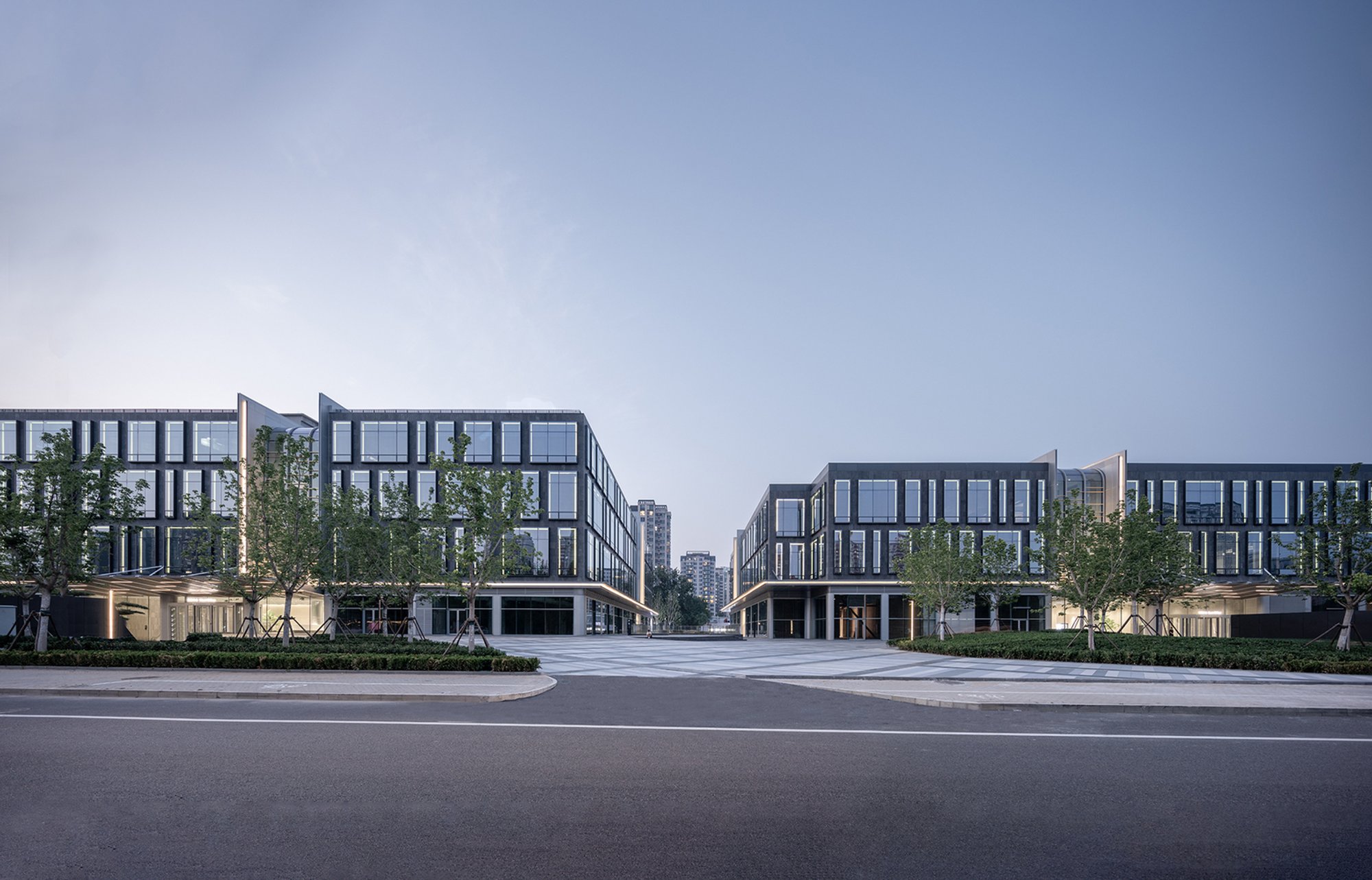
Architectural Renovation in Beijing: The Transformation of Beijing Poly Plaza
This article explores the innovative architectural renovation of Beijing Poly Plaza by Kokaistudios, blending modern design with sustainability.

Beijing, China, has long been known for its stunning, innovative architecture that blends the old with the new. One of the most recent architectural triumphs in the city is the Beijing Poly Plaza, a significant renovation project undertaken by the renowned architectural firm Kokaistudios. Completed in 2023, this renovation breathes new life into a pair of aging office and retail buildings, redefining the urban landscape with cutting-edge designs that harmonize with the city’s rapidly evolving environment.
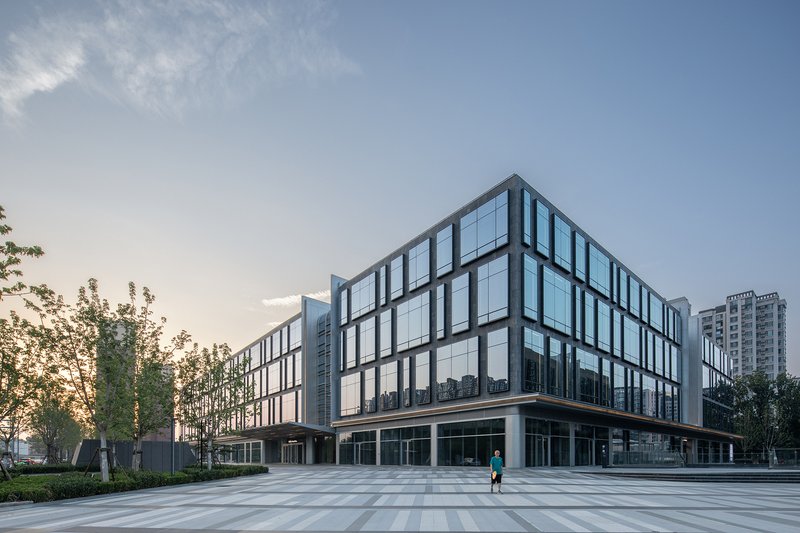
The Challenge: Adapting to Beijing’s Rapid Urban Growth
As Beijing continues to expand, older buildings often struggle to keep up with modern demands for functionality, flexibility, and sustainability. The original Beijing Poly Plaza was no exception. Built decades ago, its outdated design failed to meet the needs of today’s tenants, and the spaces were dim and inefficient. With the recent boom in residential and office buildings surrounding the area, it became clear that a significant architectural renovation was needed.
Kokaistudios took on the challenge to not only update the structures but also create a more efficient, vibrant, and user-friendly space that could cater to the demands of modern businesses and residents. The goal was to transform the existing buildings while respecting the architectural heritage of Beijing.
The Vision: A Modern, Light-Filled Space
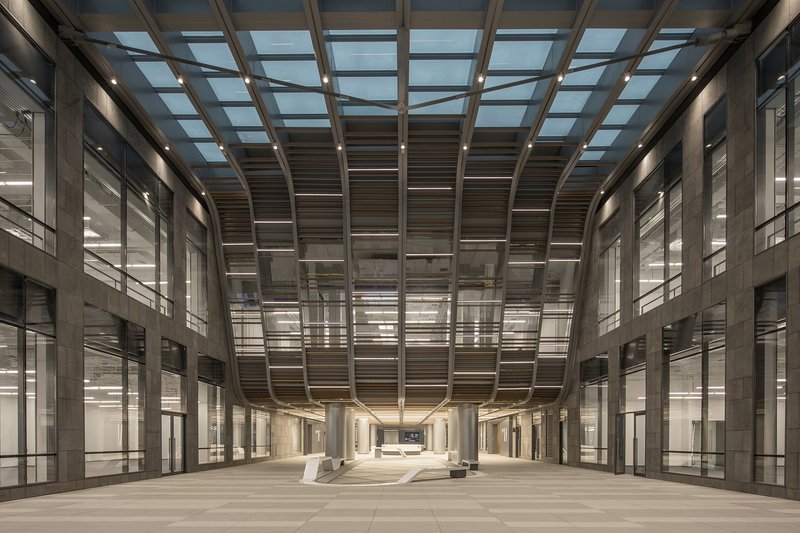
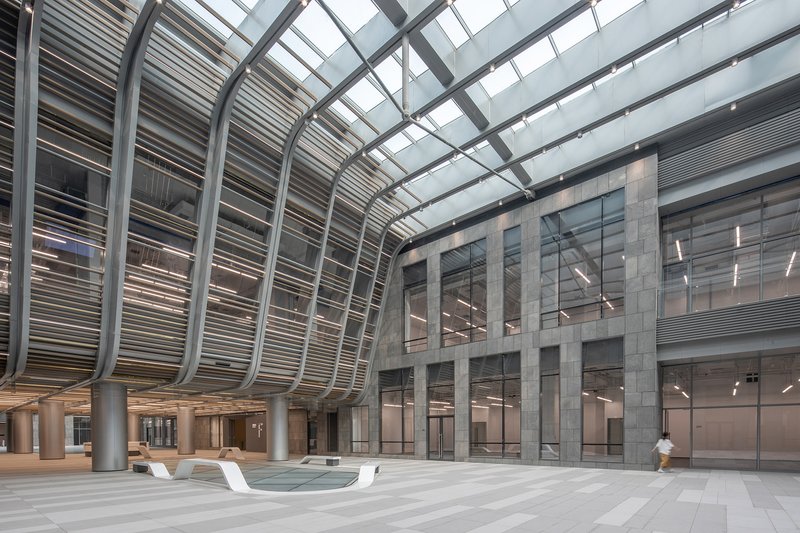
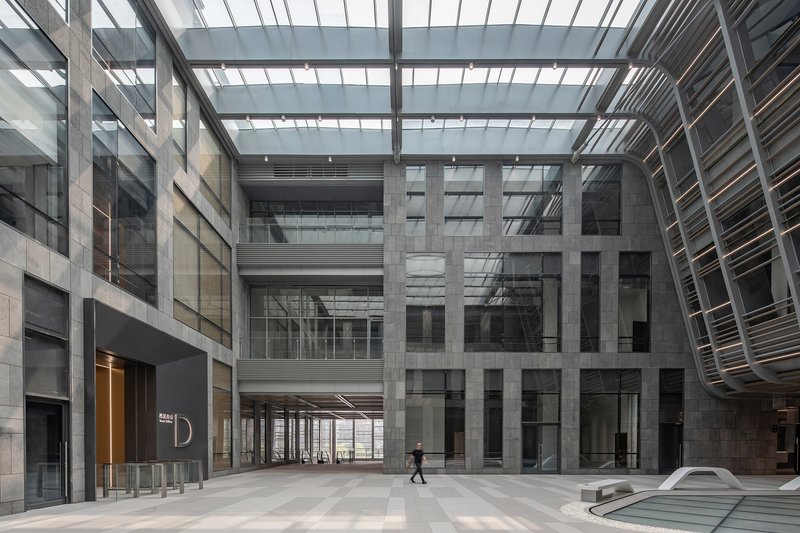
One of the primary design strategies for the renovation of Beijing Poly Plaza was the introduction of natural light into the previously dark and expansive interior spaces. The architects recognized that the building's deep floor plates limited daylight penetration, making the interiors feel enclosed and uninspiring. To address this, Kokaistudios implemented a series of precise internal carvings that created light wells, allowing sunlight to flood the core of the building.
These innovative light wells not only improved the quality of light but also played a critical role in reshaping the building’s structure. By strategically demolishing sections of the building, the design team created “negative spaces” that divided the large volume into smaller, more manageable clusters. This strategy made the building feel more open and connected, providing tenants with more flexible space configurations.
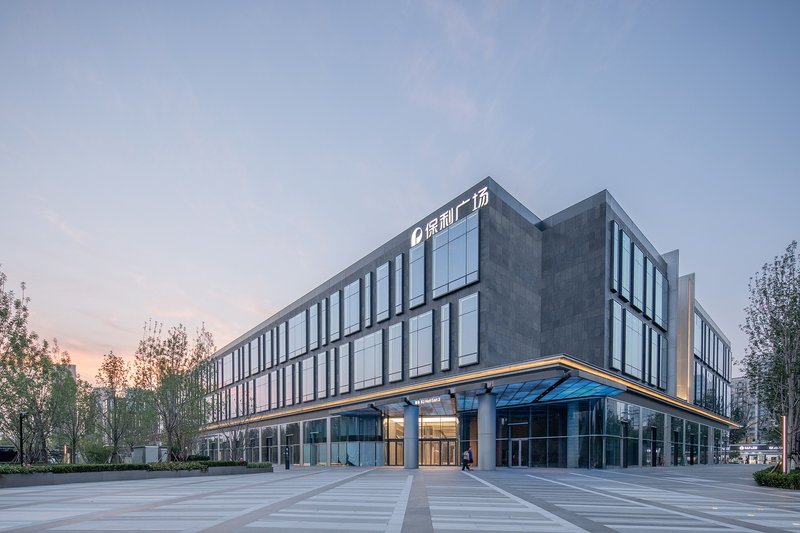
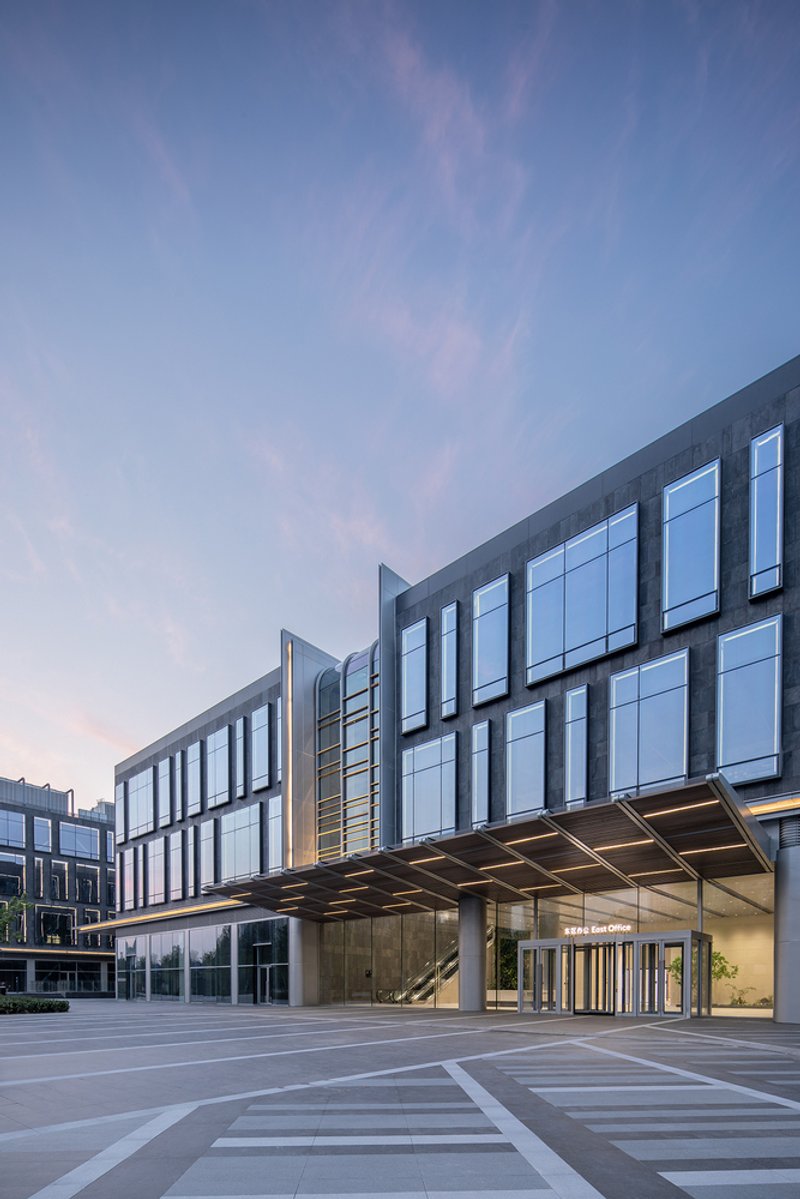
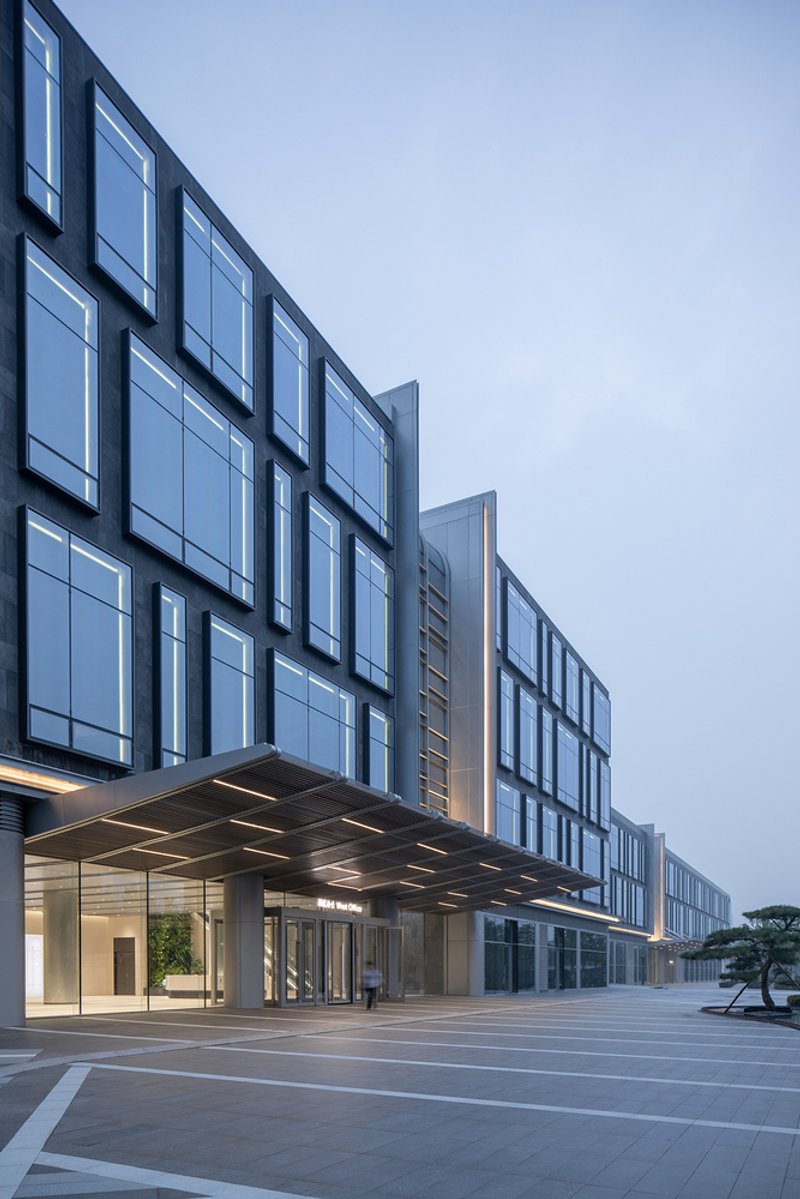
The Design: Integration of New and Old
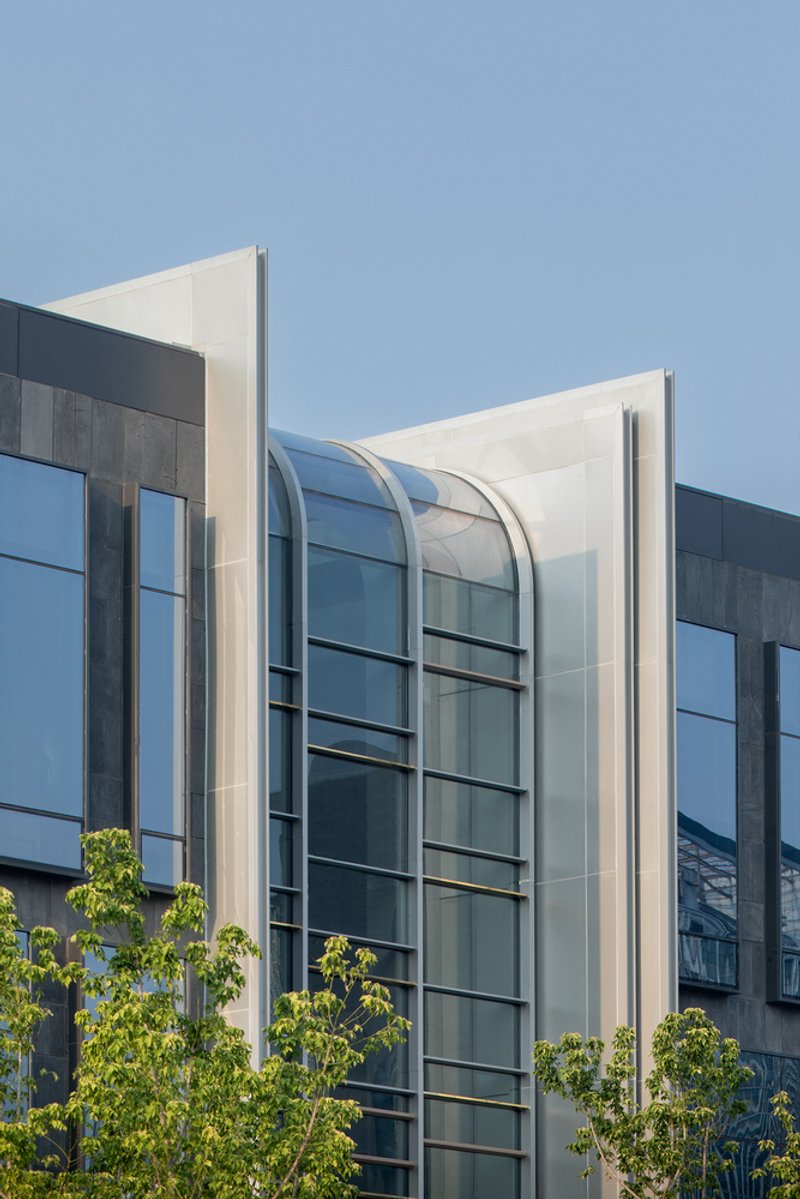
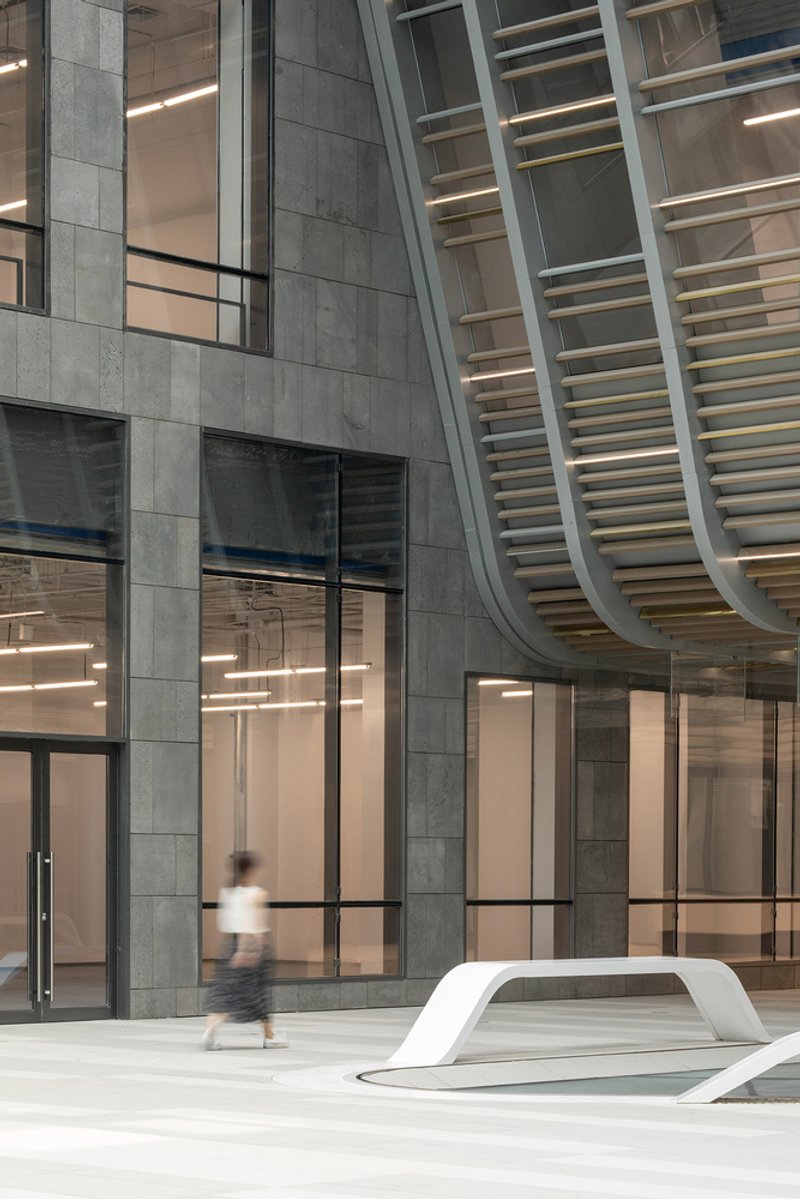
A key element of the architectural renovation was the careful integration of new design elements with the building’s existing structure. The project included the addition of two large atriums, which now serve as central hubs for the office and retail spaces. These atriums are topped with expansive glass skylights, which are not only striking architectural features but also serve to connect the two separate building clusters visually and functionally.
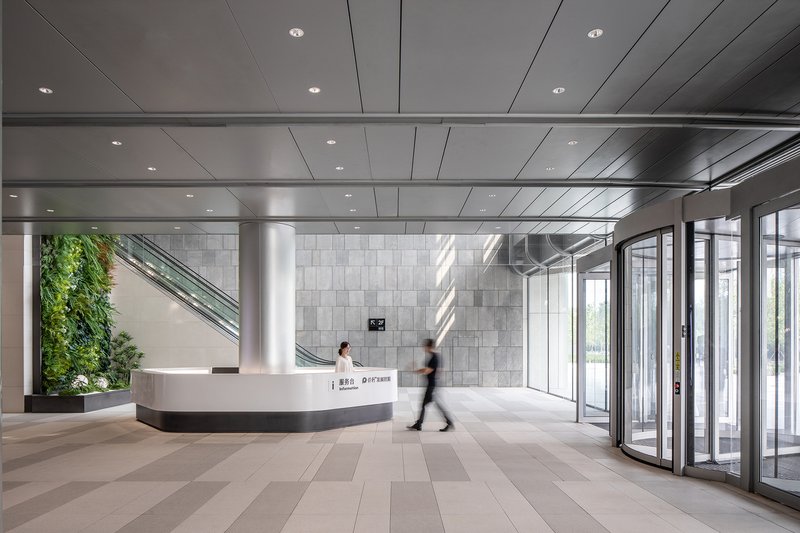
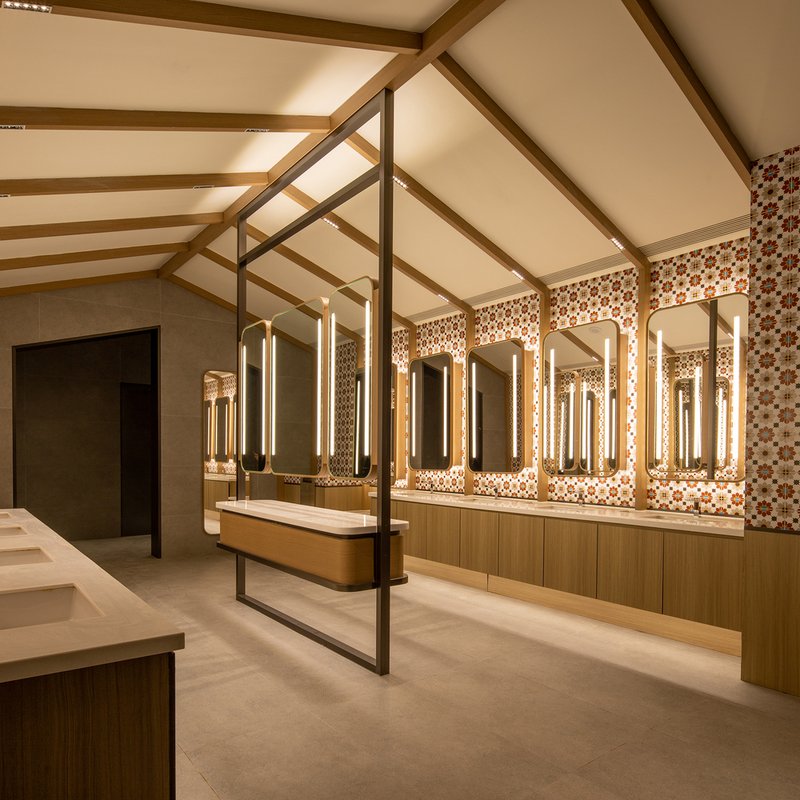
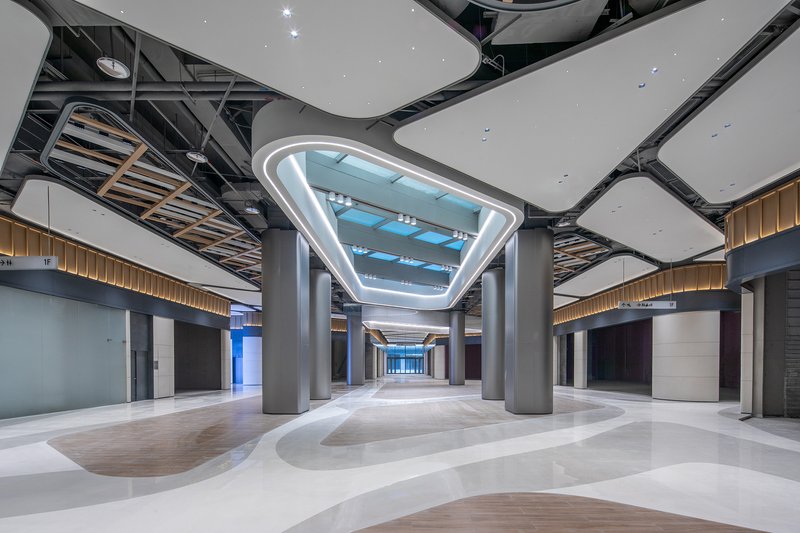
The use of glass and steel in the design emphasizes the sleek, modern aesthetic that Kokaistudios sought to achieve. However, the design also incorporates softer materials and rounded forms in the retail spaces, creating a fluid contrast to the sharp, geometric office spaces. This balance of hard and soft elements ensures the building’s design is both dynamic and harmonious with its urban surroundings.
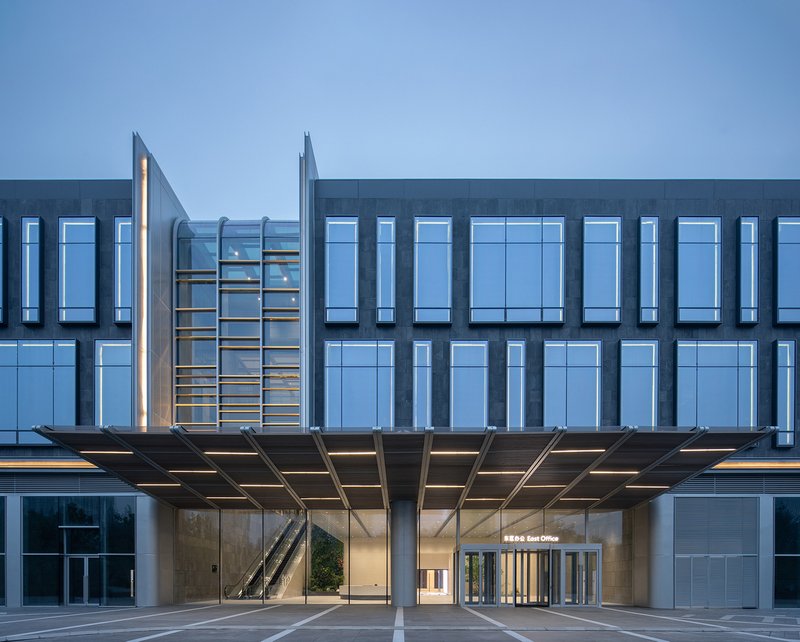
Creating a Flexible, Future-Proof Space
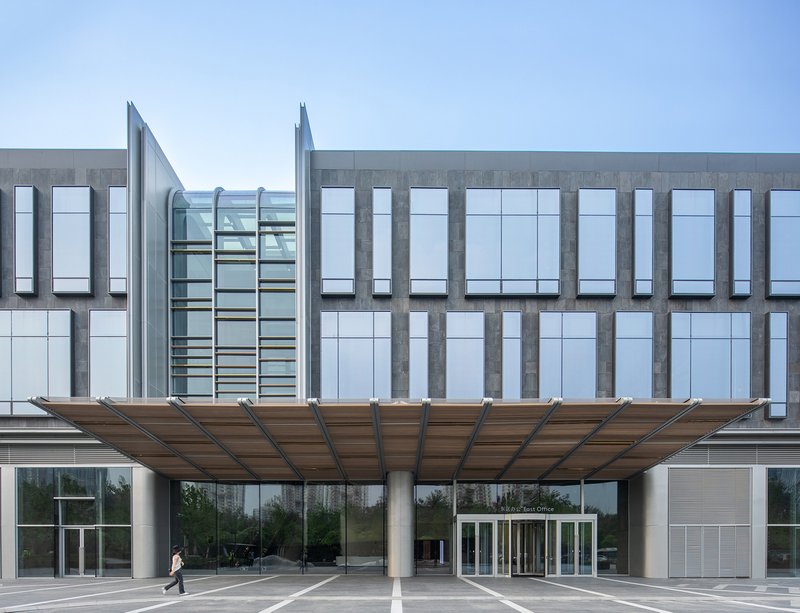
The renovation of Beijing Poly Plaza is a prime example of how architecture can be adapted to meet modern needs while preserving the character of the original structure. One of the most significant aspects of the renovation is the introduction of flexible, multi-functional spaces that can accommodate a variety of tenants and uses. The upper levels of the building have been transformed into office blocks, which are designed with open-plan layouts that encourage collaboration and adaptability.
In contrast, the lower levels house retail spaces with a more fluid layout, making them ideal for shops, cafes, or showrooms. This division of spaces helps to distinguish the commercial functions of the building while still creating a cohesive design narrative. The renovation also ensures that the building can easily be adapted in the future as the needs of the tenants evolve.
Sustainability in Design: A Green Future for Beijing Poly Plaza
Sustainability was also a key concern for Kokaistudios in the renovation of Beijing Poly Plaza. The introduction of natural light not only improves the quality of the work environment but also reduces the building’s energy consumption. By minimizing the need for artificial lighting, the building becomes more energy-efficient, helping to reduce its environmental footprint.
In addition, the choice of materials and the design approach ensure that the building meets modern sustainability standards while maintaining a timeless aesthetic. The careful integration of new features with the existing structure demonstrates a thoughtful approach to renovation, ensuring that the building remains relevant for years to come.
A New Chapter in Beijing’s Architectural Landscape
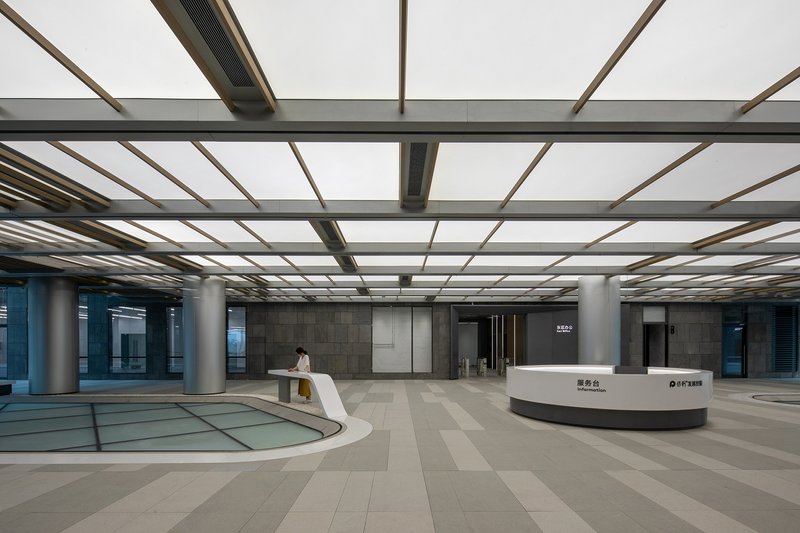
The Beijing Poly Plaza renovation is a striking example of how architectural renovation can breathe new life into aging structures. Kokaistudios has successfully transformed the building into a modern, light-filled space that meets the demands of today’s businesses and residents, all while preserving the essence of the original design. With its innovative use of natural light, flexible space configurations, and a seamless blend of new and old, the renovated Beijing Poly Plaza stands as a beacon of modern architectural renovation in Beijing.
By focusing on functionality, sustainability, and aesthetic harmony, Kokaistudios has created a space that will continue to serve as a hub for commerce and creativity in the heart of Beijing for years to come.
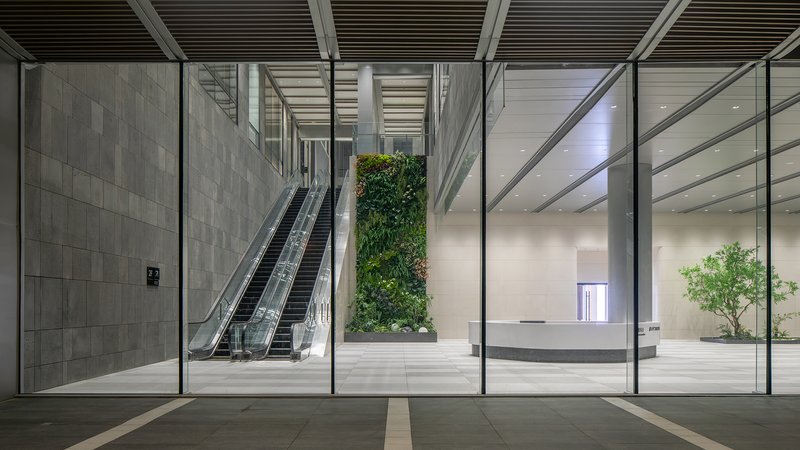
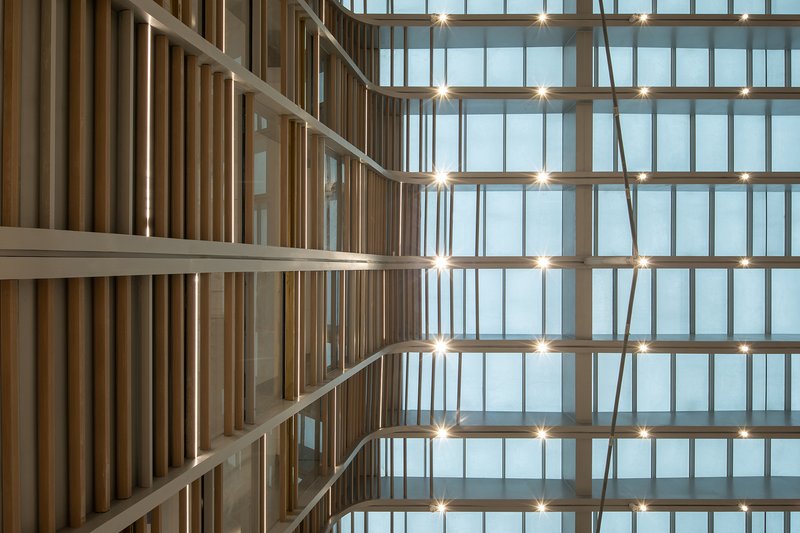
All Photographs are work of RAWVISION studio




Popular Articles
Popular articles from the community


The Ken Roberts Memorial Delineation Competition (Krob)
As the most senior architectural drawing competition currently in operation anywhere in the world, it draws hundreds of entries each year, awarding the very best submissions in a series of medium-based categories.

On the Brooks House by Monsoon Collective – A Contemporary Kerala Home Rooted in Tradition
Kerala home blending tradition and modernity with water-inspired design, brick architecture, courtyard planning, and sustainable rainwater harvesting strategies.
Treehouse Apartment: A Warm Timber Interior Blending Craft, Play, and Contemporary Living
Warm timber apartment with integrated treehouse, combining natural materials, craftsmanship, and playful design to create a flexible, family-oriented living environment.
Atelier Macri Concept Store Interior Design by CASE-REAL
Atelier Macri store features a "ko" counter, walnut wood details, cork displays, blending retail, gallery, and seamless customer experiences.


Similar Reads
You might also enjoy these articles
The Ken Roberts Memorial Delineation Competition (Krob)
As the most senior architectural drawing competition currently in operation anywhere in the world, it draws hundreds of entries each year, awarding the very best submissions in a series of medium-based categories.


Waterfront Redevelopment and Urban Revitalization in Mumbai: Forging a New Dawn for Darukhana
A transformative waterfront redevelopment project reimagining Darukhana’s shipbreaking heritage into an inclusive urban future.

OUT-OF-MAP: A Call for Postcards on Feminist Narratives of Public Space
Rhizoma Design and Research Lab invites artists, designers, architects, researchers, and students to reflect on how feminist perspectives can reshape public space. Selected works will be exhibited in Barcelona, October 2026. Submissions open until 15 April 2026.


Documentation Work on Buddhist Wooden Temple
Architectural syncretism and cultural hybridity: A comparative study of the Buddhist temples in Chattogram Hill tracks


Explore Office Building Competitions
Discover active competitions in this discipline




The International Standard for Design Portfolios


The Global Benchmark for Architecture Dissertation Awards


The Global Benchmark for Graduation Excellence


Challenge to reimagine the Iron Throne
Comments (0)
Please login or sign up to add comments
No comments yet. Be the first to comment!