
Canning Factory by OODA: A Landmark in Adaptive Reuse Architecture
An innovative adaptive reuse architecture project transforming a historic canning factory in Matosinhos into a mixed-use hub of culture and community.

Revitalizing Industrial Heritage in Matosinhos
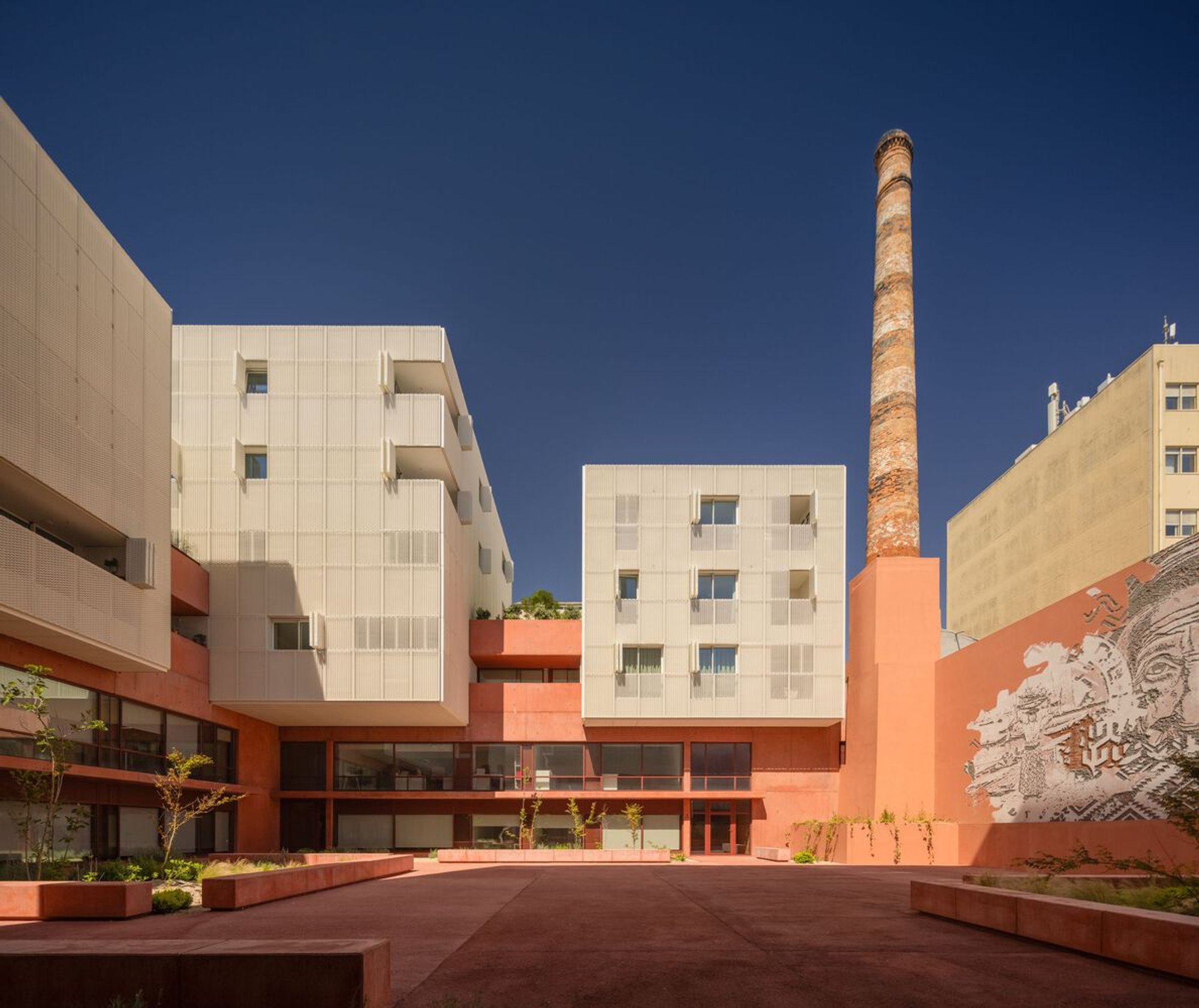
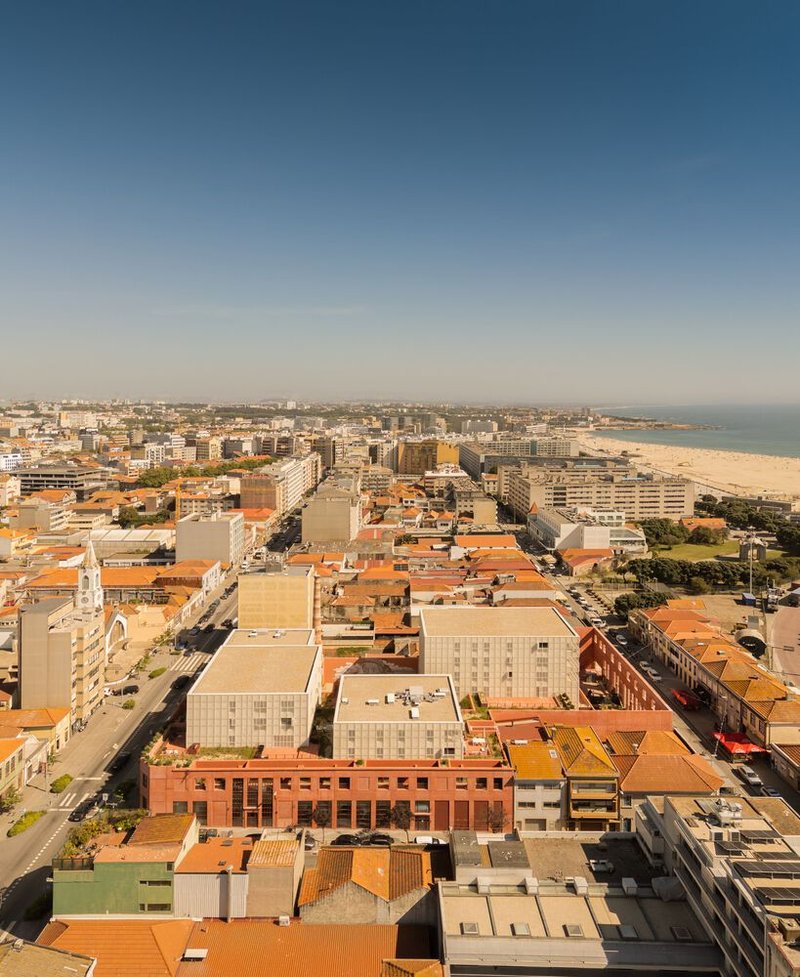
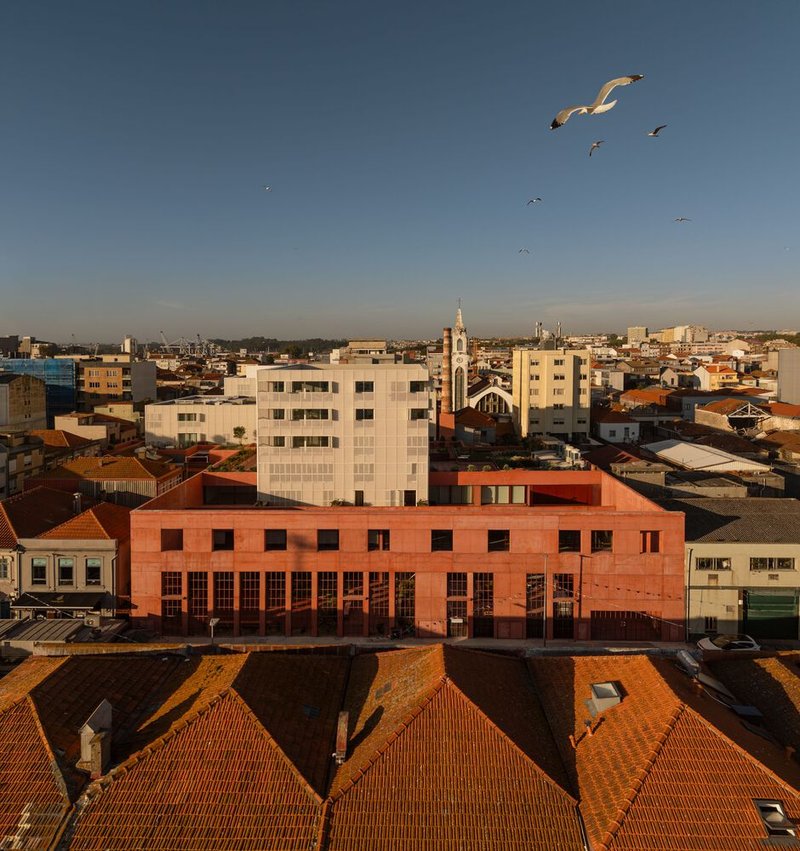
The Canning Factory by OODA represents a groundbreaking approach to adaptive reuse architecture, transforming the historic Brandão & Companhia Ltd factory into a vibrant mixed-use development. Located in Matosinhos, Portugal, and integrated into the Matosinhos Sul Urbanization Plan by Álvaro Siza, the project restores the building’s industrial legacy while redefining its role in the city’s urban fabric.
Honoring the Past, Designing for the Future
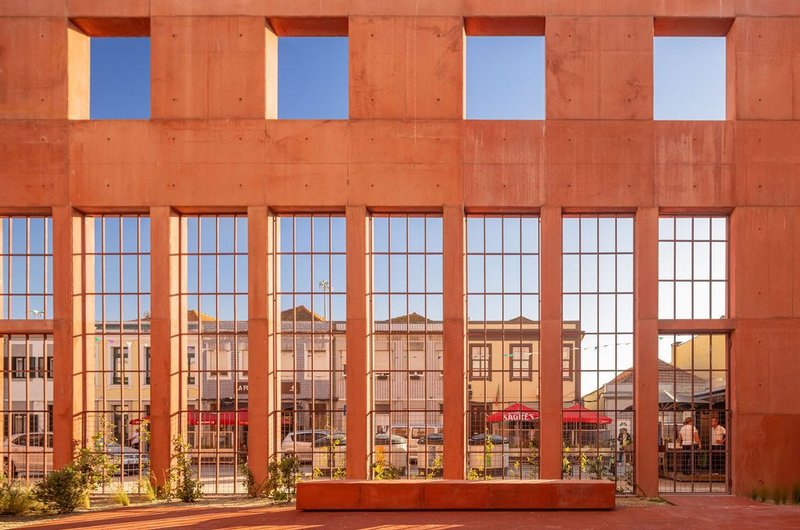
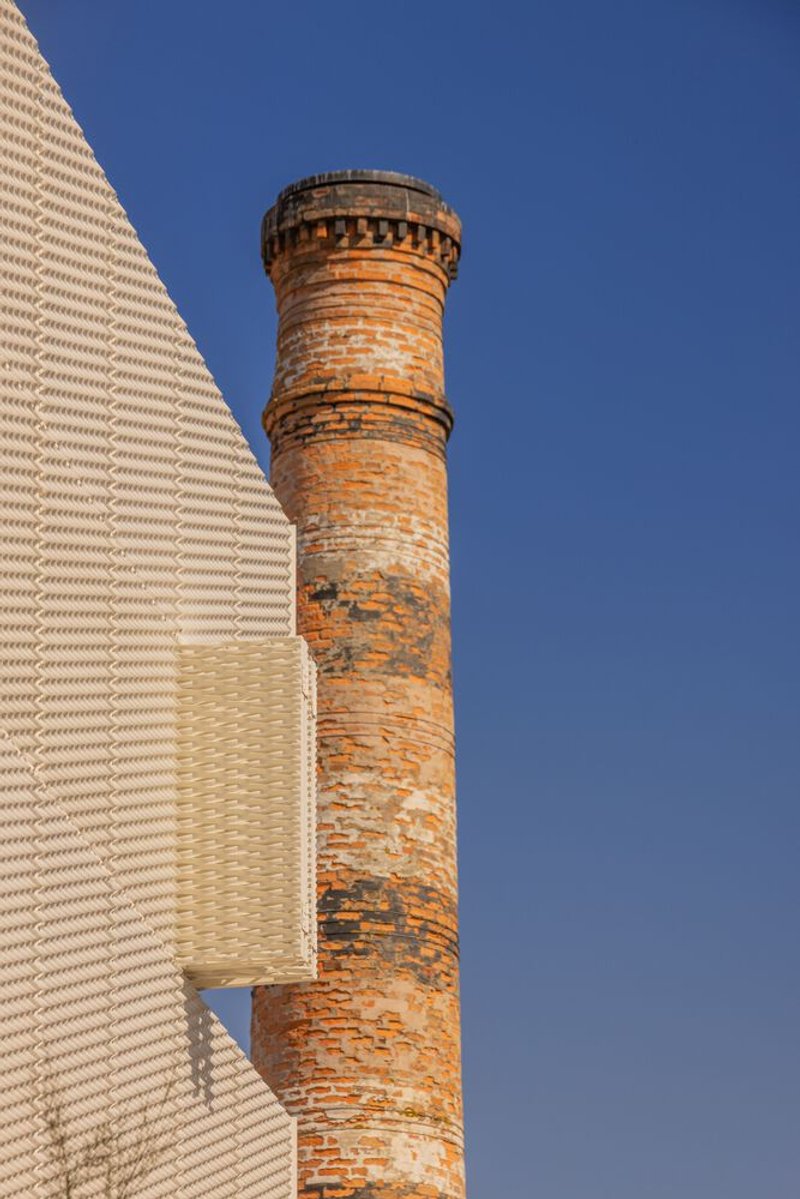
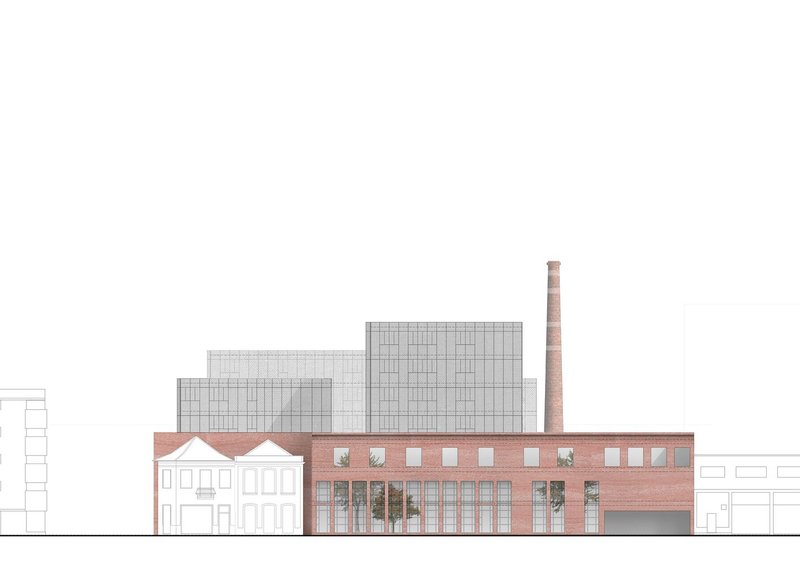
Once a hub of Portugal’s canning industry, the factory embodied the area’s deep connection to the sea and coastal economy. Over time, however, the structure suffered from fragmented interventions that diluted its identity. OODA’s vision sought to reclaim this architectural heritage by reconstructing the original building envelope and chimney, restoring the structure’s symbolic presence.
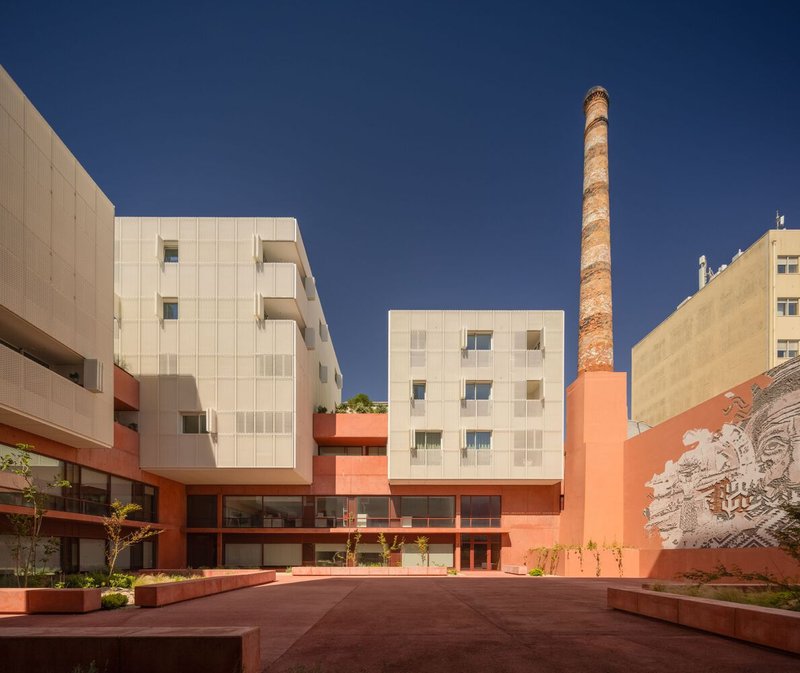
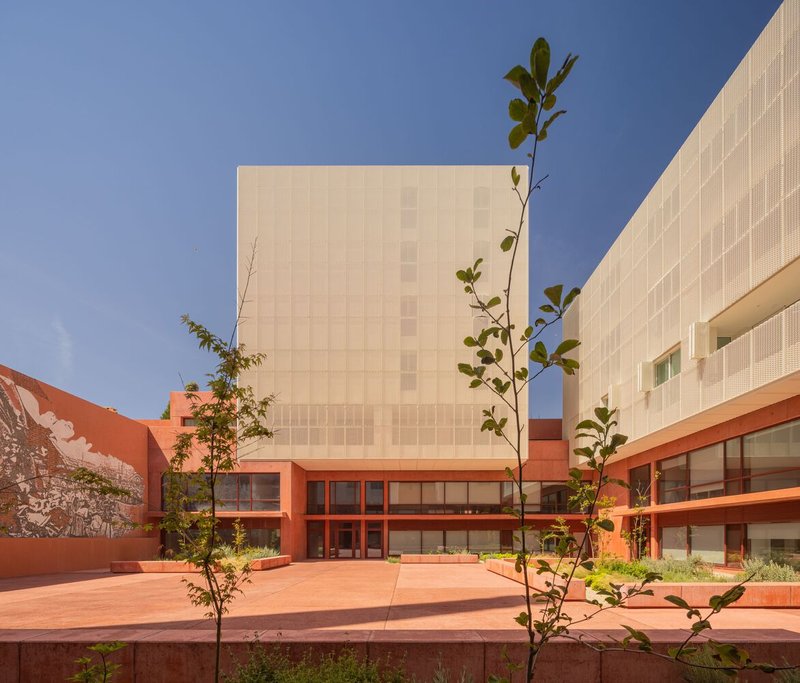
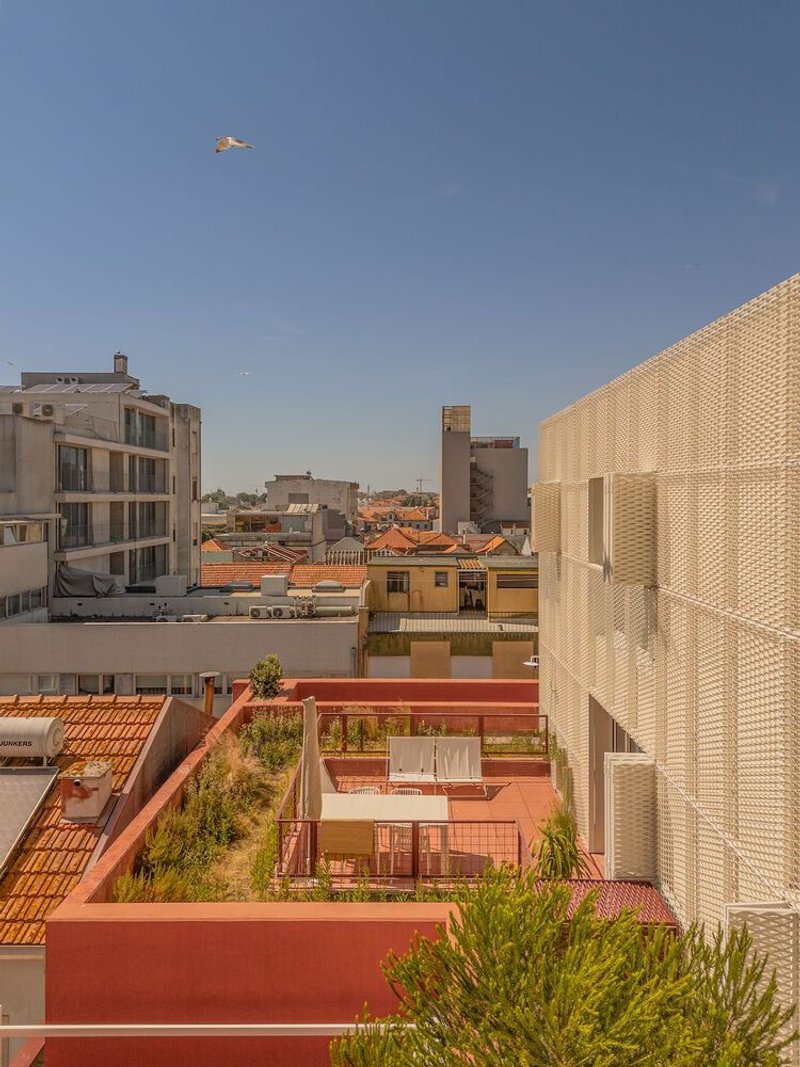
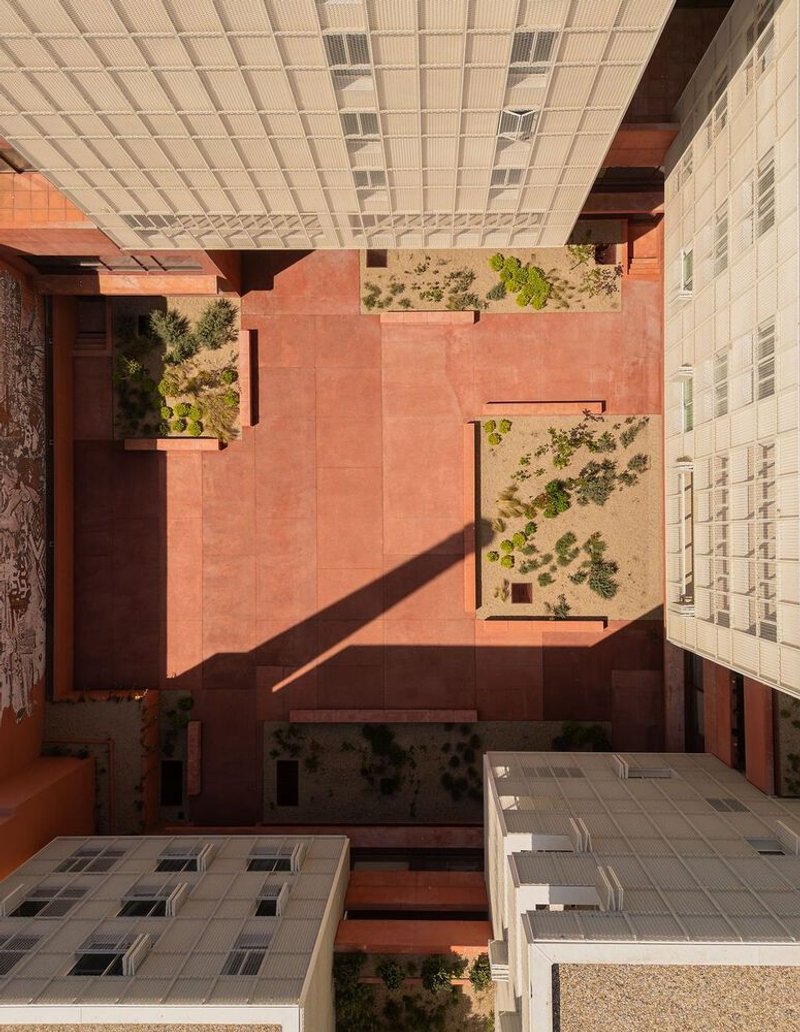
The new design carefully integrates medical laboratories, a health clinic, commercial areas, offices, and collective housing—programs that create a multi-layered urban ecosystem. This convergence of functions redefines the factory as a living space that nurtures community, innovation, and well-being.
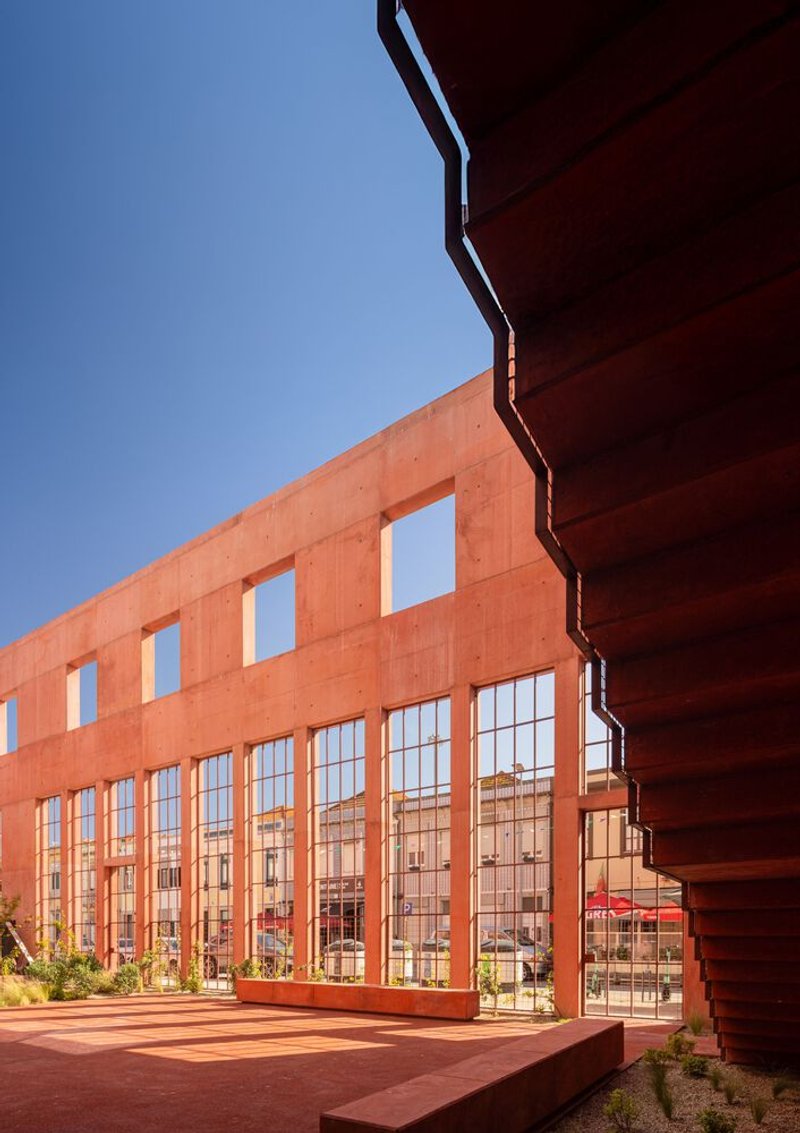
Spatial Composition and Green Integration
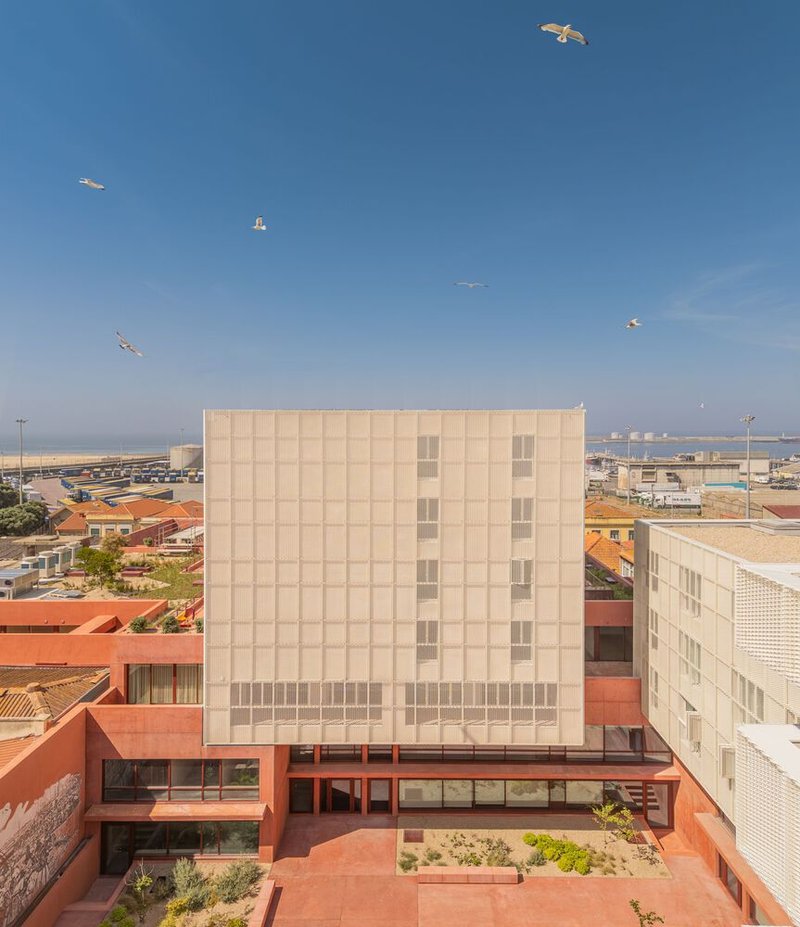
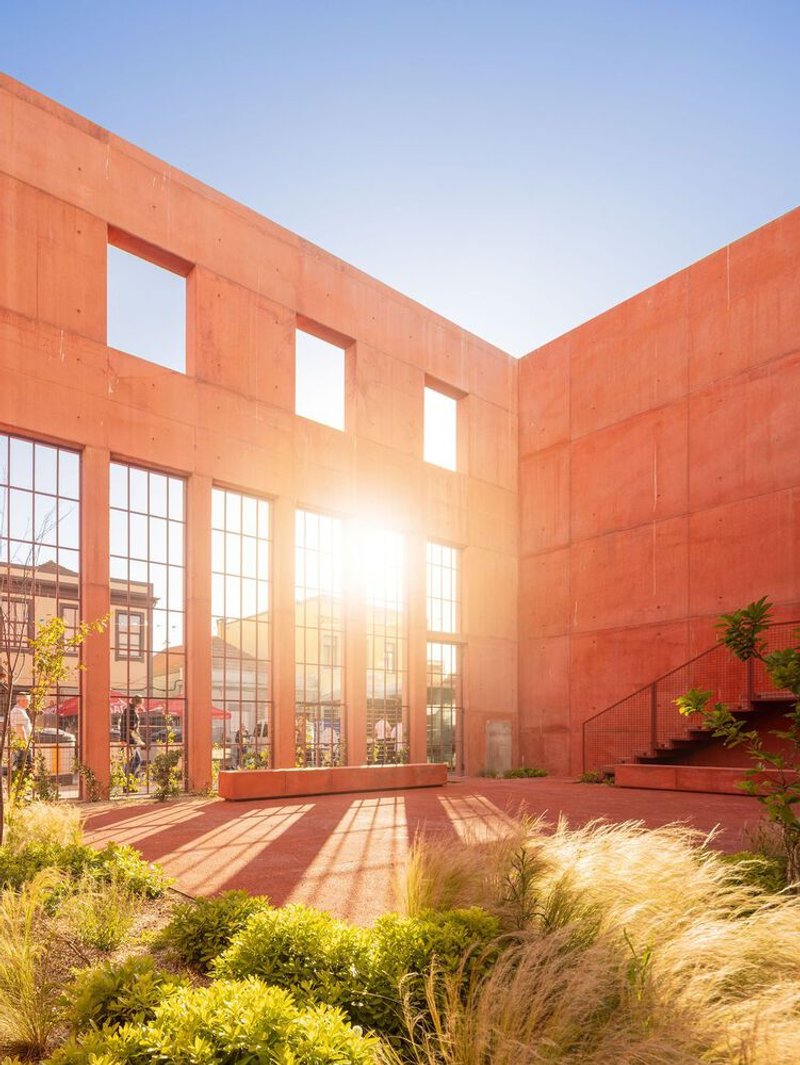
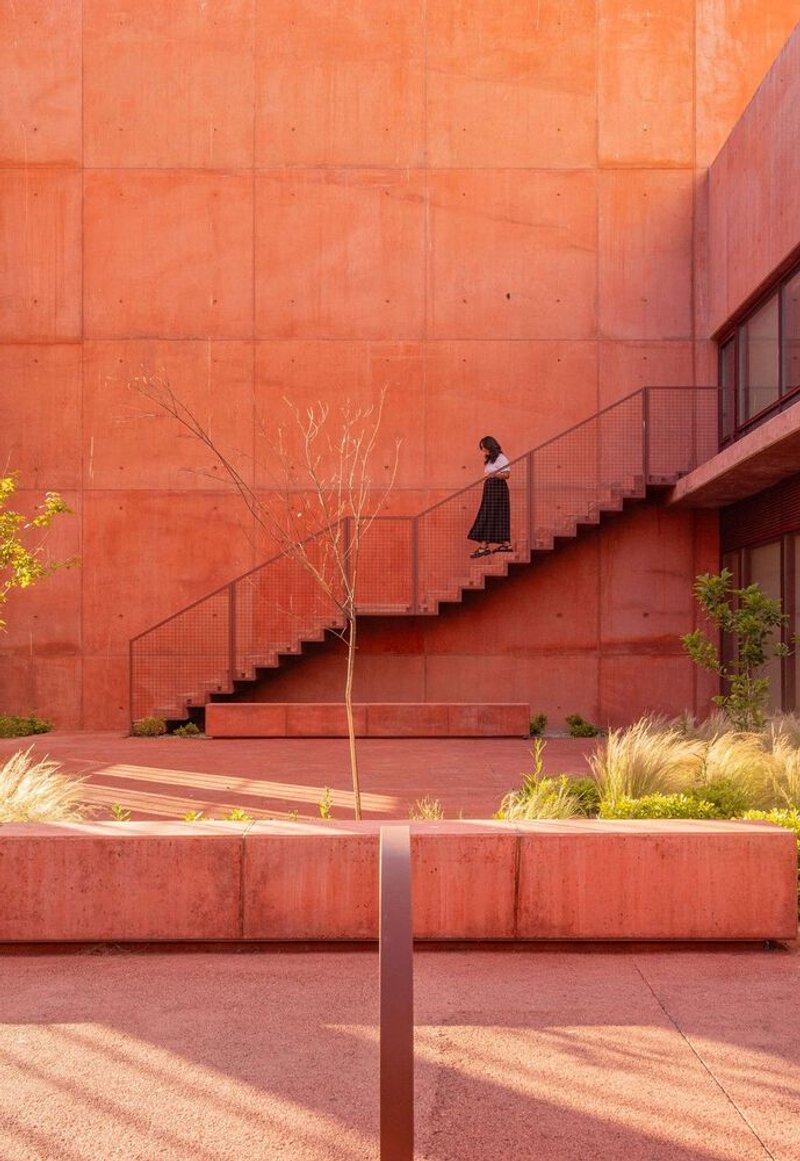
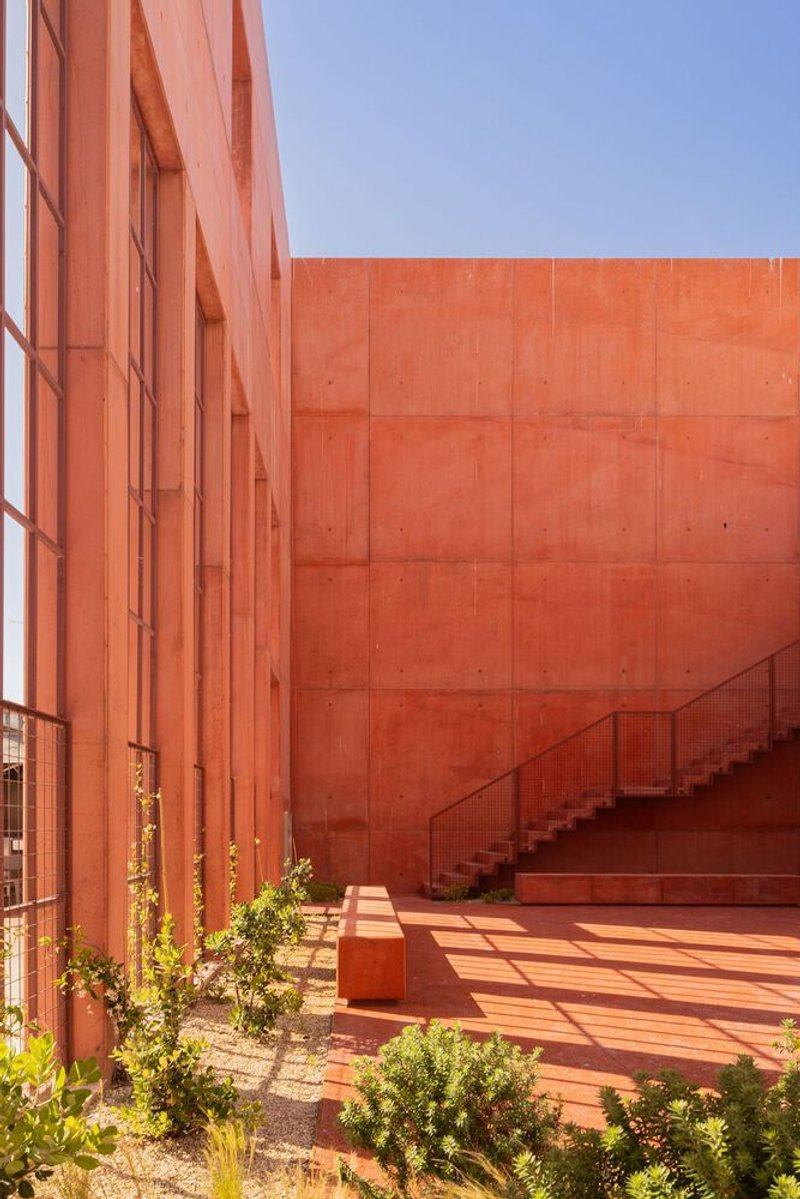
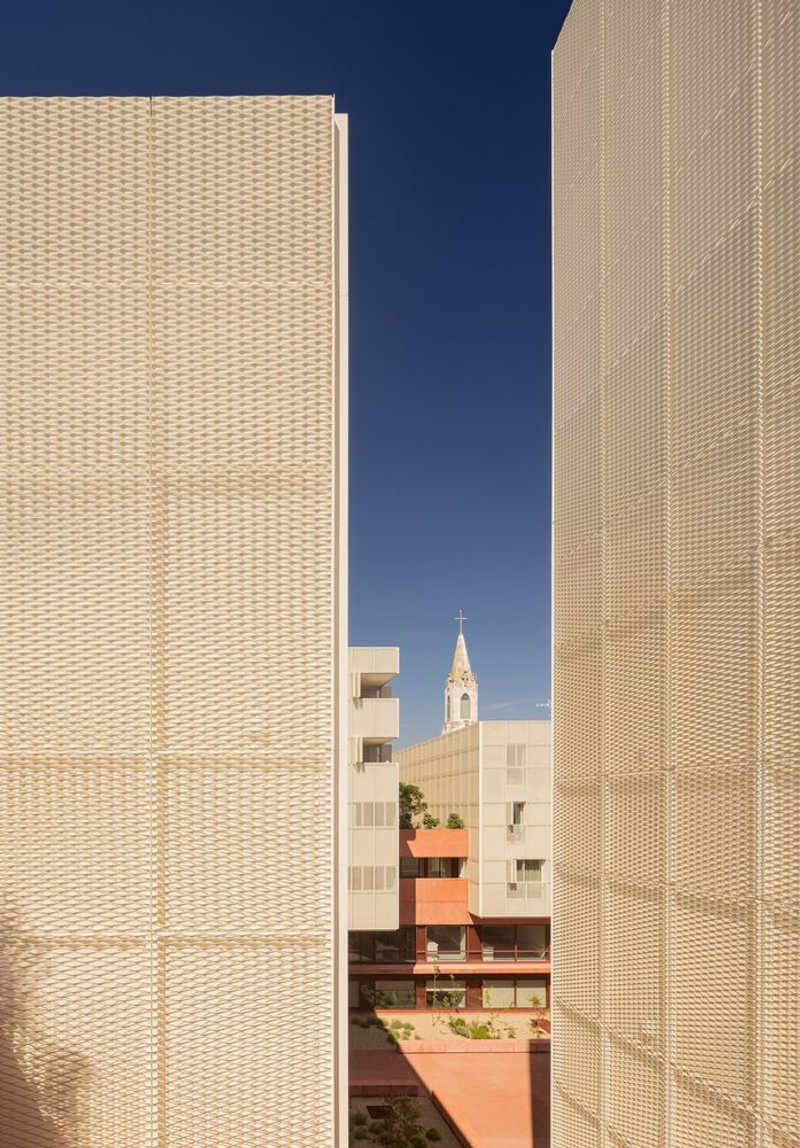
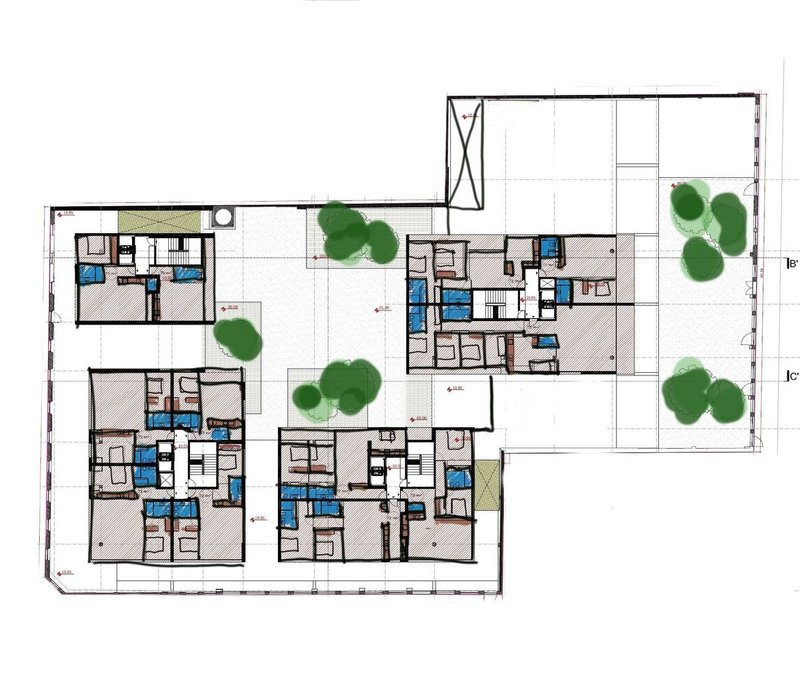
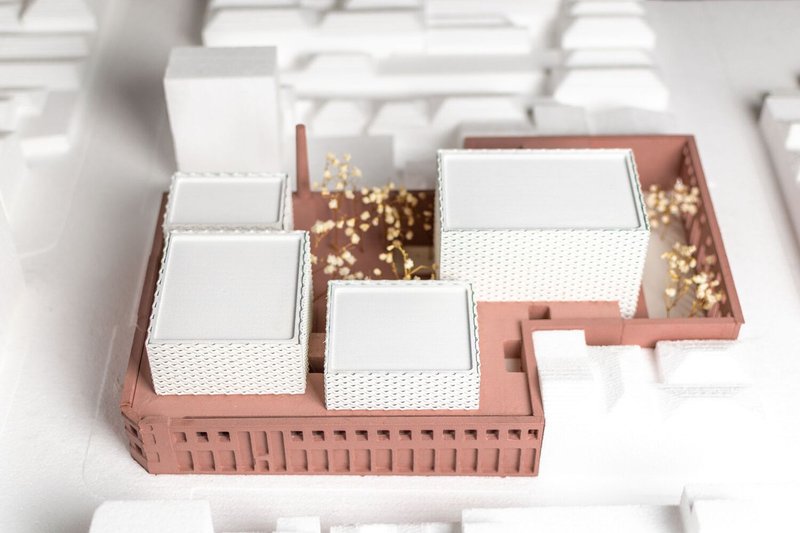
Though the original volumetry occupied nearly the entire lot, the intervention introduces green, permeable spaces that allow light and air to penetrate the dense urban block. These landscaped courtyards establish visual and physical connections between diverse programs while serving as public gathering zones.
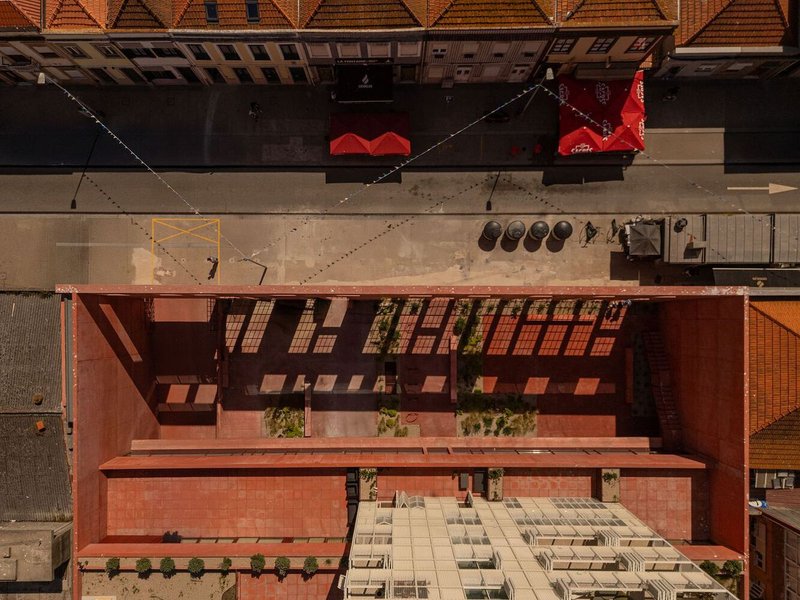
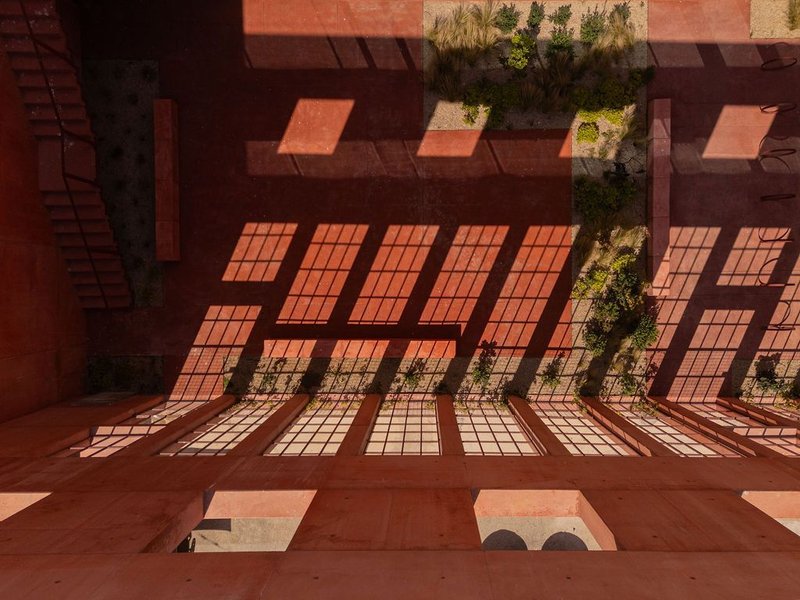
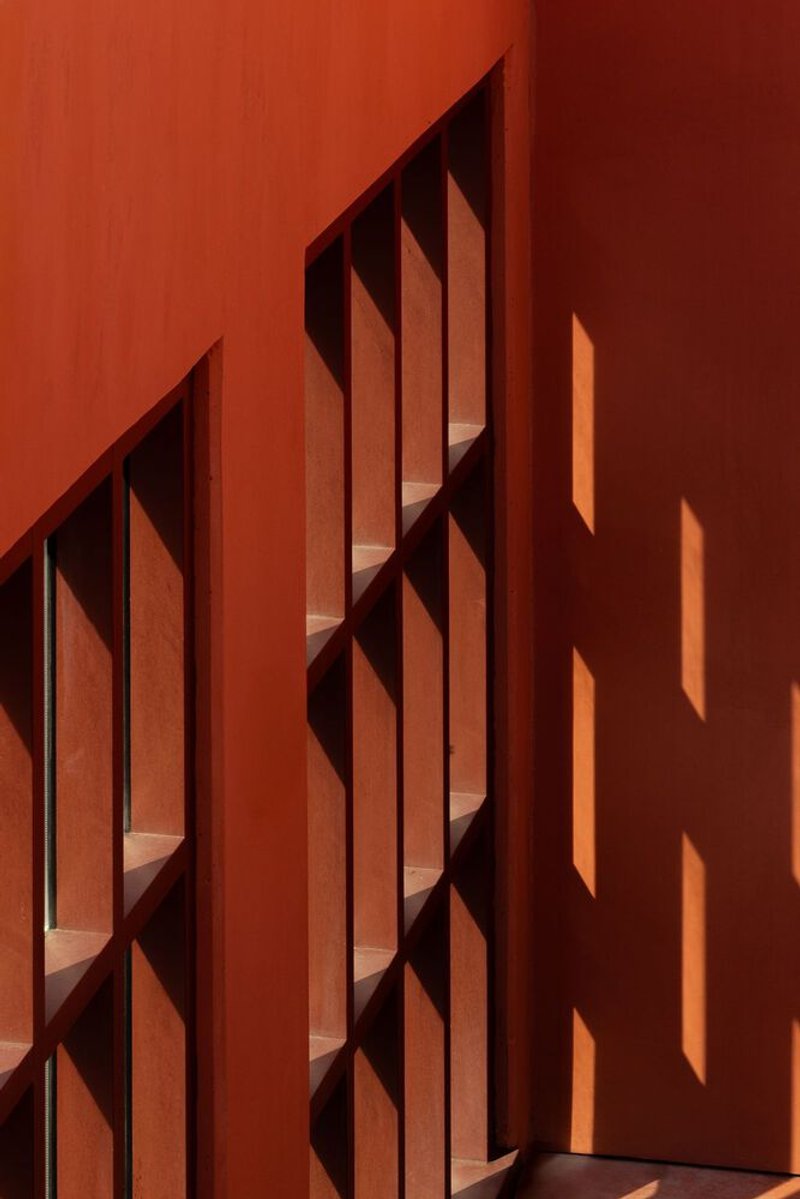
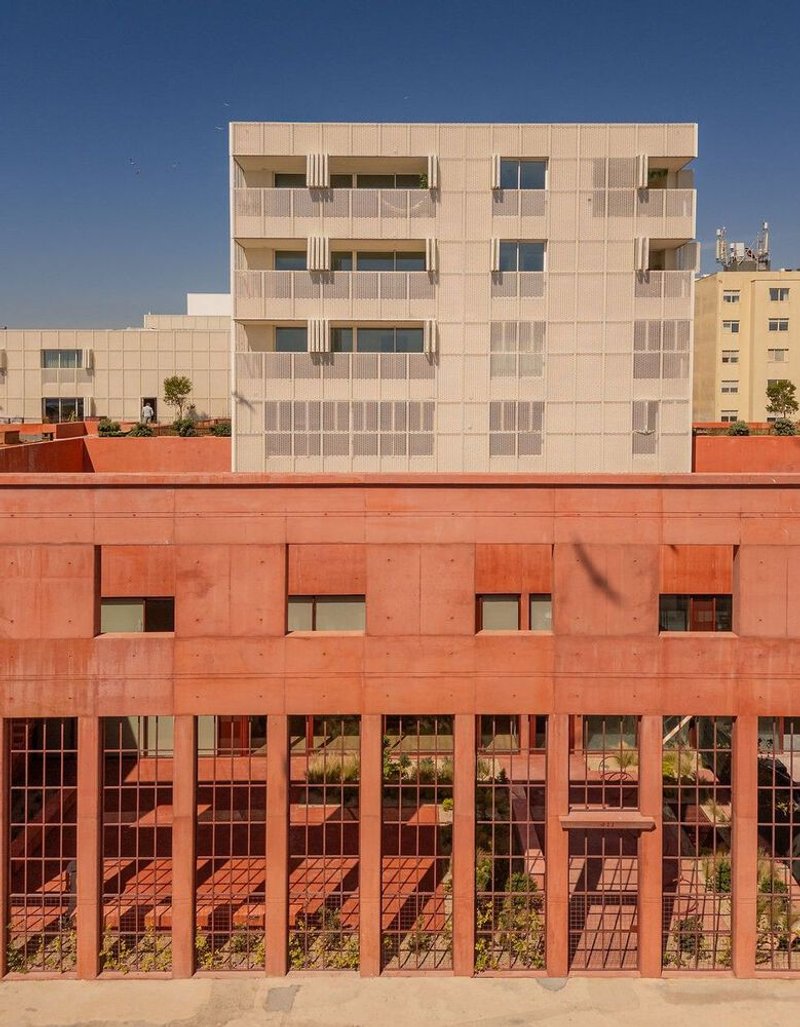
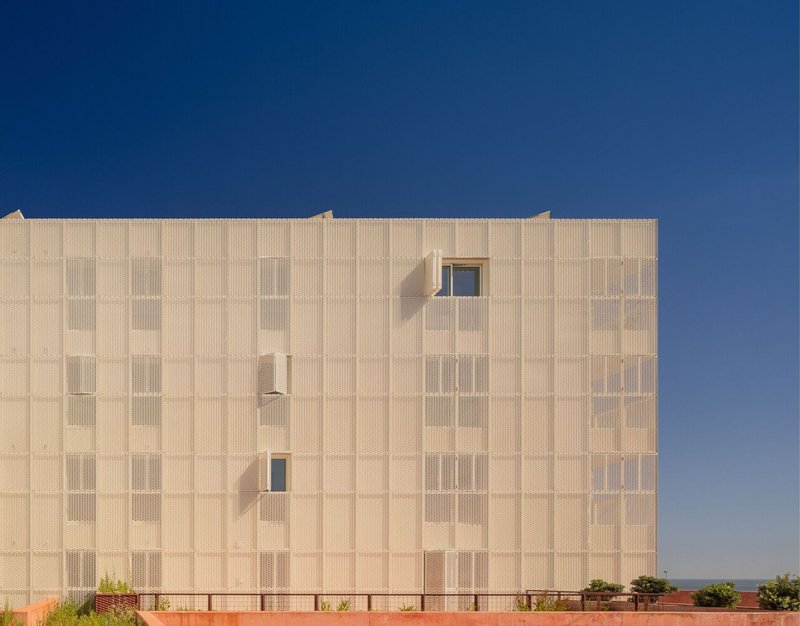
Ground floors house commercial spaces and services, while offices occupy the first level. Residential blocks are positioned above, elevated and interconnected through circulation spaces that maintain a sense of openness and accessibility. The dynamic layering of functions transforms the site into a microcosm of contemporary urban life.
Materiality as a Dialogue Between Eras
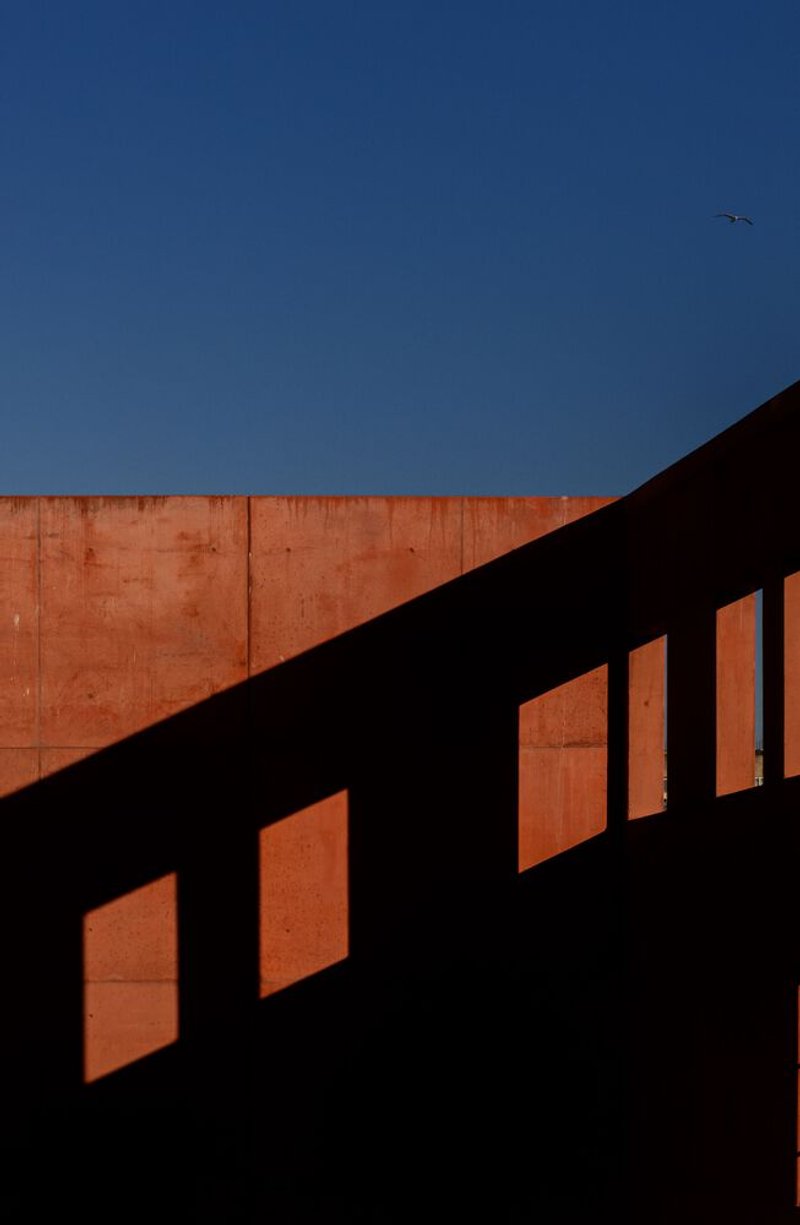
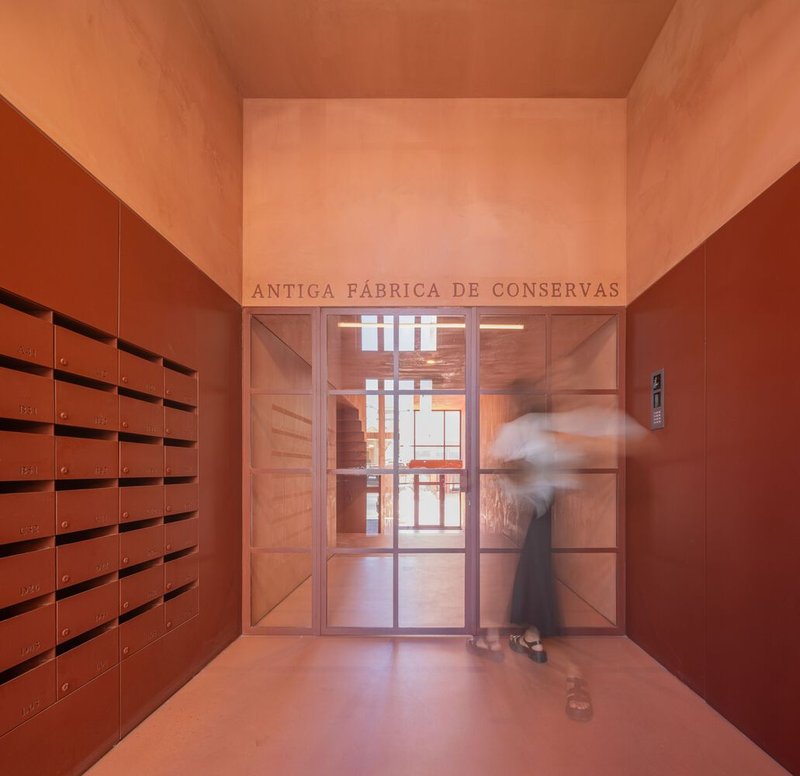
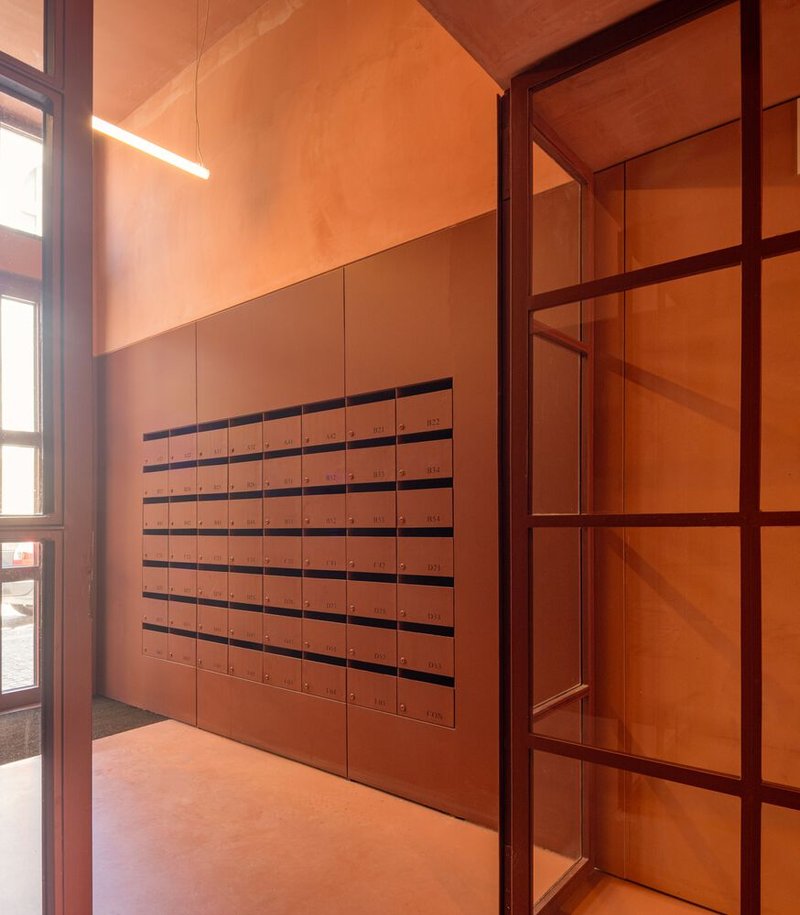
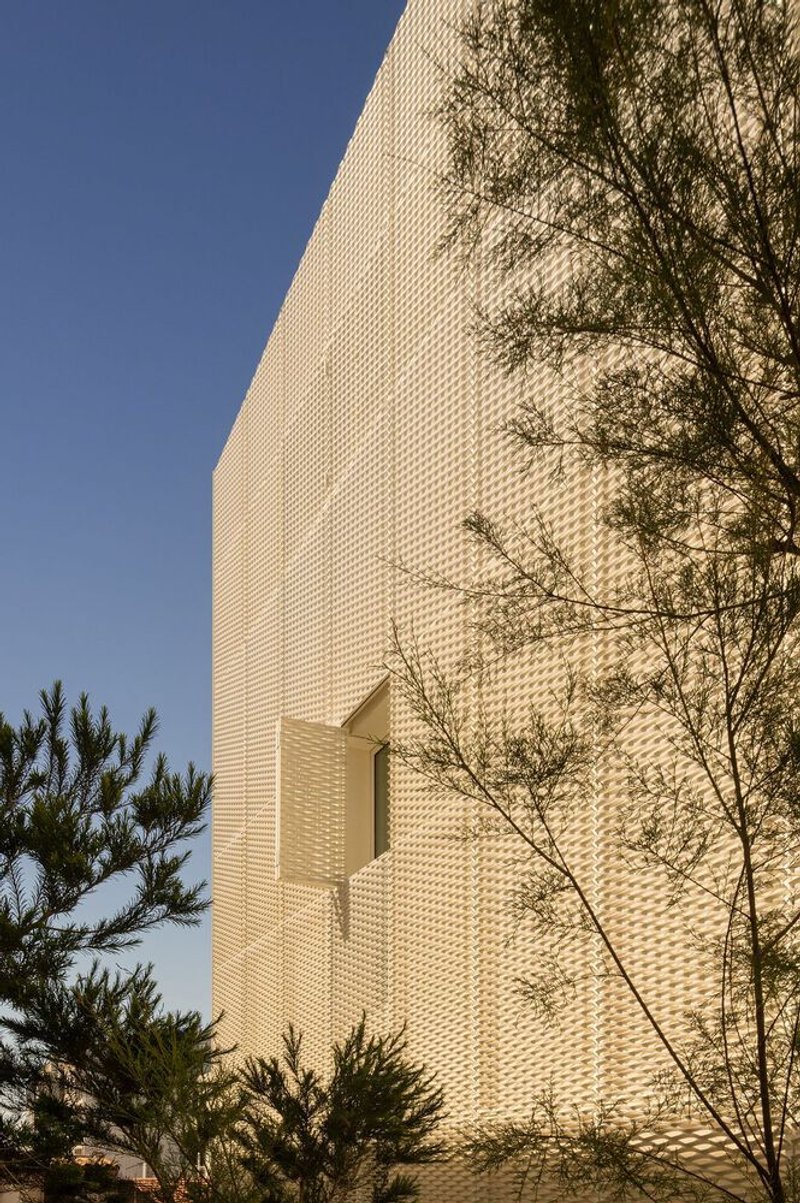
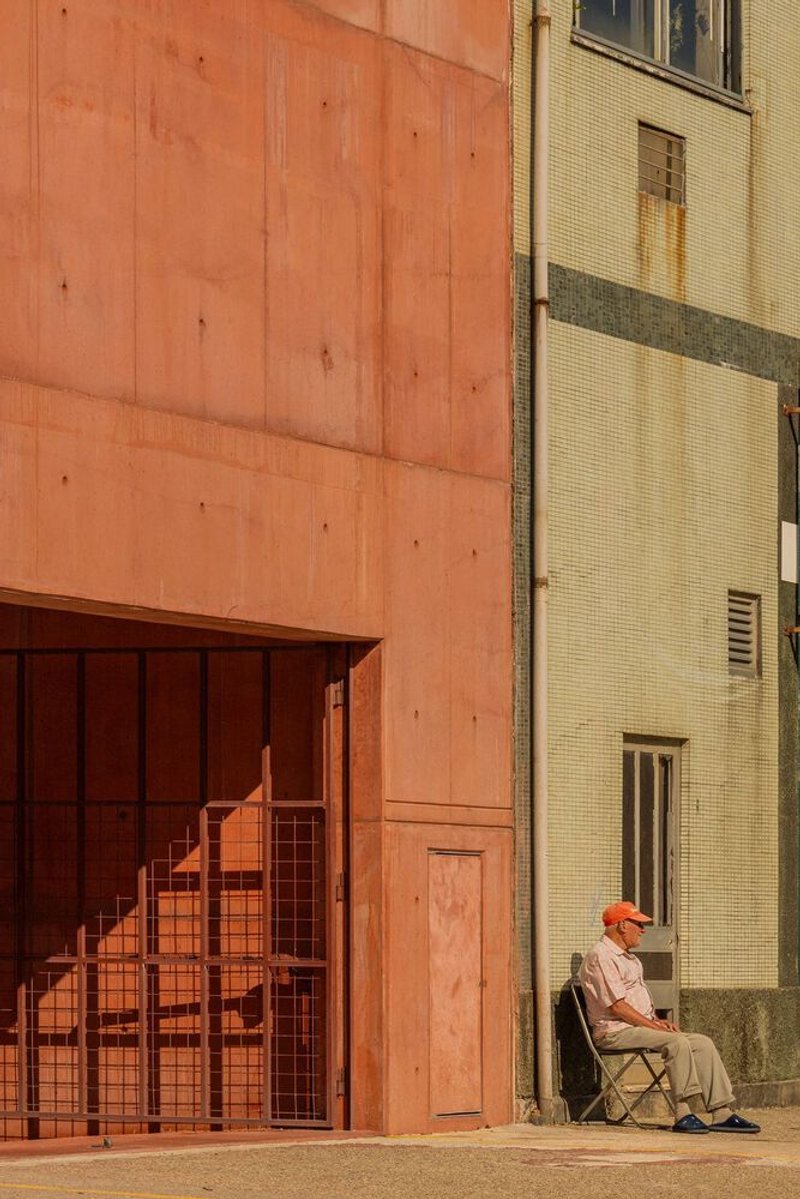
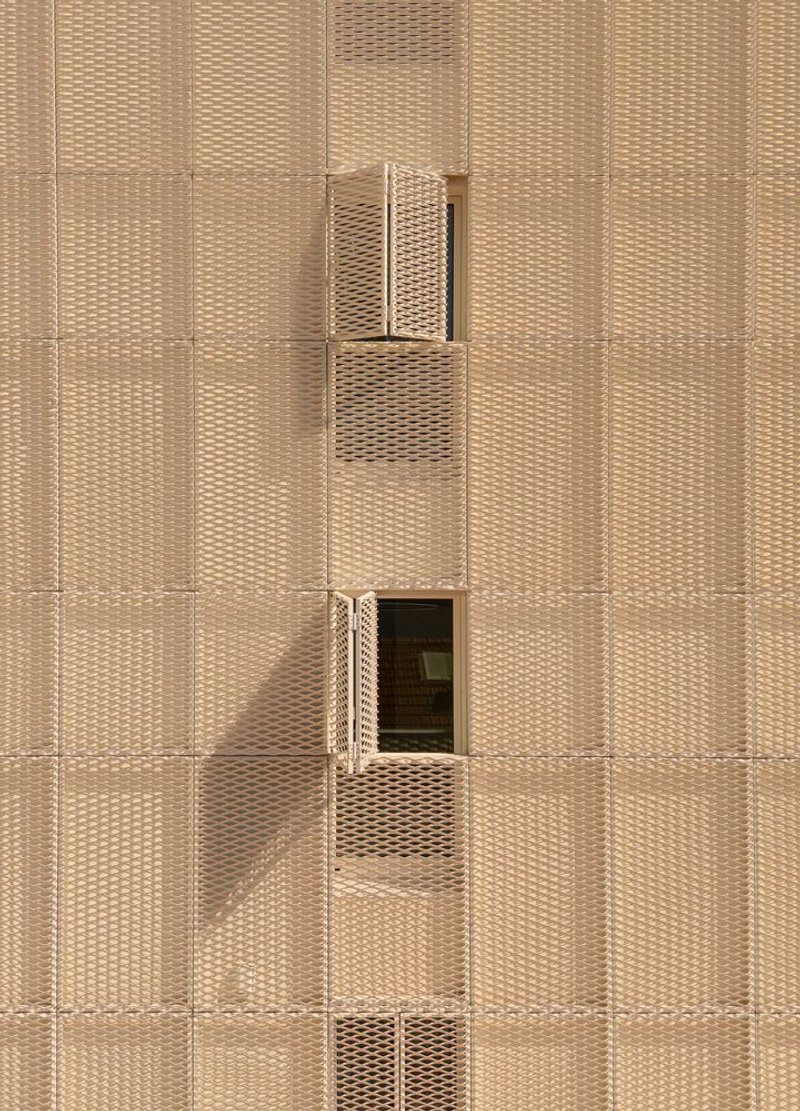
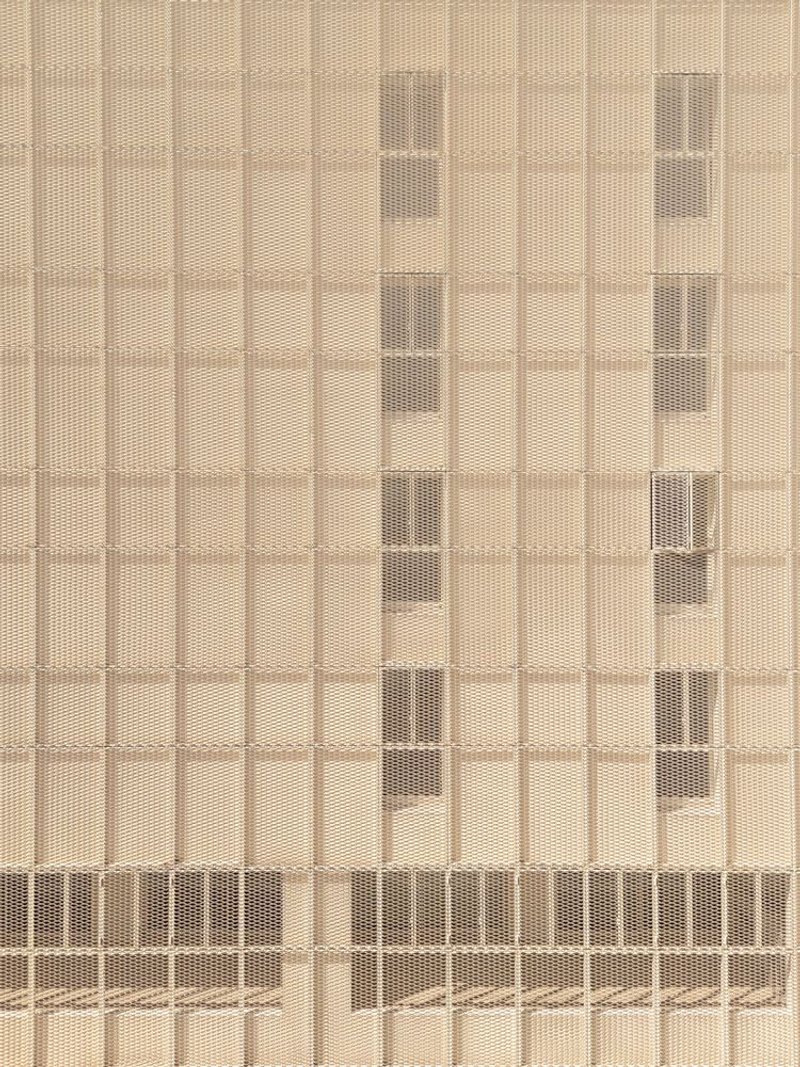
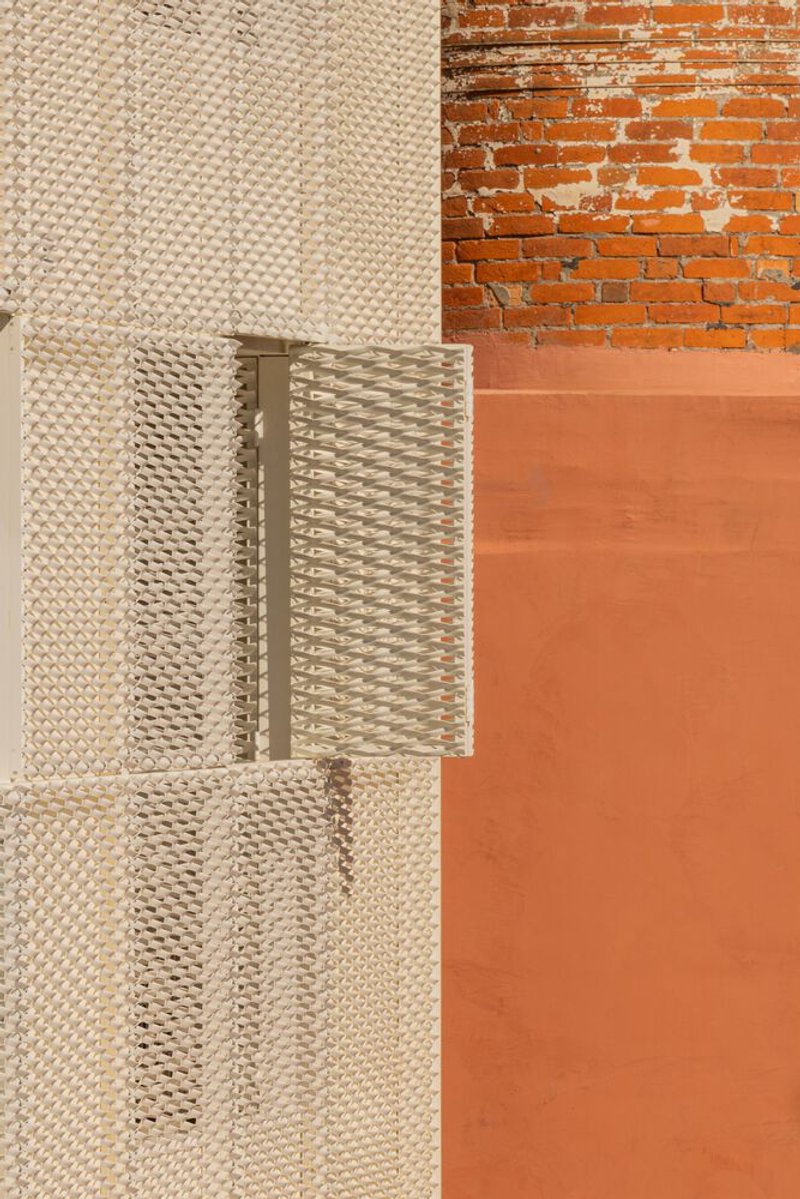
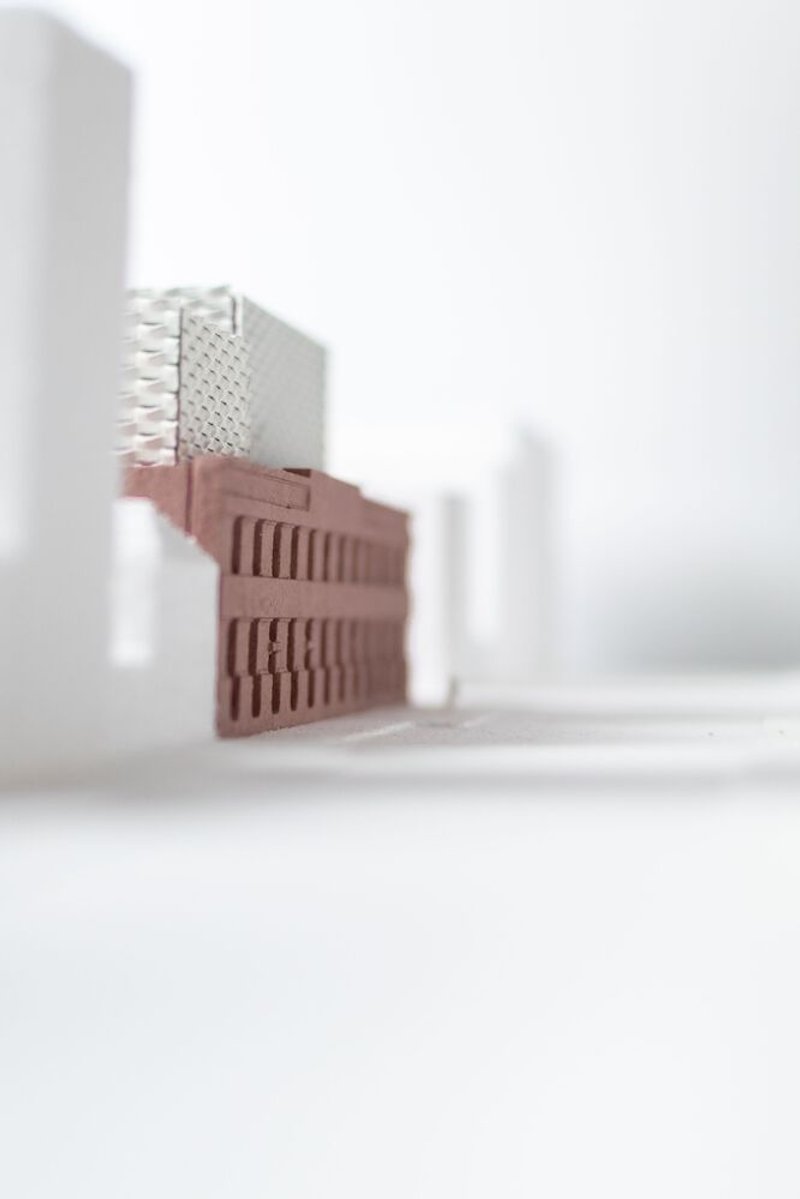
Material choices emphasize the dialogue between heritage and modernity. Pigmented concrete reflects the permanence and solidity of the industrial past, while aluminum stretched plates introduce lightness and a contemporary expression. Suspended volumes above the patio exemplify this contrast, their proportions inspired by the nearby sea.
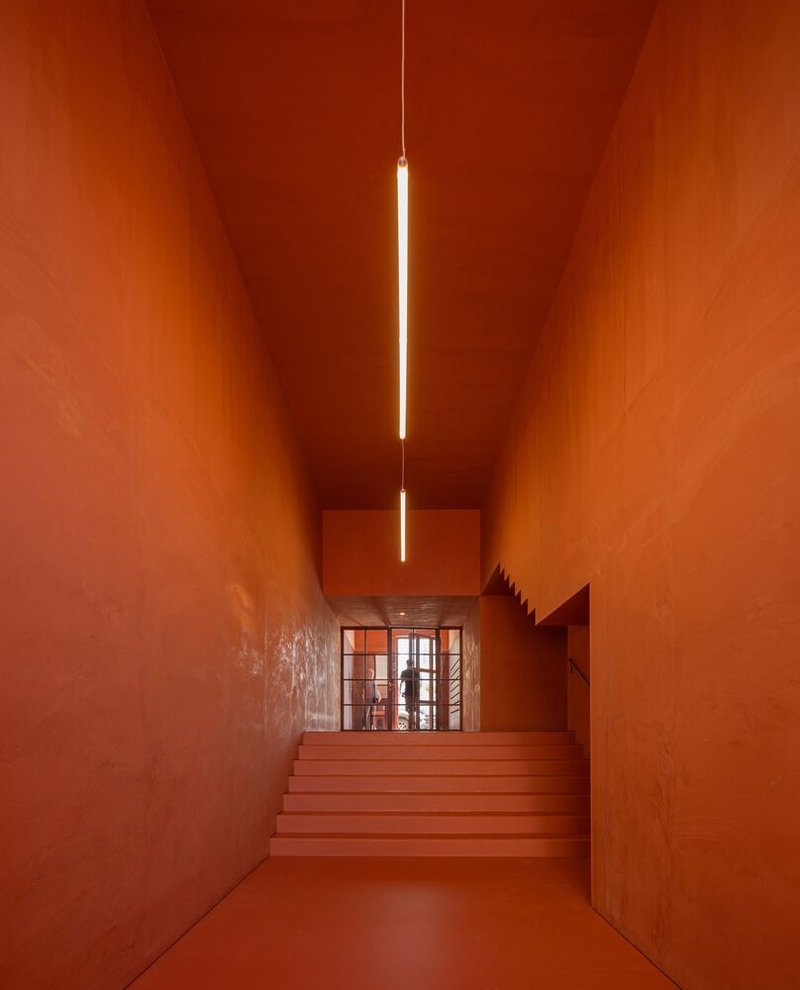
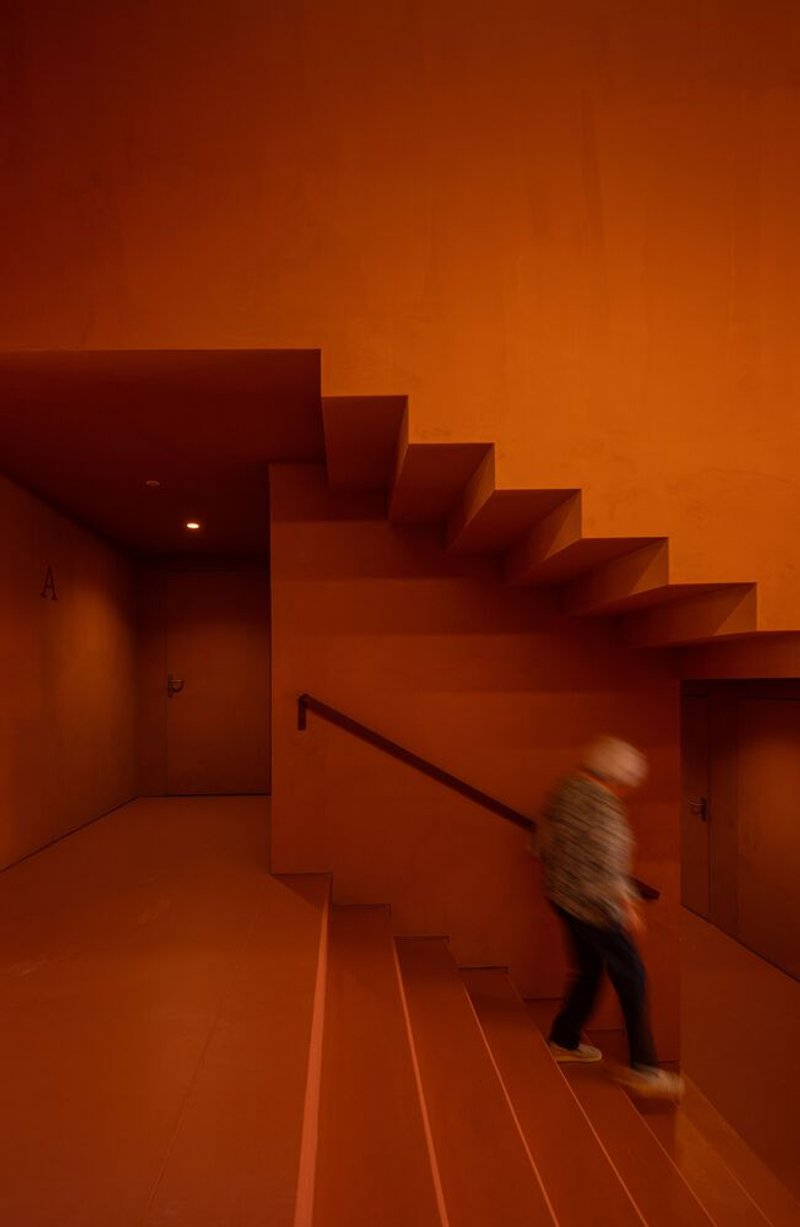
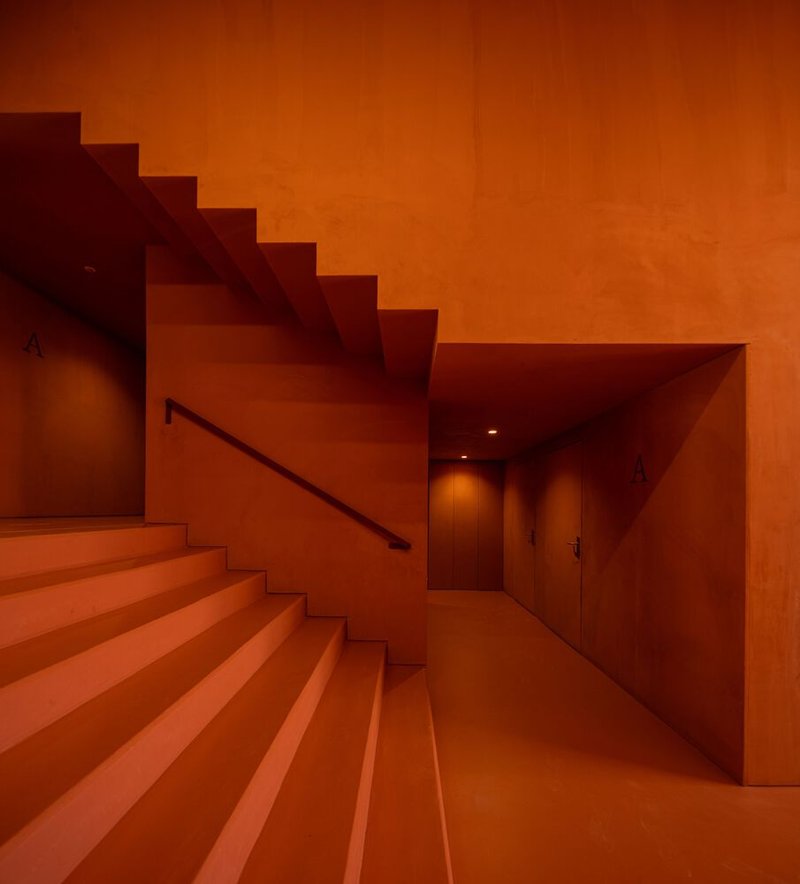
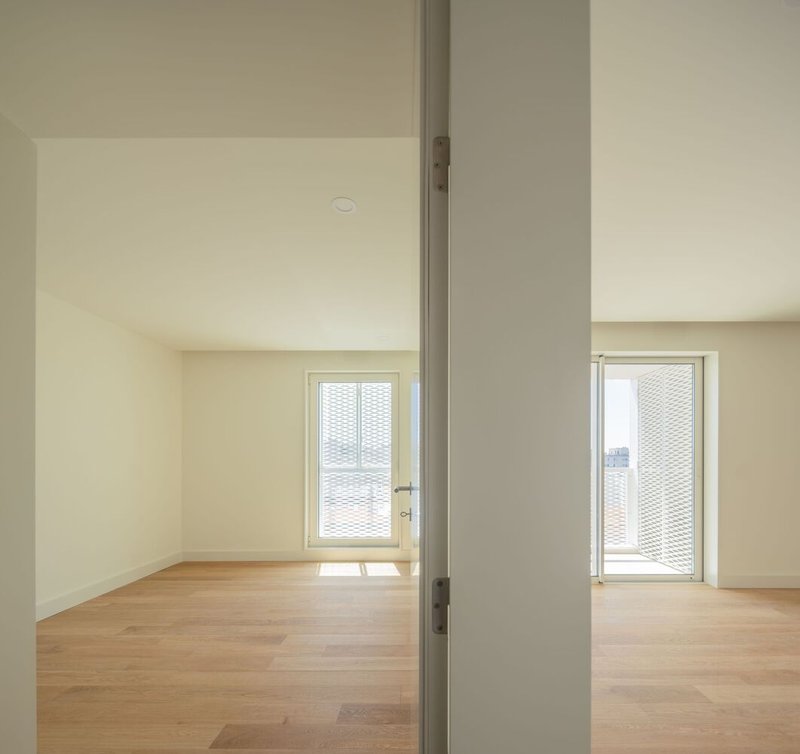
This interplay of density and intangibility creates a unified architectural language that bridges historical continuity with contemporary design ambition. The materiality ensures the project evolves with its coastal environment while maintaining a timeless presence.
A Sustainable Urban Strategy
The distribution of mass across separate blocks generates a volumetric composition that is both functional and sustainable. By revitalizing an underused industrial site, the project reduces urban sprawl while injecting new life into the surrounding community. Its mixed-use program not only preserves memory but also drives economic, social, and cultural renewal.
OODA’s Canning Factory demonstrates how adaptive reuse architecture can revitalize neighborhoods, preserve history, and align with the principles of sustainable city-making. It is more than a building—it is a catalyst for urban transformation.




Popular Articles
Popular articles from the community


Solar Steam: A Climate-Responsive Architecture That Redefines the Monument
A climate-responsive memorial architecture that transforms heat, decay, and time into a living system reflecting humanity’s ecological impact.
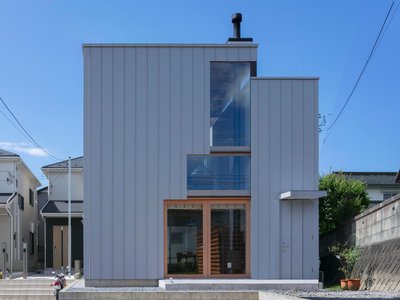
Split House: A Compact Urban Home Blending Privacy, Light, and Flexible Living in Japan
Compact Japanese home featuring DOMA space, flexible café potential, passive lighting, privacy zoning, and sustainable urban living design.
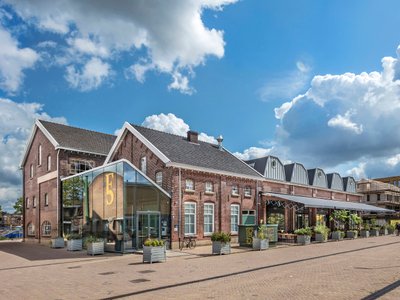
Fifth NRE Jazz Club – De Bever Architecten: Eindhoven’s Revitalized Cultural Hub
Historic gas factory transformed into Fifth NRE Jazz Club blending modern sustainability, jazz culture, dining, and heritage architecture seamlessly.



Similar Reads
You might also enjoy these articles

Free Architecture Competitions You Can Enter Right Now
No entry fees, real prizes. Here are the best free architecture competitions open for submissions in 2026.
Top 15 Architecture Competitions to Enter in 2026
From student-friendly idea competitions to prestigious international awards, here are the best architecture competitions open for entries in 2026. Updated regularly.

DIY & Engineering in Computational Design : Enter the BeeGraphy Design Awards
Showcase Your Creativity with Computational Design and Open Source Projects
Innovative Design Solutions: Award-Winning Projects from Recent Architecture Competitions
Exploring award-winning architectural projects shaping the future of design, sustainability, and community.

Explore Architecture Competitions
Discover active competitions in this discipline




The International Standard for Design Portfolios


The Global Benchmark for Architecture Dissertation Awards


The Global Benchmark for Graduation Excellence


Challenge to reimagine the Iron Throne
Comments (0)
Please login or sign up to add comments
No comments yet. Be the first to comment!