
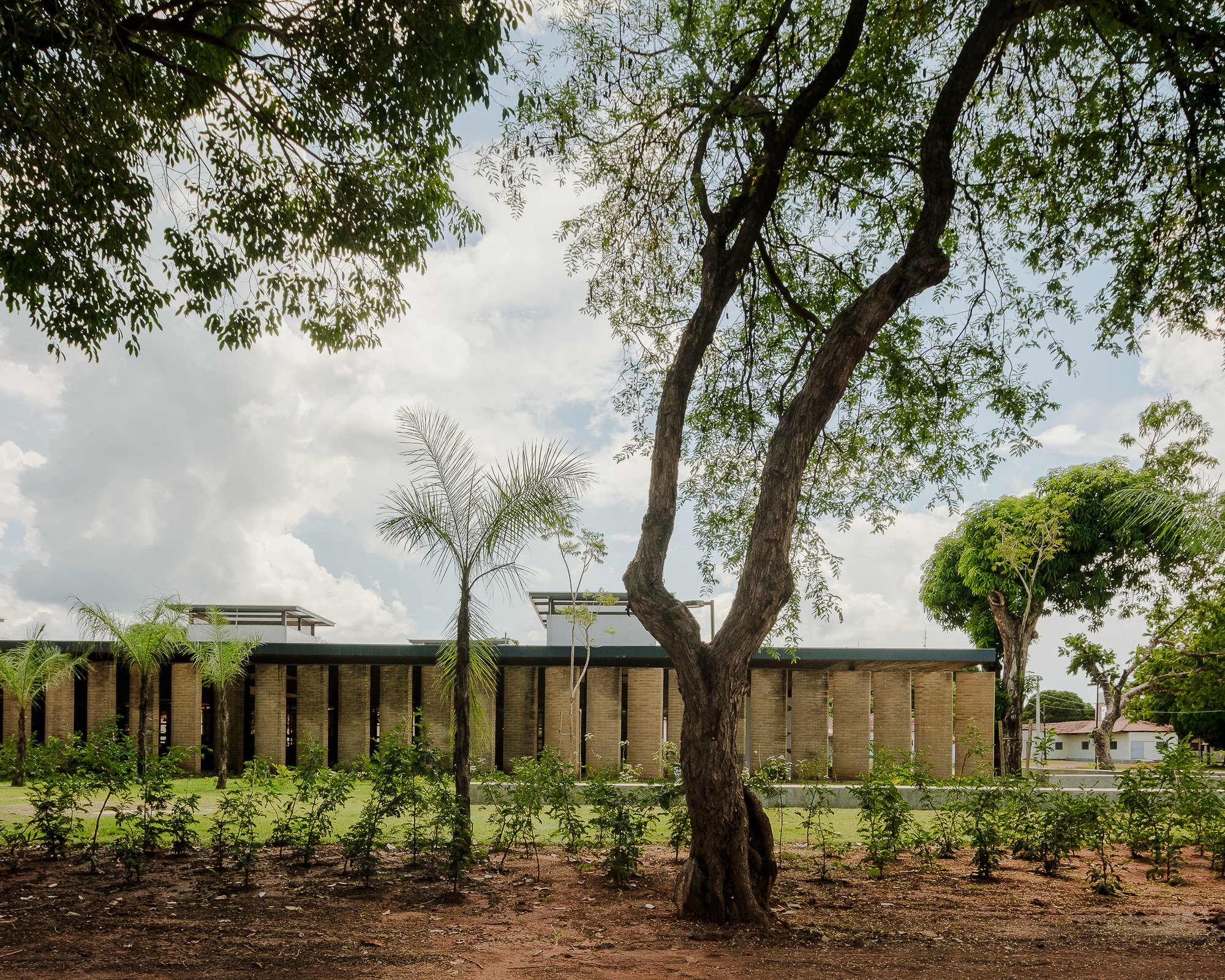
Canuanã Refectory: A Sustainable Dining Hall by Terra e Tuma Arquitetos Associados + Rosenbaum
The Canuanã Refectory blends sustainable design, local culture, and education, creating a climate-responsive dining space fostering community and learning.

The Canuanã Refectory, designed by Terra e Tuma Arquitetos Associados in collaboration with Rosenbaum, is more than just a dining space—it is a social and pedagogical hub that redefines the role of architecture in education. Completed in 2020 and located in Formoso do Araguaia, Tocantins, Brazil, the project reflects the deep relationship between people, culture, and the environment.
A School with Deep Roots in the Amazon Region
Founded in 1973 by the Bradesco Foundation, the Canuanã School serves children and adolescents from rural communities, including settlers, caboclos, and indigenous families living along the Javaés River in north-central Brazil.
The boarding school accommodates over 800 students between the ages of 6 and 18 and employs nearly 270 staff in pedagogy, nutrition, healthcare, and administration. For many of these students, visits to their families happen only once a month—or in some cases, just once a year. This extended stay transforms the school into not only a place of learning but also a space where identity, social ties, and cultural exchanges are continuously shaped.
From Master Plan to Social Architecture
The new Canuanã Refectory emerged as part of a broader master plan for the campus. The vision was to move beyond functional architecture and create spaces that foster community, sustainability, and cultural integration.
Instead of treating the refectory as a mere dining facility, the architects designed it as a pedagogical and social environment—a place where eating becomes an act of learning, gathering, and sharing.
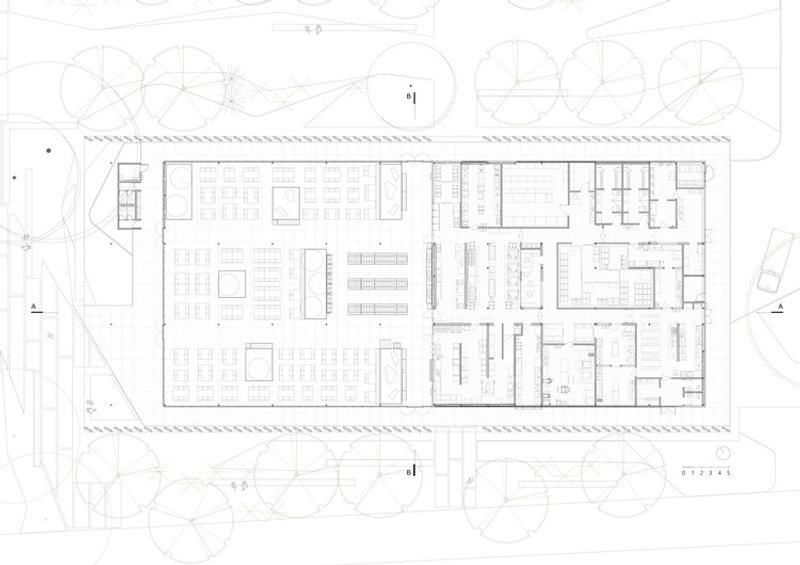
Strategically located between the school’s administrative and pedagogical areas, the refectory also houses a rural school unit connected to the kitchen. Together, they prepare and serve nearly 8,000 meals daily, turning food preparation into an educational process for students.
Climate-Responsive and Sustainable Design
The Amazon biome presents harsh climate conditions—intense heat, high sun exposure, heavy winds, and torrential rains. Instead of relying on artificial air conditioning, the architects designed a structure that embraces the natural environment:
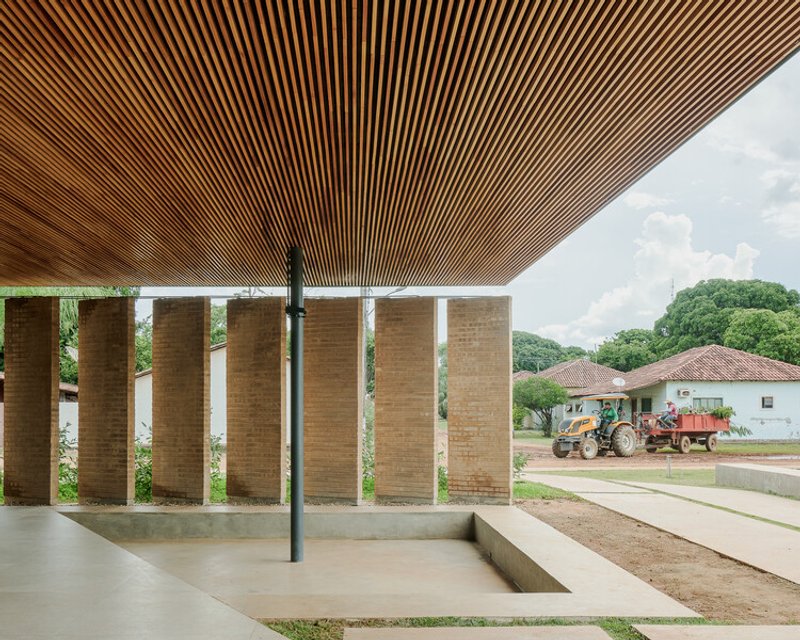
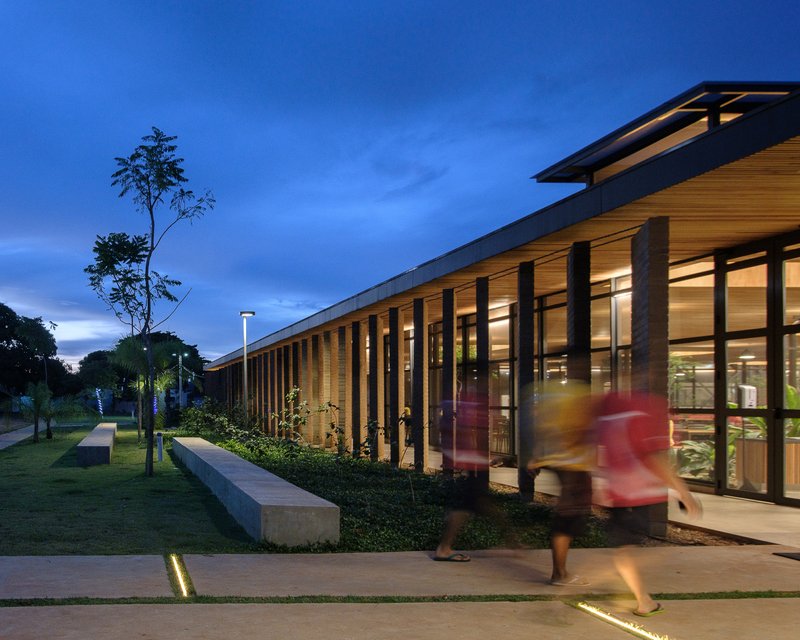
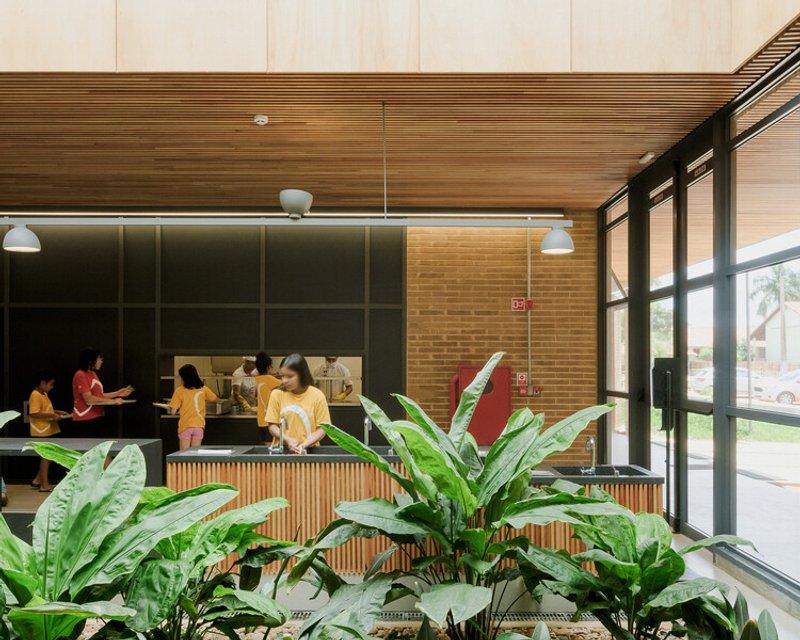
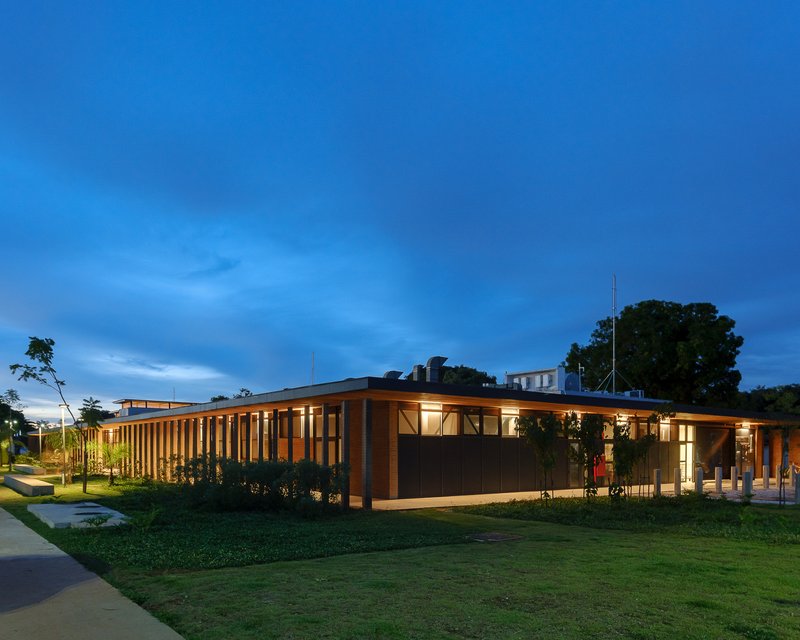
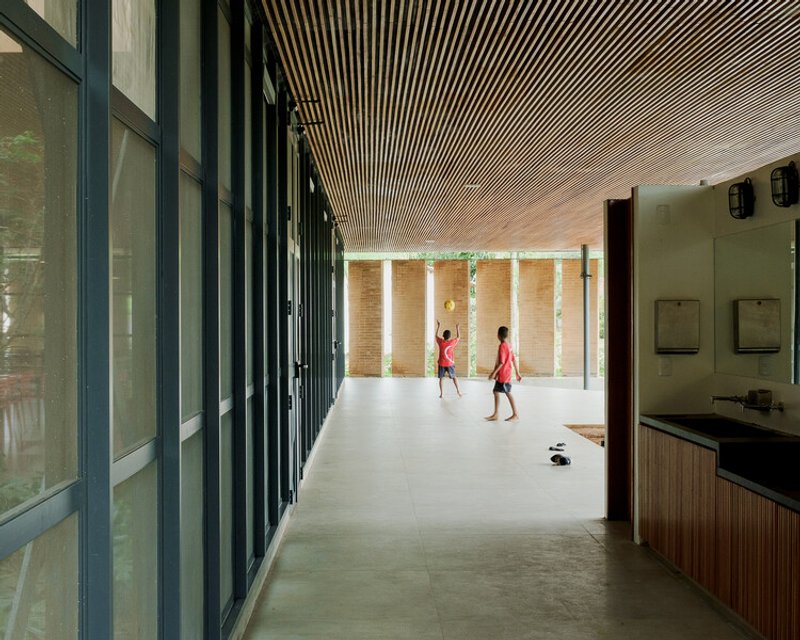
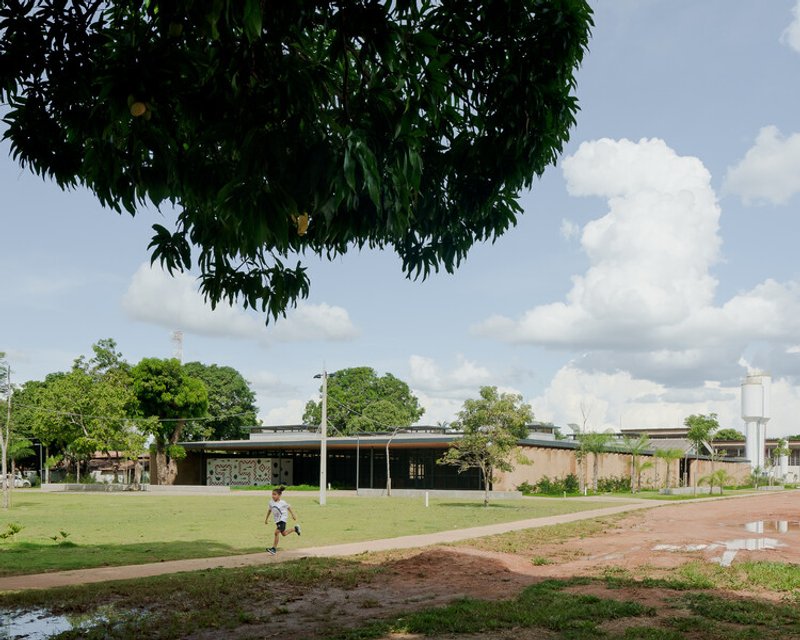
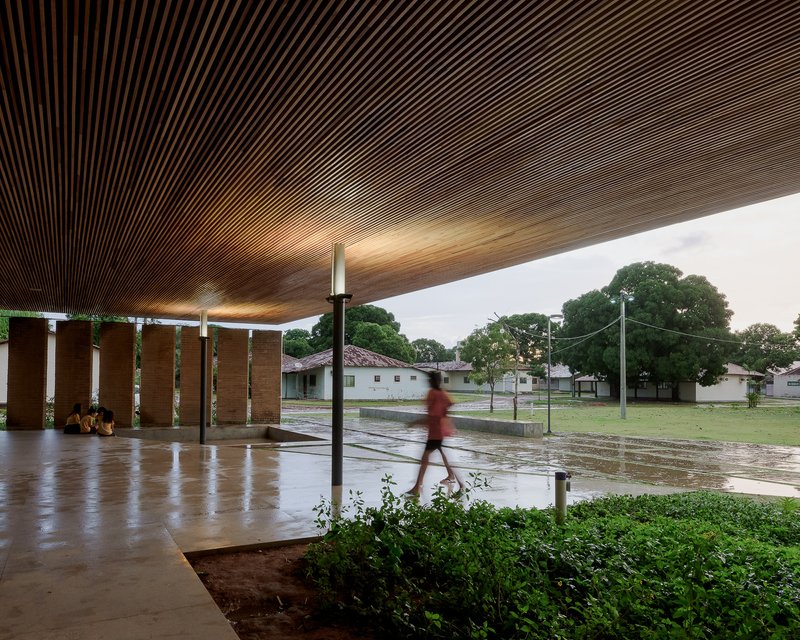
- Ventilation and Light: A large roof canopy shades the dining areas, while mosquito-net facades allow constant airflow and visual connection with the surroundings.
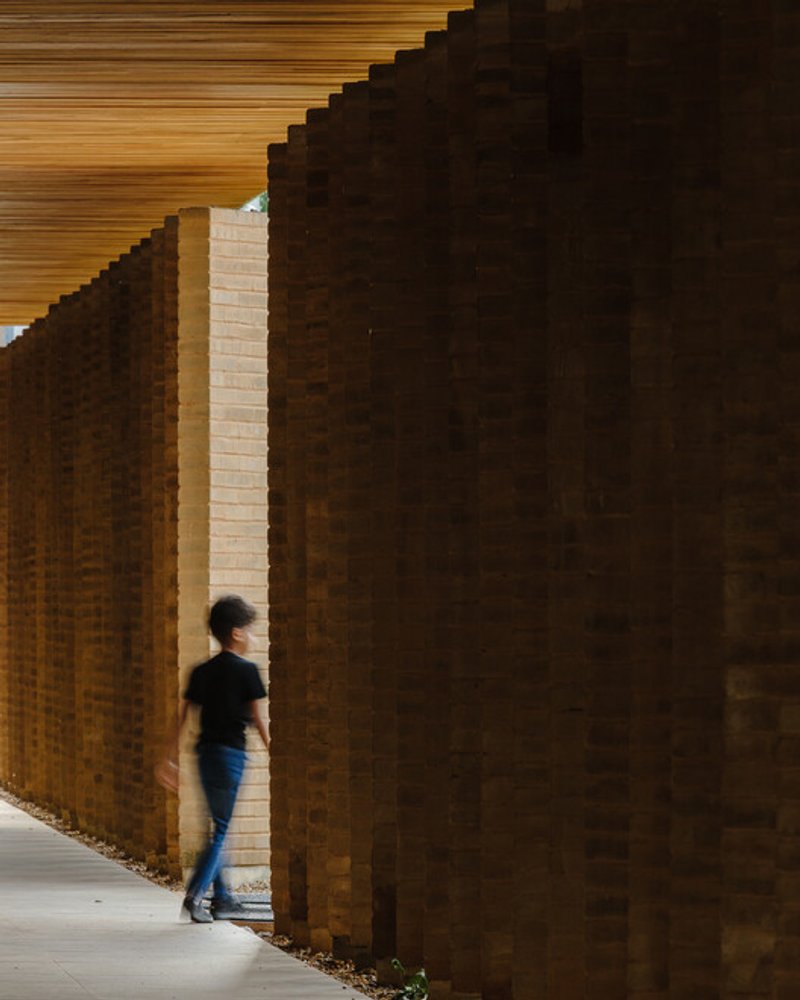
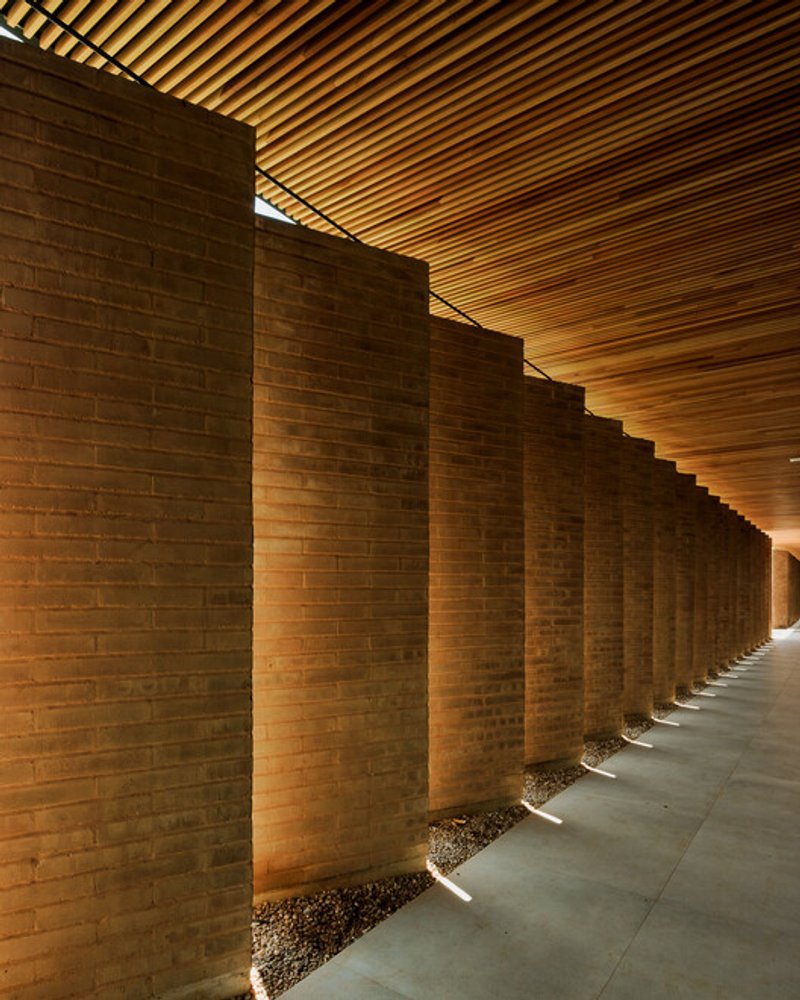
- Brick Brises: Positioned along the east and west sides, soil-cement brick brises filter sunlight, guide wind, and enhance thermal comfort.
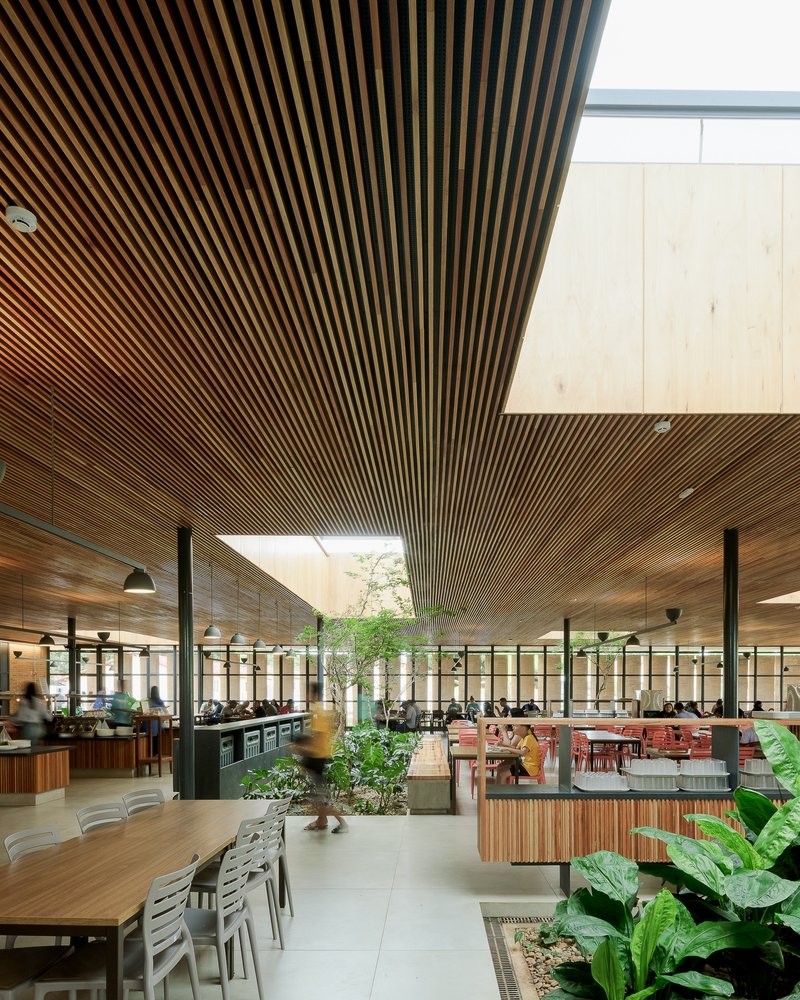
- Green Courtyards: Internal gardens with native vegetation create a serene atmosphere, filtered with natural light from skylights (domus) that project above the gardens.
This design strategy ensures comfort while maintaining low environmental impact, aligning with sustainable architecture principles.
Human-Centered Spatial Experience
The dining hall accommodates 300 students simultaneously, but instead of a single massive hall, it is divided into smaller clusters of tables. These groups are distributed around internal courtyards, creating a veranda-like building that encourages intimacy and community.
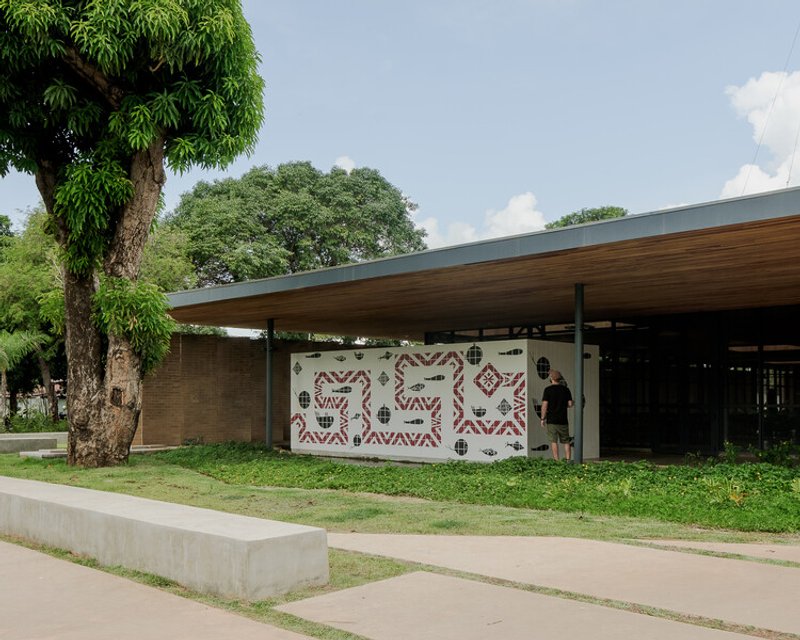
The entrance square, shaded and welcoming, serves as a gathering point. Its walls are adorned with artwork by Amazonian artist Denilson Baniwa, who used natural pigments like urucum and genipapo to narrate stories inspired by Javaé cosmology. This integration of indigenous art grounds the project in cultural memory and storytelling.
The Kitchen as a Learning Space
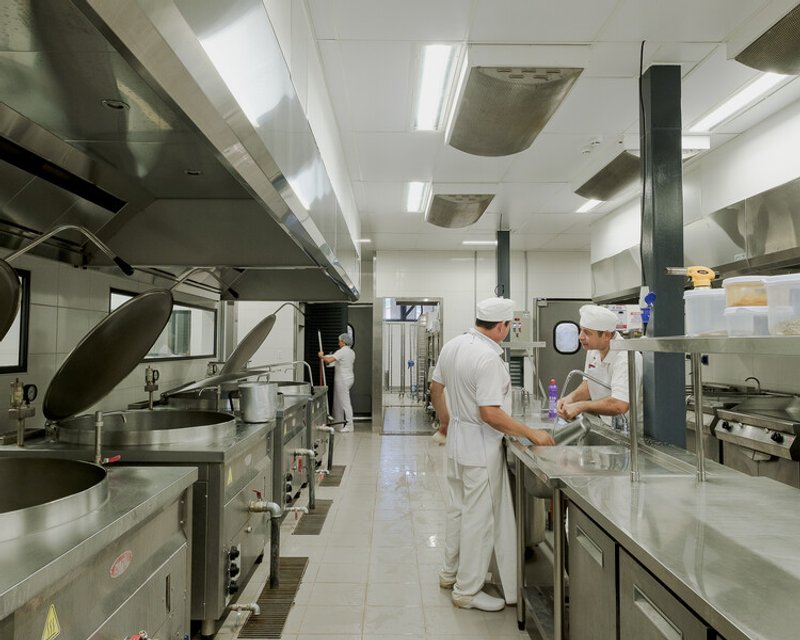
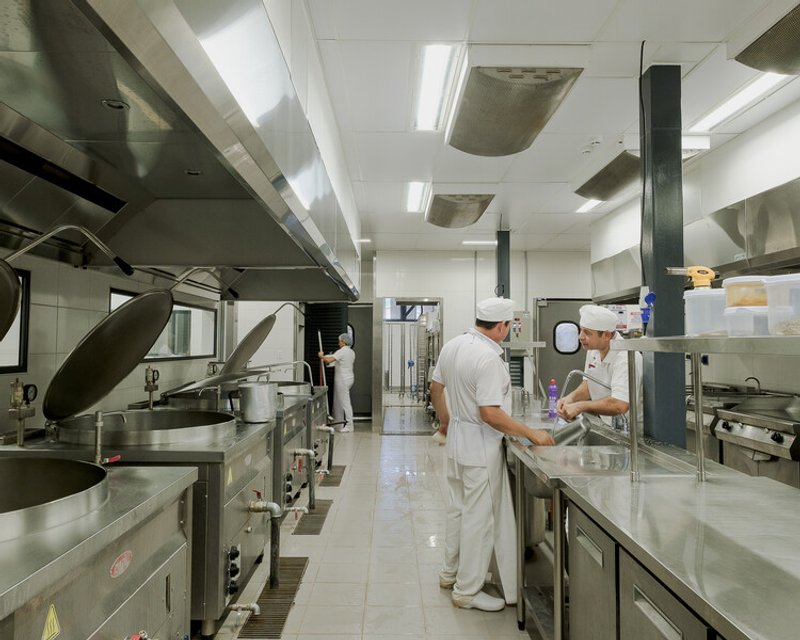
The industrial kitchen is more than a back-of-house facility—it is an educational environment. Equipped with spaces for storage, preparation, bakery, butchery, classrooms, and administration, it allows efficient menu planning and food conservation while teaching students about nutrition, food systems, and collective responsibility.
Acoustic, luminous, and environmental treatments ensure that staff and students experience the kitchen as a comfortable and functional workspace.
Locally Sourced Materials and Construction
Material choices reflect sustainability and local identity:
- Soil-Cement Bricks: Produced onsite using soil from the farm, these bricks reduce transportation impact and provide natural thermal inertia.
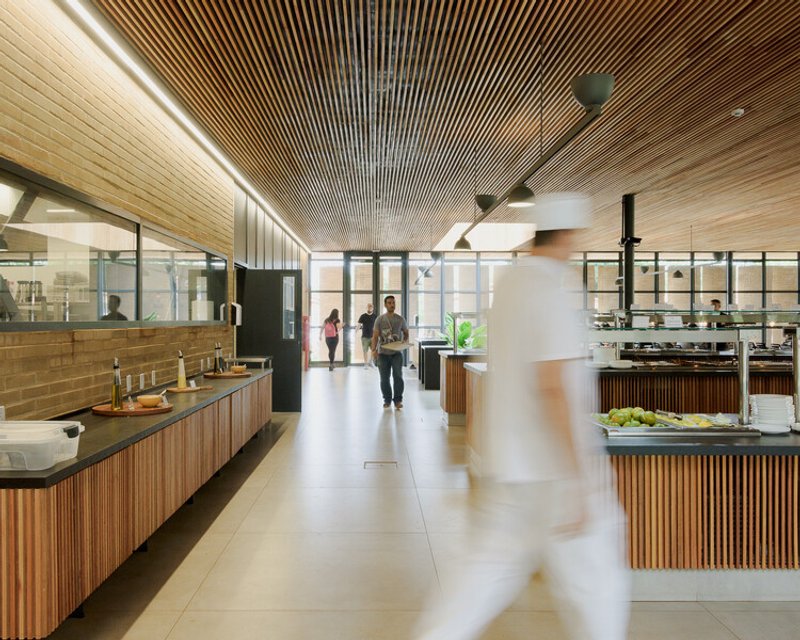
- Metal Structure & Eucalyptus Lining: The slender steel framework is complemented by treated eucalyptus wood ceilings, which add warmth and acoustic balance.
- Indirect Lighting: Carefully designed to highlight textures and enhance comfort without overpowering the natural daylight.
This material palette reinforces the idea of architecture rooted in place, respecting both environmental and cultural sustainability.
Conclusion: Architecture as a Tool for Education and Belonging
The Canuanã Refectory demonstrates how architecture can transcend functionality to become a tool for education, community building, and cultural preservation. Terra e Tuma and Rosenbaum’s design is a testament to the power of human-centered, climate-responsive, and sustainable design—a space where food, culture, and learning intertwine seamlessly.
By rethinking the dining hall as a social infrastructure, the project enriches the lives of hundreds of children, shaping not only their present but also their future relationship with community, culture, and environment.
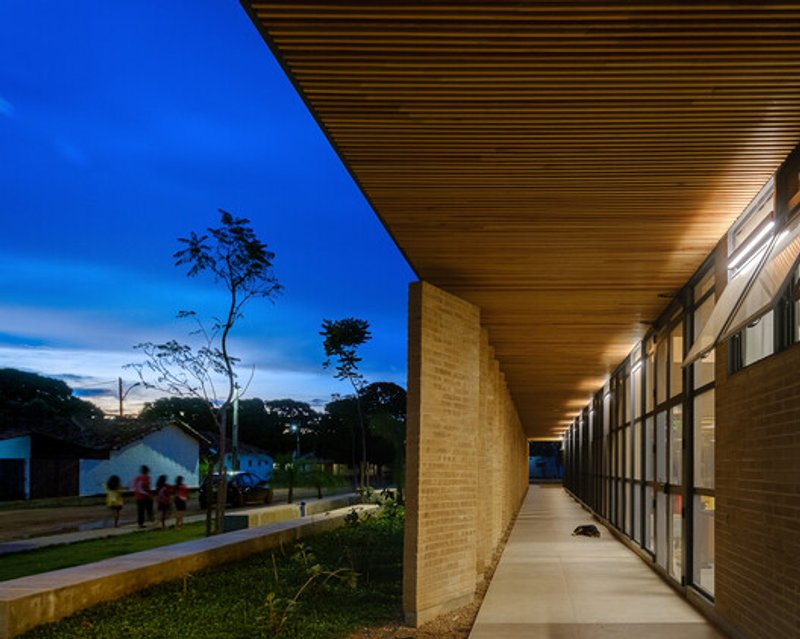
All the photographs are works of Pedro Kok




Popular Articles
Popular articles from the community

Alton Cliff House: A Harmonious Retreat by f2a Architecture in Lake Country, Canada
Alton Cliff House blends corten steel, prefabrication, and sustainable design, creating a luxurious, energy-efficient retreat perched on Canadian cliffs.
Split House: A Compact Urban Home Blending Privacy, Light, and Flexible Living in Japan
Compact Japanese home featuring DOMA space, flexible café potential, passive lighting, privacy zoning, and sustainable urban living design.

Free Architecture Competitions You Can Enter Right Now
No entry fees, real prizes. Here are the best free architecture competitions open for submissions in 2026.
Atelier Macri Concept Store Interior Design by CASE-REAL
Atelier Macri store features a "ko" counter, walnut wood details, cork displays, blending retail, gallery, and seamless customer experiences.


Similar Reads
You might also enjoy these articles


The Ken Roberts Memorial Delineation Competition (Krob)
As the most senior architectural drawing competition currently in operation anywhere in the world, it draws hundreds of entries each year, awarding the very best submissions in a series of medium-based categories.

Waterfront Redevelopment and Urban Revitalization in Mumbai: Forging a New Dawn for Darukhana
A transformative waterfront redevelopment project reimagining Darukhana’s shipbreaking heritage into an inclusive urban future.

OUT-OF-MAP: A Call for Postcards on Feminist Narratives of Public Space
Rhizoma Design and Research Lab invites artists, designers, architects, researchers, and students to reflect on how feminist perspectives can reshape public space. Selected works will be exhibited in Barcelona, October 2026. Submissions open until 15 April 2026.


Documentation Work on Buddhist Wooden Temple
Architectural syncretism and cultural hybridity: A comparative study of the Buddhist temples in Chattogram Hill tracks


Explore Architecture Competitions
Discover active competitions in this discipline




The International Standard for Design Portfolios


The Global Benchmark for Architecture Dissertation Awards


The Global Benchmark for Graduation Excellence


Challenge to reimagine the Iron Throne
Comments (0)
Please login or sign up to add comments
No comments yet. Be the first to comment!